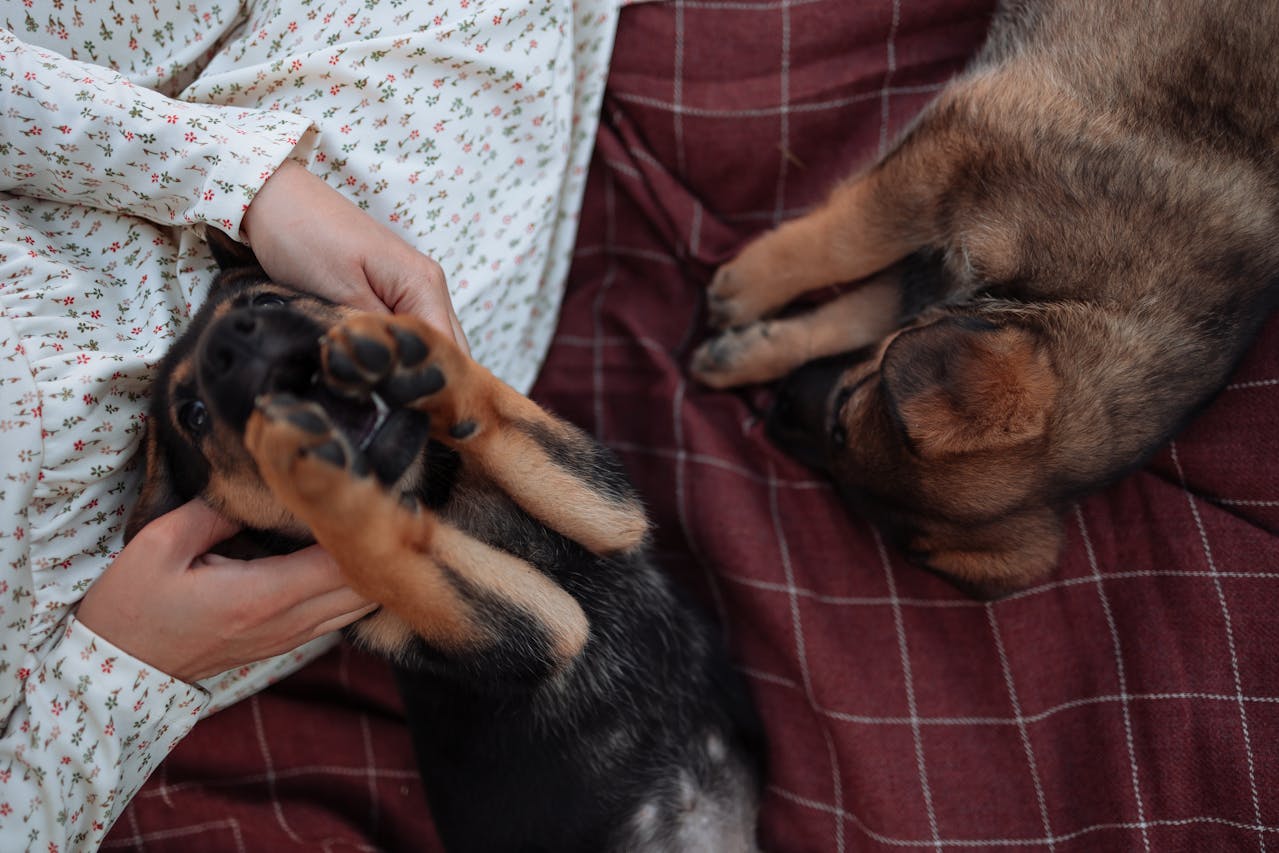
A puppy’s mouth explores everything, but early social lessons teach that teeth are not tools for control. The goal is not a perfect, silent dog; it is a confident one who can handle hands, kids, leashes, vets, and surprises without panic. During the prime social window, roughly 3–14 weeks, calm exposure and gentle limits build bite inhibition, frustration tolerance, and trust. The best wins are small and repeatable: brief sessions, easy exits, and rewards for choosing softness over pressure, even when excitement spikes. Those early patterns become default responses when adolescence brings bigger feelings and faster bodies.
Make Handling Predictable and Rewarding
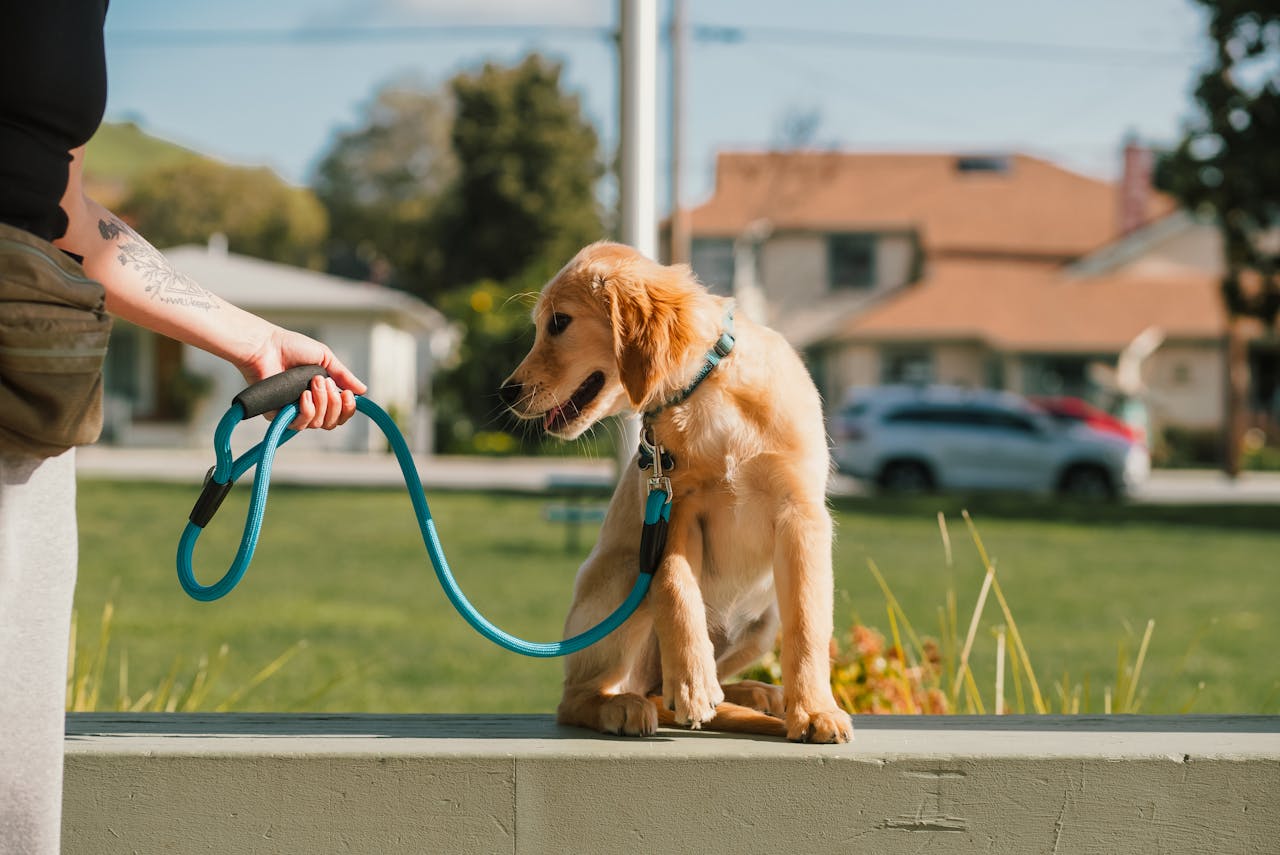
Gentle handling starts as a game: a hand touches a collar, paw, or ear, then a pea-sized reward arrives and the hand leaves. Repeated in quiet moments, this teaches that restraint is temporary and predictable, so wiggly pups feel less need to nip to escape. Over days, the same pattern can include a towel draped over the back, a toothbrush near the mouth, or nail clippers clicking nearby, plus brief lifts with a hand under the chest, in different rooms and on a calm mat, with a clear release word that ends the exercise, so cooperation makes the weird stuff stop fast and pays well, even on busy evenings for months to come.
Stop Play for Hard Teeth, Restart for Soft Mouths
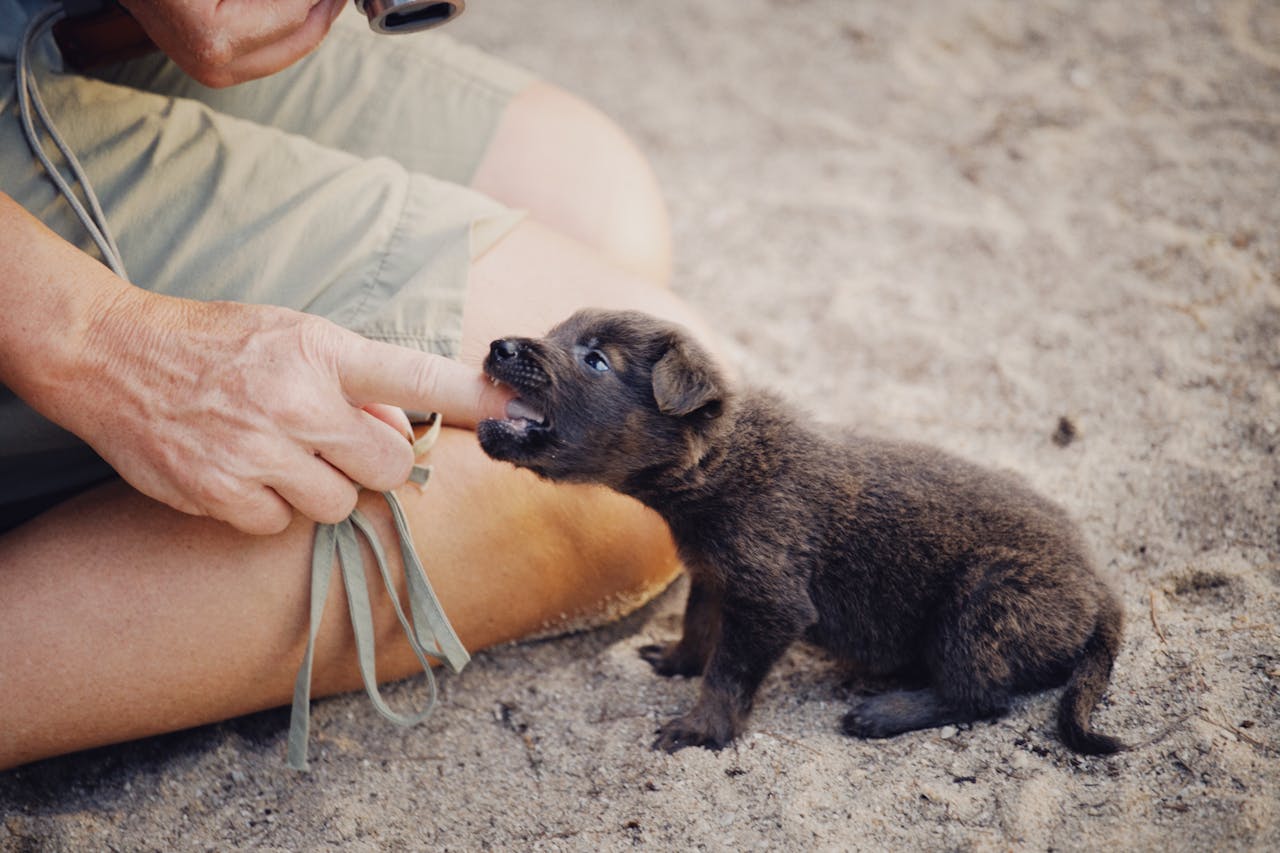
Bite inhibition grows fastest in play, when arousal is real. When teeth touch skin, the game stops for two seconds, hands go still, and attention turns away; the restart happens only after a calm sit, a lick, or a toy in the mouth. Over a week, families can layer in a clear tug rule (teeth on rope only), frequent trades for treats, and chew breaks when energy spikes, plus short sessions followed by a nap, teaching that hard pressure ends fun while gentle mouths keep it going, and confidence rises during those evening zoomies as control improves day by day, without high-pitched squeals that rev some pups often at home.
Choose Matched Puppy Play With Smart Breaks
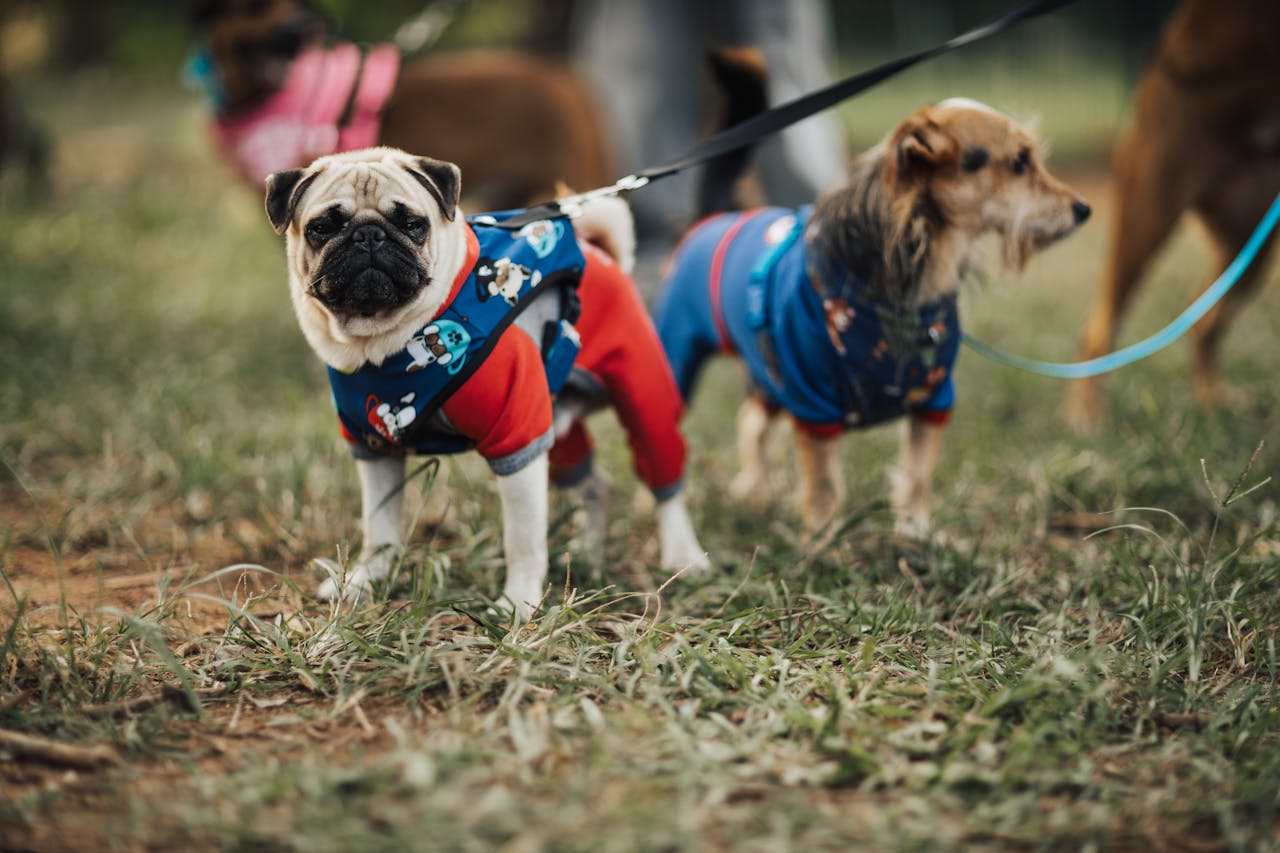
Well-run puppy play teaches lessons humans cannot copy: dogs give instant feedback about rude mouths, body slams, and pushy persistence. The win comes from matching size and play style, using secure spaces with good footing, adding frequent 10–20 second pauses, and rewarding a pup who can disengage, shake off, and return with softer energy. Trainer-led classes or playdates with a calm, known adult dog often shape polite play better than a chaotic dog park, where rough greetings, bad timing, or a single scary moment can quietly plant defensive habits that show up as snapping later, months later, even in friendly homes.
Build Comfort With People, Sounds, and Surfaces
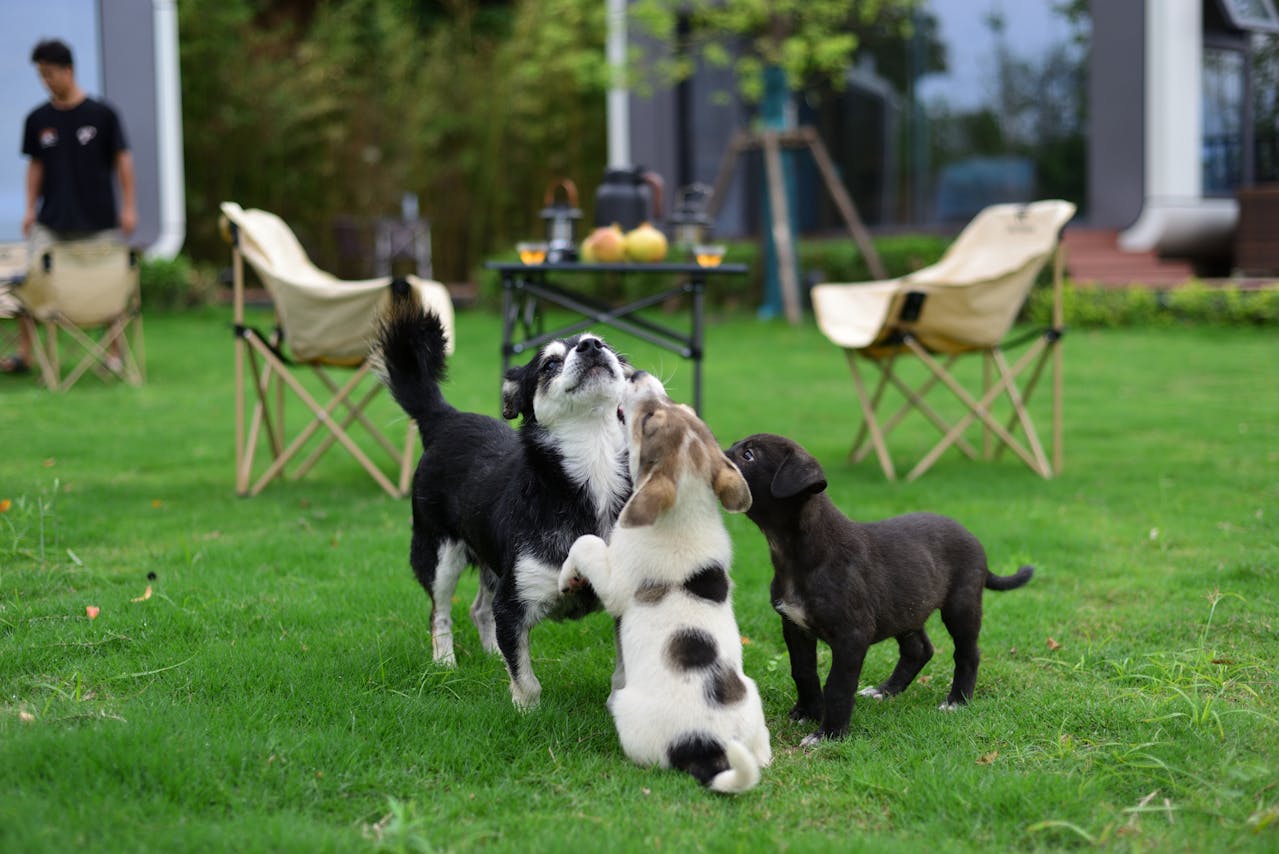
Socialization is less about meeting everyone and more about learning that new things predict safety. A pup can watch joggers, umbrellas, wheelchairs, and kids on scooters from a comfortable distance while treats rain down; if greeting happens, it stays one person at a time, with strangers tossing food instead of reaching over the head. Short, upbeat sessions across grass, tile, grates, and elevators, paired with gentle sound tracks, doorbells, and rolling carts, plus quick exits during fear moments, build a dog who chooses curiosity instead of grabbing with teeth when surprise hits at home and on walks for life, too.
Protect Sleep and Teach an Easy Settle

Many puppy nips are not aggression; they are exhaustion with sharp teeth. Scheduled naps, a pen or crate for down time, and a simple settle cue on a mat give the brain a way to power down before the mouth takes over, especially after busy play, visitors, or training. Calm can be paid with slow rewards like scatter feeding, snuffle mats, or frozen chews, and with tiny reps of waiting for food bowls, doors, and leashes; when nips pop up, a toy appears and hands disappear, so the pup learns that quiet behavior earns access to people, not frantic grabbing as routines stay predictable through adolescence for months, too.
Practice Trades and Drop It Before It Matters
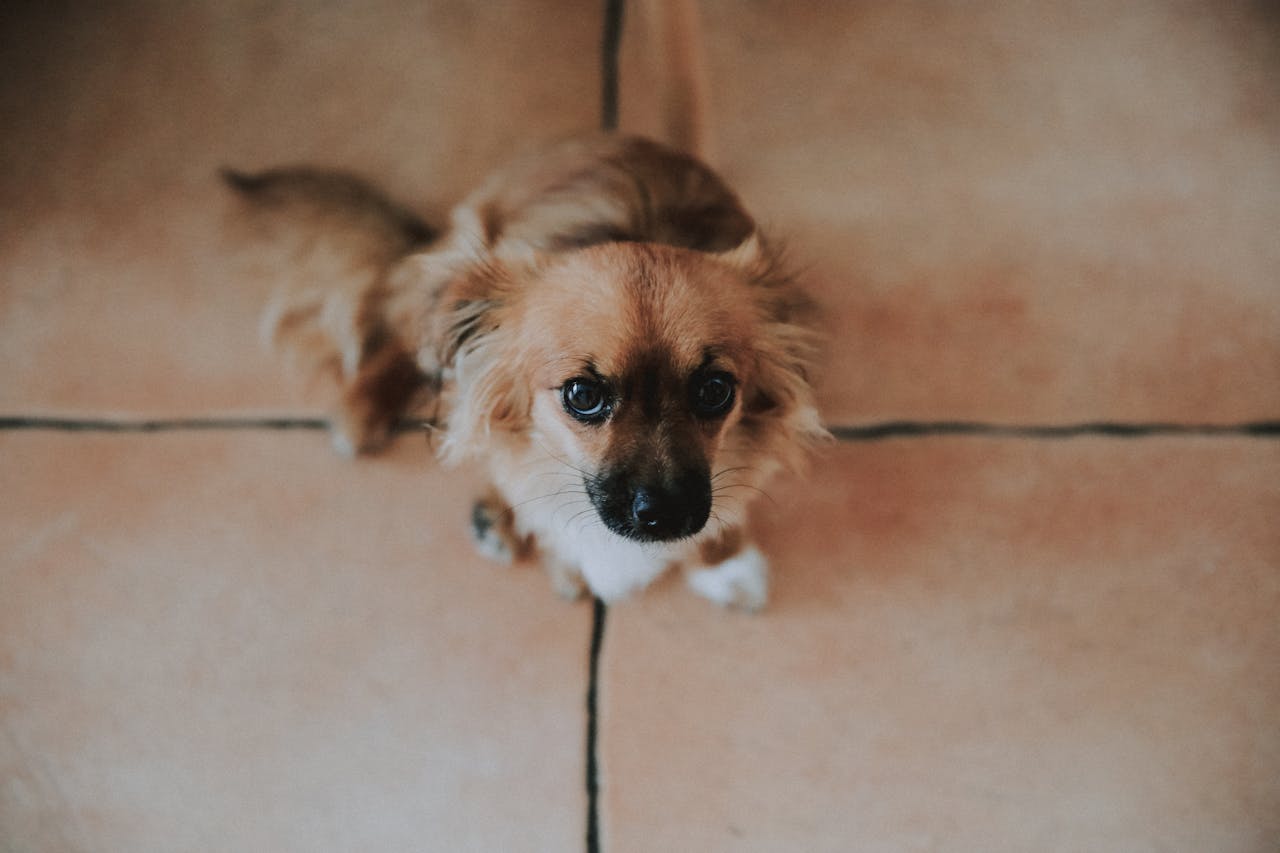
A puppy who steals socks is practicing keep-away, and teeth often follow when hands chase. Trading turns conflict into cooperation: a treat appears, the pup drops the item, and the prize returns or a better chew replaces it, teaching that humans approach to add value. An early drop it and leave it can be built with low-stakes objects, short tug games that end on cue, and quick payments for a calm release; practiced around food bowls, toys, doorways, and fallen snacks, it reduces guarding and the urge to clamp down when something exciting is within reach, keeping households calmer into fast teenagers.
Coach Kid Interactions to Prevent Sleeve Biting
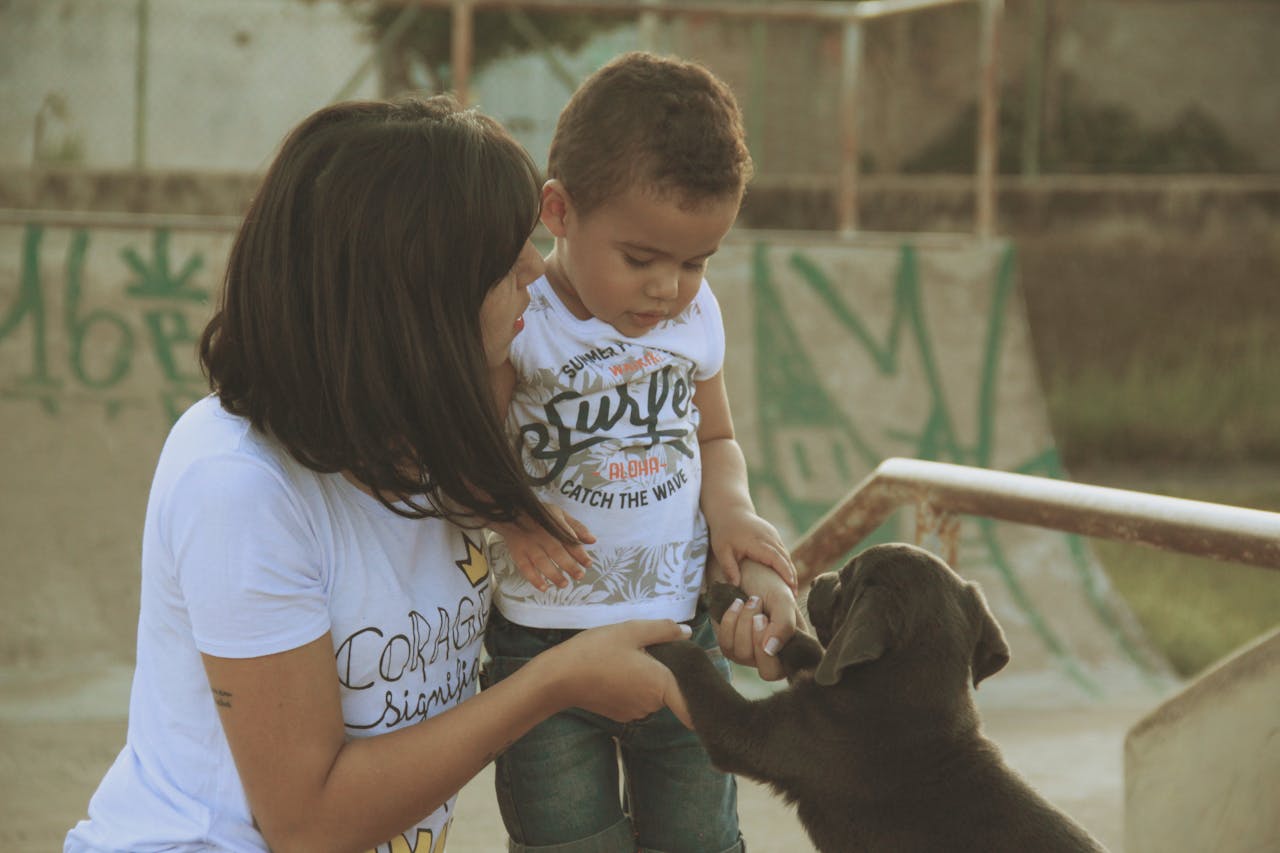
Kids move like toys, so puppies often bite sleeves, ankles, and dangling hands without meaning harm. The win is choreography: adults stage calm greetings, keep sessions short, use baby gates and leashes indoors, and coach children to stand still, fold arms, and toss treats low, instead of waving fingers, hugging faces, or squealing. Structured games like treat scavenger hunts, tossing a ball, or dragging a long toy give the mouth a legal target; pups learn that small humans predict rewards and quiet play, while rough grabbing instantly ends access, preventing habits from forming during the busiest family moments.
Make Vet and Grooming Practice a Happy Routine
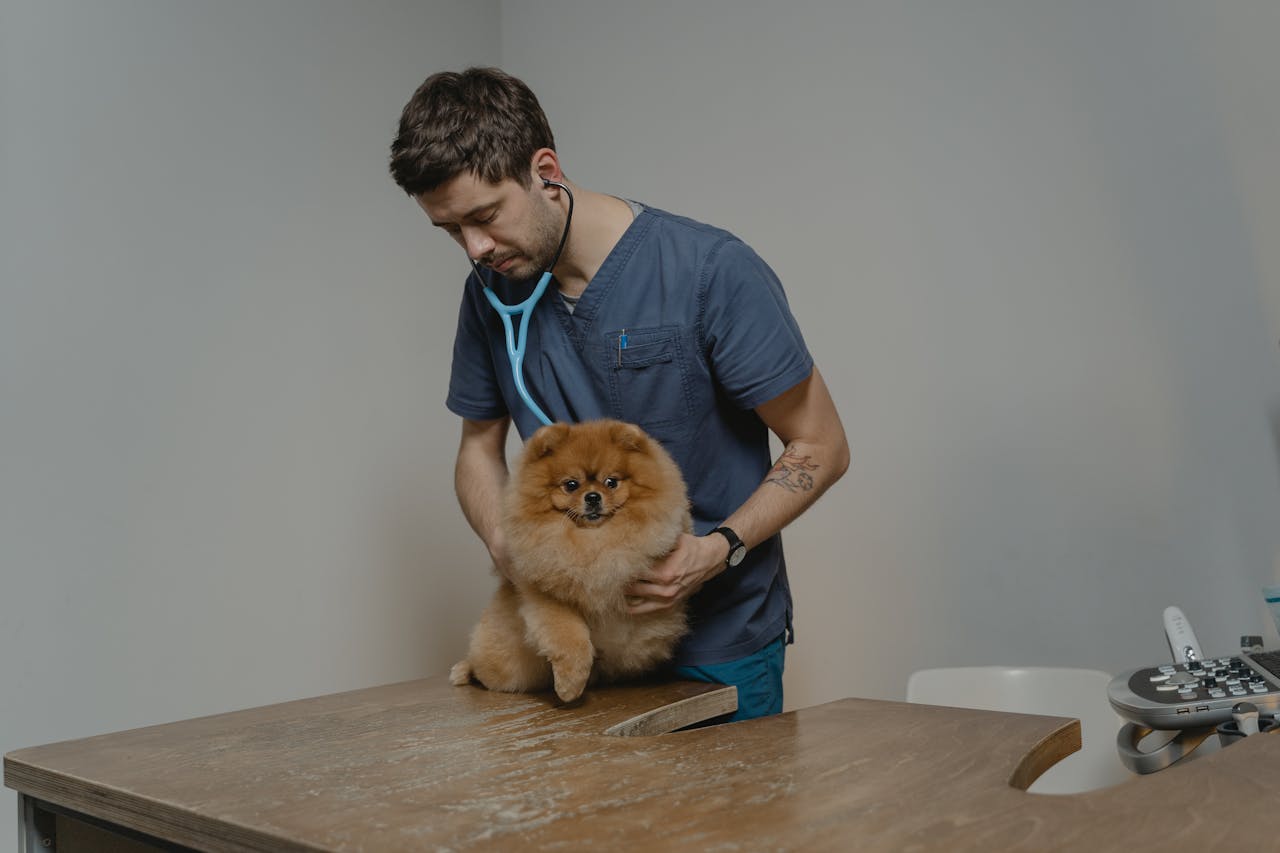
Many adult bites happen in tight spaces like exam rooms, so early practice makes a huge difference. A pup can learn cooperative care through tiny steps: hop on a scale, touch a stethoscope, open the mouth for one second, accept a pretend injection pinch, then earn treats and a break. Happy car rides to the clinic for a quick snack, plus brushing, ear wipes, and nail trims done in calm micro-sessions, build trust; adding dryer noise, bath towels, brief muzzle practice, and gentle lifts onto a table at home adds safety, so the dog grows up expecting handling to be fair, brief, and safe even on stressful days later in life.