Some new years arrive with fireworks and late nights. Spring new years arrive with longer light, fresh leaves, and the sense that the world is starting again on its own schedule. Across several cultures, the calendar turns around the March equinox or mid-April solar shift, when fields change color and homes feel ready for a reset. These celebrations lean into cleaning, visiting, shared food, and simple symbols that make hope tangible. The result is a new year that feels less like a deadline and more like a doorway opened together.
Nowruz In Iran (Persian Culture)
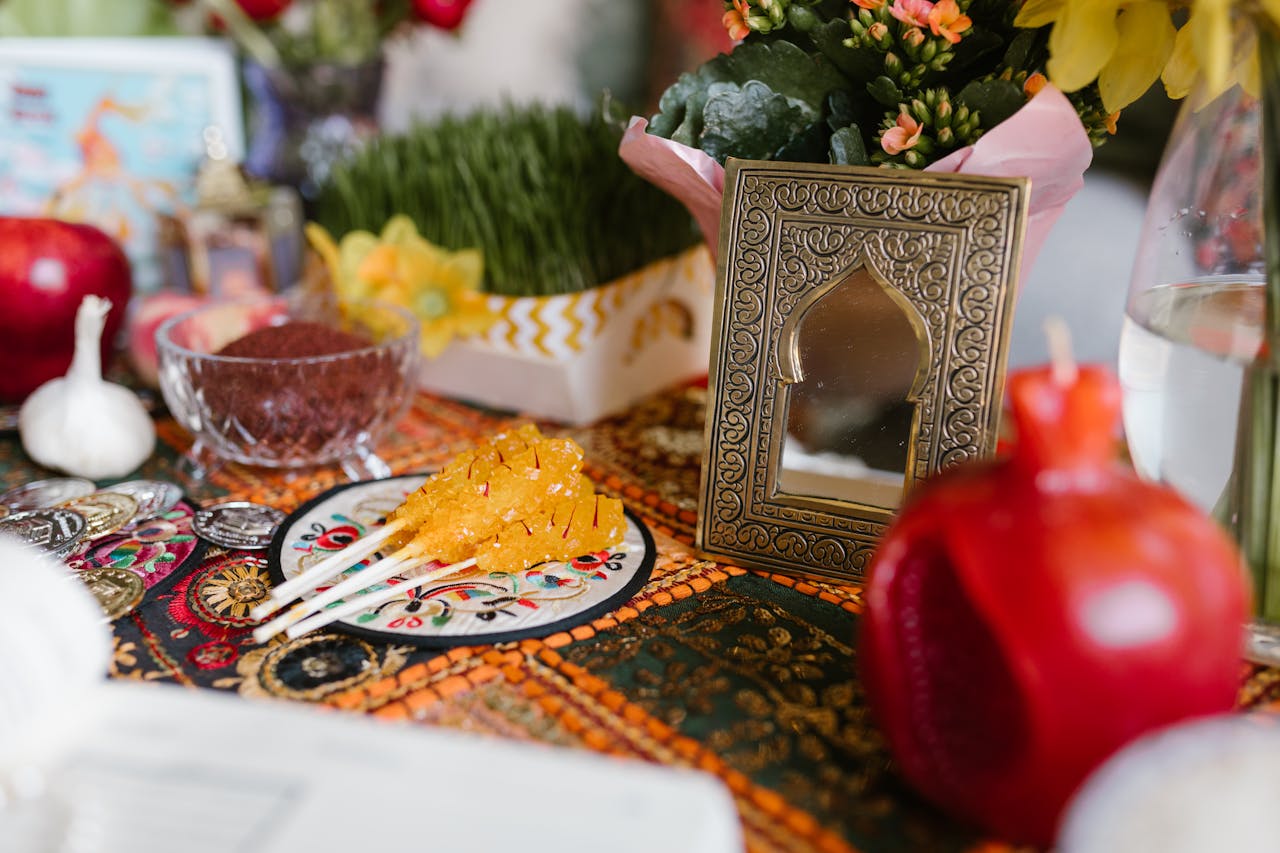
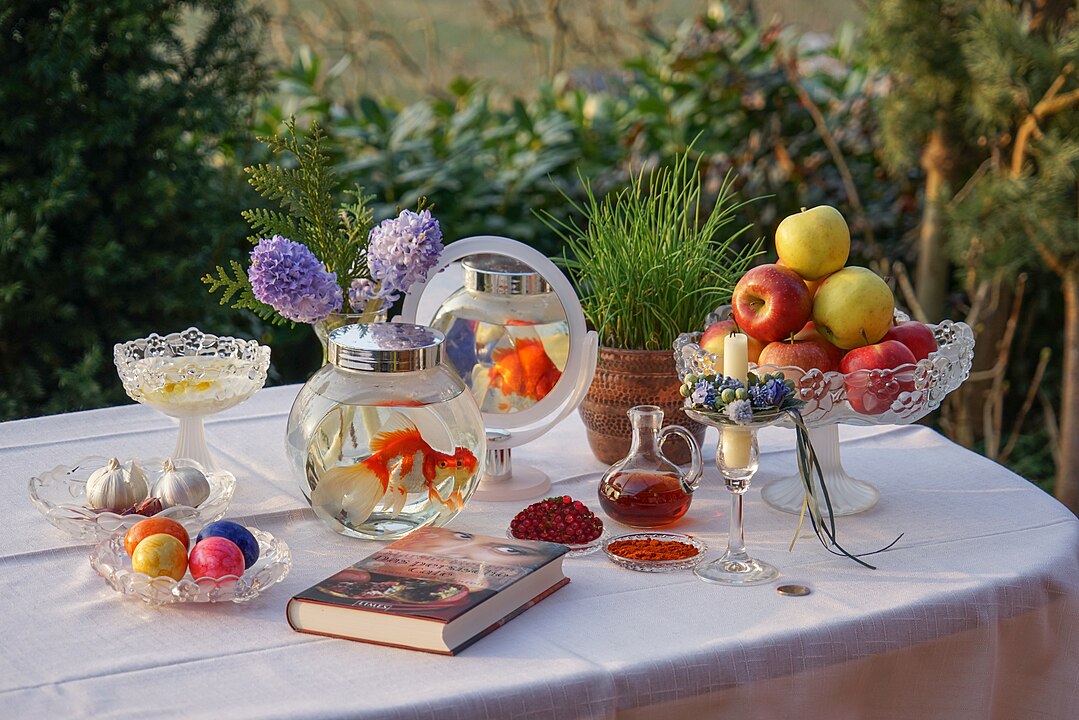
Nowruz begins at the spring equinox, timed to the exact moment the Persian calendar turns, and homes answer with deep cleaning, new clothes, and the haft-seen table laid with symbolic items like sprouts, vinegar, apples, and coins. Days unfold through tea visits with elders, sweets passed across living rooms, and public picnics as parks fill with the first easy warmth of the year, while greetings carry the simple wish for health and clear luck. The celebration traditionally runs 13 days, ending with Sizdah Bedar outdoors, when people leave the house, eat in the open, and let the new year feel spacious.
Newroz In Kurdish Communities
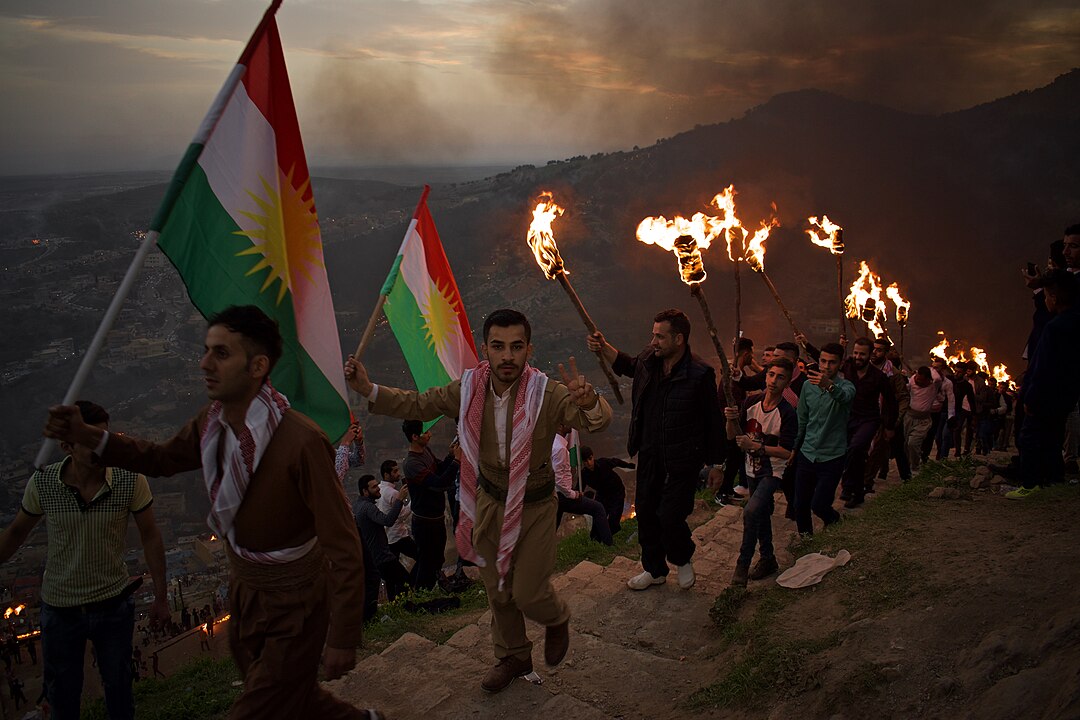
Newroz arrives with the equinox and turns plazas and hillsides into color, with traditional dress, drum rhythms, and bonfires lit at dusk that draw whole families into the same circle. People share flatbread and tea, sing, and jump over flames in a playful gesture of leaving winter behind, while stories of renewal and dignity give the night a deeper meaning beyond the music. By morning, the energy shifts into long visits, picnic spreads, and open-air dancing that can last for hours, often framed by spring greenery and a feeling of collective fresh start with songs that move from gentle to joyful as the afternoon unfolds.
Nowruz In Afghanistan
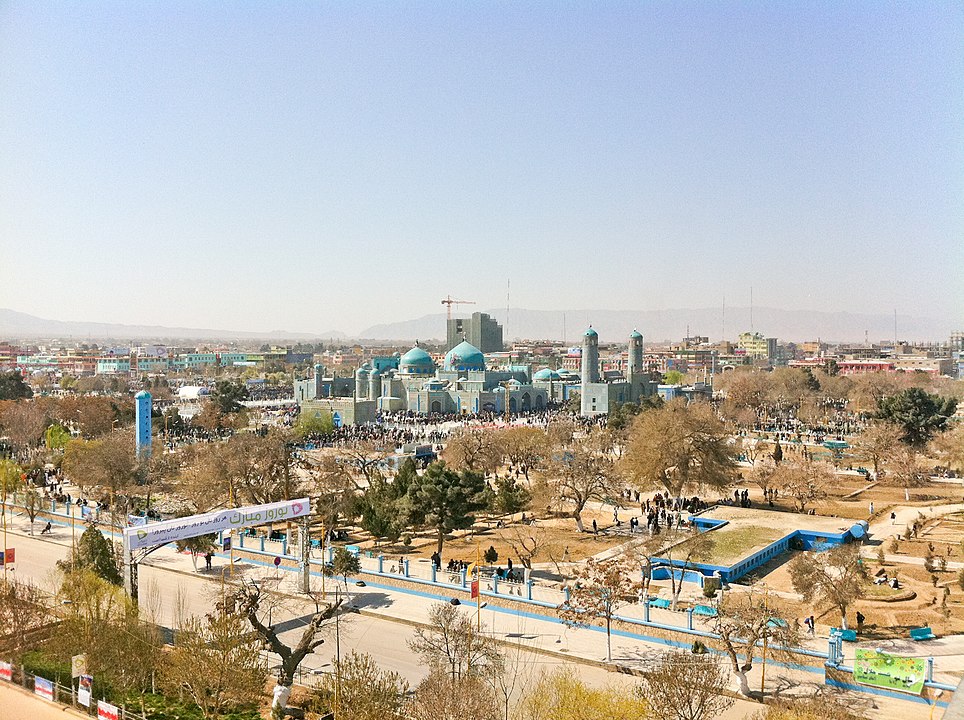
In Afghanistan, Nowruz welcomes spring with hospitality at the center: homes are cleaned, relatives drop by, and the table often includes haft mewa, a sweet compote of soaked dried fruits and nuts offered with tea. Because it follows the equinox, the day often lands when light softens and outdoor time returns, so parks, hills, and riversides become part of the celebration, with families lingering outside instead of rushing home. New clothes for children, shared lunch platters, and unhurried conversation carry the idea that the year starts best when people show up for each other, patiently and in person.
Novruz In Azerbaijan
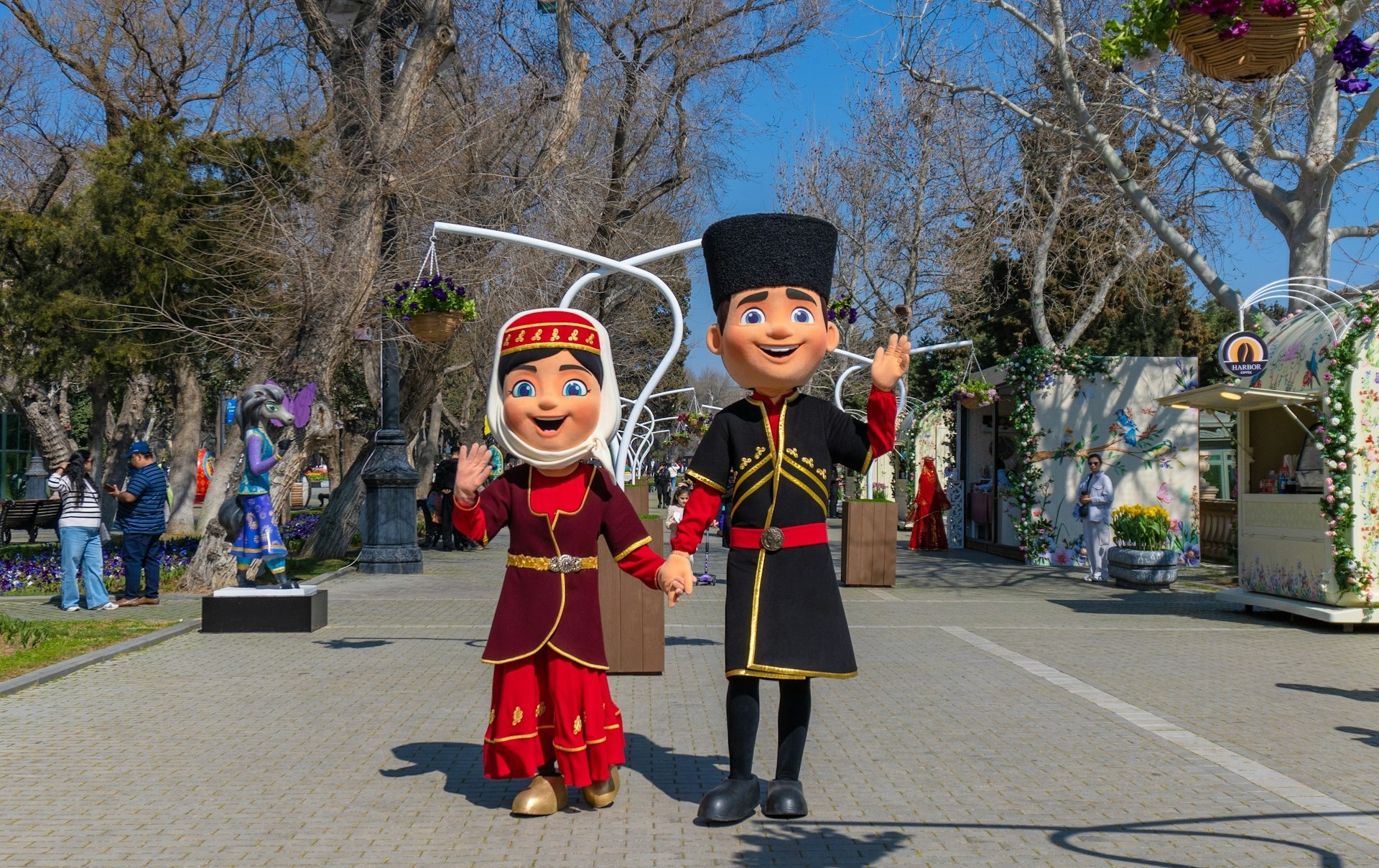
Azerbaijan celebrates Novruz around the vernal equinox, treating the new year as a seasonal turning marked by house cleaning, baking, and visits that feel like reconnection rather than ceremony. Bonfires glow in courtyards and streets, and many people step or jump over the flame as a clean break from the old season, then return to tables set with sweets, nuts, dyed eggs, and sprouted wheat greens grown at home. With several days of gatherings, the holiday has time to move from festive noise to quiet warmth, the way spring shifts from a chill morning to a soft afternoon, and everyone finally exhales.
Navruz In Tajikistan
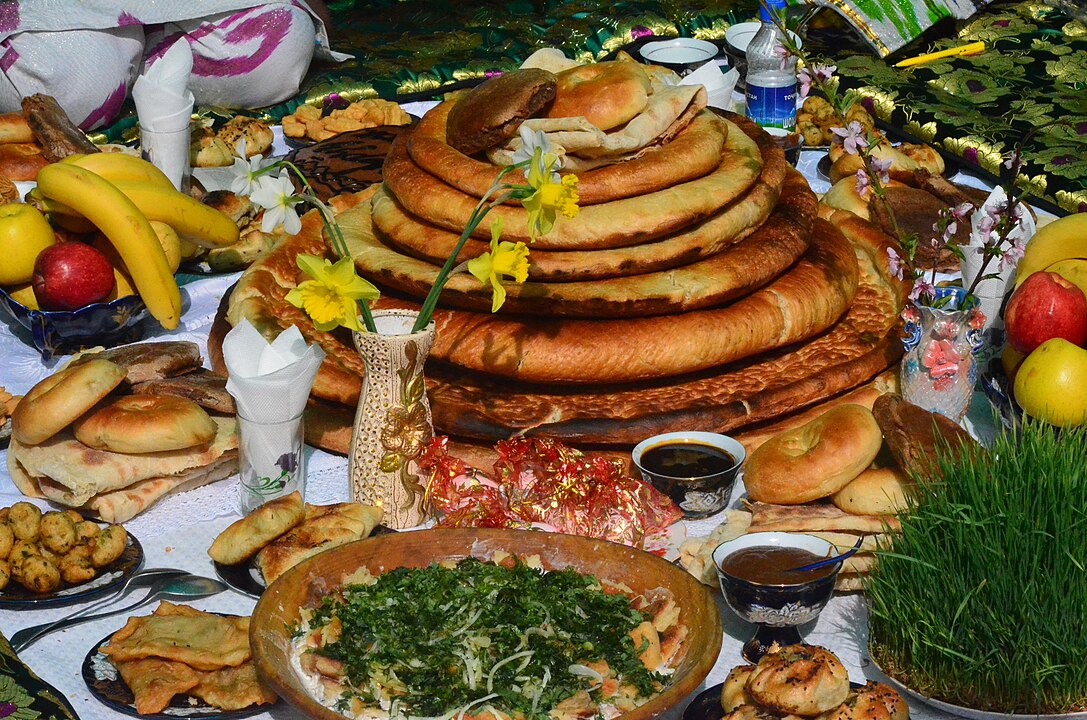
Navruz in Tajikistan greets the equinox with public joy: parks fill with music, games, and bright clothing, and city squares host performances and folk sports that make the new year feel shared. Families cook festive foods, including slow-cooked sweet wheat dishes known across Central Asia, and neighbors visit without ceremony, carrying plates, fruit, and sweets instead of formal invitations. Because the date follows daylight’s return, renewal feels practical, not abstract, and the year begins with community, generosity, and time outdoors that stretches long into the evening and the season feels officially begun.
Gudi Padwa In Maharashtra
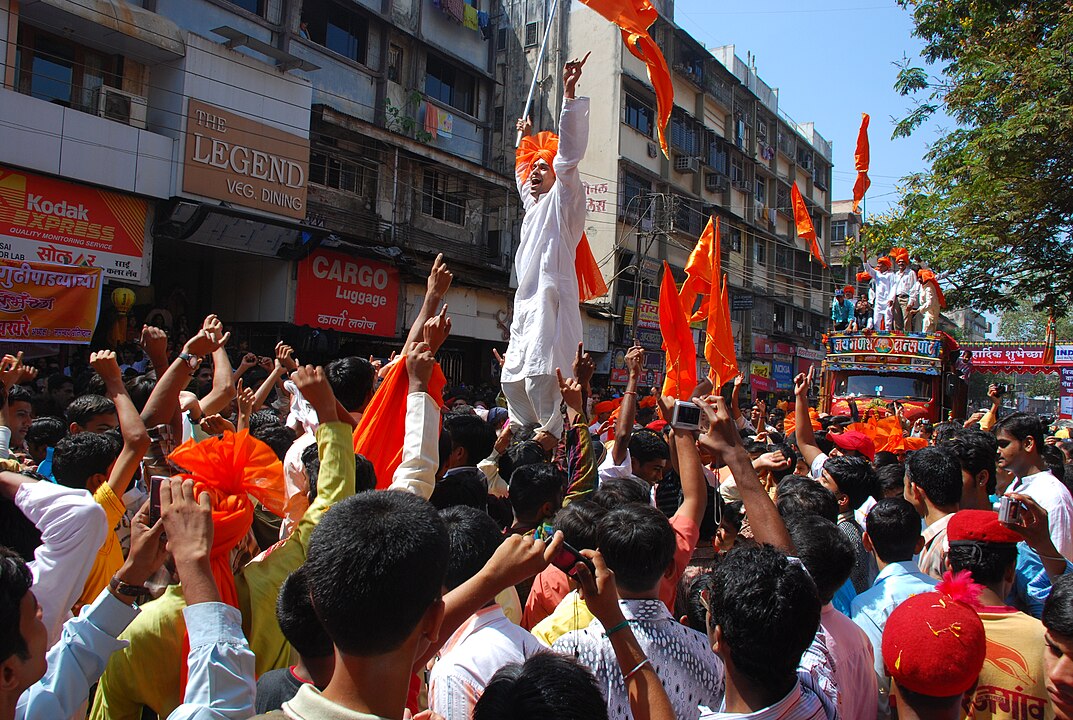
Gudi Padwa marks the Marathi new year at the start of Chaitra, when spring shows up in mango leaves, clean thresholds, and a gudi raised outside homes with bright cloth, garlands, and an inverted metal pot catching light. Families begin with prayers, rangoli, and new clothes, then eat flavors that tell the truth of a full year, often neem with jaggery, bitter and sweet together, offered as a small lesson in balance. Markets, neighbor visits, and long lunches keep the day grounded, turning renewal into something visible in streets and doorways, not just a date on the calendar, but a shared morning mood.
Ugadi In Telugu And Kannada Regions
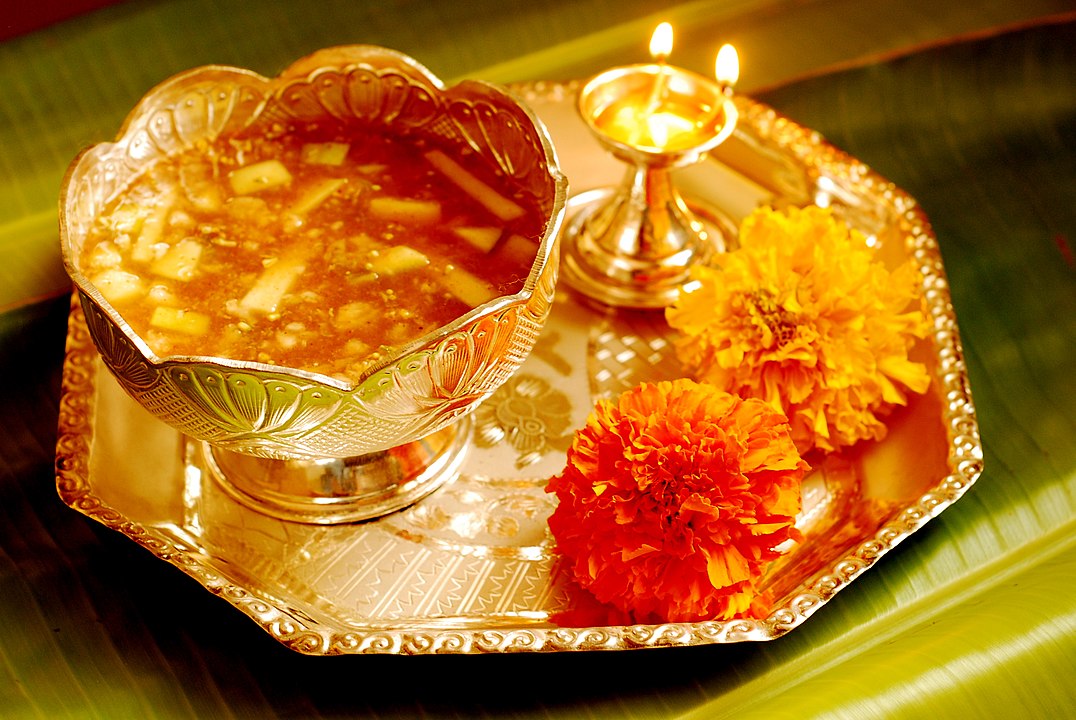
Ugadi opens the Telugu and Kannada new year on the first day of Chaitra, usually in March or April, with freshly cleaned homes, rangoli at doorways, and temple visits that set a steady, hopeful tone. Many families listen to a panchanga reading for the year ahead, then share Ugadi pachadi, a dish blending sweet, sour, salty, bitter, and spicy notes to say, plainly, that life arrives mixed and still deserves welcome. Mango leaves, neem blossoms, and a long family meal finish the day with calm confidence, and visits to friends keep the celebration social without turning it into a show across courtyards and apartment stairwells.
Puthandu In Tamil Communities
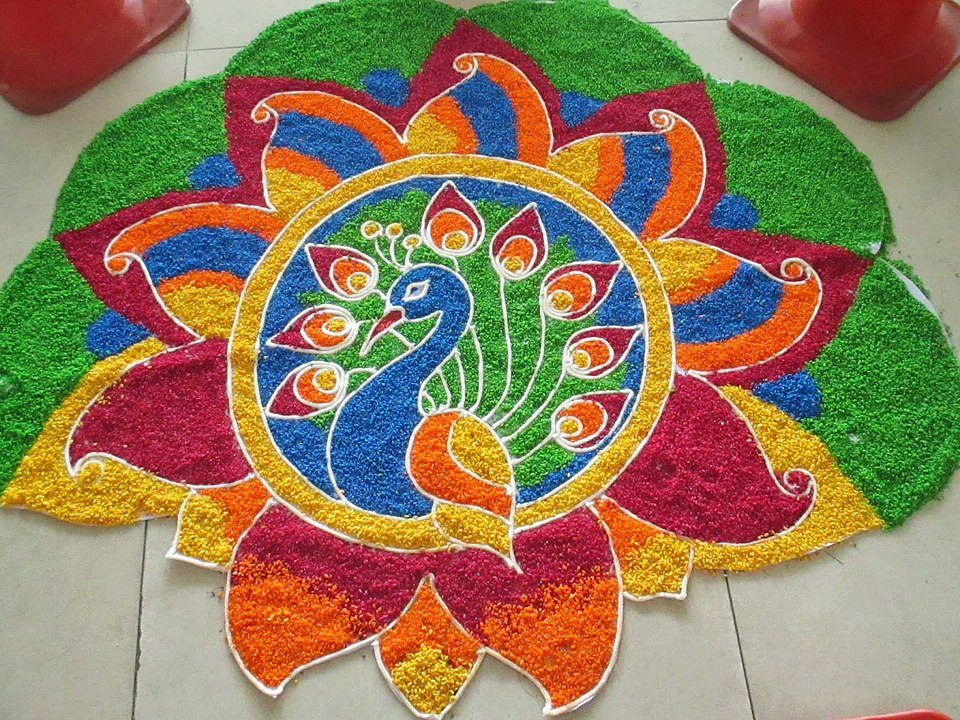
Puthandu, the Tamil new year, is typically observed on April 14, beginning with a kani display of fruit, flowers, coins, and a mirror, arranged so the first sight of the year feels steady and auspicious. Kolam designs brighten entrances, kitchens turn to dishes such as mango pachadi, and elders offer blessings that are practical, affectionate, and unhurried, followed by visits that stretch through the afternoon. New clothes and small gifts add sparkle, but the heart of the day is a long shared lunch, temple bells in the background, and the relaxed confidence of spring arriving on time with laughter, not hurry.
Pohela Boishakh In Bengali Culture
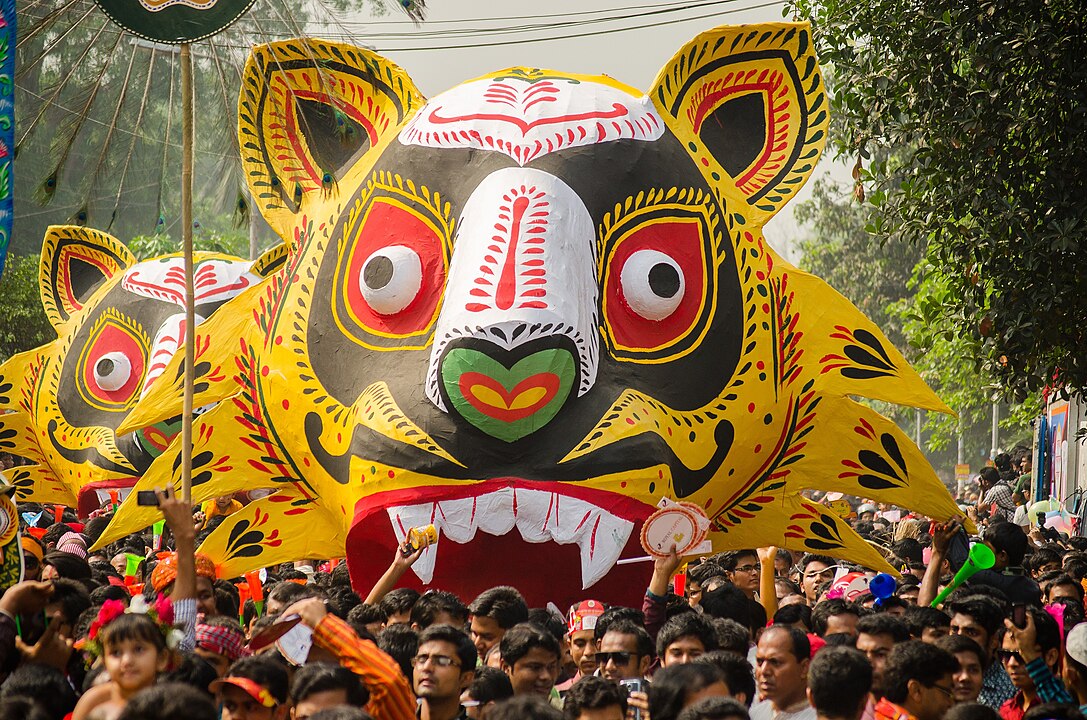
Pohela Boishakh welcomes the Bengali new year in mid-April, often on April 14, blending home rituals with public celebration through fairs, music, and shared sweets that spill into streets and campuses. In Bangladesh, the dawn procession known as Mangal Shobhajatra carries bold masks and bright forms that speak to hope and community, while many shopkeepers open new account books and greet customers with warmth and small treats. Songs, simple meals, and friendly greetings carry through the day, making the new year feel like a public handshake, outward-facing and generous, with room for everyone to join.