Road trips invite a special kind of hope. A tank of gas, a playlist, and a loose plan can feel like freedom, but they also carry the quiet anxiety of leaving routine behind. That is where superstition slips into the cup holder. Drivers and passengers keep tiny rituals for the first mile, not because they expect magic, but because familiar gestures steady the mind. Some customs come from folklore, others from family habits learned on long highways and repeated without discussion. A tap, a token, or a quick pause turns uncertainty into intention, and the cabin settles. Even the most practical traveler understands the comfort of a small tradition when weather shifts, traffic tightens, and the horizon keeps moving.
Knock On Wood Before Pulling Out
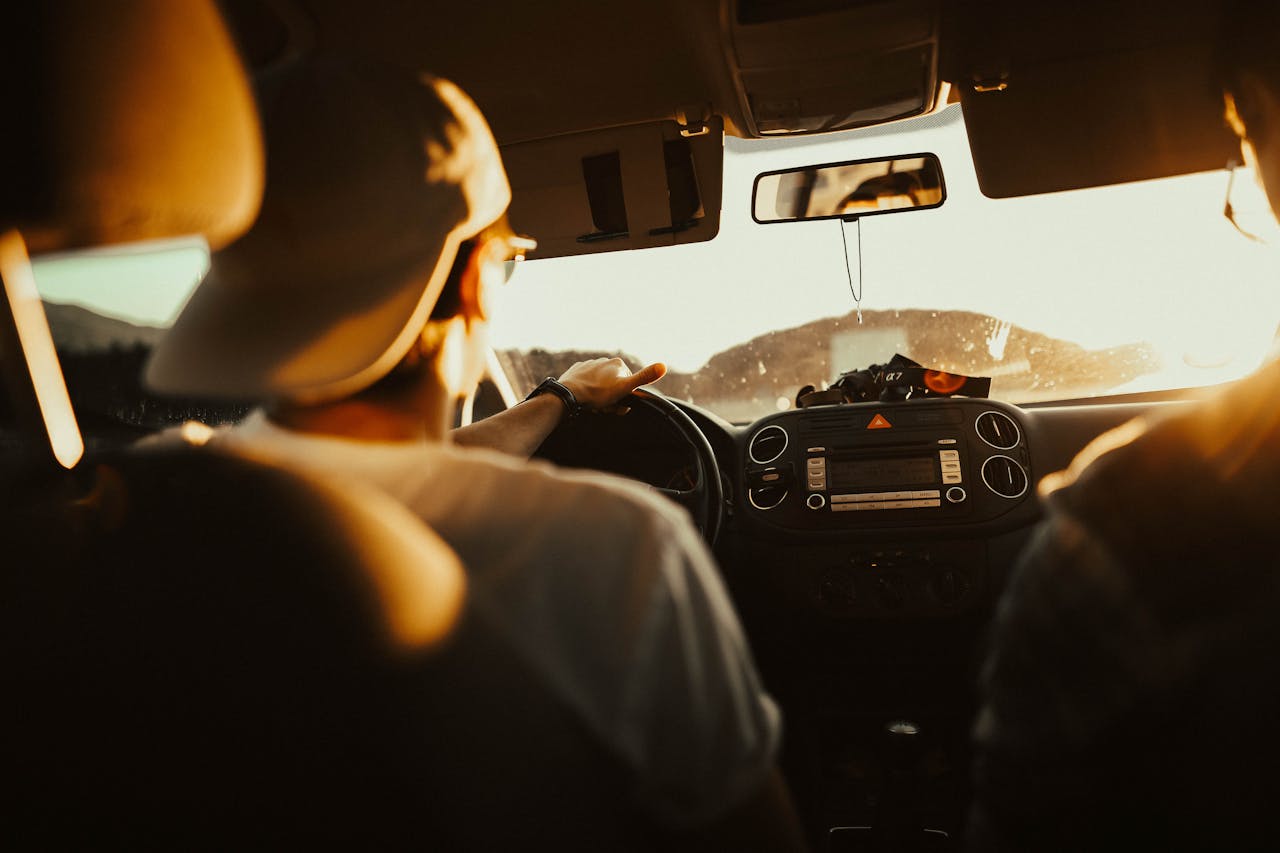
Before the key turns, some drivers tap the dashboard, the door frame, or any handy bit of wood as a hedge against bad luck, then sit still for a beat as if listening for the car’s mood. Borrowed from older touch-wood lore, it doubles as congestion sense, because that tiny ritual interrupts the urge to rush, roll through a stop, or jump into a tight gap just to stay on schedule. If the route begins in rain, holiday traffic, or a car that still feels unfamiliar, the knock often comes with a quick mirror sweep, a check that bags are secure, and a steadier first mile, which is usually when a trip gets its first test.
Hang A St. Christopher Medal For Safe Passage
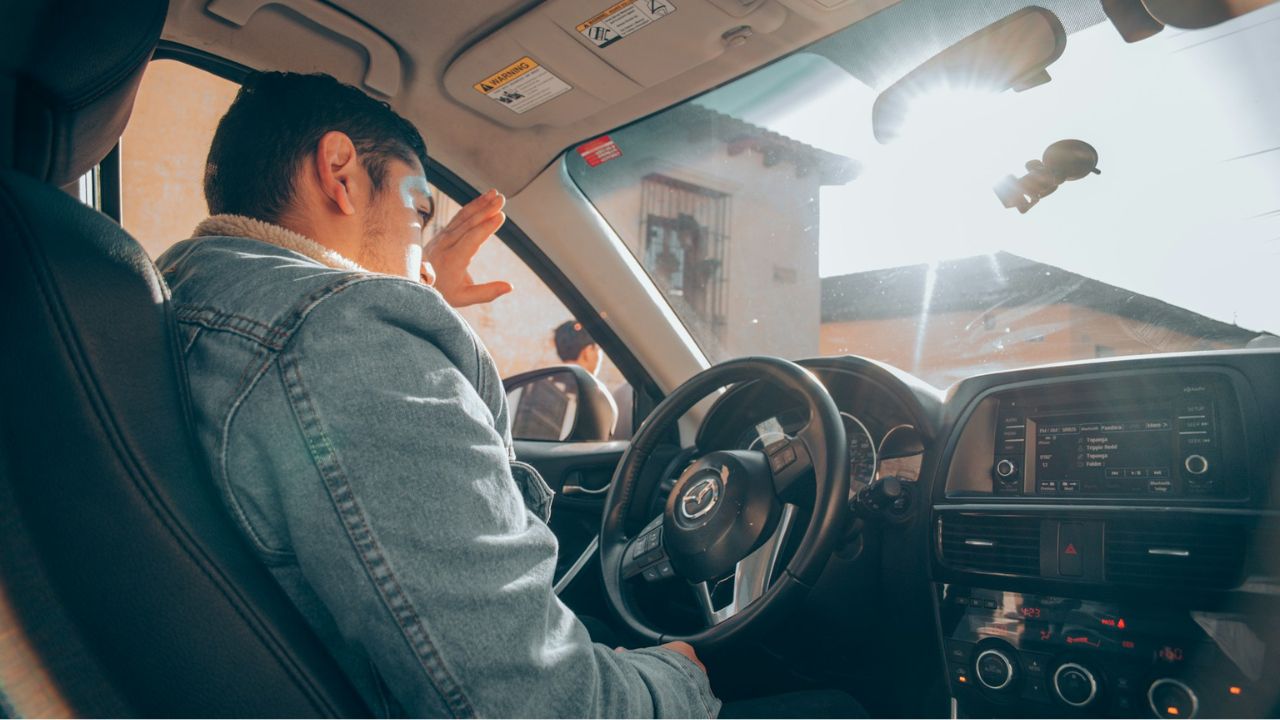
A St. Christopher medal clipped to the visor, hanging from the mirror, or tucked near the ignition still rides along on long hauls, especially in families that treat travel as something worth blessing. Many families treat it less like a charm that changes fate and more like a reminder to drive patiently, keep space, and arrive intact. It is often handed down between cars, rubbed at toll booths, and quietly touched at night when the landscape turns unfamiliar, turning metal into memory and memory into a calmer grip on the wheel.
Avoid Turning Back Once The Trip Starts

In many households, turning back for a forgotten item is treated like the trip has already lost its rhythm, as if the road notices indecision and answers with delays, wrong turns, or minor mishaps that stack up at once. To cancel the omen, some drivers do a reset instead of a frantic U-turn: they stop fully, step outside, close the door with intention, touch the handle, and count to three before pulling away again. The ritual sounds dramatic, but it often prevents the real problem, which is a hurried second start that invites missed exits, sloppy merges, and that jittery cabin mood that lingers for the next 50 miles.
Hold A Breath Past Cemeteries Or Funeral Processions

On older highways and two-lane roads, passengers sometimes hold their breath while passing a cemetery, a hearse, or a funeral procession, and the cabin often falls silent as if sound itself should slow down, especially at dusk. The folk logic is blunt: keeping the breath in keeps spirits out, and releasing it after the gate or the last headstone marks a clean boundary between the moving road and the still place beside it. Even people who do not believe in any of it tend to comply, turning the gesture into a shared moment of respect that eases nerves, sharpens attention, and makes the next mile feel lighter for all.
Treat A Black Cat Crossing As A Caution Sign
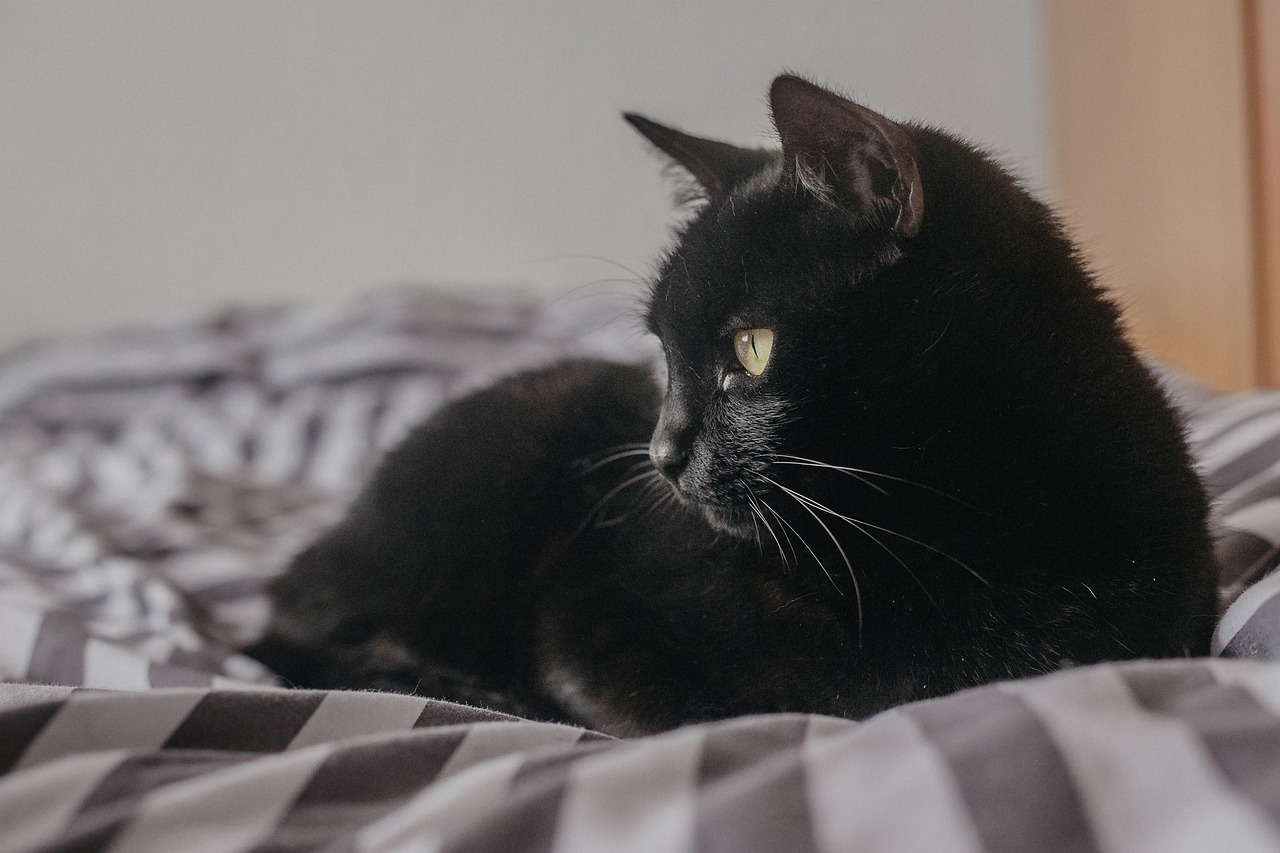
When a black cat darts across the pavement, some drivers treat it as a caution flag, not a prophecy, and they change the rhythm of the next few minutes on purpose, as if attention is the antidote. They might let another car go first, switch lanes, take the next turn, or stop at the first safe pull-off to breathe, since the superstition shifts by region and sometimes flips depending on which way the cat runs. Either way, the ritual tends to produce something useful: steadier hands, sharper scanning for deer and stray dogs, and fewer impulsive passes when glare, fatigue, or night driving makes the road feel faster than it is.
Never Start A Trip With A Low Fuel Gauge
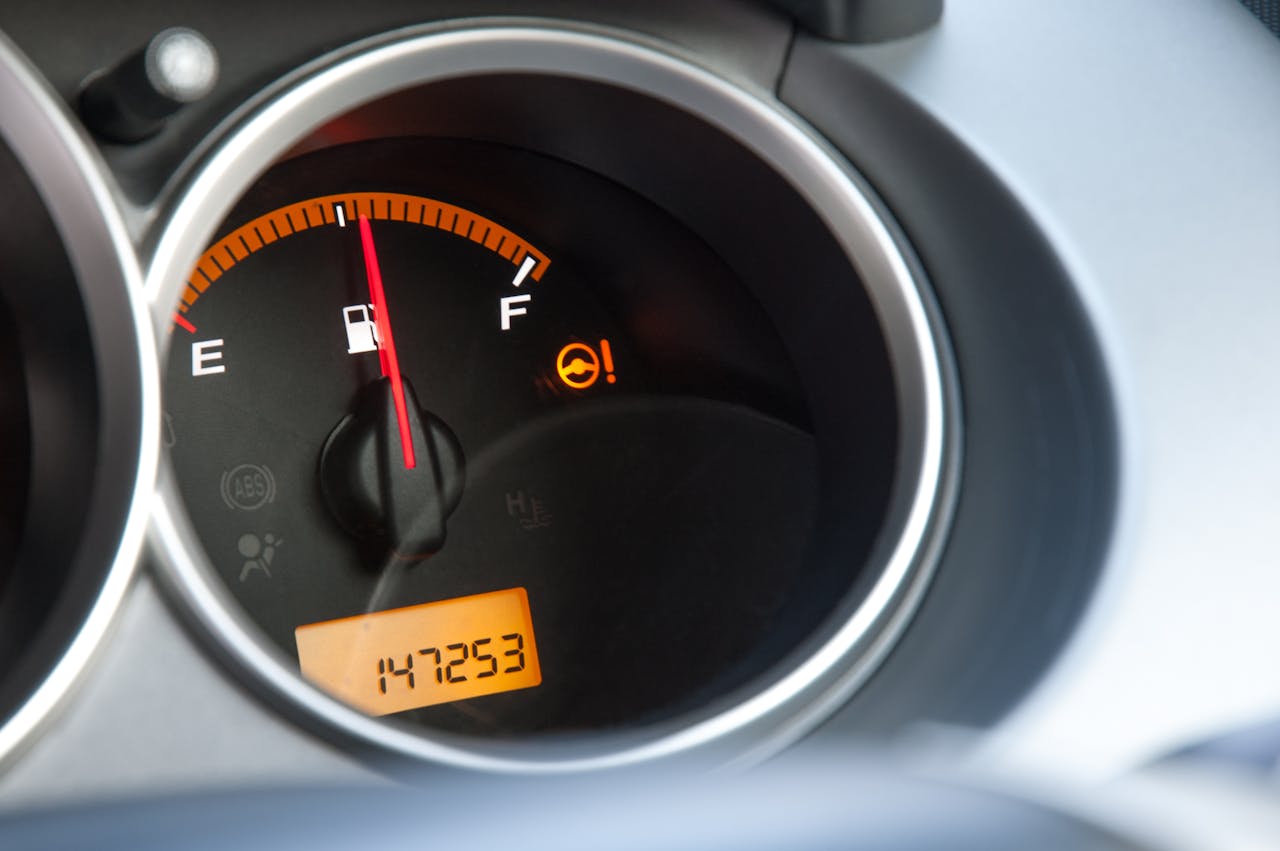
This superstition has a sensible spine, which is why it survives in an era of apps and live maps. Many drivers refuse to begin a road trip without topping off, even if the station is a block away, because starting full feels like locking the front door and turning off the stove. Some will not let the needle dip below a quarter tank, and they choose a familiar station for the first fill, saving the receipt like a tiny proof that the day started right. A full gauge also protects the early miles from compromise, when hunger, traffic, and restrooms hit at once, rural stretches go dark, and the best exit might not appear for 40 miles.
Flip Spilled Salt Into Luck With A Toss
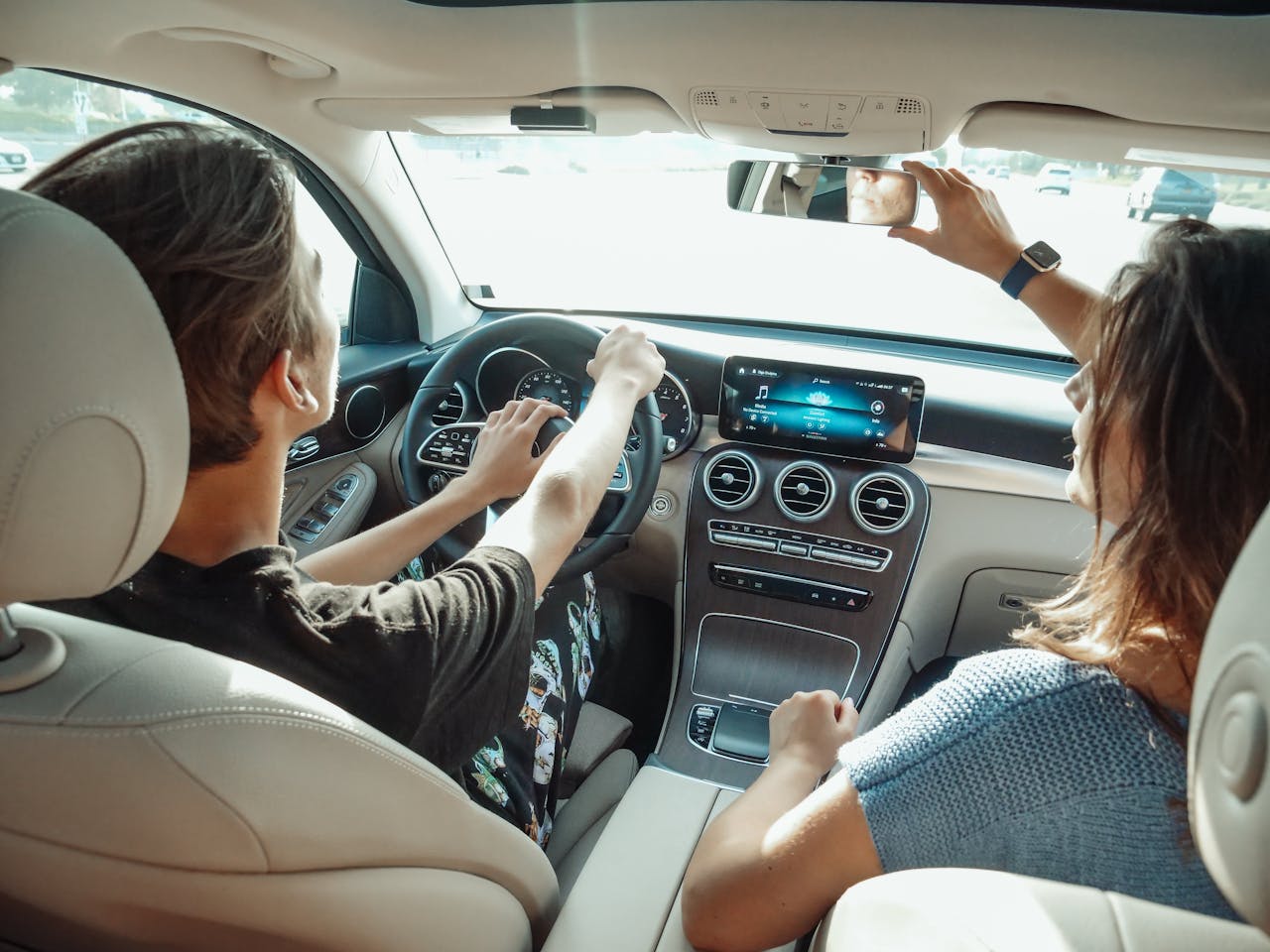
Spilling salt in a car is easy, and old folklore treats it as bad luck unless it is countered. The classic fix is tossing a pinch over the left shoulder, a habit tied to salt’s long history as something valuable and protective. On road trips, the ritual adapts to seat belts and cup holders: a driver flicks a grain from a packet, a passenger taps the console twice, someone wipes the spill, and the cabin gets a quick laugh instead of a complaint. The point is not the salt. It is the reset that keeps a minor mess from turning into snappy comments, distracted driving, and tense silence that stretches to the next town.
Smile At Bird Droppings On The Hood
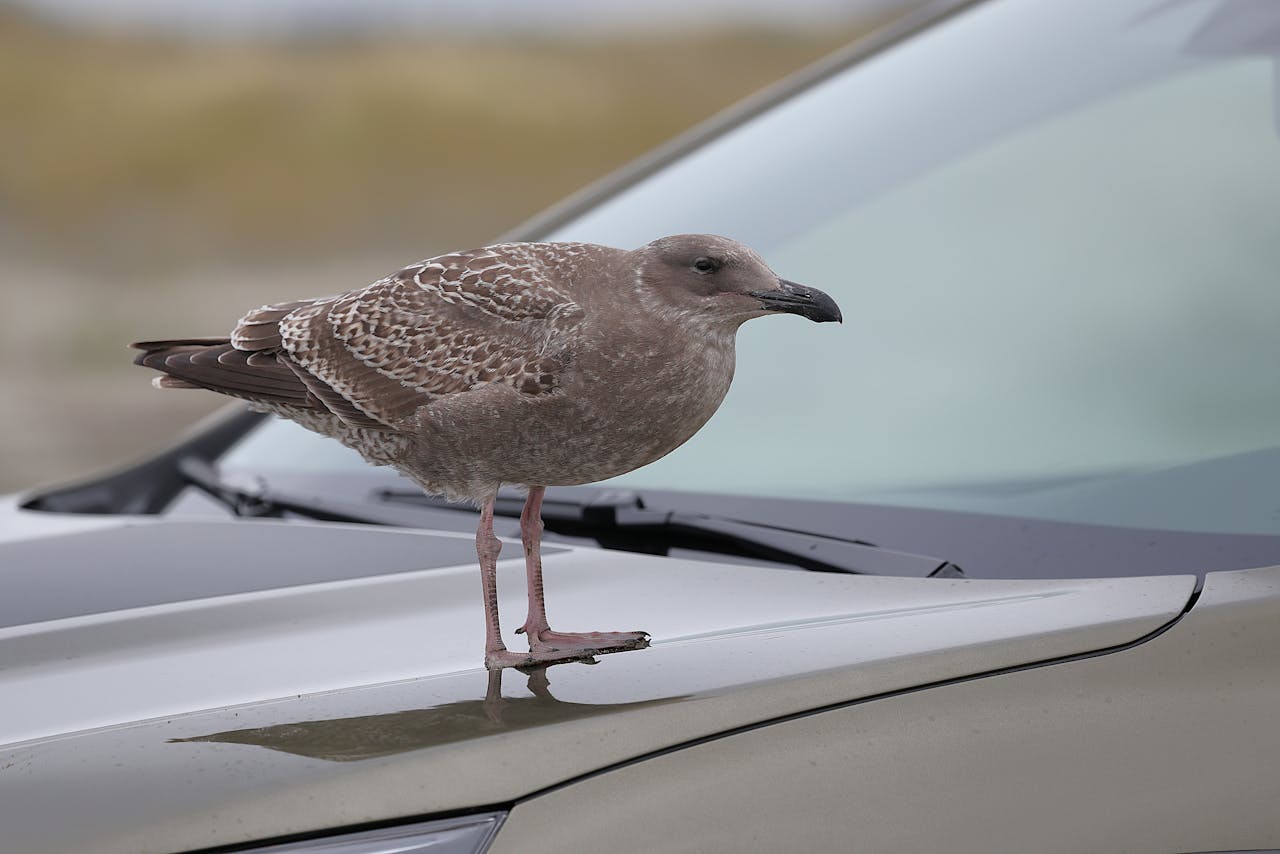
Bird droppings on the hood feel like an insult, yet plenty of drivers treat them as a strange sign of good luck, the idea being that the trip has already taken its cheap hit. The rule is to clean it without cursing, because grumbling is said to cancel the blessing, and some people double down by buying a scratch-off, ordering pie at the next diner, or calling it a sign to relax. It is superstition with a useful edge: reframing a gross surprise keeps the cabin upbeat, and that steadier mood often leads to smarter choices, like waiting out a bad merge, taking a safer rest stop, or slowing down when weather turns slippery.
Make A Wish Over Railroad Tracks
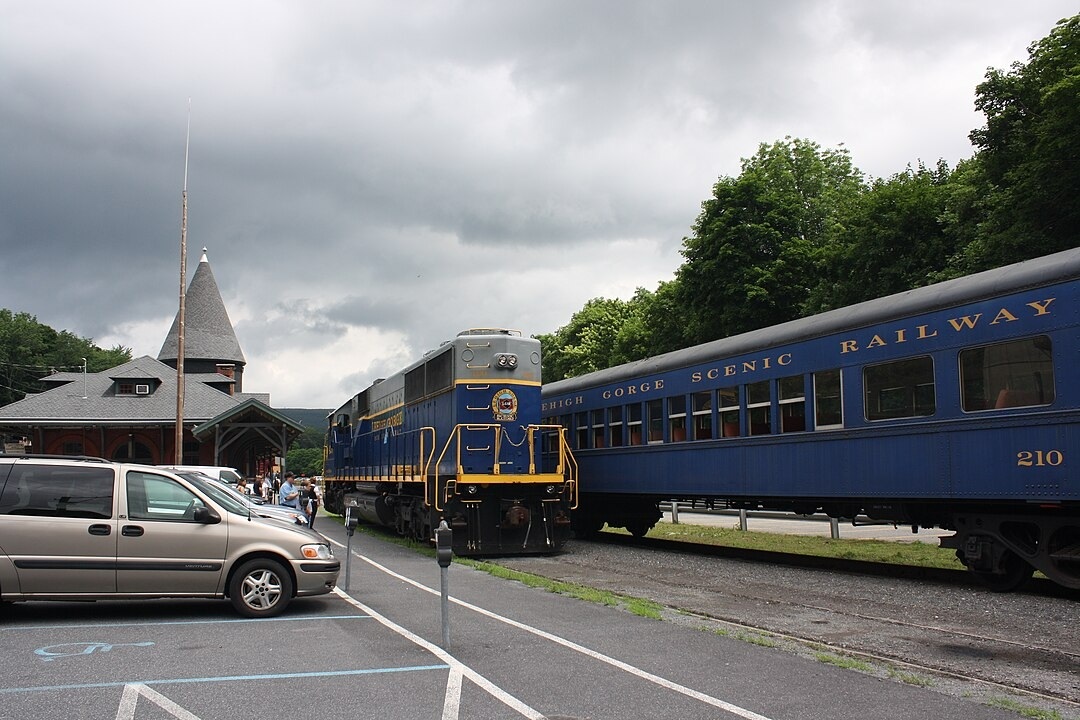
Railroad crossings trigger small rituals that are older than most cars on the road, even in towns where the tracks are polished, the crossing arms work, and the train schedule is predictable. Passengers lift their feet, hold a breath, or make a quick wish as the tires clack over the rails, as if the jolt can be traded for good weather, open lanes, and clean timing on the next leg. Belief is optional, because the moment still breaks monotony and snaps sleepy attention back to the present, and that focus shift helps prevent sloppy acceleration, late braking, and distracted glances that often follow a long straight stretch.
Keep Lucky Charms Close And Fixed
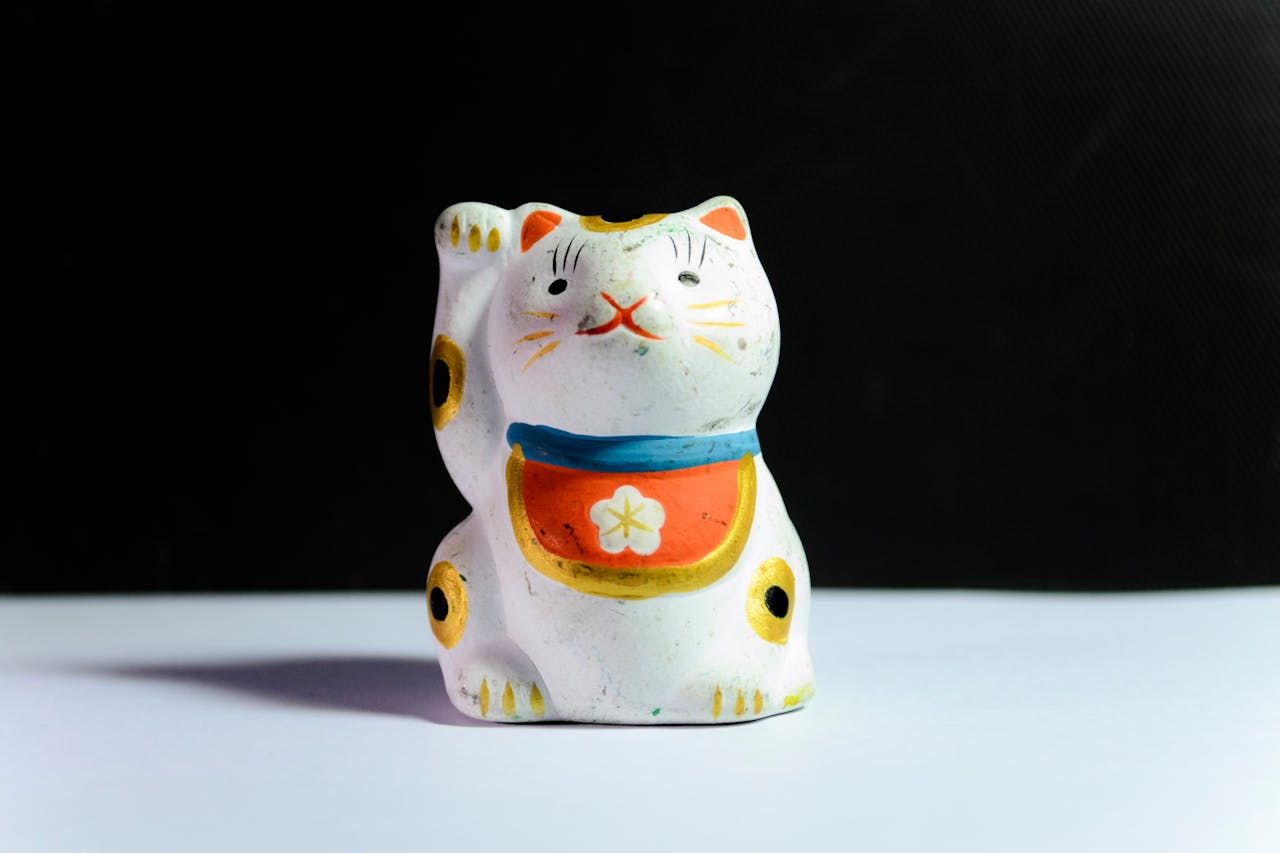
Lucky objects travel best when they have a home. A rabbit’s foot, a smooth stone, a coin, or a tiny photo sits in the same spot every trip, less as magic and more as continuity when motel rooms and rest stops blur together. There is a practical side: a charm that never moves becomes a quick checklist, and if it is missing, the pause prompts a search before the car reaches highway speed. People who keep a fixed charm often pair it with rules that look like superstition but behave like safety, such as keeping the dash clear, avoiding aggressive passing early on, and stopping the moment tiredness turns reactions slow.