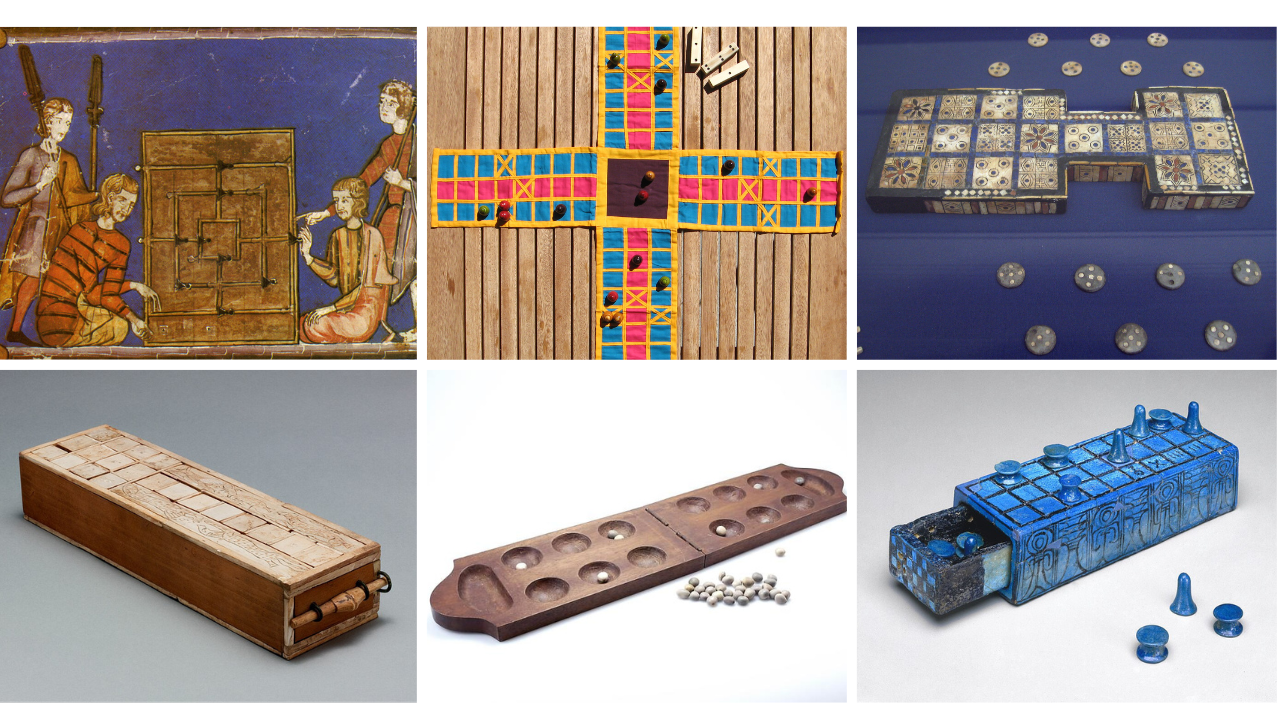
Board games are often treated as modern distractions, yet many began as tools for teaching strategy, measuring luck, and passing long evenings in crowded cities and quiet villages. Across centuries, boards traveled in trade caravans, tucked into ship holds, and etched into stone steps where people waited for the day to end. Some games survived by adapting their rules; others survived because their core idea was already perfect. What remains is a lineage of play that still feels human: competition softened by conversation, patterns discovered by trial, and small rituals repeated until they become tradition. These nine classics still appear in parks, homes, clubs, and museums, linking modern hands to ancient ones, even on ordinary weeknights.
Go
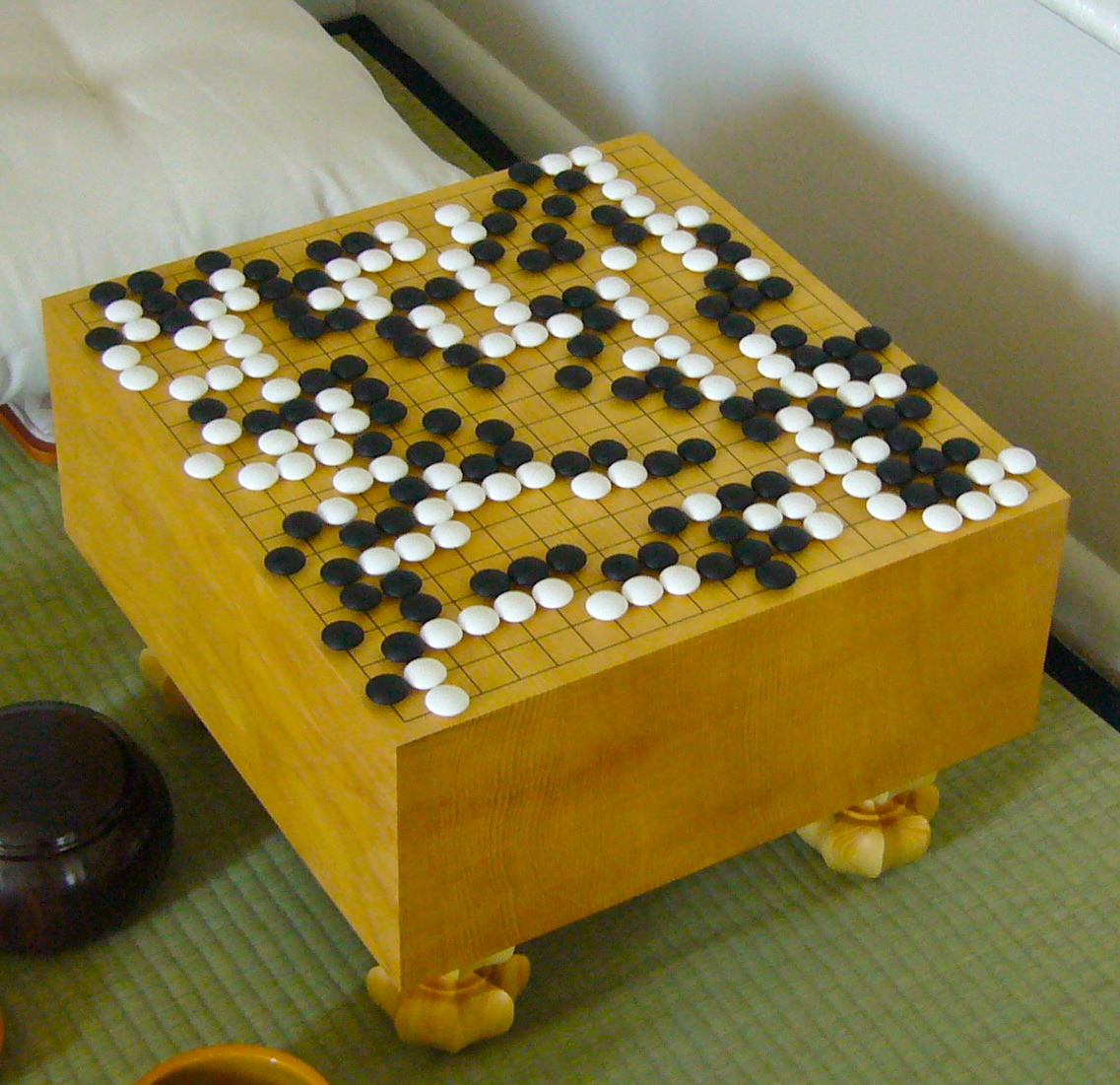
Go is often described as one of the oldest strategy board games still played, and it earns that claim by feeling timeless rather than antique. Two colors, one grid, and a contest over territory that starts polite and turns ruthless, as chains of stones quietly harden into walls and the empty intersections become the real prize, not the captured pieces. In China, Korea, and Japan it grew into a serious craft with ranks, study houses, and pros who review games like literature, because the board remembers everything and pays back tiny choices 40 moves later with interest, often in a corner that seemed harmless over and over.
Chess

Chess traces back to chaturanga, a war game from India that traveled through Persia and onward, picking up new names, new pieces, and faster rules as it crossed courts and trading routes. Modern sets look familiar, yet the experience still swings between calculation and nerve, where one careless tempo can undo an hour of good ideas, and a single pawn push can become a lifelong opening habit with consequences. Engines changed preparation, not the human tension of an irreversible blunder, which is why parks, clubs, schools, and online arenas still treat checkmate like a small drama earned in public, not a statistic.
Xiangqi
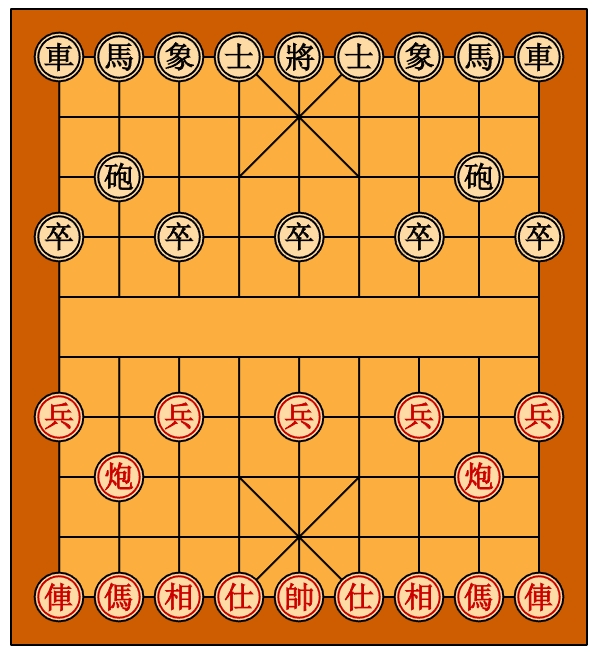
Xiangqi, often called Chinese chess, plays like a battlefield drawn with choke points: pieces sit on intersections, a river splits the armies, and the fight is more about lanes than squares. The cannon makes threats arrive suddenly, the elephants guard their side, and the palace rules keep the general constrained, so defense is built by structure instead of bravado and attacks rely on coordinated nets. In parks, often in any city, boards appear beside tea and morning exercises, and the game becomes a public conversation where spectators argue lines, replay tactics from memory, and applaud a clean trap that ends in crisp check.
Backgammon
Backgammon looks casual on a cafe table, but its lineage runs through older tables games across the ancient Near East, including the Persian game nard and earlier race games played with marked pieces. Dice add swing, yet strong play is quietly technical: counting pips, building primes, timing hits, choosing cube action, and deciding when a safe lead is actually a trap that invites a brutal counterstrike. The clack of checkers, the tension of doubling, and the speed of a good bearing-off keep rivalries sharp, while tournaments and online rooms reward the same steady judgment, even when luck tries to steal the spotlight.
Mancala
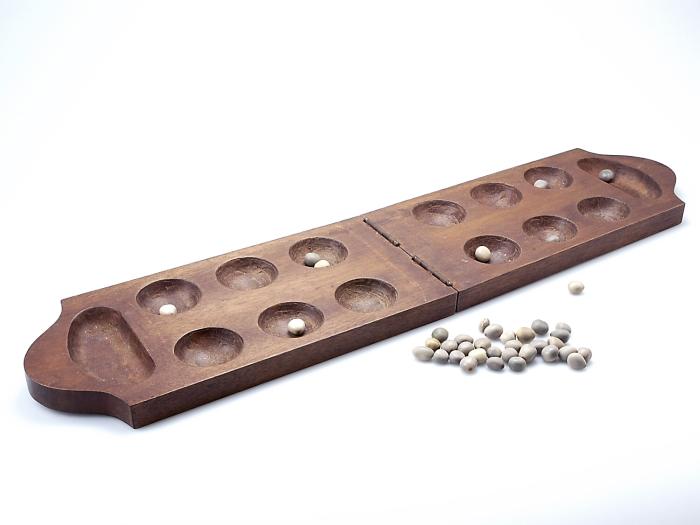
Mancala is a family of games built around sowing and capturing stones, seeds, or shells across rows of pits, and that simple mechanic has proven durable across continents. A board can be carved in wood, scratched into earth, or improvised with cups, so the game survives migrations, schoolyards, and long waits on porches where conversation matters as much as winning and teaching happens by watching. Variants like Oware remain staples in West Africa, and the play feels mathematical without turning cold, because each move carries rhythm, sacrifice, and the constant threat of a sudden capture that empties a pit in one sweep.
Pachisi
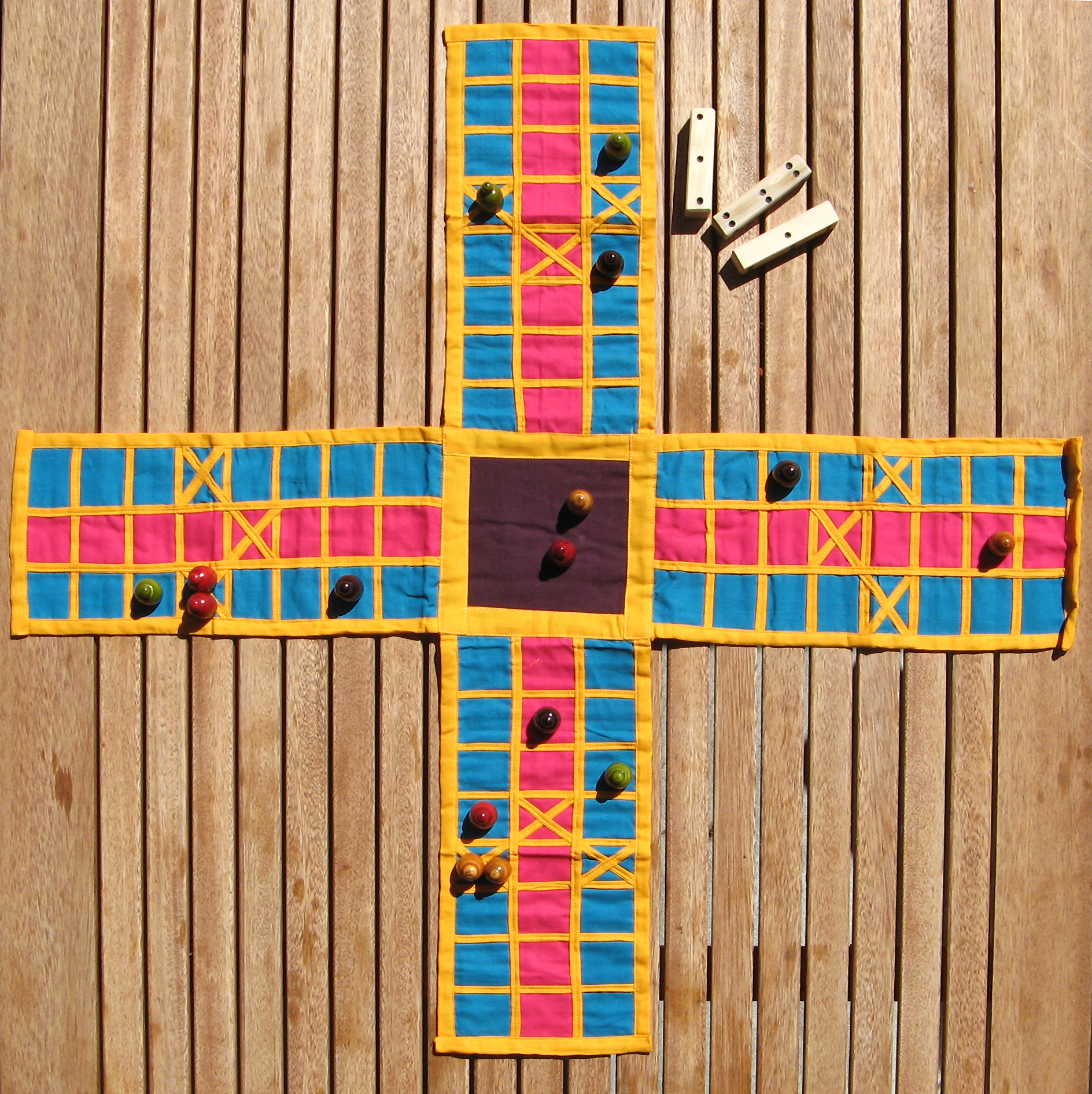
Pachisi is an Indian race game with a cross-shaped board and a personality that mixes patience with sudden reversals, so even a comfortable lead can turn fragile in a heartbeat. Traditional play uses cowrie shells for moves, and the lanes invite blocking, chasing, and smart retreats to safety squares, where a token rests for a moment before the next chase begins and alliances shift mid-game. Courtly legends, including stories of Emperor Akbar staging oversized matches, show how play could become theater, yet the home version still thrives because the rules stay social, tense, and easy to teach, especially during festivals.
Nine Men’s Morris
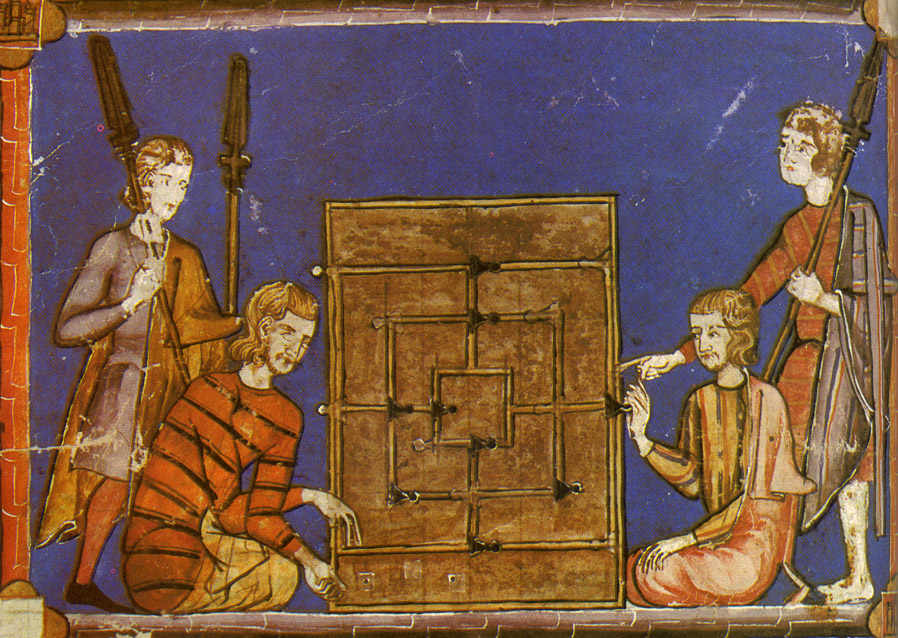
Nine Men’s Morris has been played since at least Roman times, and its long life shows up in boards carved into stone benches, cloisters, and old tables, as if people kept sneaking a match into any spare moment. The opening is about placing pieces to form mills, then the game tightens into a clean contest of blocking lines, breaking formations, and spotting the single move that forces a capture while protecting the next threat. With no dice, every win feels earned, and every loss feels instructive, which is why it survives in folk-game circles, classrooms, and corners of pubs where talk slows down and pattern recognition takes over.
The Royal Game of Ur
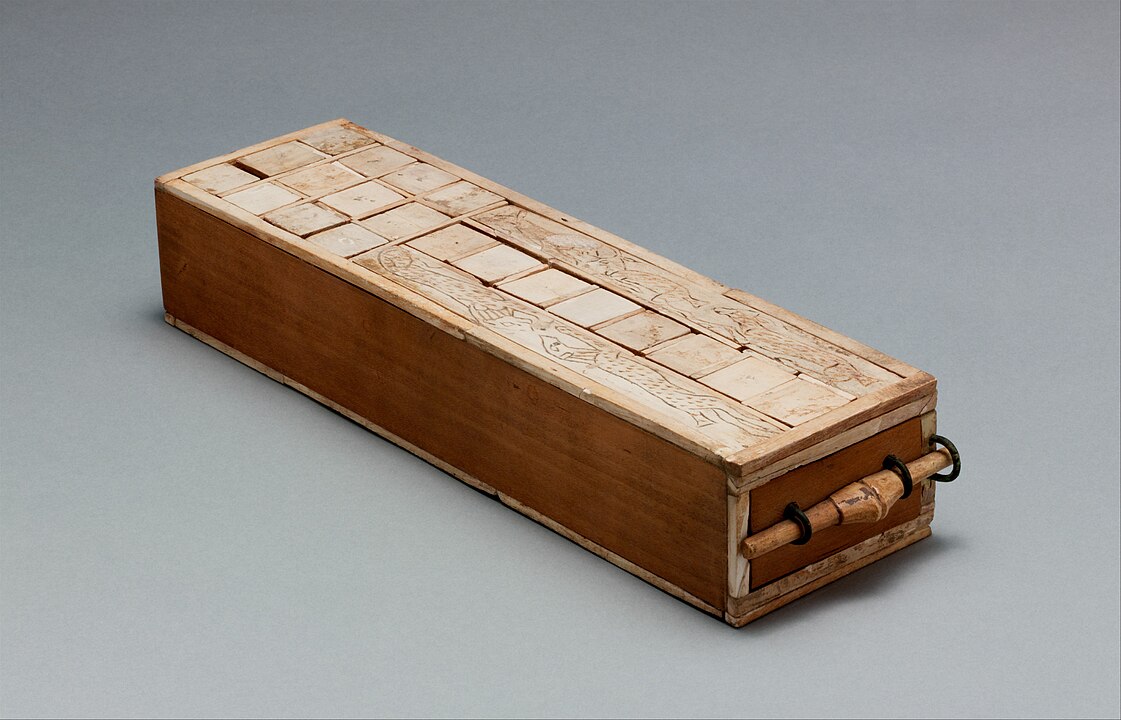
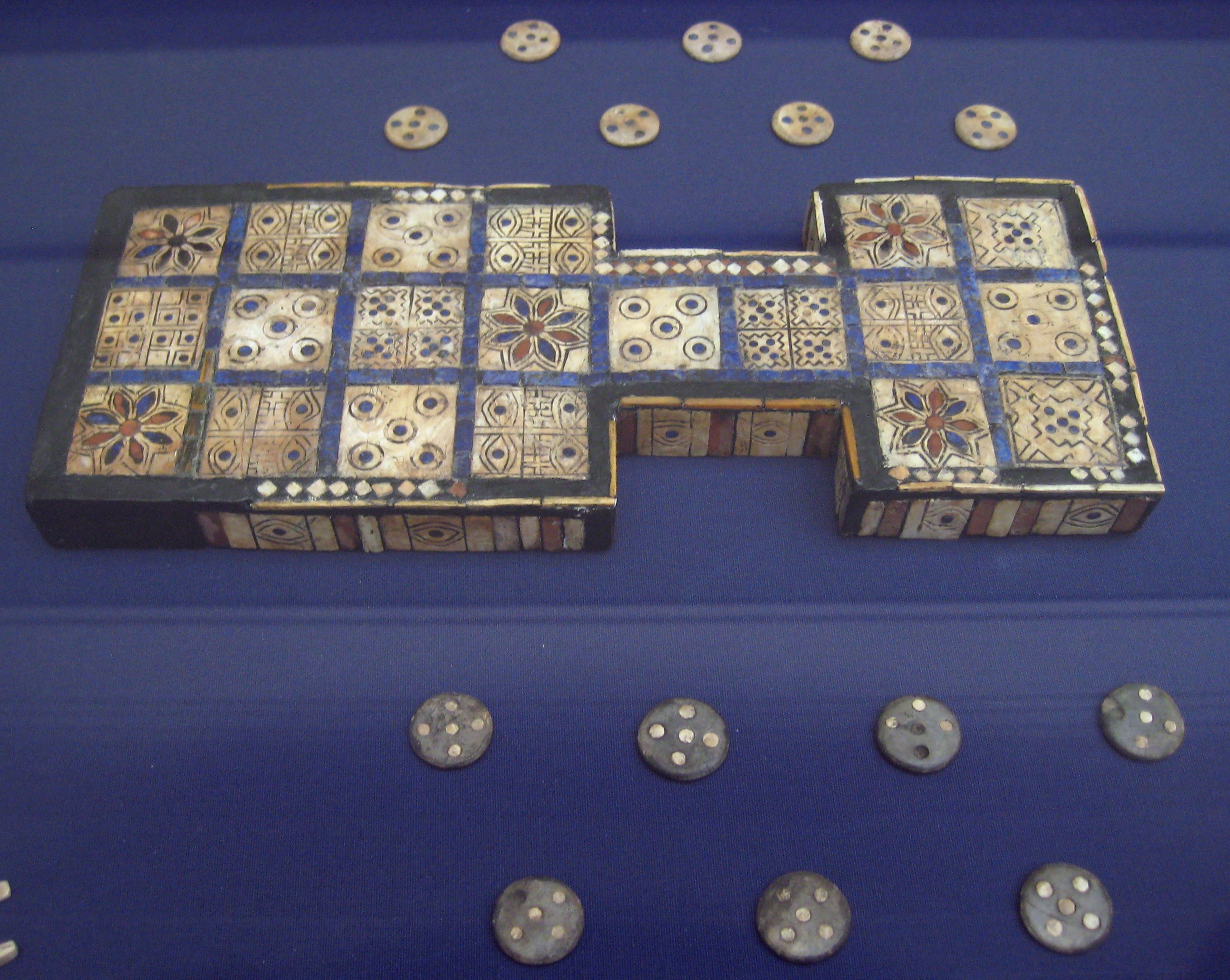
The Royal Game of Ur comes from ancient Mesopotamia, yet it is not trapped behind glass because a cuneiform tablet preserved enough detail for reconstruction of plausible rules and move meanings. Irving Finkel helped popularize a widely played version, turning an artifact into a living rivalry instead of a silent label on a case, and museum replicas made it easy to try without feeling like history class. It is a race with sharp elbows and safe rosette squares, where one hit can flip the board and a good roll still needs good timing, so modern game nights, museum evenings, and online play keep its momentum feeling immediate.
Senet
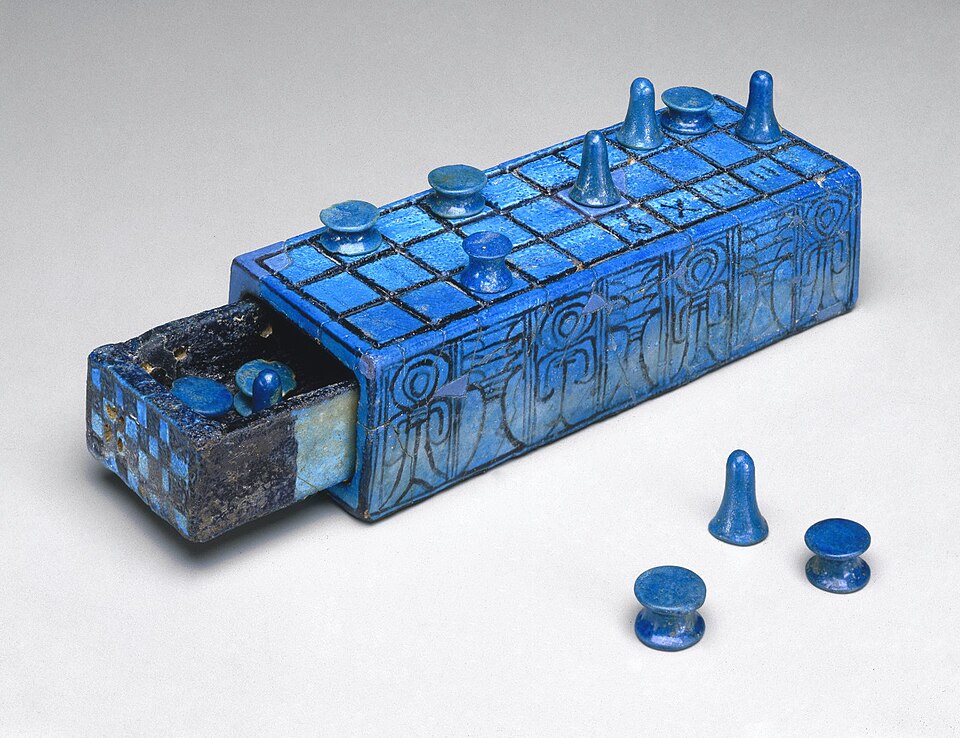
Senet began in ancient Egypt as a track of 30 squares, and over time it gathered symbolic weight tied to fate and the afterlife, so play and belief started sharing the same board. Tomb art shows players leaning in with the same focus seen at any serious table, but the original rules were never fully recorded, leaving gaps that history refuses to fill neatly and inviting careful reconstruction. Modern versions mix scholarship with guesswork, and that uncertainty becomes part of the appeal, letting groups compare variants, argue politely, and settle on house rules with conviction, like guardians of a fragile tradition.