Toy and hobby shops once worked like small, self contained worlds, where shelves of models, plush animals, and card decks seemed to stretch forever. Kids practiced their birthday pitches in those aisles, while parents quietly checked price tags and pretended not to notice. Staff often knew who loved trains, who was saving for a specific doll, and who just wanted to talk. As online carts and big retail chains grow, many of those rooms of pure possibility are quietly thinning out.
Toys R Us
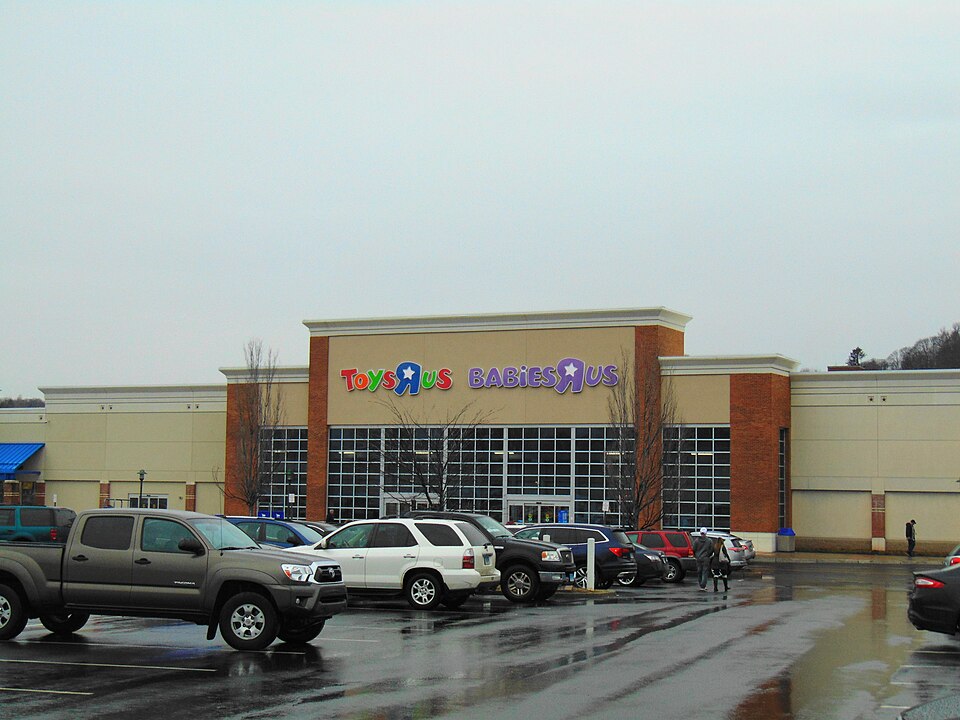
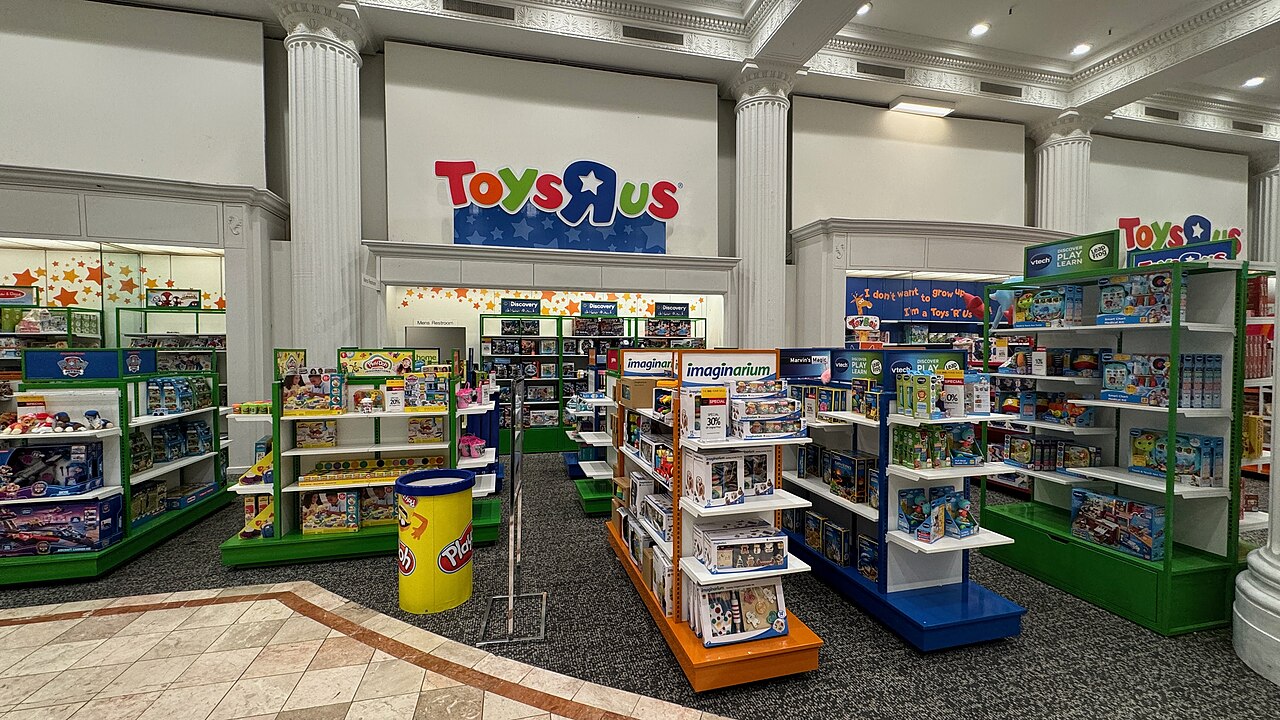
Toys R Us once felt less like a store and more like a self contained kingdom for kids, with towering aisles of bikes, dolls, and plastic racetracks. Heavy debt, big box rivals, and online shopping finally tipped it into bankruptcy, closing hundreds of locations in one long, slow wave. New flagships and smaller shop in shop outposts have returned in a few cities, but that feeling of endless, warehouse sized choice now lives mostly in memory.
KB Toys
For mall kids, KB Toys was the stop that could derail an entire afternoon, thanks to overflowing clearance bins and crowded walls of action figures. The stores packed a lot into tiny footprints, which made every visit feel a little chaotic and a little thrilling. As malls lost traffic and big chains tightened their grip on toy aisles, KB slipped into bankruptcy and closed for good. The cramped layout that once felt normal now exists only in old photos and stories.
FAO Schwarz
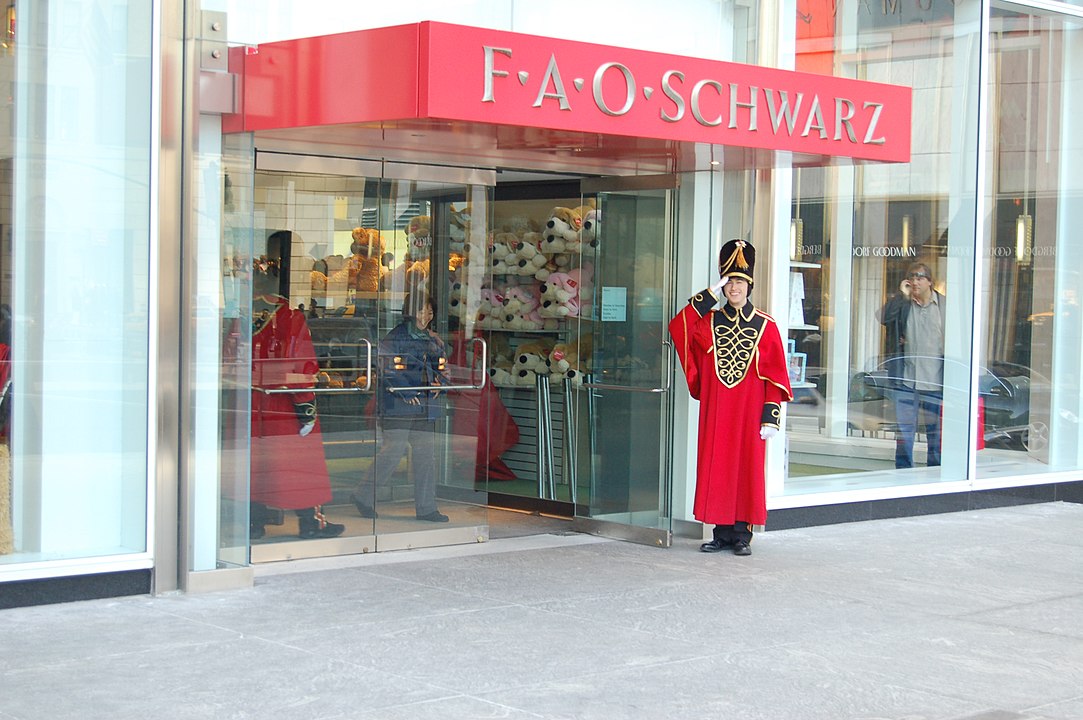
FAO Schwarz treated toys like theater, especially at its famous New York flagship, where giant stuffed animals and a floor piano turned shopping into spectacle. Families traveled long distances just to climb that staircase and wander through elaborate displays. High rent, changing owners, and new buying habits eventually forced closures and reinventions. A smaller version lives on, but the grand, multi level fantasy playground that once defined toy luxury has largely given way to quicker, more practical visits.
Hamleys
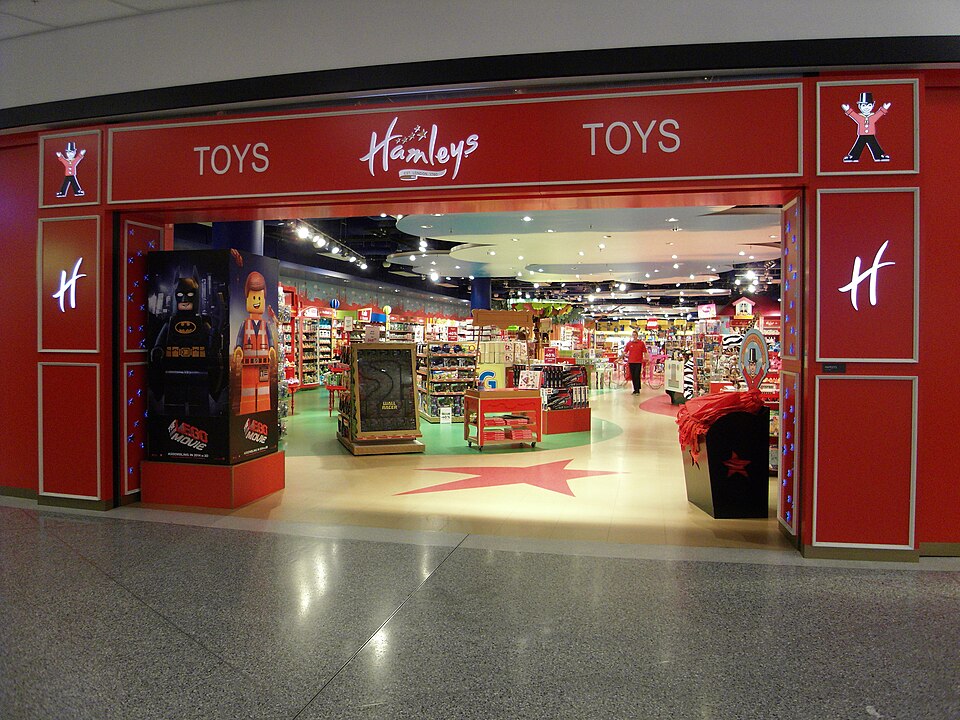
Hamleys carried the same level of spectacle, especially at its London flagship, where entire floors were dedicated to displays, demonstrations, and mascots. It became a destination rather than a shop, yet high costs and global expansion made profitability difficult. Several international locations have shut down as leases expired and shopping patterns shifted. The red banners and toy soldiers are still iconic, but fewer storefronts mean fewer cities get that magical sense of theatre.
Zany Brainy
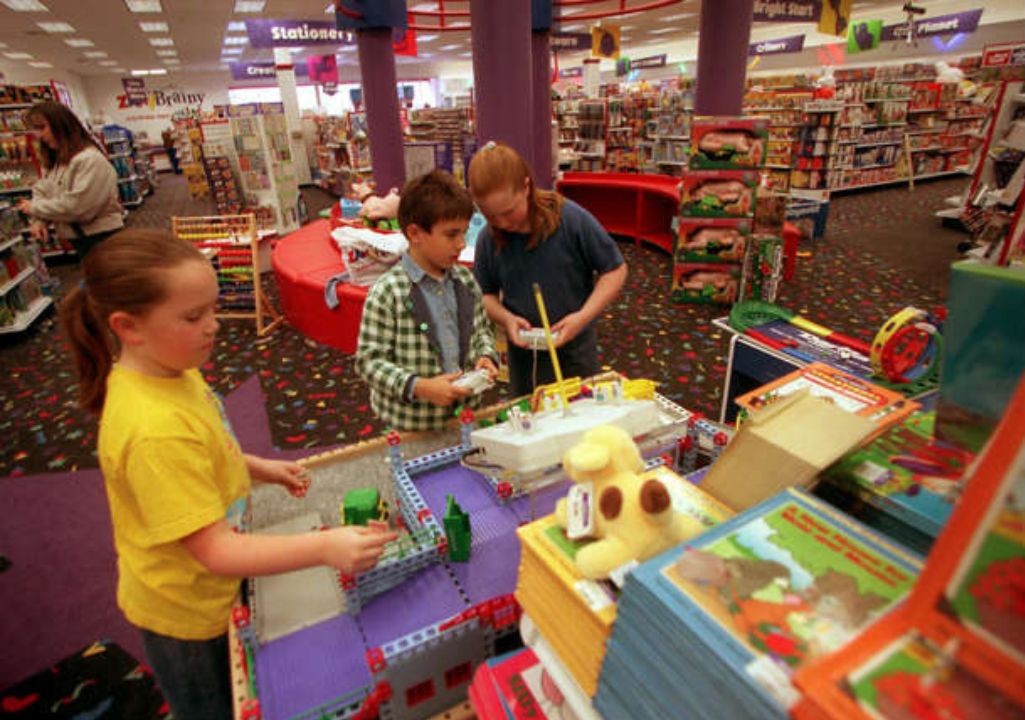
Zany Brainy leaned hard into the idea that fun and learning could sit side by side, filling bright stores with science kits, art supplies, and carefully chosen books. Parents trusted it for birthday gifts that felt thoughtful, not disposable, and kids liked that experiments were encouraged, not scolded. Aggressive expansion and tough retail math pushed the chain into bankruptcy in the early 2000s. A small online echo remains, but the in person workshops and story times are gone.
Disney Store
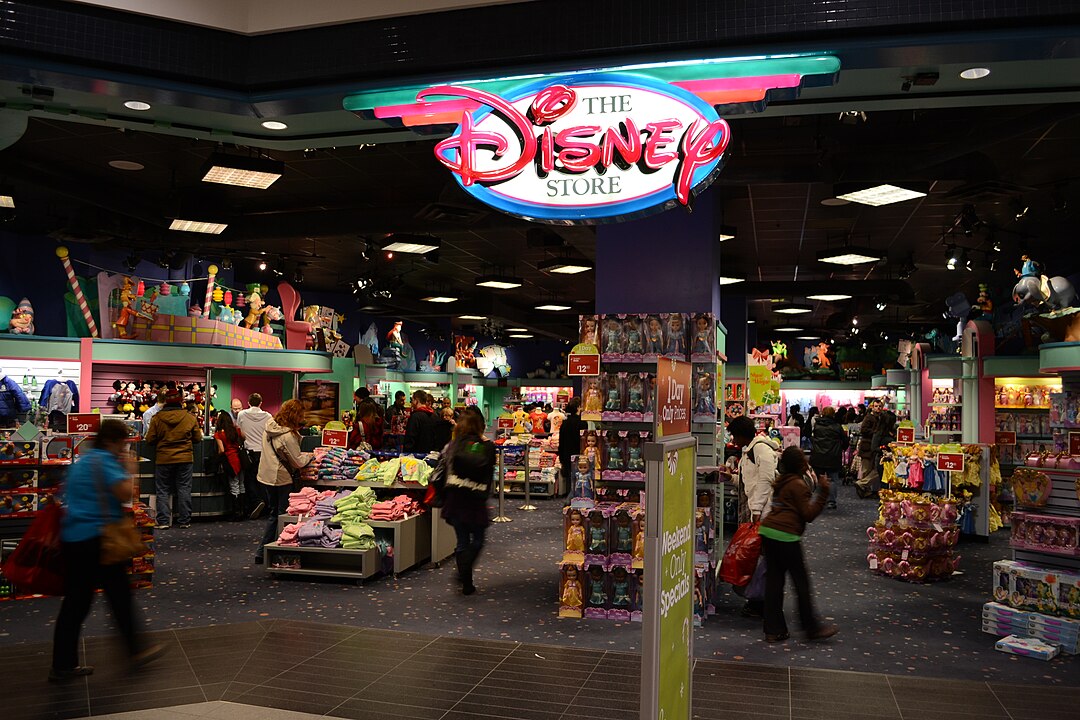
The Disney Store brought a hint of theme park magic into everyday malls, with castle shaped entrances, character murals, and shelves of costumes that felt more like dress up closets than inventory. For families far from Orlando or Anaheim, it scratched a real itch. As Disney shifted focus to online sales, streaming, and a few standout flagships, many mall locations went dark. The steady, casual exposure to that branded world now arrives more through screens than store windows.
Build-A-Bear Workshop
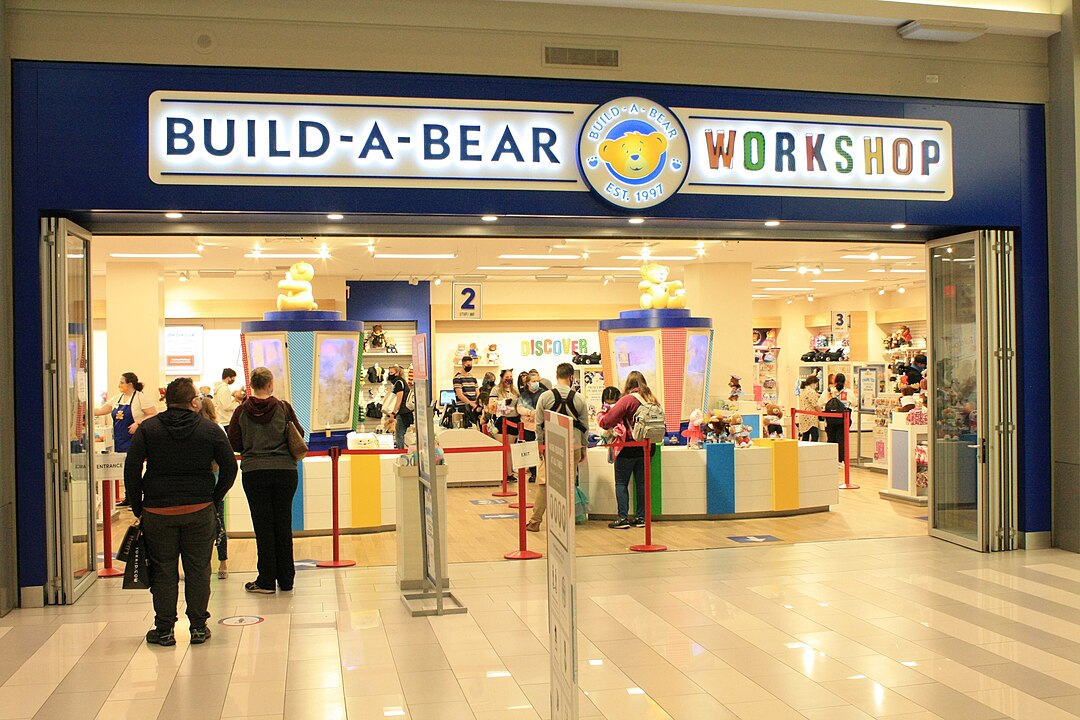
Build-A-Bear turned stuffed animal shopping into an experience, with clothing racks, birth certificates, and a moment at the stuffing machine that felt personal. As malls thinned out and children’s retail shifted online, some locations closed or moved into smaller footprints. Surviving stores still pull families in, but the brand’s biggest years of mall domination sit behind it. The excitement of choosing just the right outfit now fights for attention with simpler online carts and limited footprints.
Lego Store
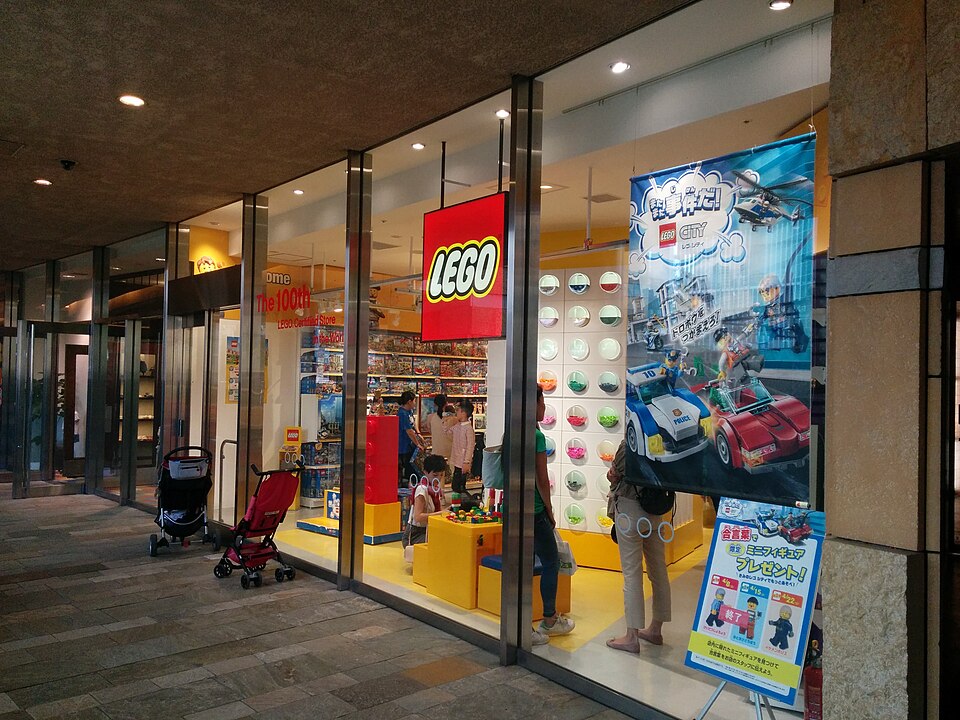
The Lego Store became the perfect mix of nostalgia and newness, with sculpted characters, DIY bins, and wall displays that always drew crowds. As rents climbed and shopping centers changed, some stores closed or relocated, and more of the brand’s focus shifted to direct online sales. Flagships remain international icons, but smaller markets have seen closures and consolidations. The physical joy of building something at a shared table is now harder to find.
Independent Game And Comic Stores
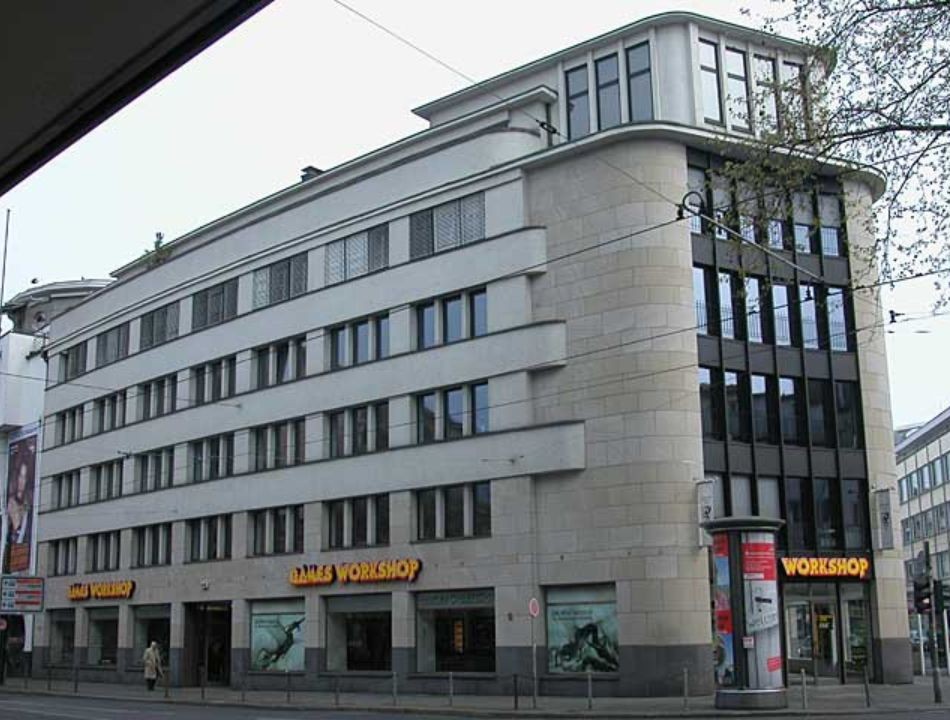
Game and comic stores blend retail with community, offering long tables for card tournaments and shelves stacked with board games, minis, and graphic novels. Regulars often treat them as third spaces, somewhere between work and home. Rising commercial rents and one click ordering have made that balance harder to sustain. Stores that remain often juggle events, used inventory, and online sales just to survive. When one closes, it takes more than merchandise with it; it erases a meeting place.
Mall Toy Boutiques And Kiosks
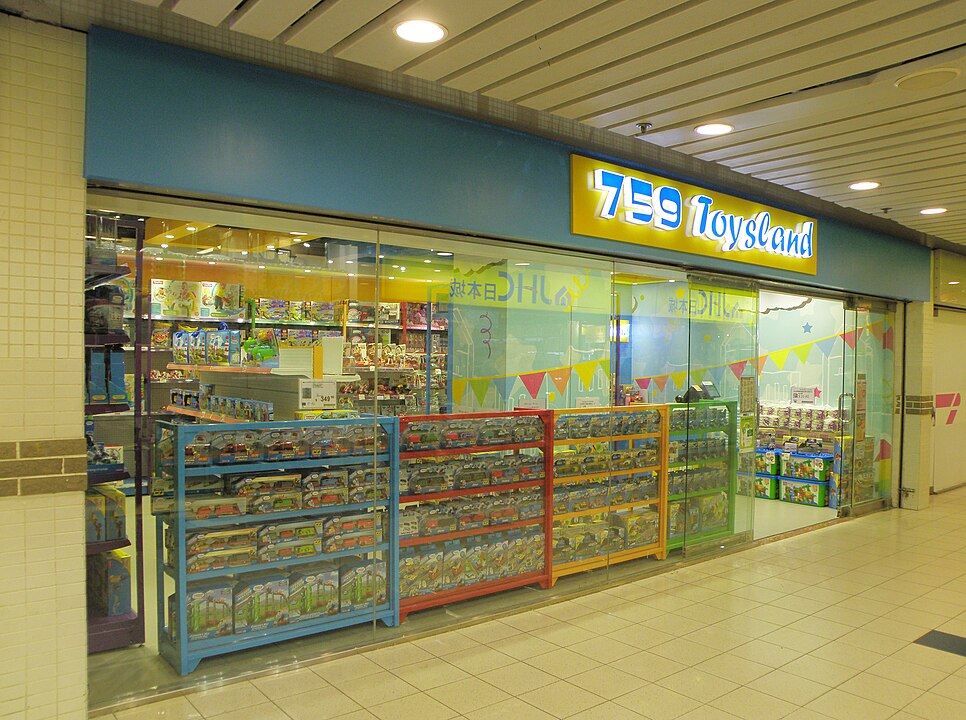
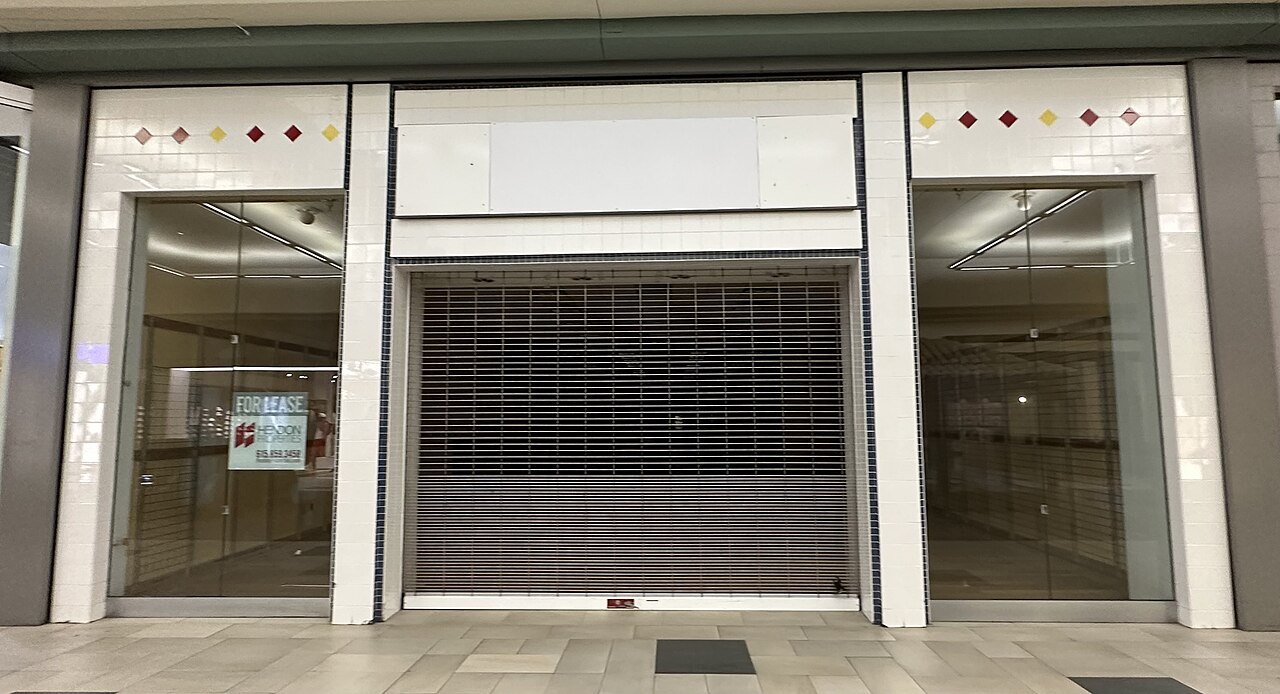
Small mall toy boutiques and kiosks thrived on impulse, selling imported puzzles, trendy blind box collectibles, and seasonal fads from tiny islands of light. Kids spotted something spinning or blinking and pulled adults closer for a better look. As many malls lost anchors and daily traffic, these little operators struggled to justify rent and long hours. Some shifted to pop up markets or digital storefronts, leaving hallways with more empty grates and fewer moments of unexpected wonder.