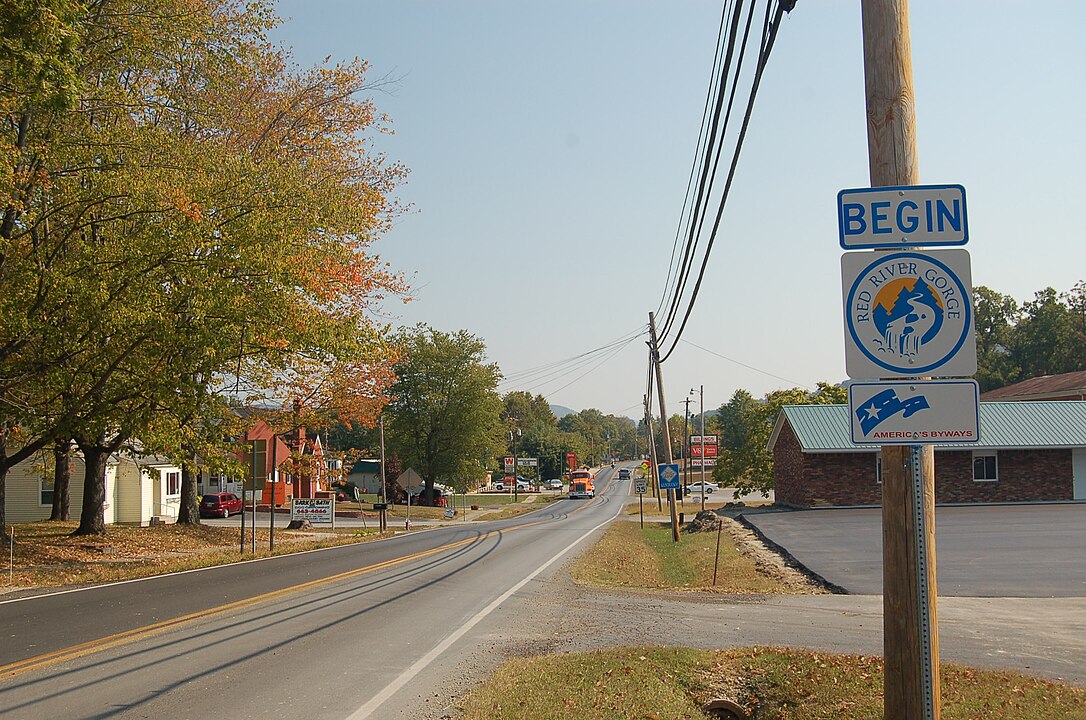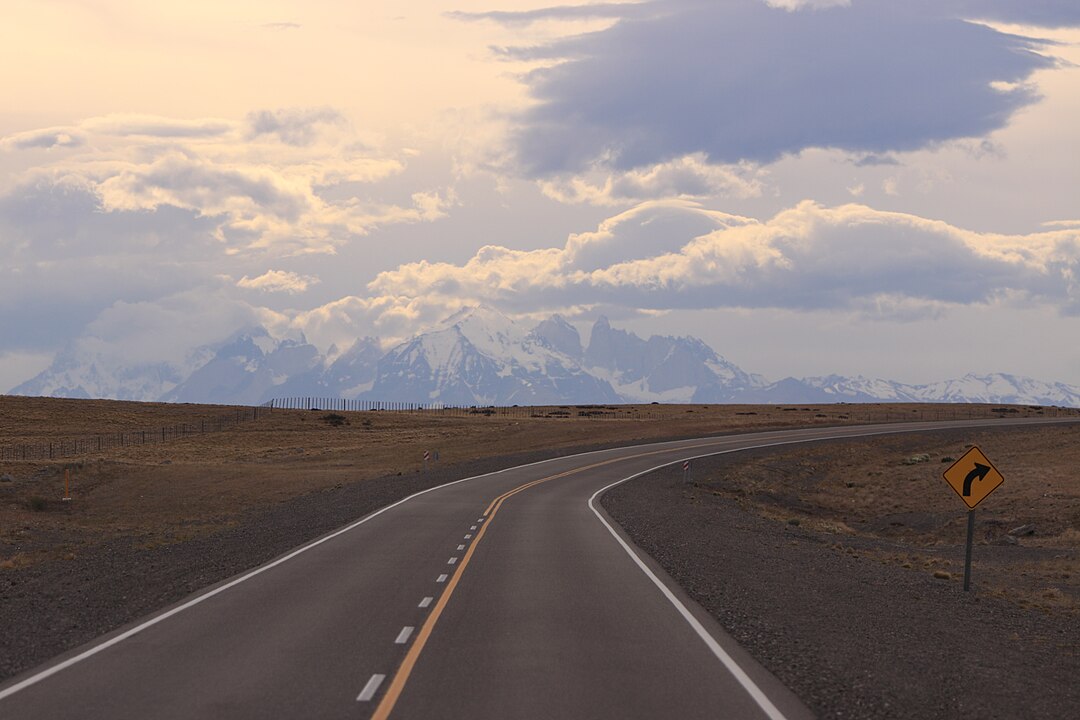
Vintage road trips do not require a vintage car, only a route that still treats time as part of the scenery. These drives favor two-lane bends, overlook pull-offs, and small towns where a meal or a viewpoint can reset the day. Each road below carries a particular kind of nostalgia, sometimes from old touring culture, sometimes from geography that never allowed speed to dominate. The common thread is rhythm: steady miles, practical stops, and landscapes that invite curiosity without demanding a checklist.
Route 66, United States
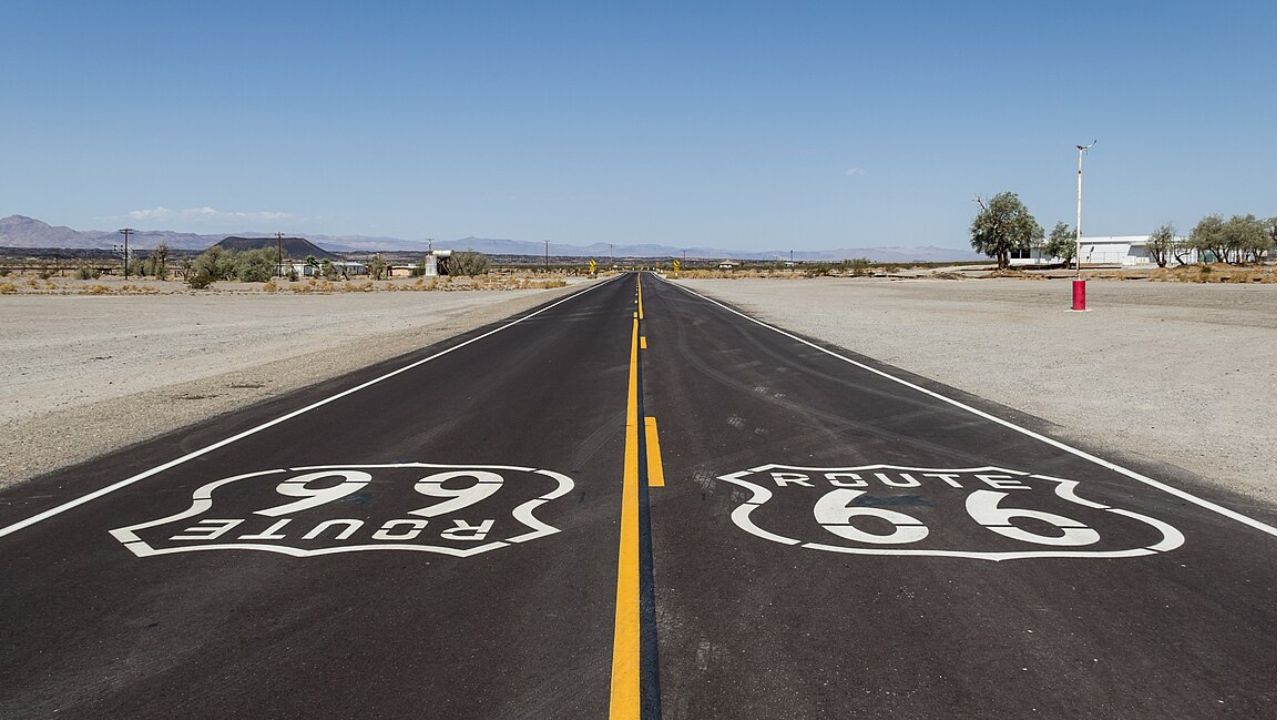
Route 66 runs from Chicago to Santa Monica and still reads like a moving postcard, stitched together by neon motels, chrome diners, and courthouse-square main streets. The most satisfying segments stay off the interstate, where two lanes drift past muffler shops, trading posts, and faded billboards that look sunbaked rather than curated. Detours are the point: a pie counter, a small museum, a cracked bridge, then another town that keeps road culture alive through jukebox music and local pride. Small motoring towns still host car nights, and early hours feel calm and true.
Blue Ridge Parkway, United States
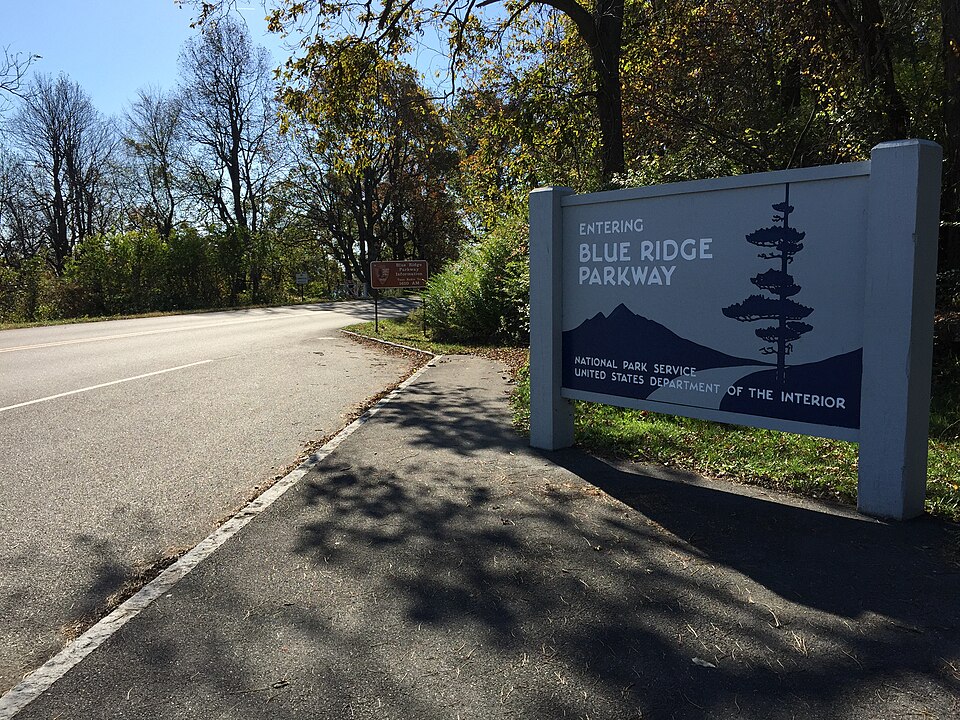
The Blue Ridge Parkway links Shenandoah and Great Smoky Mountains National Parks across 469 miles of ridgelines built for looking, not rushing. Stone overlooks arrive often, inviting pauses for foggy valleys at dawn or sharp fall color in Oct. Curves stay gentle, and the design keeps attention on the mountains instead of the clock. Nearby towns add orchards, craft stalls, and bluegrass nights, so a day’s drive becomes a chain of small outings. Because commercial traffic is limited, the soundtrack is wind and birds, not engines.
Pacific Coast Highway, United States
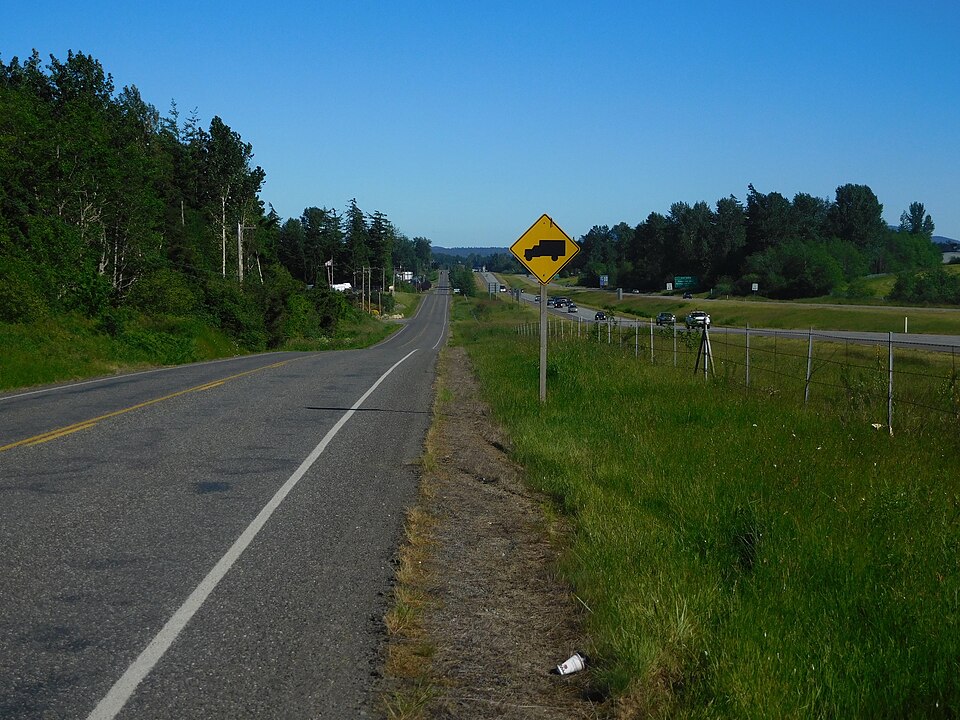
California’s coast route blends US 101 with Highway 1, trading speed for cliffside curves, salt air, and towns that still run on beaches and weekend crowds. The road feels vintage because it insists on stops: a turnout for sea lions, a pier with weathered planks, a diner window facing the surf. Fog can rewrite the mood in minutes, and late light turns headlands into postcards. Pull-offs reward patience, since a short pause can reveal pelicans gliding low or whale spouts offshore on calm days.
Cabot Trail, Canada
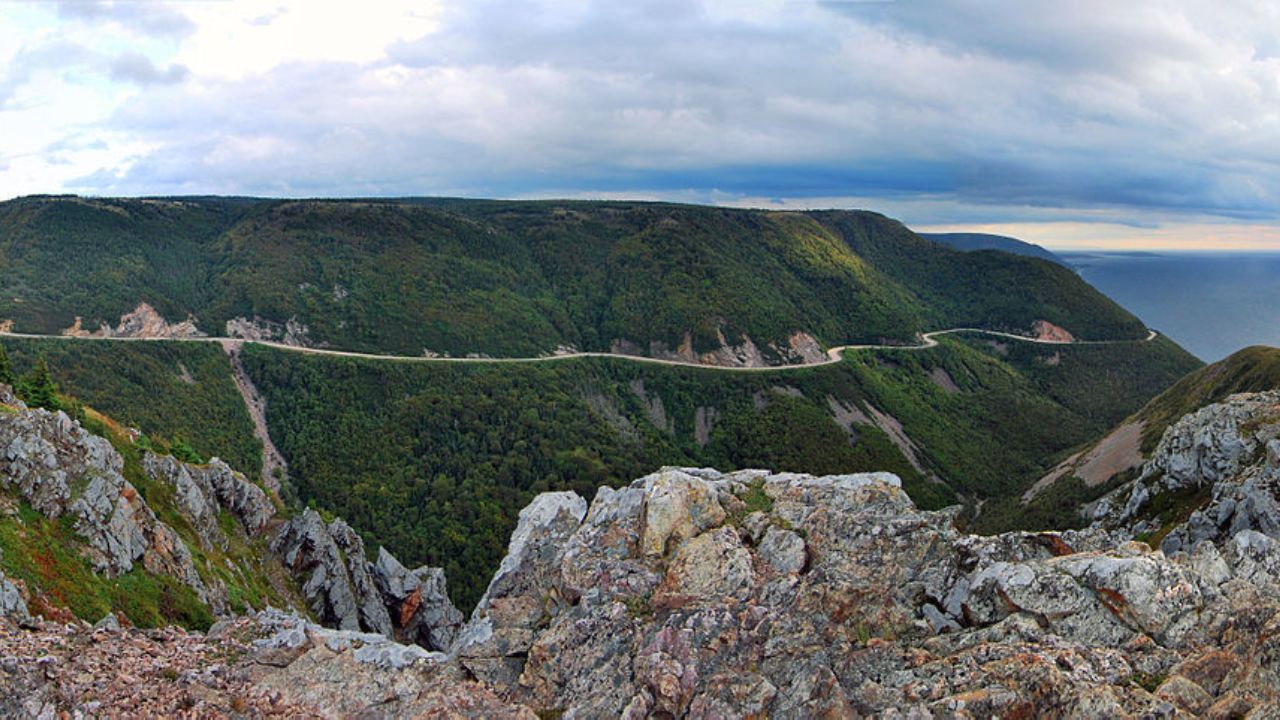
Nova Scotia’s Cabot Trail loops around Cape Breton Island for about 298 km, moving between fishing villages, forested valleys, and highland switchbacks that lift suddenly above the sea. The drive feels classic because it is built around lookouts and small-town pauses, not long straight runs. Lobster suppers, knit shops, and working harbors keep the route rooted in daily life. In Sept., maples flare above coves, the air turns crisp, and a quick stop can stretch into a long, quiet hour. The loop rewards an unhurried pace more than perfect planning.
Great Ocean Road, Australia
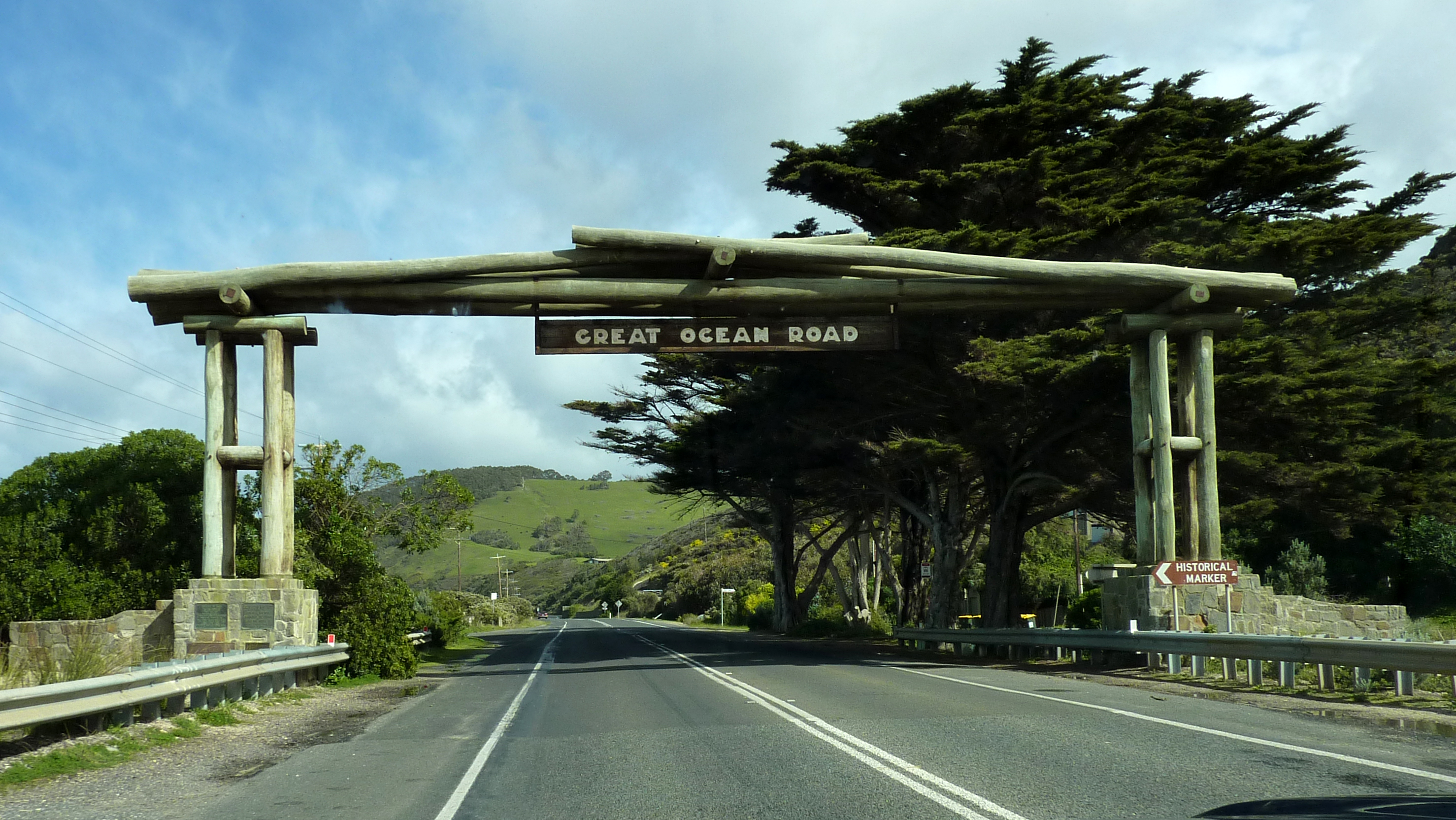
Australia’s Great Ocean Road starts near Torquay and leans into the touring idea that scenery should interrupt the day. Surf breaks, lighthouses, and seaside towns arrive in steady rhythm, with pull-offs that encourage a short walk and fish-and-chips rather than constant motion. The Shipwreck Coast history adds weight, with memorial markers and storyboards that explain why the ocean here is both beautiful and blunt. Near the Twelve Apostles, cliffs and swell deliver the big finale, and each lookout earns its own pause. Early starts keep viewpoints calm and clear.
Romantic Road, Germany
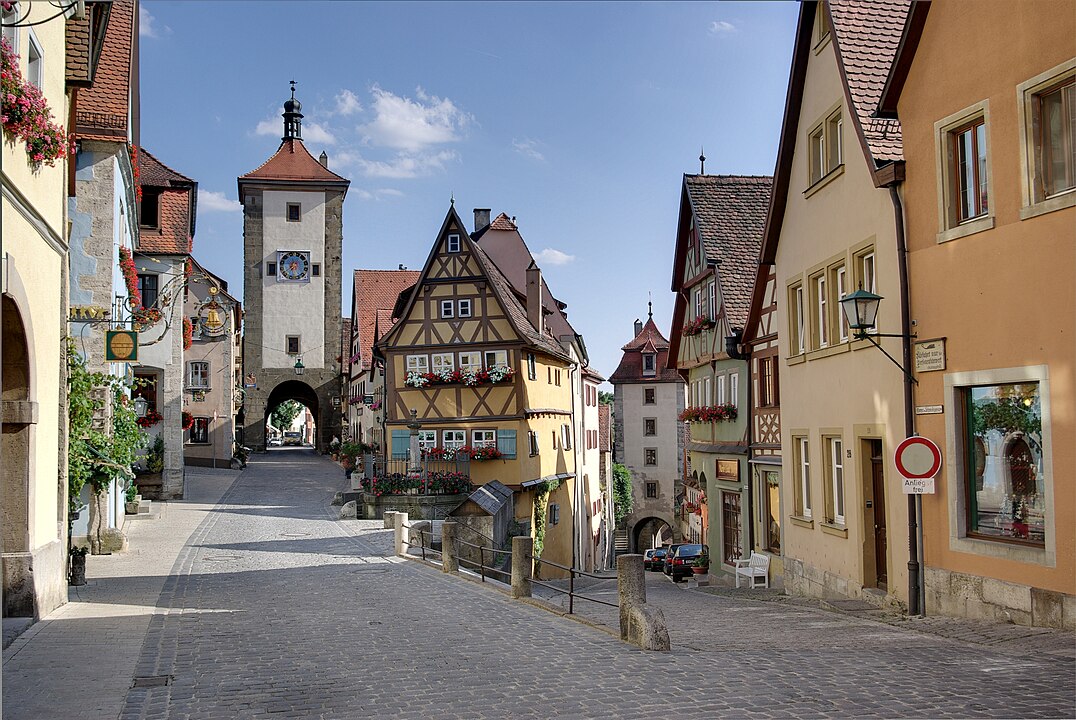
Germany’s Romantic Road connects Würzburg to Füssen on surface roads that pass walled towns, market squares, and half-timbered streets that reward lingering. Created as a postwar touring route, it keeps the pace gentle, with bakeries, small museums, and local inns making short days feel full. Each stop carries a familiar rhythm: a church tower, a town gate, a bridge, then a café table. As the landscape tilts toward the Alps, the route ends near Neuschwanstein, but the charm is in the steady succession of walkable towns. It favors long strolls over long drives.
Amalfi Coast Road, Italy
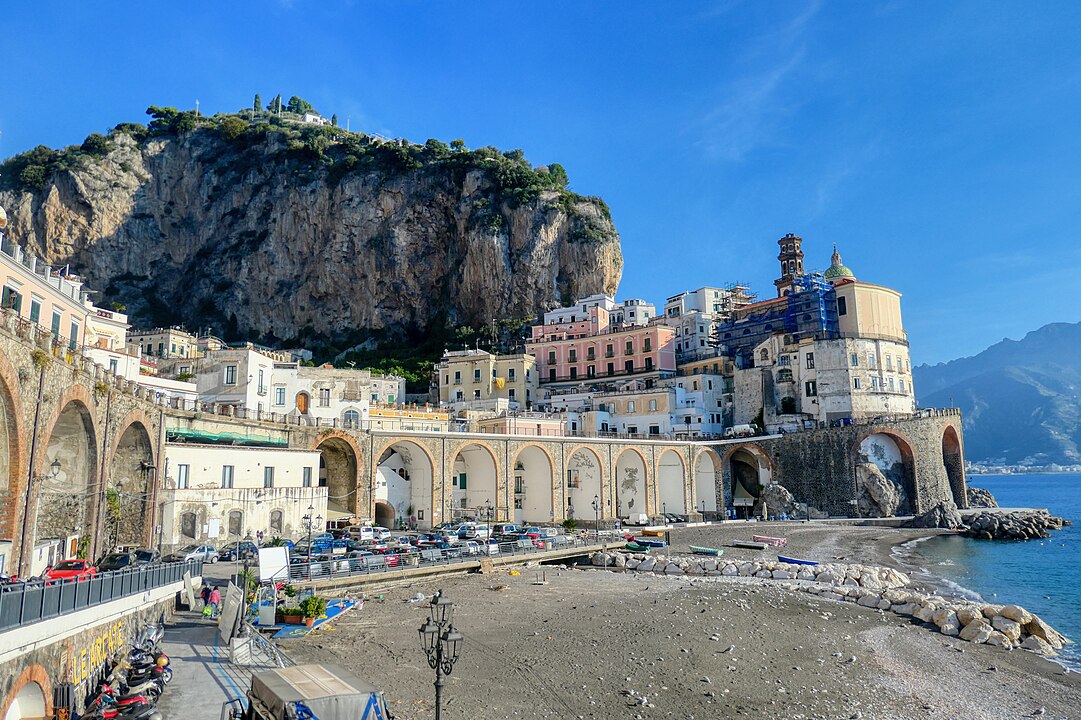
Italy’s SS163 Amalfitana clings to cliffs between sea and rock, threading through villages where lemon groves and balconies hang above the road. It feels vintage because it demands attention: tight curves, short sight lines, and careful negotiation with buses and scooters. Progress is slow, but the payoff arrives constantly in sudden views of pastel towns and terraced hillsides. Viewpoints and cafés appear at natural intervals, so the day breaks into small scenes, from espresso pauses to short walks to a lookout. Early mornings feel best, after deliveries end and the coast settles into its own pace.
North Coast 500, Scotland
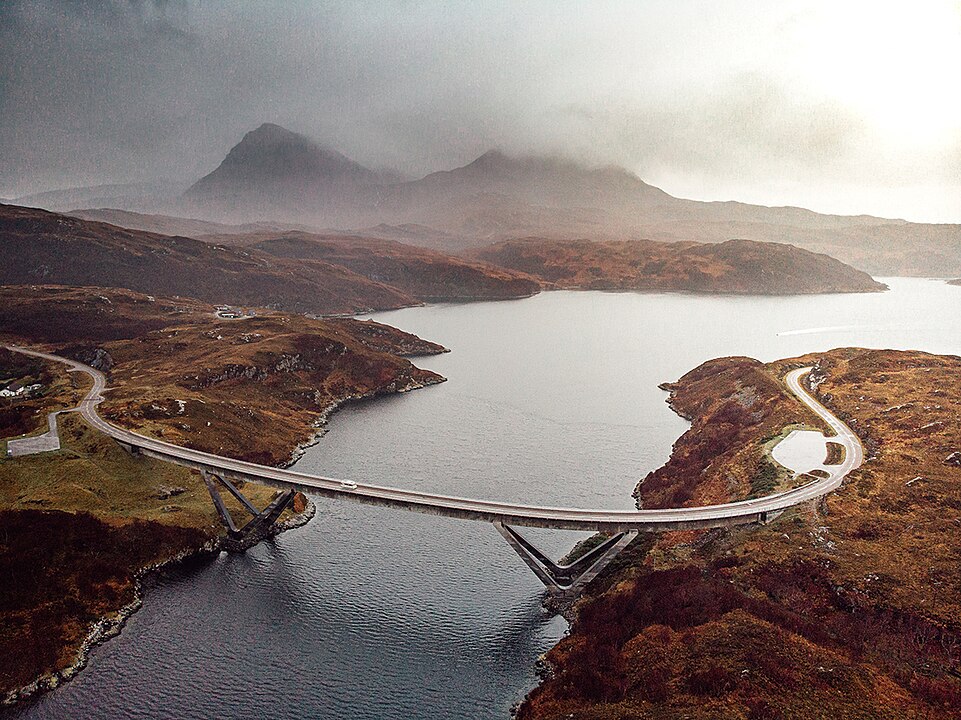
Scotland’s North Coast 500 loops from Inverness around the northern Highlands, and it feels old-world even though the route is newly branded. Single-track roads and passing places force a calmer tempo, while weather shifts can reshape plans within an hour. Harbors, distilleries, ruins, and honesty-box stalls make the drive feel guided by local life, not schedules. With long summer evenings, the day can end late in soft light, and a short beach walk or pub supper can feel like the main event. Fuel and food can be sparse in places, so light planning pays off.
Iceland Ring Road, Iceland
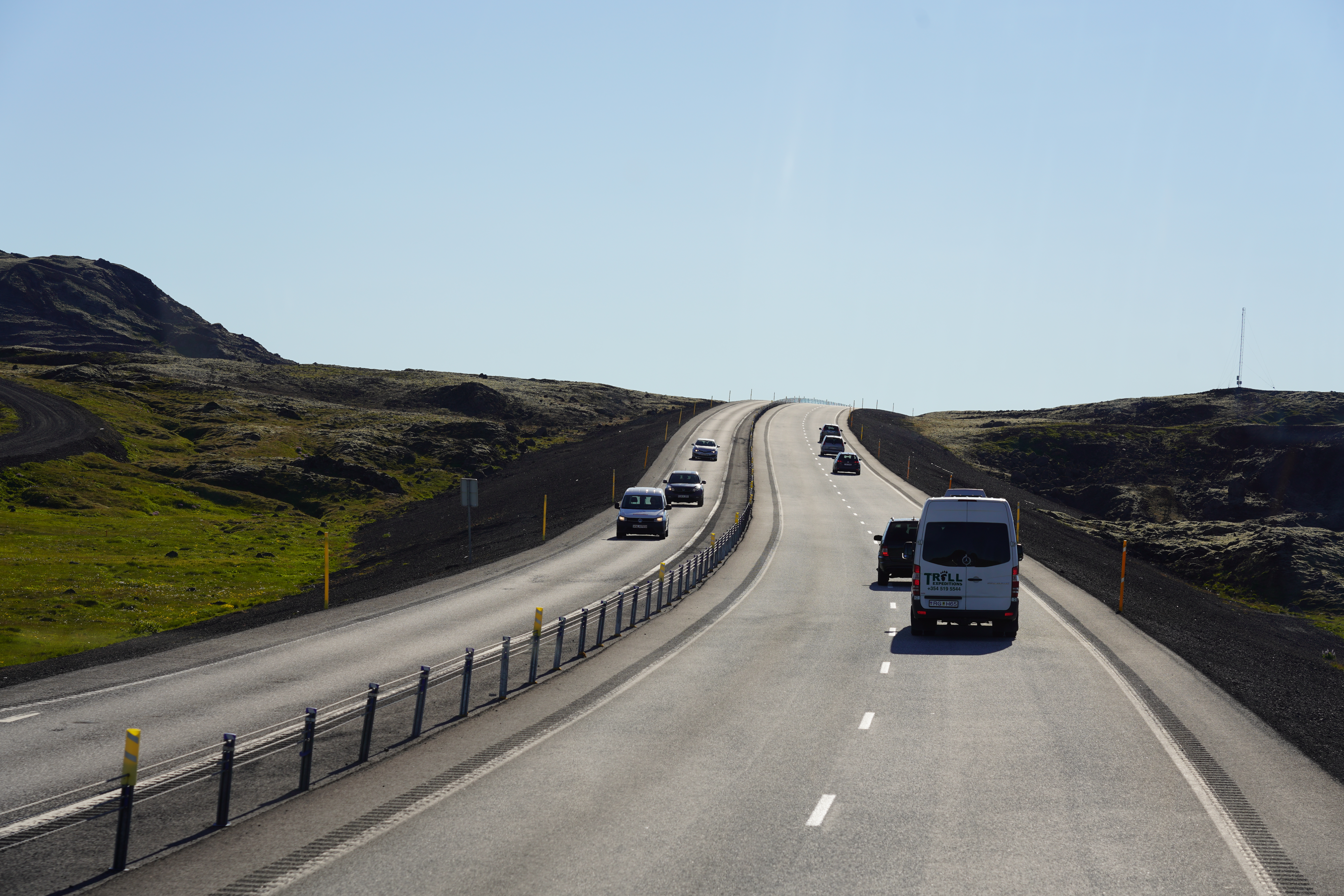
Iceland’s Ring Road, Route 1, circles the island and turns the whole country into a continuous drive framed by sea, lava, and distant peaks. The vintage mood comes from scale and simplicity: long stretches between towns, pull-offs where waterfalls and black-sand beaches appear without warning, and guesthouses that still feel family-run. Weather remains the true traffic controller, shifting visibility and timing in minutes. A flexible plan helps, because a clear morning can invite a detour, while a storm can turn a long day into a short one. Hot springs and harbor cafés make perfect anchors between miles.
Garden Route, South Africa
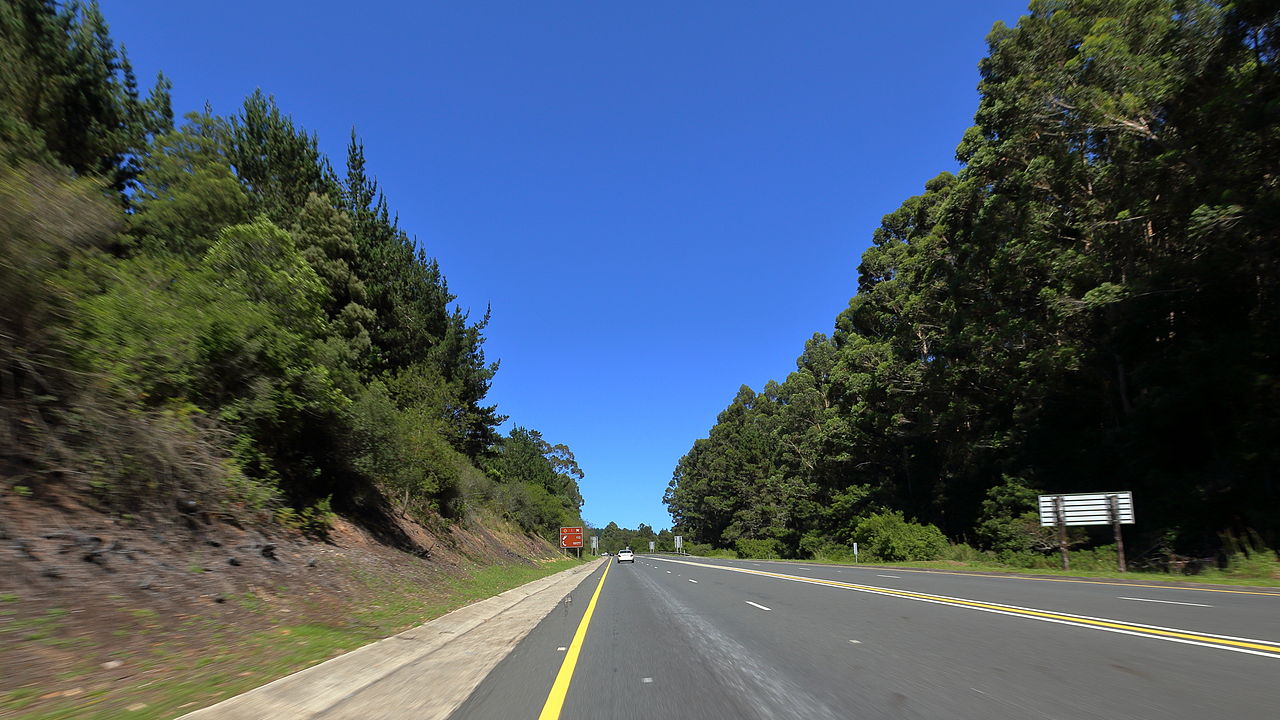
South Africa’s Garden Route is often traced along the N2 from Mossel Bay to Storms River, where beaches, lagoons, and forested slopes keep the scenery changing fast. Its appeal is old-school variety packed into manageable distances: roadside farm stalls, lookout points, and short trails that end at cliffs or calm coves. Towns feel practical rather than staged, with simple cafés and markets that fit a relaxed rhythm. The best version favors short hops that leave time for a swim, a forest walk, or a sunset viewpoint. Wildlife parks and lagoon towns add easy, memorable detours.
Carretera Austral, Chile
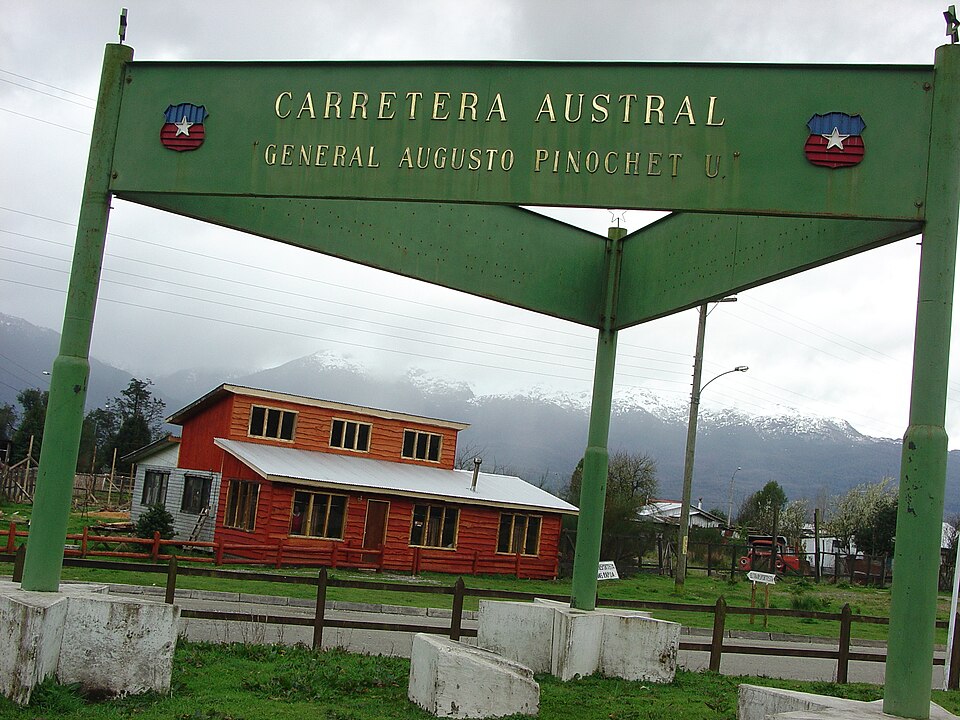
Chile’s Carretera Austral, Route 7, runs through Patagonia from Puerto Montt toward Villa O’Higgins, and it still feels like a true edge-of-the-map drive. Gravel sections, ferry crossings, and quick weather shifts make progress measured in landscapes, not speed. Fjords, rain forest, and glaciers arrive in raw bursts, and towns sit far apart, so a warm meal and a fuel stop feel meaningful. Evenings often end in real quiet, with long light on peaks and a simple cabin that feels earned. Logistics shape the rhythm, but that structure makes each viewpoint feel genuine.
Ruta 40, Argentina
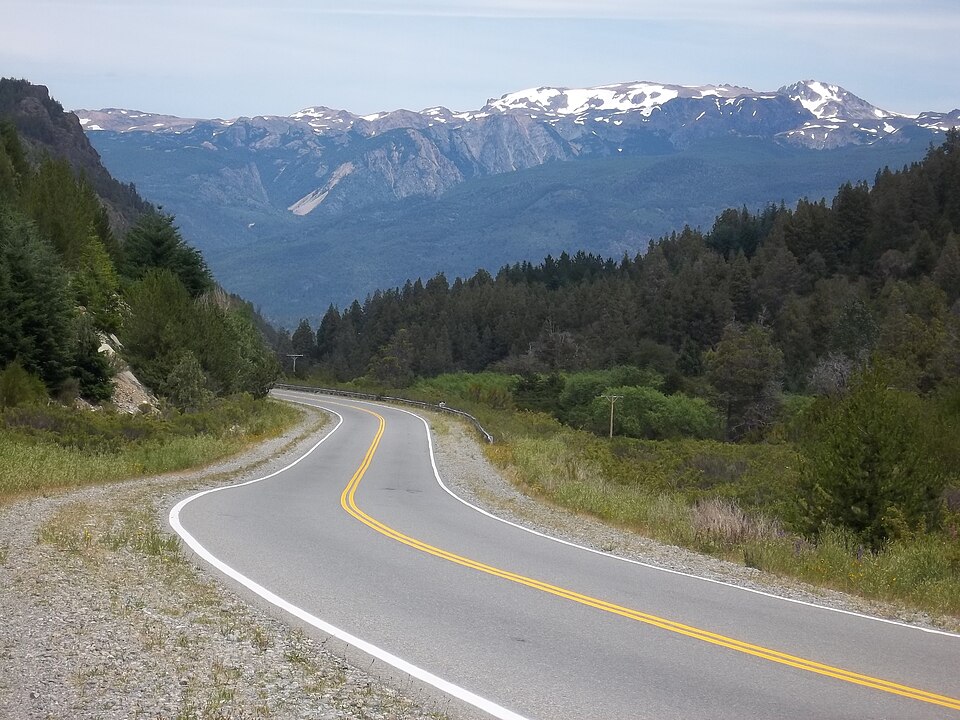
Argentina’s Ruta 40 parallels the Andes for about 5,194 km, stretching from the far south to the high northern border. It is vintage road tripping in scale and mood: wind-swept plains, desert stretches, high passes, and small towns where local advice still matters. Some sections feel remote and spare, others pass vineyards and mountain lakes, yet the identity stays constant in big sky and long horizons. The route rewards patience, because landscapes, accents, and menus shift gradually enough to be noticed. Services can be far apart, which makes a warm roadside meal feel truly satisfying.