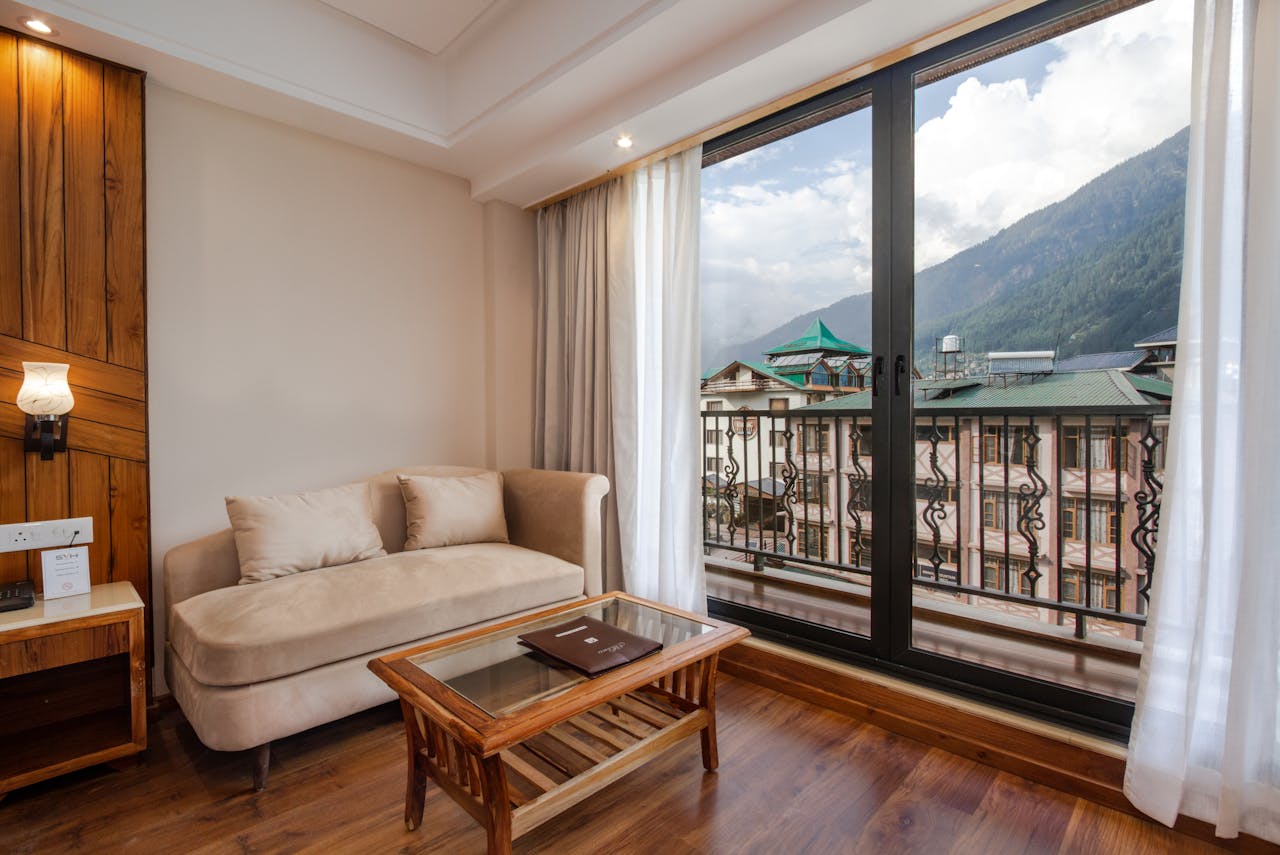
Boutique hotels once won on looks alone, but the mood is shifting. Guests are hunting for places that feel rooted in their block, with staff who know the neighborhood and rooms built for real rest. Design is getting less copy-paste and more specific, from local makers to reclaimed buildings with a story in the walls. Sustainability is becoming practical, not performative, as refill stations and smarter sourcing replace tiny plastics and wasteful extras. Technology is expected to be quiet and helpful, not a substitute for judgment or warmth. The best properties still feel personal, even when the lobby is buzzing late.
Hyper-Local Storytelling in the Details
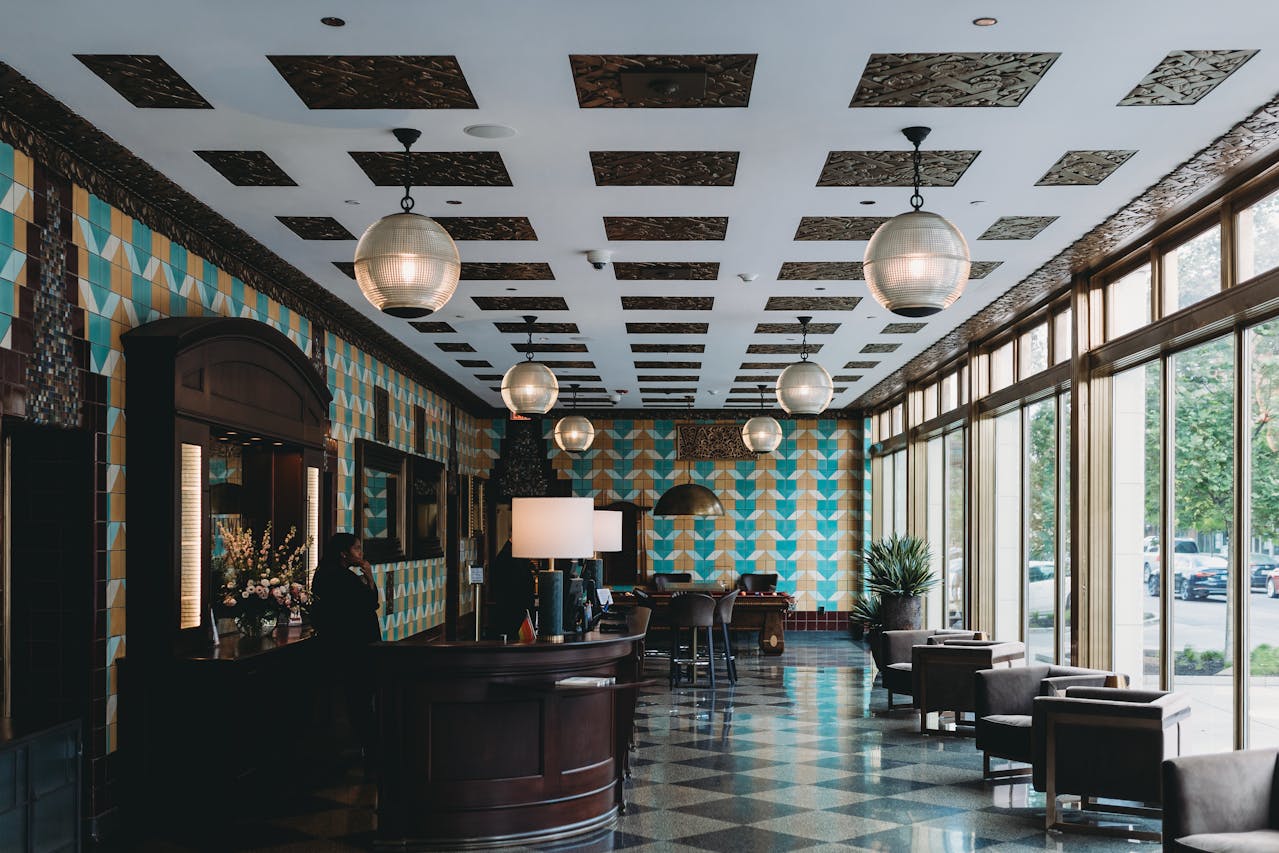
Travelers are over generic décor that could sit in any city. Boutique hotels are responding with small, honest signals of place: hand-thrown mugs from a nearby studio, locally milled wood, region-specific stone, and mini-bars stocked with neighborhood brands. The lobby might smell faintly of a local cedar soap, and the bookshelf may lean on writers who actually lived nearby. A maker card or map matters because it gives credit and turns a room into a set of introductions. When the details are real and not costume, the property feels like it belongs to its street, not like an import borrowing a zip code for marketing.
Historic Buildings Become the Headliner
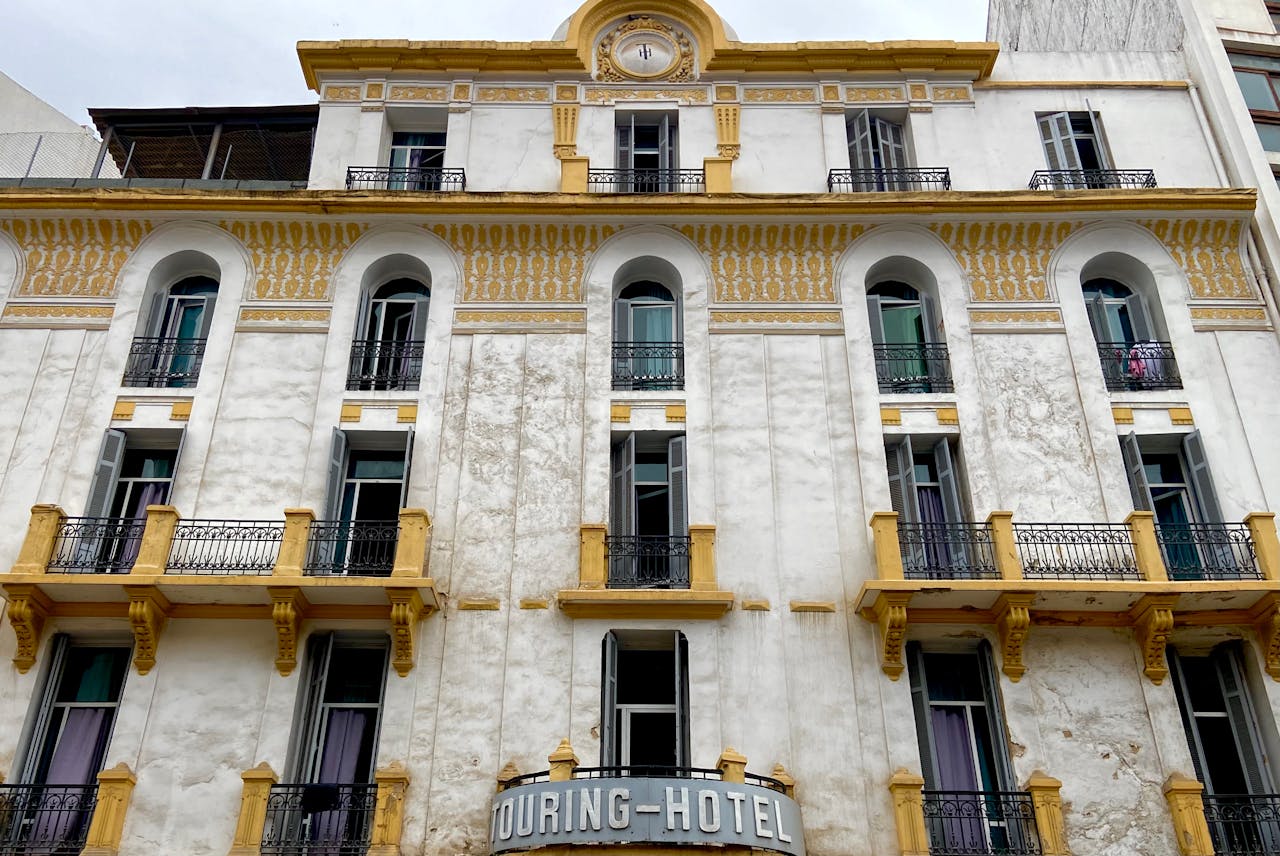
New-build boutiques still open, but the buzz keeps returning to adaptive reuse. Old banks, schools, factories, and civic halls come with tall ceilings, quirky corners, and windows set for another era, so rooms feel singular before design even begins. The smartest renovations keep a few honest traces: worn stair rails, original brick, a vault door, a faded sign. Many share the backstory without forcing it, with a short lobby plaque, a photo wall, or a note in the elevator about what came before. That backbone reads as confidence, and it spares guests the sense that the narrative was glued on later, just for the camera.
Sleep-First Rooms Take Over
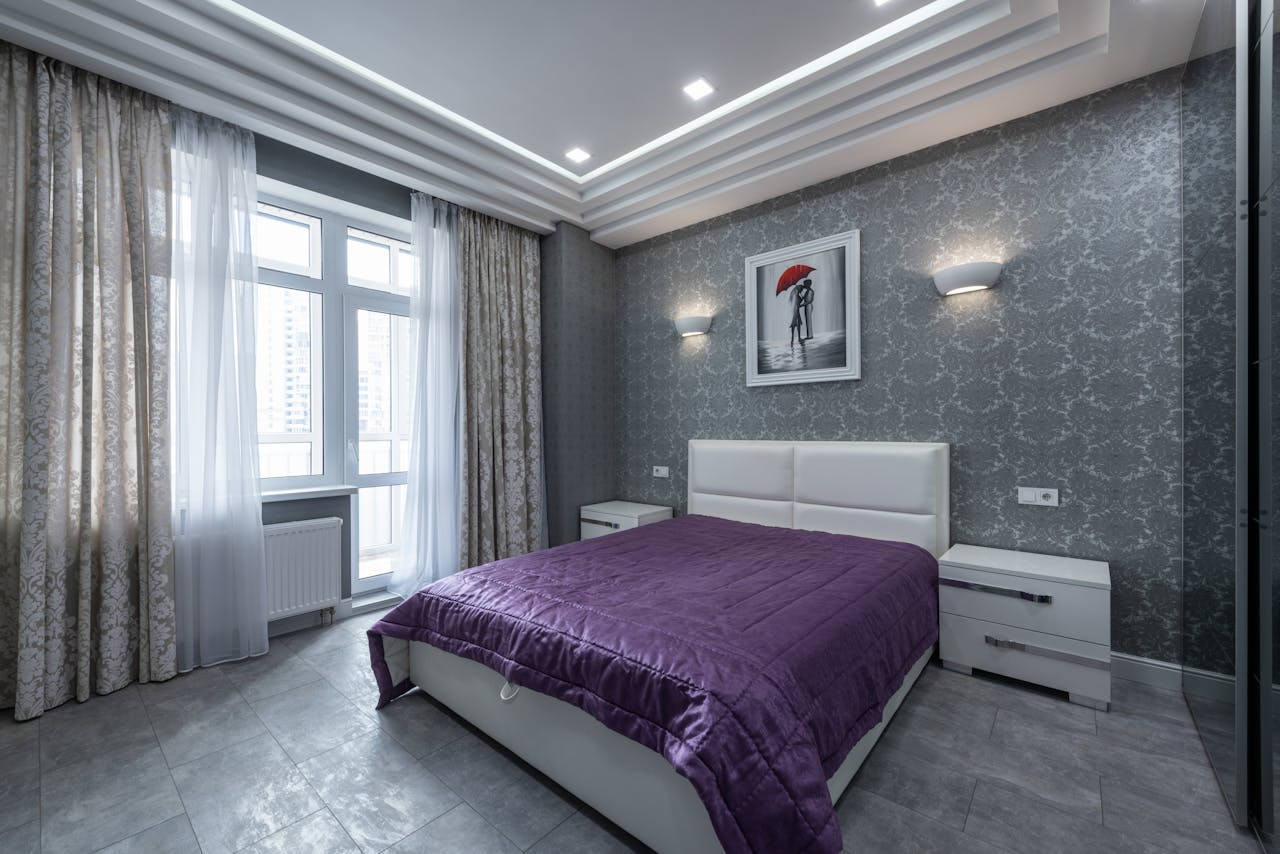
Wellness is moving out of the spa and into the room, with sleep treated as the main amenity. Boutiques are investing in the unglamorous stuff that protects rest: blackout shades, tighter door seals, quieter HVAC, and layouts that keep elevators and ice machines away from beds. Many add pillow menus, low-scent linens, white-noise options, and simple lighting that warms at night instead of blasting a bright glare. Staff are also treating late checkout and quiet-floor requests as normal, not a favor. The point is not a gimmick. A room that sleeps well makes everything else about a trip feel easier, including the next morning’s mood.
Lobbies Turn Into Neighborhood Clubhouses
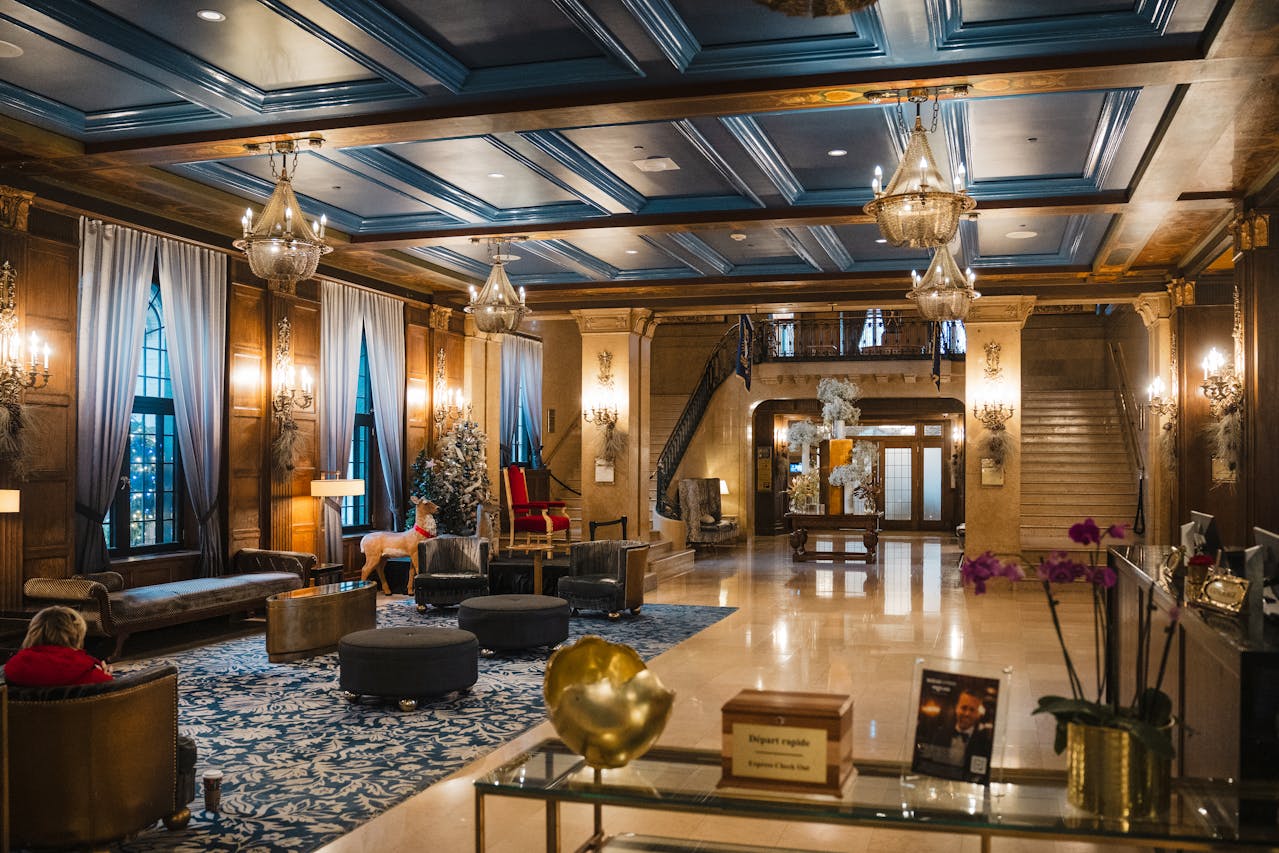
The lobby is no longer a pass-through with a scent diffuser and a line for keys. Boutique hotels are building common spaces that work all day: strong coffee in the morning, laptop-friendly corners by noon, and a bar that feels local at night. Seating is getting softer and more varied, with long tables for work, small nooks for conversation, and shelves that invite browsing instead of decoration. Programming is lighter and better, more like vinyl hours, a chef pop-up, or a walking tour that starts at the front door. When locals use the space, guests stop feeling like outsiders, and the hotel becomes part of the neighborhood’s rhythm.
Refill Culture Replaces Tiny Plastic Everything
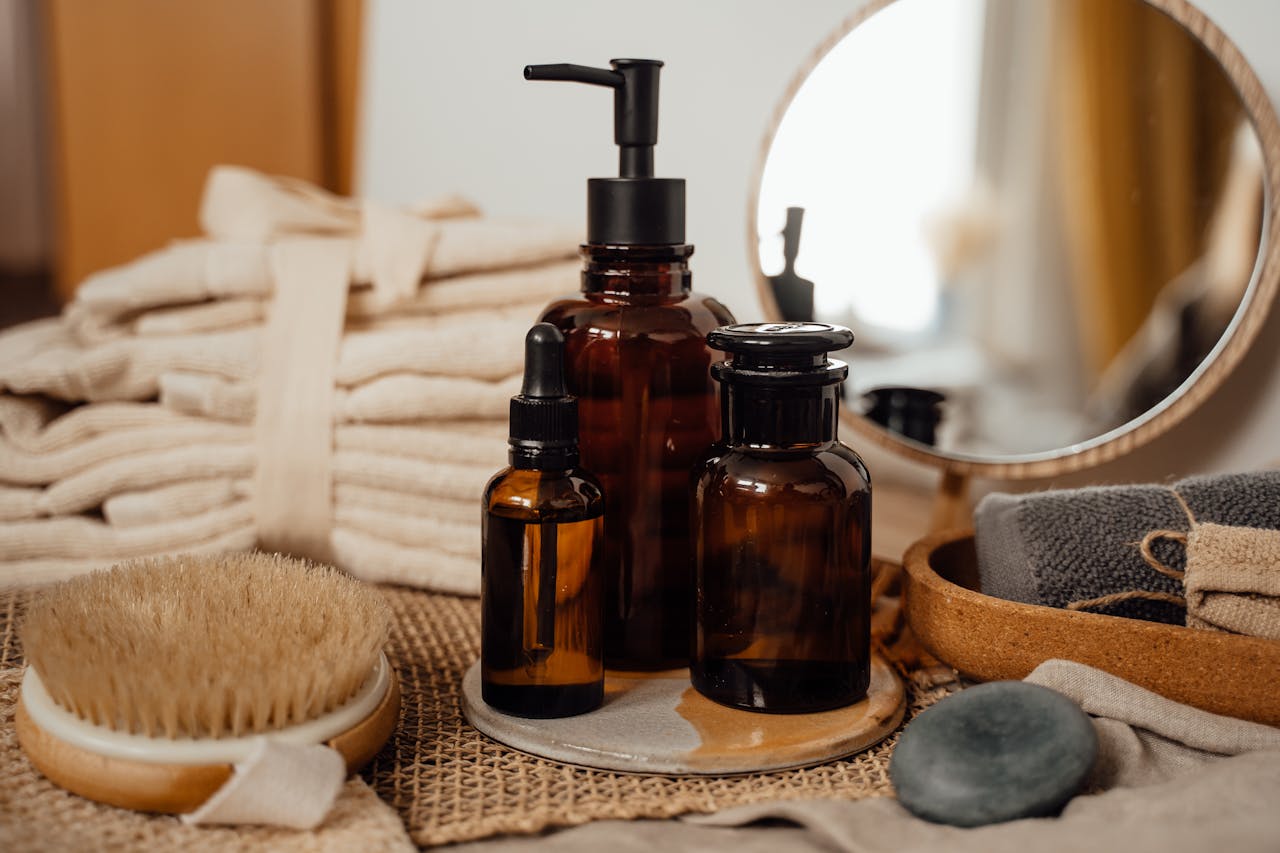
Guests still notice luxury, but more of it now looks like restraint. Refillable bath dispensers, filtered water stations on every floor, and reusable bottles are replacing the parade of tiny plastics that feel wasteful the moment they are opened. In food and beverage, smaller buffets, smarter portioning, and seasonal menus help kitchens waste less without making service feel stingy. Some boutiques are also more transparent about where linens are washed, how cleaning products are sourced, and what gets composted. The goal is simple: less trash, less guilt, and a room that feels calmer. It is the kind of change guests can see.
Tactile Quiet Luxury, With Better Acoustics
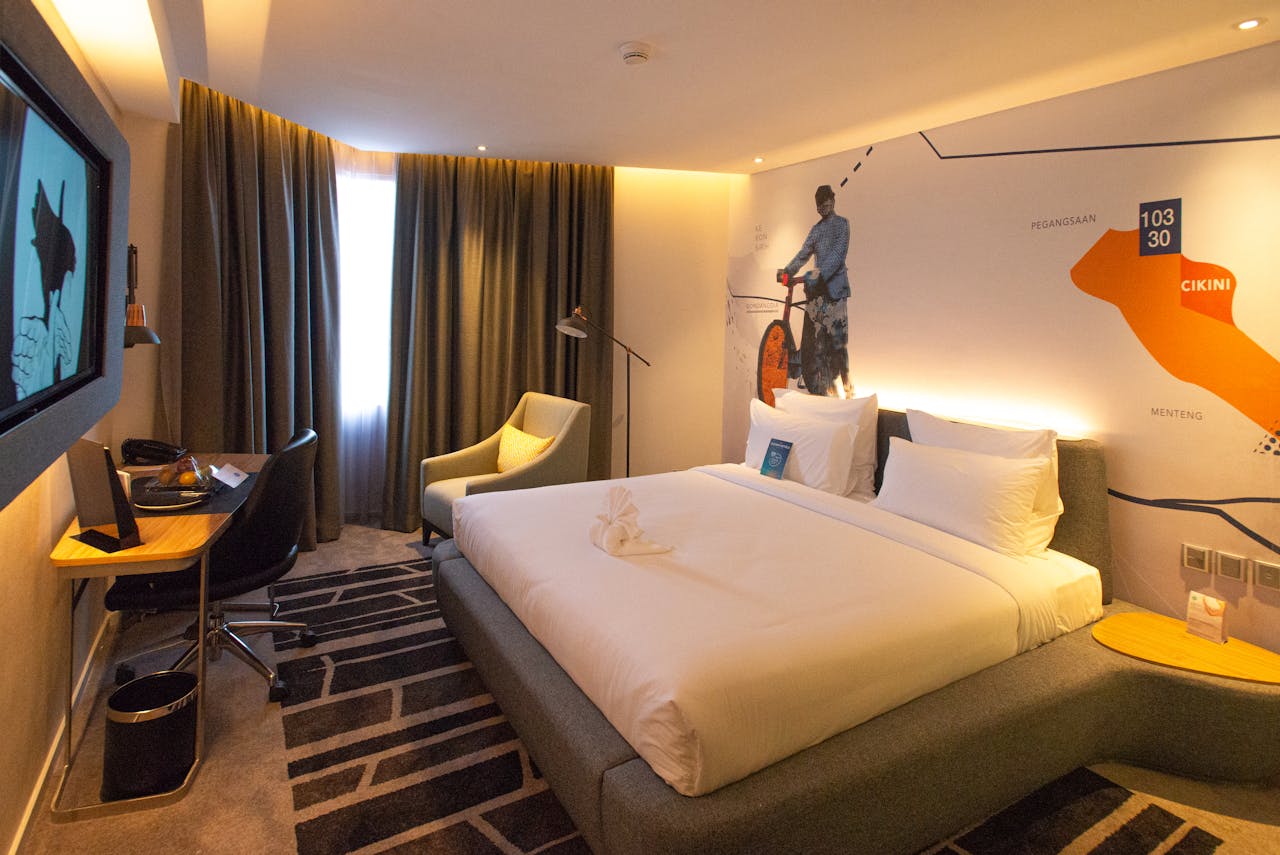
After years of photo-first rooms full of hard surfaces, boutiques are leaning back into comfort that can be felt. Expect linen, wool, warm woods, upholstered headboards, and layered textures that look better up close than on a screen. Lighting is softer and more deliberate, with dimmers, reading lamps, and pools of glow instead of harsh ceiling beams. Quiet is part of the design, too: thicker doors, tight seals, carpet where it helps, and acoustic panels that blend into art walls. It reads as mature taste, and it respects the basic truth of travel: the body keeps score when nights are noisy. So does the mind, and mornings reveal it.
Invisible Tech, With Humans Still in Charge
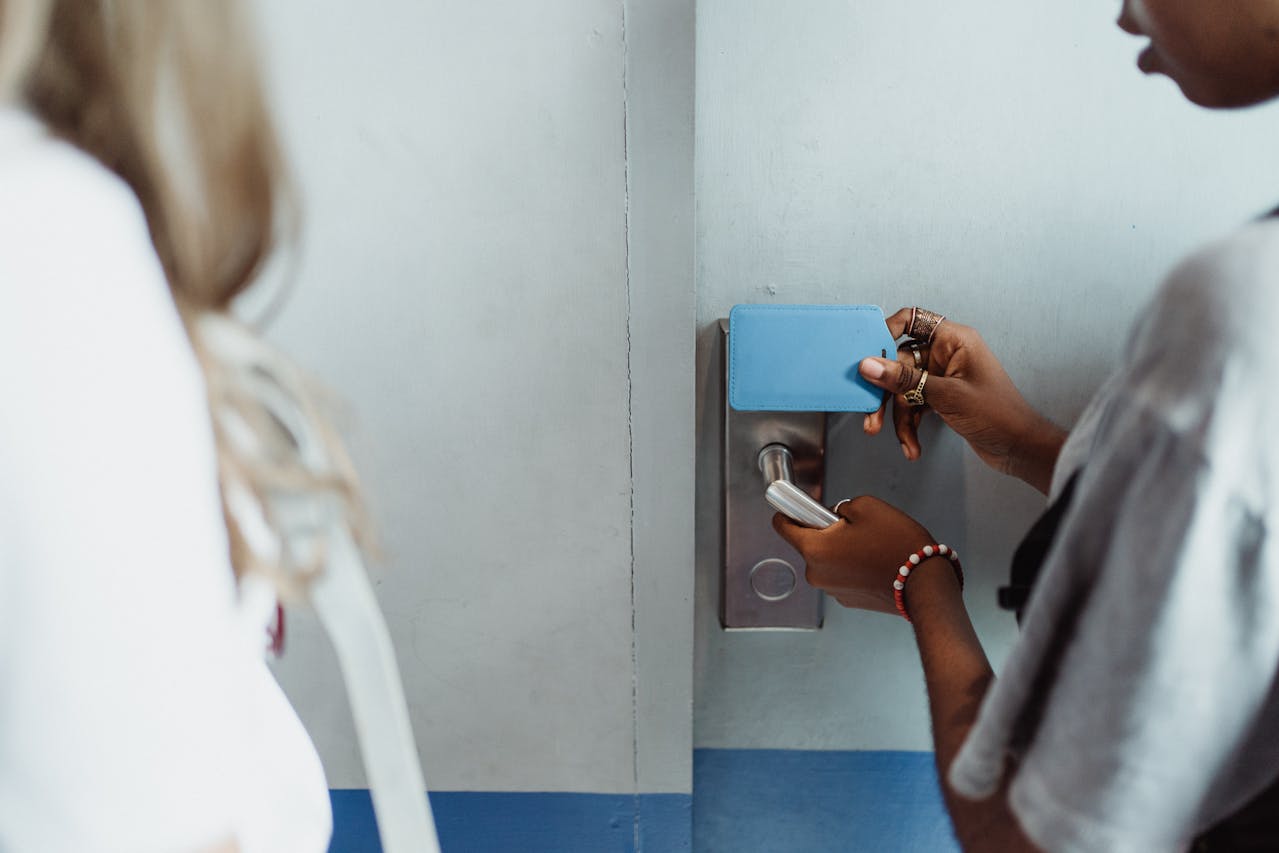
Guests want fewer forms, fewer surprises, and faster answers, but they do not want a stay to feel automated. Boutiques are using tech quietly: mobile check-in, digital keys, and messaging that handles simple requests fast. Smart energy controls keep rooms comfortable. Privacy settings are kept plain and opt-in. Many still offer a keycard and a real person at the desk, because backups prevent drama. The human layer stays obvious where it counts, like smoothing a late arrival, handling a room change with grace, or finding a pharmacy after midnight. When tools stay out of sight, service has room to feel like care, and not theater.