There is a particular kind of nostalgia that lives in cardboard corners and slightly bent rulebooks. Some games were not just played; they staged a whole mood, with plastic contraptions, VHS intimidation, or licensed miniatures that made a living-room table feel cinematic. Many slipped out of print before the hobby boom turned everything into an evergreen brand. What remains are names traded in comments, thrift-store stories, and auctions that move faster than memory. A thoughtful reboot would not sand off the weirdness. It would keep the charm, tighten the pacing, and make the best ideas accessible again for modern shelves. Done right, these revivals would feel less like retro cosplay and more like long overdue second chances.
The Omega Virus

In 1992, Milton Bradley turned a villain into a talking electronic command unit, and “The Omega Virus” became pure sci-fi panic in a box. Players raced a real countdown, chased codes across a space-station layout, and listened as the game mocked every mistake with alarms, lockdowns, and sudden penalties. A reboot could keep that relentless pressure while replacing aging electronics with a durable modern module, richer difficulty tiers, and tighter co-op roles, plus a rotating set of missions that changes objectives, room hazards, and the villain’s moods from session to session. A quick-start guide really helps, too.
Dark World

“Dark World” is a three-dimensional dungeon crawl tied to The Dark Eye system, with one player guiding Korak’s monsters against up to four heroes. The pop-up castle, hidden doors, and chunky components still look like a fantasy playset, but the experience can stumble when the rules leave key moments fuzzy. A reboot could preserve the physical build while streamlining combat, clarifying line-of-sight and traps, and adding scenario cards that teach through play, with modern balance and better catch-up tools so a first game feels daring, not tentative and slow. A faster family mode could sit beside the full crawl, too.
DragonStrike
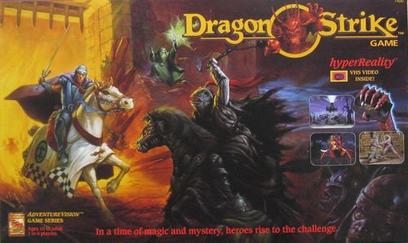
Milton Bradley’s 1993 “DragonStrike” leaned hard into the VHS era, using a video host to set scenes, trigger events, and keep the dungeon feeling alive. It was part board game, part interactive quest, and it proved that atmosphere, voice, and timing can make even simple mechanics feel like a real expedition. A reboot could retire the tape but keep the theatrical guide with optional narration, modular maps, and faster turns, then add branching quests, clever checkpoints, and a difficulty dial that prevents one unlucky streak from derailing the whole night. The spectacle should still play clean and quick for all ages.
Broadsides And Boarding Parties
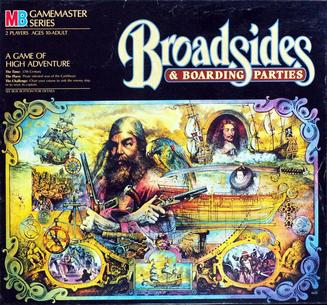
In 1983, Milton Bradley released “Broadsides and Boarding Parties,” a naval skirmish where cannon fire was only half the story. Ships maneuvered for angles, then crews clashed on deck, turning movement into a bluff about when to commit to a boarding rush and risk everything at close range. A reboot could sharpen the rule set, add clearer ship identities, weather twists, and captain perks, and upgrade components while keeping the swagger, because that leap onto the enemy deck should still feel like a bold decision with consequences that echo for several turns. A brisk scenario guide and clearer boarding rules keep it bold.
Star Wars: Epic Duels
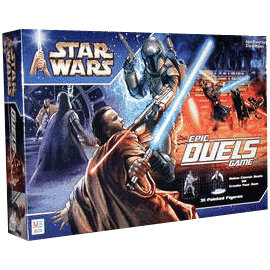
Hasbro’s 2002 “Star Wars: Epic Duels” distilled movie matchups into quick, card-driven fights on compact maps, and it has been out of print for years. Each deck sells a character’s attitude through timing, pushes, and counters, so turns feel punchy and cinematic without a pile of special-case rules. A reboot could refresh minis, rebalance a handful of matchups, and expand the roster while protecting the 30-minute pace, then add a small drafting mode for sidekicks and terrain, giving variety and replay without compromising the clean, learnable core. Optional linked duels add a light arc without any sprawl, often!!!
Star Wars: The Queen’s Gambit

Released in 2000, “Star Wars: The Queen’s Gambit” recreated Episode I’s finale with four battles running at once, from palace corridors to the Gungan front. That multi-board tension was the point: players constantly chose where attention mattered most, knowing something critical was always slipping on another battlefield. A reboot could keep the ambitious structure while trimming downtime, tightening hand management, and offering a shorter mode for weeknights, plus clearer iconography and a consolidated turn flow so the big picture stays legible even when the table gets loud and chaotic. A lean rules edit seals it.
Shadow Hunters
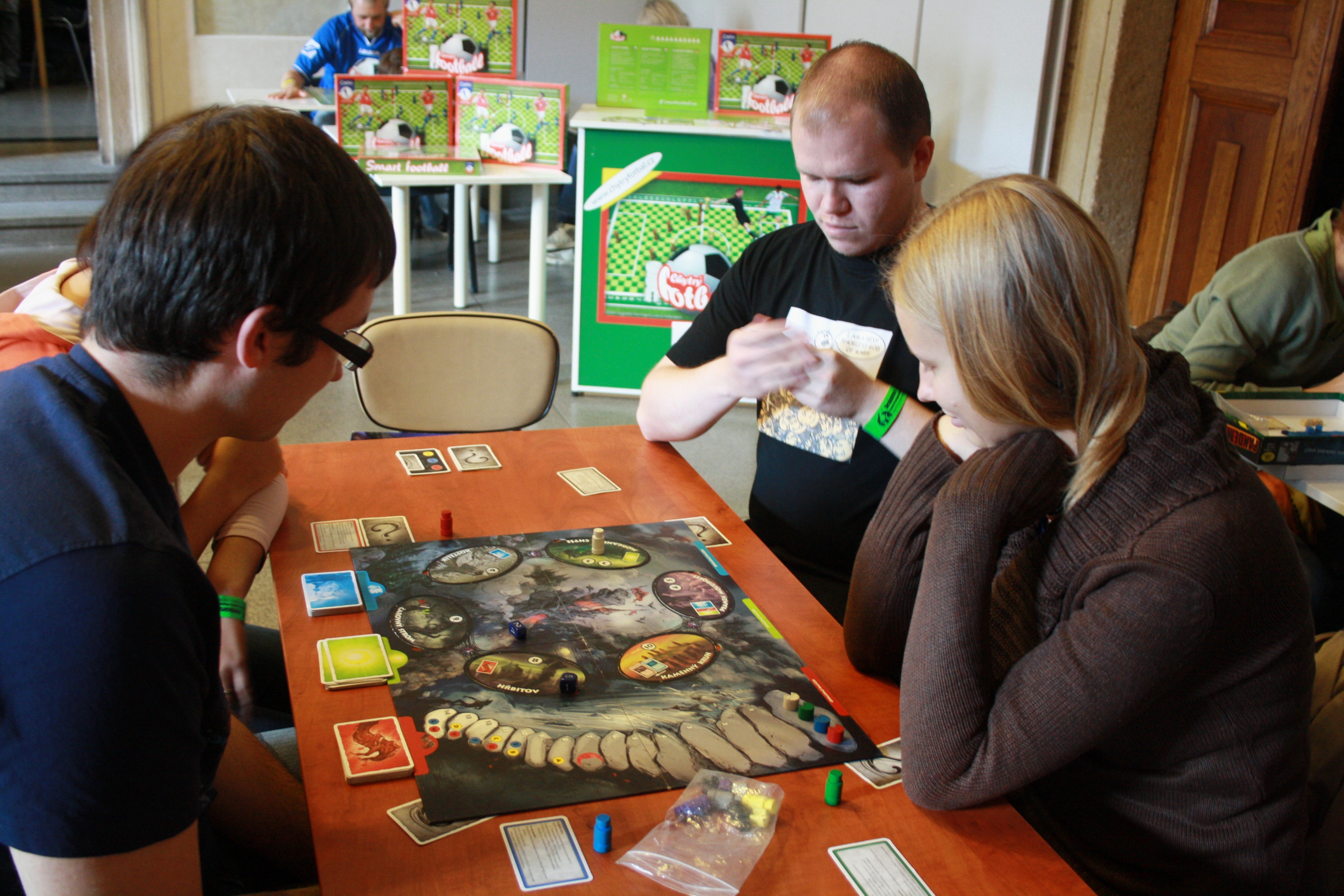
Designed by Yasutaka Ikeda in 2005, “Shadow Hunters” is social deduction with three factions, but it avoids pure table talk by anchoring play to movement and attacks. Information arrives through small, directed interactions, so suspicion grows from who helps, who hits, and who dodges questions when cards start revealing cracks. A reboot could modernize the graphic design, smooth edge-case rules, and add more characters and locations while keeping the light touch, including a faster setup, clearer reference aids, and optional shorter rounds that get to satisfying reveals before attention drifts. Perfect at 6–8 players.
Discworld: Ankh-Morpork
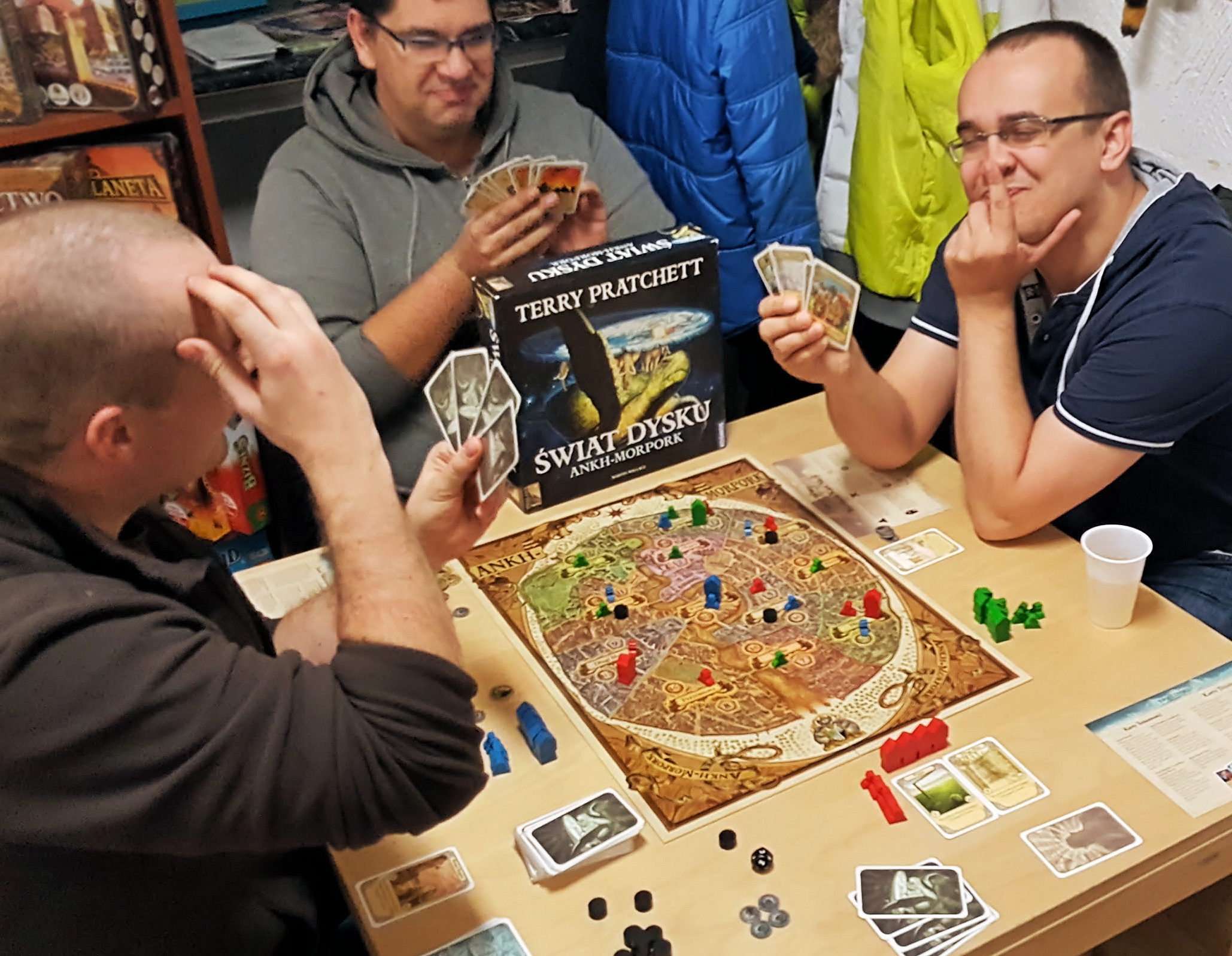
Martin Wallace’s 2011 “Discworld: Ankh-Morpork” wrapped hidden roles and city politics in Terry Pratchett’s humor, then went out of print when the license changed. It plays like controlled mischief, where cards nudge alliances and betrayals while the board state stays readable and the jokes land even for non-readers. A reboot, if licensing ever allowed, could keep the tight playtime, refresh the art, and add modular goals for replay, plus an included solo puzzle mode and a concise rules rewrite that makes the first teach as witty and sharp as the game itself. It deserves to be easy to find again, even via a retheme.