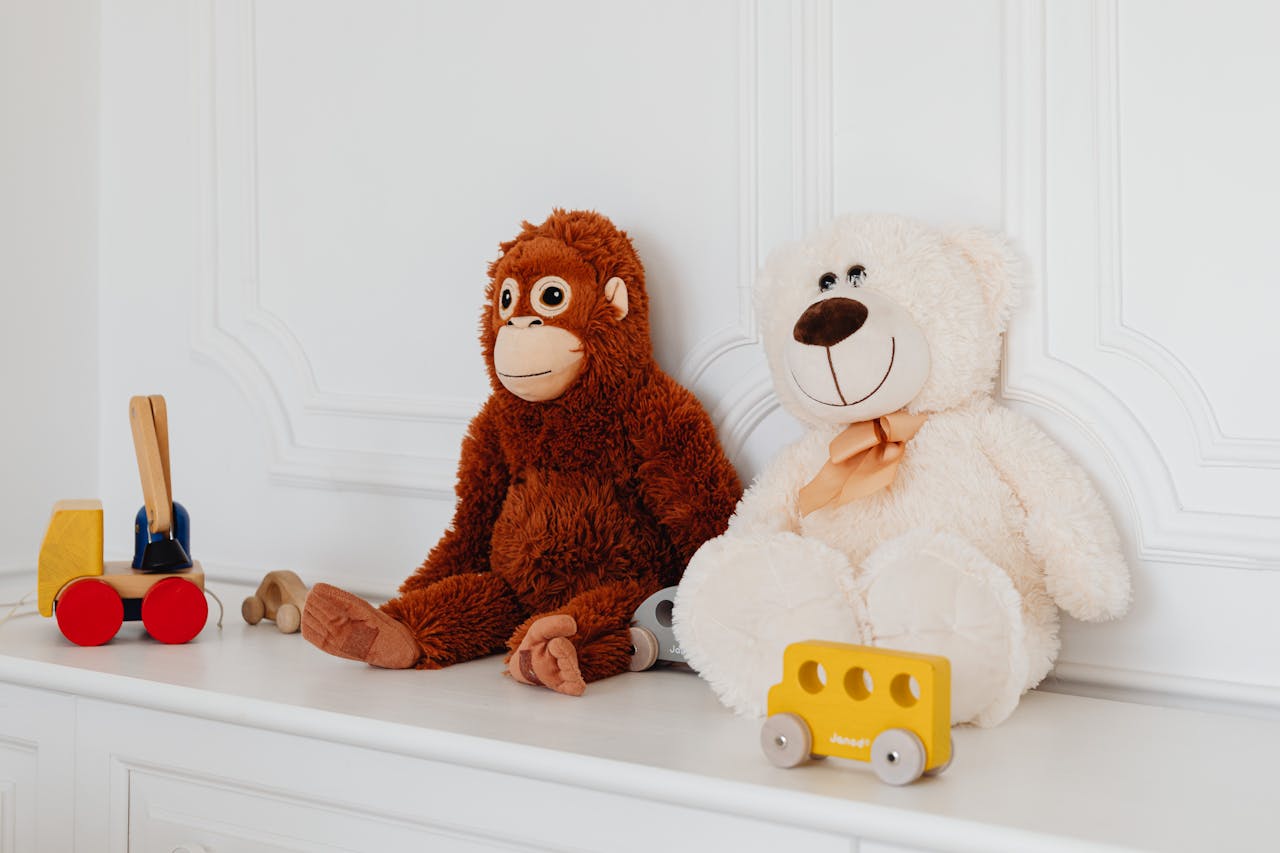
The toy aisles of the 1980s rewarded boldness. Plastic was louder, mechanisms were springier, and the box art promised stunts that felt one step away from real danger. Many products were designed before today’s strict limits on lead, sharp points, small parts, cords, and impulse noise, and before third-party testing was routine. Some were later recalled or labeled as hazardous; others quietly vanished as standards tightened and parents learned what the fine print really meant. What lingers now is a mix of fond memory and uneasy hindsight, plus a clearer sense of how quickly normal changes once injuries are tracked, patterns are documented, and regulators act. The toys below trace that shift, from backyard bravado to modern compliance.
Pointed Lawn Darts (Jarts)
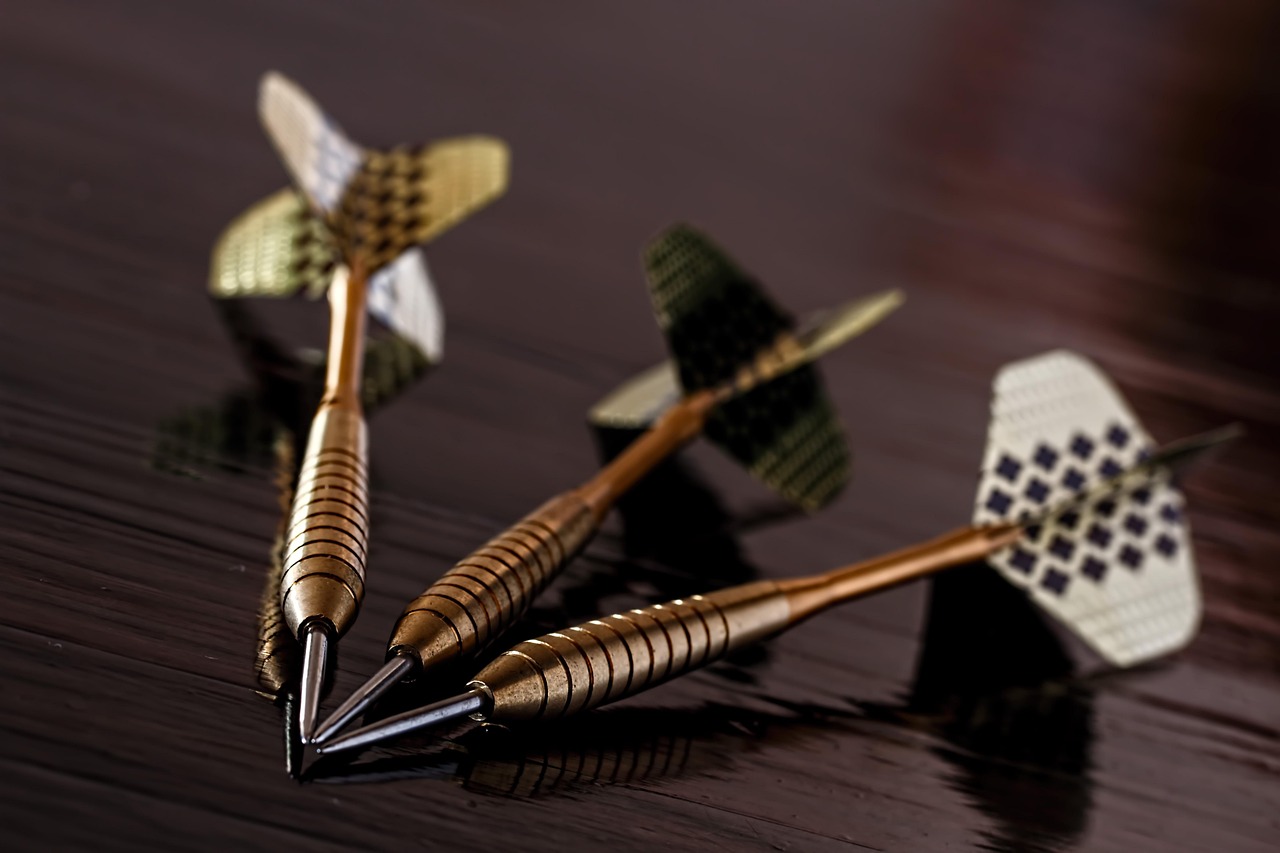
Marketed as a friendly backyard game, lawn darts were heavy, finned spears aimed at plastic rings in the grass, and the danger was baked into the design: steel weight, plastic fins, and a point. A weighted dart with a sharp tip was meant to land point-first, often near bare feet, pets, and kids who wandered into the arc of a bad throw, especially during crowded cookouts. After repeated reports of catastrophic head injuries and deaths, the original sharp-tipped product was pushed out of lawful sale, and a “vintage set” now reads less like nostalgia and more like a preventable hazard under modern standards, by design.
Lead-Painted Voltron Lions
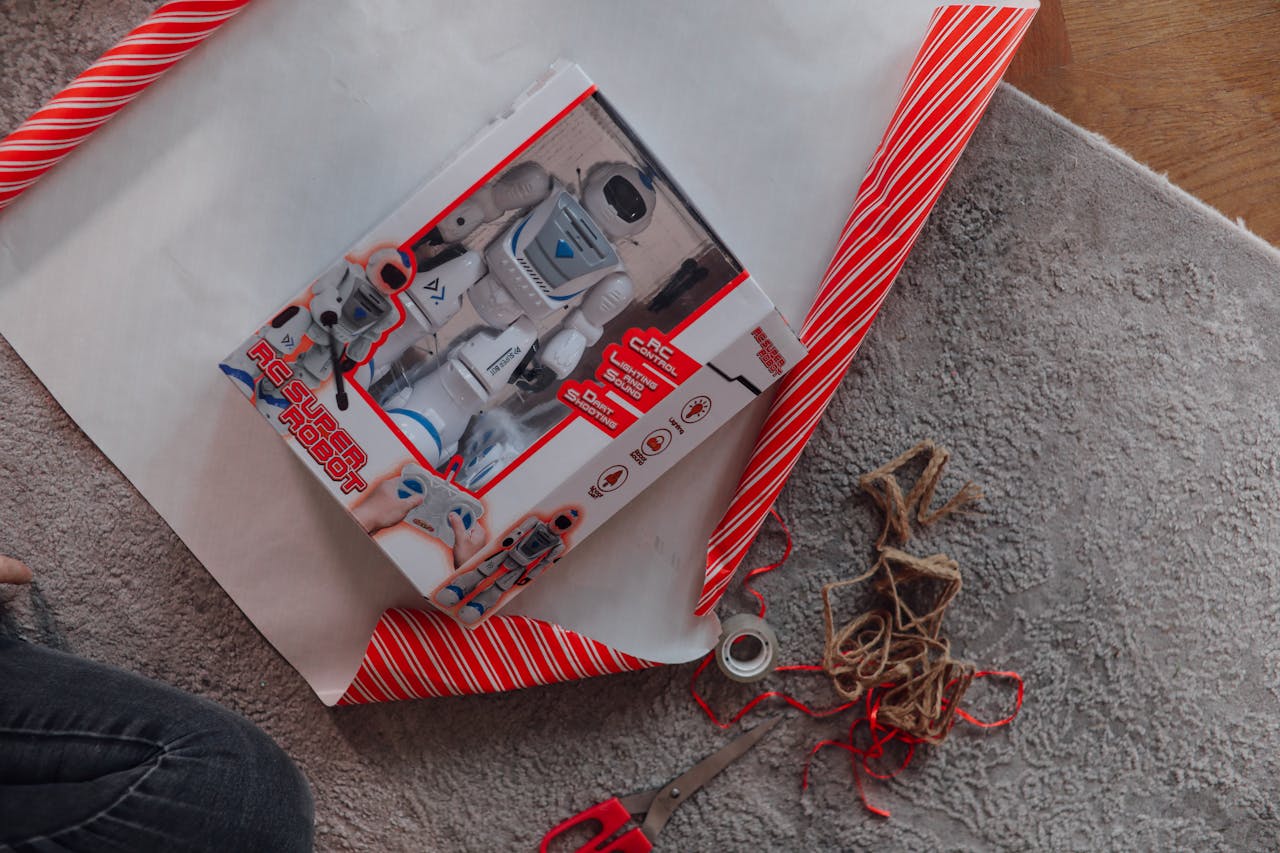
The magic was in the metal: five lions that clanked, locked, and combined into one towering robot after a dozen heroic clicks, with edges that showed wear quickly. On some versions, the paint later failed modern lead limits, which matters because coating chips, dusts, and transfers to hands during constant assembling and disassembling, then travels to mouths, particularly where paint rubs at joints. With today’s certification, lab testing, and strict lead caps for children’s products, that exact finish would trigger a stop-sale quickly, and the toy would return only with safer coatings and tighter quality controls.
Klacker Balls on a String
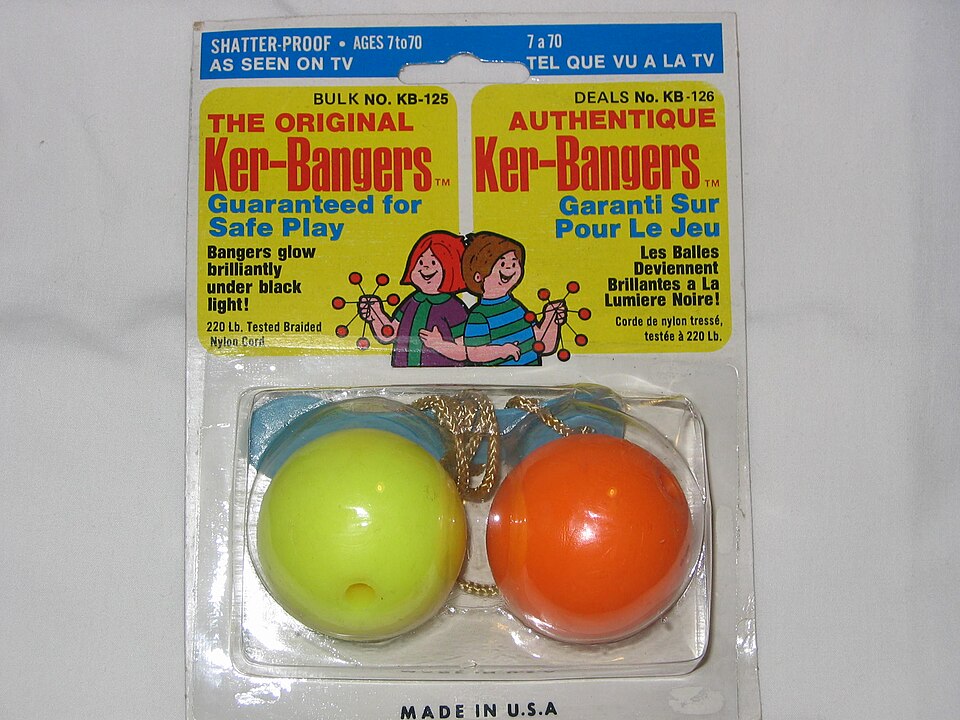
Two hard plastic balls on a string created a hypnotic clack as they hammered together, loud enough to turn a sidewalk into a drumline and attract a crowd fast, with a rhythm that encouraged faster and harder swings. The risk was not just sore knuckles; the balls could split, detach, or slip free and become fast projectiles at face height when a swing line drifted, and the cord itself encouraged reckless speed. Modern safety rules assume kids will over-swing and materials will fatigue, so a toy already known for shedding parts mid-play would be blocked or redesigned until it could not launch anything or whip a bystander.
Stuffed Crib Mobiles With Long Cords

Nursery mobiles once came with plush shapes and dangling cords that looked soothing, until infants grew strong enough to grab, pull, and twist what was within reach in a moment of silence, when supervision tends to drop for just a second. A loop that can tighten near a crib during unsupervised sleep is now treated as a zero-tolerance strangulation hazard, not something solved by tiny-print warnings or “adult assembly” language. Today’s mobiles keep cords short, add breakaway points, and stress early removal once a baby can push up, making the long-cord designs of the era the kind that would be recalled fast and widely.
Baby Rattles That Fail the Small-Parts Rule

Some classic baby rattles hid a modern problem: small pieces that could pop loose under chewing, twisting, or a hard drop onto tile, especially after repeated cleaning, when plastic weakens and seams loosen over time. For infants, a part that fits deep in the throat can block an airway in seconds, which is why rattle standards became strict about construction, seams, and choke-tube sizing, not just cute shapes. Current use-and-abuse testing is designed to punish weak plastics and bad glue, so any rattle that sheds an end-cap, bead, or handle insert would be treated as a banned design, not a quirky antique on a shelf.
Stuffed Bears With Detachable Bits

Plush bears were supposed to be the safest choice, yet older designs sometimes relied on glued-on eyes, buttons, bows, or plastic noses that did not hold up under real play, including chewing and being dragged by one arm. After enough tugging, washing, and chewing, those decorations could come free and turn a cuddle toy into a small-parts emergency, especially for toddlers who explore by mouth and move fast. Modern standards assume that rough handling, so manufacturers reinforce stitching or embroider faces instead, and a bear that can shed parts would be stopped from sale until it is rebuilt for the intended age group.
Romper Room Animal Train With Loose Balls
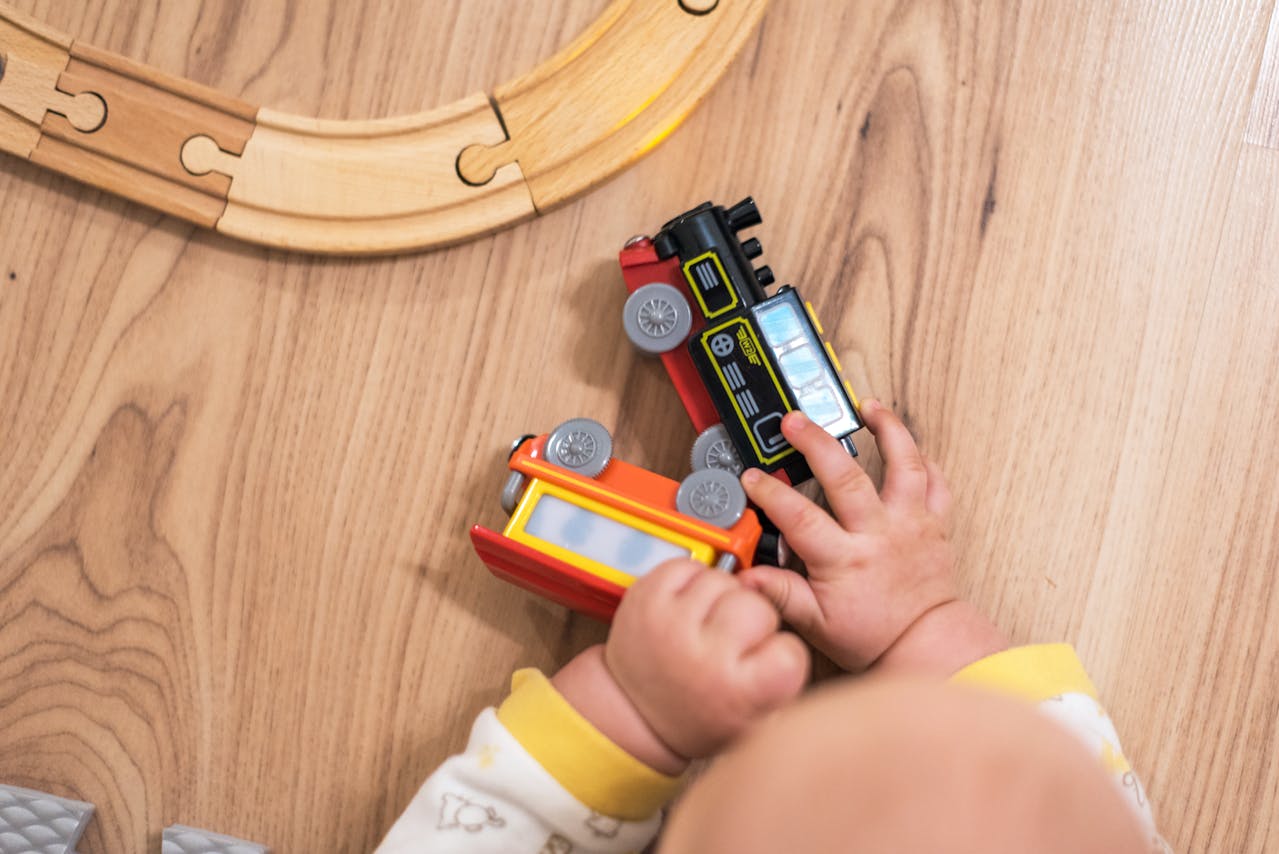
A rolling pull-toy train feels harmless until the hidden pieces escape. Some animal trains used small internal balls that could work loose, and once a ball is on the floor, it becomes a perfect toddler find under couches and coffee tables. The small-parts rule is blunt by necessity, because one swallowable piece can become a silent choking event in seconds, with no obvious struggle or sound. Today, toys for preschoolers are expected to stay intact under twisting, dropping, and pulling, so a design that can release little balls would be pulled immediately, no matter how sweet the characters look or how famous the brand.
Teddy Bears With Sharp Points

Even classic plush could hide rigid accents meant to look decorative, but those parts can create sharp points once seams shift, plastic cracks, or a hard insert migrates during play, or after a fall that snaps a hidden plastic piece. A toy that mixes detachable bits with puncture risks runs straight into modern sharp-point limits for young children, where “soft” is not a vibe but a requirement backed by test probes. Current plush designs avoid rigid add-ons or bury them so they cannot break free after rough play, meaning the bear stays comforting in real life, not just on the package photo or in a display window.
Large Teddy Bears With Sharp Wires

Bigger did not always mean safer. Some oversized plush relied on internal wire to hold a pose, and if that wire bent, snapped, or poked through a seam, it could scratch or puncture skin during a hug, or when a child flops onto it over time. Add detachable accessories or hard trims, and the toy becomes a two-part hazard: lacerations plus choking, a combination that regulators treat with special urgency. Modern quality checks hammer plush with pull, twist, and fatigue tests specifically to prevent this scenario, so a bear with exposed-wire potential would fail review and never make it to a nursery shelf at major retailers.
Cap Guns and Explosive Caps

The pop of a cap gun was part of the fantasy, but impulse noise is not nostalgia to an eardrum, and sparks are not harmless near faces, pockets, and dry grass at summer parties. Safety standards now target peak sound levels and require clearer warnings, spacing guidance, and improved cap designs, especially for younger ages and indoor play where echoes amplify risk. The loudest vintage setups, with thin paper caps and hard plastic chambers, would struggle to meet modern limits, so the thrill had to be toned down into something that sounds exciting without sounding like damage or triggering complaints from neighbors.