
The Twist – Chubby Checker
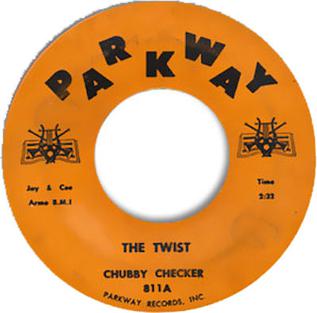
The Twist turns a simple dance into a national obsession, spinning across living rooms, school gyms, and smoky clubs with the same infectious swivel. Chubby Checker’s calm voice rides a rhythm that invites anyone to join, no training needed, just a willing pair of feet and a little curiosity. When adults in their best clothes tried the move on television, generational lines softened for a moment, and the country felt briefly synced to the same beat, one twist, one laugh, and one spinning record at a time. Long after the craze faded, the name alone still pulls shoulders and hips into motion at any gathering, large or planned or spontaneous, ever returning yearly.
I Want to Hold Your Hand – The Beatles

I Want to Hold Your Hand catches the Beatles at the tipping point between hard-working club act and global storm, guitars chiming like a bright alarm across modest speakers. The harmonies feel both innocent and charged, promising romance that is still wrapped in shyness and handclaps. Released in 1963, the single rushed to the top of the American charts just before the group stepped onto the Ed Sullivan stage, and that timing welded sound and image together, so a few opening chords still summon screaming fans, sharp suits, and crowded airports in an instant on replay, decade after decade of listening in tiny rooms worldwide, late at night or early morning hours.
Hey Jude – The Beatles

Hey Jude starts as a quiet message of comfort from Paul McCartney to a child caught in the middle of divorce and grows into a long, rolling wave of sound that refuses to hurry its own healing. The piano feels like a steady hand on a shoulder, soft but firm, while the vocal opens out into something rougher and more communal. By the time the na na na coda arrives, thousands of voices seem to be standing behind the lead line, turning one family’s pain into a shared vow not to give up too soon, no matter how heavy the days feel in kitchens, cars, and dim concert halls around the world, across languages and generations, late into the night, again and again for years.
Ring of Fire – Johnny Cash
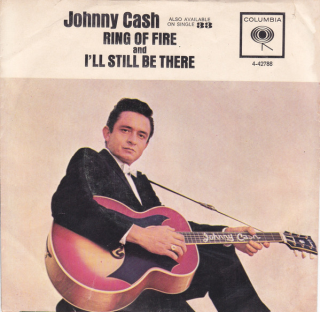
Ring of Fire lets Johnny Cash sing about love as if it were both salvation and hazard, a blaze that rises around anyone who steps too close. The mariachi-style trumpets cut through the steady boom of his band, giving a sense that this story is unfolding under a high sun, with little shade available. Written by June Carter with Merle Kilgore, the song mirrored the complicated pull between Cash and Carter, and that tension helps each chorus feel like a warning and invitation at the same time, still sparking listeners decades later in cars, bars, and quiet houses after a long day, when memory stings and glows like coals in the dark, steady brighter in tired hearts.
Tossin and Turnin – Bobby Lewis

Tossin and Turnin captures the kind of night when the clock will not move, the sheets feel wrong, and every attempt at sleep turns into another loop of worry about love. Bobby Lewis sings like someone truly wide awake, pacing from window to door with a restless band behind him pushing each verse along. The song barely leaves the bedroom, yet horns and rhythm hint at a wider unease that matched early 1960s shifts, when teenage life sat halfway between polite slow dances and something more open louder, and impatient waiting just outside the door for company and relief in the morning light that finally arrives and steadies things enough for one more chance at love.
Im a Believer – The Monkees
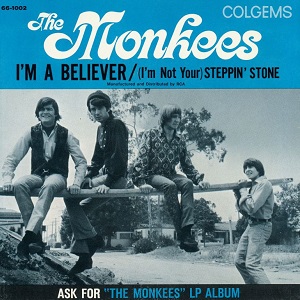
Im a Believer pairs Neil Diamond writing with the Monkees television fame, turning a brisk pop song into a bright jolt that jumps from screen to radio without losing its bounce. The lyric starts from doubt and slides into conviction, yet the mood stays light, as if everyone involved knows that hearts change quickly and often without permission. When it took off in 1966, the record helped blur the line between so-called manufactured groups and more traditional bands, making it clear that chemistry, hooks, and timing mattered more than origin stories to most listeners rushing to stores after school with friends and small allowances in pockets, hopeful and smiling.
Aquarius Let the Sunshine In – The 5th Dimension

Aquarius Let the Sunshine In lifts two songs from the musical Hair and shapes them into a single pop moment that sounds like a street parade drifting past open windows. The 5th Dimension glide through talk of planets and harmony before sliding into a more urgent plea for light, as if the chorus could push clouds away on sheer will. In 1969 the medley spent weeks at number one, capturing both optimism and doubt from a decade that had seen protest, violence, and sudden shifts, yet still wanted a future that felt kinder and more open for ordinary families in city apartments and small towns watching the news at night together, waiting for a brighter dawns somewhere.
Sugar Sugar – The Archies

Sugar Sugar stepped out of a cartoon frame and into real charts, with the Archies turning bubblegum pop into something impossible to shake from memory. On paper it looks almost too simple, yet the handclaps, warm bass, and layered harmonies hit with the precision of a studio group that knows exactly where to place every sound. In 1969 the single spent weeks at number one shielding listeners from heavier headlines for three sunny minutes and proving that even a fictional band could leave a real mark on record collections stacked in bedrooms everywhere across suburbs and city towers, near radios and magazines on desks and floors and shelves and beds on weeknights.
I Heard It Through the Grapevine – Marvin Gaye

I Heard It Through the Grapevine lets Marvin Gaye stand inside a storm of rumor, percussion ticking like anxious thoughts while ghostly backing vocals close in from the edges. Earlier versions had already charted, yet his reading stretches each line until suspicion and hurt almost seem to crack the melody itself. The arrangement moves with the patience of someone sorting stories from truth, and that tension helped the single become a defining Motown moment, one that made dance floors sway while quietly acknowledging how cruel whispered news can feel in ordinary life when trust falls hard between friends and lovers at home or work and lingers in memory for years.
Are You Lonesome Tonight – Elvis Presley

Are You Lonesome Tonight had lived as an older standard before Elvis Presley stepped up to the microphone and turned it into something that sounded like a private phone call from the past. His phrasing leans into every pause, as if weighing the chances of a reunion and the cost of even asking the question. The studio version drifts with gentle echo, but later live performances, including the famous fit of laughter, reminded listeners that even grand heartbreak scenes can suddenly tilt into humor, making the hurt feel strangely more human and easier to share with others nearby in the dark of a venue or bar after showtime has ended for good that night by the dawn
Its Now or Never – Elvis Presley

Its Now or Never shows Elvis Presley leaning into a grand romantic gesture, borrowing the melody from O Sole Mio and placing it in a setting of strings and gentle sway that feels almost cinematic. His vocal moves from soft persuasion to near urgency, treating time itself as a character that might walk away if no one speaks up. The song became one of his biggest international successes, proof that a former rockabilly rebel could handle operatic drama, and it still plays well in moments when people weigh risk against silence in their own lives and hopes for change, at doorways and phones and train platforms late at night or sunrise waiting outside for some answer.
I Cant Stop Loving You – Ray Charles
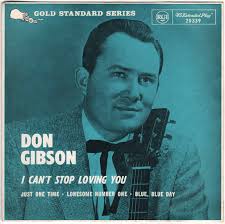
I Cant Stop Loving You lets Ray Charles take a country ballad by Don Gibson and turn it into something that slips past genre fences without effort. The arrangement moves slowly, with strings and choir framing his voice in a way that feels like memory flooding in after a long day of restraint. Released in 1962, it topped charts and drew country, soul, and pop listeners into the same quiet space, where regret and devotion sit side by side, refusing easy answers yet offering a kind of calm acceptance that lingers after the final note fades into hum. In many homes it quietly marked endings and beginnings, playing while people packed boxes signed papers or sat alone.
Im Sorry – Brenda Lee

Im Sorry gave Brenda Lee, still in her teens, a song that carried far more weight than her age might suggest, mixing delicate phrasing with a steadiness that sounded learned from long experience. The arrangement moves with a slow sway, leaving room for every catch in her voice as she admits fault without quite surrendering all of her pride. Released in 1960, it rose to the top of the charts and showed how teenage pop could treat regret and responsibility seriously, echoing through radios in kitchens and quiet bedrooms late at night. For many listeners the record stayed close during mistakes they could not repair, turning a simple apology into an evenings ritual.
Respect – Aretha Franklin

Respect began as an Otis Redding song, but Aretha Franklin reshaped it into a demand that felt both fiercely personal and widely shared, spelling out the title with a grin that carried steel underneath. Her version sharpens the rhythm, adds call and response vocals, and shifts the meaning toward a woman insisting on dignity at home, at work, and in the street. Released in 1967, it shot up the charts and quickly moved beyond radio into marches, meetings, and family gatherings where the word itself gained new weight. The track mirrored a decade mood, with patience thinning yet hope alive. The horns jolt listeners and remind crowds that life should rest on respect.
Good Vibrations – The Beach Boys

Good Vibrations finds the Beach Boys stepping beyond surf pop into something more intricate, a studio-built mosaic where cellos, stacked vocals, and the eerie glide of an Electro Theremin shift moods like fast-changing weather. Brian Wilson shaped it in pieces, stitching sections together until the song moved with its own strange logic, bright one moment and almost haunted the next. Released in 1966, it soared up charts and proved that a single could be ambitious without losing its pull. For many listeners it still carries that unmistakable mix of wonder and unease, like standing in sunlight with a storm hinting somewhere near.


