Across history, Christmas has been anything but safe and predictable. In some places, familiar rituals once meant fines, raids, or public shame, all in the name of order or purity. Lawmakers tried to turn one noisy winter holiday into something tidier and easier to control. Families rarely gave in. They shifted feasts to back rooms, hid songs in whispered harmonies, and folded banned customs into quieter evenings. What survived is not just a date on the calendar, but a stubborn memory of joy that refused to disappear.
Puritan Massachusetts: Keeping Christmas As A Crime
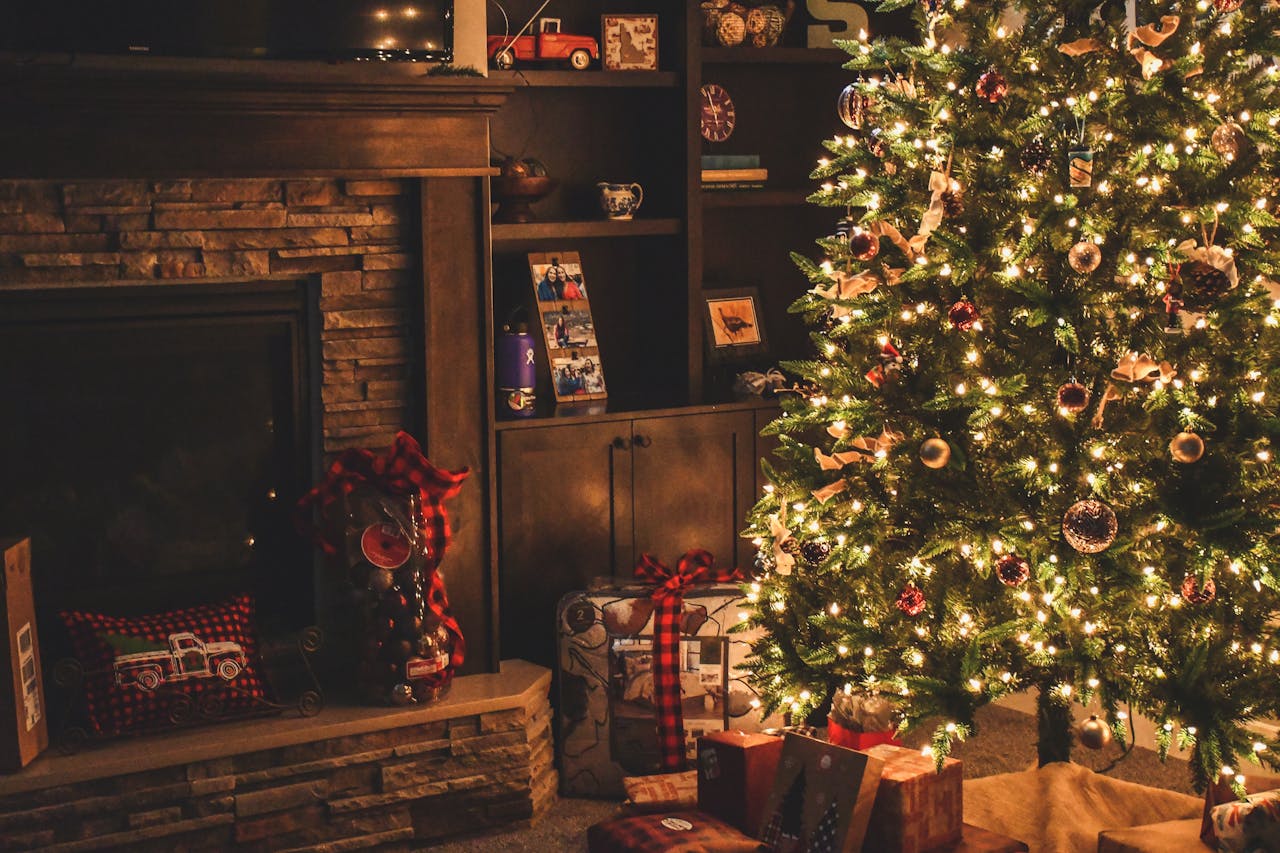
In 1659, leaders of the Massachusetts Bay Colony passed a law that made open Christmas keeping a finable offense, aimed at anyone who skipped work, feasted, or decorated on 25 Dec. Puritan magistrates saw the day as noisy, unbiblical excess that smelled of taverns and old world superstition. For more than twenty years, families who wanted a special meal or prayer kept curtains closed and voices low, until pressure from England forced repeal. The memory of that ban lingered in sermons and rules, shaping a quieter way to mark Christmas for years.
Cromwell’s England: Feasting And Festivity Outlawed
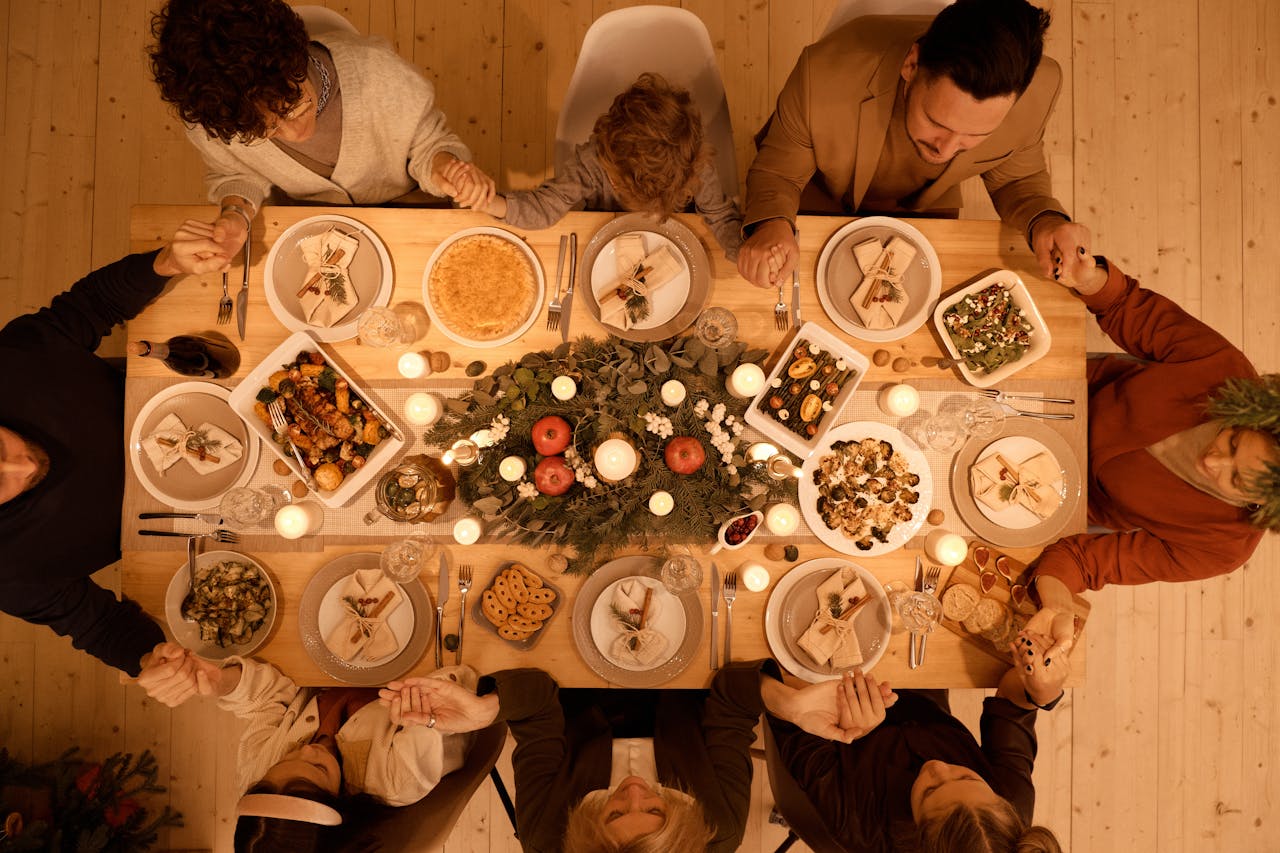
Across the ocean, English lawmakers went even harder. In 1647, during the civil wars, Parliament abolished Christmas outright, banning church services, special meals, and street celebrations that hinted at royalist feeling or old church ritual. Shops were ordered to open as usual on 25 Dec., and troops were sent to break up gatherings around decorated tables. People responded with stubborn creativity, walking back lanes to sympathetic parishes and sharing food out of sight. For many, a hidden pudding or ale mug became a way to still claim Christmas as theirs yet.
Carol Singing Driven Underground
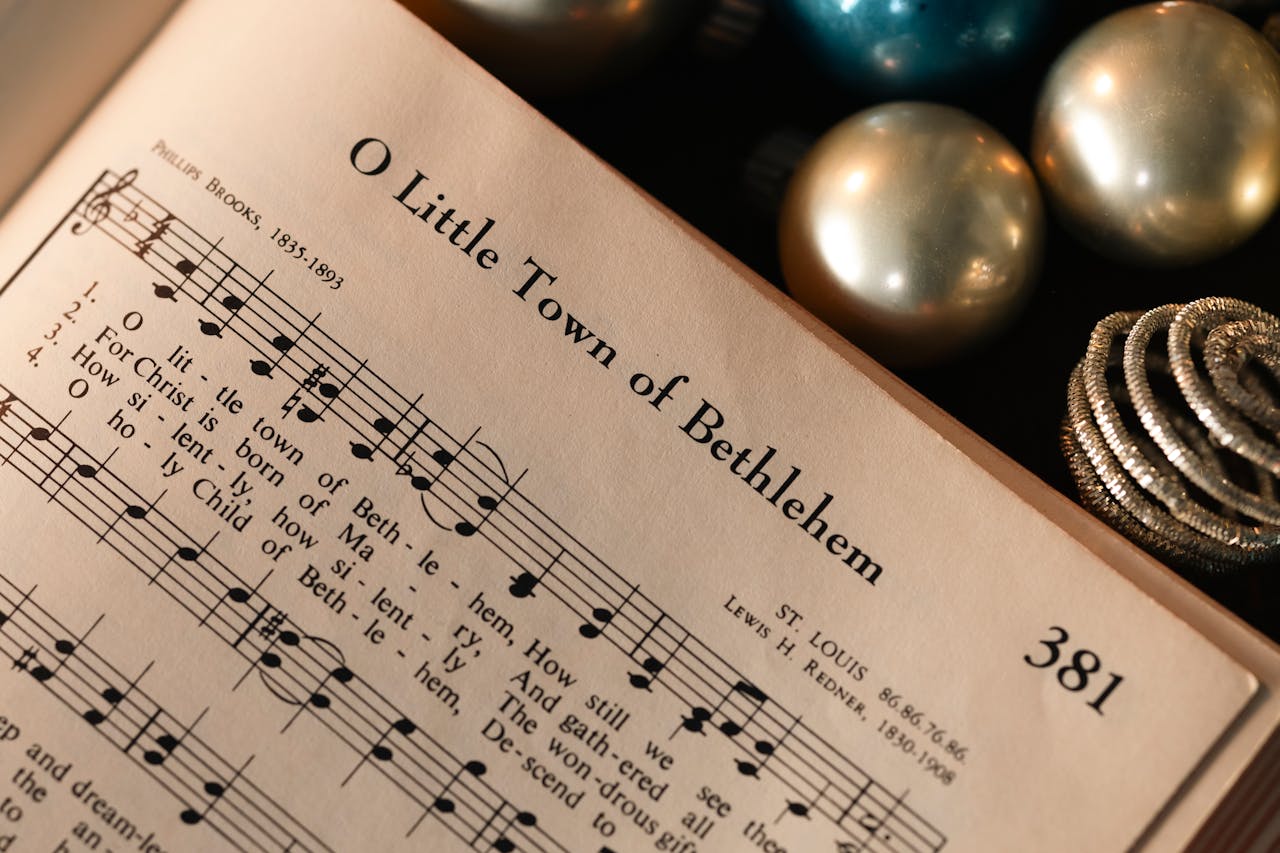
Puritan suspicion in seventeenth century England did not only silence church bells; it also pushed carol singing out of streets and taverns. Officials treated roving singers as unruly leftovers from folk religion, too close to drinking and dancing for comfort, so towns discouraged public rounds at doors. Families adapted by humming familiar tunes at home, letting verses travel softly between kitchen and hearth. Over time, the melodies survived as private heritage rather than public noise. The songs kept a quiet memory of rooms and winter lanes where they had once been hidden.
Soviet Crackdowns On Christmas Worship

In the early Soviet years, Christmas worship turned into a cautious act. New rules folded 25 Dec. into ordinary workdays, and workers who missed a shift for church risked penalties or public shaming. Nativity icons vanished from squares, and clergy faced harassment, exile, or worse as officials pushed hard for a world without holy days. Many families slid their celebrations to New Year, hid icons in cupboards, and whispered prayers under the sound of factory concerts and state speeches. Children often knew party slogans and quiet carols too, carrying both in the same season.
Newfoundland Mummers Forced Off The Streets
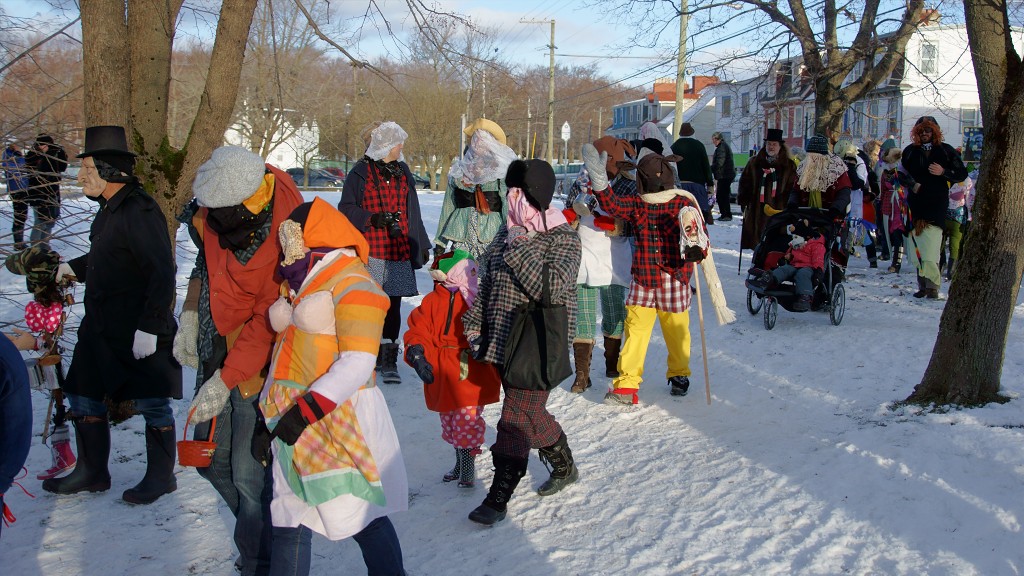
On the coasts of Newfoundland, mummering once filled long winter nights. Groups in wild disguises wandered from house to house, playing music, trading jokes, and collecting food or drink if hosts failed to guess their identities. After an 1860 killing by masked visitors, authorities decided the rougher side of the custom had gone too far and passed a law against public disguises without a magistrate’s approval. That rule pushed mummering out of towns, but it survived in outports and kitchens. In time, the same tradition later returned as a gentler, proudly local festival.
Nativity Scenes Pulled From Public Lawns
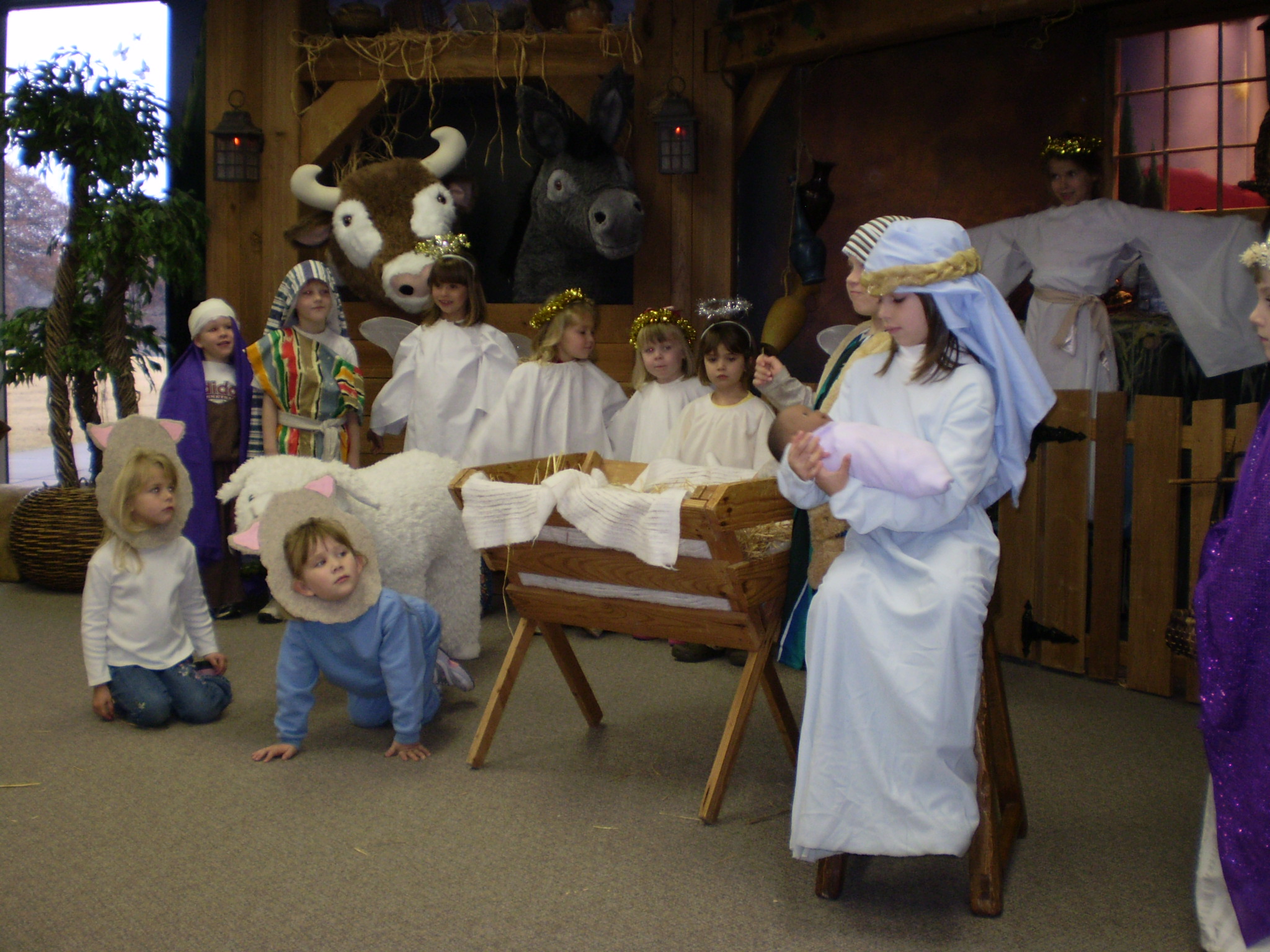
In the twentieth century United States, conflict shifted from home to courthouse lawn. Several towns that placed solitary nativity scenes on public property were challenged under constitutional rules separating government and religion. Judges ordered creches removed or required that public funds not support purely sectarian displays. For residents who loved seeing a manger framed by familiar stone steps, the change felt like a sudden erasure of something local and tender. Communities adapted with mixed displays, private sponsorships, and church yard scenes, moving a cherished ritual a few yards but not giving it up.
Permits For Carolers In A Western City
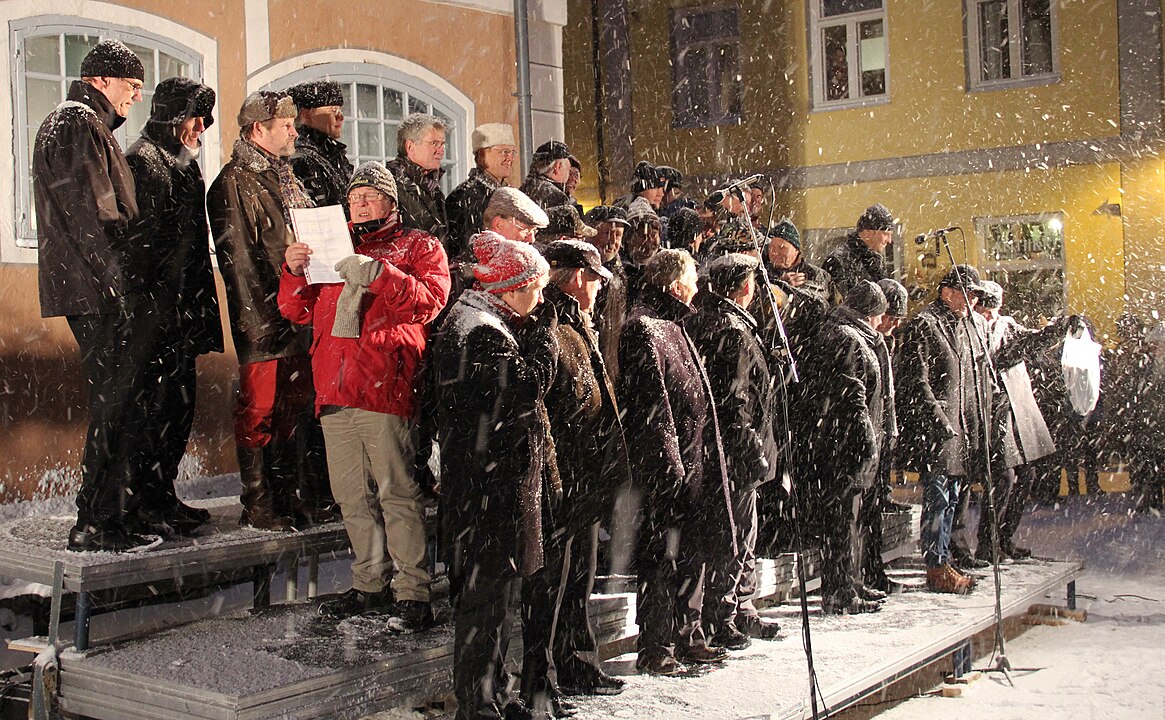
Not every restriction belongs to distant centuries. In one western city, a nineteenth century ordinance lumped Christmas caroling in with other street gatherings, requiring a permit for groups who wanted to sing from house to house. Officials were less worried about faith than about noise, blocked sidewalks, and late night crowds outside businesses. On paper, fines and even brief jail time were possible for unlicensed carolers, though enforcement faded as customs softened. The rule stayed in the code as a legal fossil, a reminder that even cheerful music once looked like a problem to be managed.
Wassail Bowls And Street Revelry Shut Down
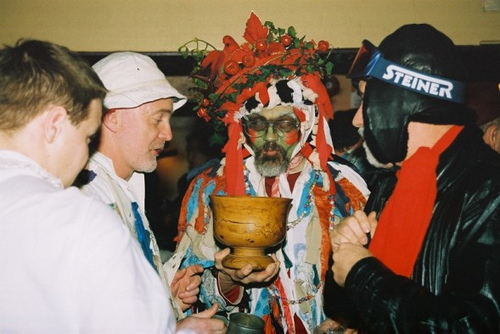
Older wassailing customs met similar resistance in parts of New England. Groups with bowls of hot drink, fireworks, and loud songs moved from door to door or orchard to orchard, blending blessing, mischief, and drink. As towns tried to project a quieter, more orderly image, officials began treating these gatherings as public nuisances under existing laws on noise and disorder. Firecrackers, banging doors, and drunk shouting drew warnings or charges. Over time, people who loved the tradition shifted it indoors, toned down the alcohol, and turned it into organized events that would not invite a knock from the police.