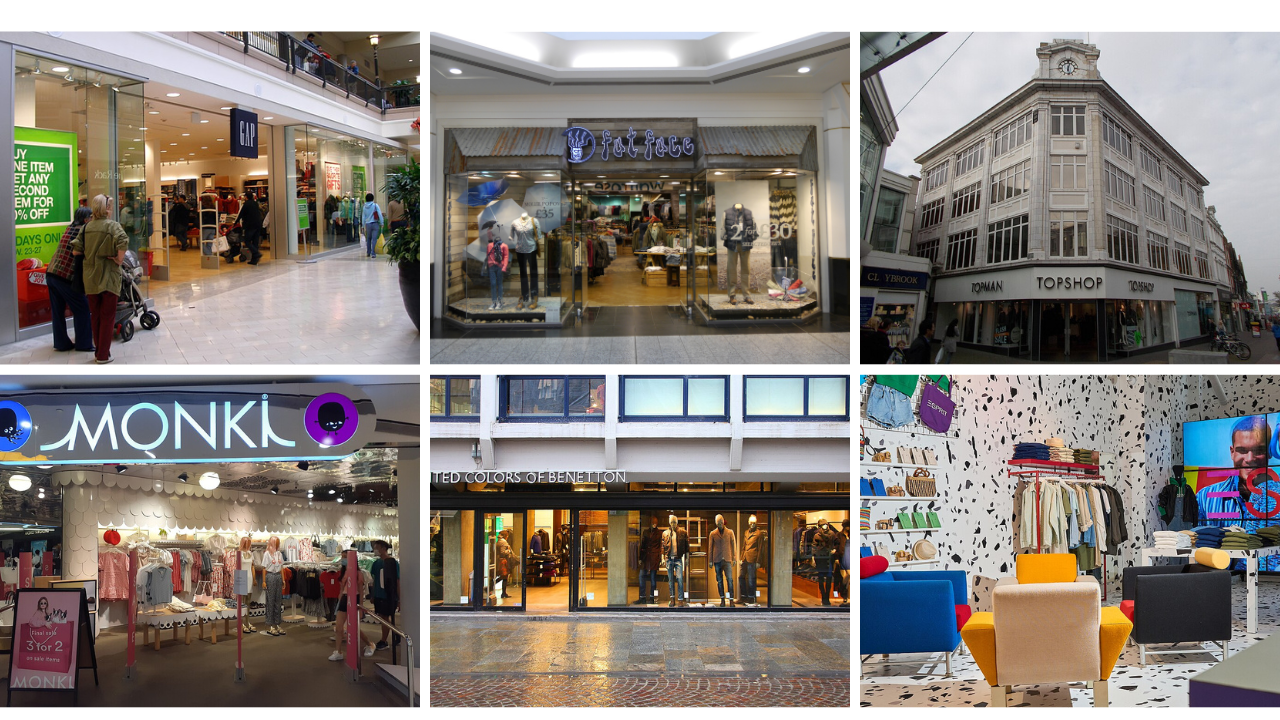
Fashion used to mean wandering malls and high streets, touching fabrics and spotting new arrivals before anyone posted them online. That world has thinned out as rents climbed, foot traffic slipped, and online shopping became the default habit. Brands are not giving up on style, only on giant store fleets. They are shrinking square footage, closing familiar doors, and rebuilding themselves as digital natives with a few showpiece locations left. The shift feels quiet on the street, but dramatic behind the scenes.
Topshop Moves From High Street To Browser
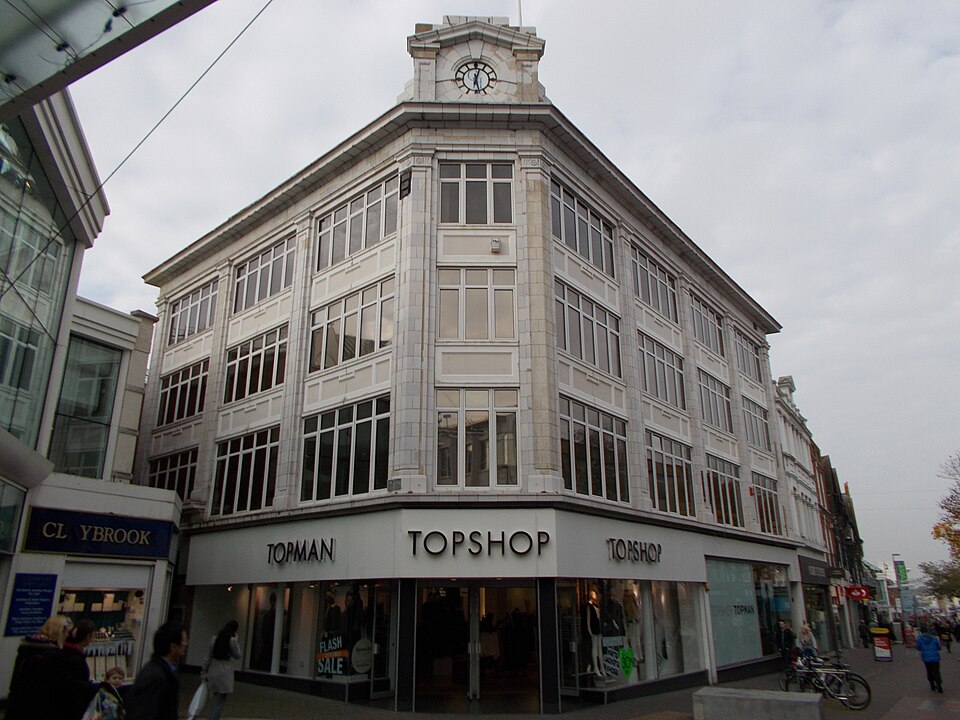
Topshop went from packed changing rooms to a name that mostly lives inside a browser. After its parent collapsed and new owners stepped in, the brand closed all stand-alone stores and focused on digital growth. Now there is talk of selective partnerships and shop-in-shop placements, but the real energy lives online where new collections and marketing land first. The label that once shaped British shopping streets now thinks in clicks, not corridors.
H and M Learns To Live With Fewer Stores
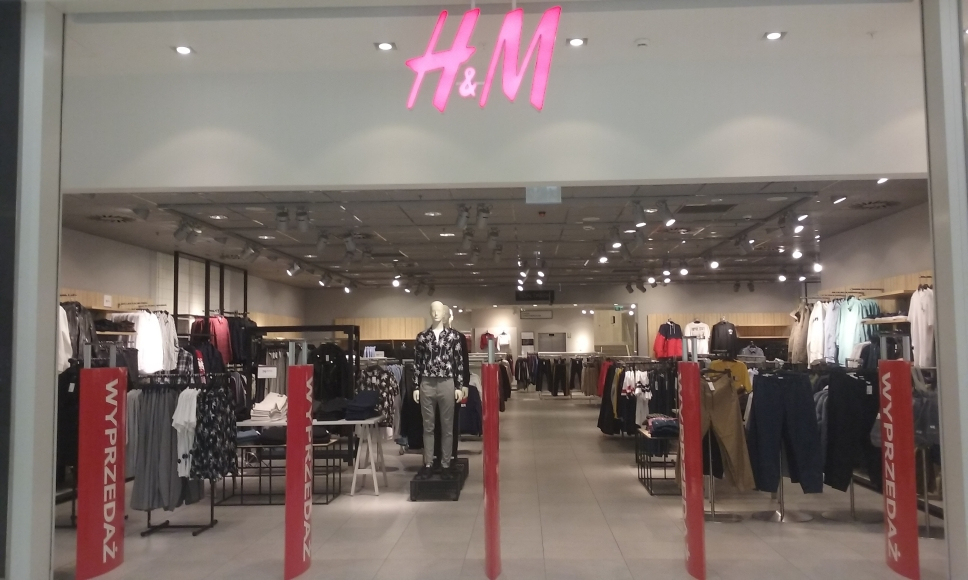
H and M has been trimming locations for years. Hundreds of closures are already complete or announced, especially in markets where online demand is strongest. Even some flagship locations have been retired or downsized. Instead of relying on endless mall traffic, the company is shaping a model where apps, data and fewer physical stores work together. The result is a smaller network that still carries huge cultural weight, just in different ways.
Zara Trades Small Shops For Big Flagships And Apps
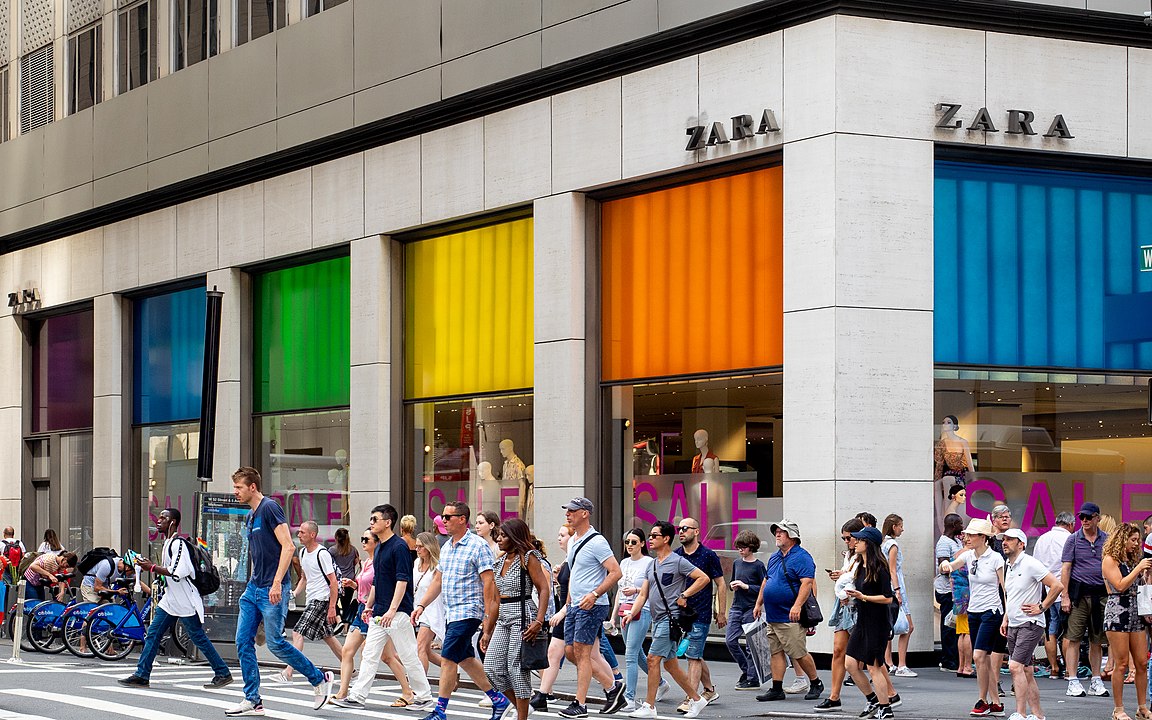
Zara’s parent company has spent years closing smaller stores and replacing them with big flagship showrooms that double as online fulfillment hubs. Digital sales have surged, and the strategy is clear: fewer cramped units and more statement spaces supported by strong ecommerce. In major cities, new locations come with cafes, personalization services and in-store tech that links to the app. Most of the real growth still lives online, where Zara now meets most of its shoppers.
Gap Rethinks Mall Culture Around Clicks
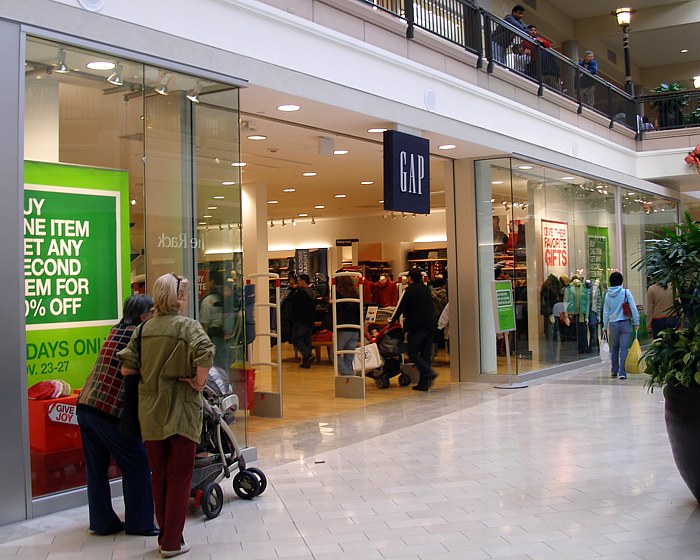
Gap once defined the American mall. Then traffic changed, leases got expensive, and the brand shifted strategy. Hundreds of Gap and Banana Republic stores have been closed or consolidated while resources move to online platforms and refreshed flagship spaces. The brand now assumes the first encounter happens on a phone, not a hanger. Physical stores become billboards and pickup points rather than the main engine of sales.
Express Tries To Survive On Leaner Ground
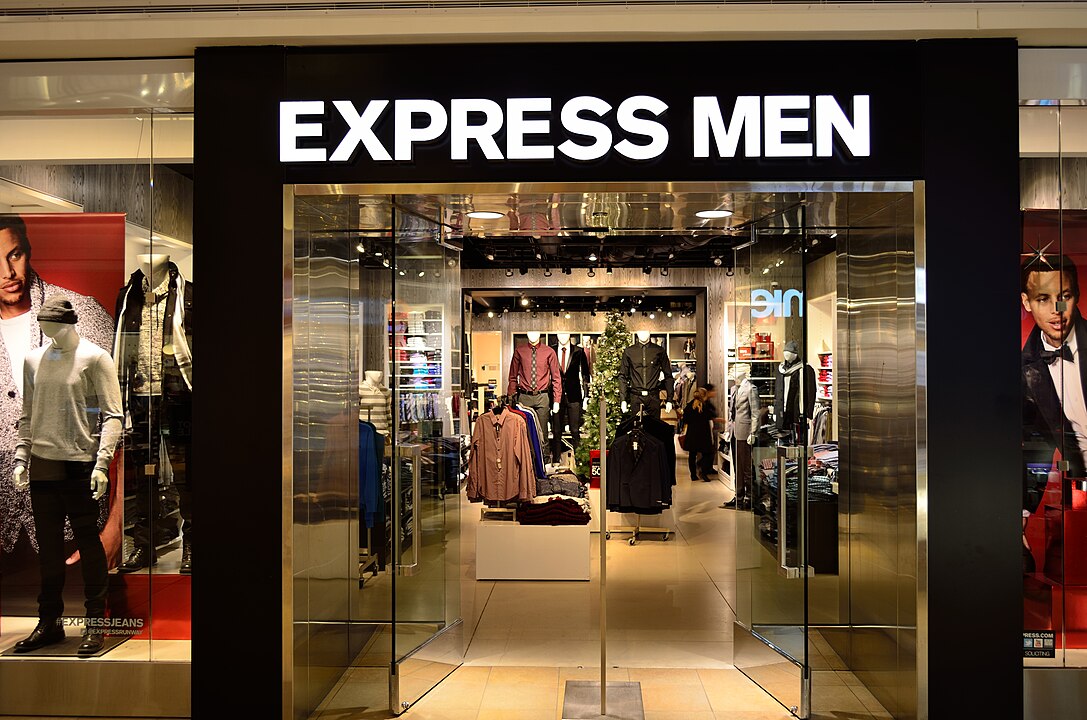
Express spent decades as a mall staple but retail headwinds pushed the company into restructuring. More than 100 stores have been shut down so the company can protect profitability and focus on digital traffic. New owners and investors are leaning on ecommerce, wholesale channels, and a smaller store fleet to keep the brand alive. What once relied on wide mall exposure now has to work harder through branding, data, and online reach.
FatFace Retreats From North America To Its Website
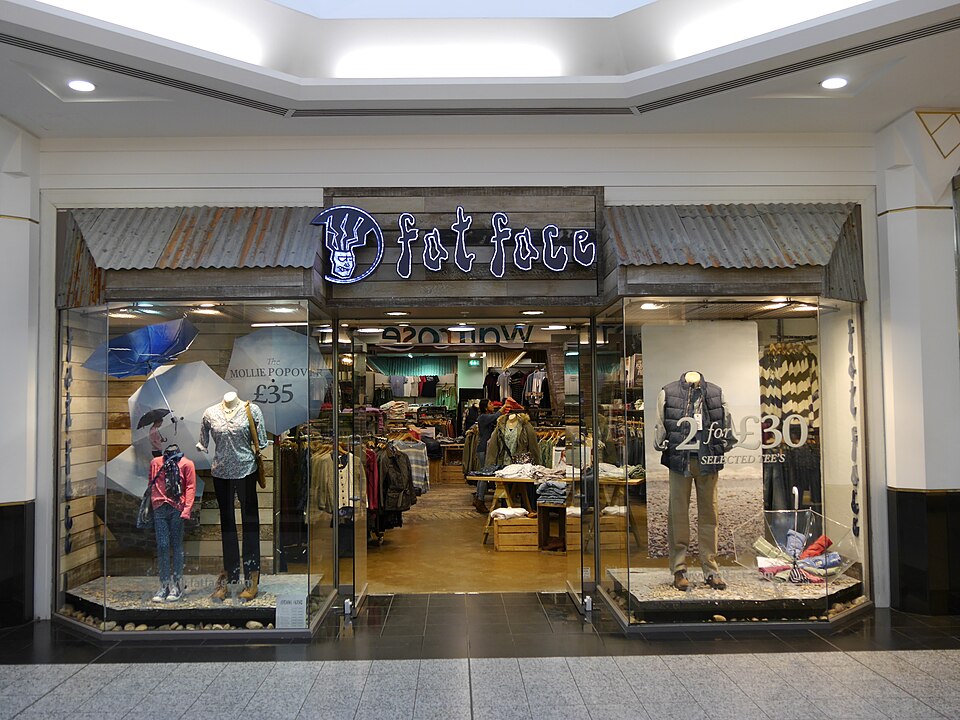
FatFace built a charming coastal presence in North America, then exited almost entirely. All stores in the region were closed in favor of an online-only model. The brand still operates a strong network in the UK and Ireland, but expansion abroad has been replaced with a digital strategy. Customers now discover the brand through campaigns, social media and web drops rather than weekend browsing in seaside outlets.
Esprit Gives Up Most Storefronts For Licenses
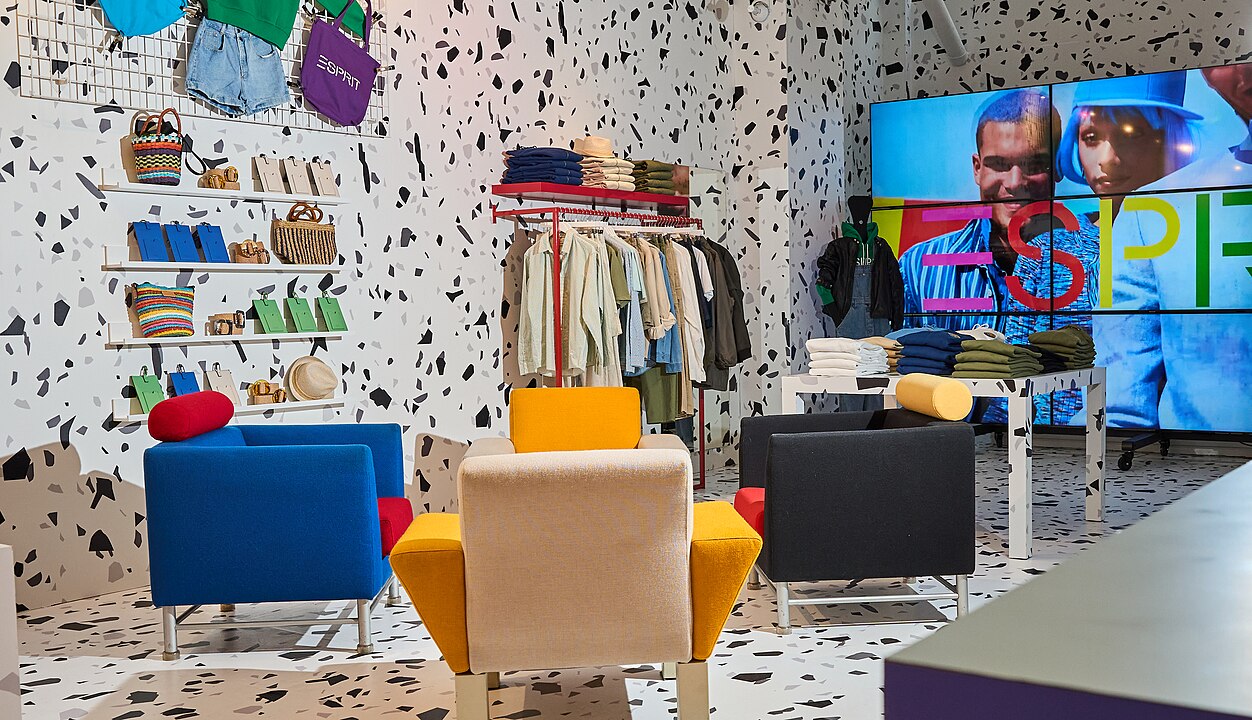
Esprit’s restructurings have erased much of its physical retail footprint across Europe. The company pared back stores, shifted wholesale relationships, and moved toward a licensing and ecommerce-driven model. Revenues took a hit, but the brand avoided carrying hundreds of expensive stores that no longer matched demand. Today, Esprit exists more as a digital and franchised presence than a wide retail empire.
Benetton Closes Doors To Buy Time
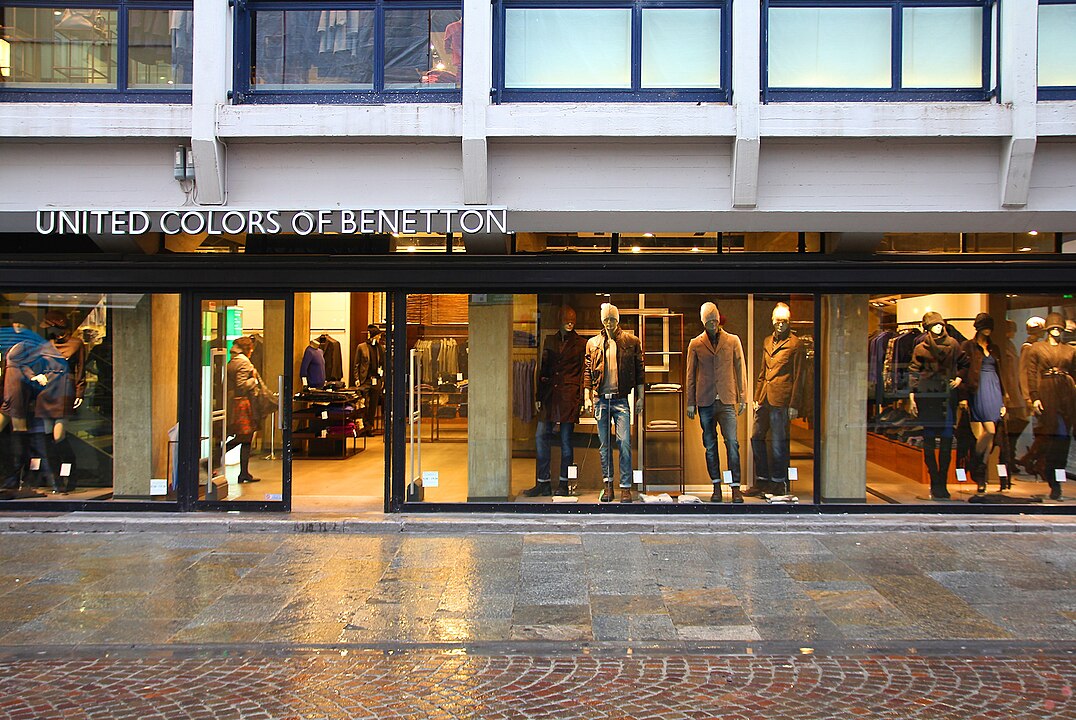
Benetton, once known for bright ads and big store fleets, is shrinking dramatically. Hundreds of stores are being closed as part of a plan to fix losses and rebuild the company’s finances. A tighter network of profitable locations and greater emphasis on ecommerce now shapes the brand’s direction. The strategy leans on recognition, design, and online access rather than trying to occupy every major shopping street.
Lord And Taylor Becomes An Online Memory
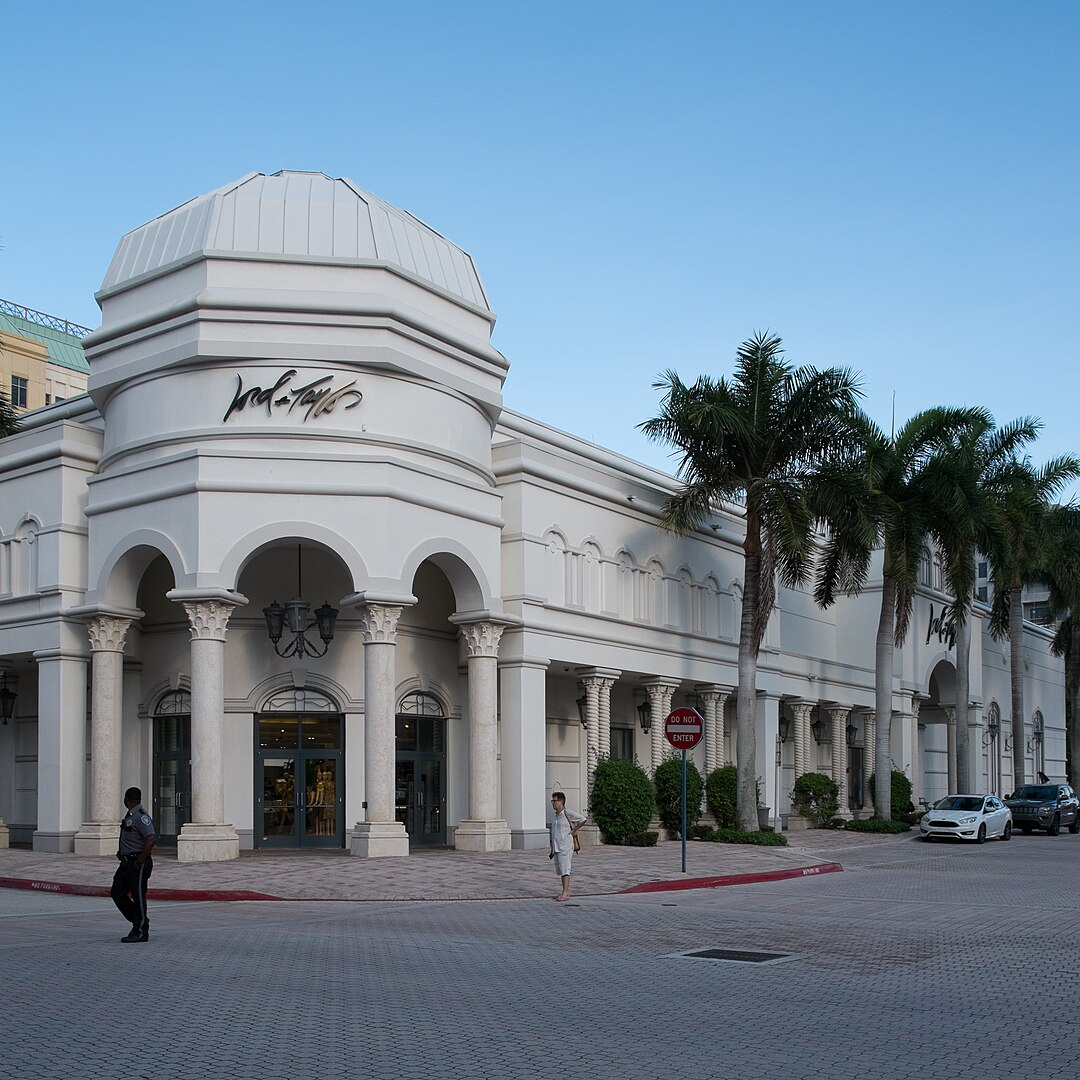
Lord and Taylor closed its last department stores years ago after a long decline. The name survives through online platforms and occasional small physical experiments, but the era of marble halls and giant dress floors has ended. Today the brand trades more on nostalgia and curation than on square footage. It has become a digital-first business trying to convert its history into online appeal.
Monki Folds Into Weekday And The Web
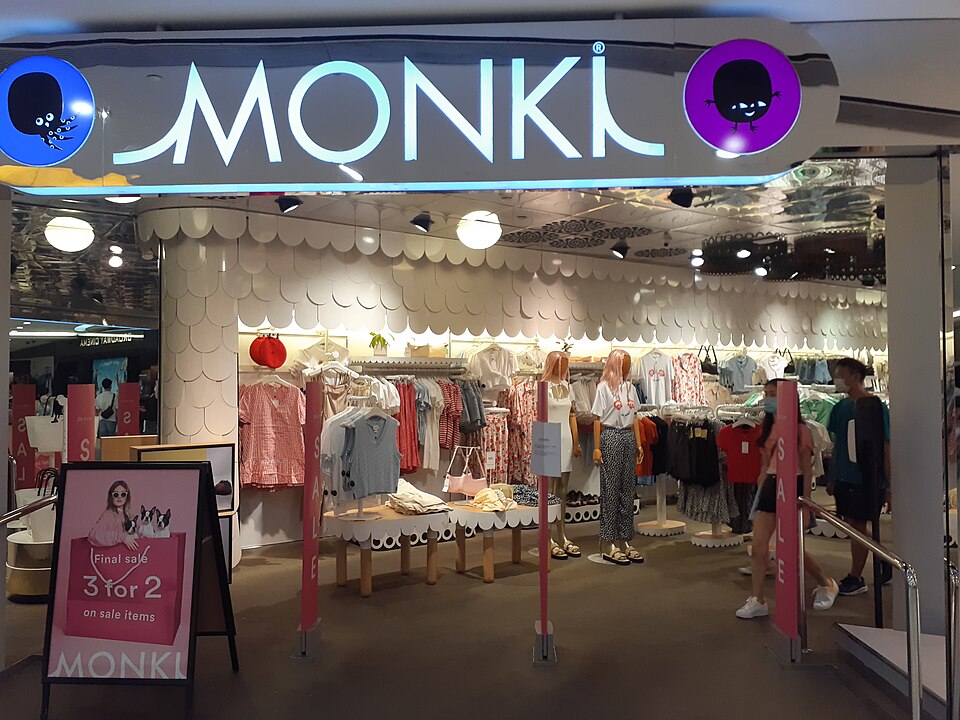
Monki is still alive, but its stand-alone stores are disappearing. Many locations have closed or been absorbed into Weekday under the same parent company. The brand now lives online and inside a few shared spaces where racks and branding blend. It shows how labels can survive without separate stores, relying on strong identity and digital communities instead of physical real estate.