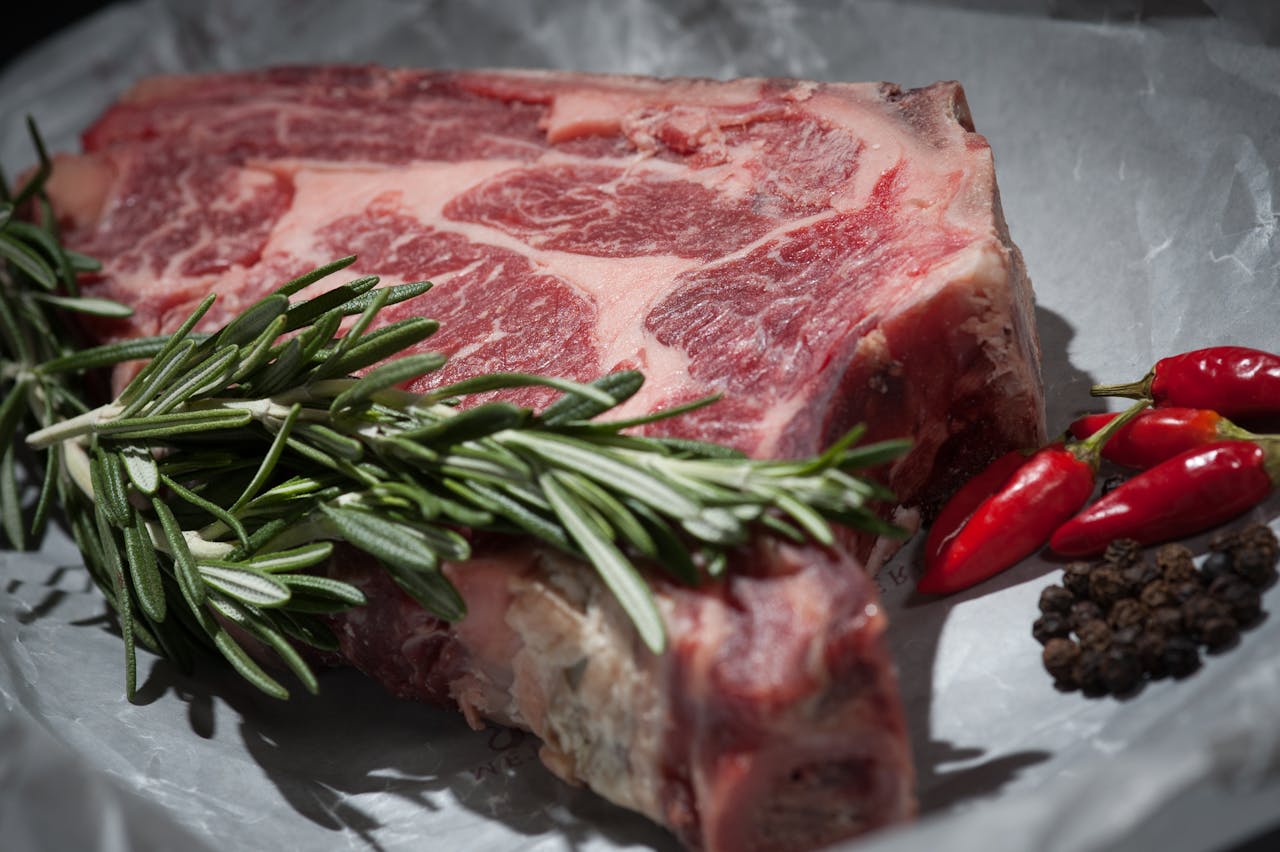
In countless 1960s kitchens, care looked like speed, thrift, and instinct passed down through family routine. Most meals were made with genuine love, yet several everyday habits rested on limited science and loose oversight. As outbreak tracking improved and lab evidence became harder to ignore, regulators rewrote rules on labeling, sanitation, temperature control, and commercial processing. The shift did not turn cooking cold; it made kitchen care more precise. Quietly, old habits gave way to safer standards that protected families without erasing the warmth of home food. It also changed what safe looked like at dinner.
Unlabeled Leftovers and Unmarked Containers
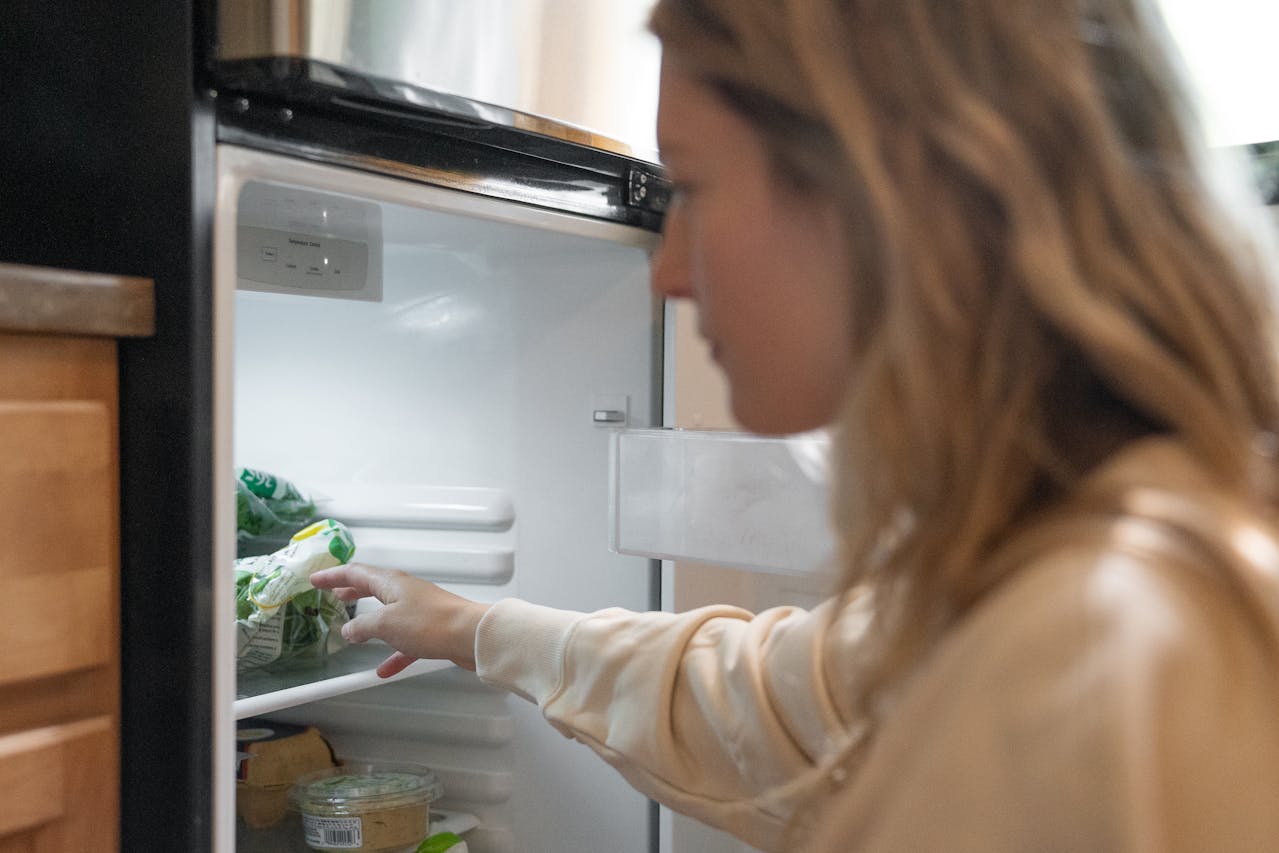
In many 1960s kitchens, leftovers were tucked into reused jars or foil-covered bowls with no date, no ingredient note, and no clear trail of when the food was cooked. That looked practical at the time, but traceability was weak, and mix-ups were easy in busy homes and small food businesses.
Modern regulation tightened the system in steps: packaged foods now require ingredient disclosure, and major allergens must be declared on labels, while retail food codes emphasize date marking for prepared ready-to-eat items. Federal date labels are still mostly voluntary for quality, except infant formula, which has mandatory dating.
Raw Milk and Uninspected Meat at the Table
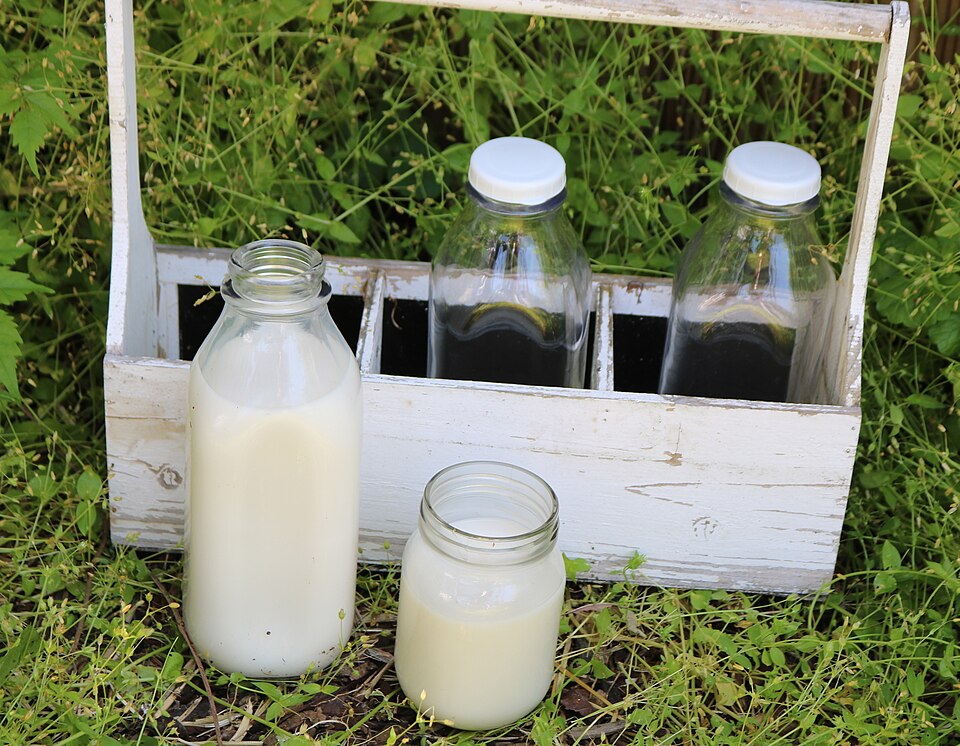
Buying milk straight from a farm or meat from informal channels once felt local and trustworthy, especially in rural communities where neighbor networks carried more weight than formal inspection stamps. Yet pathogens do not respect tradition, and outbreaks eventually forced a harder regulatory line.
In the United States, interstate sale of raw milk for human consumption is prohibited, and federal meat inspection frameworks require oversight for products sold in interstate commerce. Pasteurization and inspection were not cosmetic upgrades; they were public health guardrails built after repeated evidence of preventable illness.
Improvised Canning With Unverified Preservatives

Home canning was a badge of thrift and skill in the 1960s, but many families leaned on inherited recipes that were not designed for modern pathogen knowledge. Small mistakes in acidity, heat, or sealing could leave food looking normal while creating ideal conditions for serious microbial growth.
Today, commercial acidified and low-acid canned foods are governed by strict federal process rules, and public health agencies continue to flag home-canned products as a recurring source of botulism events when methods are outdated. The shift was simple in principle: tradition still matters, but validated process now matters more.
Handling Raw Meat Without Handwashing Breaks
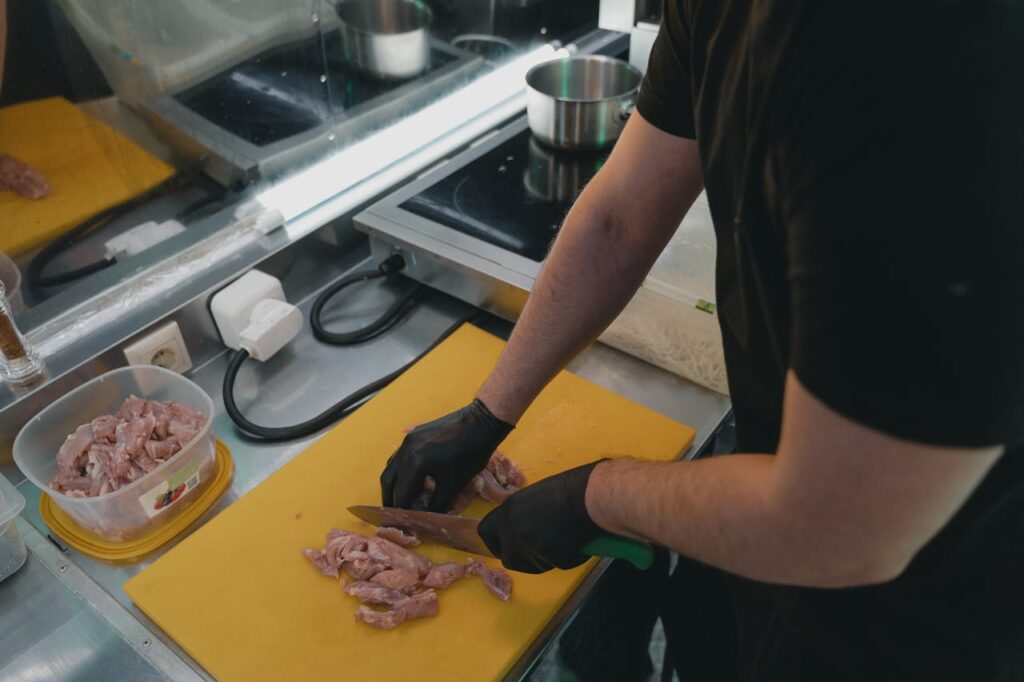
A common mid-century rhythm was to season raw meat, reach for salt, slice bread, and plate salad in one uninterrupted flow. The cook moved fast, the meal arrived on time, and nobody paused to think about invisible transfer from hands to handles, taps, utensils, and ready-to-eat foods.
Food safety rules later reframed that sequence. Current guidance and retail codes emphasize washing hands with soap after raw food handling, cleaning contact surfaces, and breaking the chain of transfer before it starts. The major change was cultural as much as technical: speed stopped being the top kitchen value when hygiene failures proved costly.
Indefinite Reuse of Frying Oil
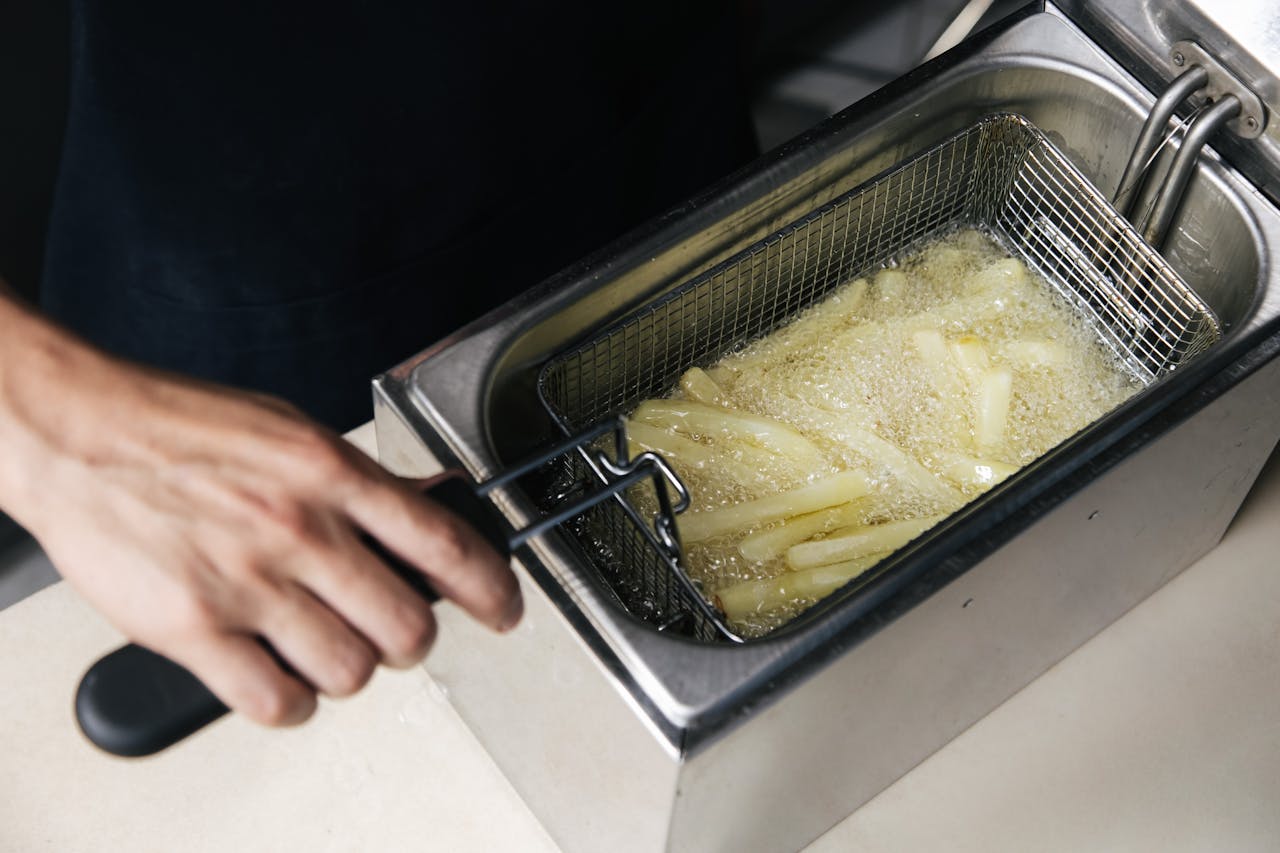
Many households once kept a pot of frying oil on standby, topping it off and reheating it again and again across days. It saved money and fit the practical logic of the era, but repeated high-heat cycles changed the oil itself, dulling flavor while increasing breakdown compounds.
Recent research on repeatedly heated oils reports rising oxidation byproducts, including aldehydes linked to potential health concerns under prolonged, high-temperature frying. Food safety programs now promote routine oil turnover, filtering, and quality checks in professional kitchens, replacing the old keep-using-it mindset with clear maintenance limits.
One Board for Raw Meat and Ready Foods
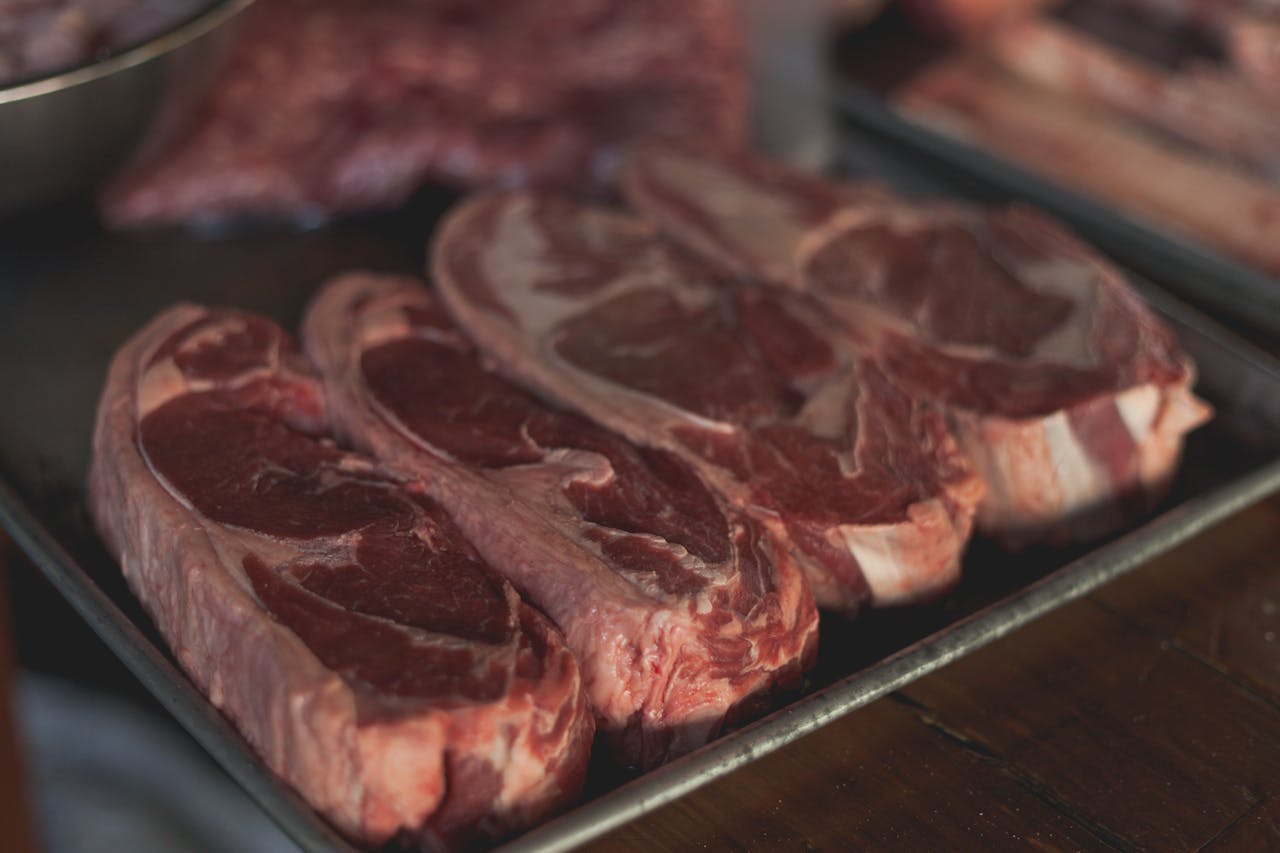
One cutting board once handled almost everything: chicken, onions, herbs, bread, and fruit, often in that order. It felt efficient and reduced dishwashing, but it also created a direct pathway for raw juices to move onto foods that would never see enough heat to neutralize bacteria.
Food safety guidance now treats separation as foundational, not optional. Standard practice is distinct boards and plates for raw proteins versus ready-to-eat items, plus hot, soapy cleaning before reuse. That single operational change does more than tidy a counter; it interrupts one of the most common routes for kitchen cross-contamination.
Leaving Raw Meat on the Counter for Hours
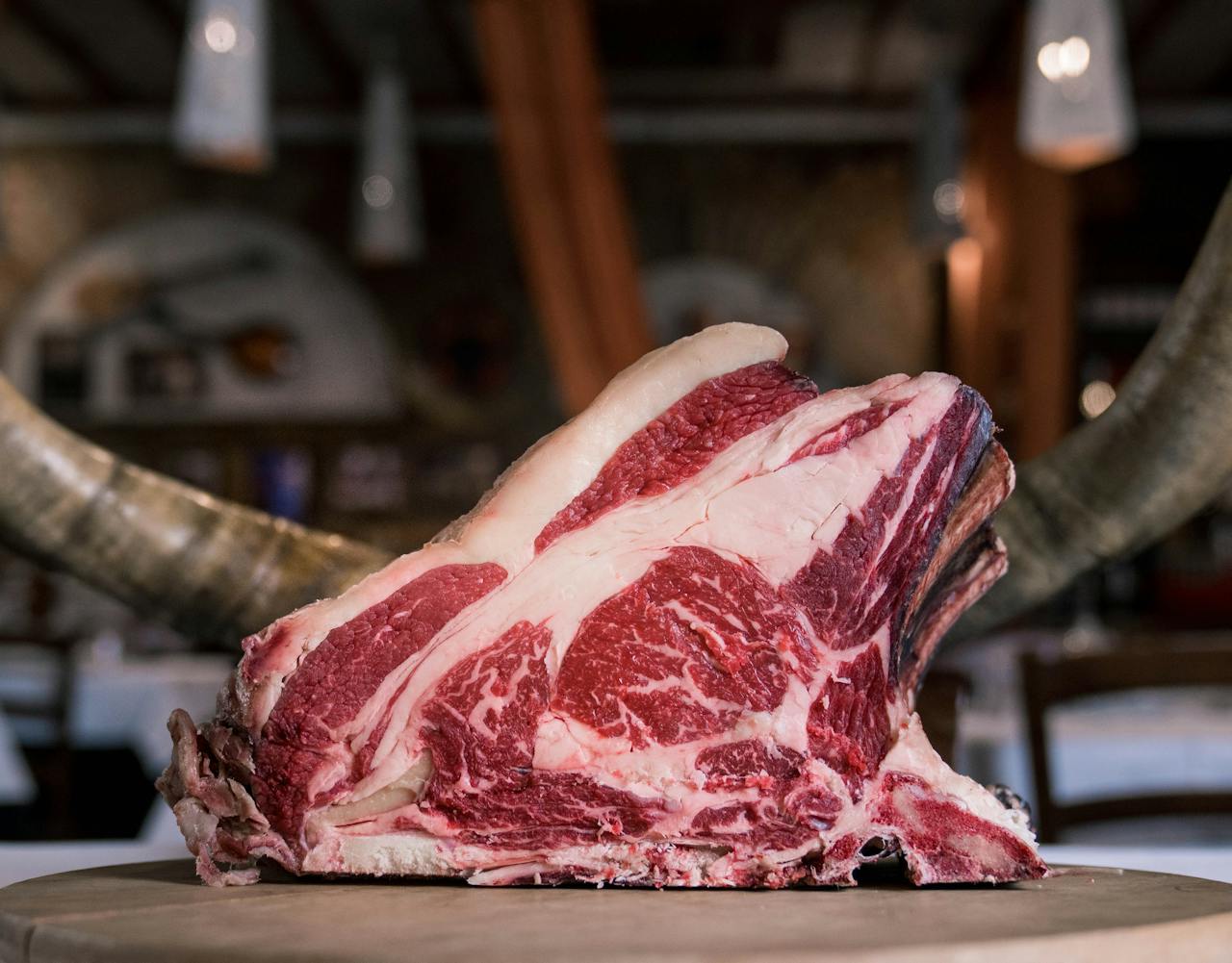
Letting meat rest on the counter for long stretches used to be sold as a cooking shortcut, meant to remove chill before stovetop or oven prep. The intent was better browning and easier timing, but the microbiology ran in the opposite direction when room temperatures favored fast bacterial growth.
Current federal food safety guidance is explicit: perishable foods should not remain unrefrigerated beyond two hours, and that window drops to one hour in hotter conditions above 90°F. Refrigeration, safe thawing, and prompt chilling of leftovers now anchor routine practice, replacing an old convenience that carried outsized risk.