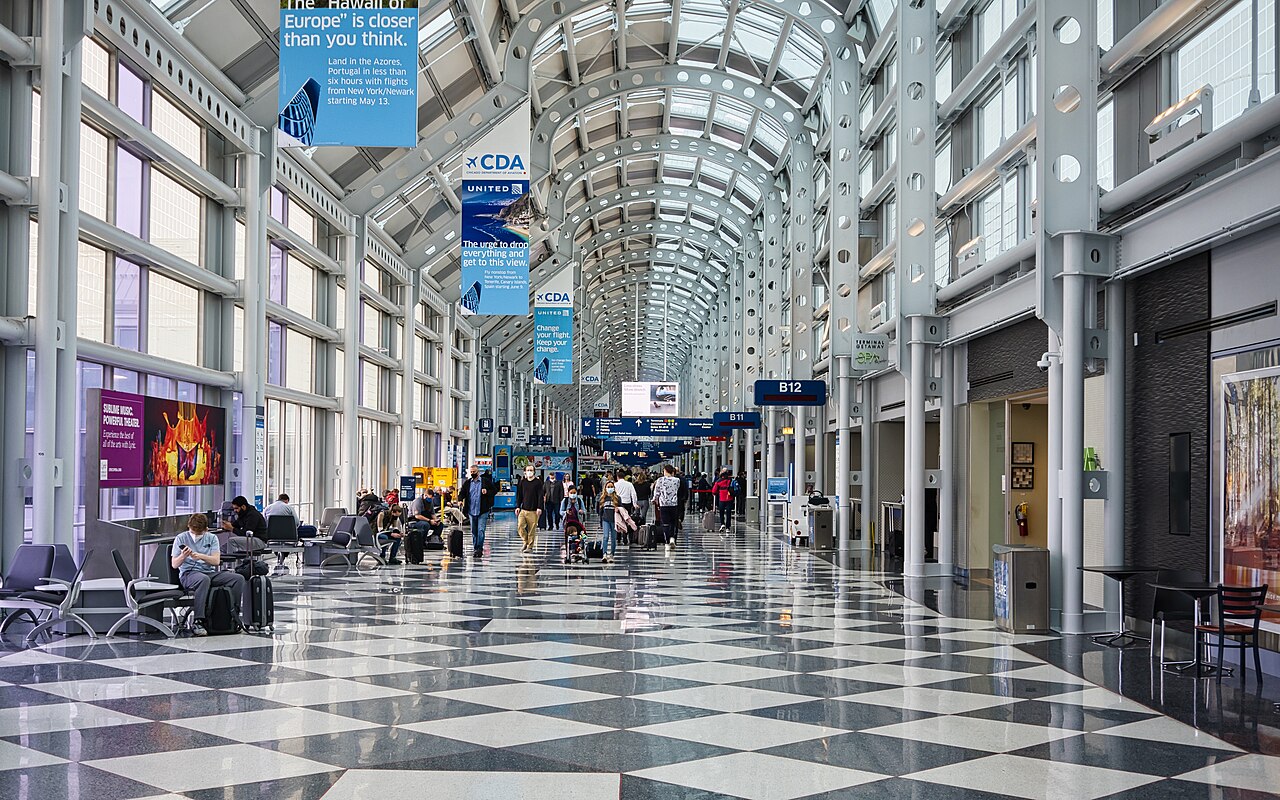
Airport stress rarely starts with storms or cancellations. It often starts with one quiet oversight: a phone that cannot power on at security. At many hubs, officers may request a quick device check, and when that screen stays dark, the process can slow from routine screening to extra handling in minutes.
That delay does more than lengthen a queue. It trims boarding margin, compresses gate time, and can lead to denied carriage of the device under airport or security rules. In modern terminals, battery life is no longer a comfort feature. It is part of basic departure readiness, as essential as ID, timing, and a clear plan. During peak hours.
London Heathrow Airport (LHR)
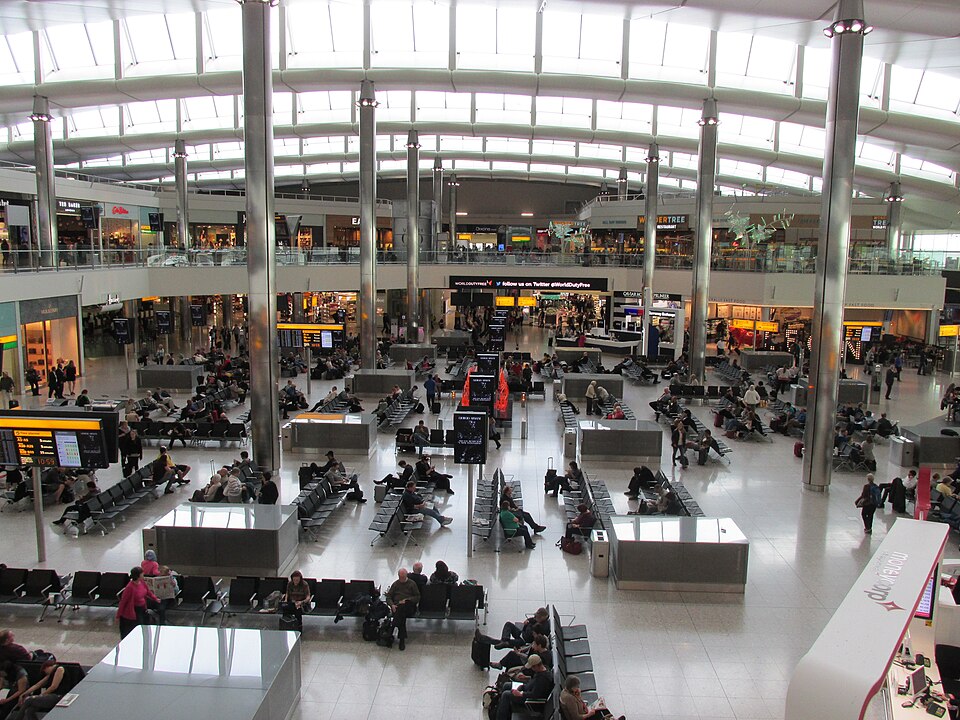
Heathrow states that electronic devices should be charged before security, and it adds a plain consequence: if a device will not switch on, it may not be allowed onto the aircraft. That single check can slow screening when officers need extra handling or a second look from supervisors consistently.
The delay often starts small, then grows. A few extra minutes at security can erase the normal buffer before gate call, and that is where pressure builds. At a hub moving heavy long-haul traffic, battery readiness now works like a practical travel document, because one failed power-on check can reshape the entire departure timeline.
London Luton Airport (LTN)
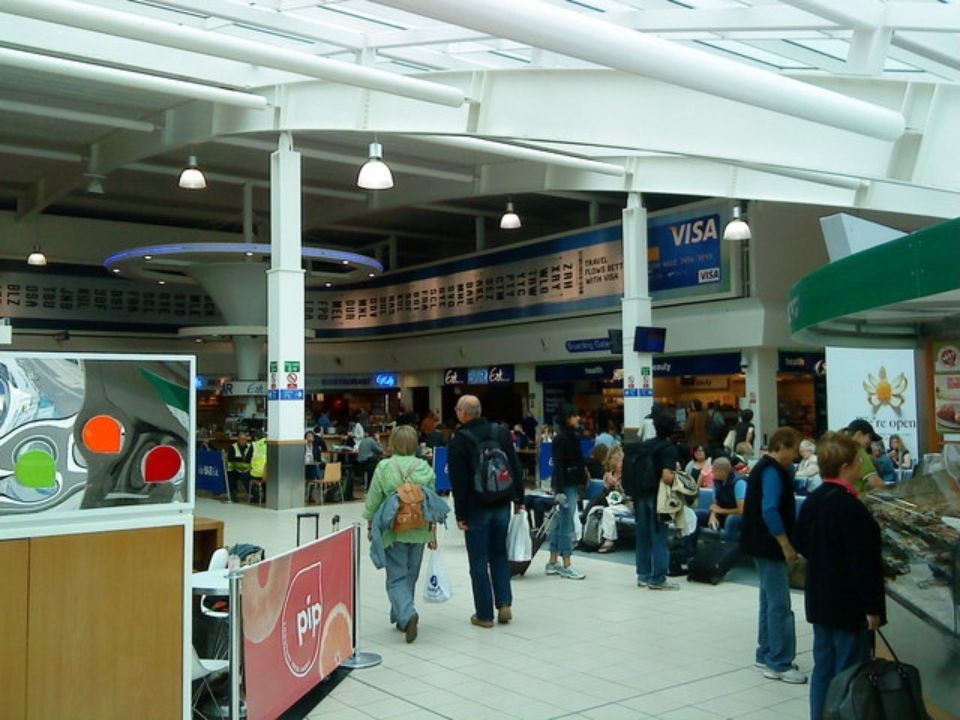
London Luton uses direct wording in its baggage guidance: devices should be charged, and if a device does not switch on when requested, it may not be allowed onto the aircraft. The airport also points to charging points across the terminal, which shows how common this issue has become in daily operations today.
When the battery is flat, the problem is rarely the phone alone. Extra checks, repacking, and queue friction can push a routine departure into late stress at the gate. On short-haul schedules with tight boarding windows, one powerless device can become the avoidable snag that changes the mood and pace of the whole trip.
Birmingham Airport (BHX)

Birmingham Airport publishes one of the clearest versions of this rule. Its security FAQ says devices should be charged before travel and warns that if a device does not switch on when requested, it will not be permitted onto the aircraft. It also notes that airlines may apply their own restrictions.
That two-layer structure matters because time can break in two places. A traveler may lose minutes at screening, then face stricter handling at boarding if an airline adds conditions. What looked manageable at check-in can tighten fast, and a drained battery can become the direct reason a calm departure turns uncertain for everyone involved.
Manchester Airport (MAN)
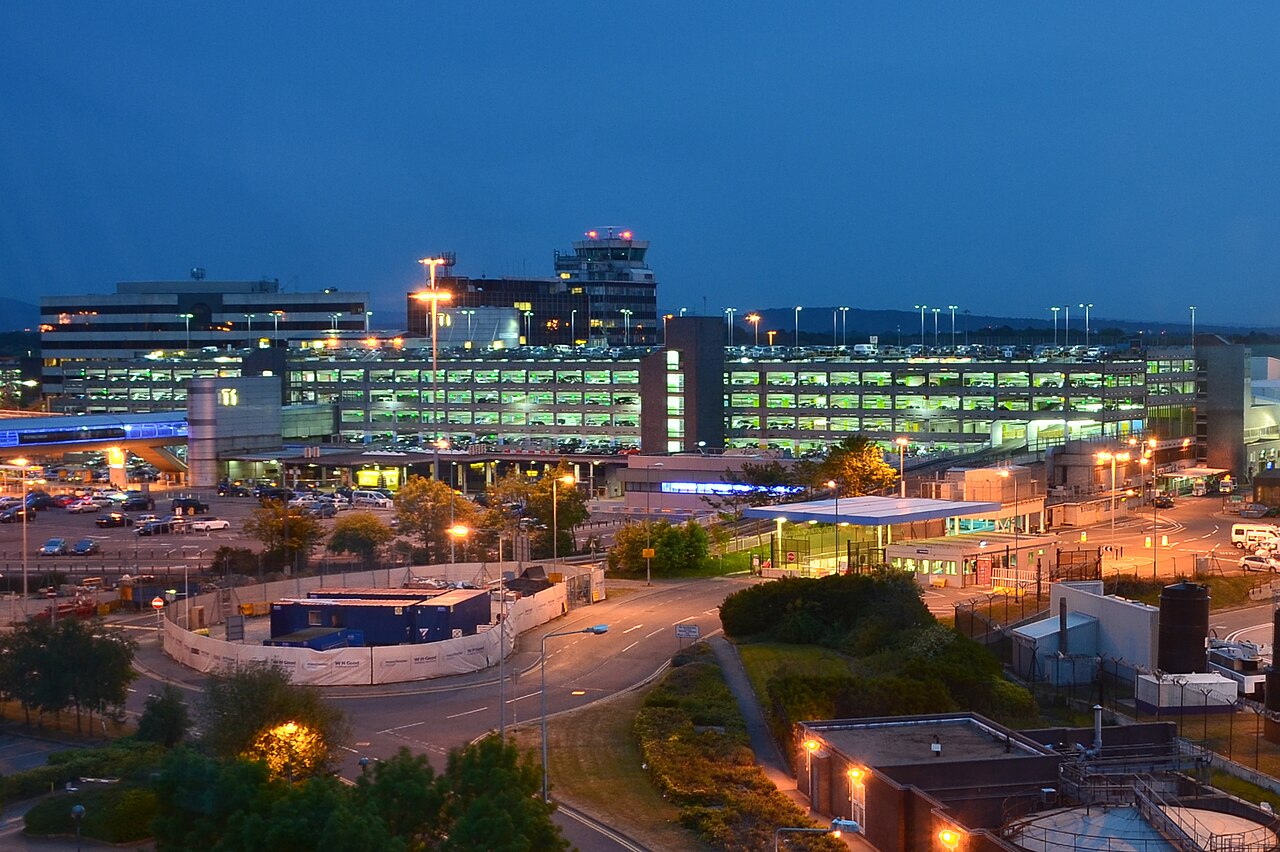
Manchester flags a route-specific version of the same risk. Its luggage guidance says that for flights to the USA, electrical devices should be charged and capable of being switched on. That makes battery readiness a practical requirement on those itineraries, not a casual reminder placed in fine print.
The impact is mostly about timing. If a device cannot power on, screening slows, explanations follow, and the departure clock keeps moving. On transatlantic schedules where security, passport control, and gate processing already run on narrow margins, even a short interruption can force uncomfortable choices before boarding closes.
Glasgow Prestwick Airport (PIK)
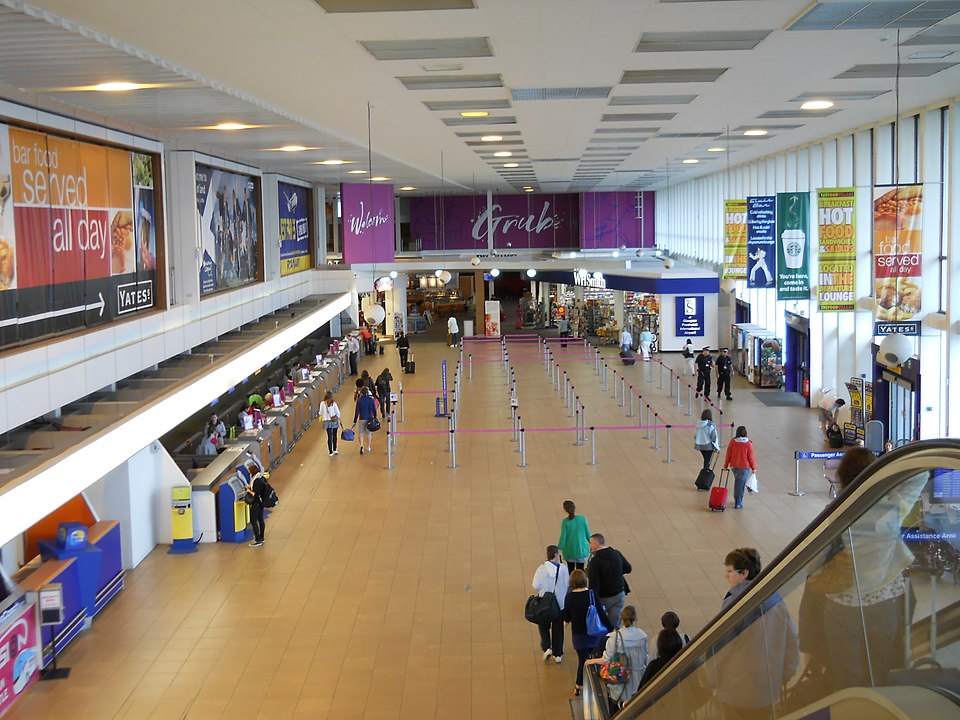
Glasgow Prestwick spells it out in plain language on its security page: devices should be charged, and if a device does not switch on when requested, it will not be allowed onto the aircraft. Clear wording like that removes guesswork and gives passengers a simple standard before screening begins each day.
Still, clarity does not prevent delay when the battery is empty at the checkpoint. Extra handling can pull staff and traveler attention away from normal flow and compress the final stretch to the gate. At smaller airports, people often assume pressure is lighter, yet one device check can still shrink a comfortable schedule.
John F. Kennedy International Airport (JFK)
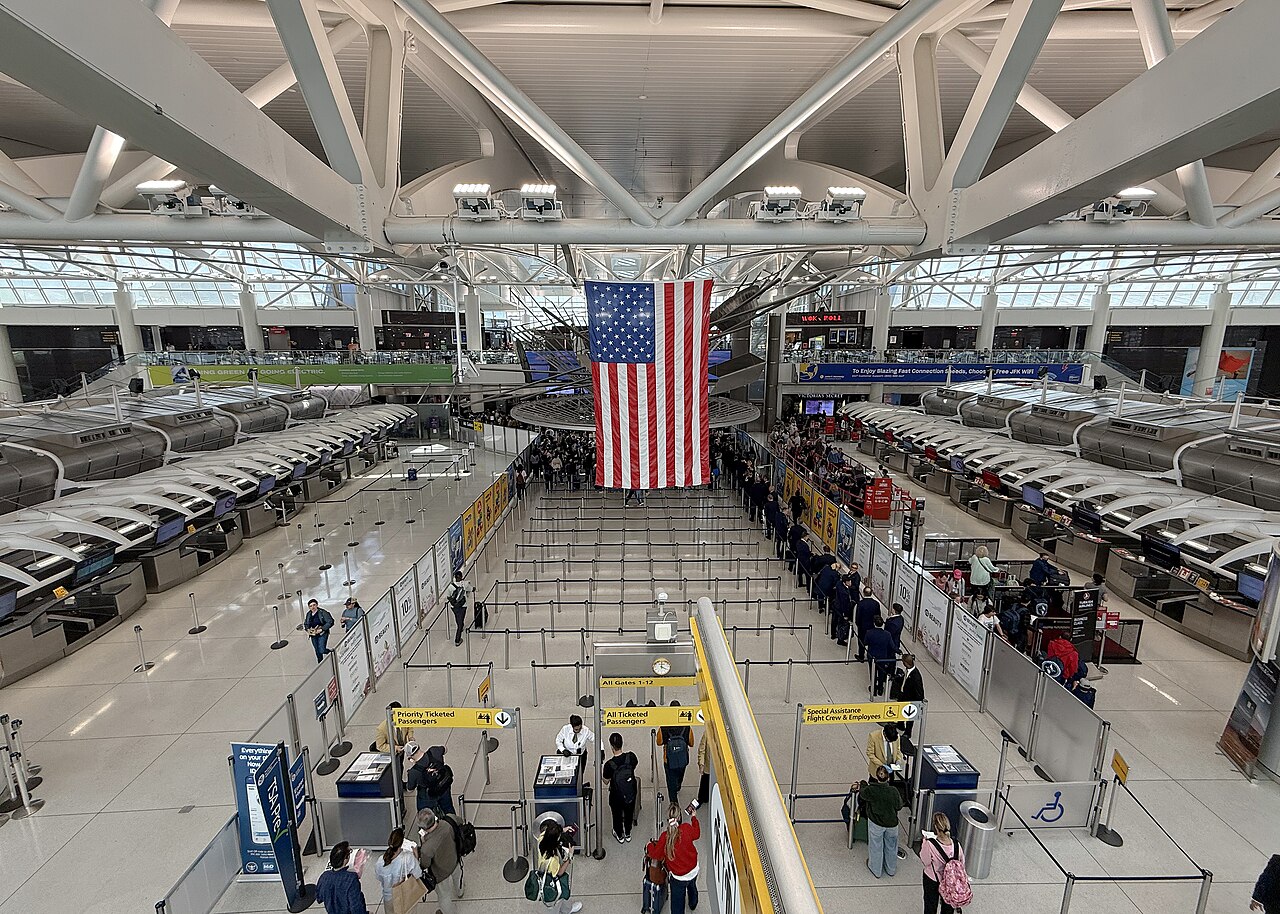
At New York JFK, the governing standard comes from TSA screening rules used across U.S. checkpoints. TSA says officers may ask passengers to power up electronic devices, including cell phones, and it adds that powerless devices will not be permitted onboard the aircraft. Battery level therefore becomes a compliance issue.
When that check fails, queues can thicken and processing can move into secondary steps that consume buffer time before boarding. In a large international terminal, those minutes matter because gate distance, document checks, and final call timing keep running. A dead phone can turn a stable departure window into a rush.
Los Angeles International Airport (LAX)
Los Angeles International follows the same TSA rule framework. Officers can request a power-on check for electronics, and TSA states that powerless devices will not be permitted onboard the aircraft. The policy applies even when every other document is in order, so low battery can still disrupt a well-planned departure.
At LAX, scale amplifies small setbacks. Once security time is lost, long walks and busy departure banks leave less space to recover. What starts as a simple battery problem can end with compressed boarding time and rising stress for travelers who otherwise arrived prepared and had a reasonable margin before gate close.
Chicago O’Hare International Airport (ORD)
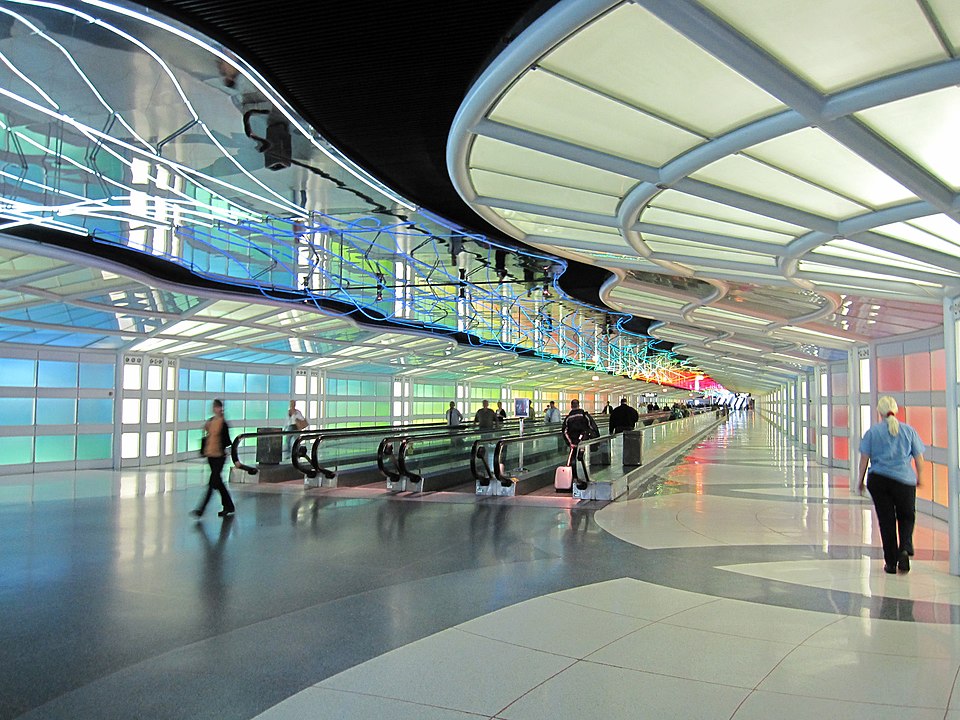
Chicago O’Hare operates under the same TSA standard requiring devices to power on if officers request it. TSA guidance is explicit that powerless devices will not be permitted onboard the aircraft. In practice, that means a dead phone can convert a routine checkpoint moment into extra screening, even with compliant bags.
O’Hare is built for volume, and volume makes timing fragile. If a device check adds delay, the ripple can reach document review, gate arrival, and final boarding order in quick succession. The trip may still continue, but control of pace shifts away from the traveler at the point where every minute carries the highest value.
Hartsfield-Jackson Atlanta International Airport (ATL)

Hartsfield-Jackson Atlanta uses the same TSA screening rule set, including power-on requests for electronics and the rule that powerless devices will not be permitted onboard the aircraft. That places battery status in the same category as other checkpoint basics that seasoned travelers treat as non-negotiable.
Atlanta’s size means small delays can spread fast. A stalled check at security can combine with concourse transfers and boarding cutoffs, shrinking what first looked like a safe cushion. The device itself may seem minor, yet at a high-throughput hub, that one detail can shape the entire departure experience from queue to gate.
Dallas Fort Worth International Airport (DFW)
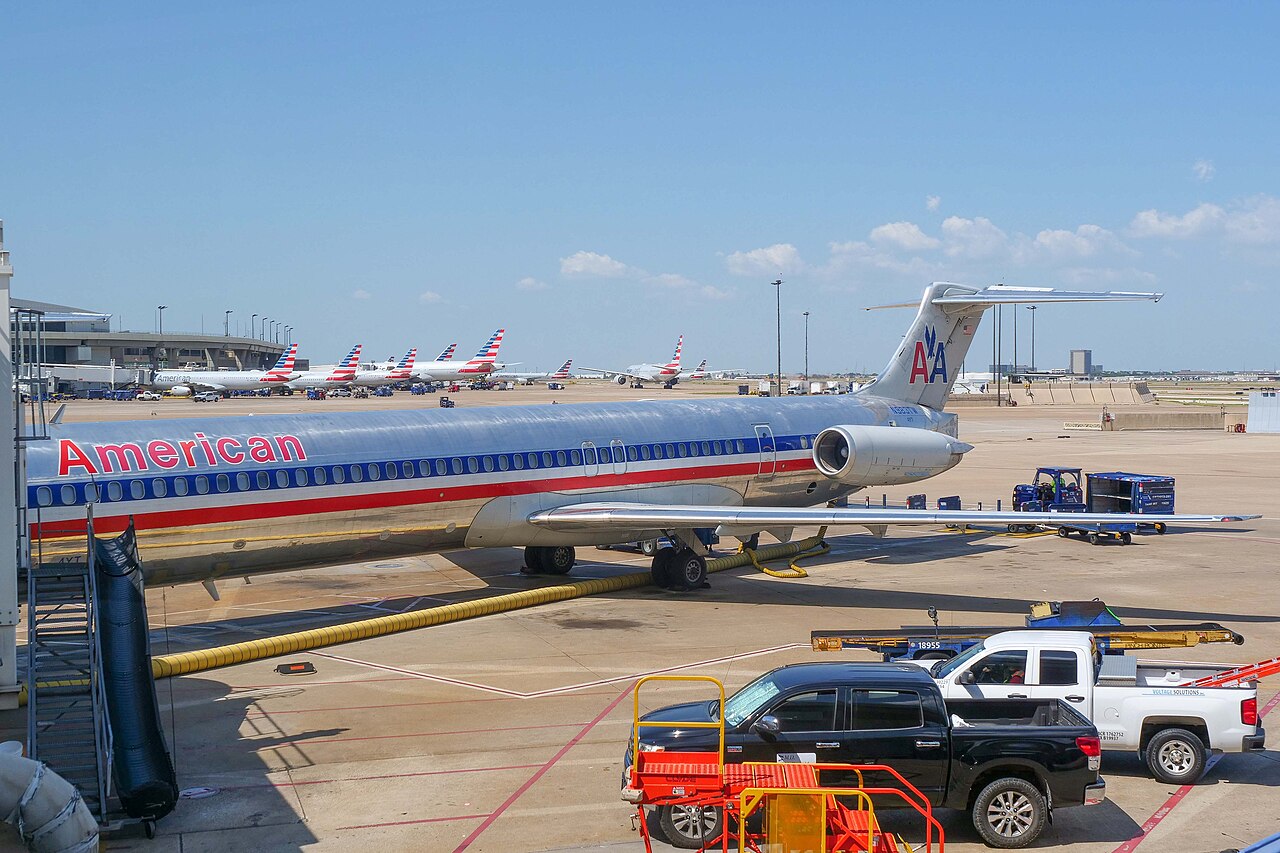
Dallas Fort Worth also follows TSA checkpoint standards that allow officers to request a power-on check and state that powerless devices will not be permitted onboard the aircraft. Because the rule is federal, the same risk appears on routine domestic departures that otherwise feel predictable and familiar.
When a phone cannot switch on, uncertainty replaces momentum. Screening may pause, additional steps may follow, and the timeline tightens in the background. At a hub with wide concourses and frequent gate changes, those lost minutes carry real cost, especially for travelers balancing connections, family logistics, and fixed boarding time.