The mid-century cafeteria is remembered through comfort: gravy-slick trays, thick loaves, and half-pint milk bottles lined in rows. What nostalgia rarely shows is the safety gap. These meals were built before modern HACCP logs, strict holding limits, and formal allergy protocols became standard in school kitchens. Many 1950s foods still belong on menus, but the way they were often prepped, held, and reused then would collide with today’s rules on sourcing, egg controls, reheating, and documented corrective action after failed temperature checks. Routine inspections and written safety plans now enforce that difference.
Egg And Chicken Salad Sandwiches
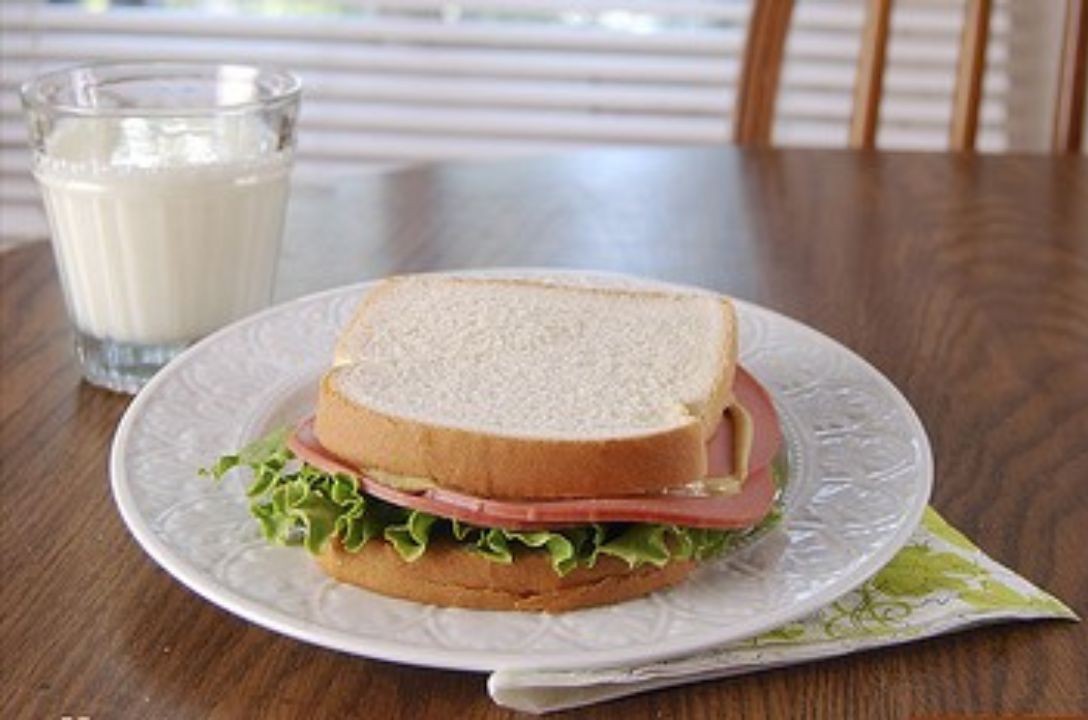
USDA’s 1955 school-lunch recipe file lists egg-and-chicken salad and advises staff to refrigerate sandwich fillings except during handling. Useful then, but broad by modern standards. In current school kitchens, this mix is treated as a tightly controlled cold food, not a prep bowl that can sit through long service waves.
Today’s code expects 41°F or below for cold holding, plus date-marking and discard timelines for ready-to-eat foods. Add allergen cross-contact controls, and the margin tightens further. A line-side pan reused the next day without verified logs would fail inspection even if flavor and texture seemed fine.
Potato Salad With Mayonnaise And Eggs
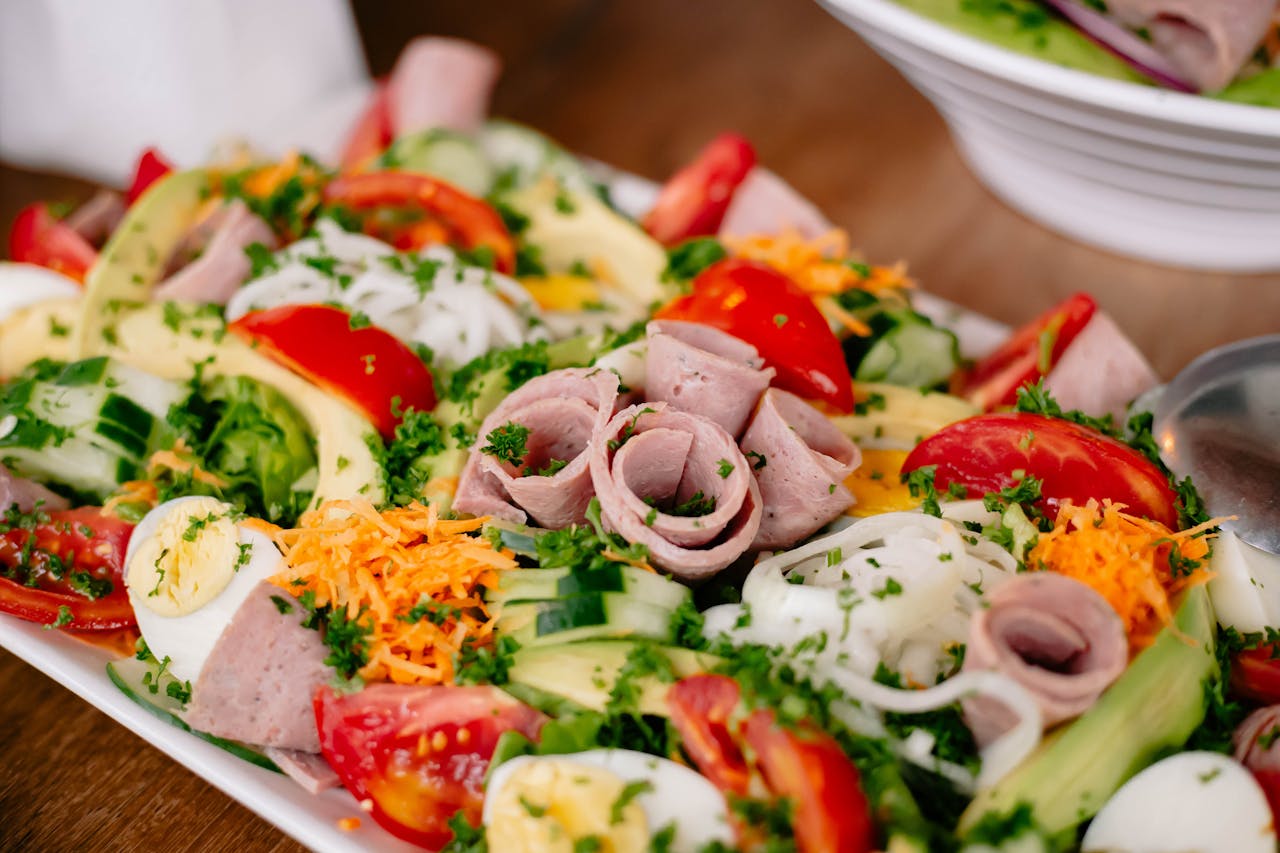
Potato salad appears in the same mid-century school collection, usually built in large pans for staggered lunch periods. The food is still common, but risk climbs when egg-and-mayo mixes linger between prep, service, and cleanup. Older pacing often relied on rough timing instead of constant temperature checks.
Current standards call for measured cold control, traceable handling, and discard when limits are missed. If a mayonnaise-style dressing uses shell eggs and is not fully cooked, modern code points kitchens to pasteurized egg products. That one change alone reshapes sourcing and prep versus many 1950s cafeteria routines.
Turkey-Ham Sandwich Filling

The 1955 recipe collection includes turkey-ham sandwich filling, a practical choice for batch production and fast assembly. Efficiency was the advantage, yet mixed meat fillings are high-contact foods. Risk climbs when scoops, pans, and prep surfaces are shared without strict sanitation sequencing.
Federal rules now require school food authorities to run written food safety programs, receive regular inspections, and apply HACCP-based controls. So the filling itself is still viable. Early prep, loose holding, and all-day refreshing without documented checks would clash with current school safety expectations now in practice.
Chili Con Carne With Ground Beef
Chili con carne with beans appears in 1950s school recipe materials and still feels familiar in cafeteria culture. The safety shift sits in the beef step. Modern Food Code requires comminuted meats, including ground beef, to reach 155°F for 17 seconds before service, then stay in compliant hot holding.
If chili is cooled and served later, reheating for hot holding must bring all parts to at least 165°F for 15 seconds. That precision is stricter than many mid-century kitchens used, where doneness was often judged by sight and habit. A pot that misses cook, hold, or reheat targets can fail inspection even when it looks finished.
Cheese-Meat Loaf
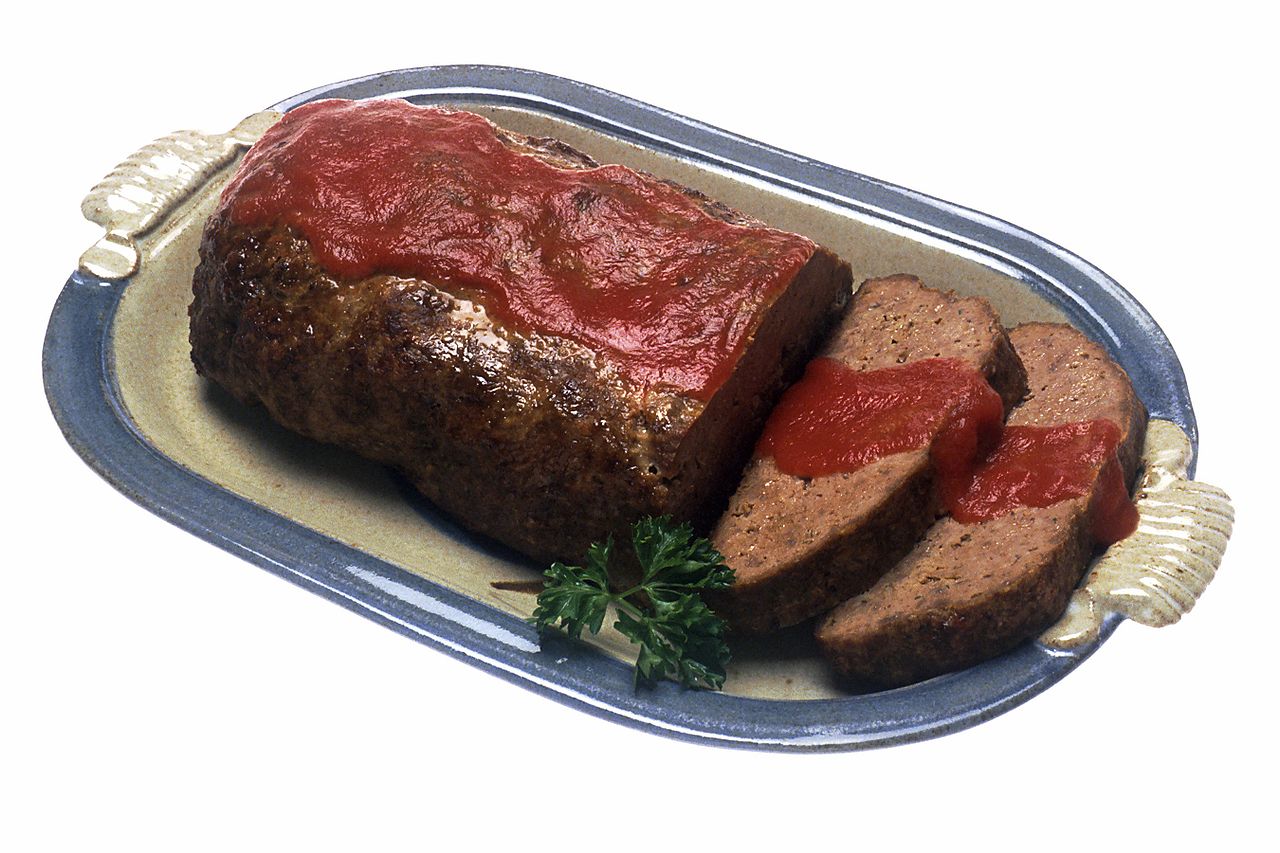
Cheese-meat loaf was built for budget, volume, and broad appeal in mid-century lunchrooms. Because it uses nonintact meat, modern standards treat it as higher risk than an intact roast. That means verified cooking temperatures, reliable thermometers, and documented controls instead of visual guesses based on crust color.
Risk control continues after baking. If loaf portions are cooled, stored, and reheated, each step carries defined limits in current code. A pan left out too long before chilling, or rewarmed without a confirmed internal temperature, matches old cafeteria routines inspectors now flag as preventable and noncompliant.
Cream Pies And Meringue-Topped Desserts
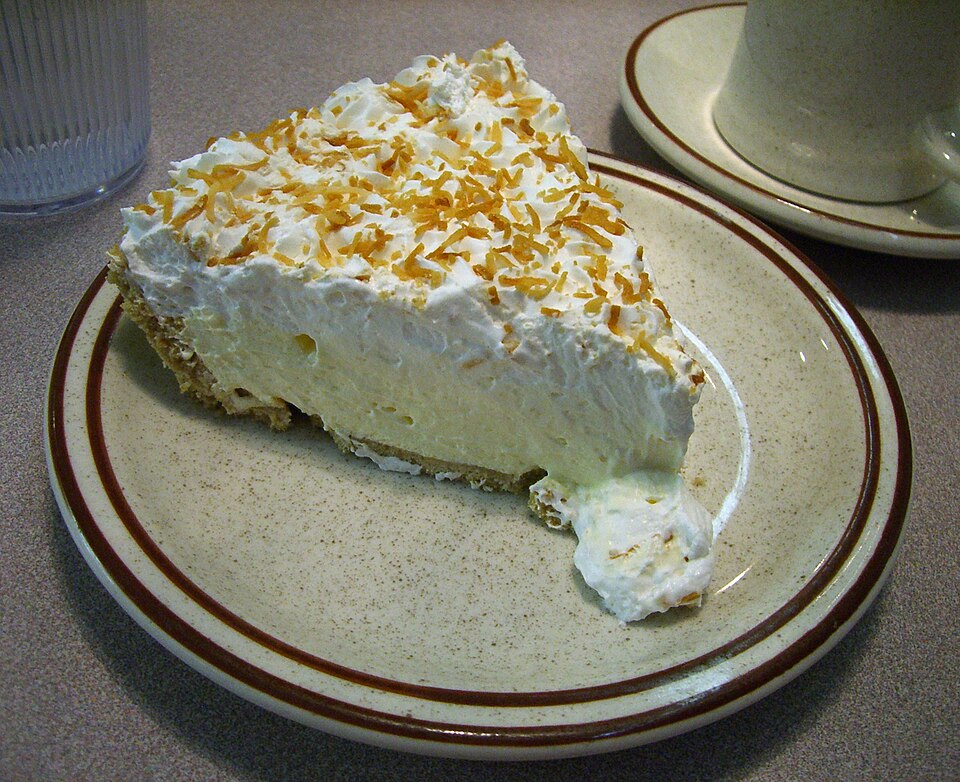
Cream pies were classic cafeteria rewards, and period USDA recipes include cream-based versions that fit the era. The modern issue is not nostalgia but egg and dairy handling. Food Code requires pasteurized eggs or egg products for preparations like meringue and mayonnaise when they are not fully cooked.
After prep, cream systems also need strict cold holding through service. In practice, a lightly set topping or cream filling left outside controlled refrigeration during long tray windows would miss current standards. The dessert itself can remain, but shortcuts around egg sourcing, holding, and monitoring still cannot.
Cheese-Egg Rarebit And Other Egg-Rich Sauces
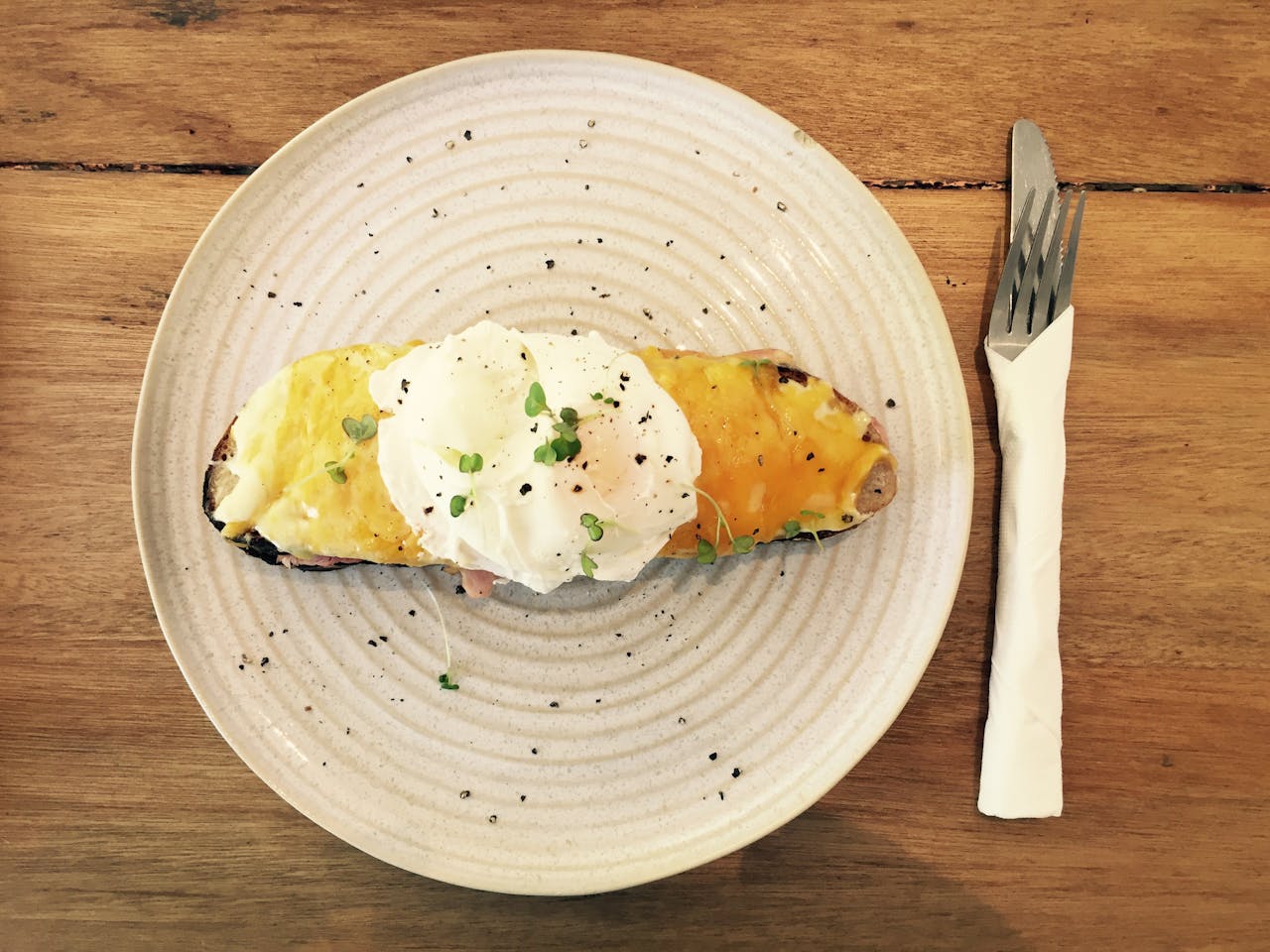
Mid-century lunch programs used rarebit-style and other egg-rich sauces to stretch protein across large groups. They were efficient, but vulnerable when held warm for long service periods. Gentle heat and slow turnover can move egg-heavy foods through risky temperatures unless staff run tight control steps.
Current code is explicit: pasteurized eggs are the substitute for certain raw or lightly cooked egg applications, including mayonnaise and meringue families. Once prepared, these sauces require compliant holding and timely discard if limits are exceeded. A classic rarebit profile can work today, but only with stronger checks.
Baked Custards And Egg Puddings

Baked custards and egg puddings scaled well in school kitchens and delivered dependable texture from basic pantry ingredients. Their weak point is cooling. Large pans can pass too slowly through risky temperatures when teams rely on room feel and habit rather than measured, time-bound steps.
Modern school food safety programs expect documented monitoring, defined corrective action, and clear accountability when limits are missed. The recipe is not the issue. Process is. A custard tray left on a rack during rush service, then chilled late without temperature checks, would likely be treated as a compliance failure now.
Half-Pint Milk Service Done The Old Way
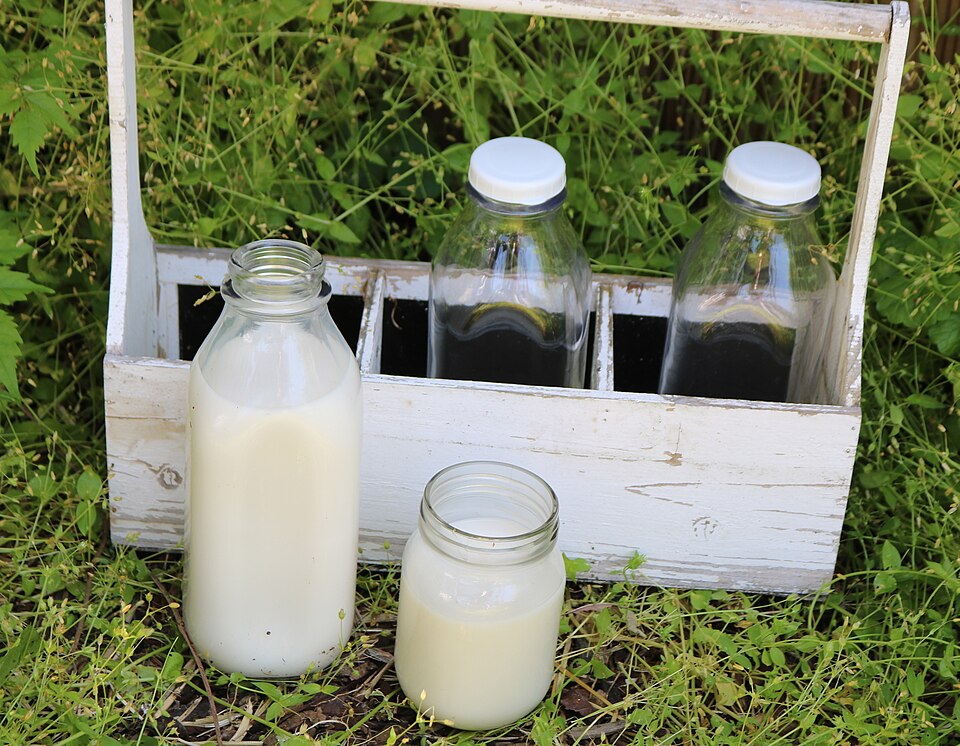
The 1950s Type A lunch pattern required a half-pint of whole milk and tied service to state and local sanitation rules. Milk sat at the center of the tray, but handling quality varied by equipment and staffing. That day-to-day variability is exactly what modern school safety systems try to remove.
Current requirements emphasize written programs, approved sources, regular inspections, and public accountability. The milk still belongs. Leaving bottles out through long lunch blocks, then rotating them casually, can violate current expectations for temperature control, source compliance and safe service management in school cafeterias.