In the 1970s, certain cars became instant symbols of status, style, and daring taste. Owners accepted loud cabins, heavy controls, and big fuel bills because the reward was social gravity, bold design, and unforgettable road presence. Over time, a second reality surfaced. Complex engines, temperamental electrics, early emissions-era compromises, and limited specialist networks made routine ownership harder than the showroom dream suggested.
These seven icons still command respect, yet each also earned a reputation for reliability concerns that became harder to ignore as mileage and age increased across the decade.
Lamborghini Countach LP400 and LP400 S (1974-79)
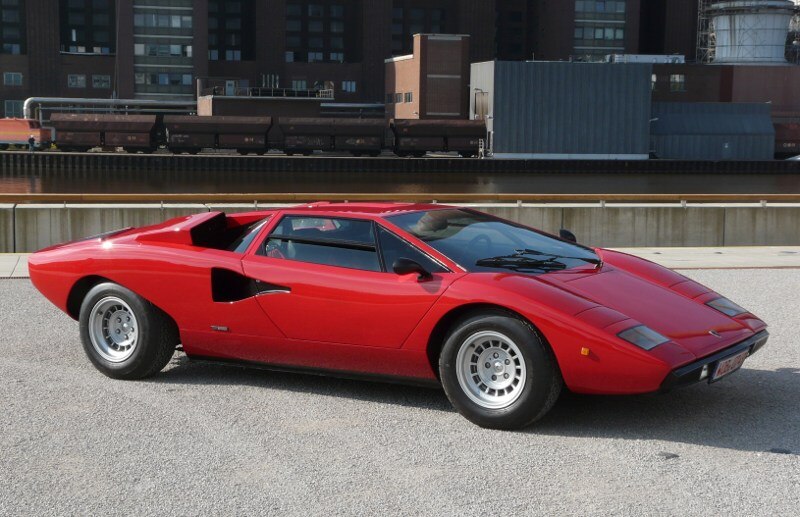
The Lamborghini Countach LP400 and later LP400 S looked like rolling theater, and owners loved the drama. Its wedge shape, scissor doors, and V12 soundtrack turned ordinary errands into public events. By period standards, performance was ferocious, and the car quickly became a poster staple across garages and bedrooms.
Daily use revealed tougher realities. Cabin temperatures ran high, clutch effort was heavy in traffic, and visibility made simple parking awkward. As cars aged, electrical faults and cooling-related complaints appeared more often, while specialist servicing remained expensive and hard to find outside major cities.
Rolls-Royce Corniche Convertible (1971-79)
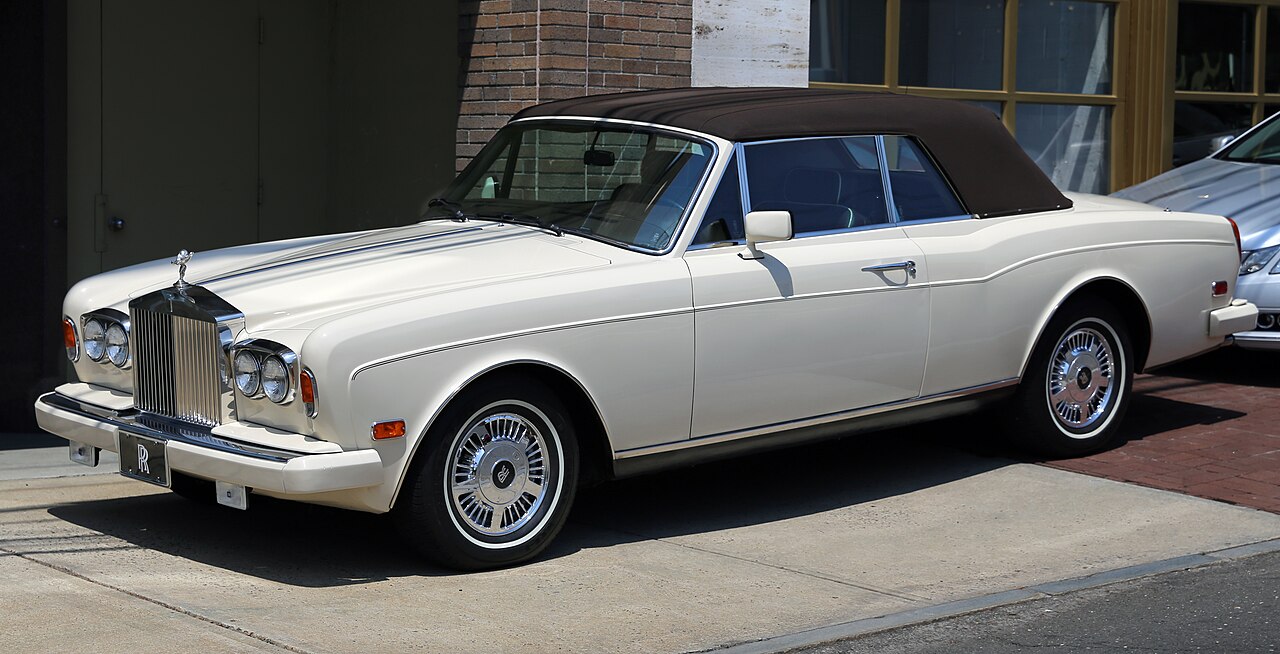
The Rolls-Royce Corniche Convertible represented peak open-top luxury in the 1970s. Hand-built at Mulliner Park Ward, it offered rich wood trim, soft leather, and a serene ride that made city traffic feel distant. Owners loved its quiet confidence, celebrity aura, and unmistakable social presence.
Reliability concerns were less about sudden drama and more about relentless upkeep. Hydraulic systems, climate controls, and aging wiring demanded specialist attention, and deferred maintenance quickly became expensive. The Corniche stayed admired for its grace, but long-term ownership required deep budgets and strict service habits.
Ferrari 365 GTB/4 Daytona (1968-73, Strong 1970s Presence)
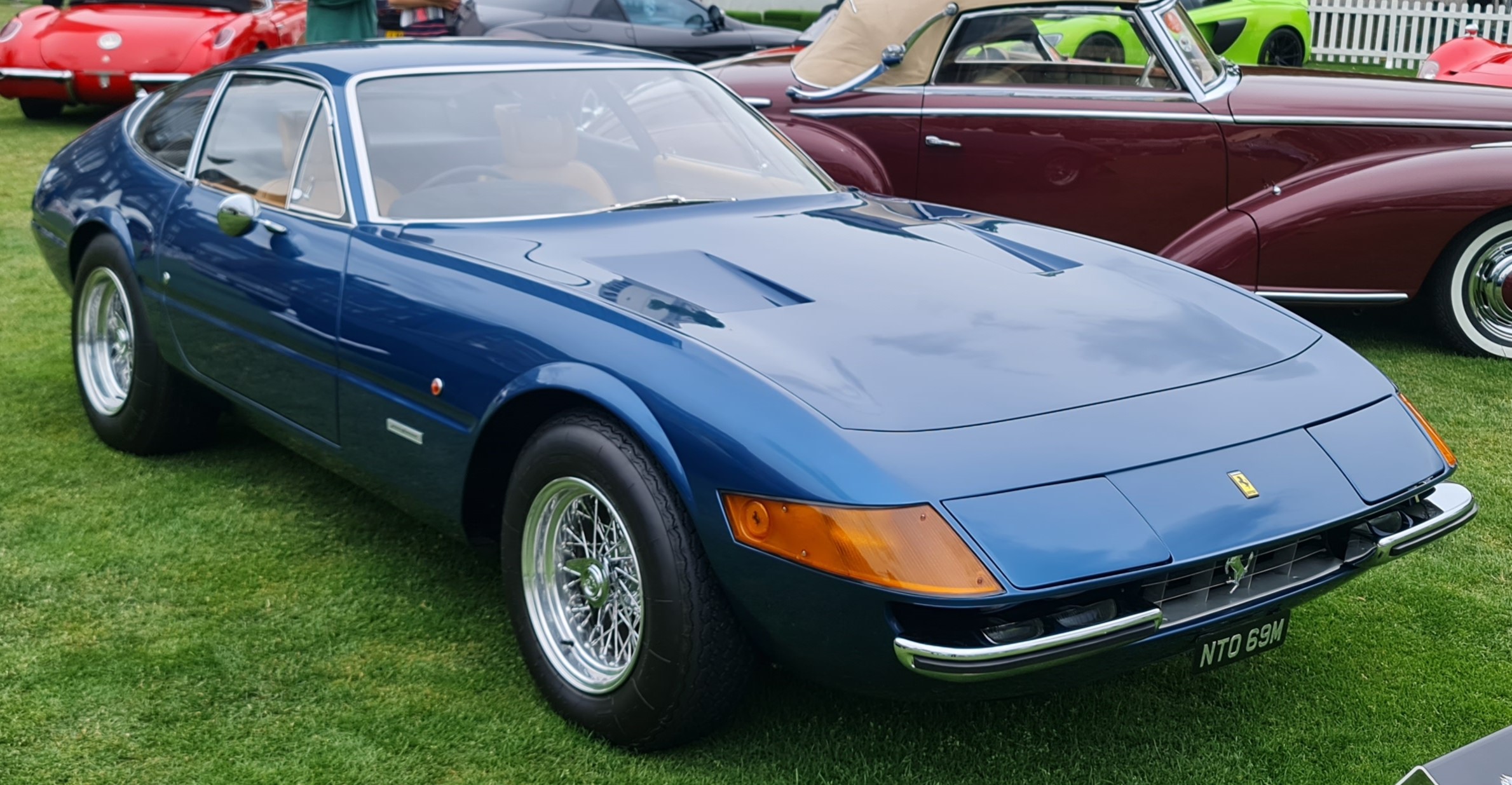
The Ferrari 365 GTB/4 Daytona carried race-bred credibility and strong curb appeal into the early 1970s. Its long hood, V12 power, and high-speed confidence gave owners both status and real pace. Endurance success, including notable Le Mans class results, reinforced its reputation as more than a style icon.
With age, maintenance intensity became the trade-off. Carburetor tuning could drift, traffic heat stressed cooling systems, and electrical faults became common. Rust prevention varied by storage and climate, so condition spread widened. Well-kept cars stayed magnificent, but dependable use required frequent, expert servicing.
Porsche 911 Turbo, or 930 (1976-79 U.S. Market)
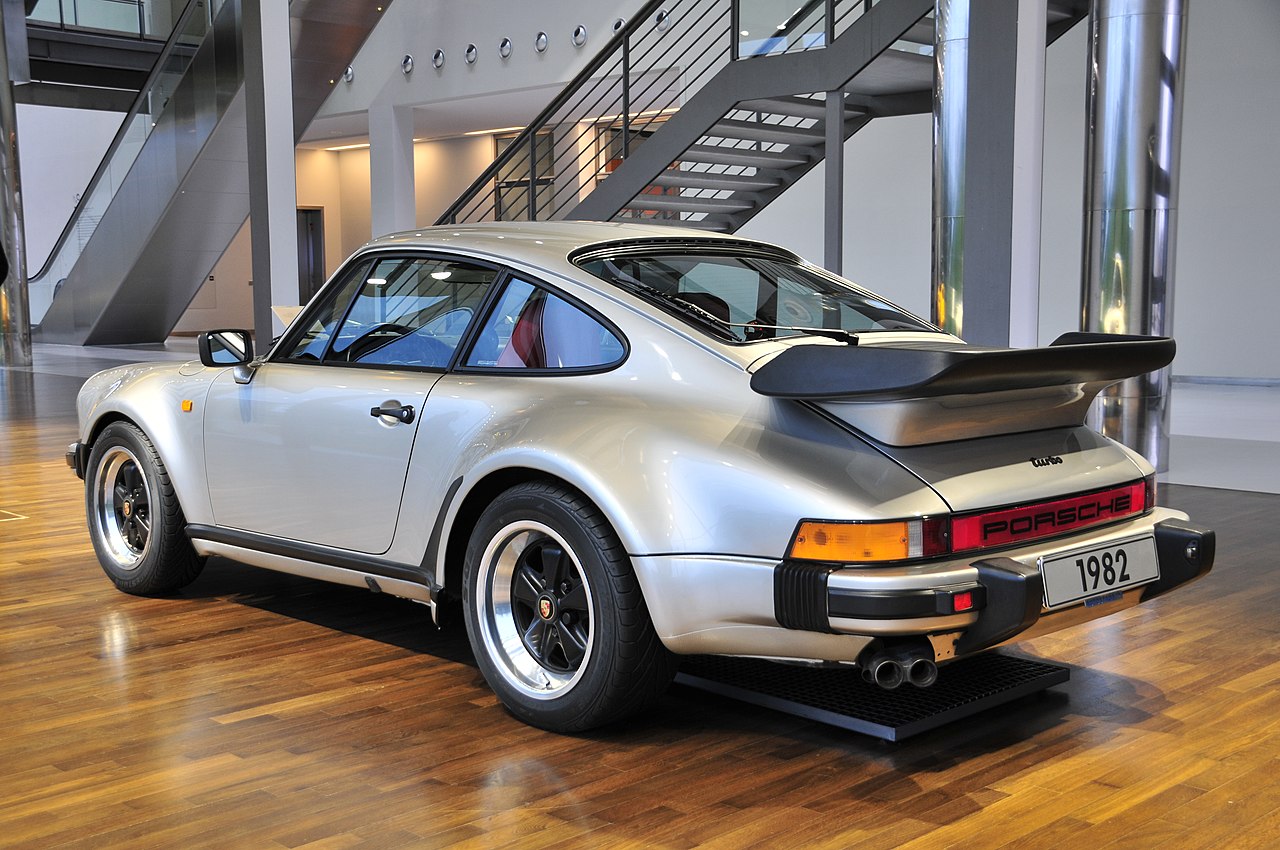
The Porsche 911 Turbo, or 930, delivered explosive pace with more daily usability than many exotics. U.S. buyers received it for 1976, and its flared body, rear spoiler, and strong acceleration gave it legend status. Owners loved that it felt thrilling on weekends and still practical on ordinary days.
Reliability depended on strict maintenance. Turbocharged heat loads stressed supporting components, consumables wore quickly under hard use, and neglected oil or boost issues became costly repairs. Well-cared cars were strong for the era, but skipped service intervals often turned a dream purchase into recurring workshop visits.
Aston Martin DBS and DBS V8 (1969-72, 1970s Ownership Era)
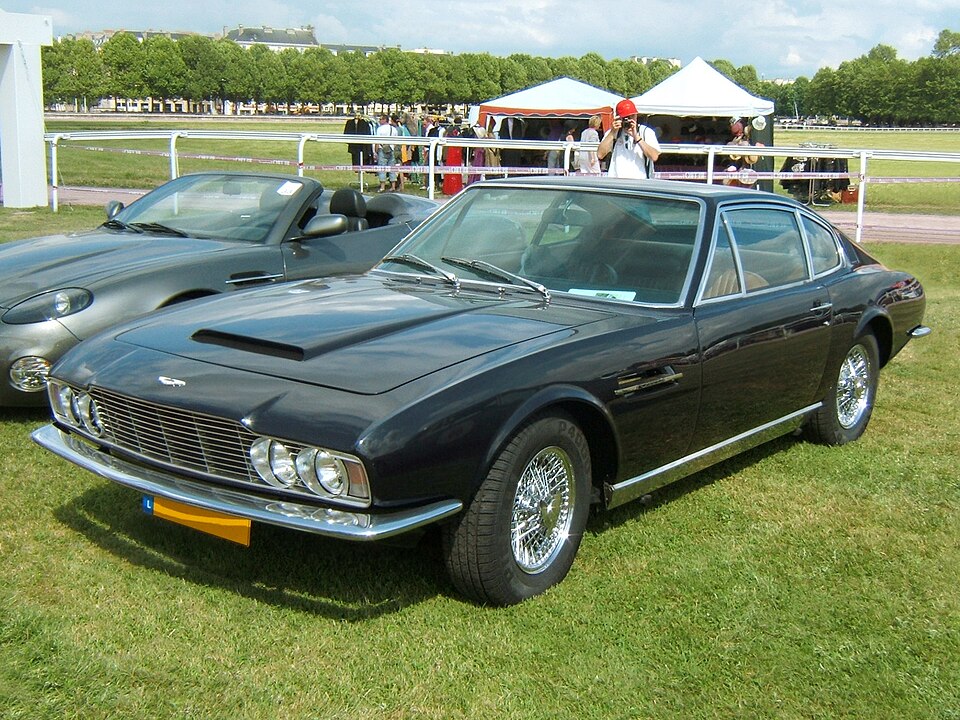
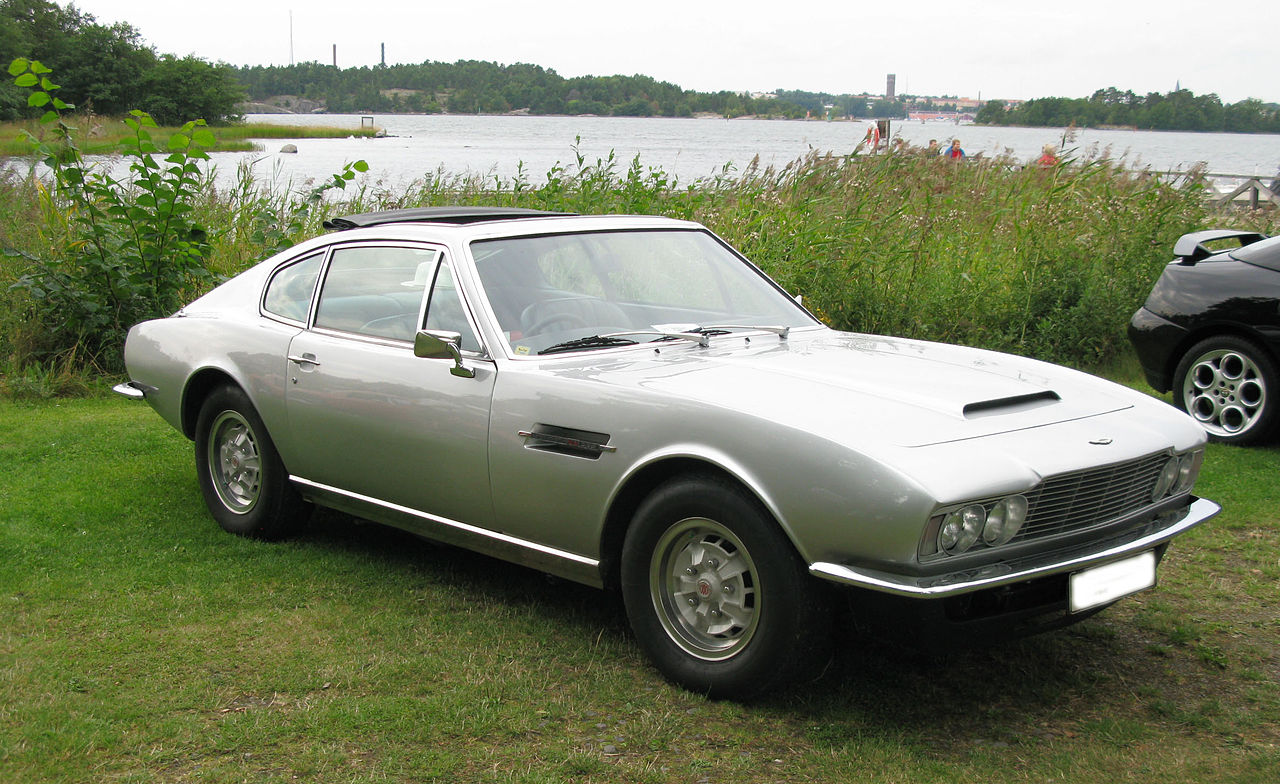
The Aston Martin DBS and DBS V8 mixed grand-touring comfort with serious speed. Owners praised the rich interior, stable road manners, and, in V8 form, performance that could humble many sports cars. Association with James Bond strengthened its mystique and status as a 1970s machine.
Reliability became fragile when upkeep slipped. Fuel-system tuning, cooling demands, aging electrics, and corrosion in neglected shells caused repeated trouble. Parts and specialist labor were expensive, and repairs often took time. Enthusiasts remained loyal, but dependable ownership required proactive maintenance and a willingness to spend steadily.
Jaguar XJ-S V12 (Launched 1975)
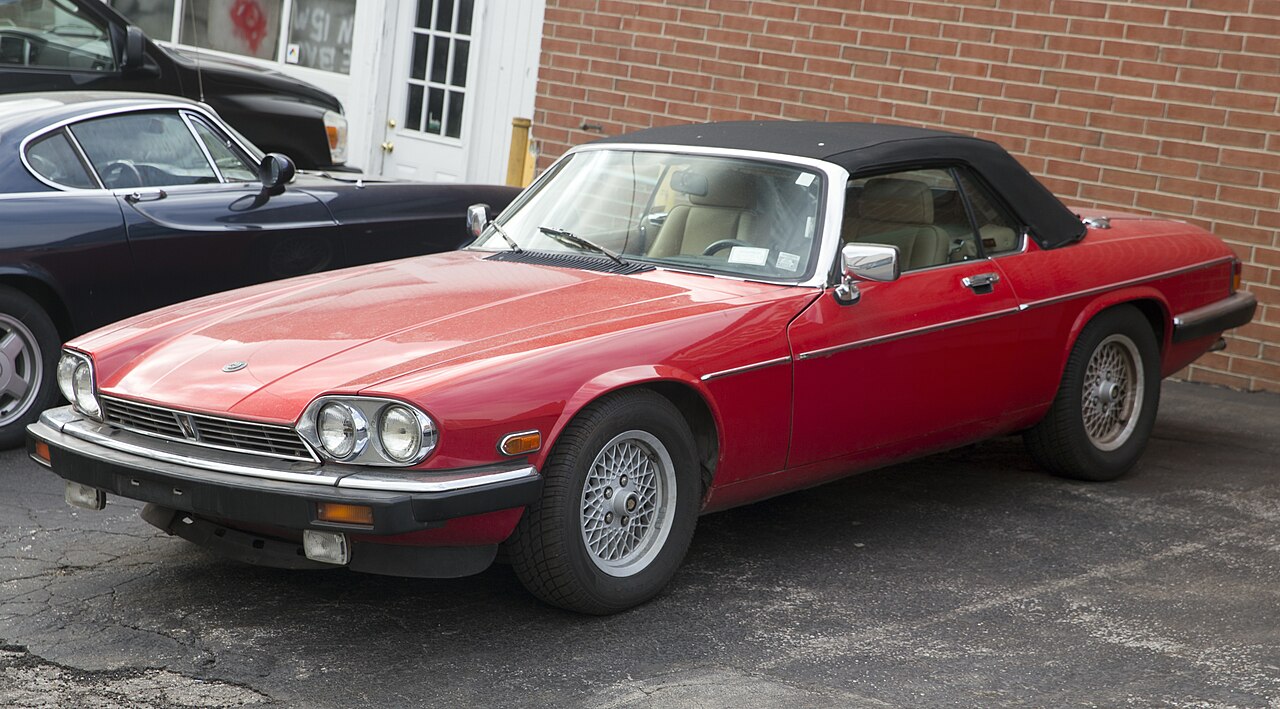
The Jaguar XJ-S arrived in 1975 with striking proportions and a smooth V12 character that won immediate fans. It was quiet on long drives, stable at speed, and visually distinct from many rivals. Owners loved the blend of British luxury, relaxed power, and genuine grand-touring comfort.
Reliability reputation slipped as cars aged. Cooling systems were sensitive in hot climates, vacuum and fuel-injection parts could fail unpredictably, and electrical faults became frequent complaints. The charm stayed strong, but dependable ownership favored meticulous servicing and quick repairs before minor issues piled into expensive downtime.
Lotus Esprit S1 and S2 (1976-79)
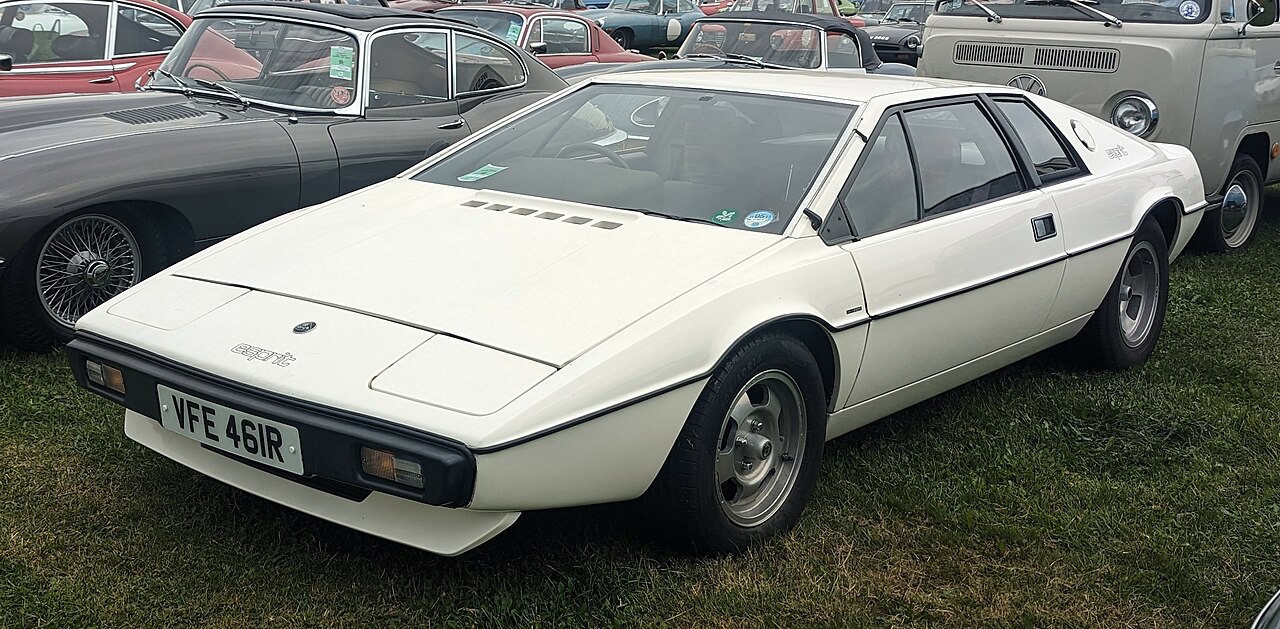
The Lotus Esprit S1 and S2 captured the sharp edge of 1970s design. Its wedge profile looked futuristic, its lightweight chassis gave crisp steering feel, and film exposure lifted it into pop-culture memory. Owners loved that it felt rare, focused, and visually daring in a decade of dramatic cars.
Reliability was the weak side. Build consistency varied, cabin electrics could be temperamental, and water sealing problems appeared on some examples. Routine service was manageable, but minor faults often stacked into repair lists. Affection stayed strong because the driving feel was distinctive, even when ownership demanded patience.