Wide-angle photography did not wait for touchscreens. Long before phones carried multiple lenses, photographers kept finding ways to squeeze more world into a frame of film. Some relied on clever mechanics that turned a camera into a slow, controlled scan. Others embraced distortion, letting straight lines bend if it meant the scene felt bigger. Tourists used panoramas to capture skylines, while pros used ultra-wide glass to make cramped interiors readable. Even cheap cameras got in on it with masks and add-on adapters. Each approach demanded patience, because results often arrived days later, fresh from the lab. The methods were different, but the goal stayed simple: give a photo breathing room, and let context share the spotlight with the subject.
Curved-Plate Panoramas With the Megaskop
In 1844, Friedrich von Martens built a panoramic camera that exposed onto curved plates while the body swept across a view. The curve kept focus more even across the sweep, so brickwork, rigging, and window rows stayed readable instead of smearing at the edges. City streets, harbors, and rooftops could run in one continuous ribbon, and the print invited a slow read, unrolled and studied like a map, where tiny figures, awnings, and horse carts appeared in the distance, still caught mid-errand, with smoke, weather, and late light pooled over the skyline, as if the whole town had been stitched into one glance at once.
Cirkut Cameras That Rotated With the Crowd

A Cirkut camera made a panorama by rotating the camera while film advanced past a narrow slit, turning a group photo into a timed performance. Parade routes, factory crews, and school graduations fit into a single long negative, sometimes measured in feet, with detail sharp enough to spot faces deep in the line, read small lettering on signs, and trace the seams on uniforms. The charm was in its honesty: anyone who shifted mid-rotation became a faint blur or a double, while still faces, flags, and storefront logos looked almost carved into the emulsion, like the day had been pinned down, frame by frame, with time hiding inside it.
Swing-Lens Cameras Like the Widelux

The Widelux, introduced in 1958, used a lens that swung across the scene, exposing the film through a moving slit. That motion created a wide frame on standard 35mm film, but it also made straight lines bow near the edges, turning streets, piers, and stadium rails into gentle arcs that felt energetic rather than wrong. Photographers learned to plant feet, level the camera, and watch timing, because the scene was recorded from left to right over a beat of time, so a passing car could stretch into a streak while the center stayed crisp, and a crowded sidewalk gained a subtle sense of flow, almost like a panned film frame.
Fisheye Lenses That Bent the Rules

Fisheye lenses traded straight lines for a sweeping view that can reach 180 degrees, which meant an entire room or an entire sky could land in one frame. The idea grew from science and mapping, then moved into everyday photography as 35mm fisheyes became easier to rent, borrow, or find in camera-shop cases, often with warnings about distortion printed right on the box. By the 1990s, the curved look became shorthand for energy in skating, concerts, and street portraits, keeping faces intimate at center while sidewalks, ceilings, and crowds wrapped around them like a dome, exaggerated but still legible, even in fast action.
Large-Format Ultra-Wide Glass for Interiors
On large-format cameras, ultra-wide lenses earned their keep in tight spaces where stepping back simply was not possible. Paired with camera movements, the glass could pull in ceiling beams, tile lines, and full doorways while keeping verticals from leaning like they were collapsing, which mattered when a room needed to look believable. It was slow, tripod-heavy shooting that demanded careful metering and patience under a dark cloth, yet the negatives held detail that survived big enlargements, letting textures, grout, and wood grain stay convincing, and keeping the wide view feeling calm and precise, with perspective under control.
Panoramas as a True Format With the XPan

When the Hasselblad XPan arrived in 1998, it treated panoramas as a native format, exposing a long 24×65mm frame on 35mm film instead of asking for a crop later. Switching between standard and panoramic frames on the same roll changed how photographers paced a walk, deciding which moments deserved extra breathing room and which should stay tight, with the lever click acting like a small commitment. Sidewalk life, shoreline curves, and skylines suddenly had space for context and quiet, and the long negative kept skies smooth and grain fine, so enlargements still felt clean rather than stretched or thin, even under harsh midday light.
APS Cameras With H, C, and P Modes

APS film brought a simple switch that let compact cameras shoot in three formats: H, C, and P, with the choice stored on the film for the lab to follow. The panoramic option was usually a crop guided by masks and print instructions, yet it still changed composition in the moment, pushing photographers to think wider, keep horizons steadier, and leave room for background clues. Vacation shots could hold the whole table of cousins, the diner sign, and the parking lot behind it without backing into traffic, and labs could reprint in another format later, which made the choice feel playful, not permanent, on the same roll.
Disposable Panorama Cameras for Road Trips
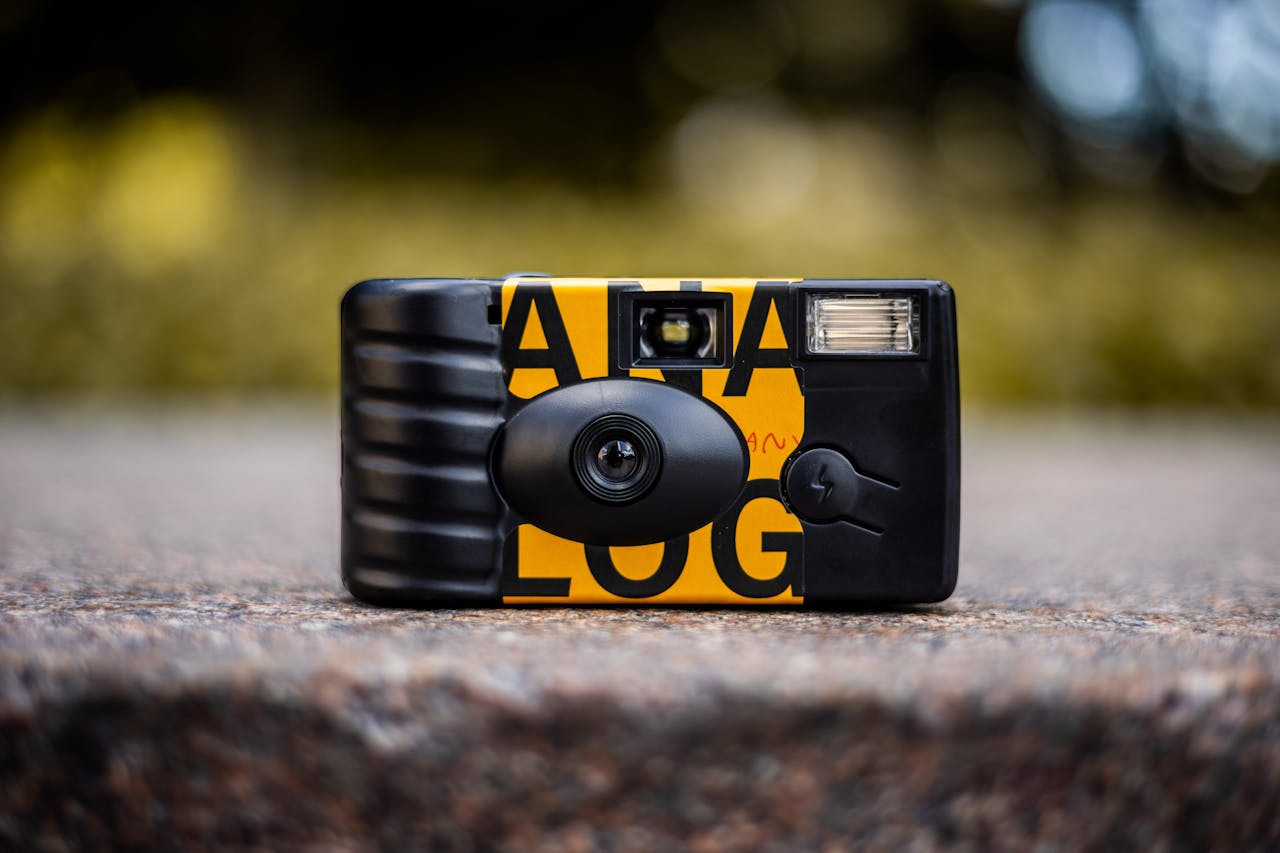
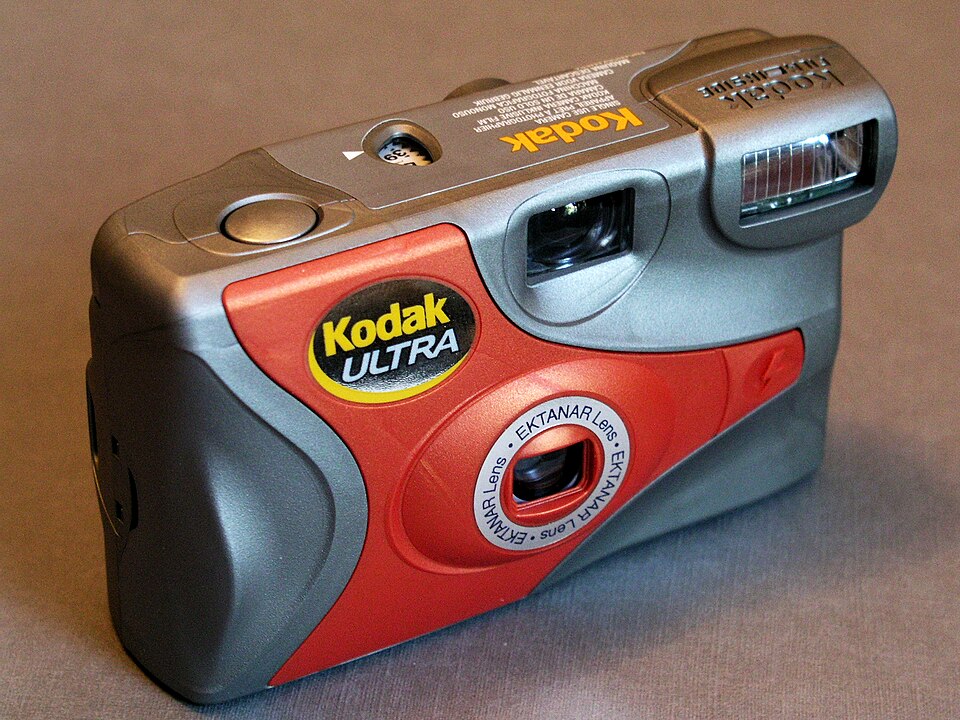
Disposable panorama cameras took the wide frame out of the hobbyist world and dropped it into glove compartments and beach bags. Kodak’s Stretch 35, introduced in 1989, produced long prints that felt made for boardwalks, theme parks, and roadside overlooks where the background mattered as much as the faces, and where a normal snapshot always seemed to cut something off. The plastic body was basic, but the format was generous, letting group photos keep everyone’s shoulders, the landmark behind them, and even the sky above, and those wide prints became fridge art and scrapbook centerfolds that looked bigger than the camera.
In-Camera Panorama Masks on Point-and-Shoots
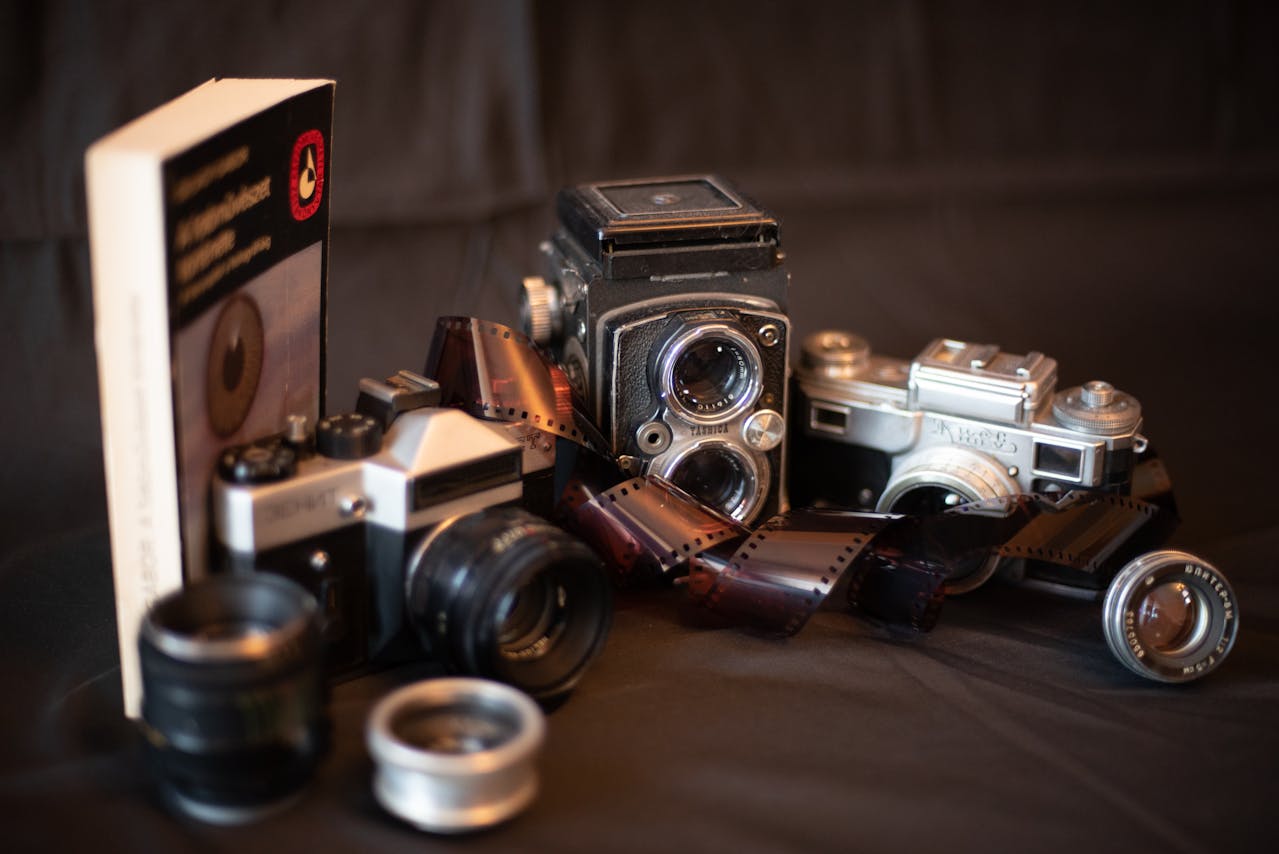
Many late film-era point-and-shoots offered a panorama switch that slid masks into the film gate and viewfinder, changing the frame without changing the lens. The new shape pushed horizons lower and widened scenes into a narrow strip that felt cinematic, turning a bowling alley, a backyard cookout, or a motel sign into something that looked composed on purpose, with less empty ceiling and more story. The lab printed the long format automatically, and the narrow band encouraged storytelling, because it could hold the setup on one side and the reaction on the other, all while keeping the moment casual and quick, no tripod required.
Screw-On Wide-Angle Converters for Compact Gear
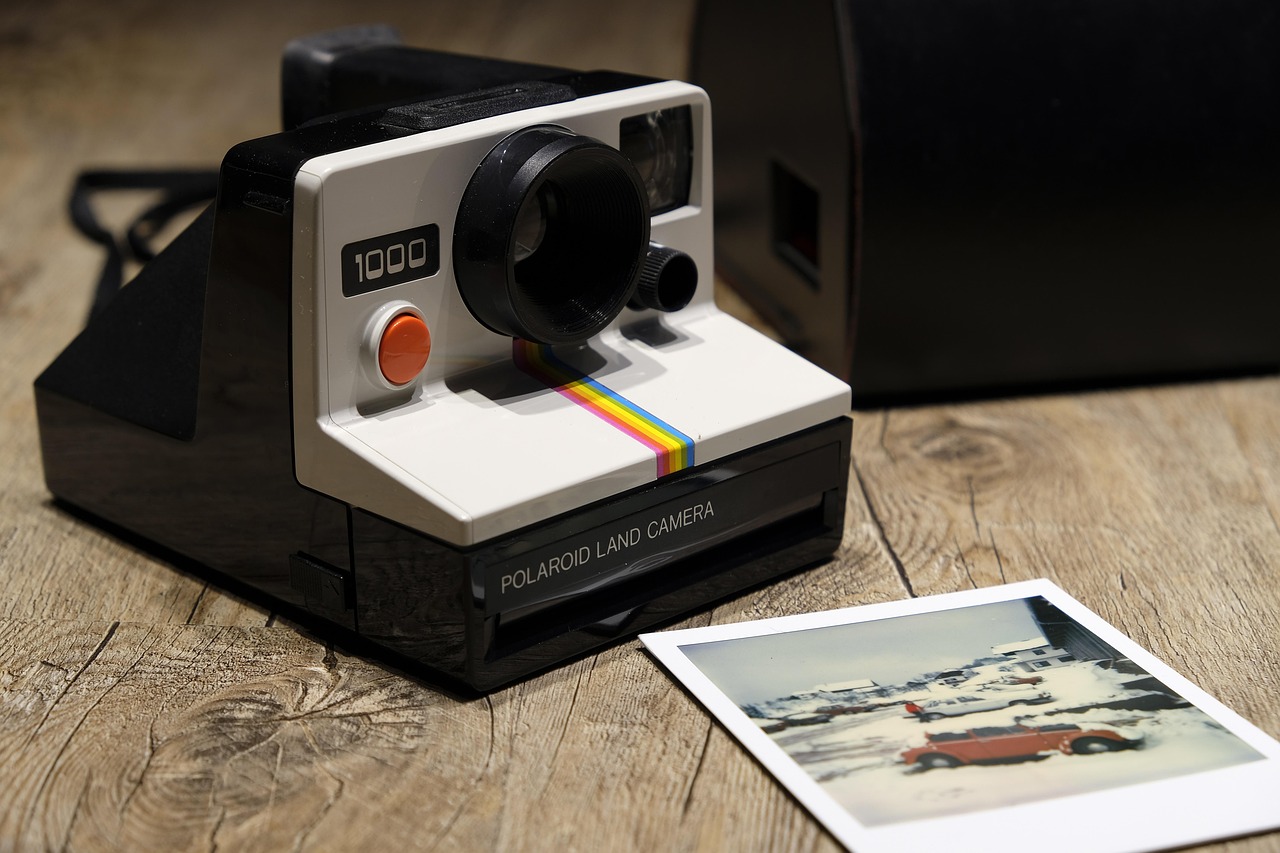
Screw-on wide-angle converters were the quiet heroes of camcorders and compact cameras, often labeled 0.5× or 0.66× and kept in a side pocket of the bag. They pulled more of a cramped room into view, even if the corners went soft, highlights flared, or a little vignetting crept in at the edges, especially under indoor lamps. For home videos and birthday photos, that tradeoff was worth it, because the scene finally had context: the cake, the crowd, the decorations, and the messy kitchen all together, proof that wide-angle could be a practical fix when space ran out, and when a memory needed the whole room in view.