Europe’s most loved cities and coastlines are still welcoming, but the patience for holiday chaos has thinned. Crowded streets, fragile monuments, and late-night party zones have pushed local leaders to treat “bad tourist behavior” less like an annoyance and more like a public order issue. The result is a patchwork of rules that feels surprisingly specific: what people wear beyond the beach, where tour groups may stand, and even how hikers prepare for a trail. In many places, enforcement is now visible, not symbolic. Fines and expulsion orders are no longer rare headlines. They are becoming part of the travel backdrop, reshaping how destinations protect residents, culture, and the everyday rhythm that makes a place feel real.
Canal Stunts That Trigger Fines And Bans

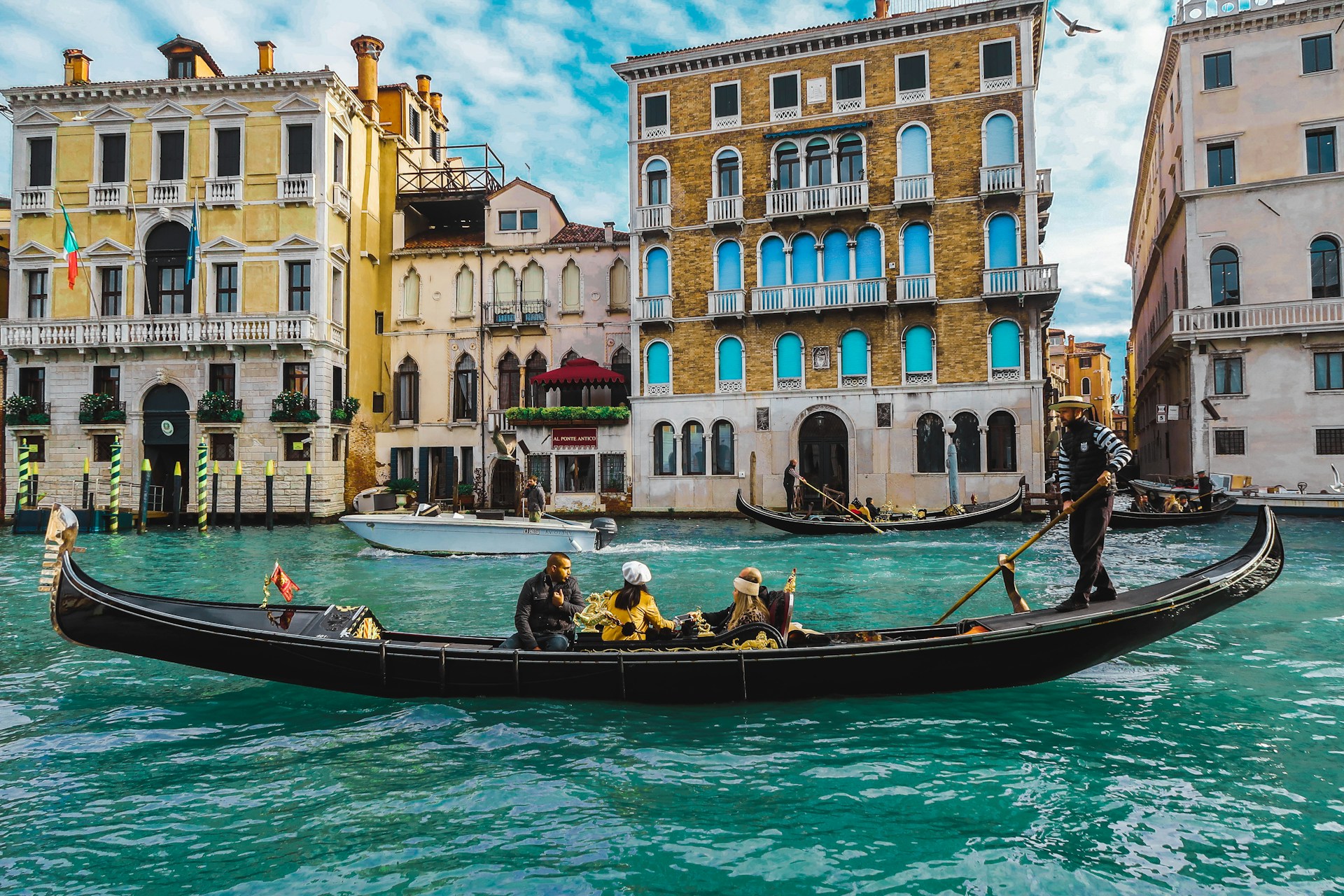
Venice has become a symbol of how quickly a city can snap from postcard to pressure cooker. Local rules prohibit bathing, diving, or swimming in canals, and authorities increasingly treat canal stunts as crowd-control problems as much as safety risks, issuing fines and, in some cases, short-term bans from the city when antics draw a cheering ring of phones. The aim is practical: keep waterways clear for boats and rescue access, and stop viral dares from turning algae-slick edges, low bridges, and historic steps into a chaotic obstacle course during peak days, when daily life still has to pass through intact, too.
Resort Codes That Ban Street Drinking And Public Indecency

Portugal’s party resorts are tightening the screws, aiming to reshape reputations built on headline-friendly chaos. In Albufeira, a code of conduct targets street drinking and public urination, and also bans nudity or near-nudity in ordinary public areas, including walking around in swimwear away from beach and pool zones, with fines meant to make “just a laugh” suddenly expensive. The intent is cultural as much as legal: signal that nightlife can exist without turning sidewalks into stages, and that residents are not extras drafted into someone else’s weekend story as the town tries to broaden beyond the stag-do brand.
Dress Rules That Keep Swimwear On The Beach
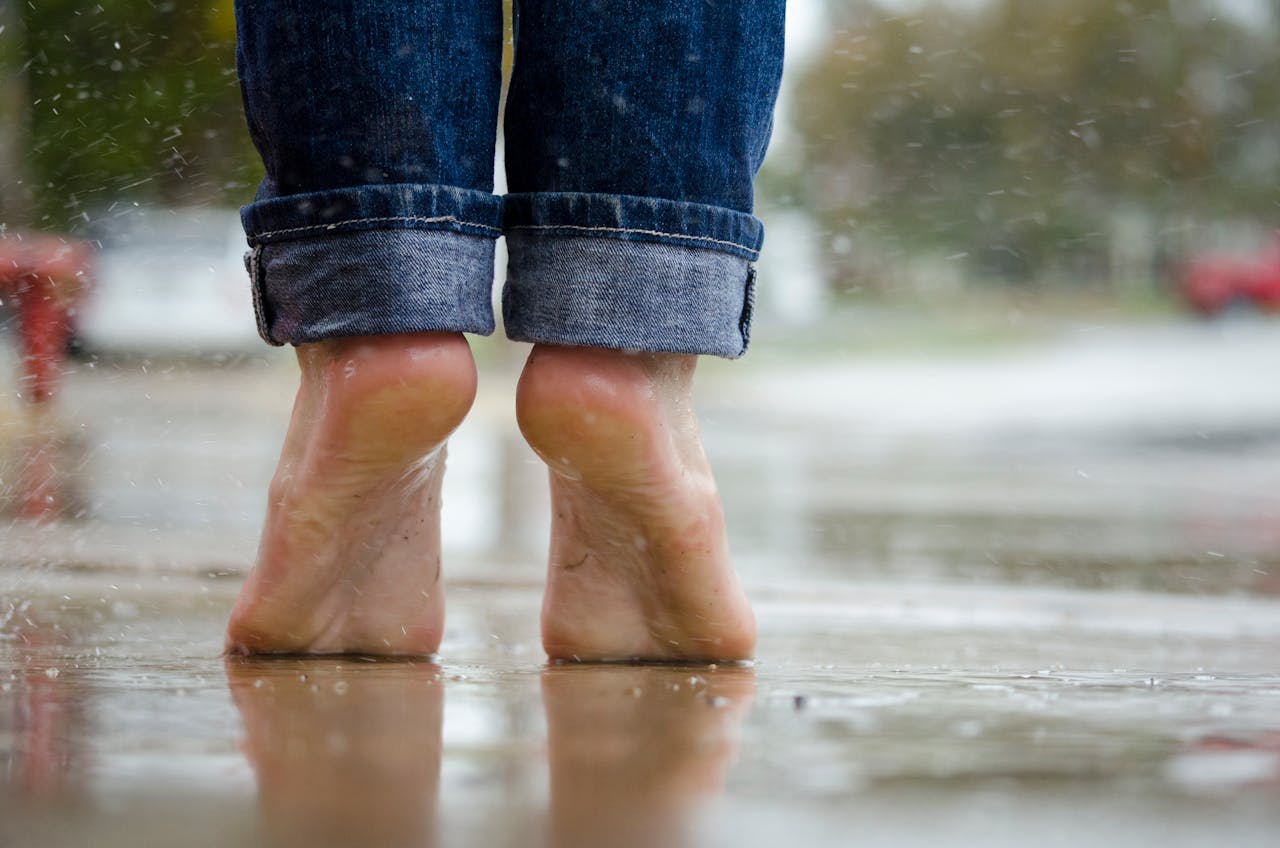
Beach culture travels easily, but many European old towns are drawing a bright line between sand and streets. Venice fines people who wander the city bare-chested or in swimwear, and similar decency rules are enforced in historic centers where narrow lanes lead past churches, schools, grocery shops, and ferry stops, not just bars and gelato counters. The point is social, not snobby: a cover-up makes it easier for locals to share buses, doorways, and public squares without feeling that daily life has been turned into a themed beach set. It also reduces conflicts when cafés and shops refuse service without debate, too.
Monument Protection That Stops “Resting” In Iconic Spots

Some crackdowns are aimed at the exact spot where a photo is taken, not the people taking it. In Rome, sitting on the Spanish Steps has been restricted and can bring fines, a policy framed as conservation after major restorations made the stone feel newly vulnerable to picnics, sticky cups, and shoes grinding dirt into soft edges. Officers often enforce it with quick whistles and a firm wave along, shifting the crowd to nearby plazas where resting is welcomed, and leaving the staircase to do what it was built for: connecting spaces, not absorbing them when the steps would otherwise become a slow-moving carpet of bodies.
Party Controls That Shut Down Organized Pub Crawls

Nightlife has always been part of Europe’s magnetism, but some cities are drawing a line around organized chaos. Barcelona has moved to ban pub crawls citywide, restricting the promotion, planning, and running of these bar-to-bar routes and even limiting the advertising that recruits fresh groups each night. The approach recognizes a pattern locals know by heart: once a crowd becomes a moving drinking event, shouting and litter follow, public spaces turn into spillover bathrooms, and the morning cleanup becomes another tax on neighborhood life. City leaders frame it as protecting rest, safety, and public health too.
Fines That Target Public Urination Including In The Sea
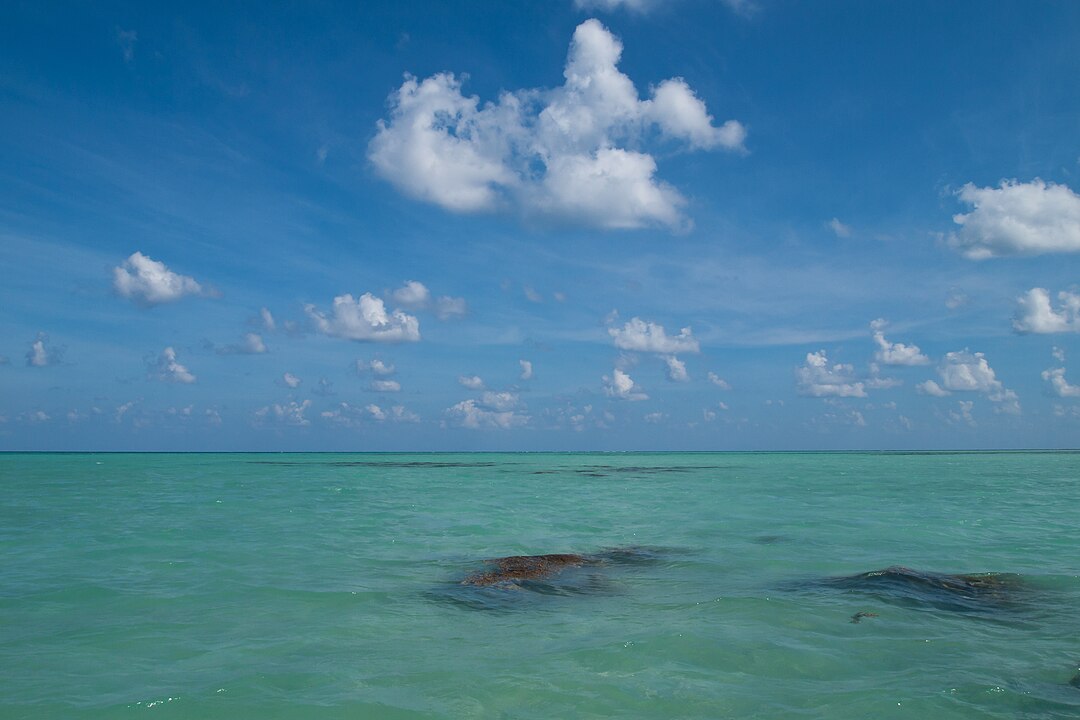
Coastal resorts are getting blunt about the one behavior nobody wants to see discussed on postcards. In parts of Spain, public urination is explicitly fineable, and some municipalities include urinating in the sea, framing it as a sanitation and health concern rather than a harmless late-night shortcut after bars close. Signage, patrols, and reports from locals have turned what used to be shrugged off into a charge that can follow a visitor home, reminding everyone that beaches are public spaces with rules, not disposable party floors. The goal is simple: fewer outbreaks of disgust, fewer conflicts, and cleaner mornings.
Tour Rules That Shrink Groups And Reroute Hotspots

Crowd management is no longer only about numbers; it is also about where those numbers are allowed to gather. In Amsterdam’s city center, guided tours face strict rules, including limits on group size, curfews for tour times, and routes that cannot pass prostitution windows, a direct response to congestion and the feeling of being stared at as a spectacle. By shrinking groups and tightening paths, the city tries to protect residents, workers, and the basic flow of bikes, trams, and foot traffic through streets that were never designed for tour buses on legs. It also nudges guides to lower the volume and ditch megaphones.
Trail Enforcement That Turns “Flip-Flop Hiking” Into A Ticket

Misbehavior is not always loud; sometimes it looks like someone sliding down a cliff path in flip-flops. In Italy’s Cinque Terre National Park, officials have highlighted footwear checks, possible fines for unsuitable shoes, and even one-way systems on the busiest trail segments, arguing that injuries strain rescue crews and that bad footing accelerates erosion. It is enforcement framed as safety, yet the subtext is clear: nature tourism comes with responsibilities, and the “quick scenic hike” is treated like a real hike, with real consequences when corners are cut especially when crowds surge on sunny weekends.