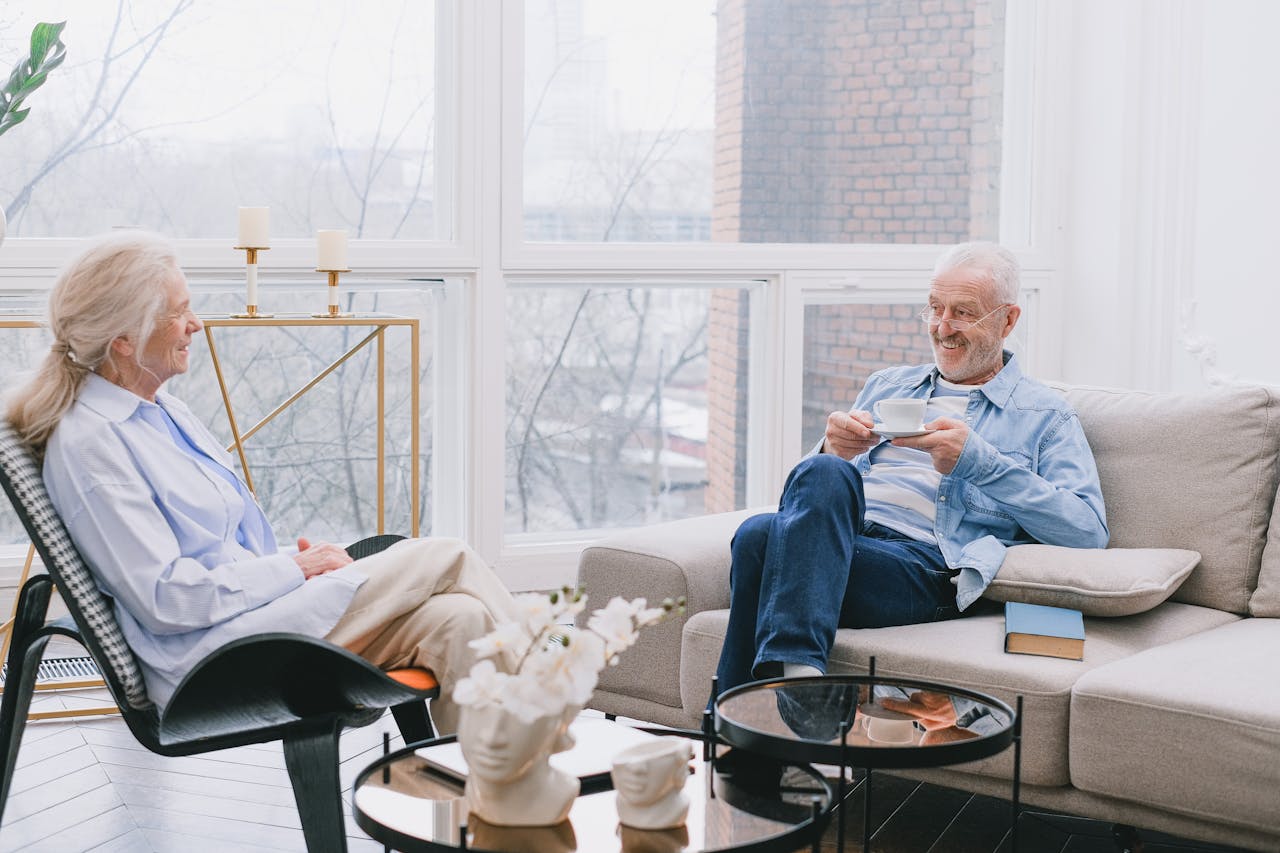
Baby Boomers, born from 1946 to 1964, now span late-career years through full retirement, with the oldest turning 80 in 2026. Across that arc, many choices that once signaled success now feel like costly noise, even when the habit still feels familiar.
What changed was not taste alone. Prices rose, digital pressure intensified, and time itself became a stricter budget. That combination nudged priorities toward fewer upgrades, fewer status purchases, and fewer obligations that drain attention. The shift is less about giving up and more about protecting peace, money, and mental bandwidth in everyday life.
One. Chasing Every New Gadget Drop

Many Boomers no longer treat annual phone launches as mandatory. The promise is always smoother cameras, brighter displays, and smarter assistants, but the lived tradeoff is familiar: migration hassles, new app fees, and another accessory cycle that rarely changes daily outcomes in a meaningful way.
That hesitation matches the market mood. IDC’s 2025 outlook, reported by Reuters, trimmed smartphone shipment expectations as costs and uncertainty pushed consumers to hold devices longer. Waiting now reads as disciplined decision-making, not reluctance, because reliability often delivers more value than novelty.
Two. Getting Pulled Into Social-Media Drama

Boomers did not abandon social platforms altogether. They reduced emotional exposure. Pew’s 2025 survey still shows notable use among adults 65+, including Facebook and YouTube, so the story is not disappearance from digital life. It is deliberate boundary-setting with clearer limits around what deserves a reaction.
Muting feud-heavy feeds, stepping out of outrage loops, and favoring smaller circles now works like preventive care for attention. Instead of tracking every viral dispute, many prioritize direct calls, trusted groups, and local conversations that end with clarity rather than lingering tension.
Three. Keeping Up With Fast-Fashion Cycles

Fast fashion once looked like harmless variety: low prices, quick trend turnover, and a steady excuse to refresh. Over time, many Boomers saw a different equation, with clothes wearing out quickly, closets filling up, and repeat spending creating clutter without lasting satisfaction, comfort, or value.
The environmental side sharpened that rethink. EPA data show millions of tons of U.S. textiles in the waste stream, and UNEP estimates fashion contributes a meaningful share of global emissions. Buying fewer, better-made pieces now feels less like sacrifice and more like relief with purpose and lasting wear.
Four. Attending Chaotic, Unreserved Events
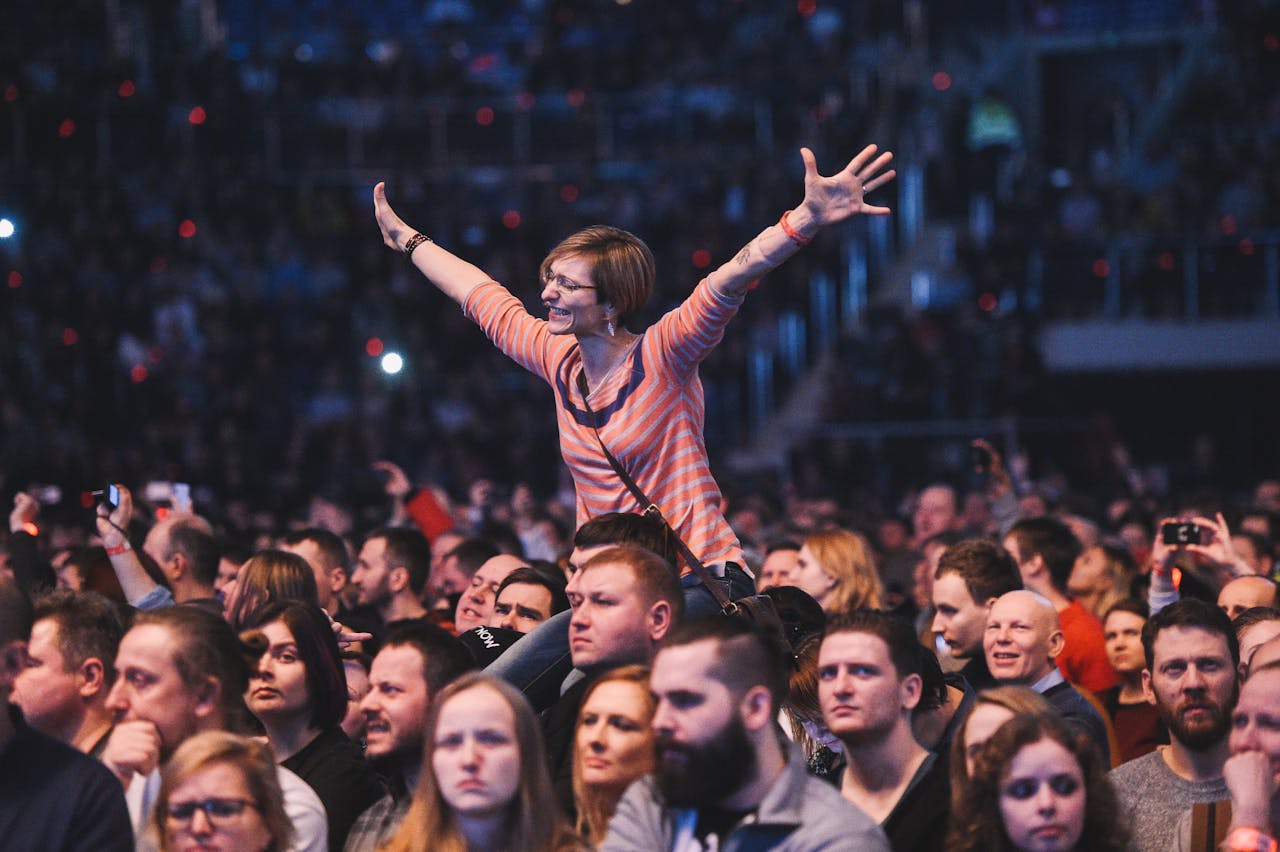
Crowded, first-come events once felt electric. For many Boomers now, they feel like logistics stress wrapped around a ticket: early-arrival pressure, uncertain sightlines, standing fatigue, noisy exits, and long lines that can drain energy before the main event even starts and after it ends.
Prices deepened that fatigue. BLS data show admission costs for sporting events rose far faster than overall consumer prices from 2000 to 2025. When comfort falls as cost rises, reserved seating, smaller venues, matinees, and off-peak schedules become the more rewarding version of entertainment for the same budget.
Five. Spending for Status Alone
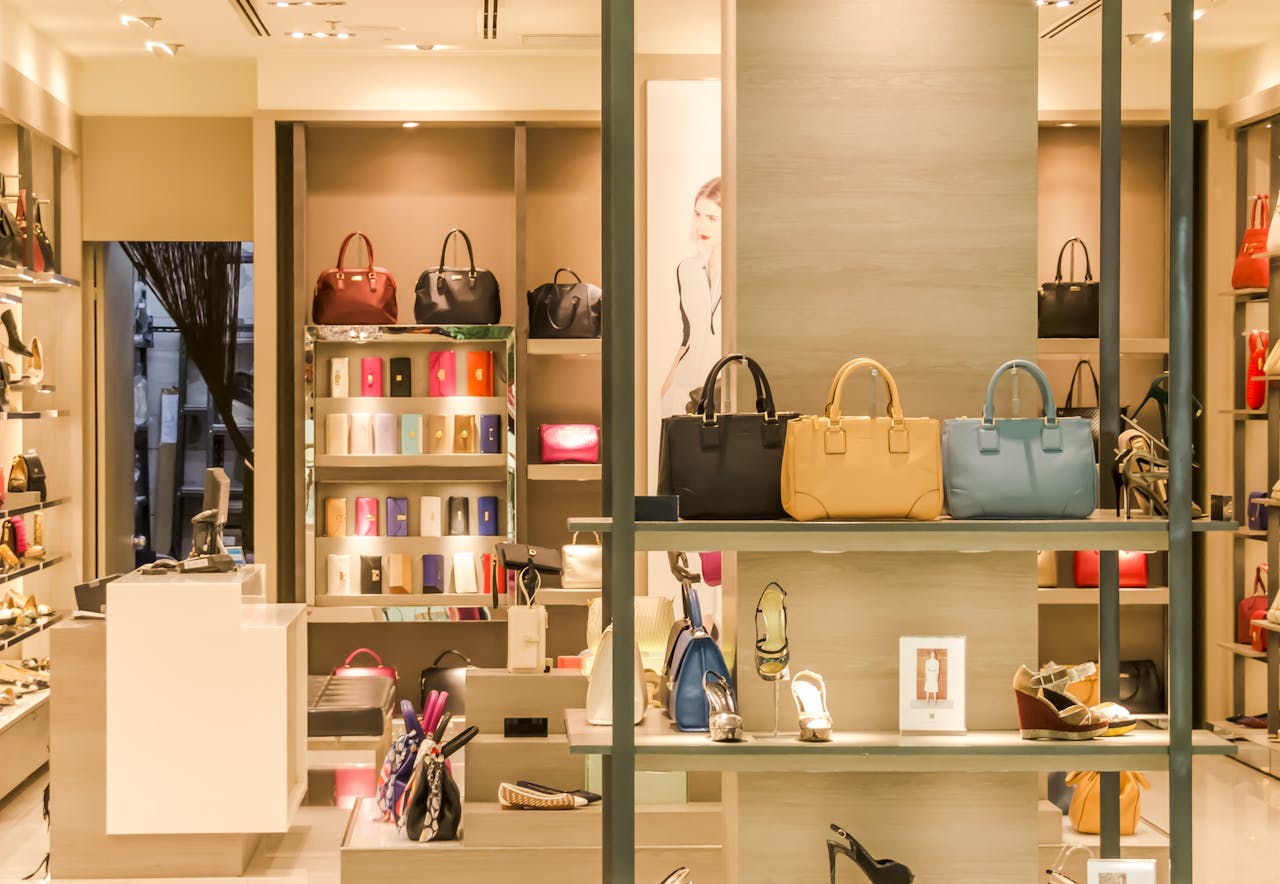
Status buying also lost part of its old pull. Logo-heavy purchases once worked as shorthand for success, but repeated markups, trend churn, and quieter priorities changed the equation. Many Boomers now ask a simpler question: does this item improve daily life, or only perform status in public?
Industry signals support that shift. Bain’s 2025 luxury tracking described mild erosion in personal luxury goods while experience-led categories held stronger ground. That pattern helps explain why discretionary budgets now move toward travel, family gatherings, and durable essentials before another symbolic purchase.
Six. Losing Energy to Small Office Politics

Workplace politics is another pursuit many Boomers deliberately downgraded. Petty credit battles, rumor cycles, and performative urgency can consume hours without changing outcomes, especially in hybrid teams where misunderstanding often spreads faster than context, responsibility, or follow-through.
Gallup’s 2025 workplace data show stress remains high globally, including in the U.S. and Canada. Against that backdrop, selective engagement looks practical: document decisions, communicate calmly, escalate material issues only, and protect energy for work that is measurable, useful, and hard to dispute over time.