A new U.S. city can feel like proof that hard work is finally about to pay off. For many new Americans, the first months are fueled by momentum: stronger jobs, bigger networks, and neighborhoods that seem full of promise. Early routines feel manageable, and even the difficult parts can look temporary when everything still feels new and possible.
By the end of year one, the picture often sharpens. Rent renewals, commute fatigue, weather extremes, and slower social integration begin to stack up. The cities stay attractive, but daily life can feel more expensive, more demanding, and less forgiving than the welcome phase first suggested to them.
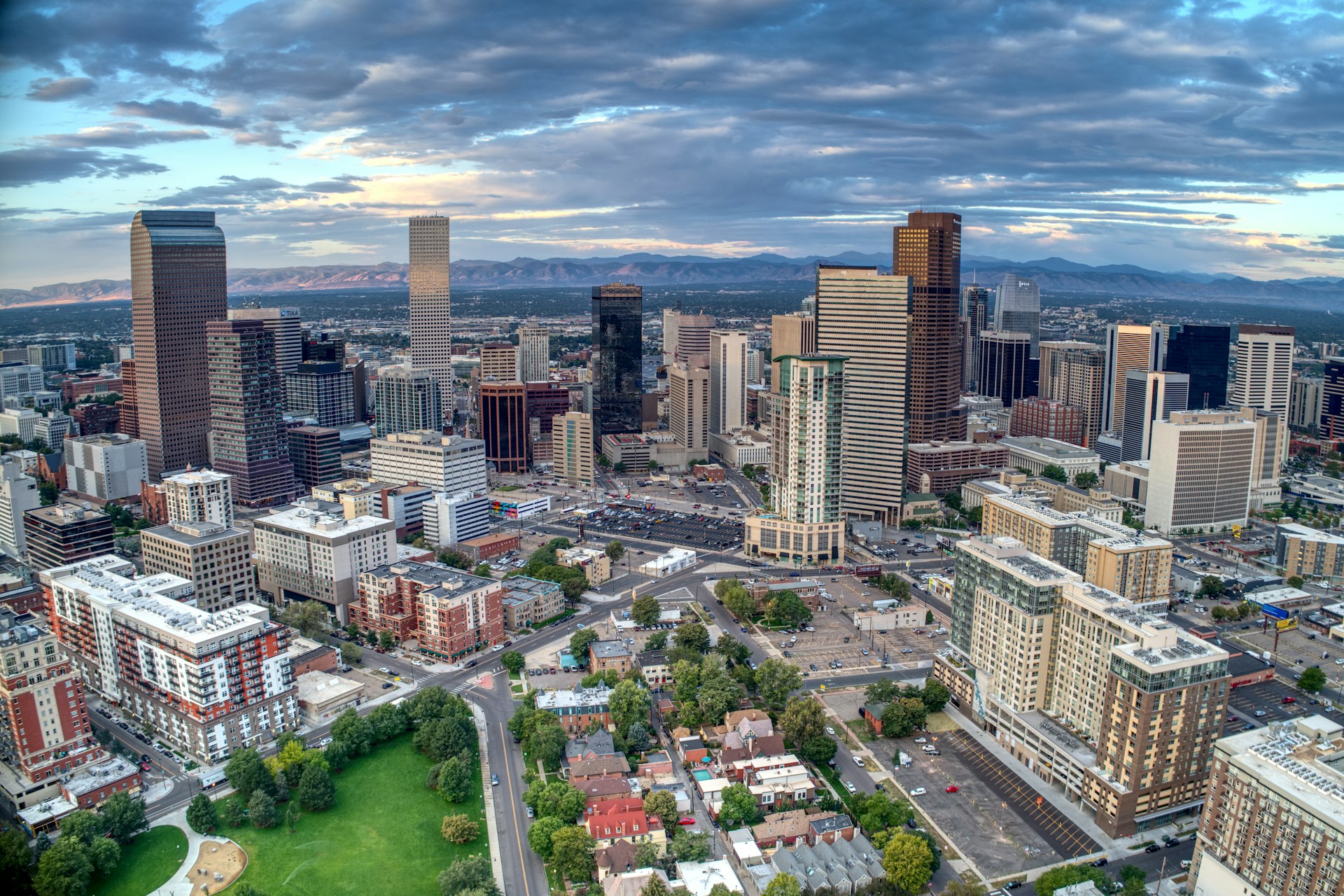
Denver, Colorado
Denver often feels like a smart first pick for new Americans. It promises mountain access, steady hiring in healthcare, tech, and aerospace, and a culture that celebrates movement, sunlight, and weekend adventure. Early months can feel balanced, especially for households trying to mix career growth with outdoor life.
By the first anniversary, pressure often shifts to housing math and air quality reality. Home prices and rents can feel misaligned with salaries, while late-summer smoke episodes can disrupt plans and shrink trail time. Winters also hit harder than many expected, turning a scenic move into a stricter daily routine.
Austin, Texas
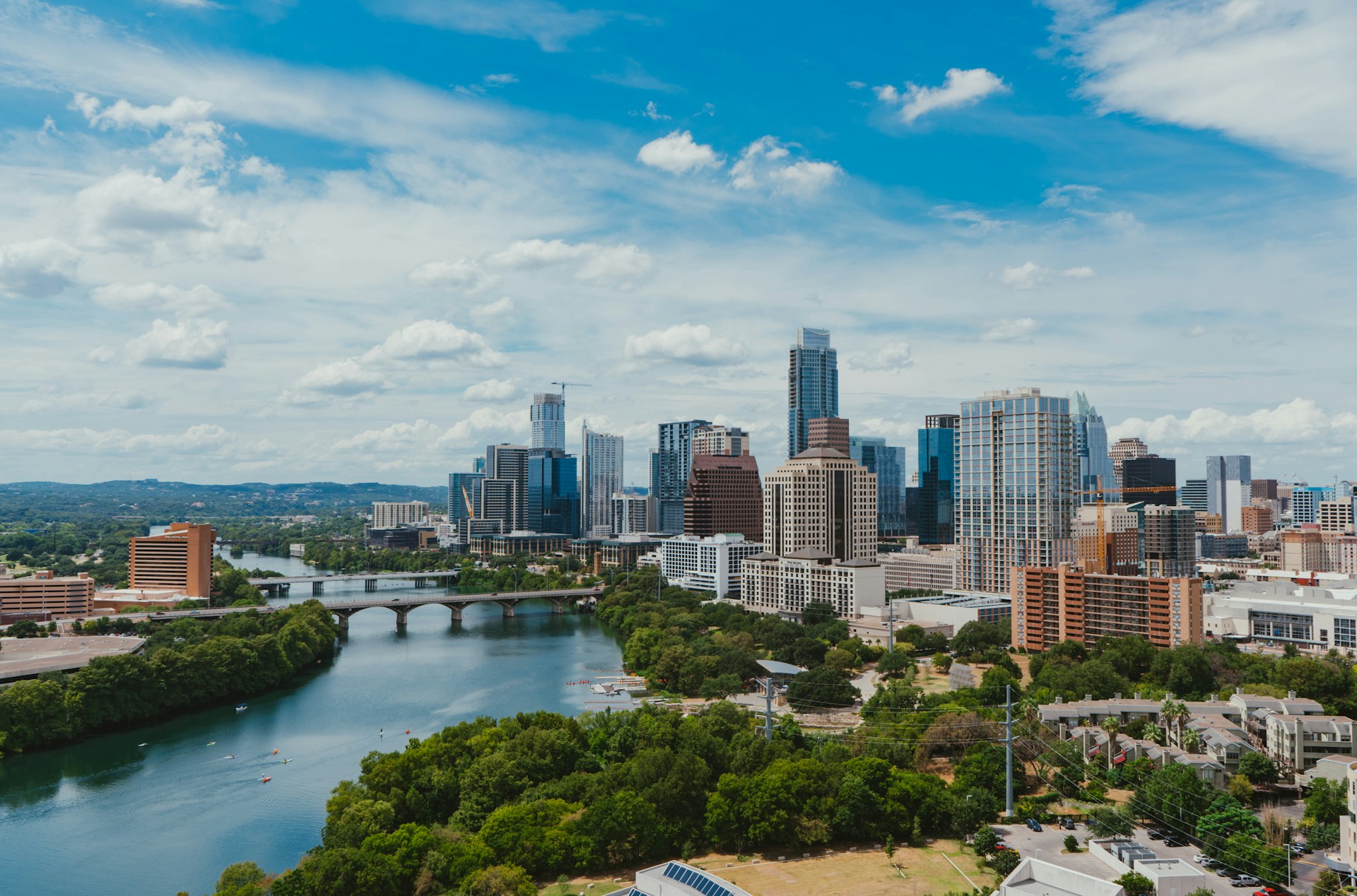
Austin attracts newcomers with creative energy, startup momentum, and the idea that no state income tax automatically means easier finances. Live music, food culture, and a young workforce make the city feel social and open in the beginning. For many arrivals, the first stretch feels fast, bright, and full of possibility.
After a year, many households notice a different ledger. Property taxes can be heavy, traffic often outruns infrastructure, and long periods of extreme heat reduce outdoor time and patience. What first felt energetic can start to feel crowded, expensive, and physically draining during ordinary weekdays now.
Seattle, Washington
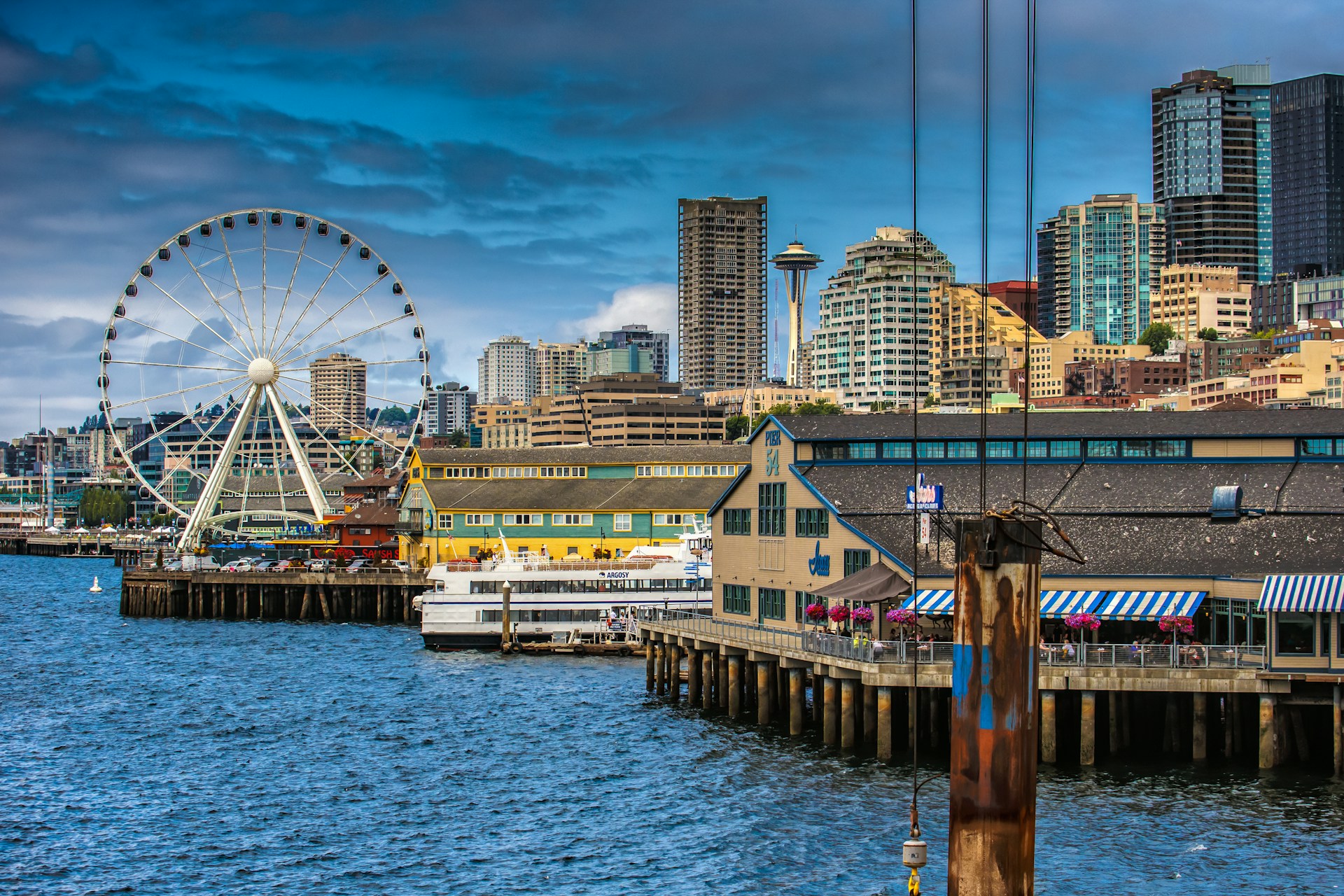
Seattle draws new Americans with strong salaries, global employers, and a landscape that combines water, mountains, and evergreen neighborhoods. The city’s reputation for innovation is real, and early career momentum can make relocation feel like a strategic win. The first months often carry a strong sense of upward movement.
Then the cumulative weight shows up. Gray winters can wear down mood, housing costs absorb large portions of income, and bottleneck traffic around key corridors steals time daily and quietly raises stress. Even with a good paycheck, the city can feel isolating and financially tight once the honeymoon phase is over.
San Francisco, California
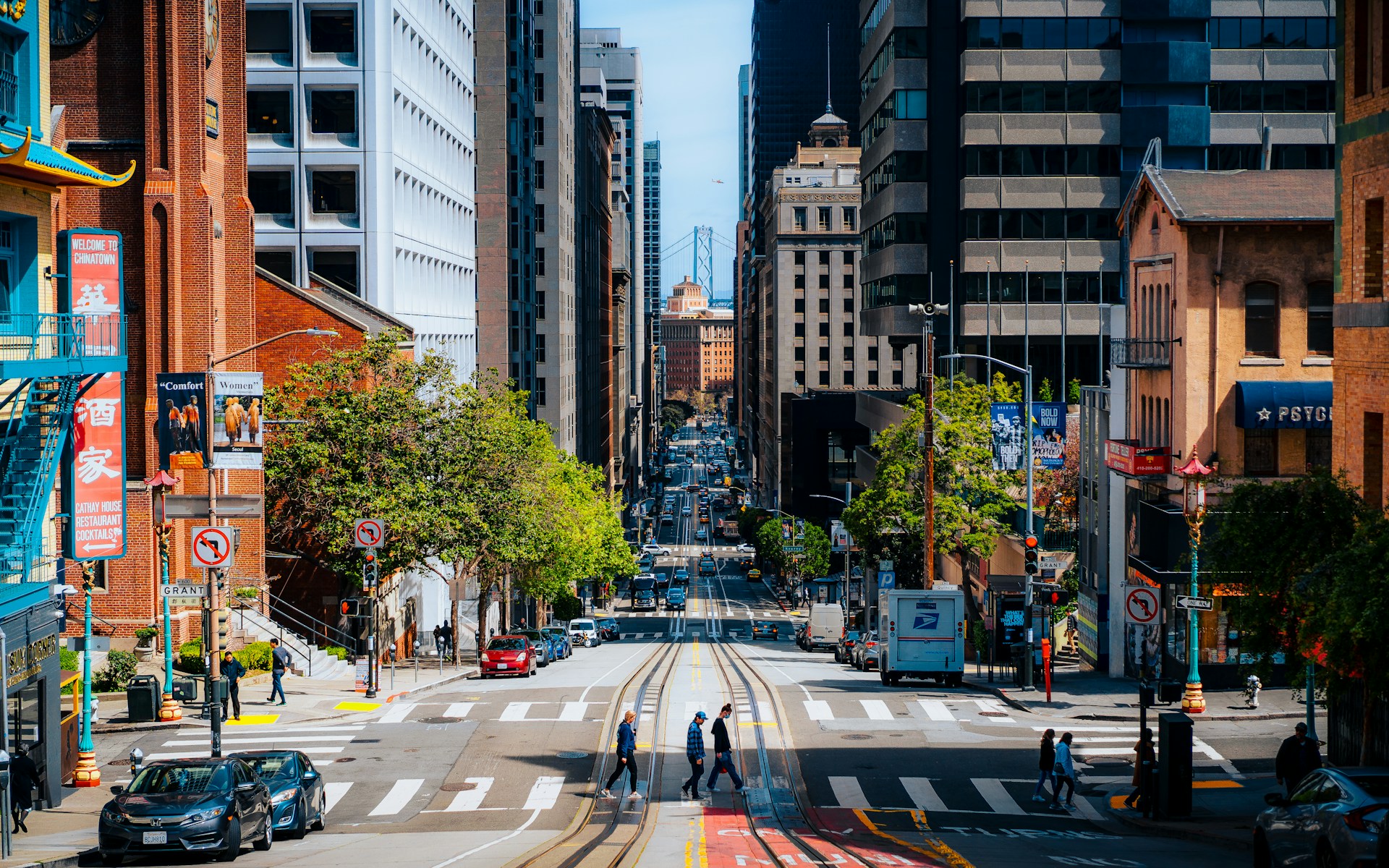
San Francisco still reads like a career milestone for many newcomers. It offers global company access, compact neighborhoods with character, and a cultural identity shaped by technology, history, and art. In the opening months, that mix can feel exhilarating, especially for professionals chasing meaningful networks.
Year one often brings a harder calculation. Rent remains among the nation’s highest, living spaces are often smaller than expected, and visible street disorder in some districts adds daily stress. The city can stay inspiring and opportunity-rich, yet many newcomers find the financial and emotional load difficult to sustain.
Los Angeles, California
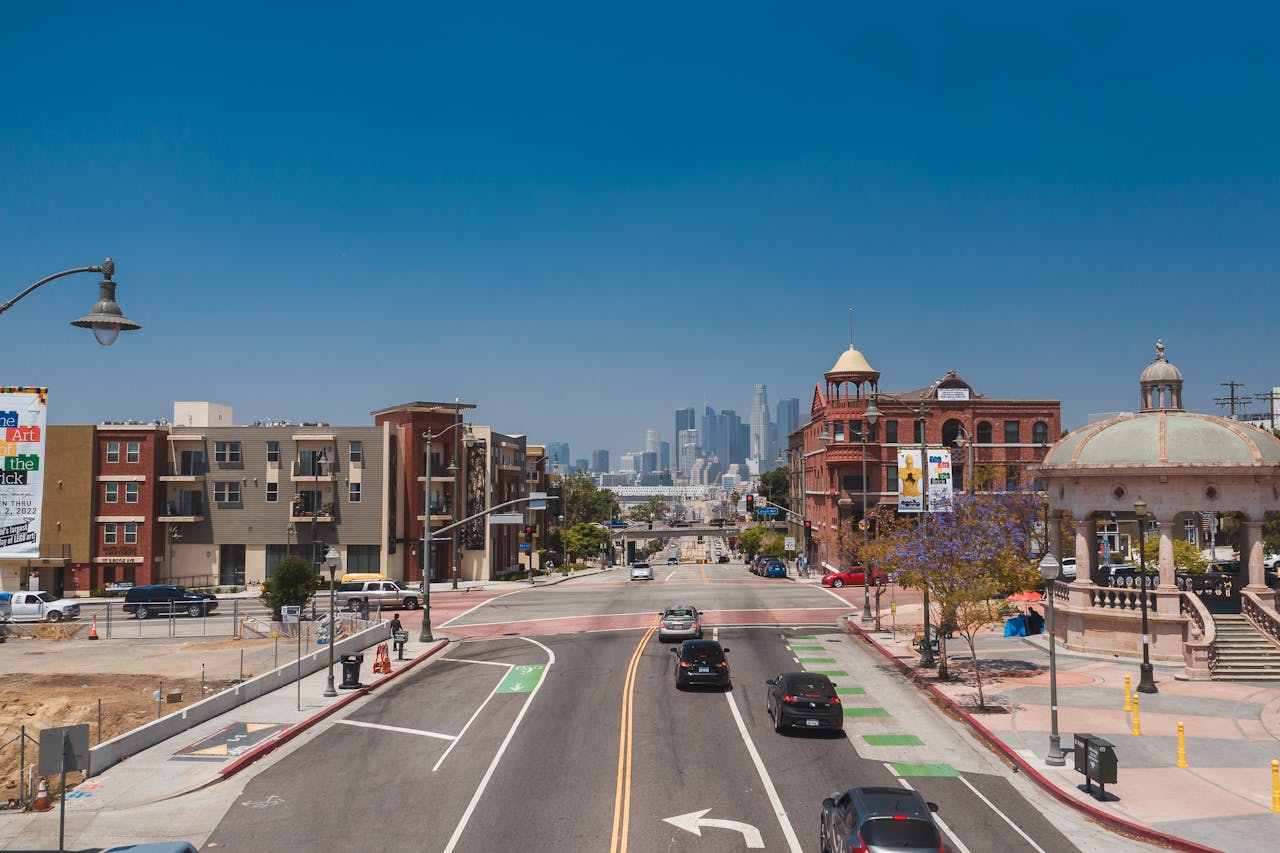
Los Angeles attracts arrivals with creative ambition, cultural diversity, and a climate that seems to support year-round momentum. Entertainment, design, media, and entrepreneurship all feed the belief that reinvention is possible there. At first, that breadth feels liberating and full of practical opportunity.
Daily life, however, is often shaped by distance and congestion. Long commutes can consume hours, housing costs stay high far beyond coastal ZIP codes, and social circles can take longer to build than newcomers expect. The dream remains real for many, but the routine can feel heavier after month 12 and harder to pace.
Nashville, Tennessee
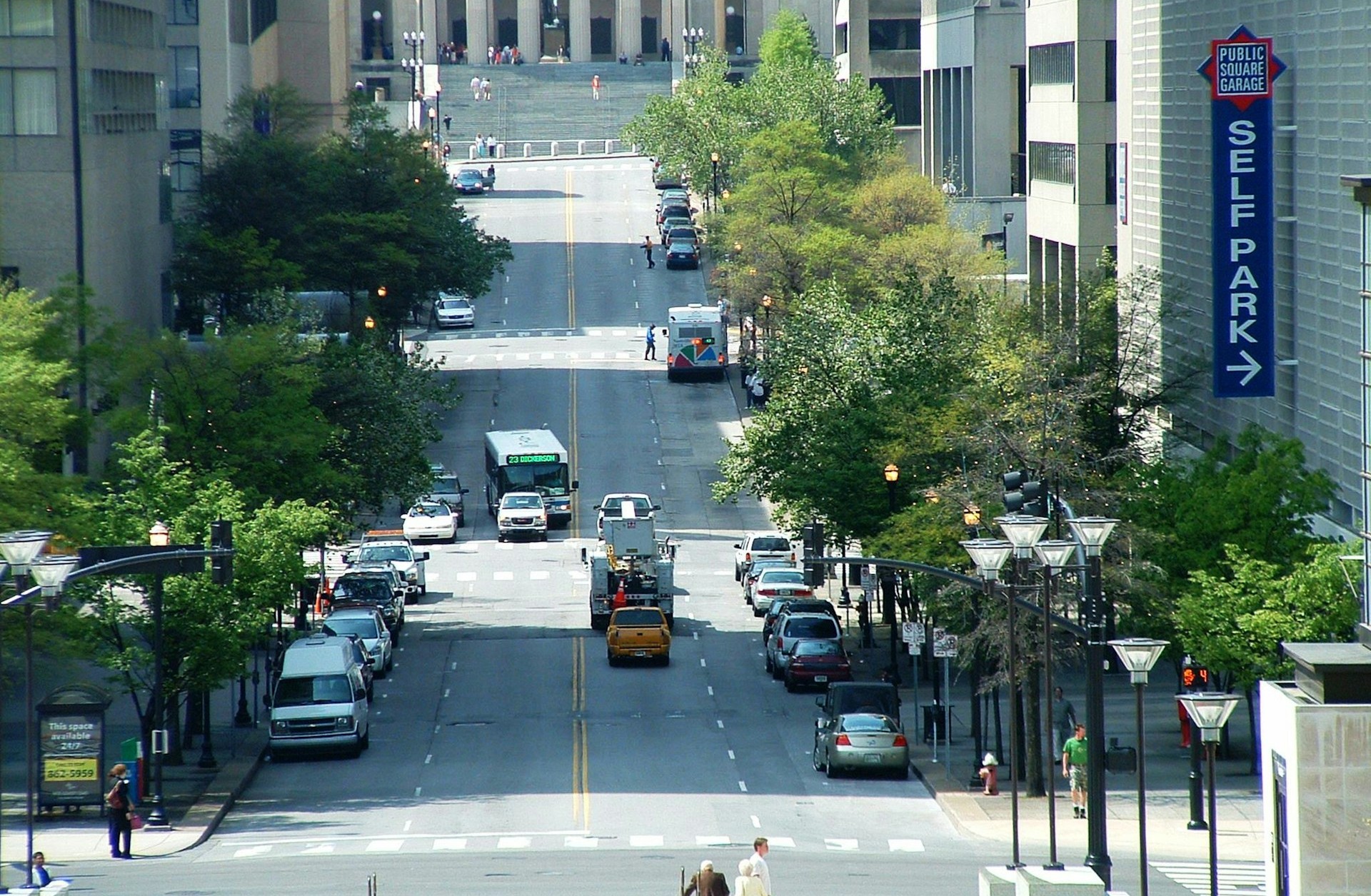
Nashville wins people over quickly with music heritage, visible growth, and a friendliness that feels easier than larger coastal metros. New Americans often arrive expecting cultural energy with manageable costs, and the first months can support that impression. The city feels lively, welcoming, and full of creative signal.
After a year, rapid growth is harder to ignore. Housing has climbed faster than many expected, roads and transit often lag population gains, and tourism-heavy districts can feel crowded beyond peak seasons. What seemed comfortably scaled can start to feel strained in daily routines and monthly budgets.
Phoenix, Arizona
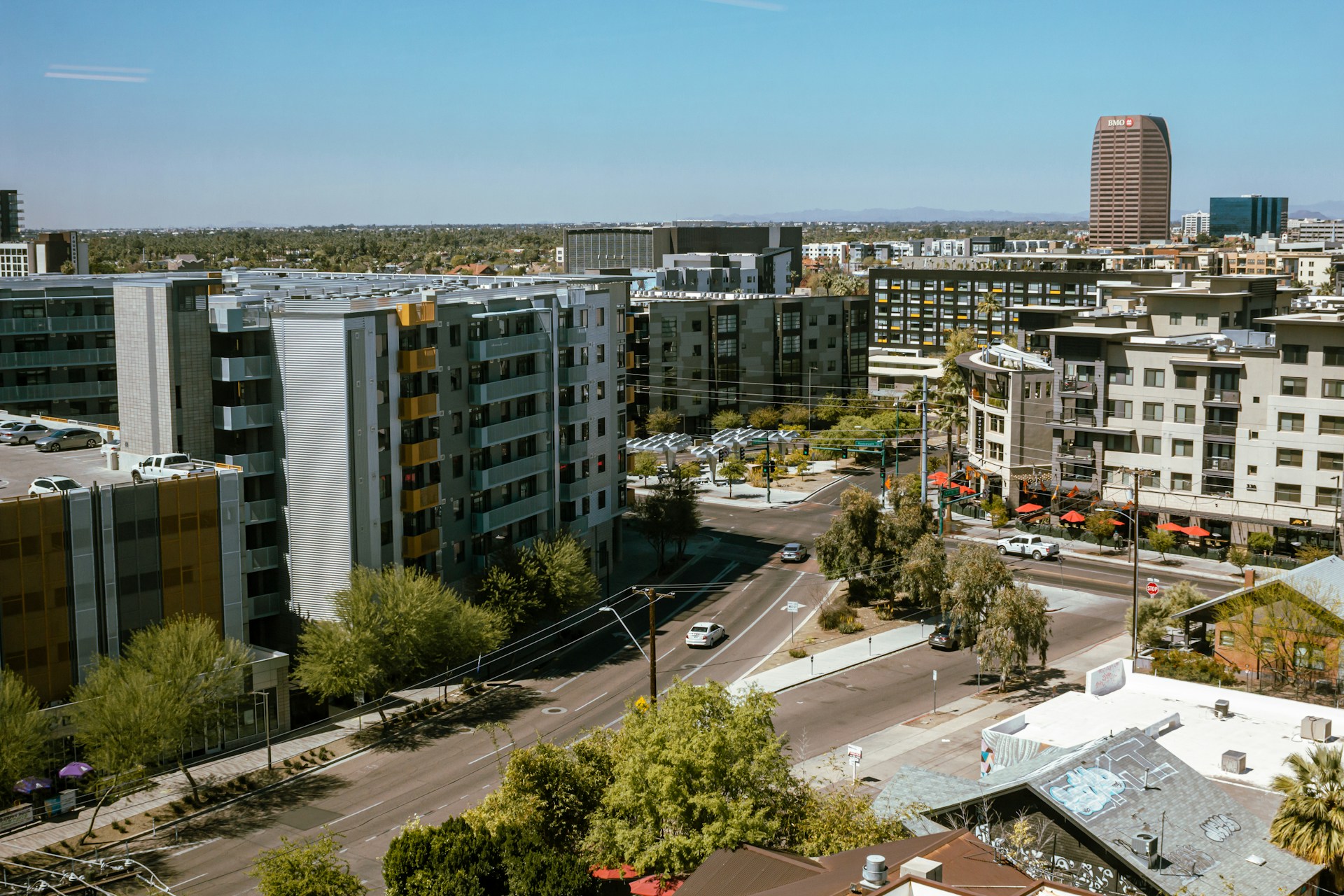
Phoenix appeals to newcomers seeking sun, newer housing stock, and job growth in a metro that long marketed affordability. Winter weather is a major draw for people leaving snow-heavy regions, and early months can feel easier physically and logistically. The city often looks spacious, clean, and practical at first.
The first full summer changes many expectations. Extreme heat stretches for long periods, outdoor life shrinks, and utility bills climb at the same time. Ongoing concern about water security also shapes long-term confidence for some households. What began as relief can feel restrictive by the end of year one now.
Portland, Oregon
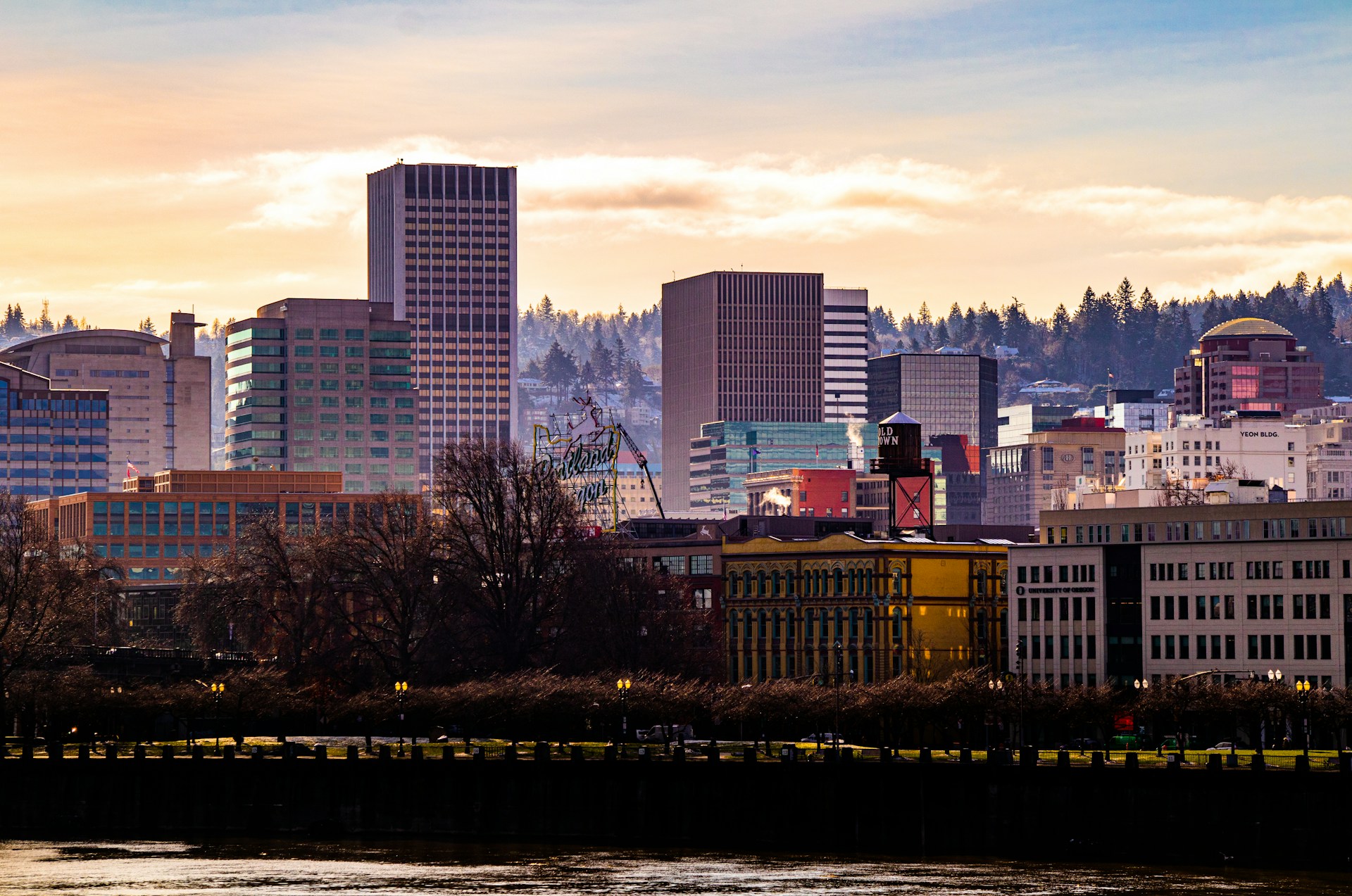
Portland attracts new Americans with creative identity, sustainability values, and strong food culture tied to local producers. Access to forests, coastlines, and mountain routes reinforces its charm, and many arrivals appreciate its neighborhood scale. The first chapter often feels intentional, distinctive, and refreshingly grounded.
Then daily friction becomes clearer. Long gray periods can affect morale, housing costs pressure middle-income budgets, and visible street distress in some areas changes comfort levels on ordinary routes. Portland still offers character and beauty, but living there can require more resilience than expected.
Miami, Florida
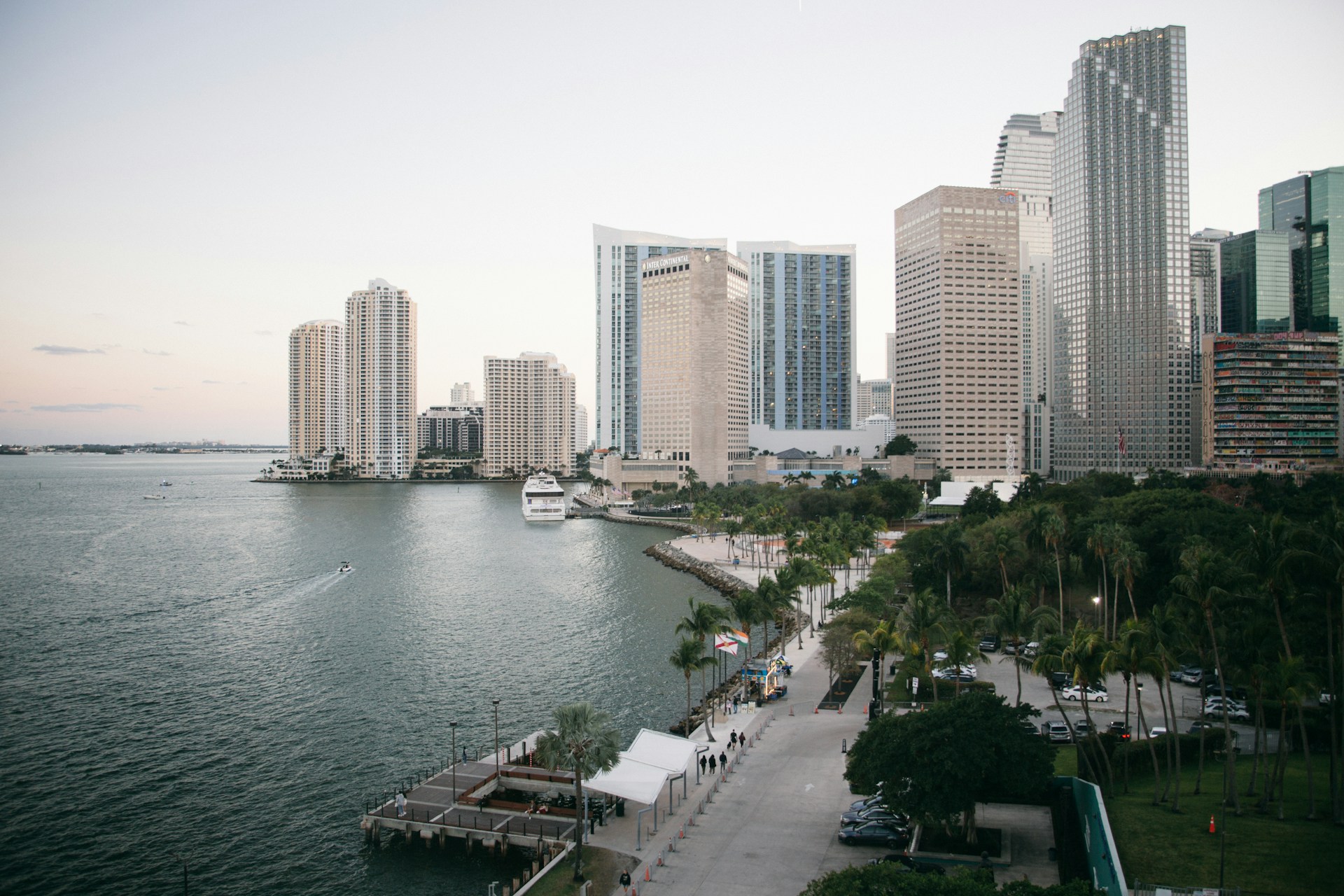
Miami draws newcomers with beaches, global culture, and a high-energy social rhythm that feels international from day one. Warm weather, multilingual neighborhoods, and strong hospitality and service activity create a powerful first impression. For many, the city seems like a place where work and lifestyle can blend naturally.
Over time, the climate and cost structure can wear people down. Heat and humidity remain intense for much of the year, storm risk adds planning stress, and housing plus insurance expenses have risen sharply. What starts as vibrant can feel fast, expensive, and hard to stabilize after the first year.
New York City, New York
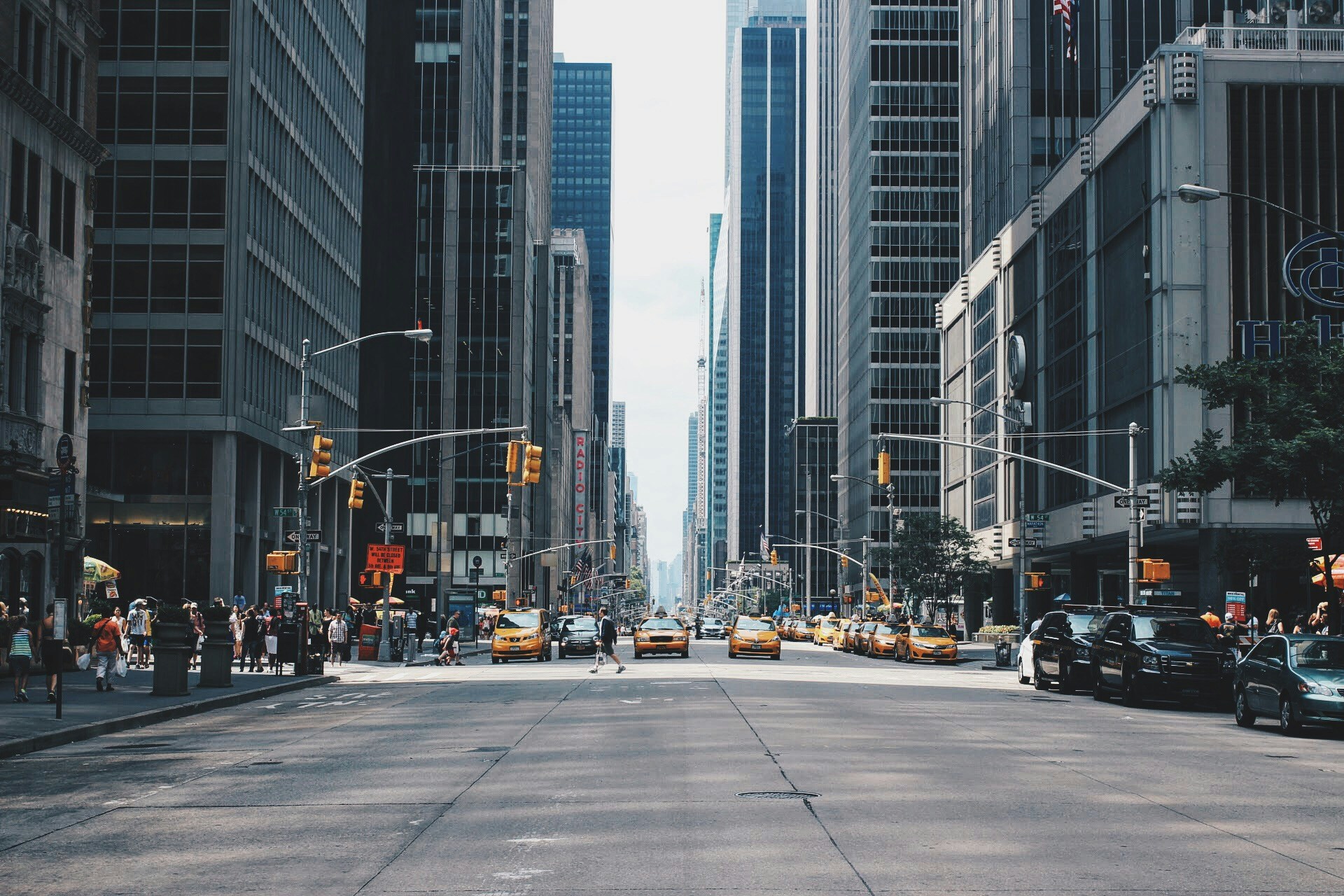
New York remains a magnet for new Americans seeking scale, career acceleration, and unmatched cultural density. Transit access and walkability make the city feel immediately alive, and early months often reward ambition with opportunity. The pace can be thrilling when everything still feels possible.
After a year, the strain can become more visible. High rent, compact apartments, noise, and crowding reshape daily mood, while long work hours make recovery harder. Even people who love the city’s intensity can face burnout when personal space stays limited and quiet time becomes hard to protect each week across all seasons now.
Boston, Massachusetts
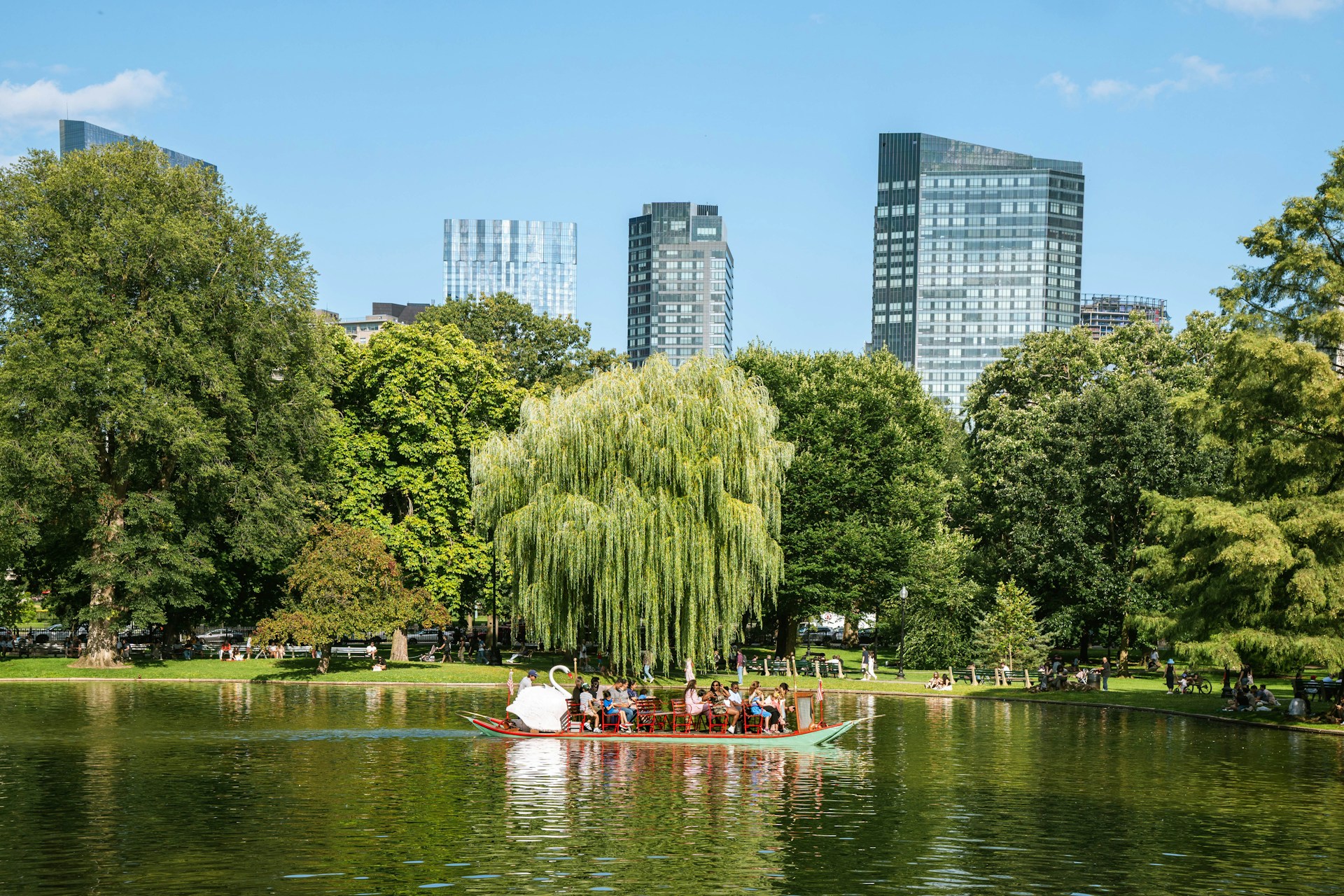
Boston appeals to newcomers through universities, hospitals, research institutions, and a labor market built on knowledge industries. Its walkable core and historic neighborhoods suggest a compact city with long-term career stability. In early months, that structure can feel orderly, focused, and professionally rewarding.
By year one, tradeoffs sharpen. Housing costs rival larger metros, winters can be long and physically draining, and social circles may feel closed to recent arrivals. The city retains real strengths, yet integration often takes more patience than expected, especially for households rebuilding community from scratch.
San Diego, California
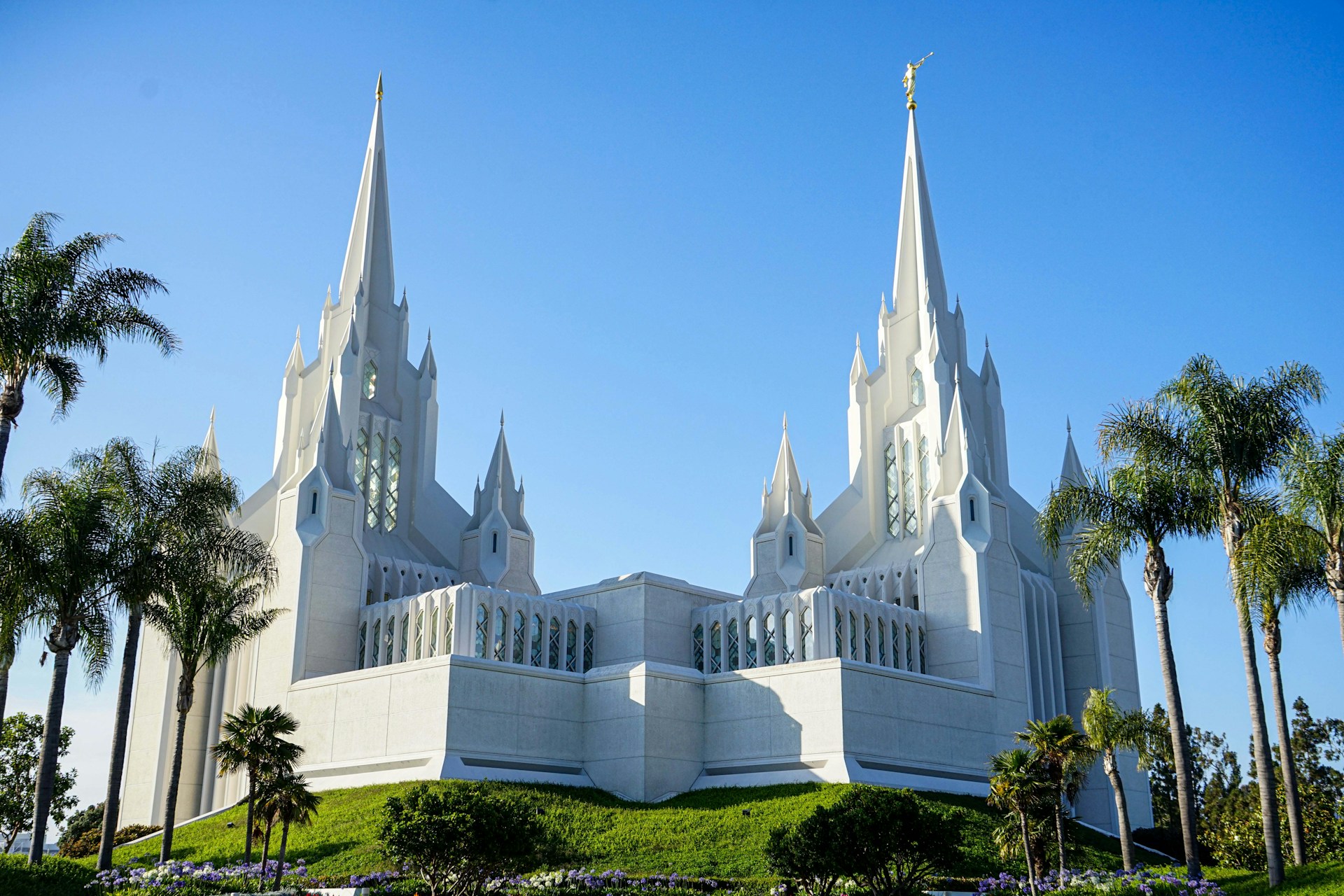
San Diego attracts new Americans with mild weather, coastal access, and a calmer image than other California giants. The region feels polished yet relaxed, and many arrivals believe lifestyle quality will offset ordinary urban friction. In the beginning, that belief often feels justified by daily surroundings.
The harder reality appears in monthly budgets. Housing costs are high, wages do not always match living expenses, and traffic across a spread-out metro can complicate routines. The beaches and climate remain genuine advantages, but many newcomers find that maintaining the promise requires more income than expected over time.