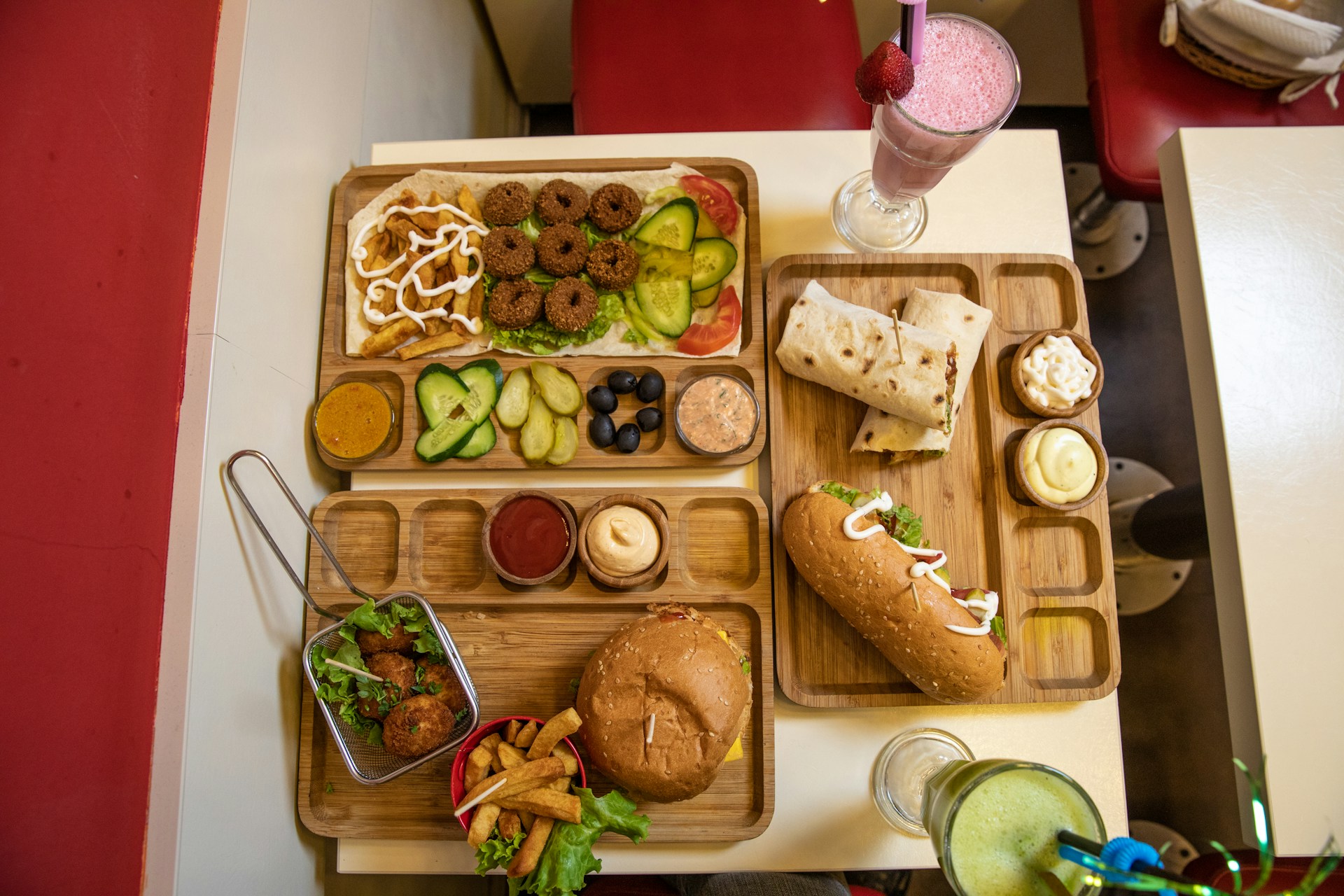
Nostalgia keeps serving these cafeteria throwbacks like comfort food, even when modern palates hesitate at first bite. Midcentury school meals were built for budgets, logistics, and policy goals, not culinary finesse, so trays leaned on starches, canned proteins, molded salads, and dependable dairy. Archival 1955 school menu materials show a lunch culture organized around speed, uniformity, and value. Viral remakes revive that visual language, but the flavor often lands as a vivid time capsule from a stricter, thrift-driven food era that no longer tastes normal to many people, even when it still looks comforting on camera.
Creamed Chipped Beef on Toast
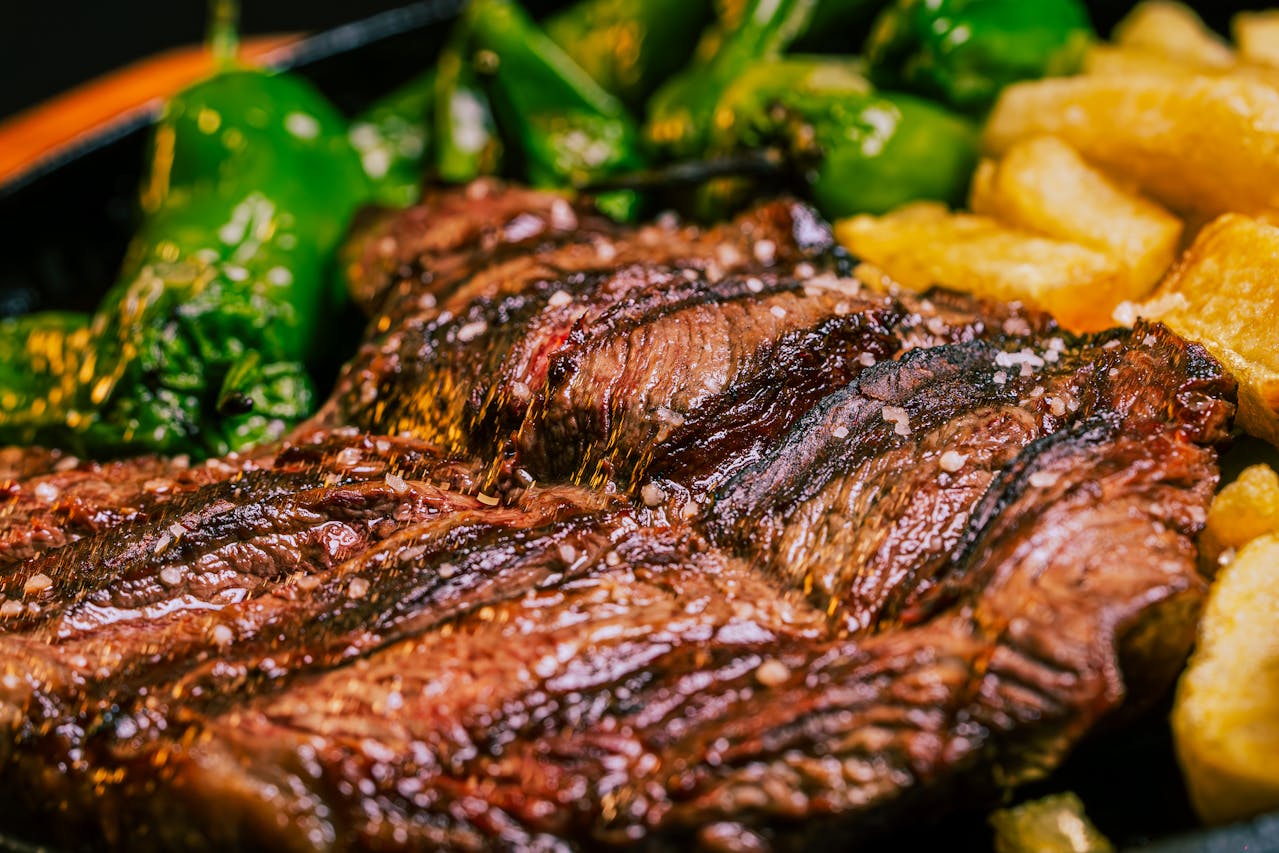
The dish read like pure cafeteria engineering: salted dried beef stirred into a white sauce and spooned over bread at serving speed. A 1955 Type A school feeding menu book even lists creamed chipped beef among standard mains, showing how normal this texture was in everyday lunchroom rhythm across districts.
Today, that same plate often tastes blunt and overly salty to modern eaters who expect brighter seasoning and contrast. Yet recreations keep climbing because the visual is unforgettable, a beige blanket on toast that instantly evokes tray rails, steam tables, hairnets, and the disciplined tempo of postwar school kitchens.
Lime Gelatin Salad
Lime gelatin salad looked playful on a tray, bright enough to signal dessert while still counting as a side in many midcentury menu systems. Archival Type A pages and recipe indexes include fruit gelatin and molded salads, making clear that wobble and shine were treated as practical cafeteria format, not novelty.
Now the texture can feel uncanny, especially beside savory entrées and buttery starches on the same compartmented tray. Still, short clips featuring that jiggle travel fast because the color pops on camera, the shape holds, and the clash between cheerful appearance and strange mouthfeel creates instant comment bait.
Tuna Pie
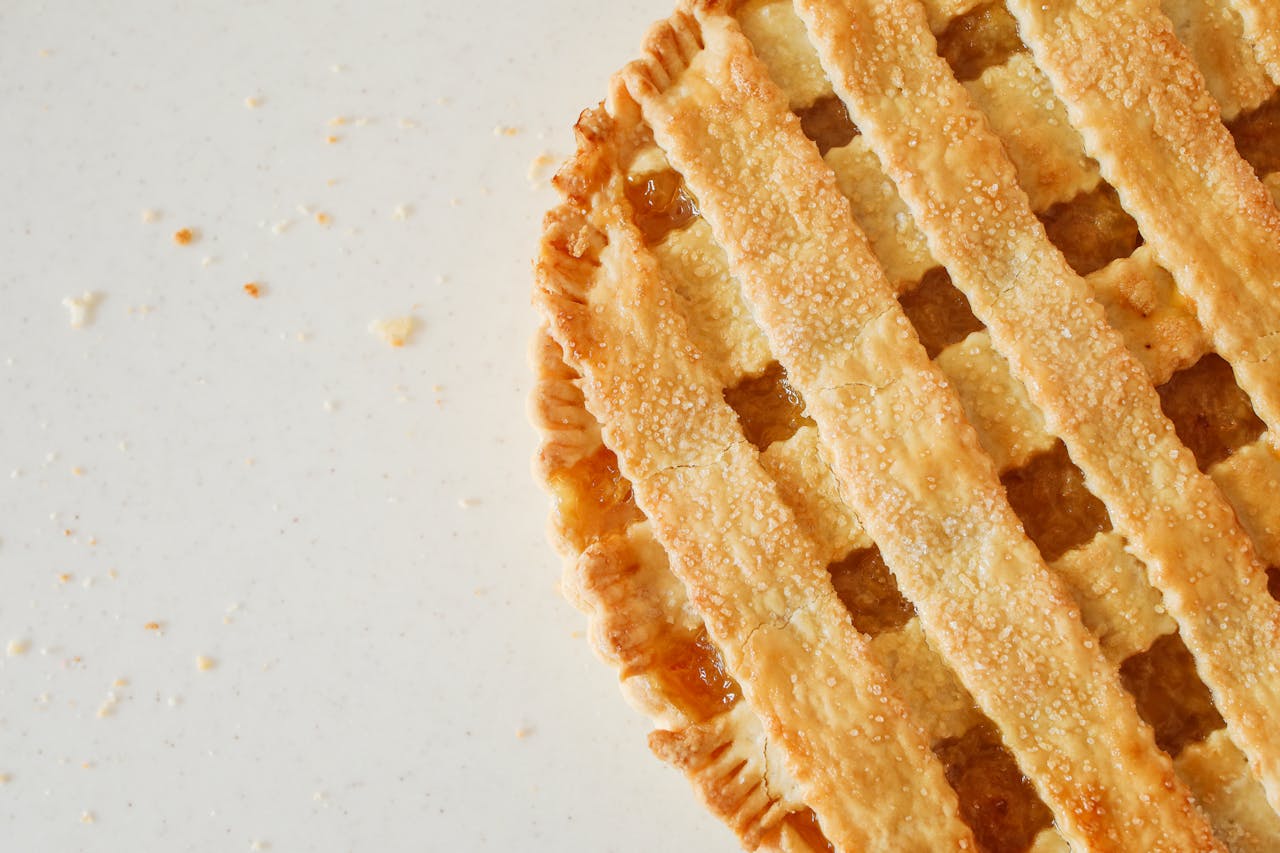
Tuna pie sat in that odd historic zone between casserole and budget protein strategy. Midcentury school menus and recipe lists show baked tuna dishes as ordinary options, built to stretch pantry staples across hundreds of trays without slowing service lines during the tightest lunch periods.
What feels off today is not just the fish, it is the dense, uniform bite and muted seasoning that many modern palates read as cafeteria fatigue. Even so, the dish keeps resurfacing online because the name sounds absurdly dramatic, then reveals a very plain square that sparks equal parts laughter, disbelief, and inherited memory.
Salmon Croquettes With Tomato Sauce
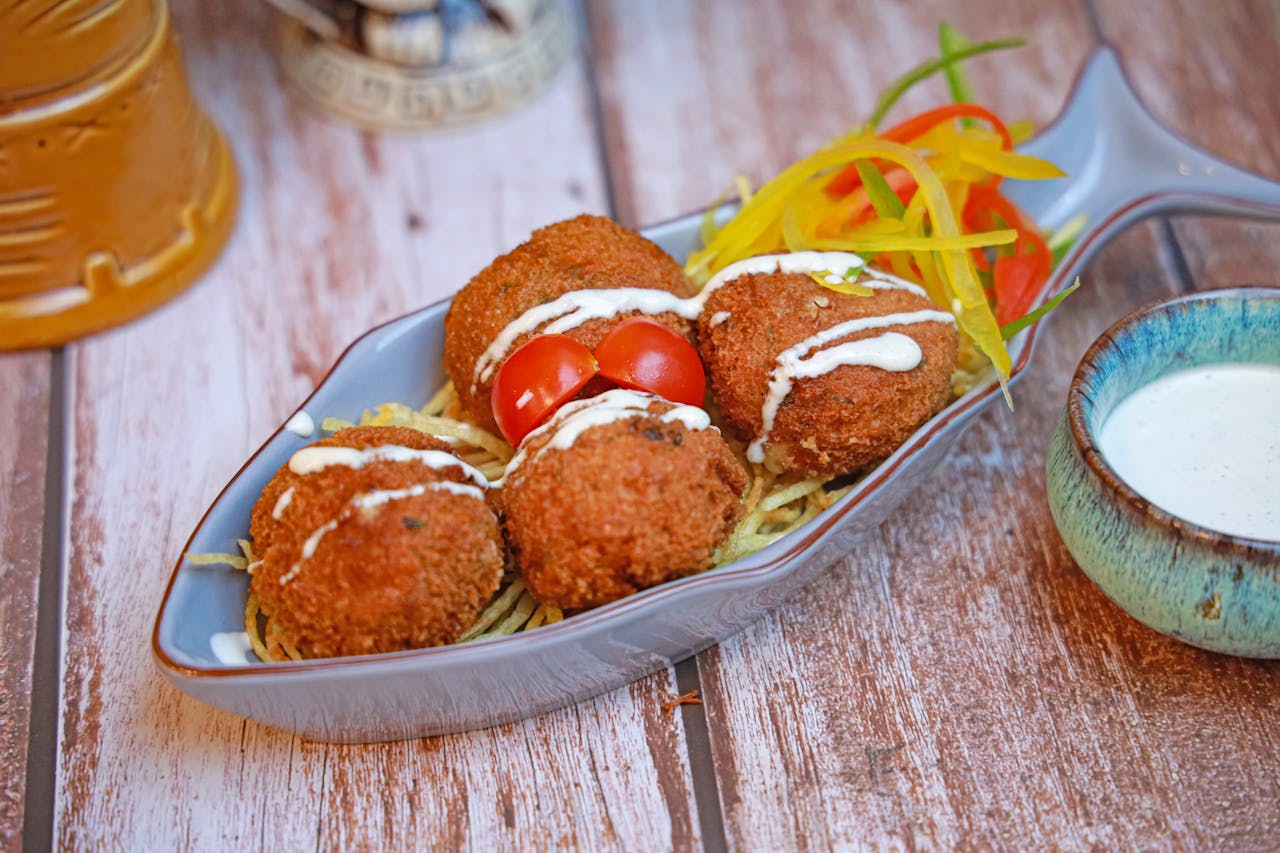
Salmon croquettes with tomato sauce were once framed as a respectable Friday-style main, and period school menu guides place them alongside mashed potatoes and milk. The method made sense: canned fish, binders, and quick frying or baking could feed a crowd while still checking the protein box for Type A planning goals.
Modern reactions are often split between curiosity and recoil, mostly over texture, aroma, and how dry versions age on the palate. Yet recreations keep going viral because the crust photographs well, the inside surprises viewers, and the comments fill with grandparents comparing how districts seasoned theirs.
Corned Beef Hash Patties
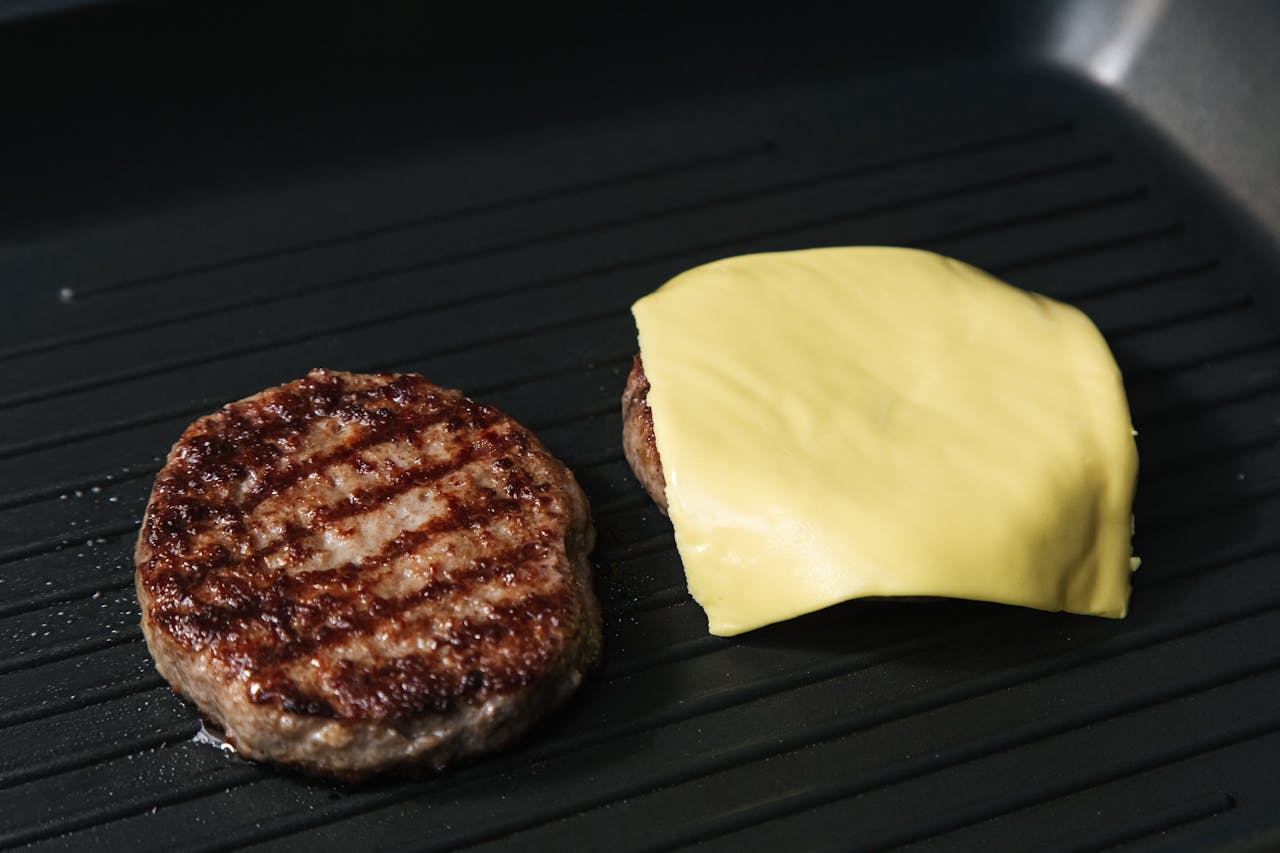
Corned beef hash patties were built for utility first: chopped meat, starch, pan heat, and a sauce or side to carry moisture. Archival menu pages place hash patties in weekly rotation, confirming that compact, pre-portioned items helped cafeterias maintain speed and control during lunch traffic.
What feels rough now is the heaviness of the bite and the monochrome plate, especially next to softer vegetables and milk. Even so, clips featuring hash patties perform well because they compress an era into one shape, economical, no-frills, and instantly recognizable to anyone who remembers metal trays and a bell-controlled lunch block.
Barbecue Frankfurters and Buttered Vegetables
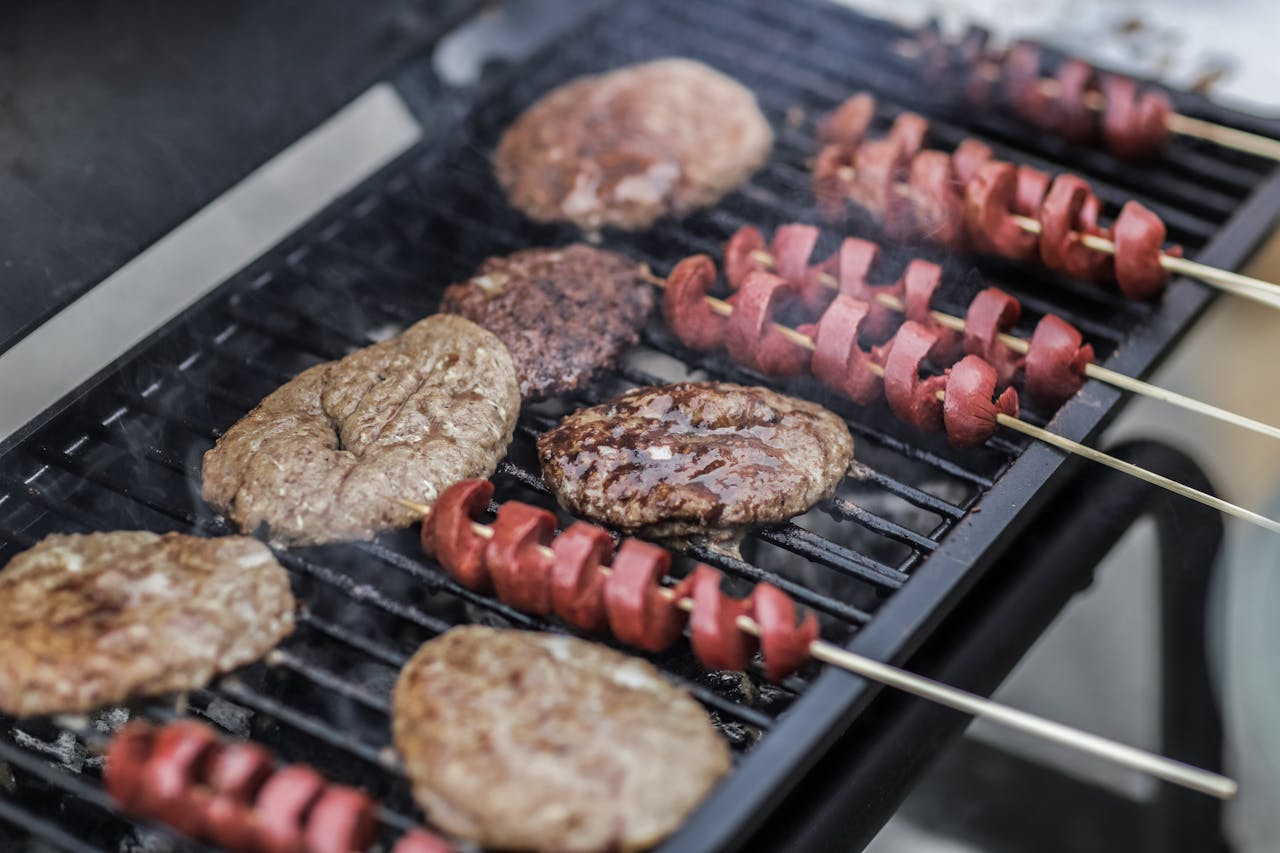
Barbecue frankfurters paired with buttered vegetables show exactly how midcentury lunch logic worked: familiar protein, soft sides, and fast assembly. A September menu in a 1955 Type A guide lists frankfurters with peas and carrots, plus bread, butter or fortified margarine, and milk, a full tray built on predictability over flair.
Modern viewers call it cafeteria minimalism at its peak, sometimes with affection, sometimes with a long pause. The format still spreads online because the pairing is easy to recreate, instantly legible on camera, and tied to deep memories of routine school-day comfort and noisy lunchroom rituals.
Baked Ham Loaf
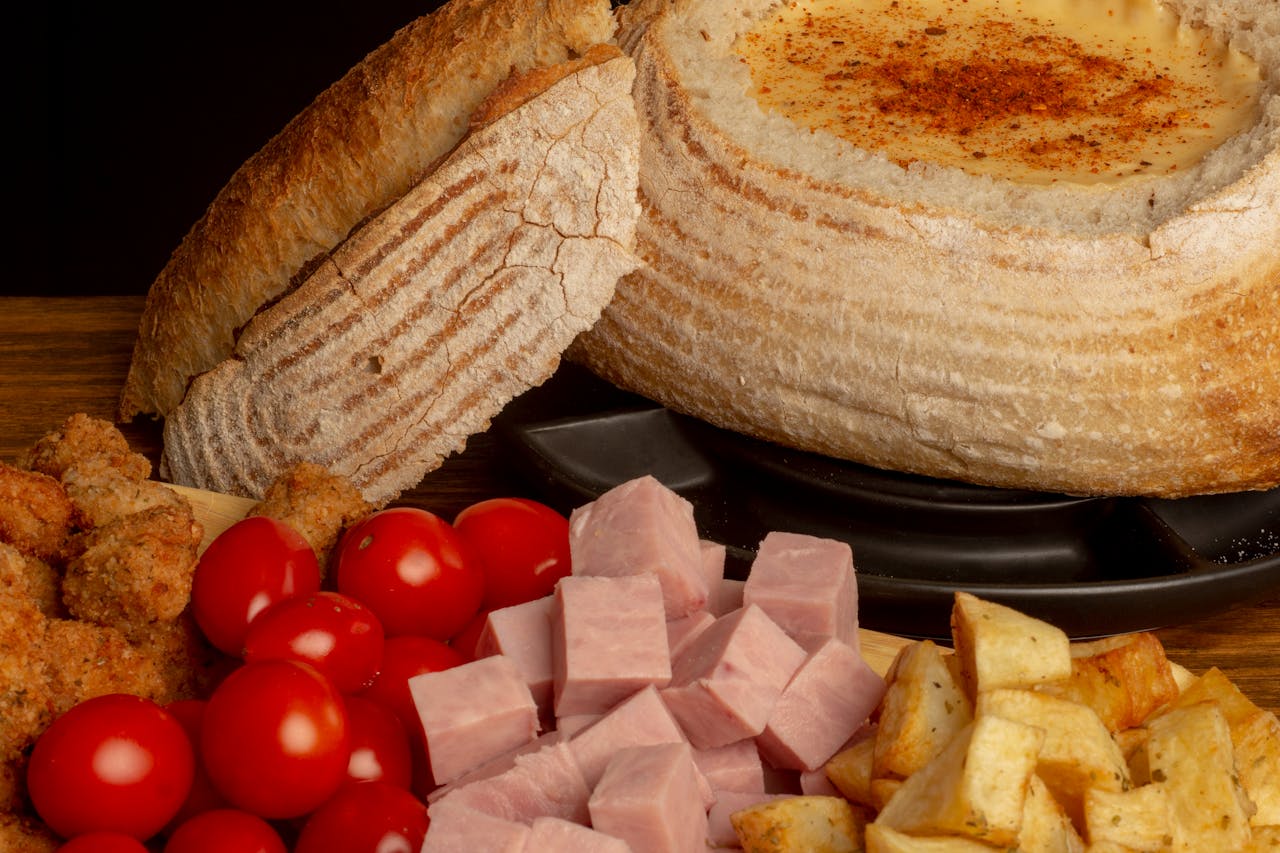
Baked ham loaf captured the era’s love of molded meats that sliced cleanly and held heat on a line. In archived school menus, ham loaf appears as a weekday centerpiece with potatoes, green beans, bread, butter or fortified margarine, and a half pint of whole milk, a snapshot of the period’s default balance.
Today, that loaf format can feel too processed in both look and texture, especially to eaters raised on fresher cuts and brighter seasoning. But nostalgia posts keep circulating because one slice can trigger a whole cafeteria scene, from steam haze to tray clatter to lunchroom chatter and the countdown to recess.
Molded Fruit Salad
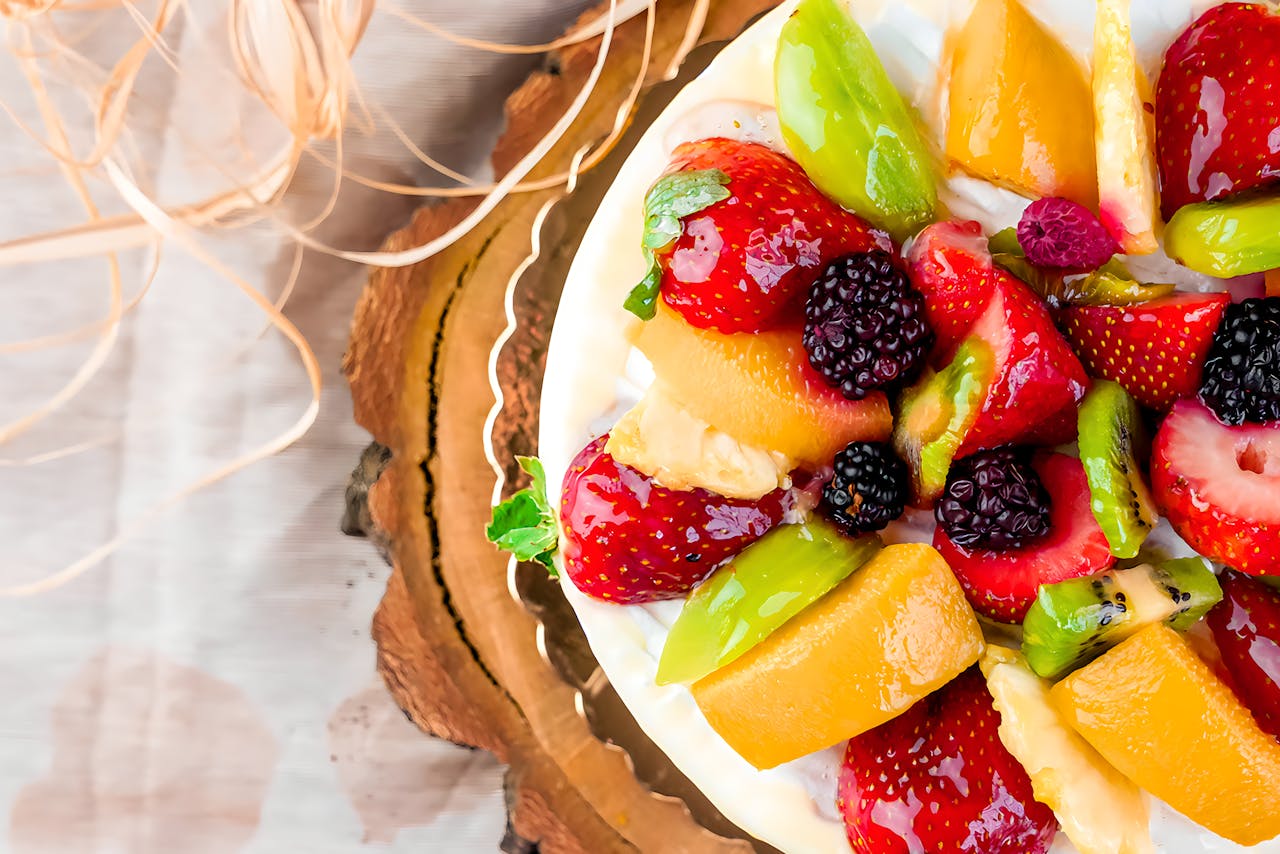
Molded fruit salad sold the promise of freshness while staying tightly controlled for service and cost. Midcentury school recipes and menus include molded fruit and cranberry salads as companions to meat-and-starch mains, showing how presentation mattered even when ingredients were shelf-stable and structured.
What reads elegant in old cookbooks can feel rubbery now, especially when sweetness collides with savory plates in one bite. Yet it remains a viral staple because the form is theatrical, the colors are camera friendly, and the reveal shot of an unmolded ring almost guarantees strong reaction traffic and nostalgia threads.
Peanut Butter and Jelly, Tomato Wedges, and Whole Milk
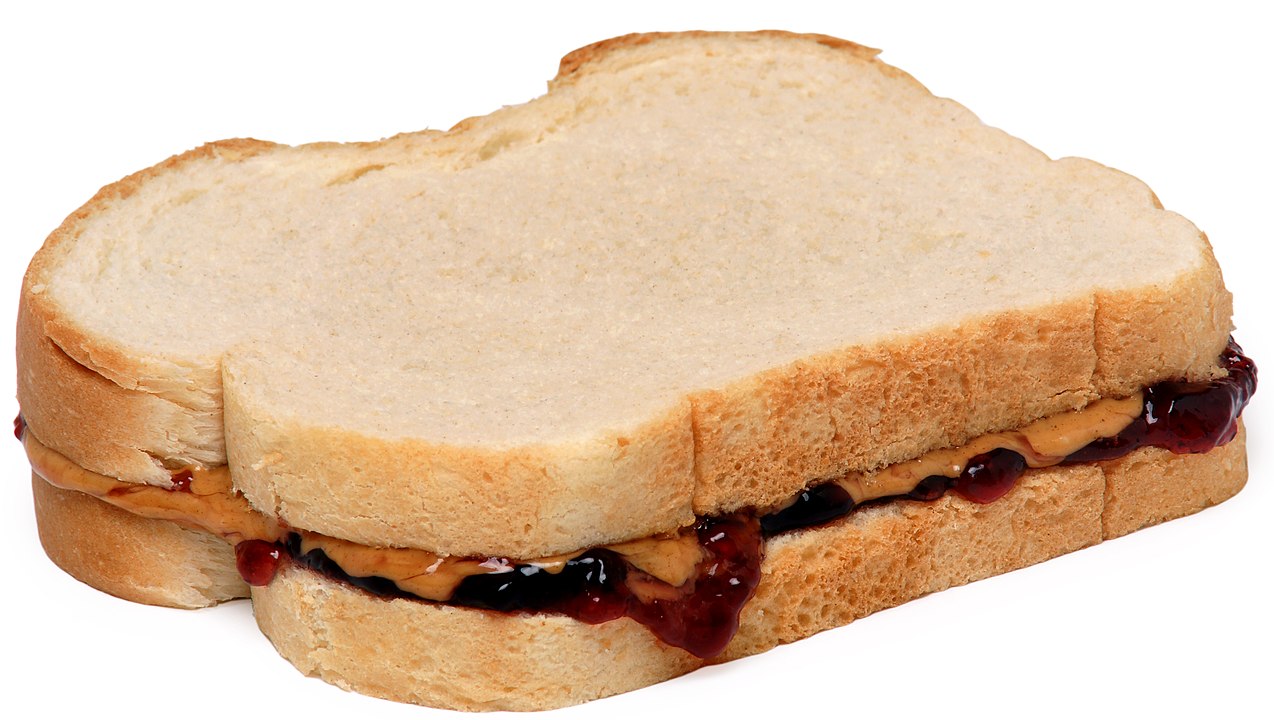
Peanut butter and jelly with tomato wedges and whole milk sounds mismatched to modern ears, but that style appears in archived September menus. The pairing reflected nutrition frameworks of the time, where milk and bread anchors made lunches feel complete, and simple produce additions signaled balance on paper.
Current school-meal rules phase in added-sugar limits and sodium cuts, while modern food-safety guidance is stricter about temperature control for perishables. That contrast makes this throwback combo compelling: familiar enough to feel warm, yet different enough to spark debate, memory, and disbelief in threads.