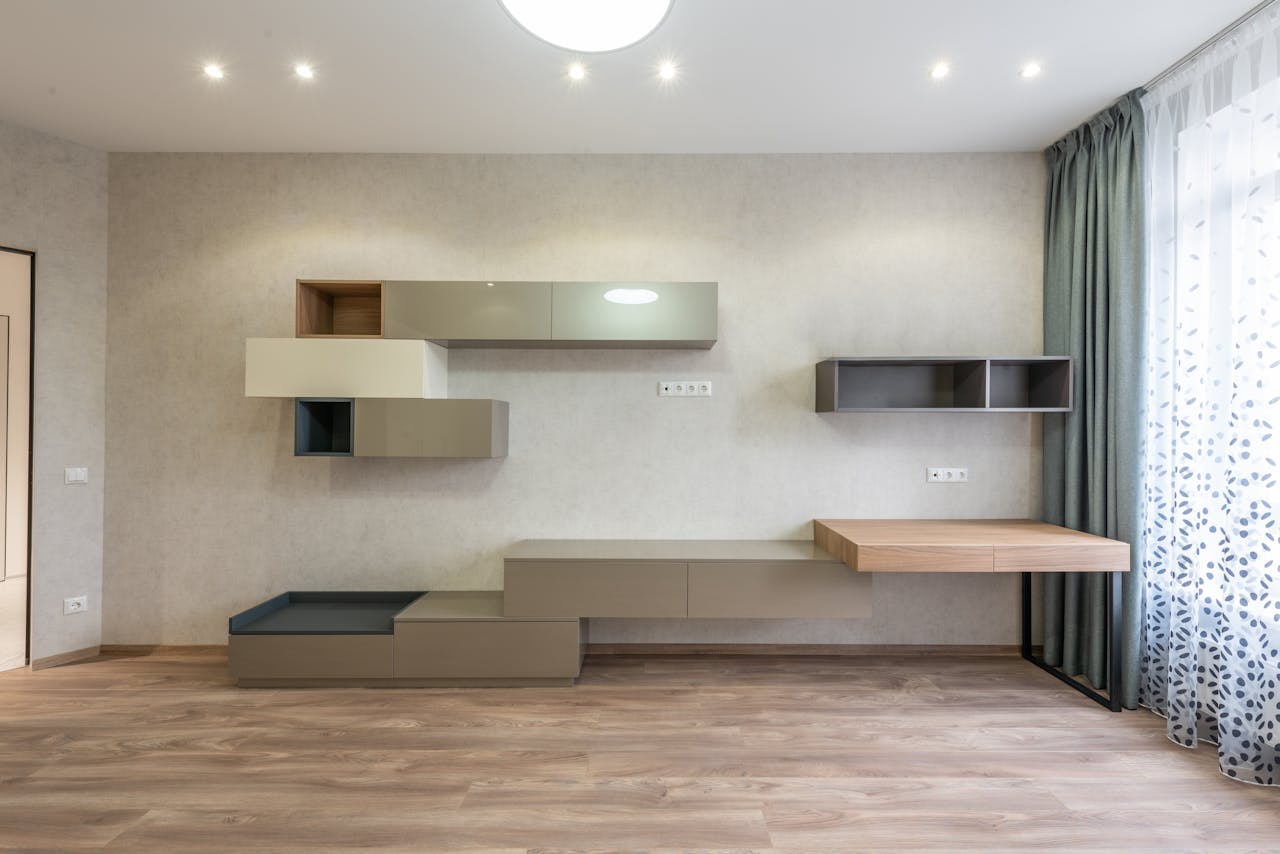
Floating shelves look effortless in bright listing photos: a few ceramics, a trailing plant, nothing else. Then real life moves in. Groceries arrive, mugs multiply, spices need a home, and the wall becomes the main storage plan. What felt airy can start feeling fussy, exposed, and oddly demanding, as if the room needs constant styling to stay calm. Dust shows faster, clutter has nowhere to hide, and the smallest mismatch reads as chaos. Renters worry about anchors, parents worry about reach, and cooks notice every splash. The charm fades. Even well-made shelves can turn a simple kitchen into a stage that never closes.
Grease and Dust Settle Overnight
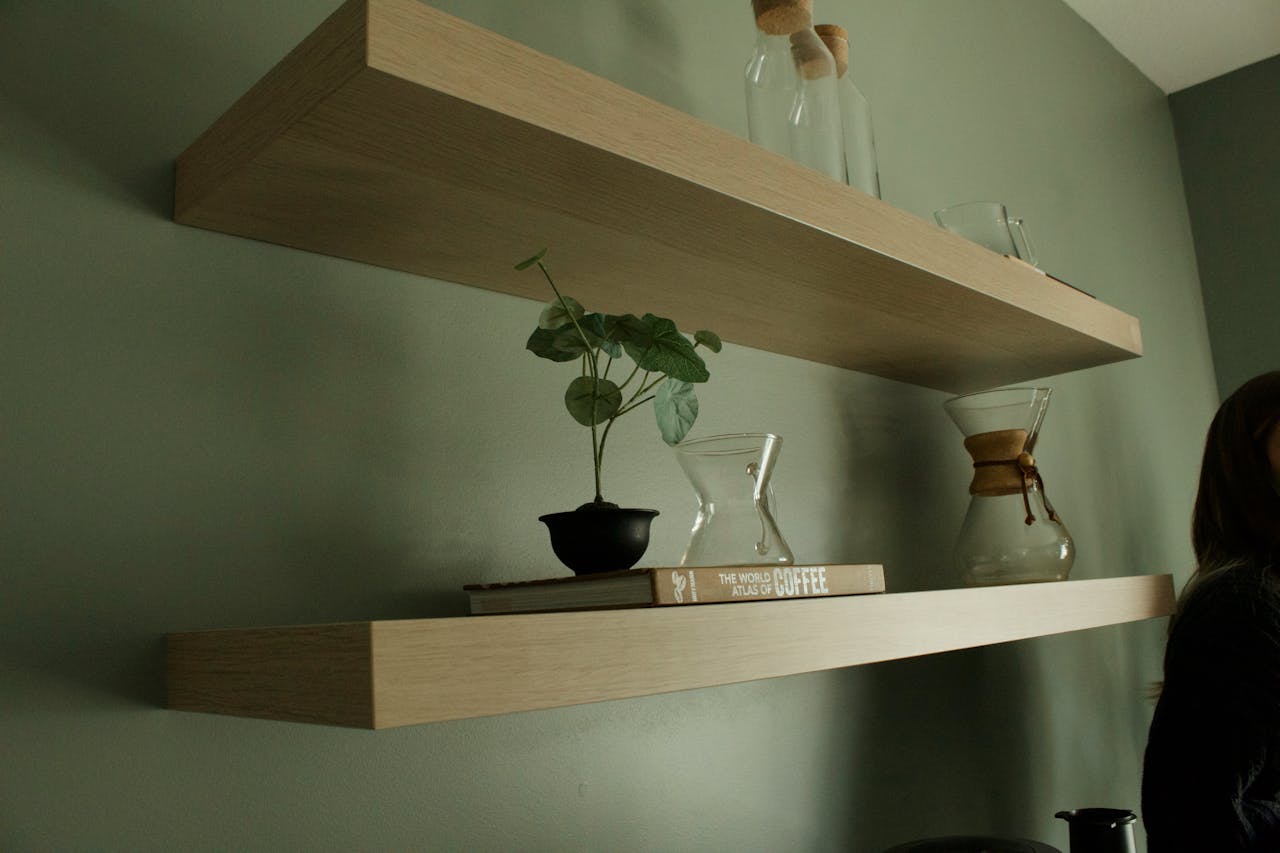
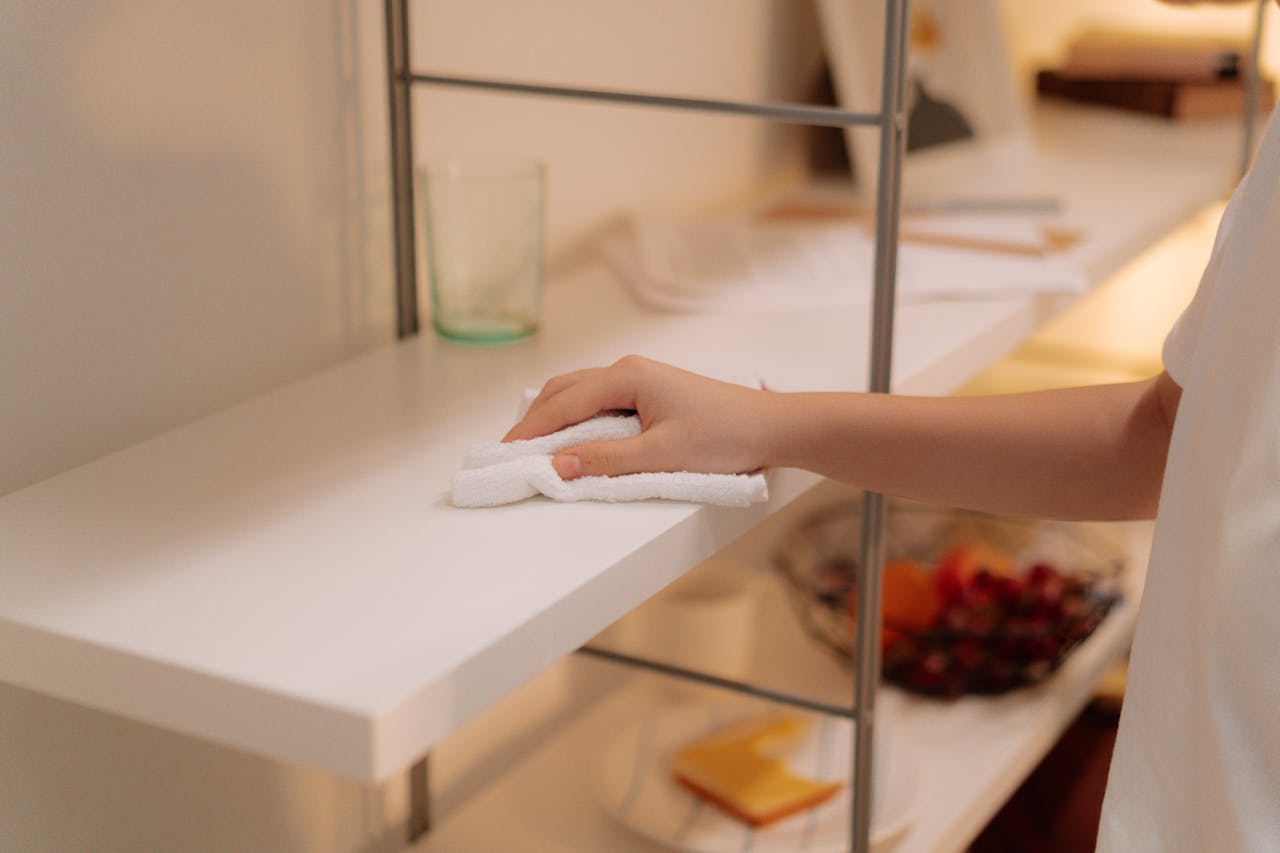
In kitchens, floating shelves sit right in the path of steam, frying mist, and humid heat, even when a hood is running and windows are cracked. Within days, a faint tacky film can form, trapping dust so it looks darker and thicker than it really is, and the buildup collects in the places hands miss first: undersides, back edges, and the tight gap where the shelf meets the wall. Closed cabinets hide that reality, but open boards put it on display, so cleaning shifts from an occasional reset to a repeating cycle of wiping, rinsing, drying, and re-styling that steals the easy feeling the photos promised. Every week.
Styling Turns Into Daily Maintenance
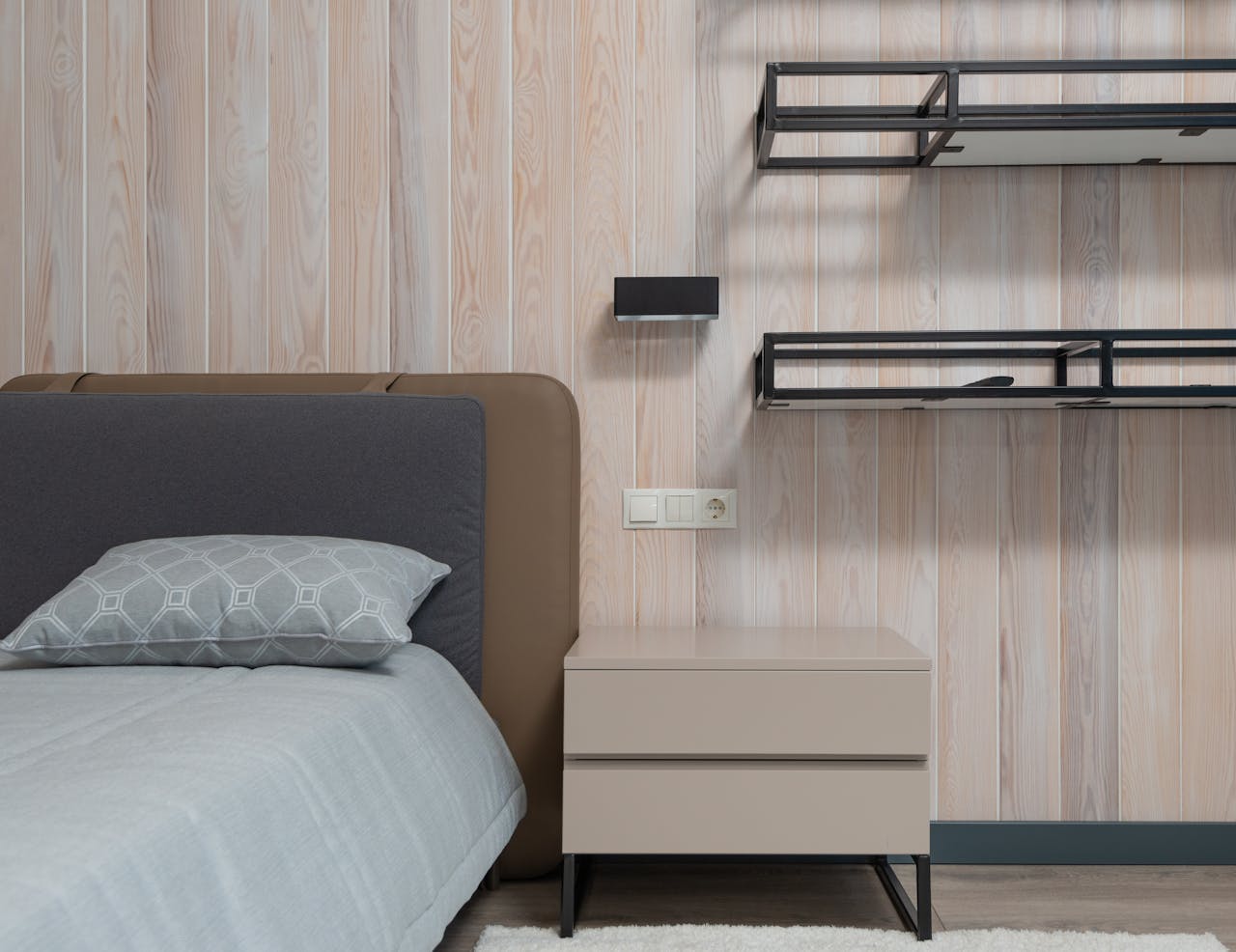
Floating shelves ask for curation, not just storage, and that bargain is rarely obvious on moving day. A cabinet door closes on the odd mug, the mismatched cereal box, the half-used bag of rice, and the small chaos of a weekday, and the room still reads as settled. An open shelf keeps everything in constant view, so even tidy households start rotating objects like set dressing, nudging labels to face forward, hiding necessities in bins, and doing quick rearranges before guests arrive, as if the kitchen has to be camera-ready to feel presentable. Over time, that steady decision-making becomes its own kind of clutter.
Everyday Packaging Ruins the Calm
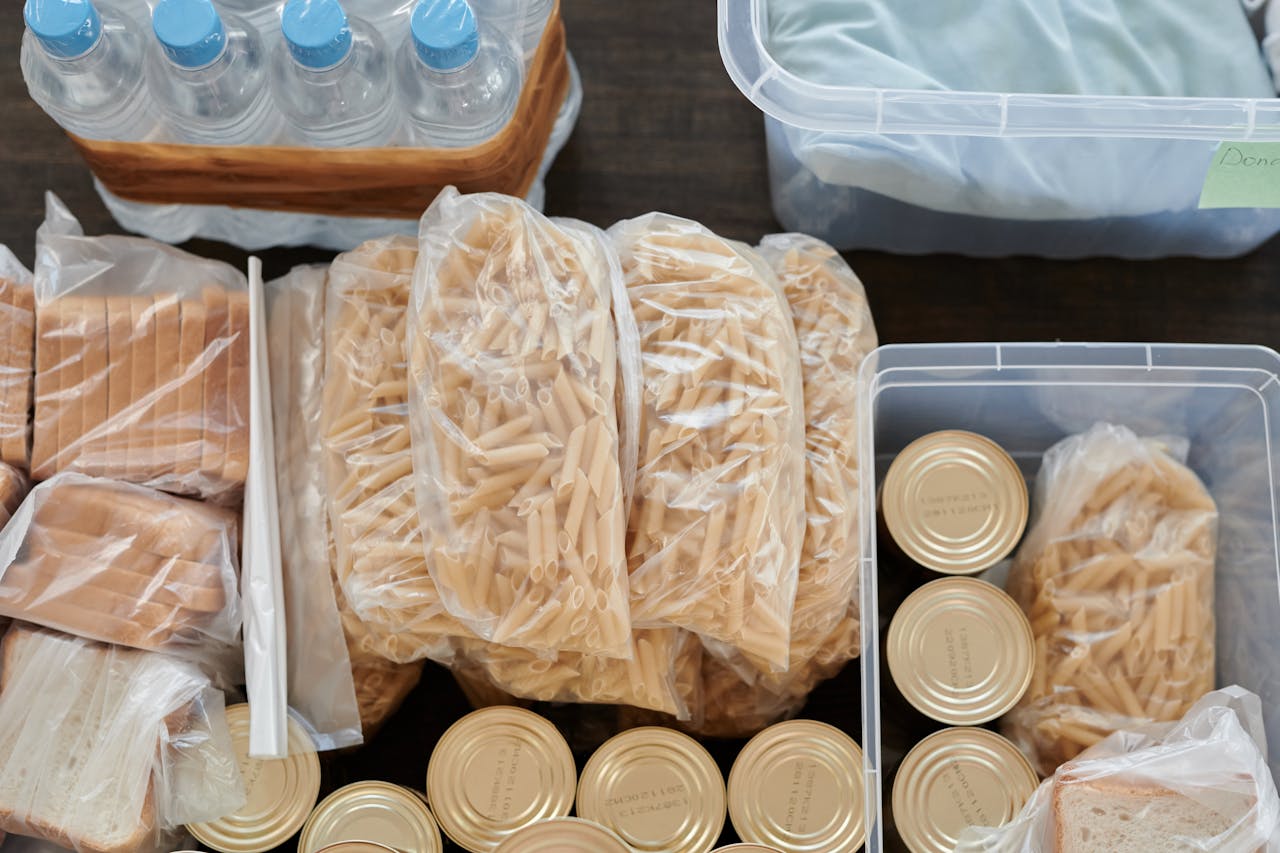
The practical things most kitchens rely on were never designed to be seen, and floating shelves make that mismatch impossible to ignore. Bulk spice jars, plastic lids, bargain pantry staples, and the stack of plates that actually gets used can look noisy together, even when everything is clean, because packaging colors and mixed materials compete in a tight frame. To quiet it down, households buy matching containers, decant flour and pasta, and choose dinnerware for the shelf rather than the table, turning one storage choice into an ongoing project with a price tag, extra dishes to wash, and one more thing to keep up.
Hidden Hardware Sparks Weight Anxiety
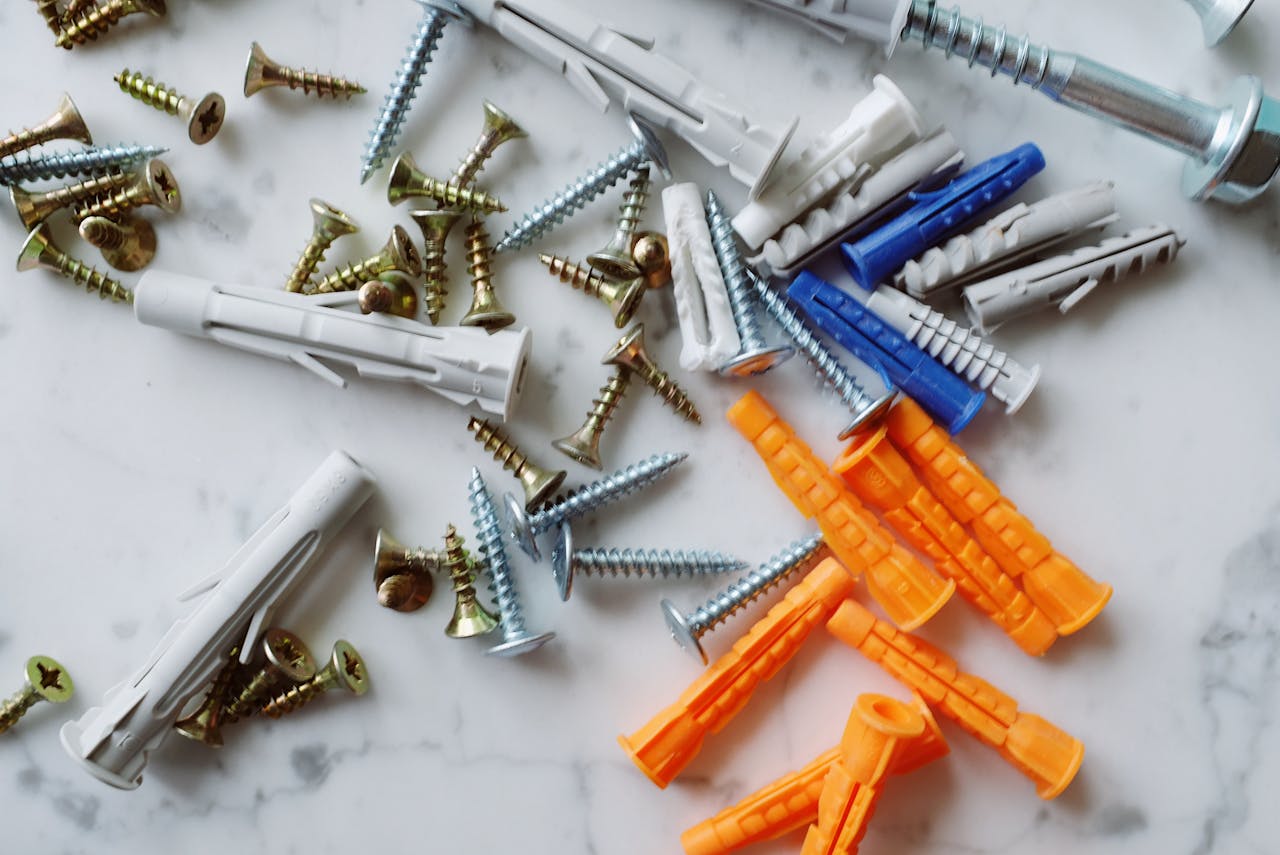
Floating shelves rarely come with a satisfying sense of strength, because the hardware is either concealed or minimized for the clean look. Even when they are properly anchored, people tend to second-guess them once heavy bowls, cast-iron pans, or a row of cookbooks enters the scene, and a tiny dip can feel like a warning rather than normal flex. Because the support is hidden, the mind fills in the gaps: is it in a stud, will the drywall crumble, will a kid tug on it, did someone cut corners, and what will crack first. That low-grade doubt turns putting-away into a careful ritual even in a well-built home after dinner.
Shelf Height Creates Awkward Reach

The height that looks best on a wall is not always the height that works for daily use, and floating shelves reveal that gap fast. Photo-ready styling often pushes them upward to leave breathing room on the counter, but that makes the most-used mugs and bowls a stretch, especially in homes with shorter adults, aging parents, or anyone juggling a kid on one hip at seven a.m. Lowering them improves access but puts glassware closer to bumping, splashing, and curious hands, so step stools appear, routines slow down, and the shelf starts dictating movement instead of supporting it. Small tasks begin to feel oddly calculated.
Installation Reveals Crooked Walls

Floating shelves are less forgiving than cabinets when walls are even slightly out of true, and many homes are not as straight as the photos suggest. A bow in drywall, a lumpy plaster repair, or tile that was never perfectly level can turn installation into a fussy puzzle of shims, anchors, stud-finding, and hoping no wire or pipe sits where the screws want to go, and the finished shelf may still look tilted in certain light. Then comes the long tail: extra holes, paint to match, anchors to remove, and scuffs from repeated re-mounting, which is why the cleanup in older homes and rentals can outlast the original excitement.
Clinking Noise Becomes Background Stress
Open shelves change the sound of a room, because there are no cabinet sides to absorb vibration or soften impact. Plates and glasses can clink when a drawer shuts, a dishwasher rack slides in, a pet jumps down, or a heavy step lands on an older floor, and that tiny metallic chatter repeats enough to feel like a background irritant rather than a one-off accident. To keep things quiet, households start spacing items out, adding liners, limiting what goes where, and treating certain shelves like display only, which makes the setup feel fragile and strangely high-maintenance for something meant to simplify storage. daily.
Shadows Make the Wall Feel Busy
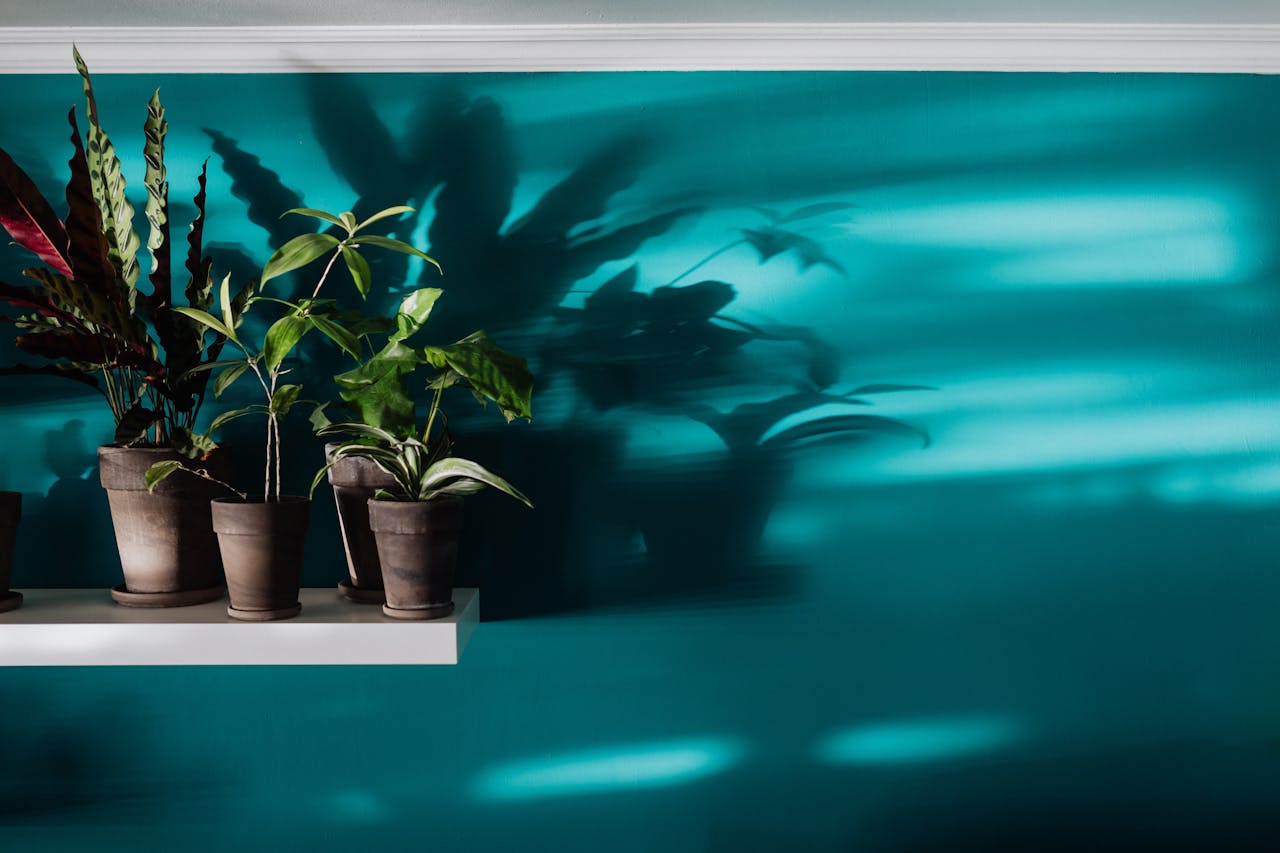
Floating shelves photograph well because they borrow the room’s best light, turning a few objects into a clean focal point. In everyday kitchens, they can interrupt under-cabinet lighting, cast sharper shadows on counters, and make a backsplash feel busier, especially when jars overlap in silhouette and the shelf itself reads as a dark line across the wall. At night, the contents can become a heavy band at eye level, so small messes feel amplified and the whole room looks more crowded than it actually is, which is frustrating for anyone chasing a calmer, softer kitchen mood even after a full clean and reset most nights.
Cleaning Requires a Full Reset
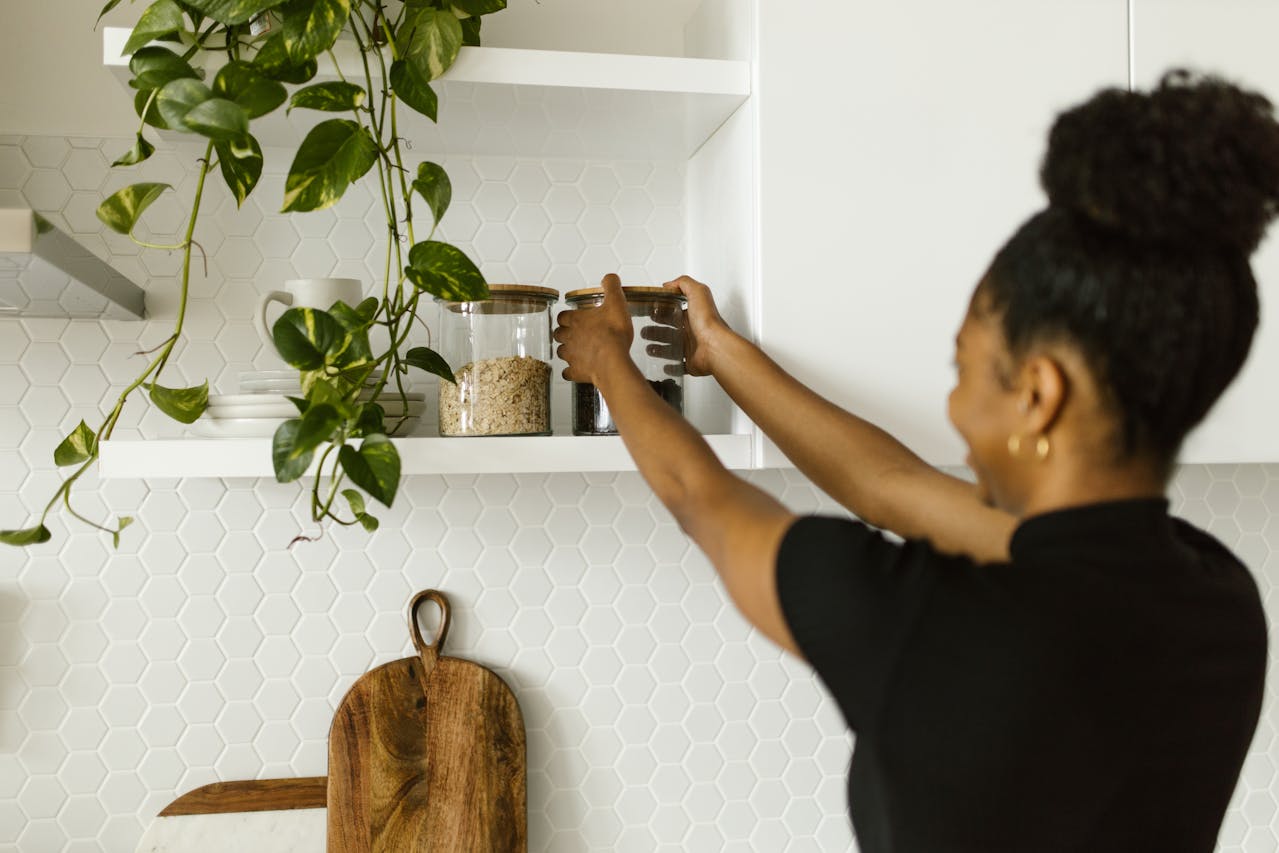
Cleaning a floating shelf is rarely just a wipe, because the surface is always visible and every mark feels louder than it would behind a door. Crumbs, coffee rings, and sticky spots invite quick action, but reaching them usually means lifting every object, finding a temporary landing zone, washing jars that were not dirty, and then putting everything back in a way that still looks intentional rather than random. That repeated shuffle becomes the kind of small chore that gets postponed, then resented, and finally tackled in a burst, and the daydream of simple cabinet doors starts to feel like peace instead of compromise.