
Every generation has a list of changes that felt like a cliff edge: new media, new manners, new freedoms, new fears. For many Boomers, some shifts sounded like proof the country was sliding, not simply evolving. Gen Z grew up inside those shifts, so they read them as background noise: imperfect, sometimes annoying, but ordinary. What looks like decline from one angle often looks like adaptation from another. These are the everyday realities that once sparked hand-wringing, and now barely register as unusual.
Living With Parents Into the 20s

High rents and uneven wages changed what independence looks like. Many Boomers were taught that moving back home meant something went wrong, while Gen Z often treats it as a practical base camp. Shared groceries and split bills can buy time to finish school, save money, or job hunt without panic, and plenty of families plan for it upfront. The tradeoff is privacy, but the upside is stability, help with childcare or elder care, and a softer landing when life shifts. In many homes, it feels less like failure and more like pooling resources until the next step makes sense.
Phones as the Main Social Hub
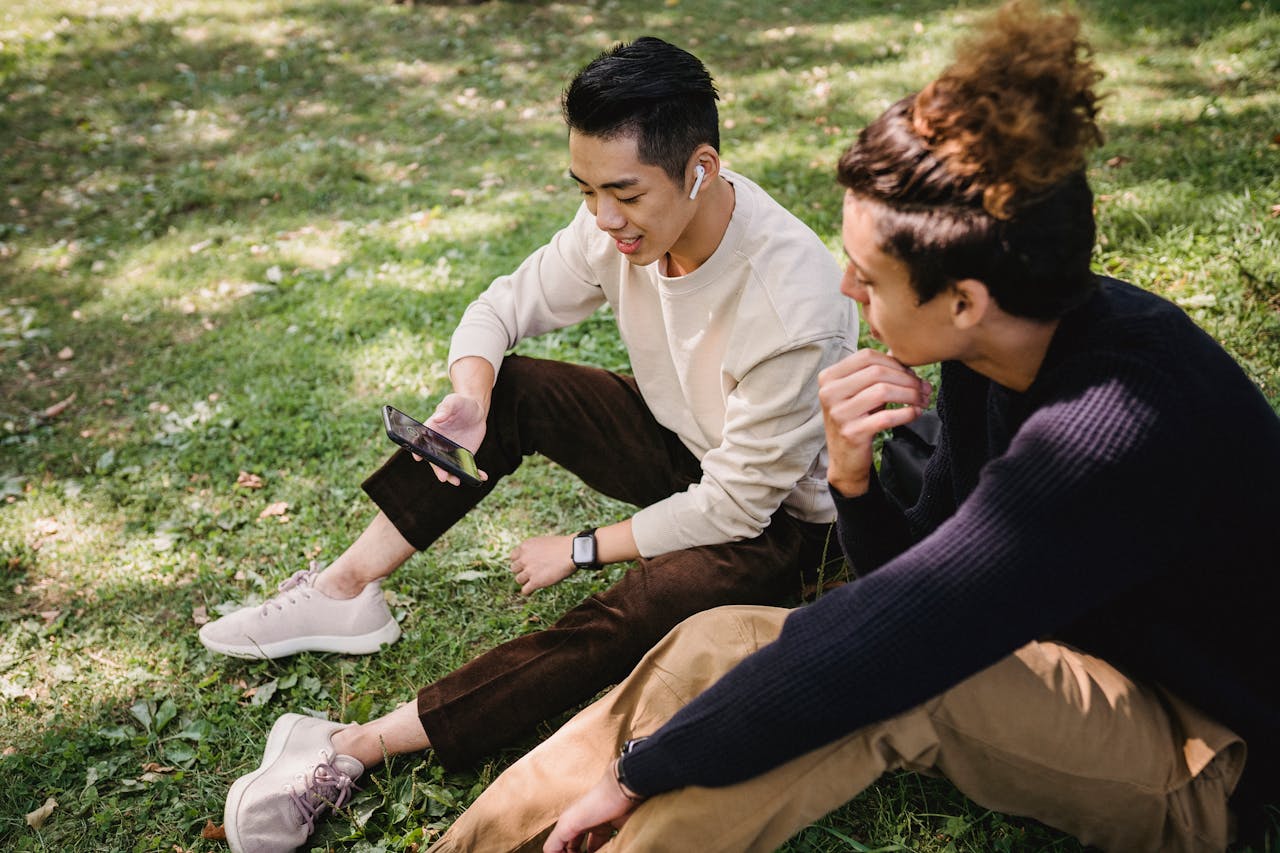
To many Boomers, constant screen time looked like people forgetting how to talk. Gen Z grew up with the phone as the mailbox, group hangout, camera, map, and calendar, so social life naturally lives there first. Plans get made in threads, friendships stay alive through voice notes, and family updates travel by photo before anyone calls. It is not automatically healthy, but it is normal, and the real skill is boundaries: protecting sleep, muting noise, and choosing when to be present. Used with intention, the device becomes a tool for connection, not a replacement for it.
Streaming Instead of Broadcast TV
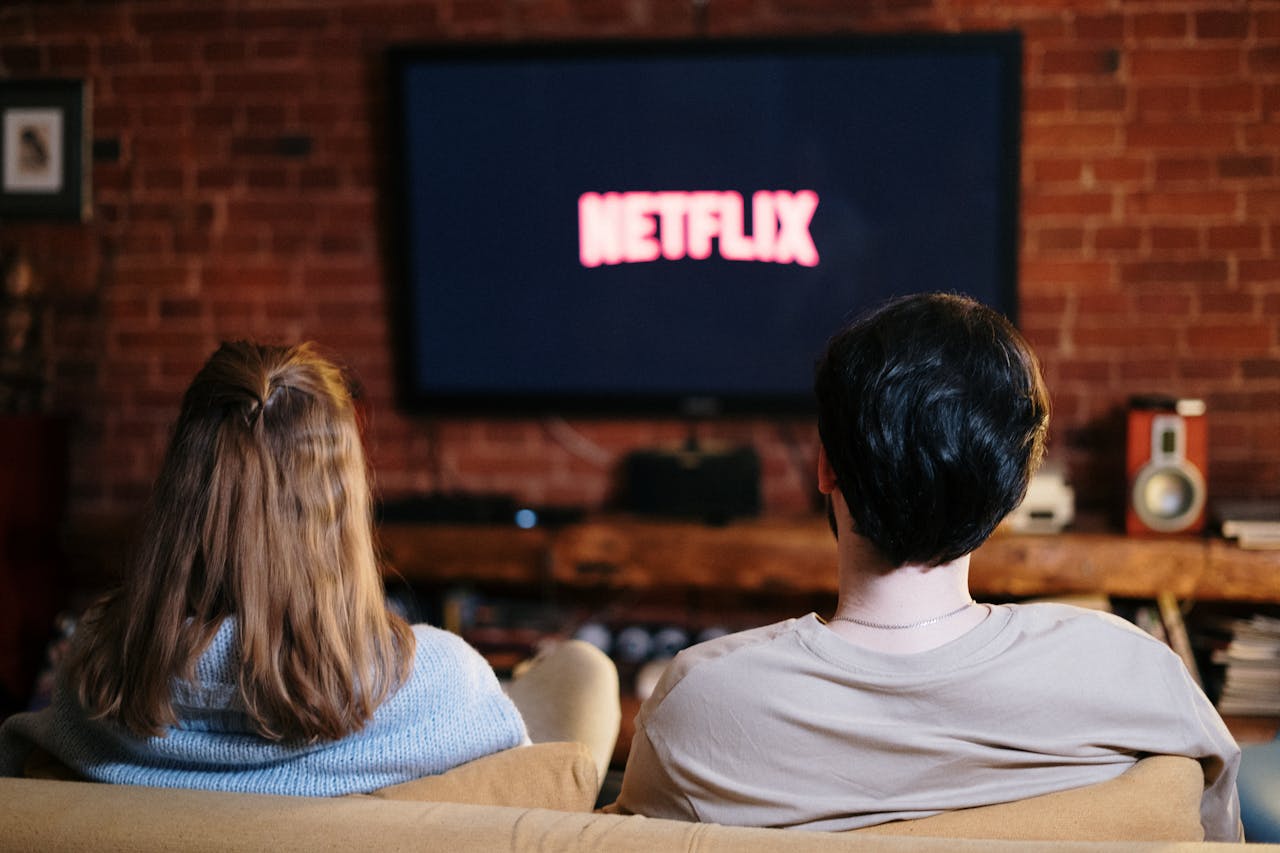
Cable schedules once acted like a national clock, and losing them felt like losing shared culture. Gen Z came of age on streaming, where shows drop on demand and conversations happen through memes, clips, and group chats instead of one 8 p.m. time slot. A series can still become communal, but the crowd gathers online, not in the same living room. The upside is choice and access; the downside is decision fatigue, which is why watchlists and recommendations now matter. It is normal to watch at different times, then talk about it everywhere, all week.
Cashless Payments Everywhere
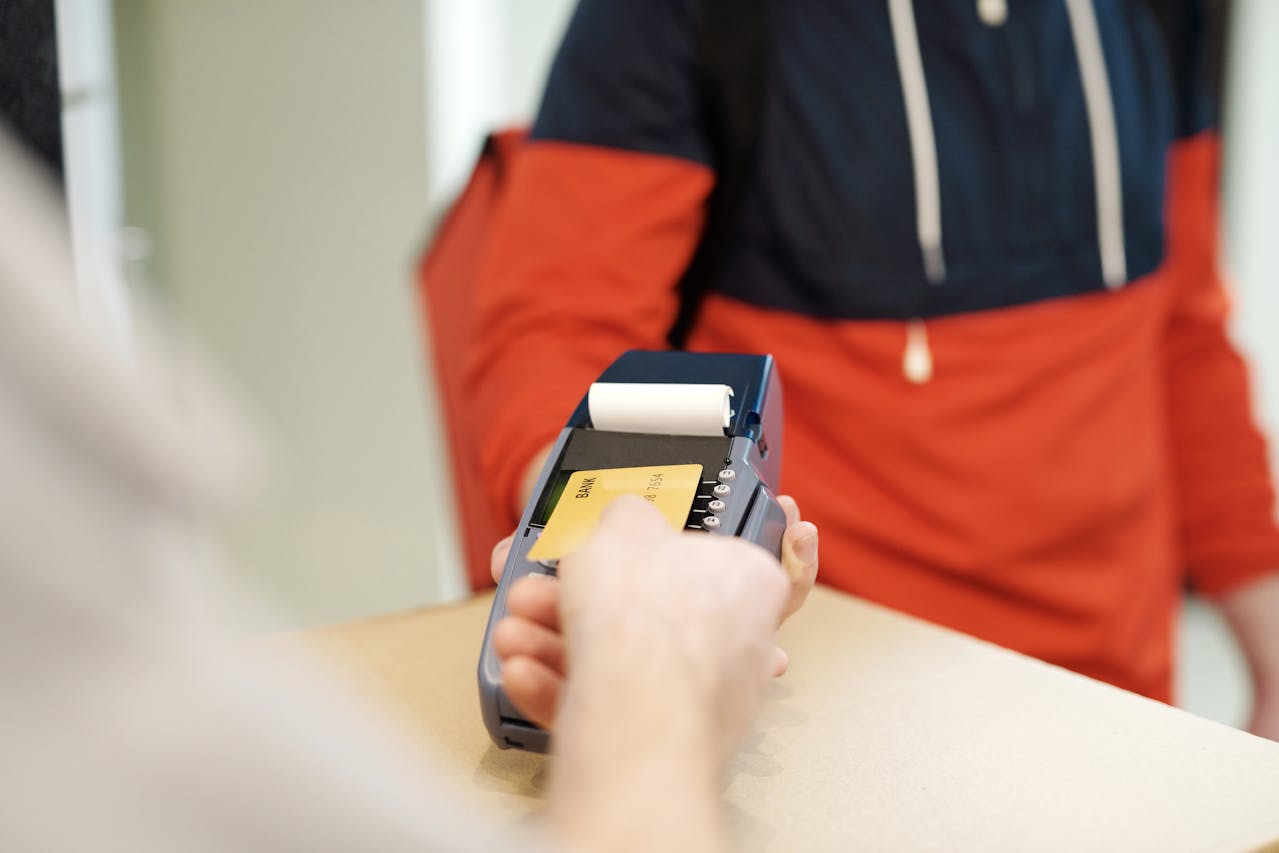
Paying with a phone used to feel risky, like money was turning into pretend numbers. Gen Z treats tap-to-pay as convenience: splitting dinner instantly, sending rent on time, and traveling without counting bills. Small businesses often prefer quick payments, and even casual pop-ups can take cards now. The downside is outages, fees, and privacy worries, so the modern habit is redundancy: a backup card, a little cash, and regular account checks, like earlier generations balancing a checkbook. It is less about trusting blindly and more about managing tools with attention and good habits.
Online Dating as the Default

Meeting someone through an app once sounded like loneliness with a user interface. Gen Z often treats it as one more introduction route, alongside friends, school, work, and hobbies. Profiles compress people into photos and prompts, which can feel shallow, yet apps widen circles beyond routine and geography, especially for people in small towns. The normalization is not romance becoming less real, but the first step becoming digital, with the real sorting happening later through behavior, values, and consistency. Dating becomes logistics first, then chemistry, then the hard part: showing up in real life and staying kind.
Visible Tattoos and Piercings at Work
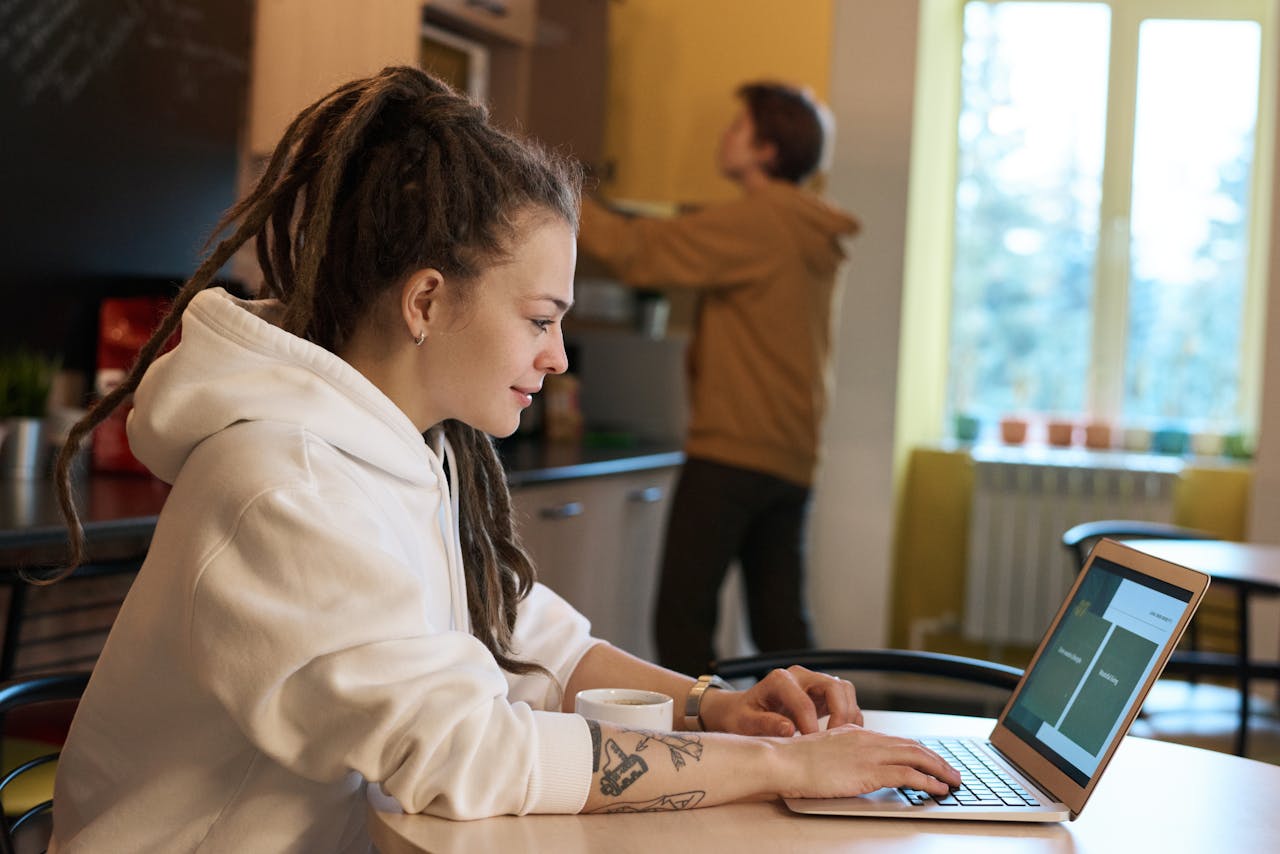
Tattoos once carried heavy stigma in many workplaces, so visible ink felt like standards slipping. Gen Z sees it as personal style that can coexist with competence, and many employers now judge professionalism by reliability, communication, and results, not an unmarked forearm. Some fields still keep strict appearance rules, but the broader shift is simple: self-expression is no longer treated as automatic rebellion. It is part of the mix, like haircuts, sneakers, or a favorite jacket worn daily. Often nobody comments, and that silence is the point, because it signals the focus stayed on work.
Therapy Talk and Mental Health Language

Many Boomers were raised to keep struggles private and worried that therapy culture would make people fragile. Gen Z uses mental health language in everyday conversation, sometimes clumsily, but often with real honesty about stress, burnout, and limits. Naming feelings can reduce shame and nudge people toward help sooner, which can change outcomes. The risk is turning clinical terms into casual labels, yet the broader move is clarity: learning coping skills, asking for support, and treating emotional care like maintenance, not a crisis-only event. In many groups, it is discussed as matter-of-factly as sleep and nutrition.
Remote Work and Online Schooling

Working from home once sounded like a shortcut that would dissolve discipline and blur family life. Gen Z entered adulthood when remote classes and remote work were common, so the format feels ordinary rather than suspicious. It can widen opportunity for people far from job hubs, cut commuting costs, and make schedules flexible for caregiving. It also demands self-management and can make home feel like it never fully rests. The normalization is building systems: clear start and stop times, a dedicated corner for work, and intentional offline hours so flexibility stays helpful instead of draining. Done well, it becomes sustainable, not chaotic.
Influencers as a Real Career

To many Boomers, influencer culture can look like attention replacing work. Gen Z sees it as a modern blend of entertainment, sales, and media production, with real labor behind the scenes: filming, editing, analytics, pitching, and contract negotiation. Some creators sell hype, but many build businesses around tutorials, reviews, comedy, or education, and they hire photographers, managers, and designers. The risk is volatility because platforms change fast and income swings. Still, the idea that creativity plus consistency can pay is now normal, even for people who never plan to go viral. It is treated like a job with uncertainty, not a trick.
Buying Secondhand on Purpose
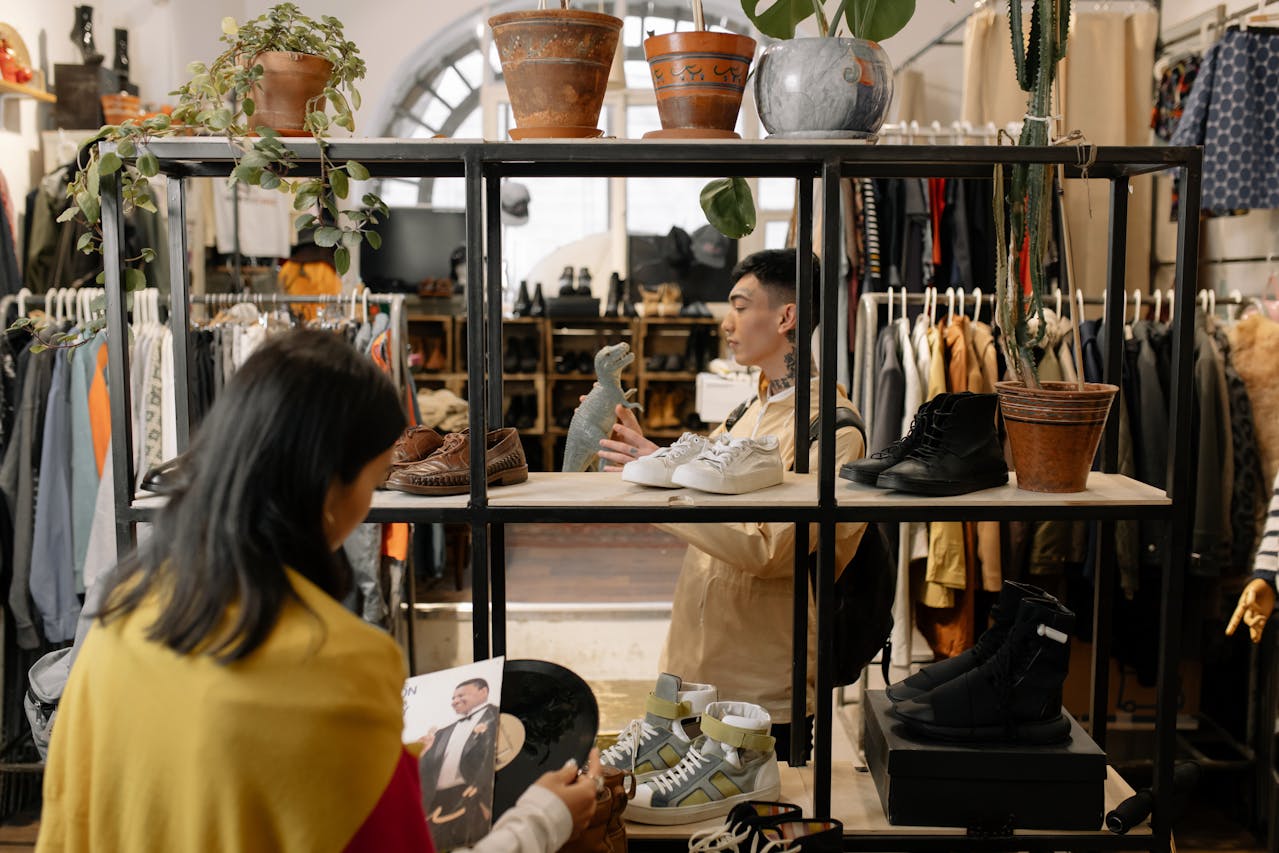
Thrift shopping used to be linked to necessity, so the resale boom looked like a sign something had broken. Gen Z often buys secondhand on purpose for price, variety, and waste reduction, and online resale makes it easy to search by size, brand, and vibe. Vintage pieces become part of personal style, while basics can be bought gently used instead of new at full price. The habit is practical more than performative: fewer impulse buys, more rewearing, and closets that change slowly. It also makes fashion feel like collecting stories, not just buying products, which is why it stuck across incomes and cities.
Gender-Neutral Clothing and Beauty

Older generations often read unisex fashion as confusion or provocation. Gen Z treats it as flexibility: clothes as shapes and comfort, not strict rules with penalties. Baggy jeans, painted nails, and skin care routines can be simple style choices without turning into a headline. Some people use fashion to express identity; others just like the look, the fit, and the freedom. The cultural shift is that appearance is policed less in many youth spaces, so experimentation feels safer and ordinary. What once sparked arguments now shows up as a hoodie, clear gloss, and a shrug before class or work.
Plant-Based Options on Every Menu

A burger used to be the default, and alternatives could sound like a lecture. Gen Z grew up with plant-based milks, meat substitutes, and menus that offer options without drama, so it feels normal, not niche. Some choose it for ethics, others for taste, budget, or digestion, and many simply mix and match depending on the day. The point is convenience: group dining gets easier when a menu has choices that do not require special requests. Restaurants that accommodate different diets often feel more welcoming overall, and that everyday comfort is what made the shift stick, even among people who still eat meat regularly.
Side Hustles and Portfolio Careers

Boomers often valued one steady job and worried gig work meant instability. Gen Z watched layoffs, rising costs, and fast-changing industries, so multiple income streams can feel like basic risk management. Freelancing, tutoring, reselling, and small digital projects can patch gaps and build skills, especially early in a career. It can also be exhausting when rest turns into monetization. The normalization is not loving hustle; it is accepting careers can be modular, and security can come from options, strong networks, and proof of work that travels across roles. The healthiest version includes boundaries, so side income supports life instead of consuming it.
Constant News Through Social Media
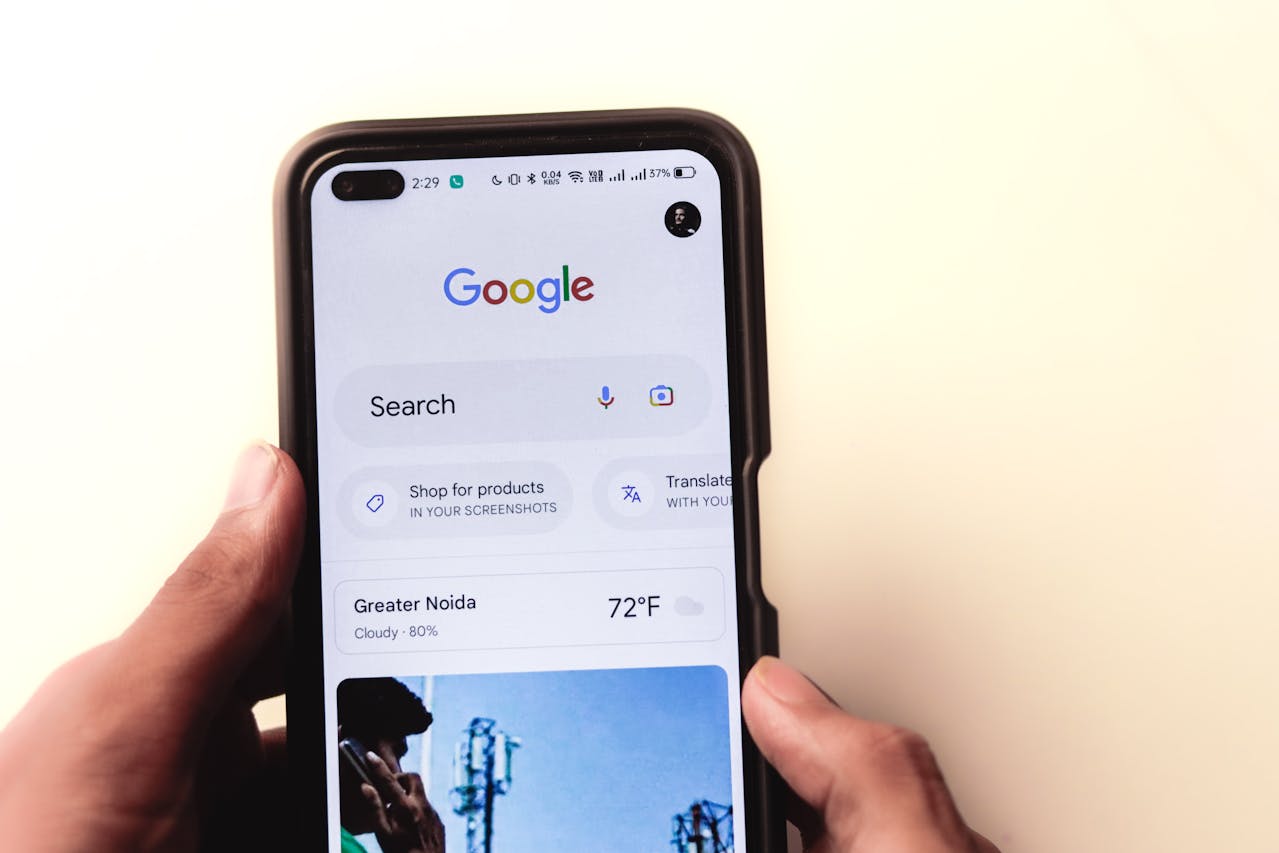
News once arrived as a nightly program or a morning paper. Now it rides inside feeds, alerts, and group chats. Boomers often see that as chaos, and Gen Z does face real risks, including misinformation and stress. But social platforms also spread real-time updates, mutual aid, and local context that traditional outlets sometimes miss. The skill becomes curation: following credible sources, checking claims before sharing, and stepping back when the scroll turns heavy. Information is no longer scheduled; it is ambient. Learning to manage it is now part of adulthood, like learning to budget, sleep, and eat well.
Pronouns in Introductions

For many Boomers, sharing pronouns can feel like unnecessary etiquette or a workplace trend. For Gen Z, it is often a small courtesy, like using a preferred nickname, that reduces awkward guessing and accidental mislabeling. In schools and offices, it can lower tension for people who would otherwise feel on edge, which makes participation easier and conversations smoother. Not everyone uses it, and it can be handled casually, but the broader point is simple: language can be adjusted to show respect without turning every interaction into a debate. Over time, it becomes just another detail in a bio, then fades into normal life.
AI Tools in School and Work
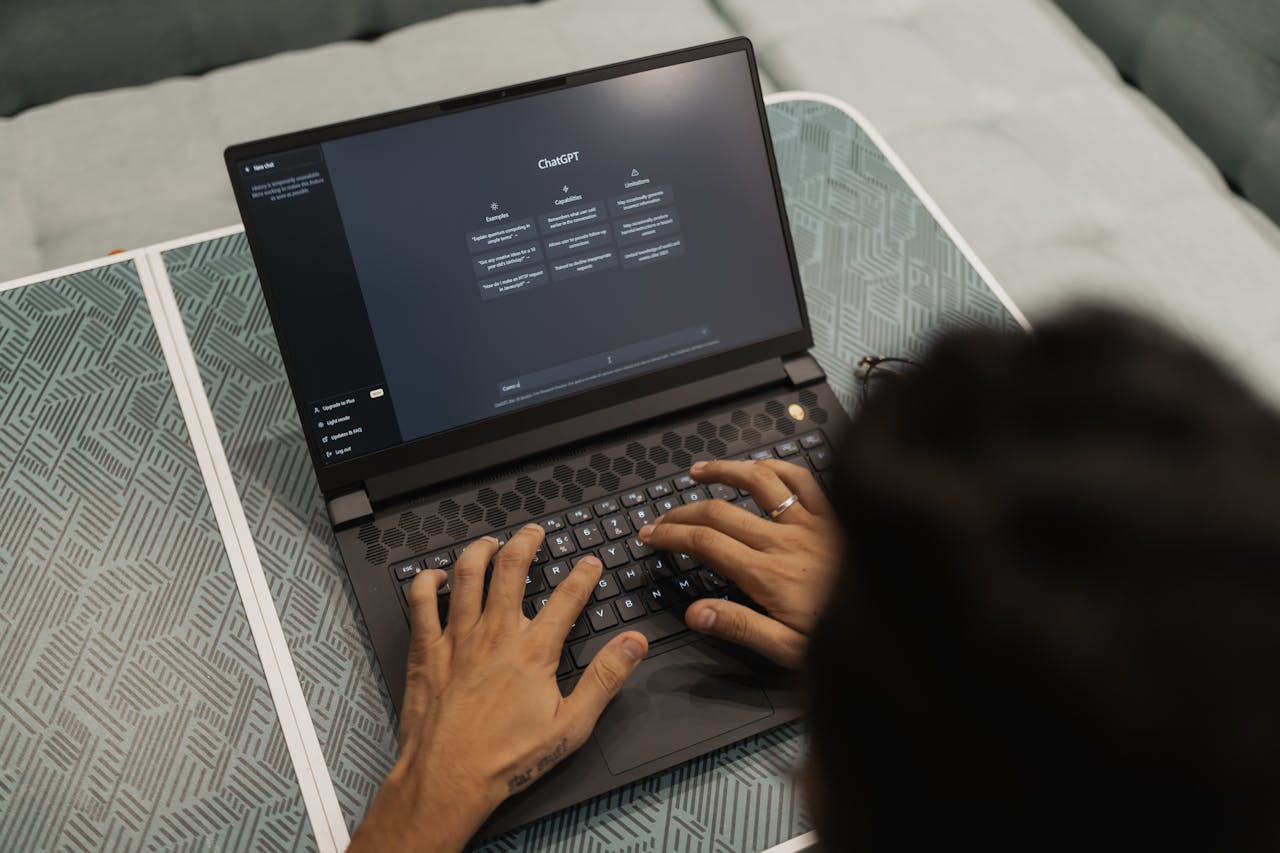
New tools always spark fear, and AI arrived with worries about cheating and job loss. Gen Z is already using AI for brainstorming, language help, and first drafts, treating it like a calculator for certain tasks. The value shows up when it saves time on routine work and helps people get unstuck, while the responsibility is verification, originality, and not outsourcing judgment. Used well, it frees attention for craft; used lazily, it replaces it. The normalization is that AI is now another tool in the kit, and the advantage belongs to people who learn when to trust it, when to check it, and when to ignore it.