
Some places protect their identity with scenery or history. Others do it with zoning meetings, ballot measures, and a stubborn love of Main Street. When a big brand arrives with a polished pitch, these towns slow the conversation down and ask about traffic, design, wages, rent pressure, and what gets displaced. Sometimes the answer is a hard no. More often it is a rulebook that makes sameness difficult to scale. The result is not nostalgia for its own sake. It is local control expressed in permits, storefronts, and the daily feel of a walkable center.
Inglewood, California

Inglewood made national retail a local decision when residents voted on whether a supercenter could leapfrog the normal zoning and review process. The talk stayed grounded: traffic pinch points near major roads, delivery trucks and late hours, and whether one massive footprint would siphon routine shopping away from smaller corridors that support local jobs. The measure failed, and the takeaway endured. Big brands still have to match the plan, accept public scrutiny, and show concrete community fit, from parking design to noise, lighting, and neighborhood access. That insistence asks for specifics before permission.
Greenfield, Massachusetts
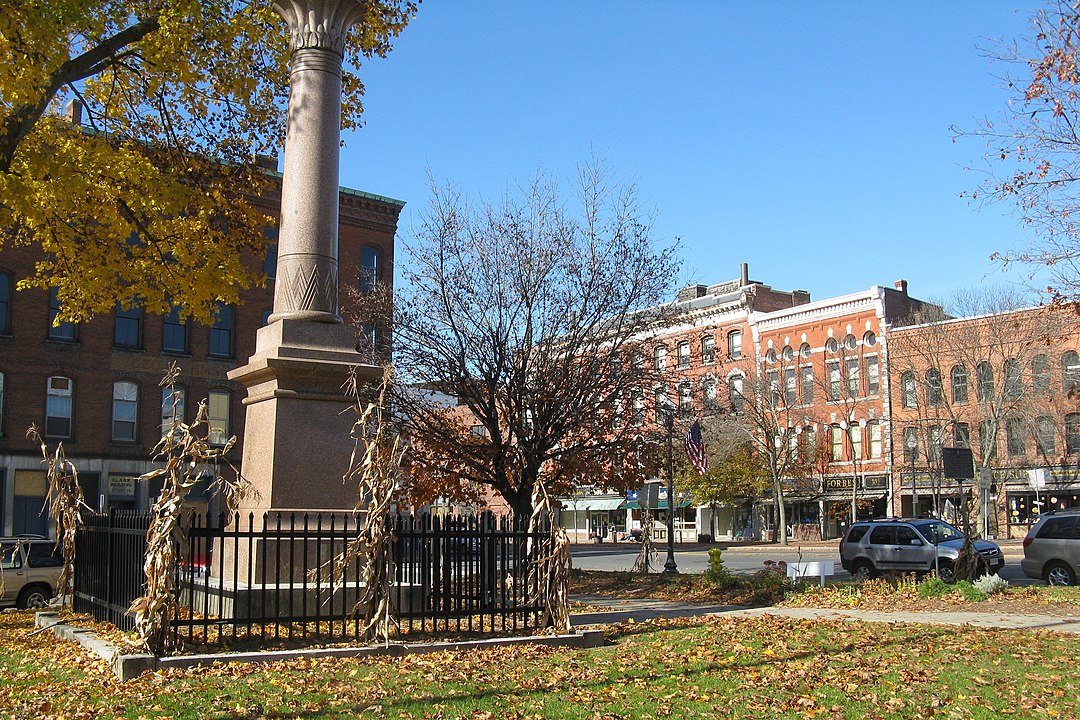
Greenfield weighed a proposed big-box store against the kind of downtown life New England towns protect almost instinctively. Residents focused on what changes first when a giant retailer lands on the edge: road congestion, car-only errands, and the slow dimming of small shops that depend on frequent, modest purchases all week. After a high-turnout vote, the needed rezoning did not pass, and the project lost momentum. The town kept energy on strengthening its center, backing local commerce and keeping daily life close to sidewalks instead of asphalt. Town meetings turned the decision into a civic story, not a corporate timetable.
Westford, Massachusetts

Westford pushed back on a large chain proposal by treating zoning like a community promise rather than a technical hurdle. Local discussions centered on land use, the effect of constant vehicle turns on nearby neighborhoods, and whether one retailer would set a precedent that reshaped the corridor for decades. After sustained resistance, Wal-Mart withdrew interest instead of forcing the issue. Westford kept control of its commercial future through steady civic participation and patient planning that favored mixed uses over one dominant box. The pushback was everyday and organized, which made it hard to ignore.
North Olmsted, Ohio

North Olmsted became part of an early-1990s wave of communities that declined to treat a big-box arrival as inevitable. Residents and officials questioned whether the tradeoffs were worth it: heavier traffic, more pressure on adjacent roads, and the loss of flexibility that comes when one dominant retailer defines a shopping district. After local resistance, Wal-Mart pulled back rather than pushing through a contentious process. The town’s stance bought time to rethink what kind of growth actually serves residents, including smaller footprints and a healthier mix of local services. Sometimes the smartest move is simply not rushing.
Eureka, California

Eureka’s waterfront and working neighborhoods faced a clear choice when a rezoning vote was tied to a new Wal-Mart site. The arguments were about shape and place: what broad parking fields do to walkability, how truck routes and loading schedules affect nearby streets, and whether the city would become overly dependent on one retail anchor. Voters rejected the rezoning, and leaders stressed that economic development would continue on local terms. Eureka protected its scale and Old Town character, while keeping the door open to employers and shops that fit a coastal grid. The community chose continuity over quick scale.
Healdsburg, California
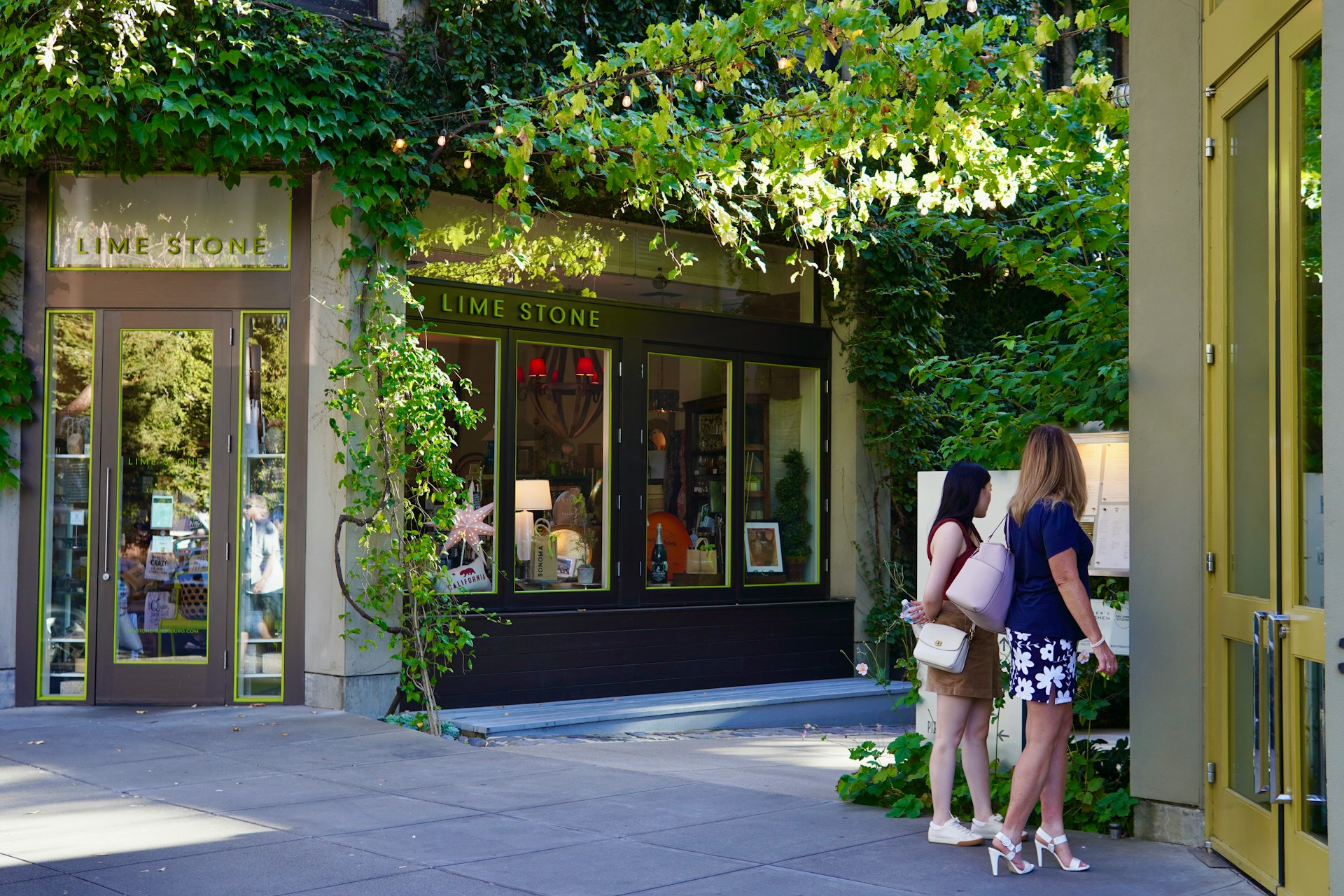
Healdsburg has leaned into formula retail limits to protect a downtown that trades on personality, not repetition. By expanding restrictions around its central blocks and treating big-box concepts as out of scale, the town kept a compact street grid from being dominated by standardized storefronts and oversized parking lots. That decision favors independent shops, local tasting rooms, and small operators who rely on steady foot traffic rather than volume retail. The result is a center that feels curated by place, where storefronts stay distinct, even when trends shift.
Carmel-by-the-Sea, California

Carmel-by-the-Sea draws firm boundaries around fast-food and drive-in formats, keeping standardized layouts, bright signage, and quick-turn traffic from rewriting its village-like streets. Local rules push businesses toward a quieter footprint and a more handcrafted look, which protects the town’s small blocks and pedestrian pace, especially on crowded weekends. The outcome is not anti-business. It is pro-character, with independent cafés and restaurants that compete on detail, service, and atmosphere instead of uniform templates and speed.
Palm Beach, Florida

Palm Beach used local regulation to block formula restaurants, choosing to keep its dining scene from becoming a lineup of familiar brands. The reasoning was less about food trends and more about place: standardized concepts can crowd out smaller operators, shift the tone of commercial streets, and make one island town feel like any other. By drawing the line, Palm Beach preserved room for independent kitchens and long-running favorites that match the town’s slower pace and careful approach to streetscape, signage, and scale.
Nantucket, Massachusetts
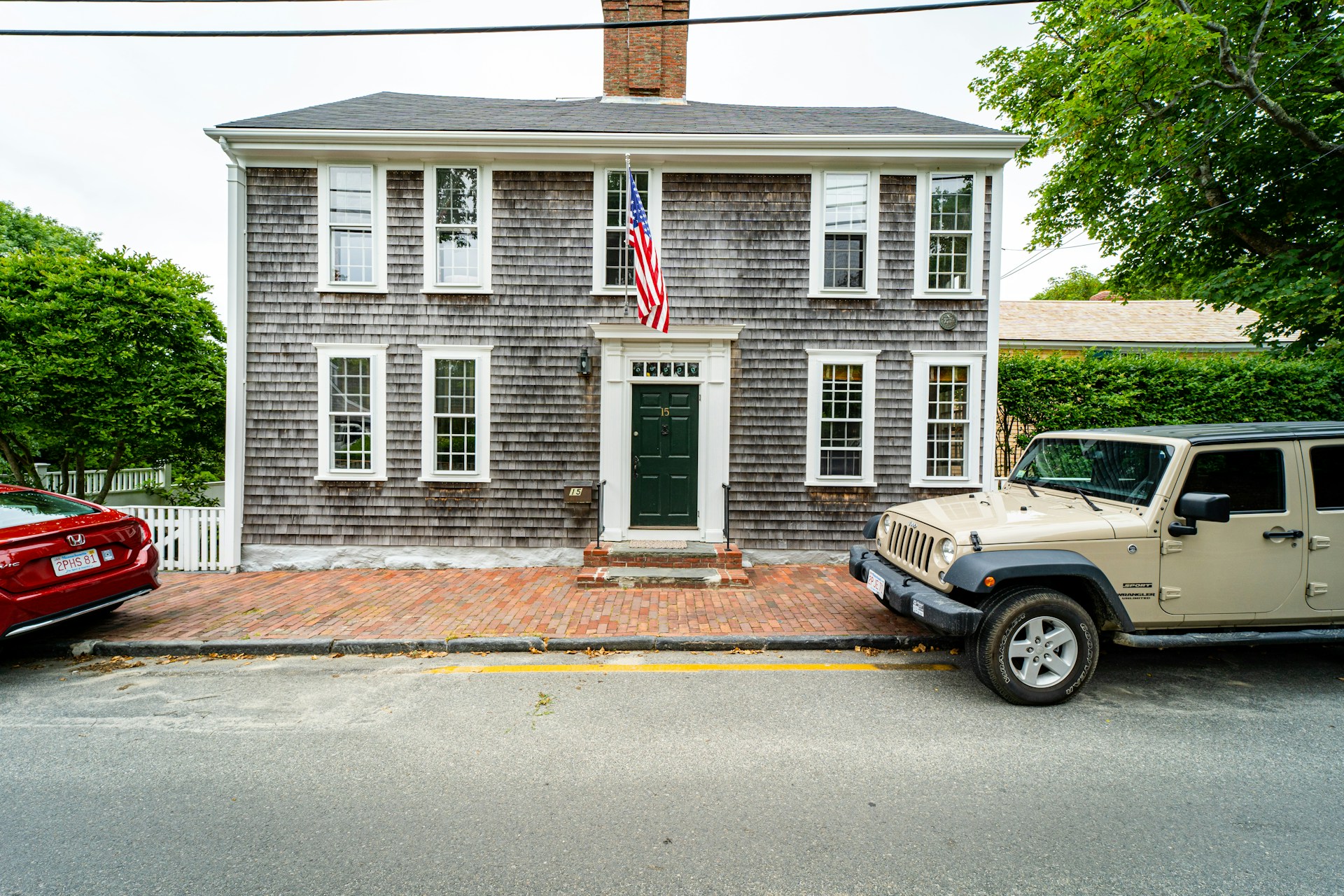
Nantucket’s formula business rules were built to keep its downtown from turning into a branded directory dressed in shingle-style charm. The bylaw focuses on chain scale and standardized features, limiting how easily a national retailer can replicate its look and feel on Main Street, even when the signage is restrained. Some brands remain due to timing and grandfathering, but the overall texture stays distinct. The payoff is subtle but real: windows feel different block to block, shopping feels like discovery, and the island keeps its own voice.
Provincetown, Massachusetts
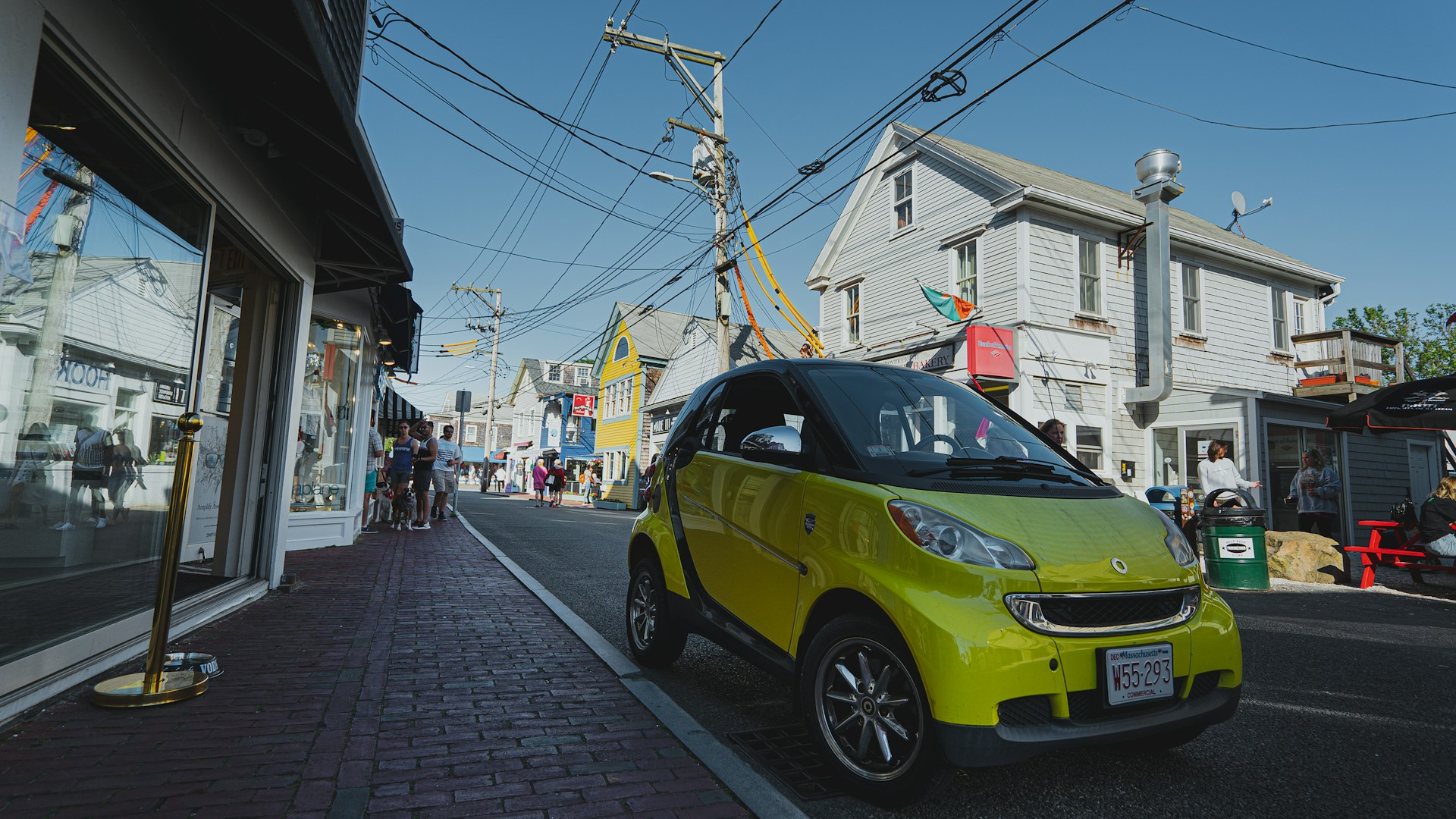
Provincetown treats formula businesses as something that deserves extra scrutiny in a small, walkable town where one storefront shift is instantly felt. Special-permit style review and defined standards give residents leverage when a chain seeks a foothold near compact commercial blocks shaped by galleries, bars, and independent shops. Even when debates get noisy, the goal stays consistent: protect variety, keep signage and scale in check, and avoid a takeover by repeated formats that flatten a one-of-a-kind street into a copy.
Wellfleet, Massachusetts
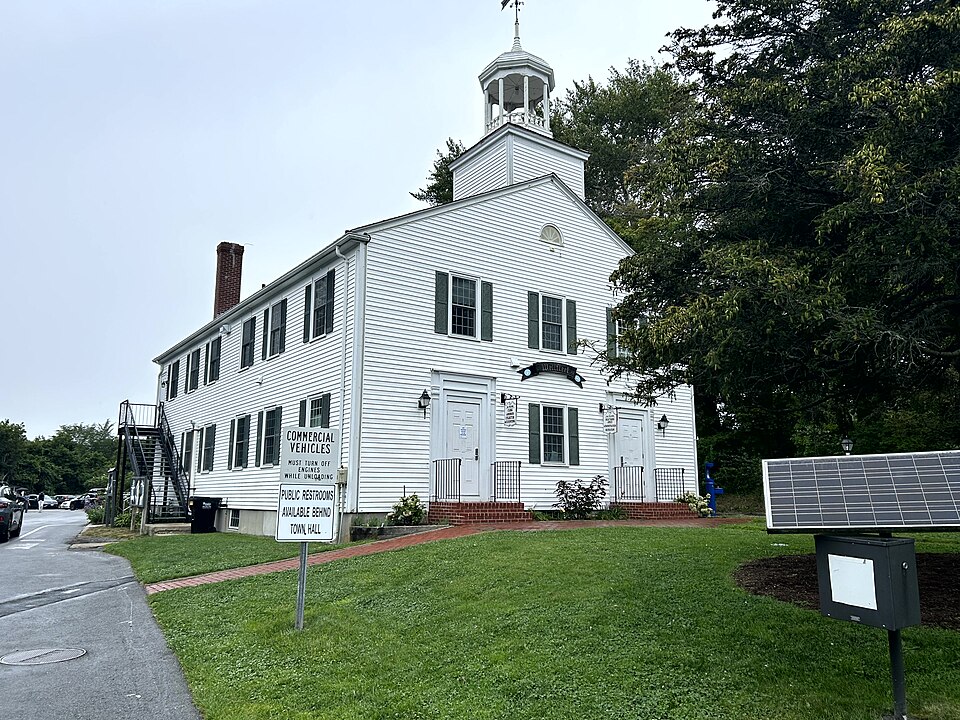
Wellfleet’s attempt to regulate formula businesses showed both the appeal and the limits of using zoning to steer retail change. The town sought extra review for chain-style proposals, trying to protect a small center from highway retail patterns and the kind of standardized expansions that can reset local habits overnight. A legal challenge connected to a convenience-store proposal later knocked out parts of the approach, yet the underlying intent remained clear. Wellfleet wanted time and process to matter, so decisions reflected local priorities, not just market speed.
Bar Harbor, Maine
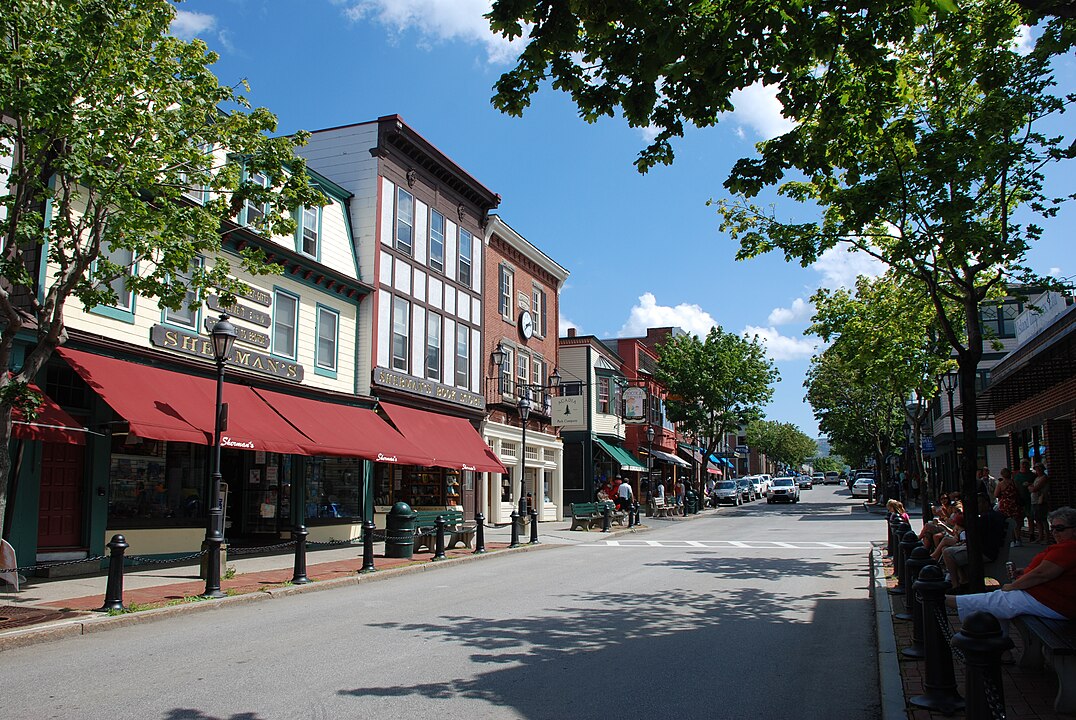
Bar Harbor has used formula business restrictions to keep compact, seasonal streets from being overtaken by standardized storefronts that can appear quickly once leases line up. The rules became prominent enough to face legal scrutiny, which only highlighted how seriously the town treats its right to shape commercial character in a tourism-heavy economy. The intent is straightforward: protect independent operators, preserve walkability, and keep visitor corridors from sliding into sameness. In a place where scenery does part of the work, the town still guards the details that make shops feel local.
St. Helena, California
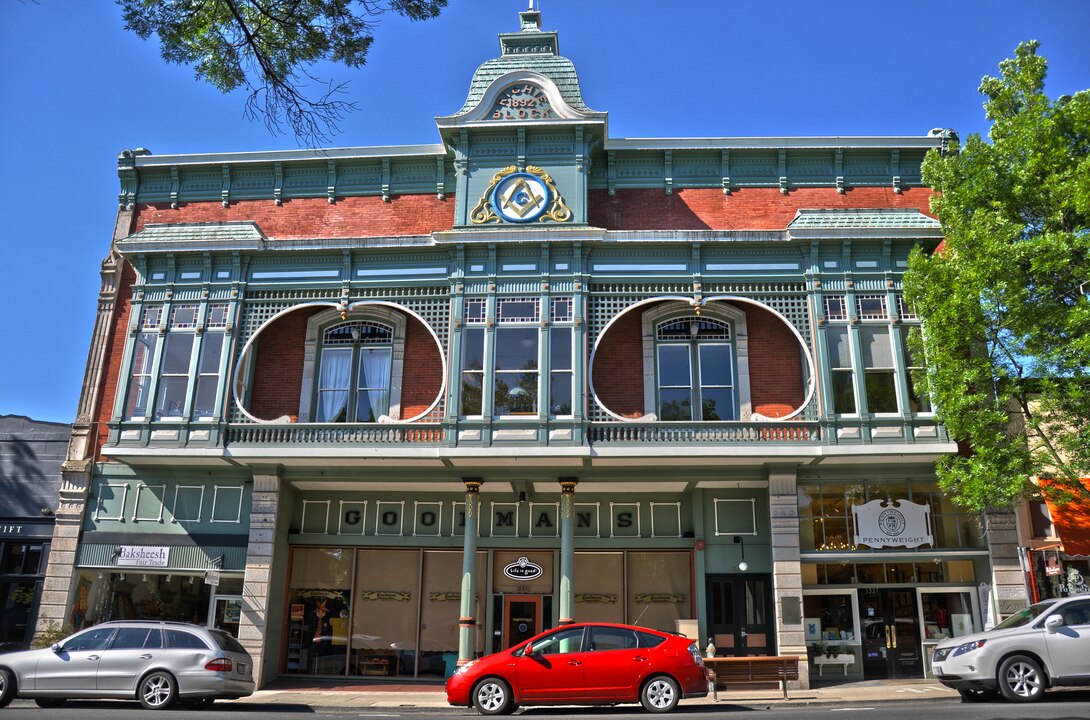
St. Helena regulates formula businesses so national brands cannot expand without clear limits and local review in a small, high-demand wine-country downtown. The municipal code sets conditions on where formula businesses can locate and how approvals work, helping keep a delicate retail mix from being overwhelmed by standardized operations with deep marketing budgets. The approach is not dramatic. It is a quiet guardrail that protects independent merchants, local restaurants, and the walkable rhythm that visitors come for, even when demand and rents keep rising. It helps the town stay recognizable beyond the label on a bag.
Concord, Massachusetts

Concord has approached formula businesses as a town-center issue, using zoning language to protect the feel of its historic core. Rules for Concord Center focus on standardized features and chain patterns that can change a block faster than any new construction, especially when uniform signage and repeat interiors start to stack up. The aim is to keep the center legible as a place for errands, bookstores, cafés, and community life, not a corridor optimized for sameness. It is stewardship with receipts, hearings, and a bias toward local texture. In a historic center, small differences add up fast.
San Francisco, California
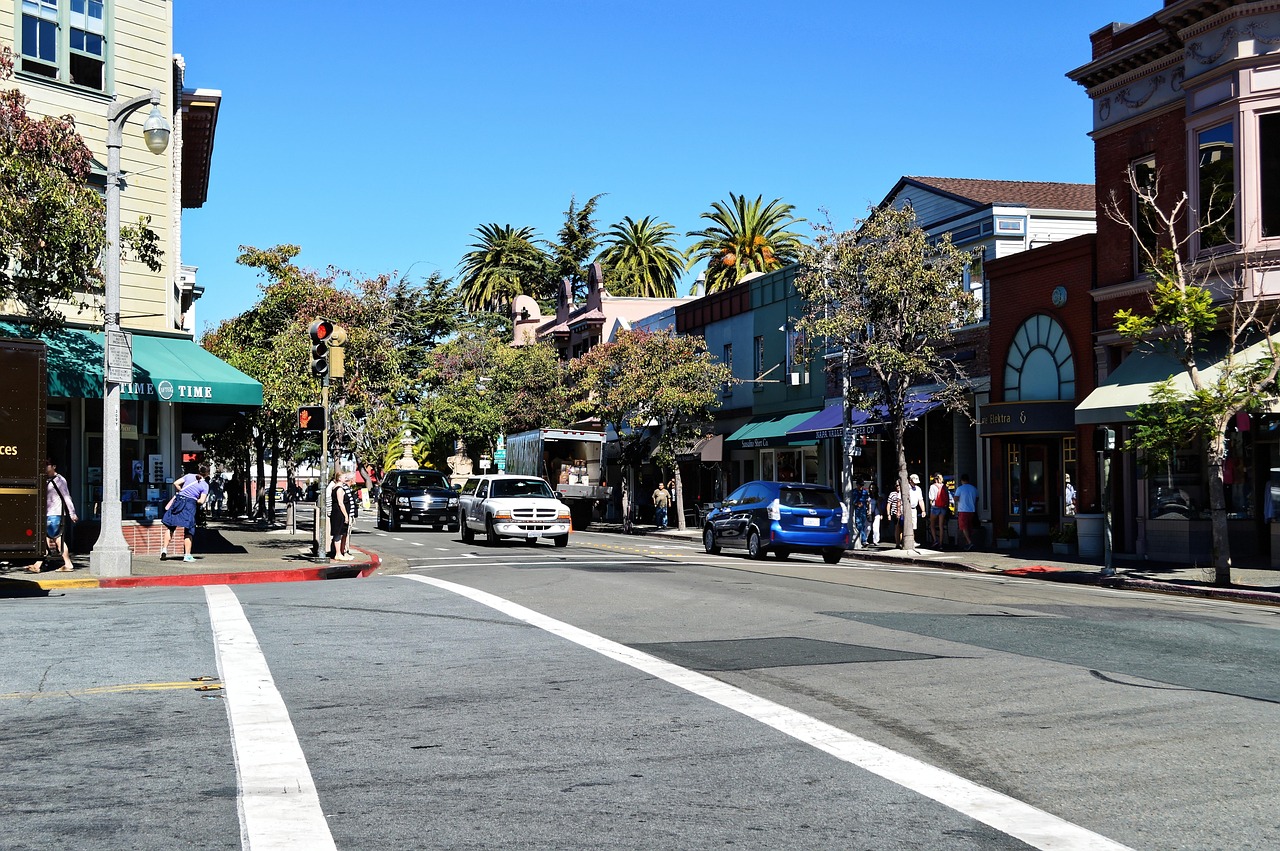
San Francisco’s formula retail policy made chain expansion a conditional-use question in neighborhood commercial districts, requiring public review and a case-by-case decision. That framework gives communities a way to weigh vacancy, local services, the existing business mix, and street character before another standardized storefront arrives with a national playbook. It is not a blanket ban. It is friction by design, meant to protect neighborhood identity while still allowing change where it makes sense. The policy reflects a simple belief: streets are cultural infrastructure, not just leasing opportunities.