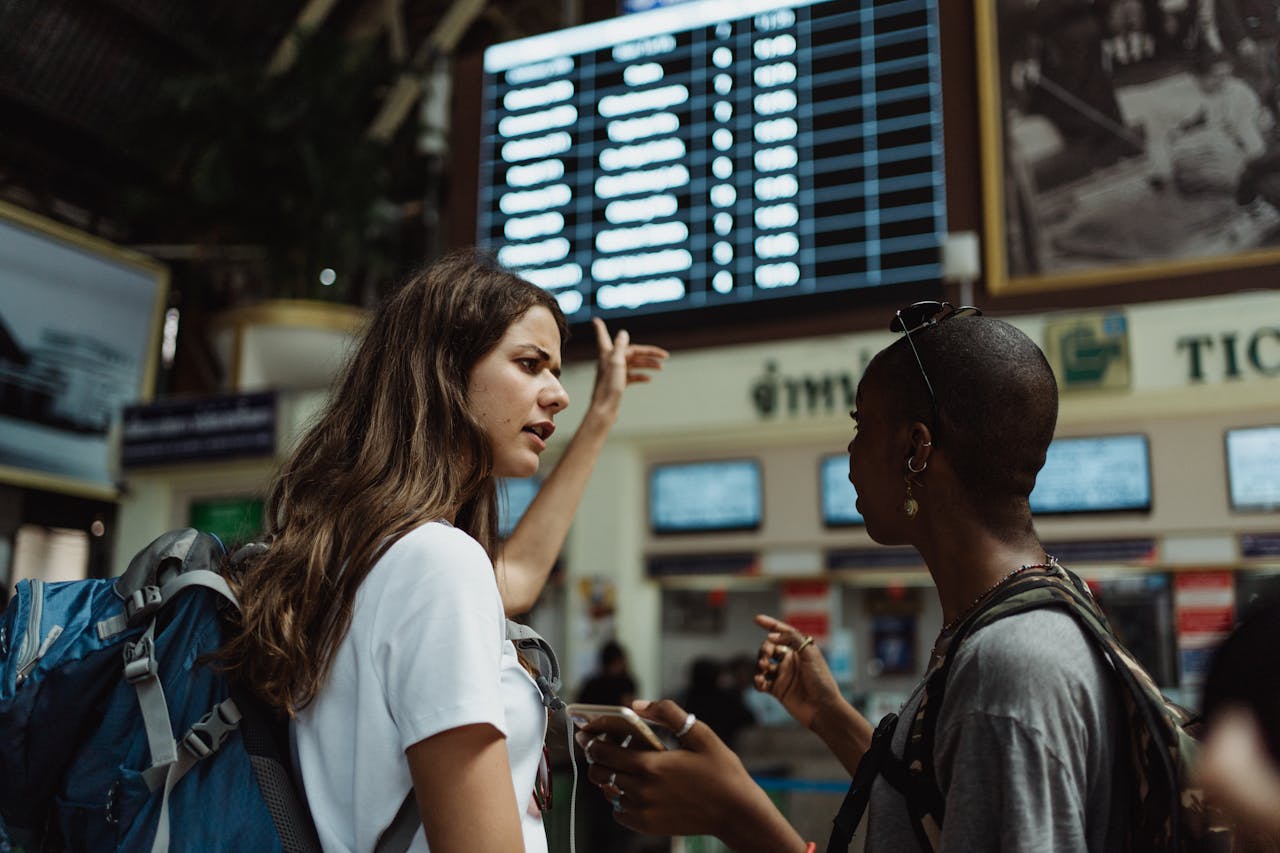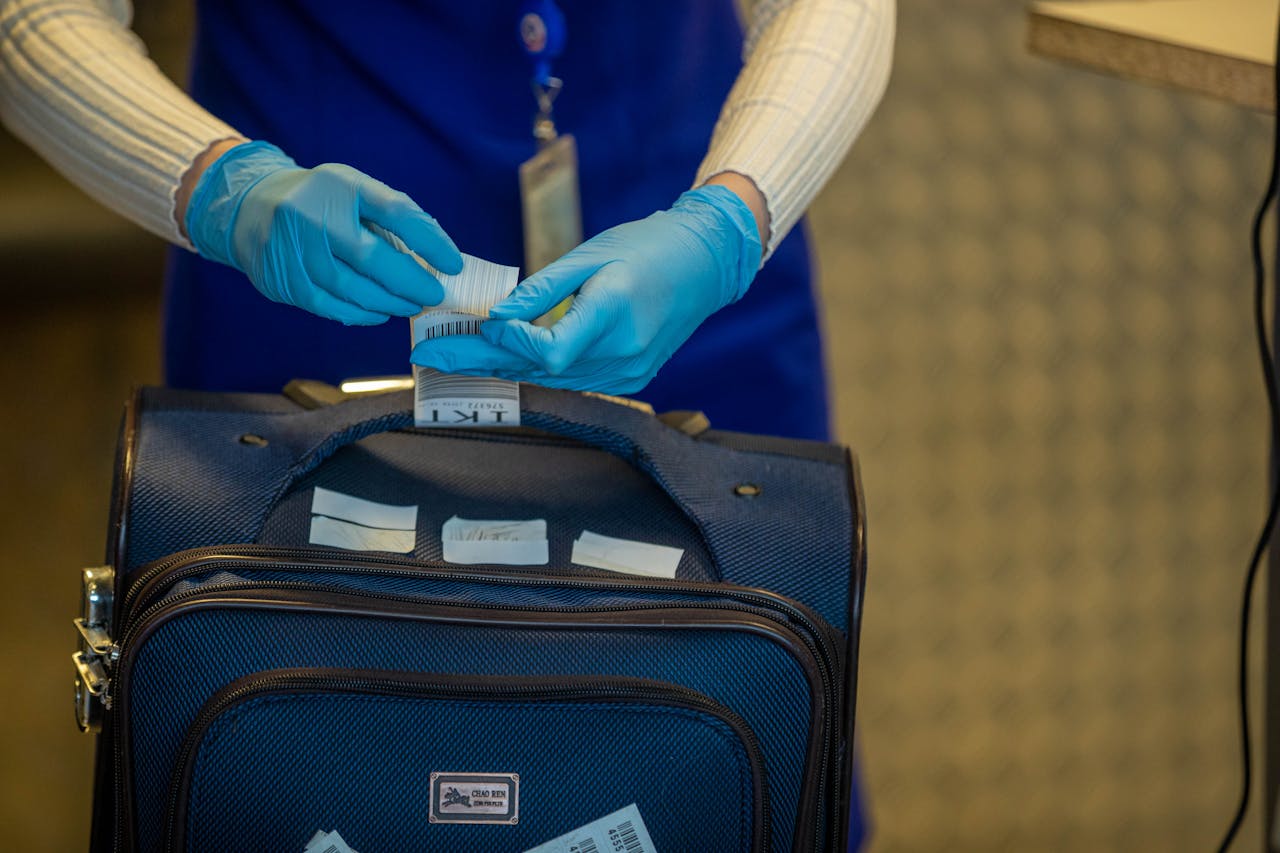
Airport security has a way of turning ordinary items into last-minute decisions. Across Europe, the liquids routine can shift by terminal, by lane, and sometimes by the month, especially as newer CT-style scanners arrive in waves rather than all at once. One checkpoint may let electronics and toiletries stay buried, while the next still insists on 100 ml bottles in a single 1 liter bag. Bright lights, hurried tray-loading, and a quiet line of screeners watching the monitor leave little room for debate. Add tight connections, duty-free receipts, and rushed repacking, and small mistakes become confiscated favorites.
The Mixed-Lane Illusion
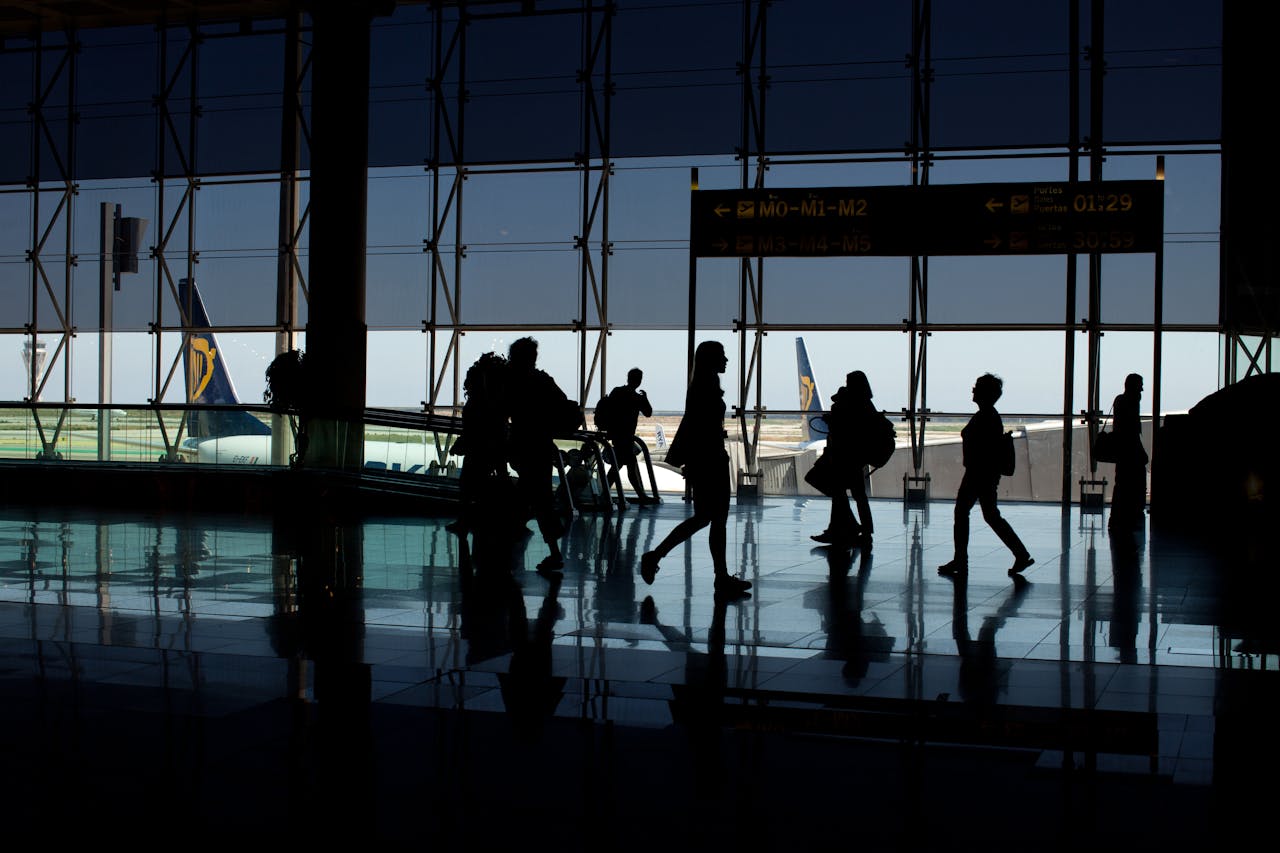
A terminal can run new CT lanes beside older X-ray lanes, and the signage rarely spells out what changes at the belt. Travelers pick the fastest queue, only to hear conflicting instructions: leave items inside, then suddenly remove liquids into a pouch. The scanner flags a full-size sunscreen that might have been fine two lanes over, because the older lane still enforces the 100 ml rule and the single 1 liter bag. With trays stacking up behind and pockets already emptied, the scene turns into a rushed repack, a surrendered bottle, and a quiet lesson learned too late. Even experienced flyers get caught by that roulette.
The Surprise Return Of The 100 ml Cap
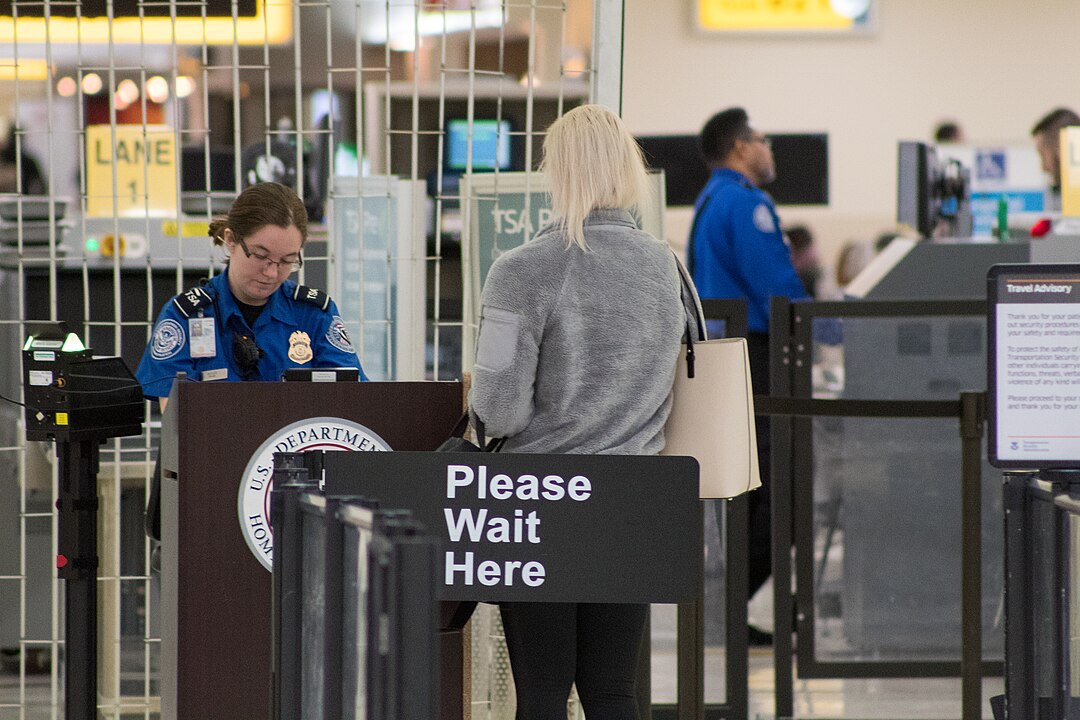
Some EU airports briefly allowed larger liquid containers when advanced cabin-baggage scanners were introduced, which trained frequent flyers to relax. Then a temporary EU restriction pushed affected airports back to the standard 100 ml limit starting Sept. 1, 2024, tied to a technical issue rather than a new threat. The trap is psychological: confidence built on last season’s experience, plus announcements missed in the rush of travel planning. A half-used conditioner that once sailed through suddenly lights up the screen, and the surrender bin becomes proof that policy can reverse overnight. Even at familiar hubs.
Leave It In The Bag, Still Lose It
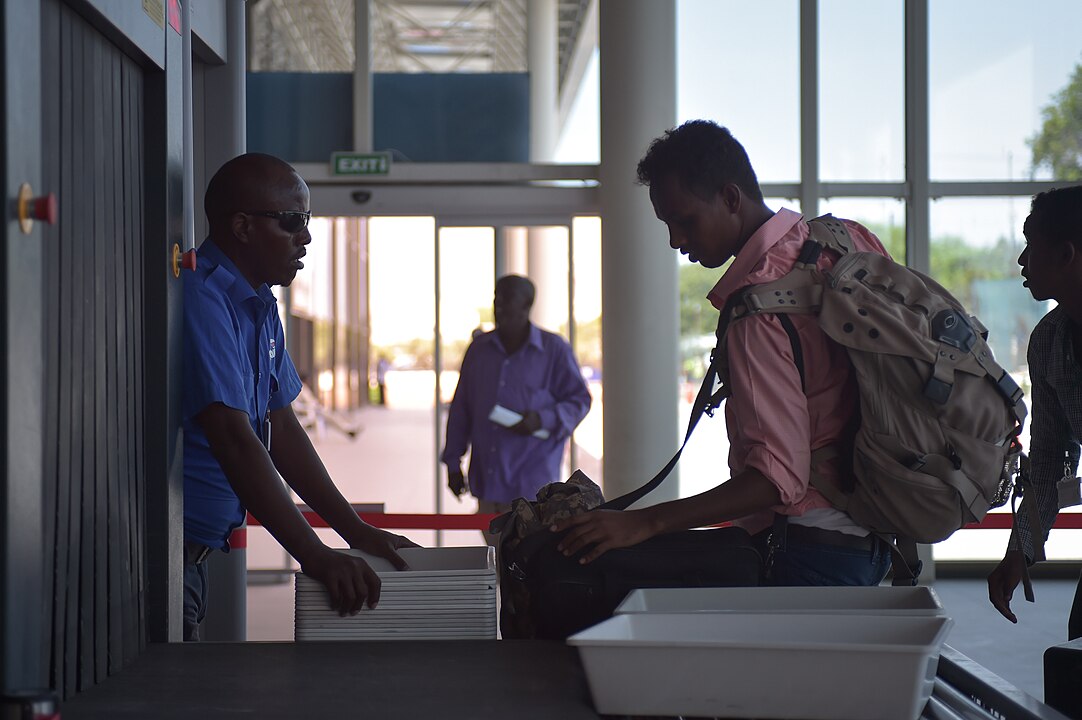
Newer scanners often remove the annoying step of pulling liquids and laptops out, which feels like a permission slip to pack normally. But some airports with CT screening still require containers capped at 100 ml and, in many cases, a resealable 1 liter bag, even if the bag stays inside the carry-on. That gap between technology and policy trips up frequent flyers. The trap is speed: nothing gets unpacked, oversized bottles stay tucked in side pockets, and the image review catches them anyway. By the time a bag is opened at the search table, the easiest outcome is usually surrender. Convenience hides the mistake. For many.
The One-Bag Rule That Becomes Two
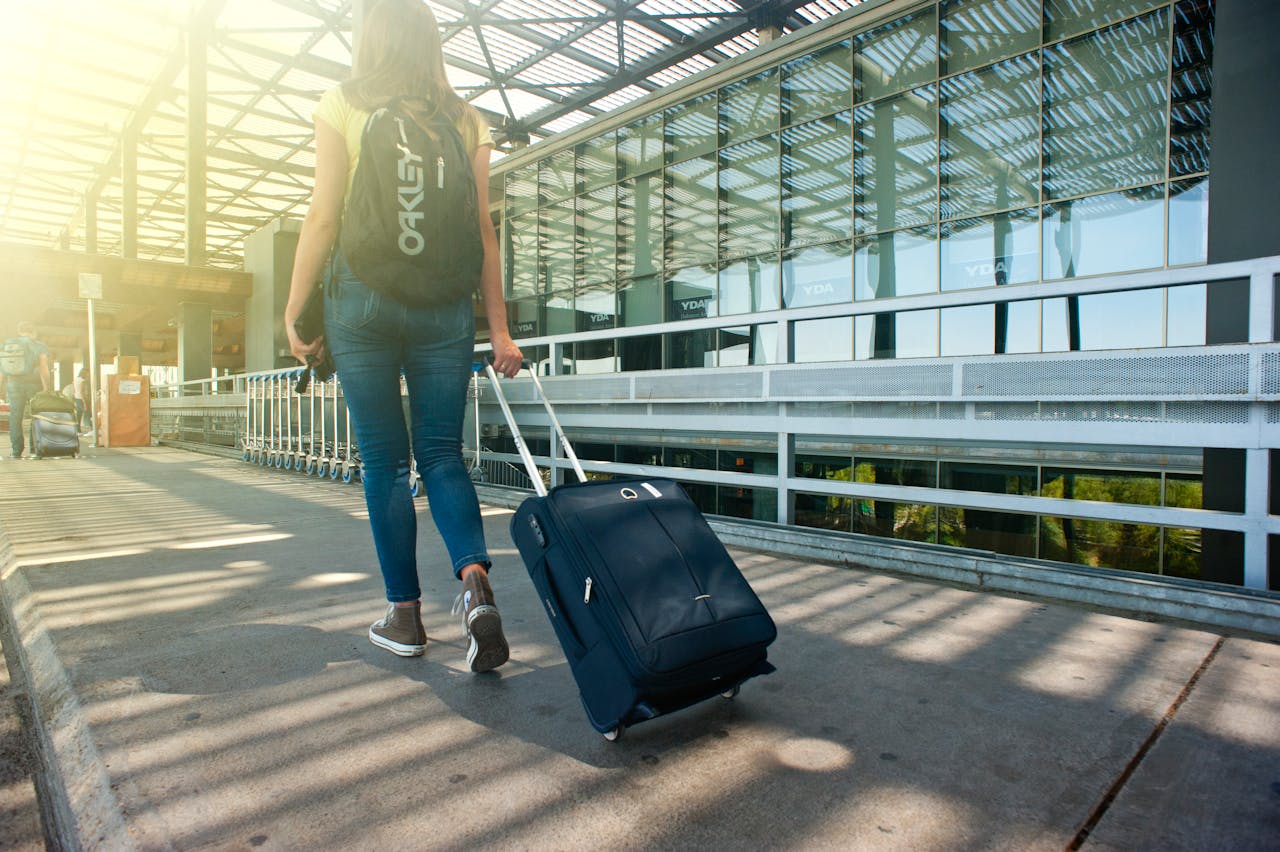
The classic liquids routine sounds simple until it meets real packing: a toiletry kit in one pocket, a snack pouch in another, and a stray sanitizer clipped to a strap. Many checkpoints still expect all liquids in one transparent, resealable bag, and screeners treat a second pouch as a second violation. Even when every container is under 100 ml, the scanner view shows liquids scattered through the carry-on like confetti. A bulging bag that will not close cleanly is another quiet trigger, because it suggests more volume than allowed. The follow-up search feels personal, but it is usually just math and packaging. at once.
The Bottle Size Counts, Not The Leftovers
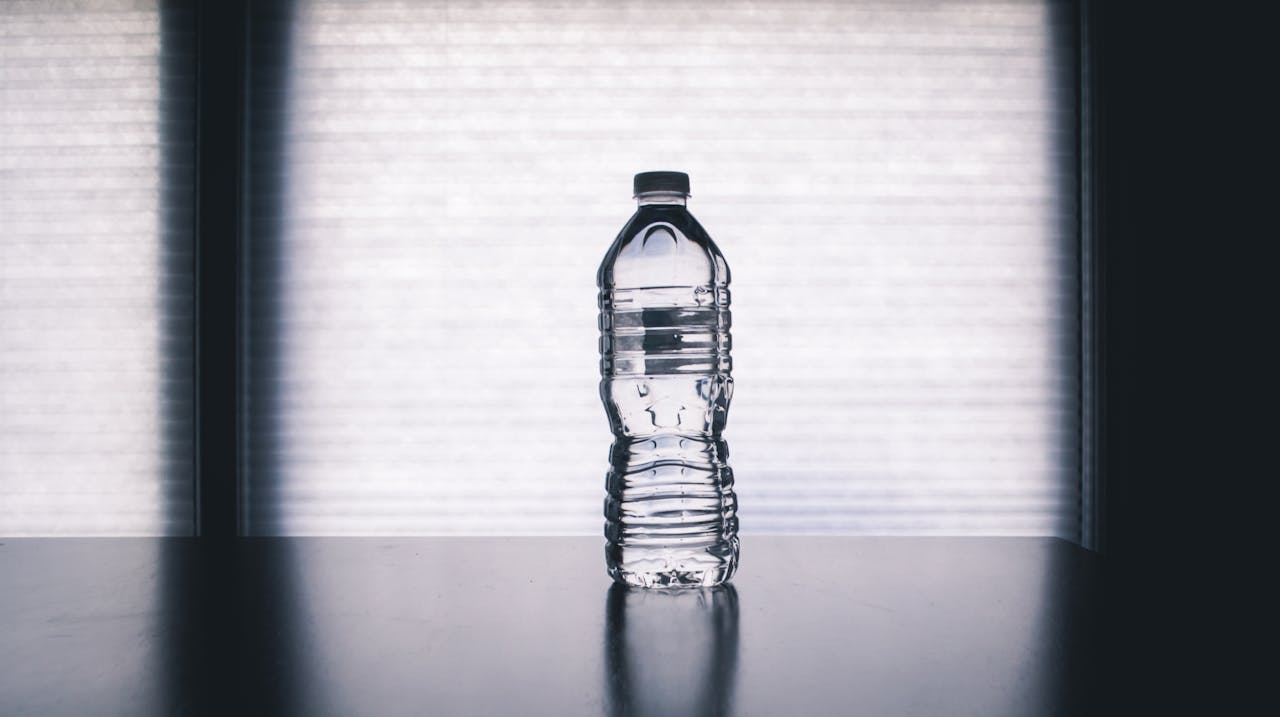
A nearly empty 200 ml bottle feels harmless, but security cares about the container’s printed capacity, not the amount sloshing inside. That is why travelers lose expensive face serums and sunscreens saved for the trip, even when the bottle is mostly air. Pouches and pump tops do not help, because the label still tells the story. The scanner trap is visual: a tall bottle looks like a tall bottle, and screeners do not have time to estimate what remains. Decanting into travel sizes before departure is boring, but it prevents the familiar outcome of watching a favorite product get tossed without ceremony at the checkpoint.
Duty-Free Bags That Get Unsealed Too Soon
Duty-free liquids can feel like a loophole, until a connection adds another security screening. Many airports only accept duty-free bottles if they stay inside a sealed, tamper-evident bag with the receipt visible, and any tear or missing slip invites confiscation. The trap is routine: a traveler opens the bag to stash it neatly, or a shop clerk folds the receipt into a pocket that never reaches the tray. Even a gentle squeeze that breaks the seal can be enough to trigger a hard no. On the scanner side, the bottle is just a large liquid again, and the origin story rarely changes the outcome on transfers. in Europe.
The Refillable Bottle That Still Has Water
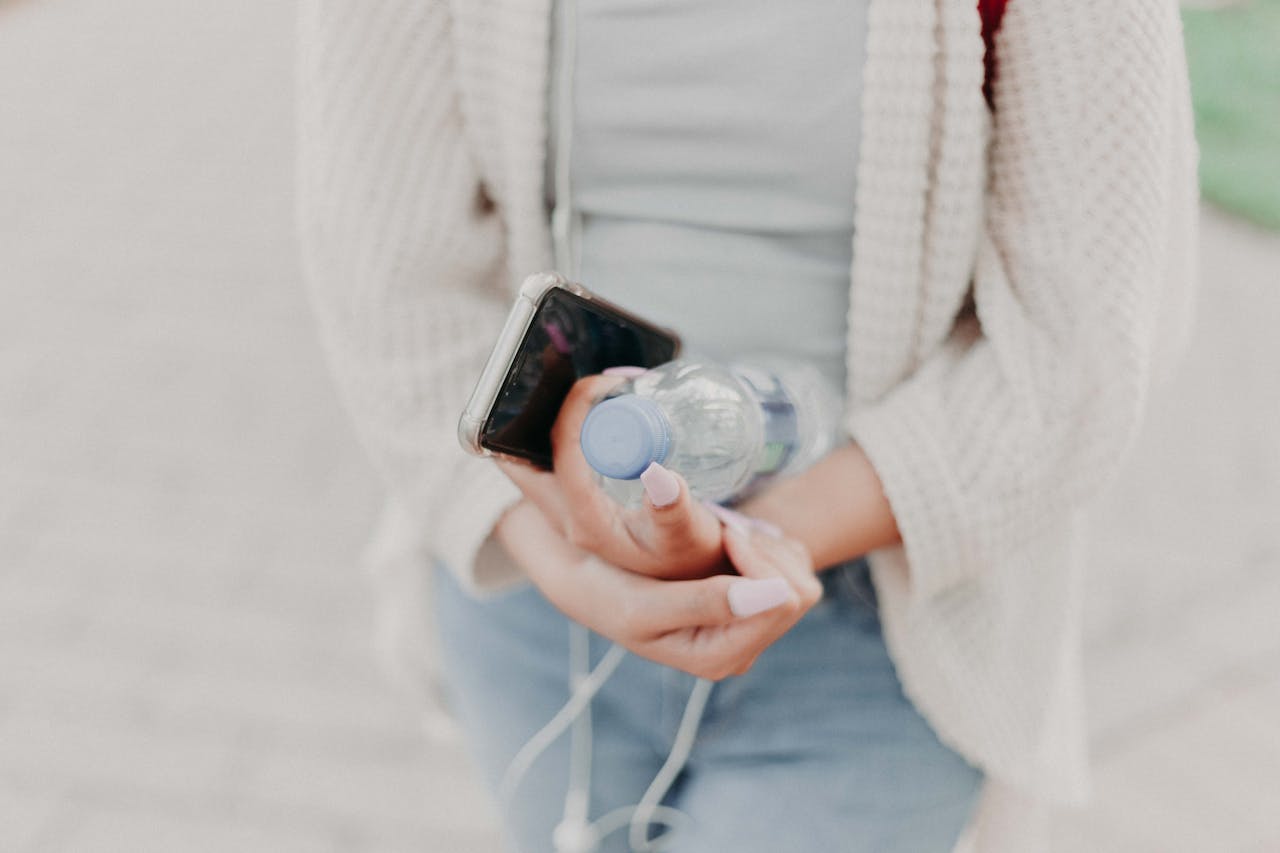
Reusable bottles have become part of the airport uniform, but security still treats a half-full bottle as a liquid item that cannot cross the checkpoint. Some airports explicitly allow the bottle itself while requiring it to be empty before screening, which turns a casual sip in the queue into a problem on the belt. CT scanners may let toiletries stay packed, so people forget that drinks are different. The scanner sees a solid block of liquid and flags it instantly. The frustrating part is how avoidable it is: the bottle survives, the water does not, and the nearest sink is usually on the wrong side of the line again.
The Snack That Counts As A Gel
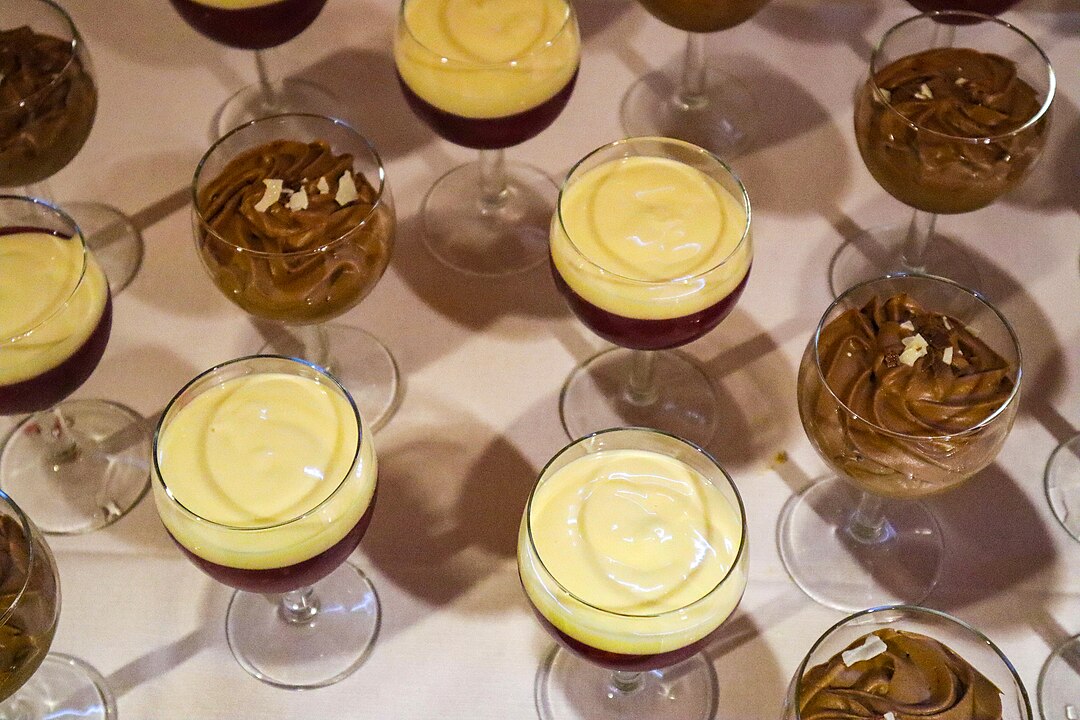
Security rules do not care whether an item feels like food or toiletries; the category is liquid, aerosol, or gel, and the scanner spots texture and volume, not intention. That is why hummus, yogurt, peanut butter, jams, and soft cheeses often get treated like shampoo, especially when packed for a train-to-plane day. A generous tub from a deli is almost guaranteed to trigger a search, even if it is unopened. Travelers tend to learn this only after a bag search, when a perfectly normal lunch is judged by the same 100 ml logic. The trap is emotional: nobody expects a snack to be the item that slows the line at security.
Makeup That Looks Solid, Acts Like Liquid
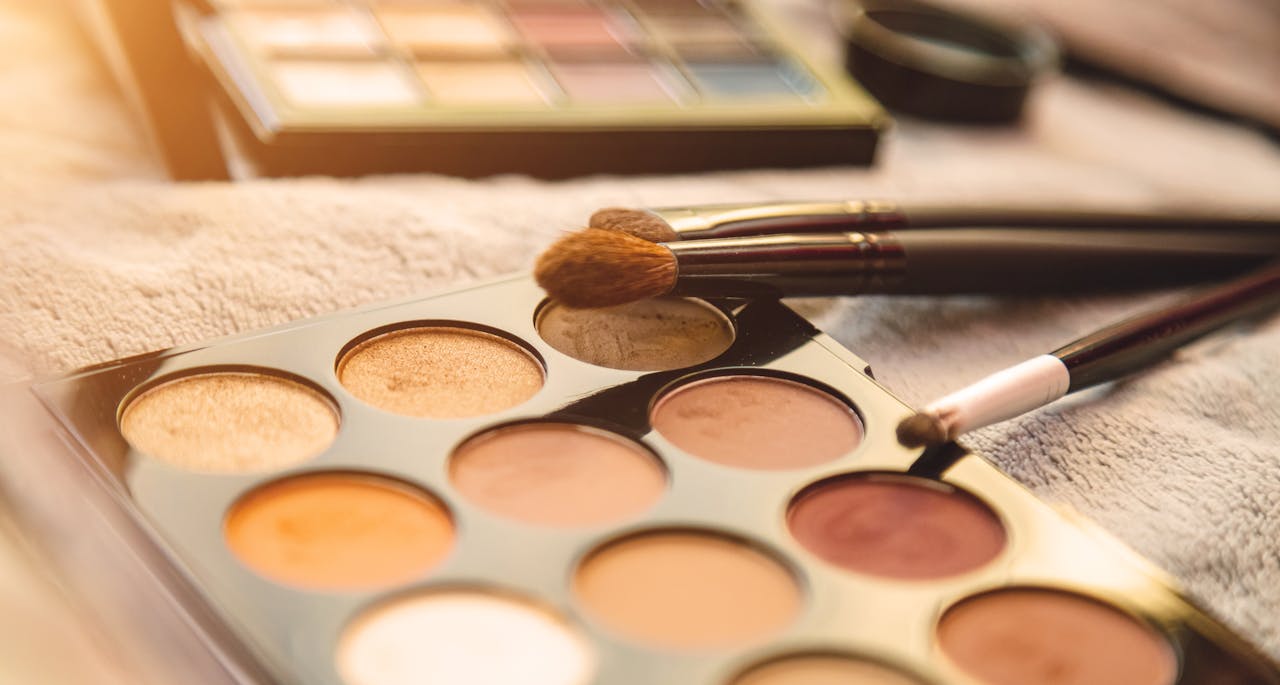
Liquid rules catch people who pack beauty the way it sits on a vanity. Mascara, lip gloss, liquid eyeliner, and cream blush look small, so they get scattered through a purse or jacket pocket. Samples and travel minis multiply fast, especially on weekend breaks, and they rarely start in the clear bag. At the scanner, those tiny tubes add up, and the bag search turns into a messy pile of products on the table. The trap is not the 100 ml limit so much as the counting: everything still has to fit inside one transparent bag within the allowed volume. Beauty is portable now, but security still prefers it bundled and obvious.
Aerosols That Trigger Extra Attention
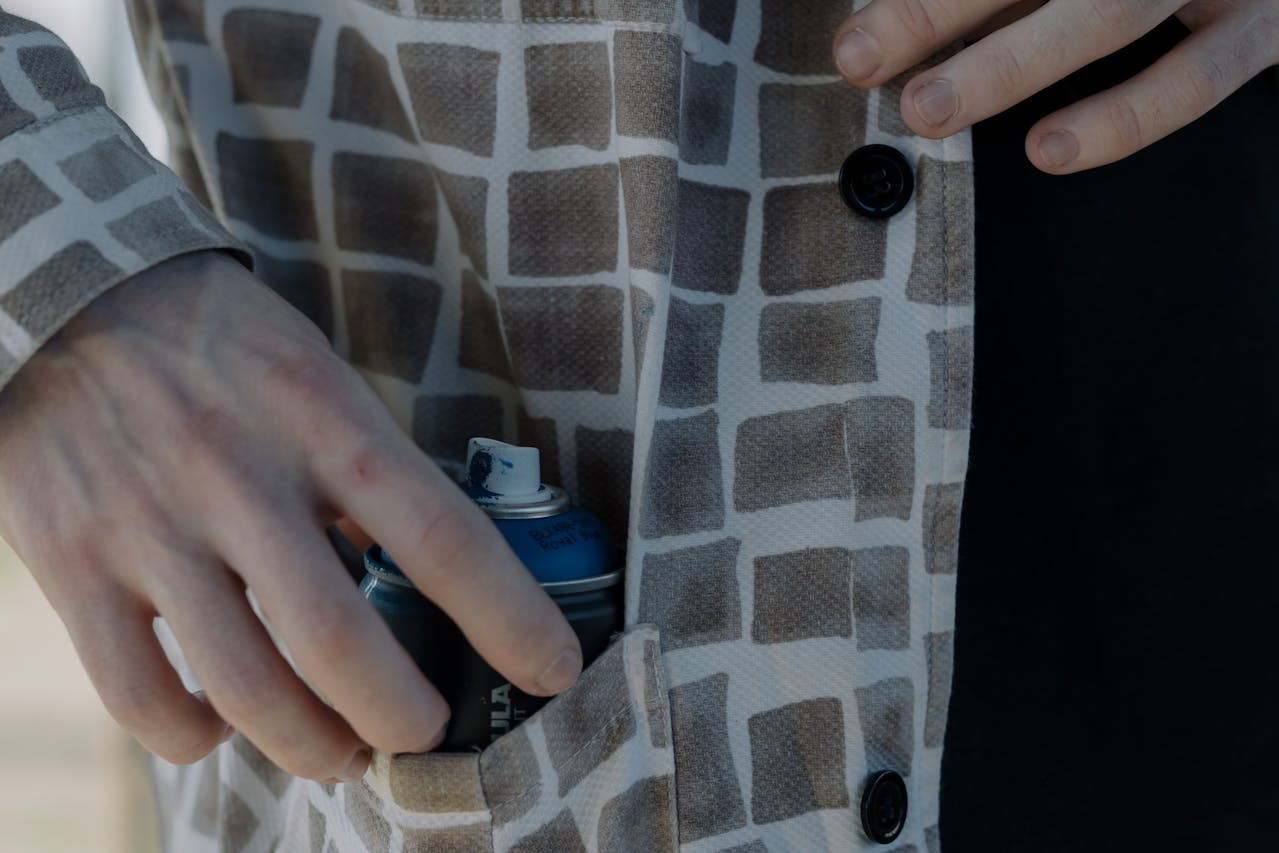
Aerosols sit in the same liquids family, but they often earn extra scrutiny because pressurized cans read differently on the screen. Dry shampoo, spray deodorant, travel hairspray, and shaving foam are common casualties, especially when the can is labeled 150 ml even if it feels compact. When scanners let items stay packed, the mistake stays hidden longer, so the stop feels sudden. Another trap is a can tucked into an outer pocket after a gym session, where it never joins the clear bag routine. Once flagged, the search is quick and decisive, and the can rarely makes it back into the carry-on. The bin wins every time.
Souvenirs That Look Innocent On The Conveyor

The best souvenirs are often edible, and that is exactly why they cause trouble at screening. Olive oil, local honey, specialty vinegar, and homemade liqueurs are all liquids in the security sense, even when wrapped like gifts. Bubble wrap and padded sleeves do not matter to the scanner, which only cares about what is inside. Snow globes and decorative bottles fall into the same trap: they look harmless on a shelf, but they read as a clear volume on the monitor. When a return flight includes a smaller airport with stricter habits, the confiscation feels personal, but it is simply the rule meeting a sentimental purchase.
Medical Liquids Without The Paper Trail
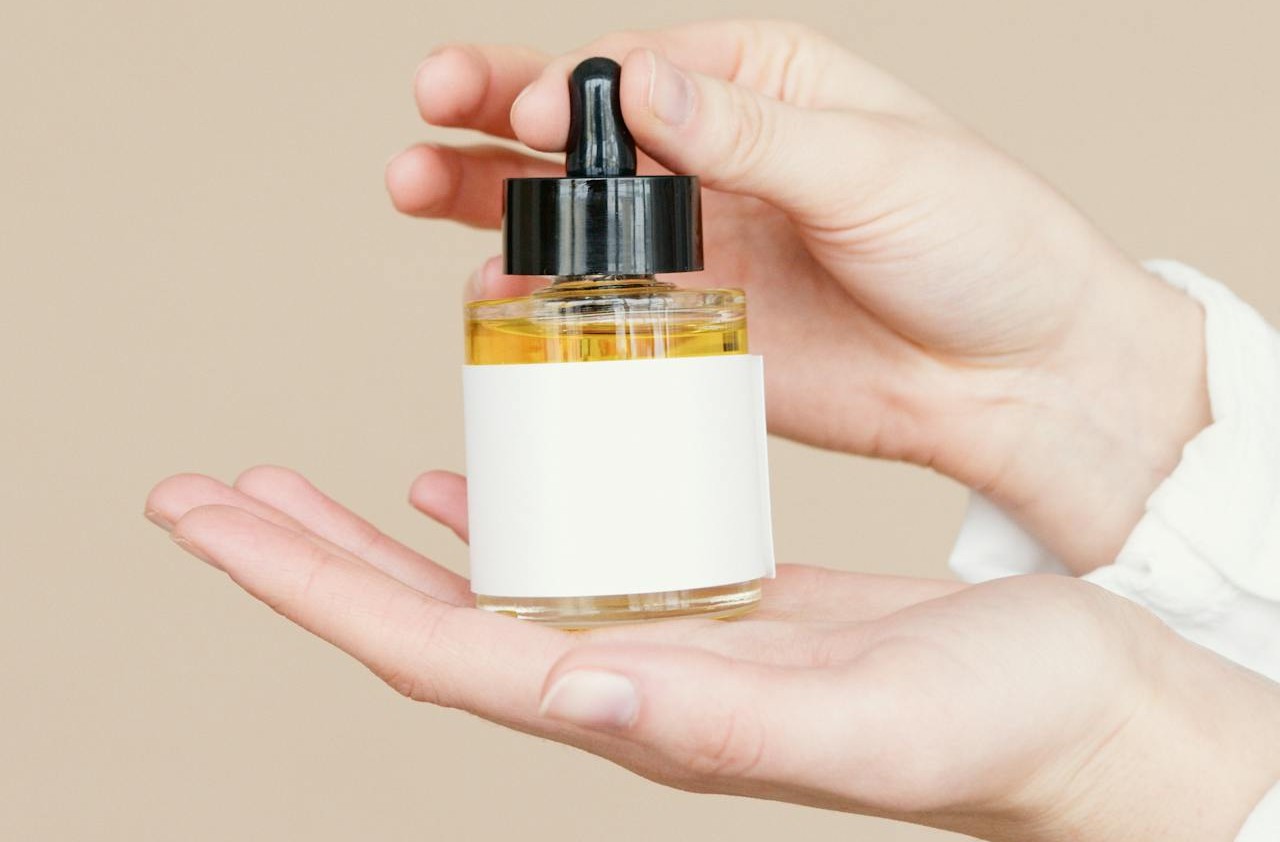
European security rules typically allow exceptions for medicines, special diets, and baby products, but the exception still has a human gatekeeper. When a traveler carries cough syrup, saline, or liquid nutrition in a large bottle, screeners may ask for a prescription label, a doctor’s note, or proof of need. The trap is assuming goodwill will replace documentation, especially on early flights when patience runs thin. A buried bottle looks like ordinary toiletries on the scan, so the stop comes before any explanation. Once flagged, the conversation happens at the search table, with queues moving and decisions made fast.
Family Items That Trigger A Second Look
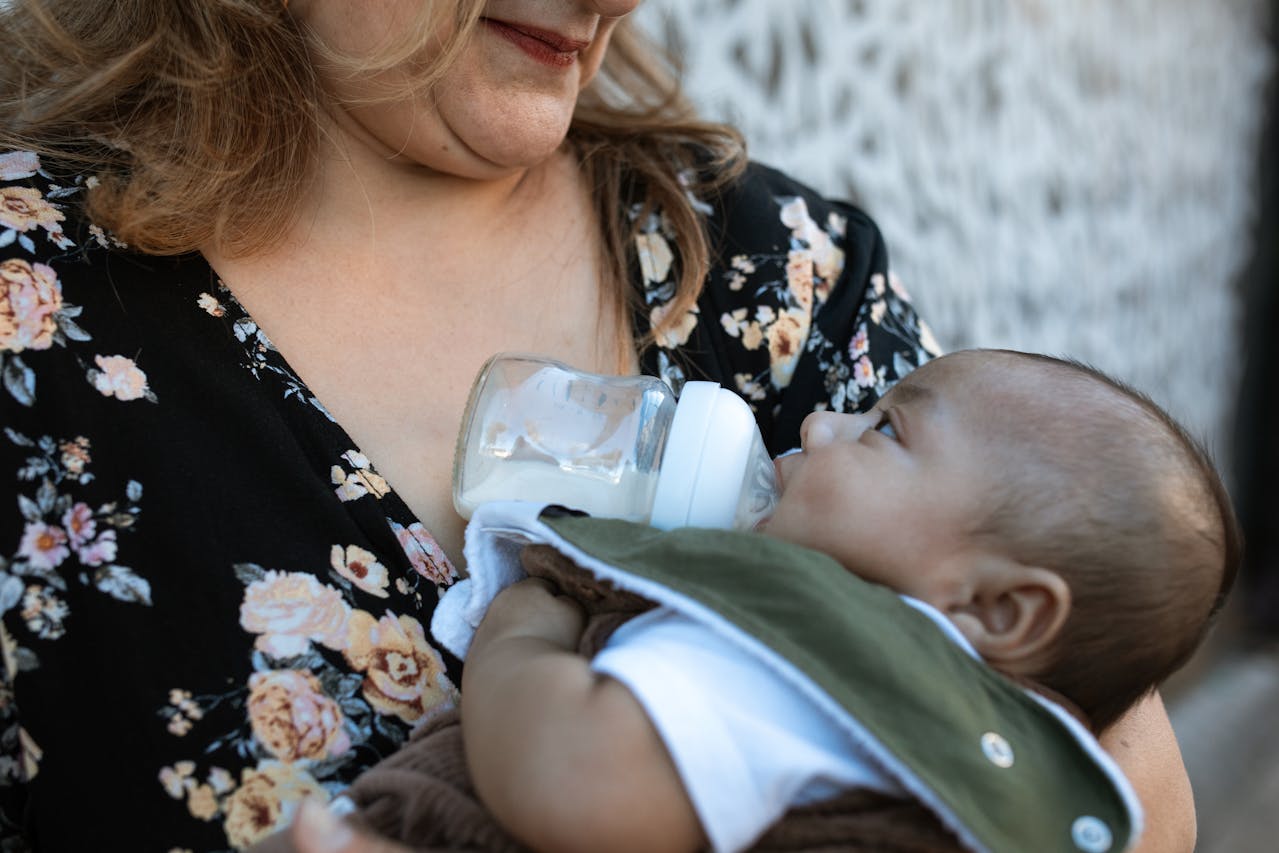
Families often travel with liquids that feel non-negotiable: baby formula, toddler drinks, puree pouches, and sterilizing water. Many checkpoints allow them, yet screening can still involve separate testing, extra questions, and a slower pace that catches tired parents off guard. The scanner trap is concentration: several bottles packed together look like a deliberate attempt to bypass the standard limits, even when the contents are legitimate. Add a stroller, snacks, and toys on the belt, and it becomes easy for one overlooked bottle to turn into a full bag search. Calm preparation matters more than speed in that lane.
The Two-Liter Upgrade That Stops At The Border
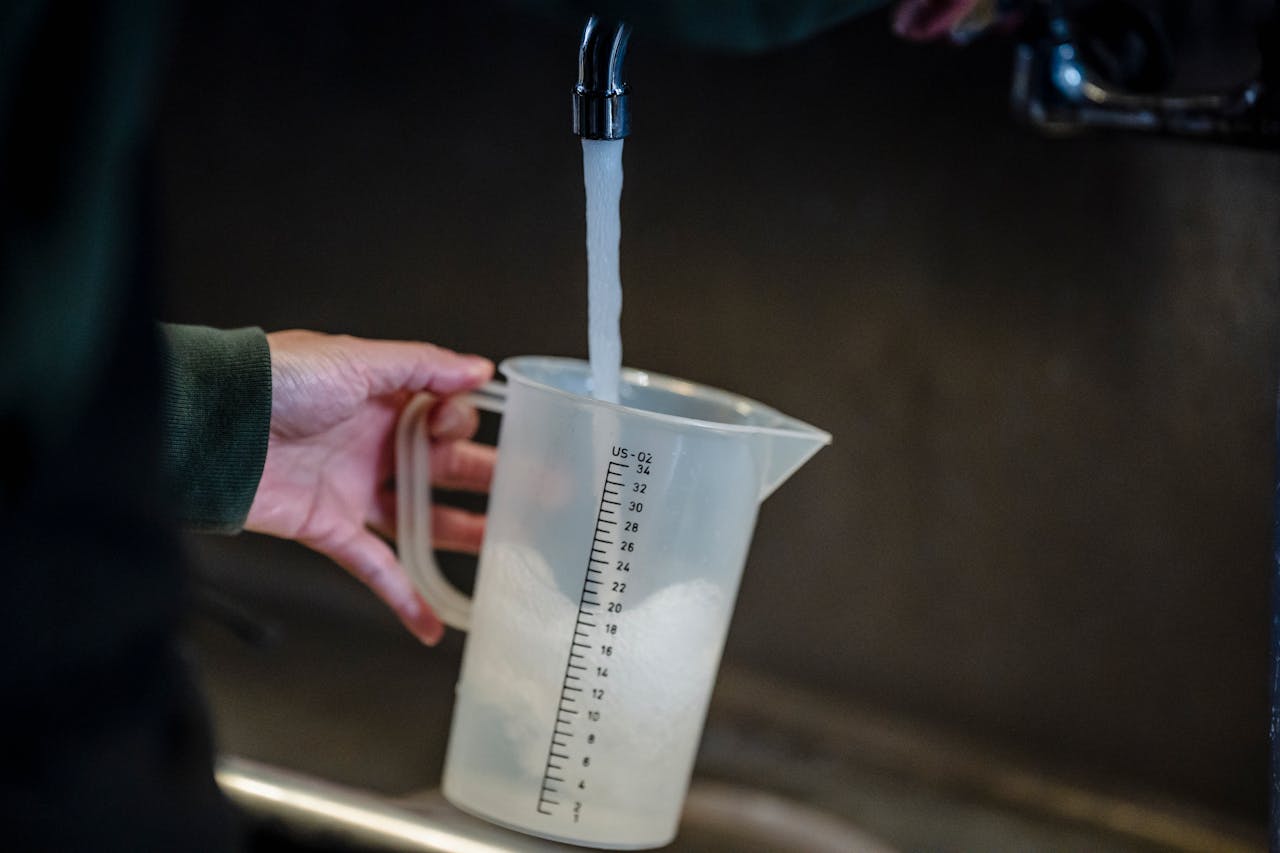
A handful of European hubs have rolled out newer scanners and eased the routine, letting passengers keep liquids in bags and, in some places, carry containers up to 2 liters. Dublin and Heathrow now advertise that more relaxed flow, which can reset expectations in a single trip. Then a connection through an older checkpoint brings back 100 ml bottles and the classic clear bag, sometimes within the same journey home. The trap is assuming Europe moves as one system. Rules can vary by airport and terminal, so a return flight can feel like time travel back to 2006. Airport websites often bury the detail in a security FAQ.