History has moments that feel like reality briefly stuttered: a crowd moving to an invisible rhythm, a summer that stubbornly refuses to warm up, a ship found stocked yet empty. These episodes are documented, argued over, and still disorienting on first contact, because the evidence is ordinary while the outcome is not. The common thread is not magic. It is how fragile normal becomes when stress, chance, and nature line up at the same time. Read together, they show the past as vivid and unsettled, with names, dates, and ledgers that refuse to feel impossible even when explanations seem reasonable.
Dancing Plague of 1518 in Strasbourg
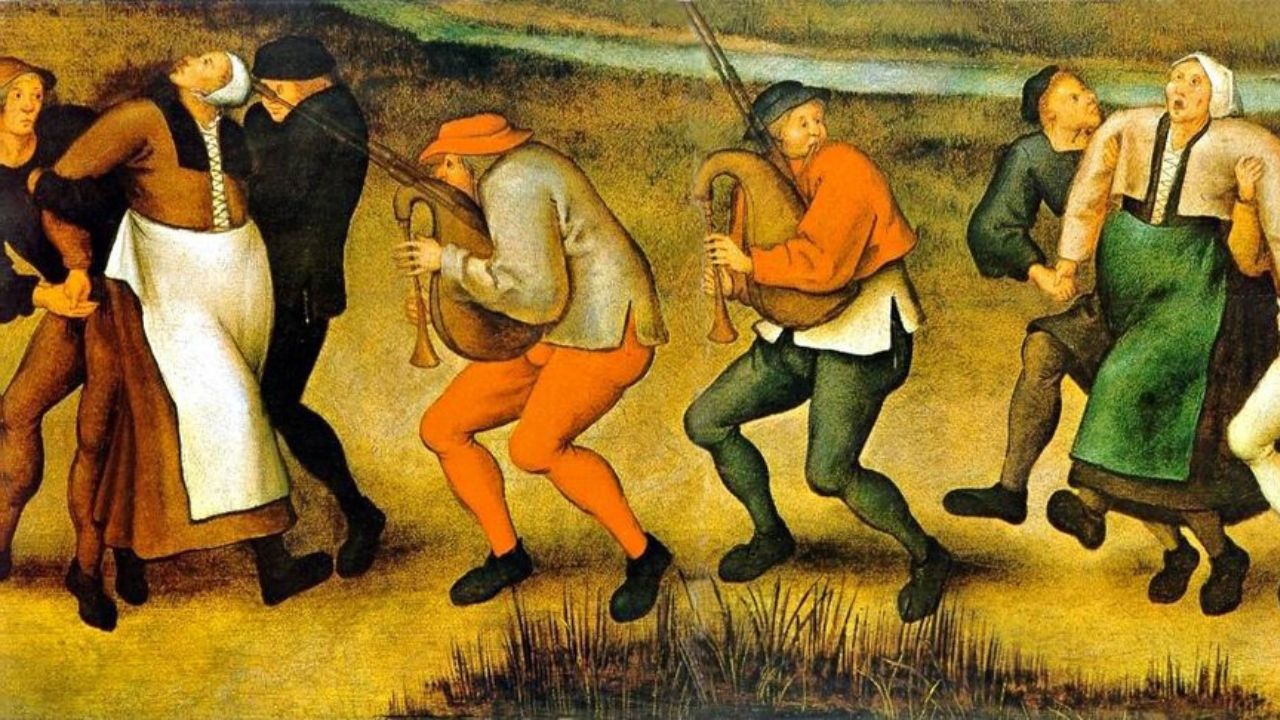
In July 1518, Strasbourg recorded an outbreak in which people danced in the streets for days, as if unable to stop. Accounts describe the crowd growing from one woman to dozens, then far more, while authorities tried remedies that now sound backward, including hiring musicians and setting up a public space so the dancing could burn itself out. Some dancers reportedly collapsed from exhaustion, and the city’s notes read like routine administration applied to something surreal. The episode lasted weeks, remains debated as stress, illness, or social contagion, and then ended as abruptly as it began.
The Great Molasses Flood in Boston
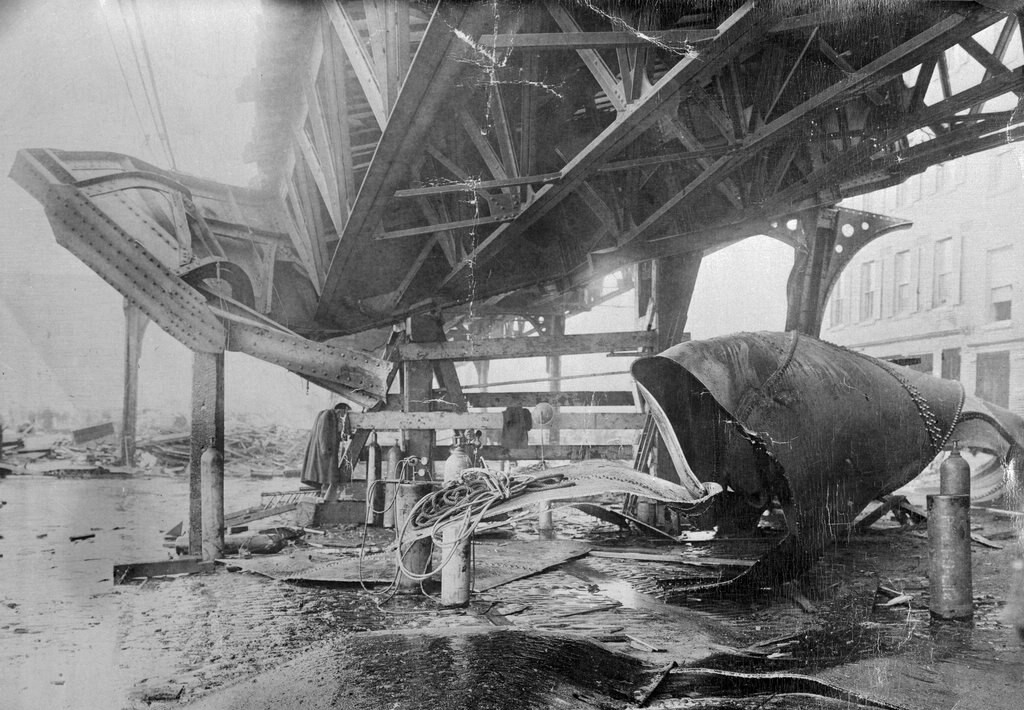
On Jan. 15, 1919, a molasses tank in Boston’s North End failed and released about 2.3 million gallons into the streets. Molasses sounds harmless until it moves like a heavy, sticky tide, pushing debris, knocking people down, and turning an ordinary midday into an emergency. The disaster triggered investigations and years of lawsuits, becoming a cautionary story about inspections, engineering choices, and ignored warnings. Witnesses described the sweet smell lingering for months, some blamed a rapid temperature swing, and cleanup took weeks, turning it into local legend. It still gets retold on walking tours.
The Tanganyika Laughter Epidemic
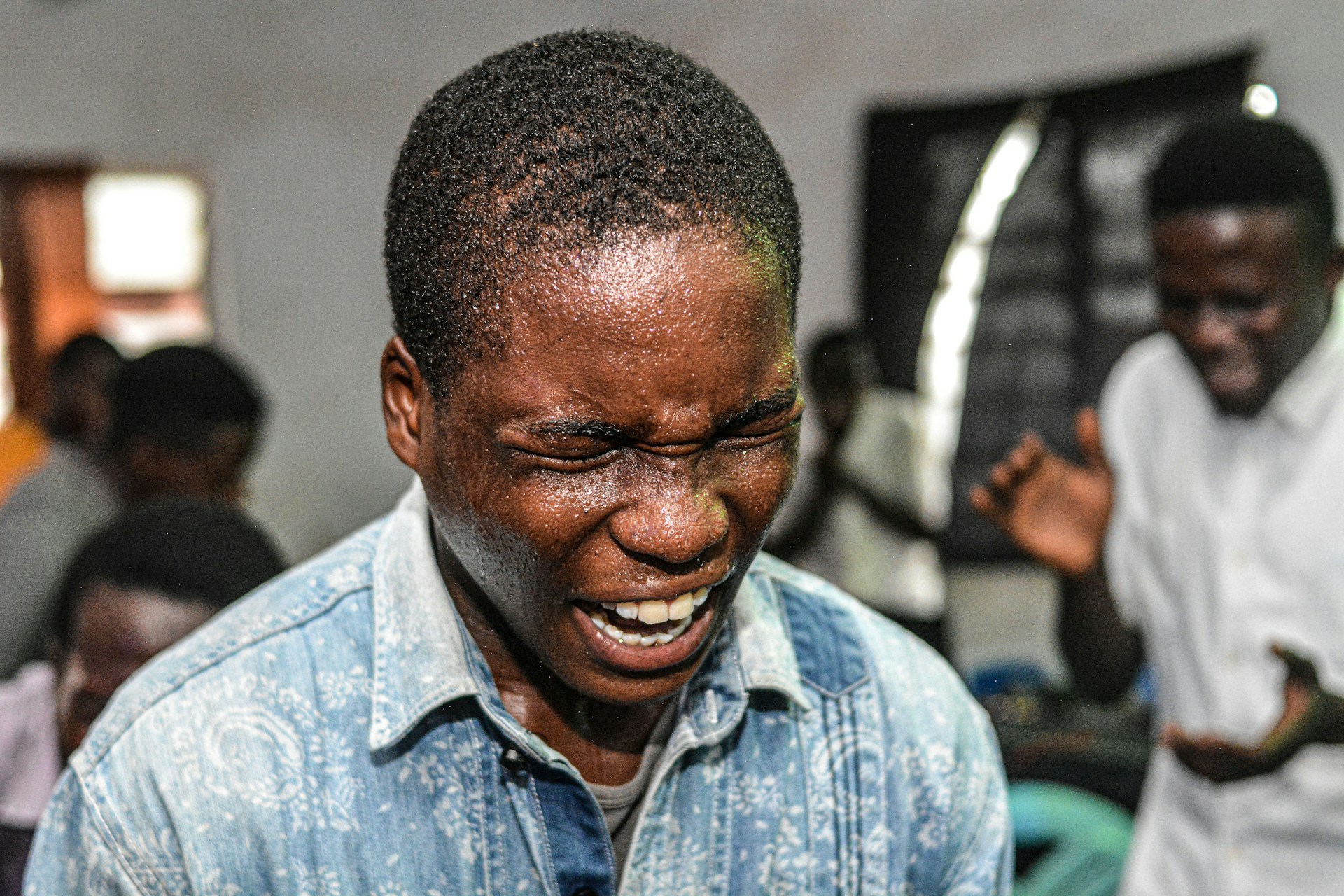
On Jan. 30, 1962, a girls’ boarding school in Kashasha, Tanganyika, reported laughter that started with a few students and spread until classes stopped. The school closed, students went home, and similar episodes appeared in nearby villages, as if the reaction traveled along social lines rather than geography. Researchers often describe it as mass psychogenic illness, a stress response that can show up as real physical and emotional symptoms inside a tight group. The oddest part is the tone of the reports: laughter, something light, became disruptive enough to reshape daily life for months in the region.
The Mary Celeste Is Found Empty
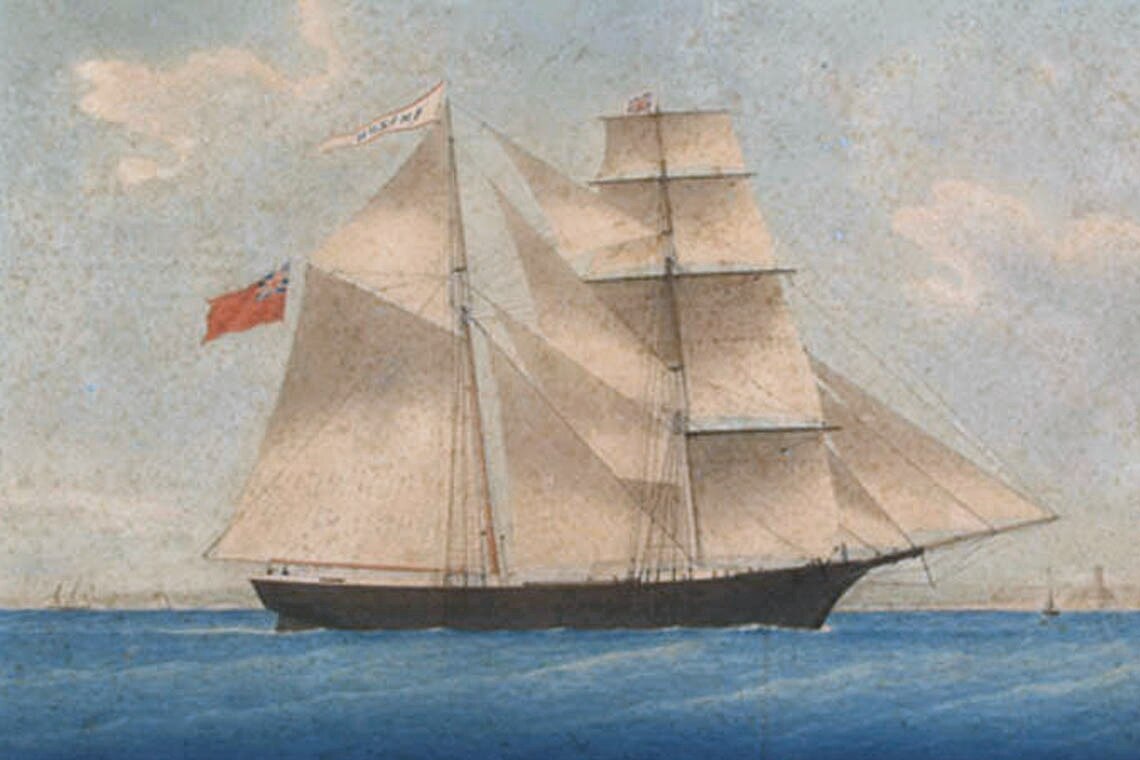
On Dec. 4, 1872, the merchant brigantine Mary Celeste was found drifting near the Azores, under partial sail and seaworthy, but with no crew aboard. She still carried provisions and much of her cargo, and personal items were not scattered like a ship hit by panic, which is why the scene felt so wrong. The lifeboat was missing and the last log entry was dated days earlier, as if the crew stepped out mid-sentence and never returned. Salvage hearings chased theories from accident to foul play, yet nothing fully explains the quiet, staged emptiness that made the story stick. It has haunted sea lore ever since.
The Sky Goes Dim in 536
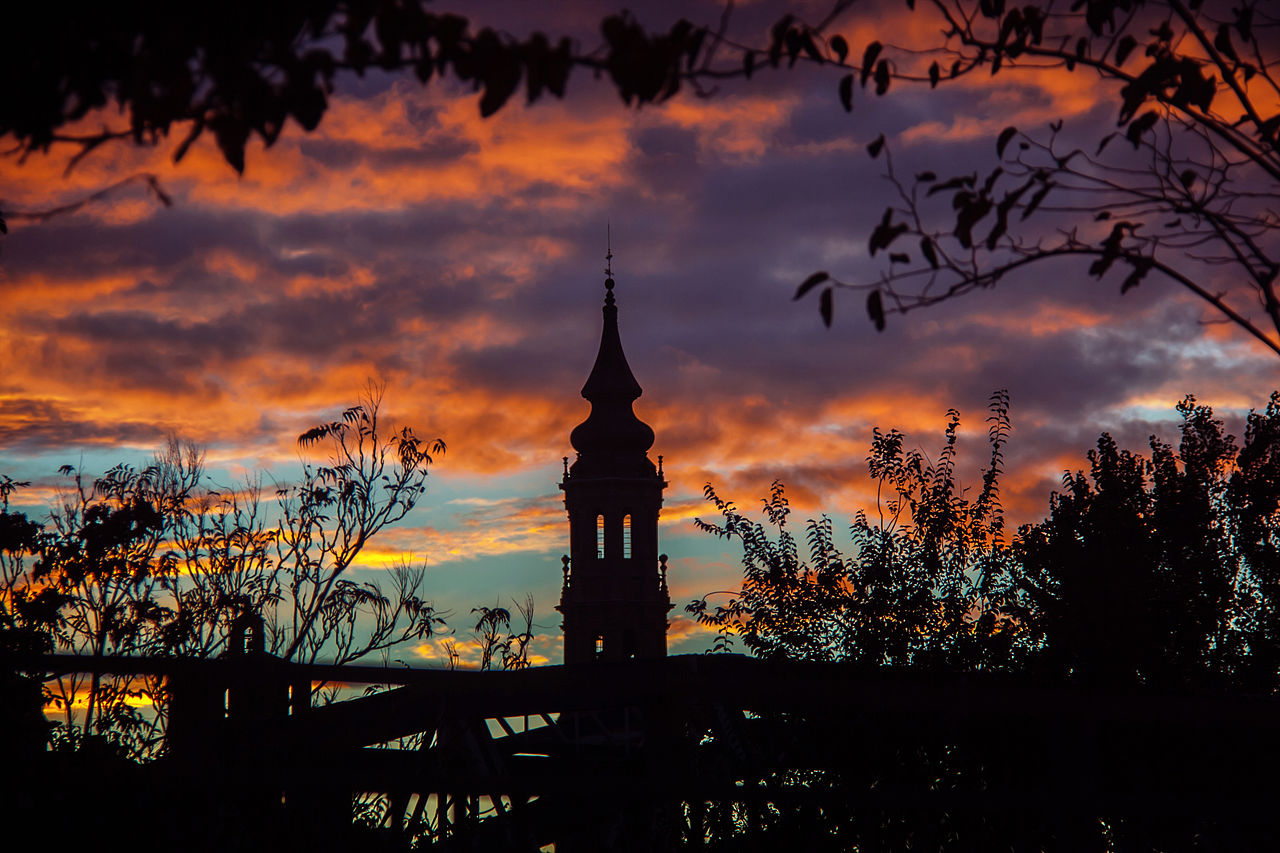
In 536, writers in Europe and the Mediterranean described daylight that looked muted, as if a veil hung over the sun for months. Modern research links the period to major volcanic activity and sudden cooling, followed by difficult harvests in parts of the Northern Hemisphere. What makes it feel like a glitch is the calendar mismatch: summer without real warmth, strange skies, and a long stretch where the world seemed stuck in dusk. The accounts are matter-of-fact, which somehow makes them more unsettling, as if people were trying to stay calm while daylight itself failed for reasons no one could name.
The Year Without a Summer
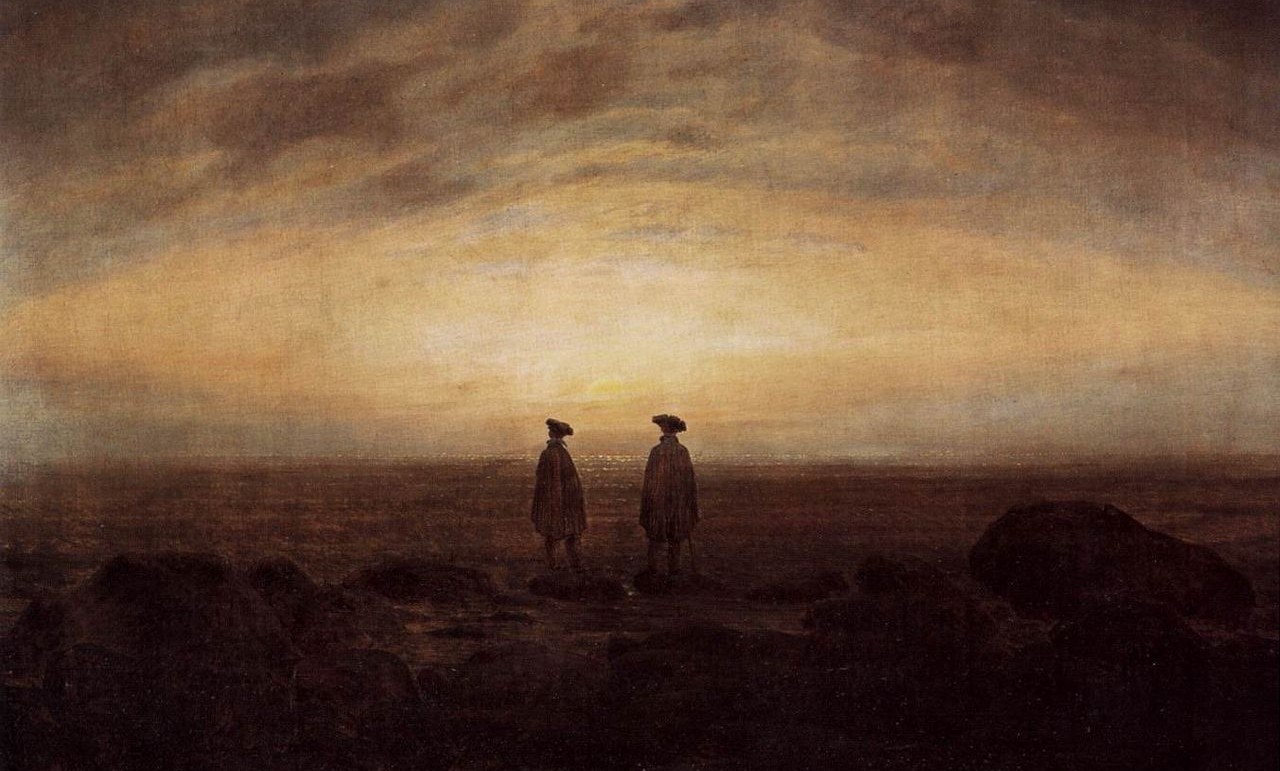
In 1816, communities across parts of Europe and North America reported summer weather that refused to arrive, with cold rain, gray skies, and even frosts. Scientists connect the disruption to the April 1815 eruption of Mount Tambora, which lofted material into the atmosphere and cooled the planet for a time. The uncanny part is how quickly routines changed: fields failed, food prices rose, and travel journals described June like early spring. Out of the gloom came new movements of people, new adaptations, and even art shaped by dark skies, a reminder that climate can edit history fast in one season.
The Tunguska Blast Levels a Forest
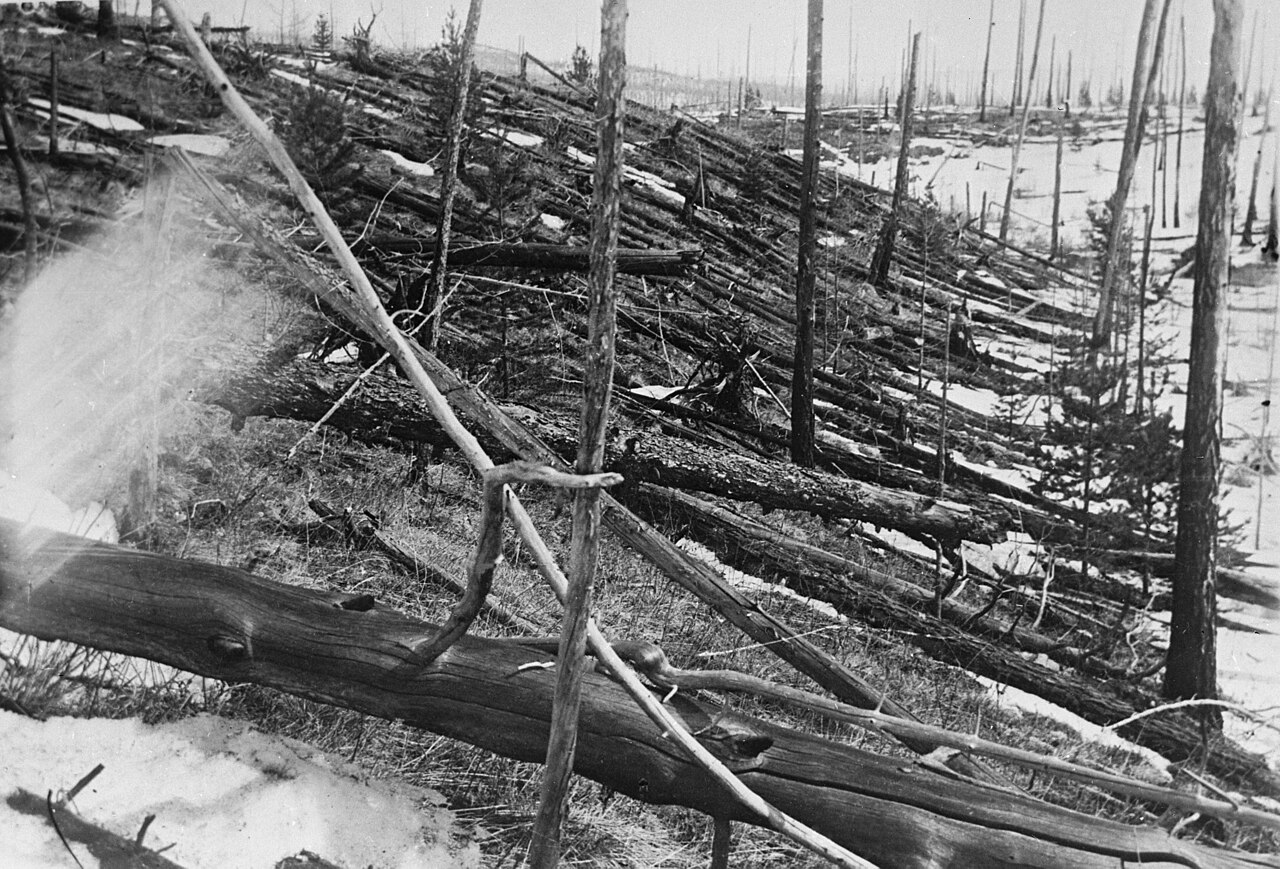
On June 30, 1908, an enormous explosion over remote Siberia flattened a vast area of forest near the Podkamennaya Tunguska River. There was no confirmed impact crater, and early descriptions sounded like folklore: a bright flash, a shockwave, and trees laid down as if combed outward from the sky. Later work pointed to a meteoroid airburst, a cosmic object breaking apart above ground with energy that dwarfed conventional blasts. Expeditions later walked for days through matchstick timber, a physical diagram of a force that arrived, detonated, and vanished without leaving a simple hole to point at.
The London Beer Flood
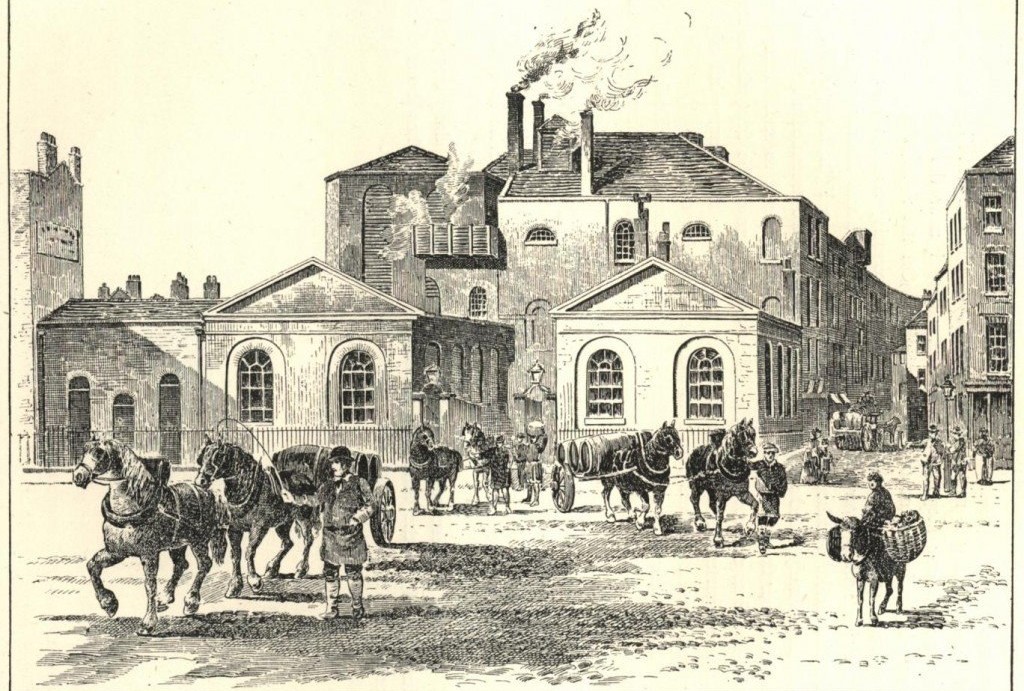
On Oct. 17, 1814, a giant vat of porter at London’s Horse Shoe Brewery burst and set off a chain reaction that released a flood into nearby streets. The numbers sound invented, tens of thousands of gallons pouring out in minutes, yet the incident was real enough for an inquest and long retelling. What makes it feel unreal is the contrast: an ordinary afternoon, then a wave of beer strong enough to demolish walls and sweep through a crowded neighborhood. The story endures as a reminder that industrial accidents can be both tragic and bizarre, because everyday materials become dangerous when containment fails.
The Great Emu War in Australia
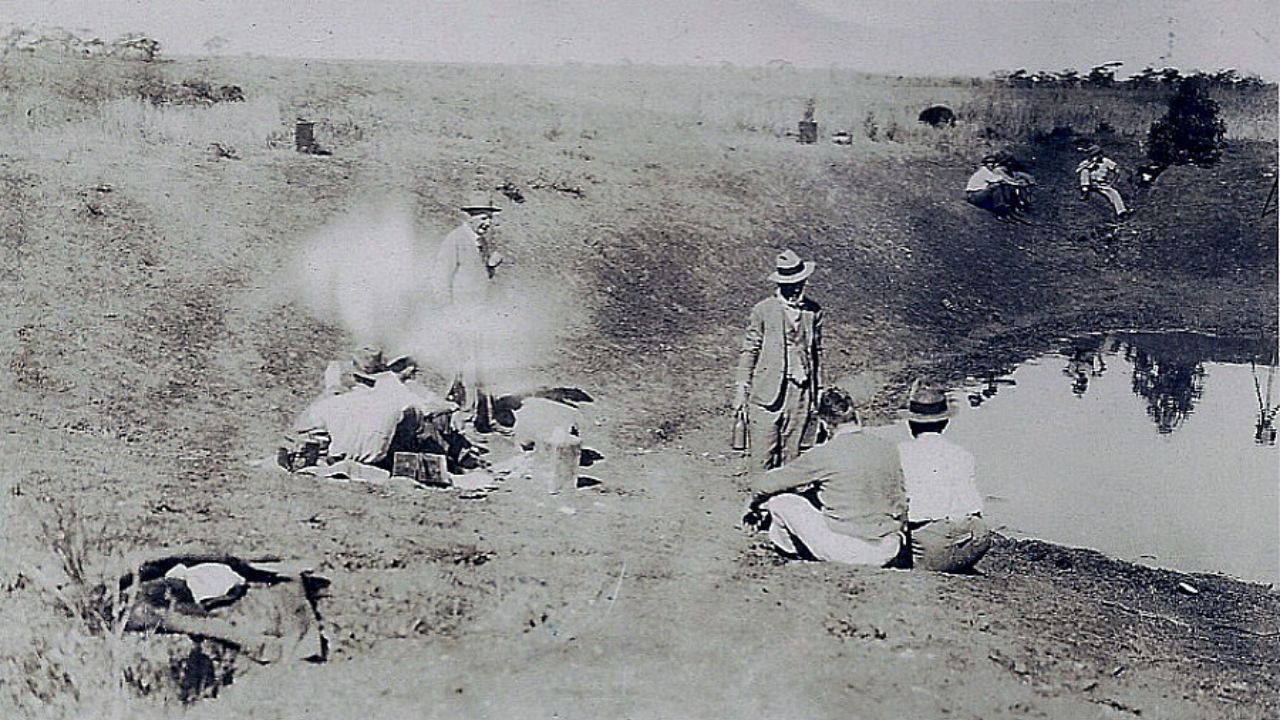
In late 1932, Western Australia asked for help with large groups of emus damaging crops in the Wheatbelt, and the response became legend: soldiers arrived with machine guns. The operation was brief, awkward, and widely mocked, because the birds scattered fast across open country and rarely offered a clear target. Reports tallied many birds taken, yet the broader problem barely shifted, and the government eventually returned to bounties and fences. It reads like a bureaucratic fever dream, a modern state deploying military hardware against flightless birds and discovering that nature does not line up on cue.
The Defenestration of Prague
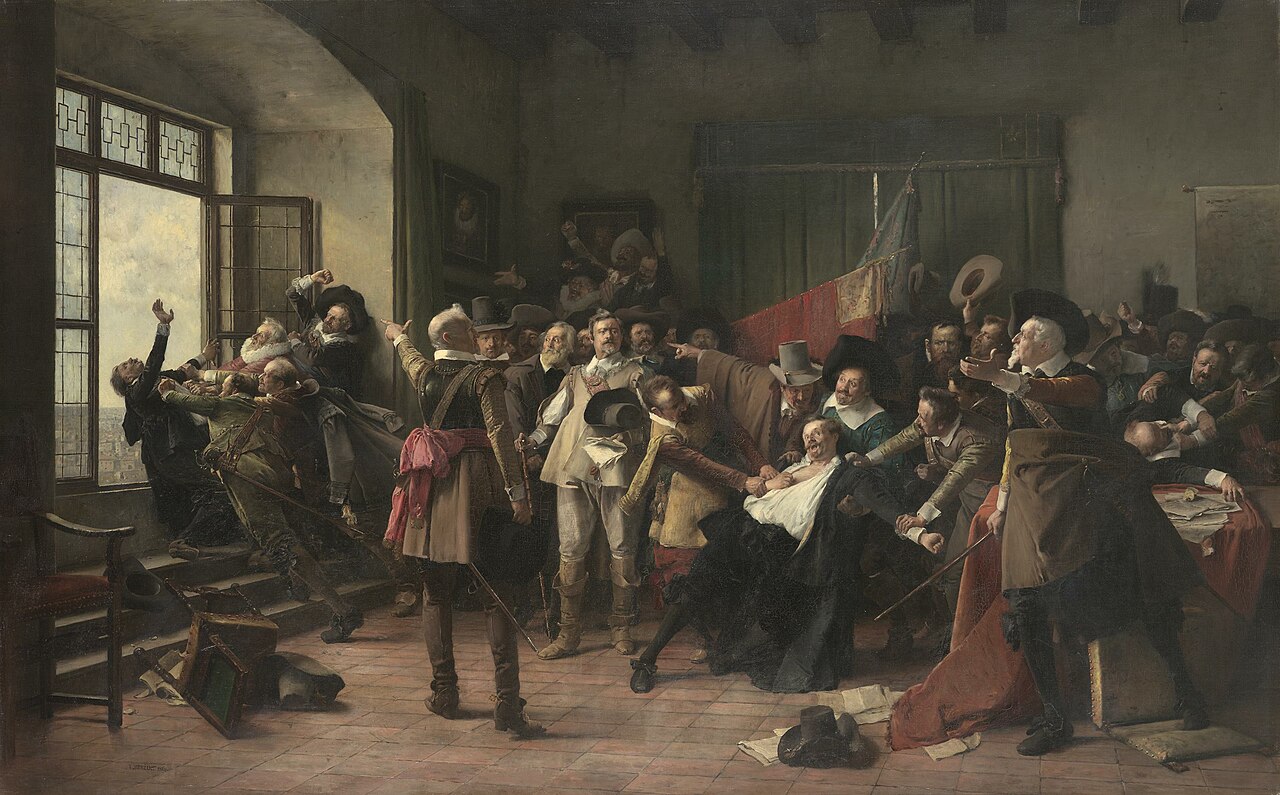
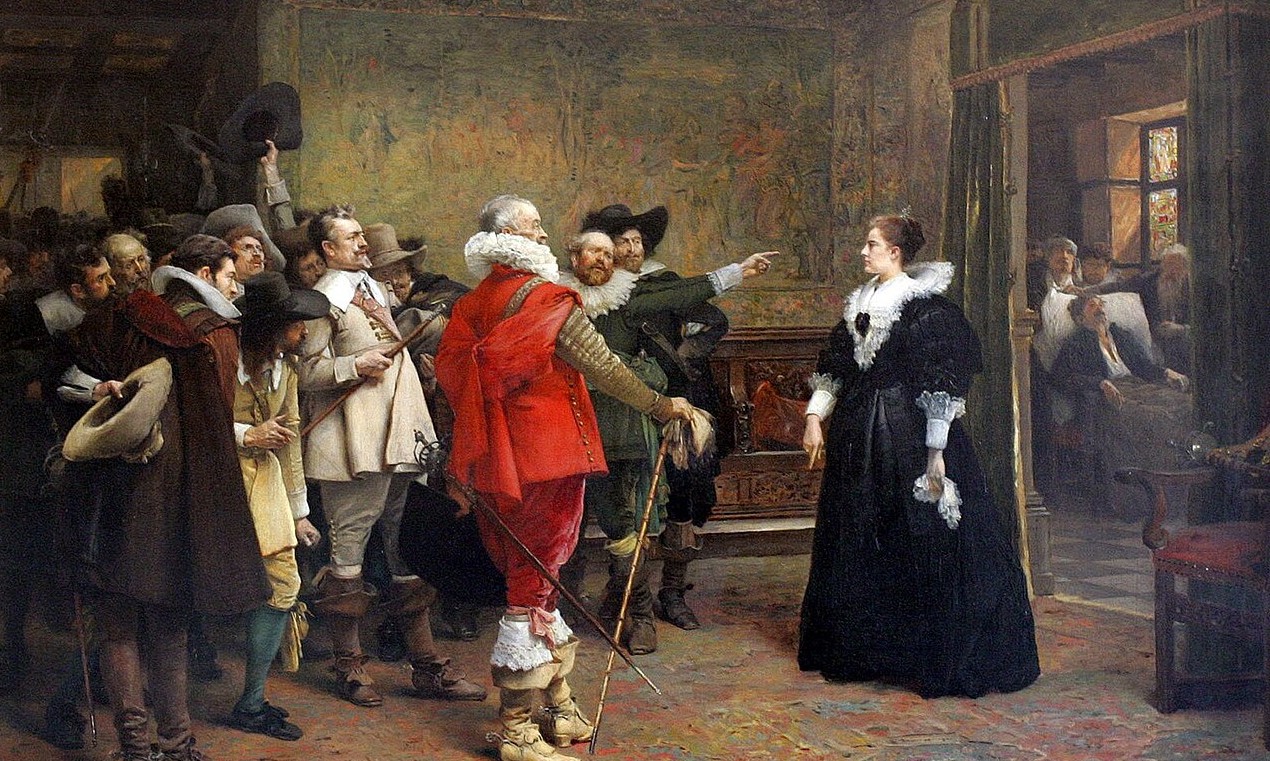
In May 1618, Protestant nobles in Prague threw two Catholic officials and their secretary out a castle window during a political confrontation. By ordinary logic the fall should have ended the story, yet the men survived, a detail later blamed on luck, angles, and what lay below. The episode helped spark the Thirty Years’ War, turning a furious moment of theater into a continental crisis with decades of fallout. The survival footnote is what makes it feel like a glitch: one improbable landing, and history keeps moving as if the plot demanded those characters stay alive. So it did, to everyone’s disbelief.
The Cadaver Synod in Rome
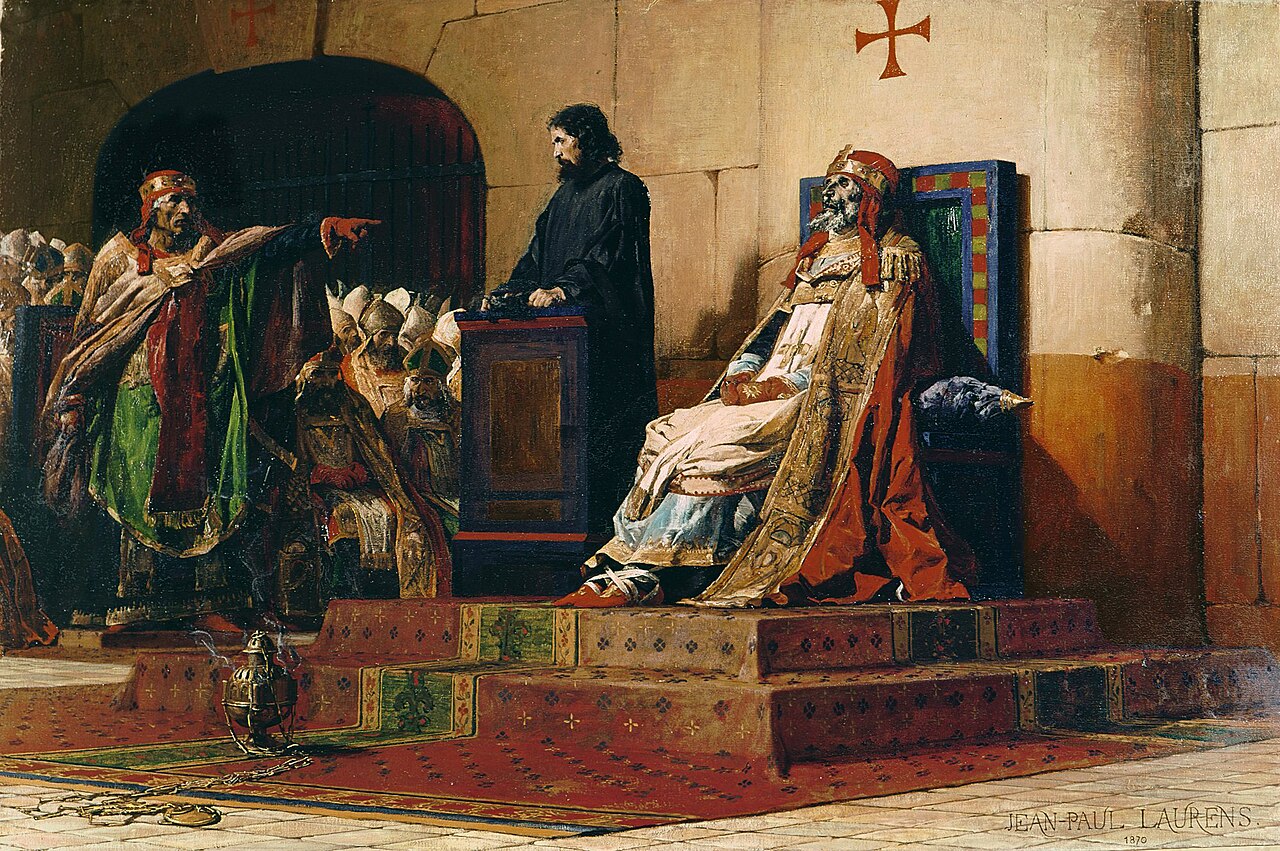
In January 897, Rome staged a spectacle that reads like satire but was treated as procedure: Pope Stephen VI put the remains of Pope Formosus on trial. The remains were exhumed, dressed in papal vestments, and questioned, with a deacon assigned to answer on its behalf, as if law could force speech from silence. Whatever the political motives, the ritual shows how far institutions can bend reality when power is at stake, especially during unstable succession. The aftermath included attempts to void earlier decisions, a kind of paperwork time travel that made the whole episode feel less like faith and more like raw factional control.
Tulip Mania Peaks and Cracks
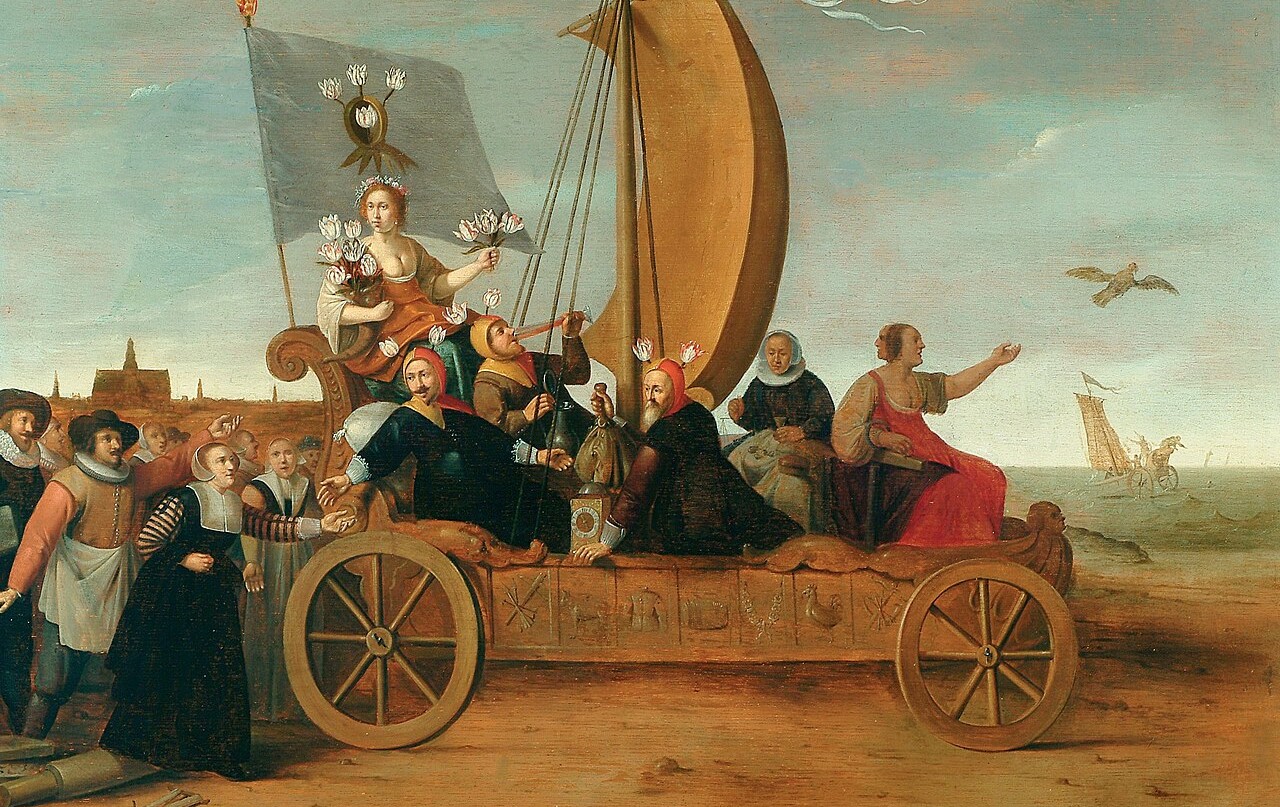
In the Dutch Republic of the 1630s, tulip bulbs became speculative assets, traded through promises and contracts that treated flowers like portable fortunes. Prices rose on rarity stories and social imitation, not usefulness, until early Feb. 1637, when buyers failed to show and confidence cracked. The whiplash is the strange part: a luxury hobby turning into a market language, then collapsing in public as people argued over what a signature really meant. Historians still debate how widespread the damage was, but the episode endures because it shows how thin the line can be between desire, consensus, and price.