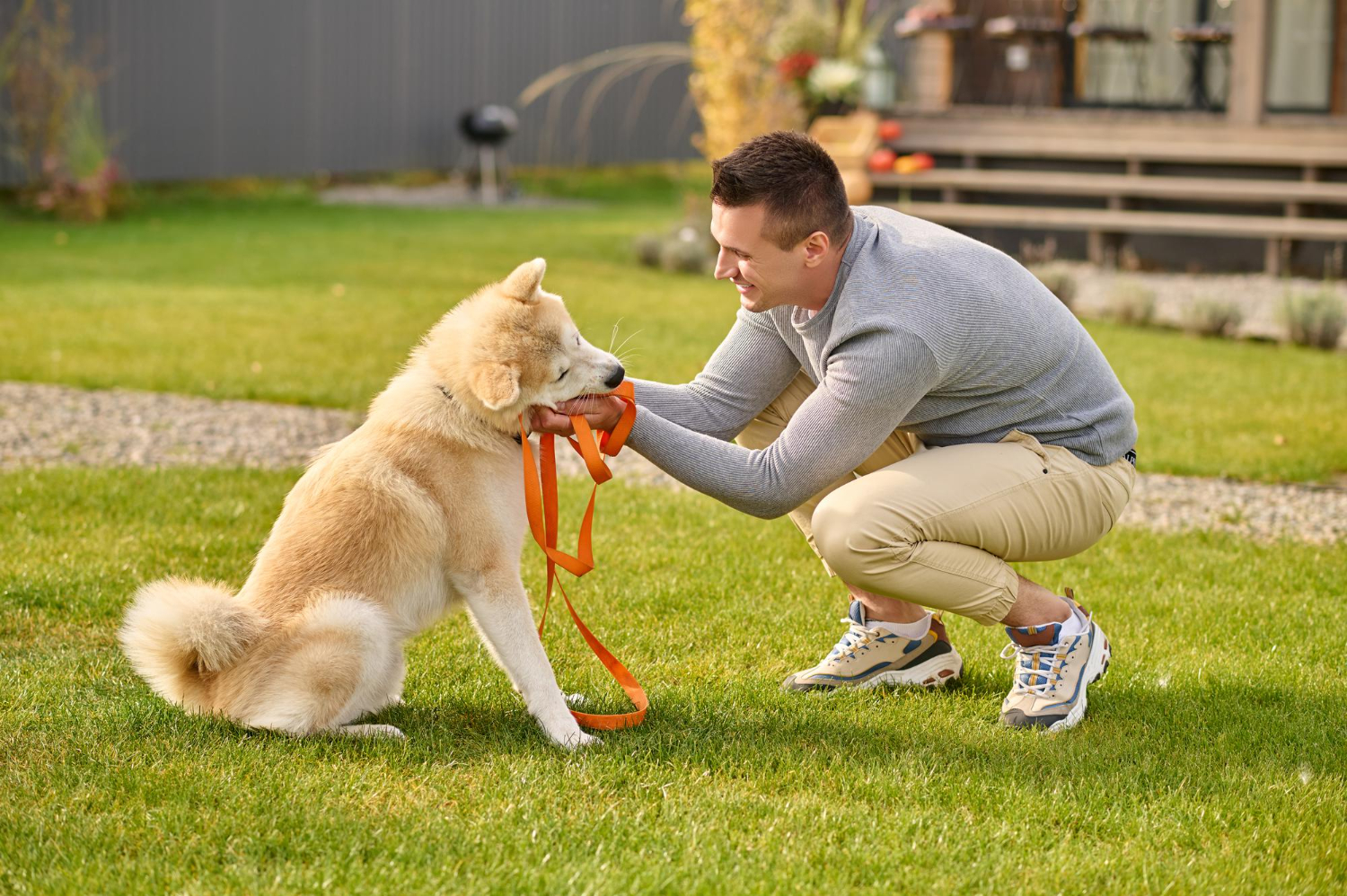
Dogs rarely snap without warning. Most show a ladder of stress cues that get missed when greetings, petting, or play feel routine, especially in crowded rooms, tight hallways, or fast hands.
These signals are not bad manners. They are information about fear, pain, guarding, or overload, and they often appear as small shifts in posture, face, and breathing that pass in seconds.
Patterns matter more than any single sign. Noticing early cues gives the dog relief before self-protection kicks in, and it keeps people from guessing. A pause, more distance, and an open exit path keep everyone steady while calmer choices are still easy.
Freeze And Go Still
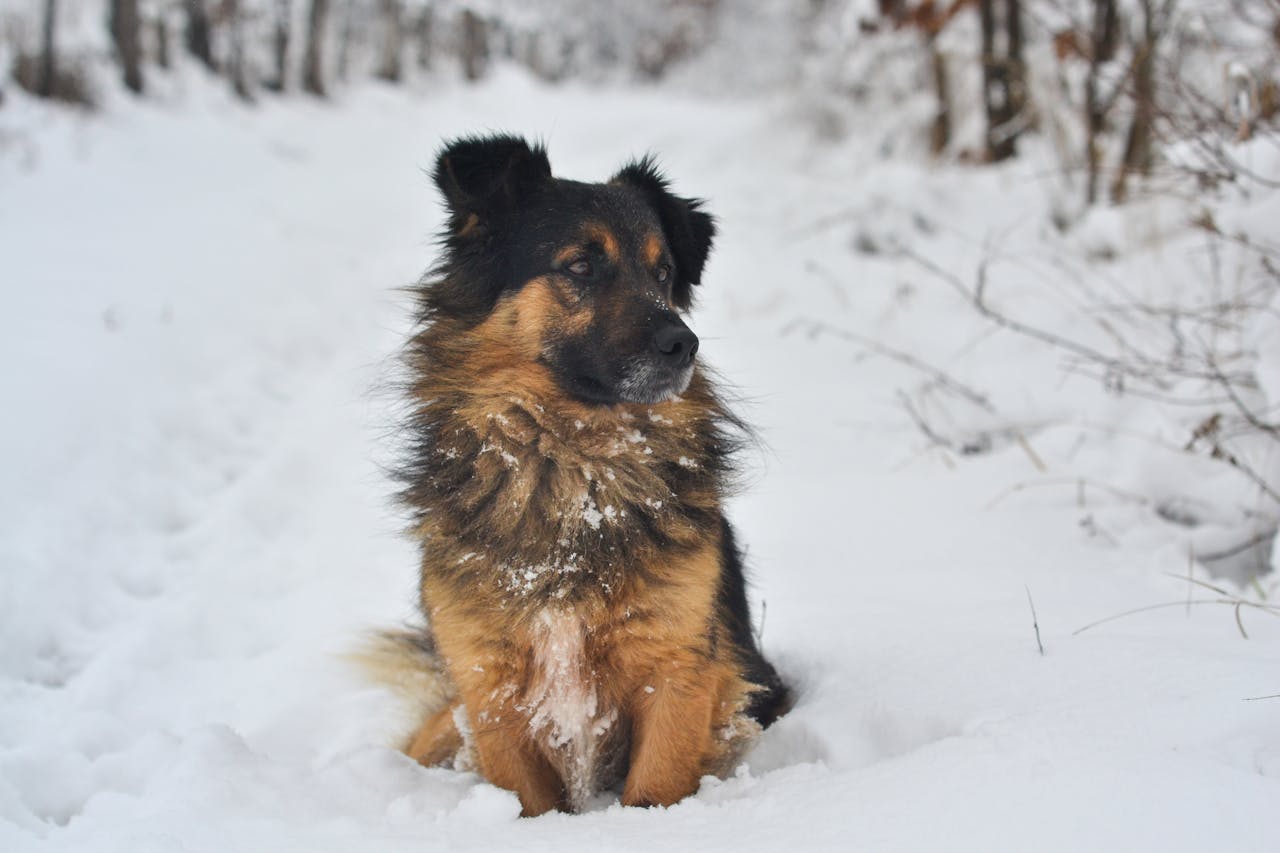
Sudden stillness is often the clearest warning. The body goes rigid, the mouth closes, and movement stops as if the dog is deciding what to do next, not relaxing. Breathing can get shallow, the tail may pause mid-wag, and the legs brace.
This freeze often follows an unwanted touch, crowding near food or a bed, or a hand reaching over the head. It can look like the dog is being compliant, yet the tension is doing the talking. Many snaps happen right after this quiet pause.
Stop contact, step back, and open an exit route. Space lowers pressure faster than reassurance, and it keeps the ladder from climbing in seconds for everyone.
Hard Stare And Fixed Focus
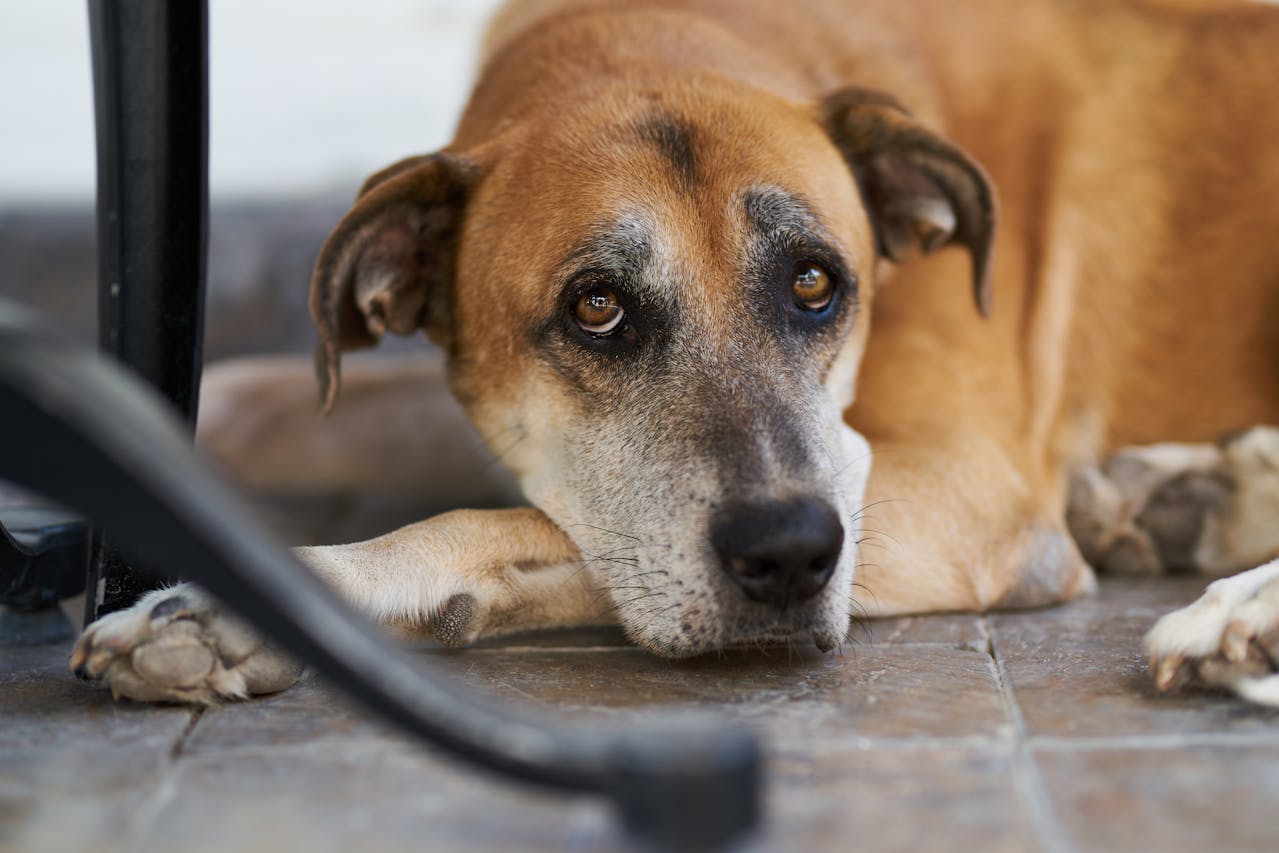
A hard stare is more than attention. The eyes lock, blinking slows, and the face tightens while the dog tracks a person or another animal without softening. The mouth closes and the weight often shifts forward.
This can show up at doorways, couches, bowls, or favorite people, where space feels contested. The stare is a warning that arousal is rising, not a challenge to be won. Ignoring it and moving closer often pushes the dog up the ladder.
Pressure drops when the approach stops. Turning sideways, increasing distance, and guiding others to give room often breaks the fixation within moments and restores a softer face again.
Whale Eye Whites Showing
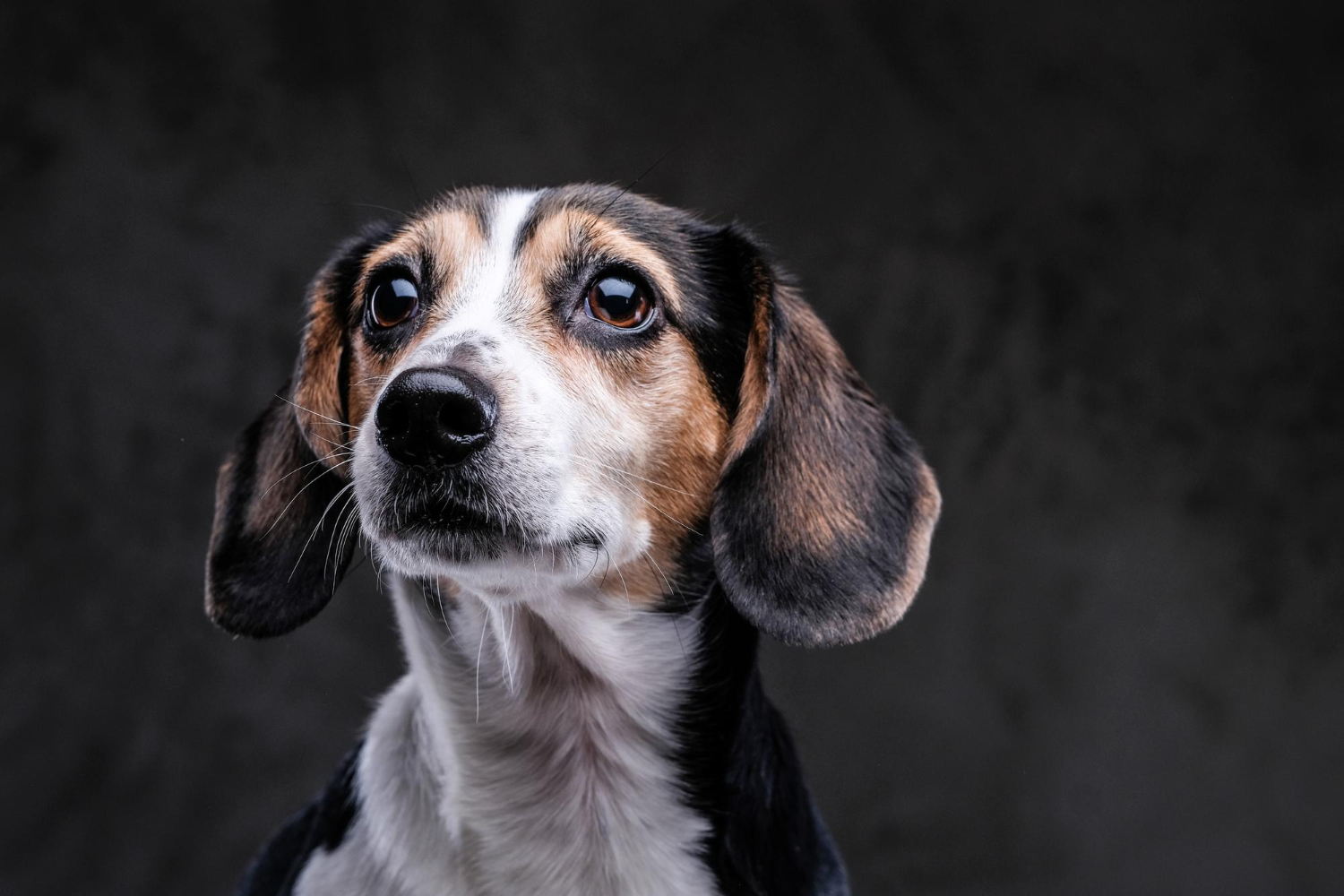
Whale eye appears when the head turns away but the eyes keep tracking, showing the whites. It often shows up during tight handling, hugs, grooming, or a child leaning close, when the dog wants distance but cannot leave. The brow may furrow.
The muzzle may look tense and the body can brace, as if the dog is trying to stay polite while monitoring what feels unsafe. This is a common signal in dogs that tolerate until they run out of options, especially on couches or in corners.
Reduce contact, slow movement, and let the dog step away. An exit route and a calmer pace usually stop escalation before the warning has to get louder.
Lip Licking And Tongue Flicks
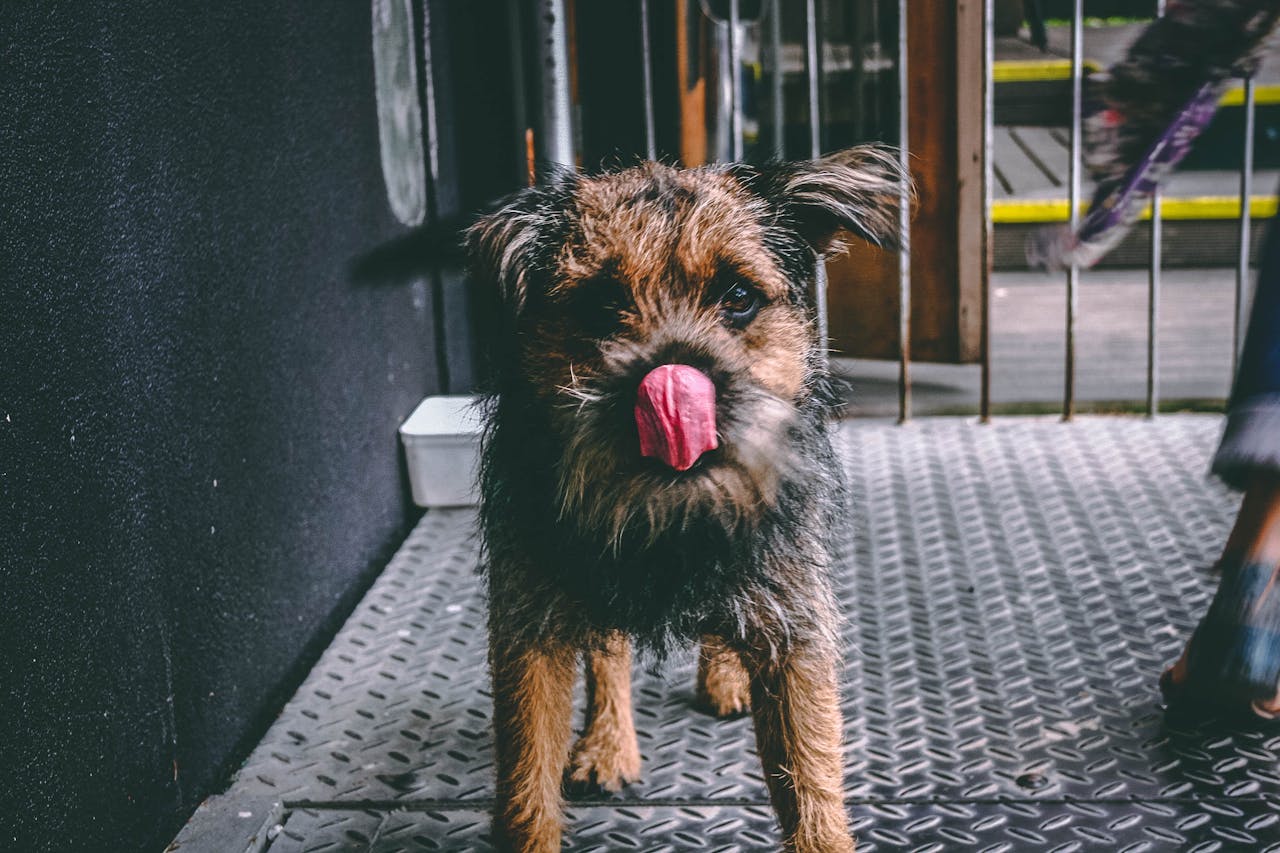
Quick tongue flicks or repeated lip licking, when food is not involved, are classic stress cues. They often appear during greetings, hovering hands, direct eye contact, or fast petting that feels too intense. The mouth looks busy.
Because the motion seems harmless, people keep going, and the dog keeps coping. When lip licking stacks with stiffness, averted gaze, or a tucked tail, the dog is asking for space before needing louder communication.
Pause the interaction and let the dog reset. Slower hands, shorter greetings, and more distance often bring the face back to loose and comfortable, without pushing limits now again.
Yawning When Not Tired
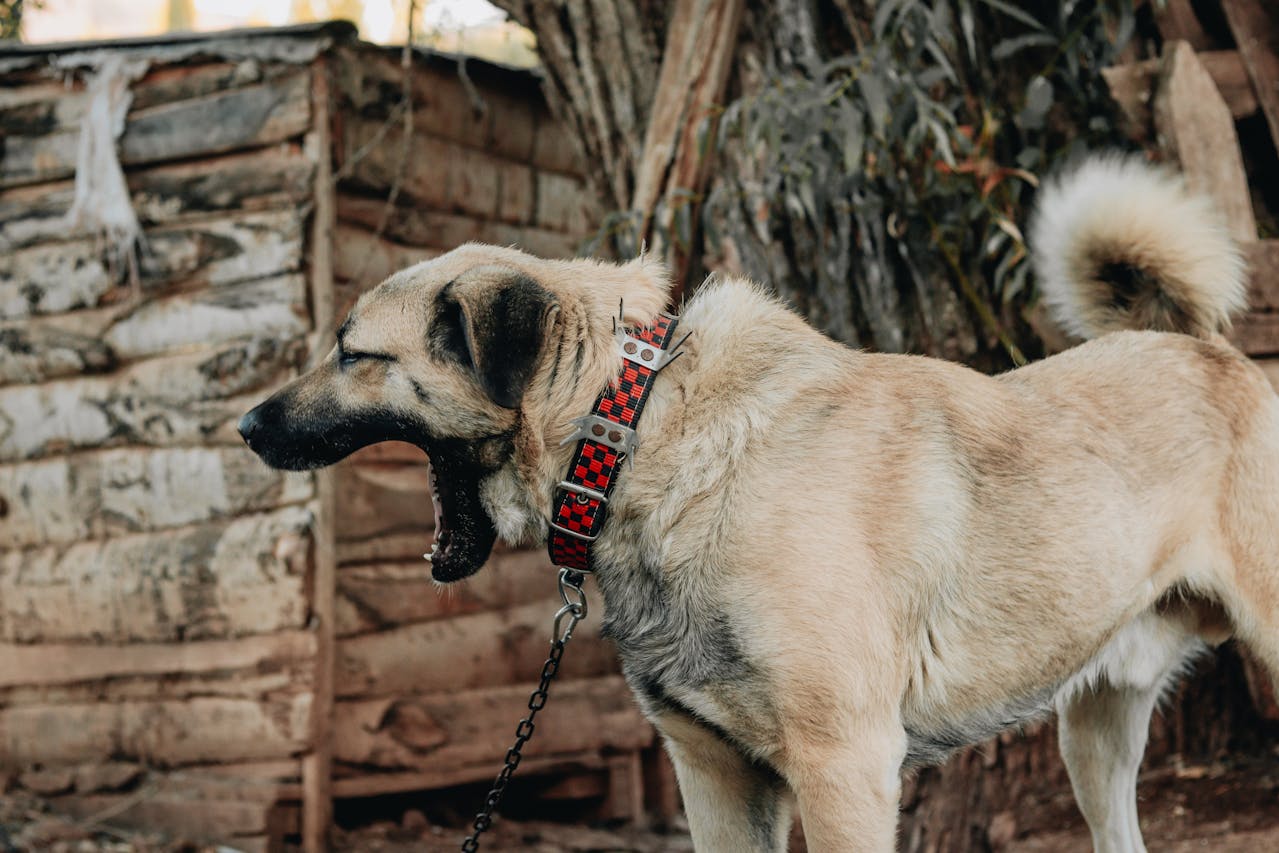
Yawning can be a stress signal, not sleepiness. Dogs may yawn during crowded rooms, training pressure, loud visitors, or forced greetings, especially when the rest of the body looks tense and the mouth quickly tightens again.
Timing is the clue. A yawn that appears mid-handling or right after a close approach can be an attempt to calm the nervous system while staying polite. Repeated yawns, paired with lip licking or a head turn, often mean the dog is working hard to cope.
Lower demands and offer a break. More distance, quieter energy, and a chance to move away often reset arousal before it tips higher, and before warnings become sharper.
Head Turn And Gaze Aversion
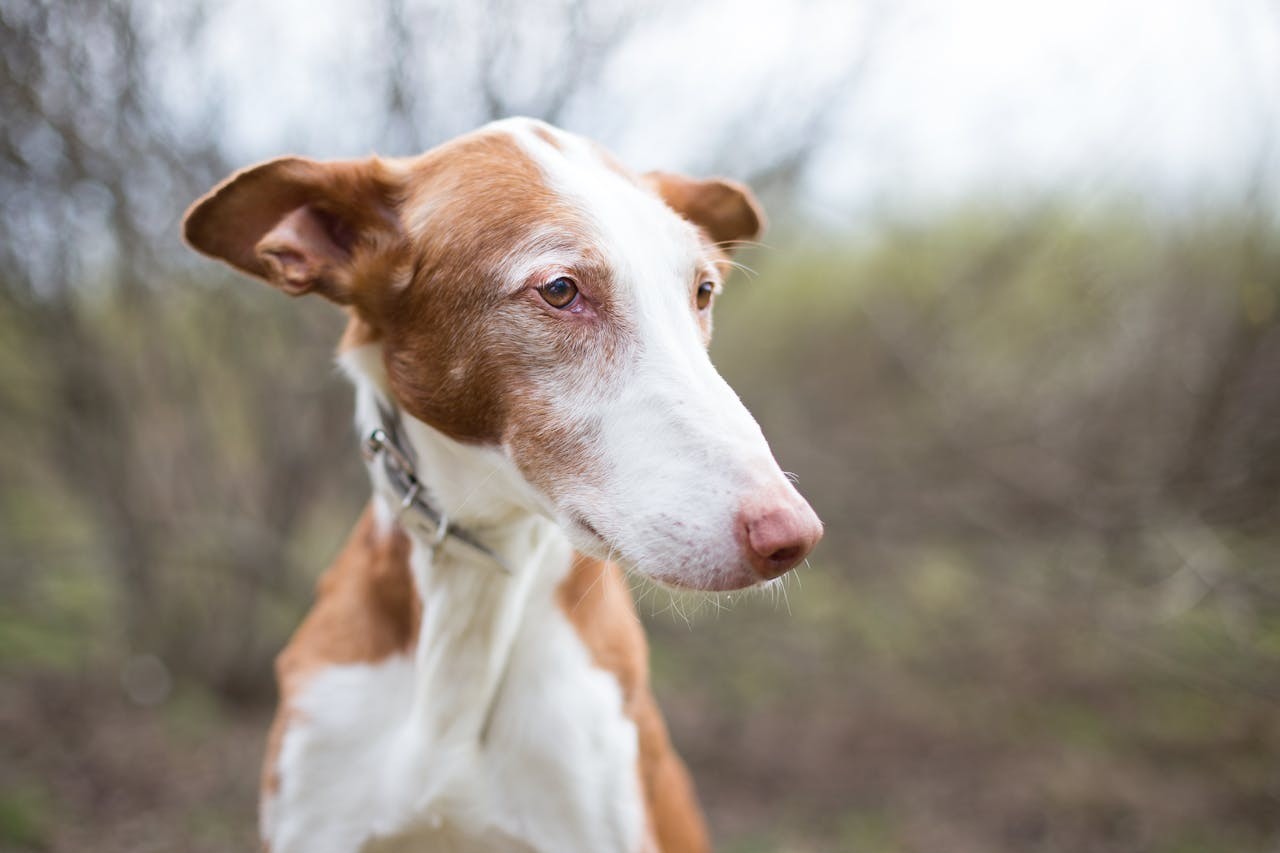
Turning the head away, looking off to the side, or avoiding eye contact can be a polite request for space. Many dogs use this during direct approaches and close petting, especially when hands move fast or faces lean in.
When the request is ignored, signals can intensify into stiffness, growls, or a quick snap. It is often misread as guilt, yet it is usually an effort to keep the moment calm. The message is simple: too close.
Respecting it means easing off and slowing down. Give the dog room to move away, pause the touch, and let the body soften before trying again later. One small step back can prevent a bigger reaction.
Ears Pinned Back Or Rigidly Forward
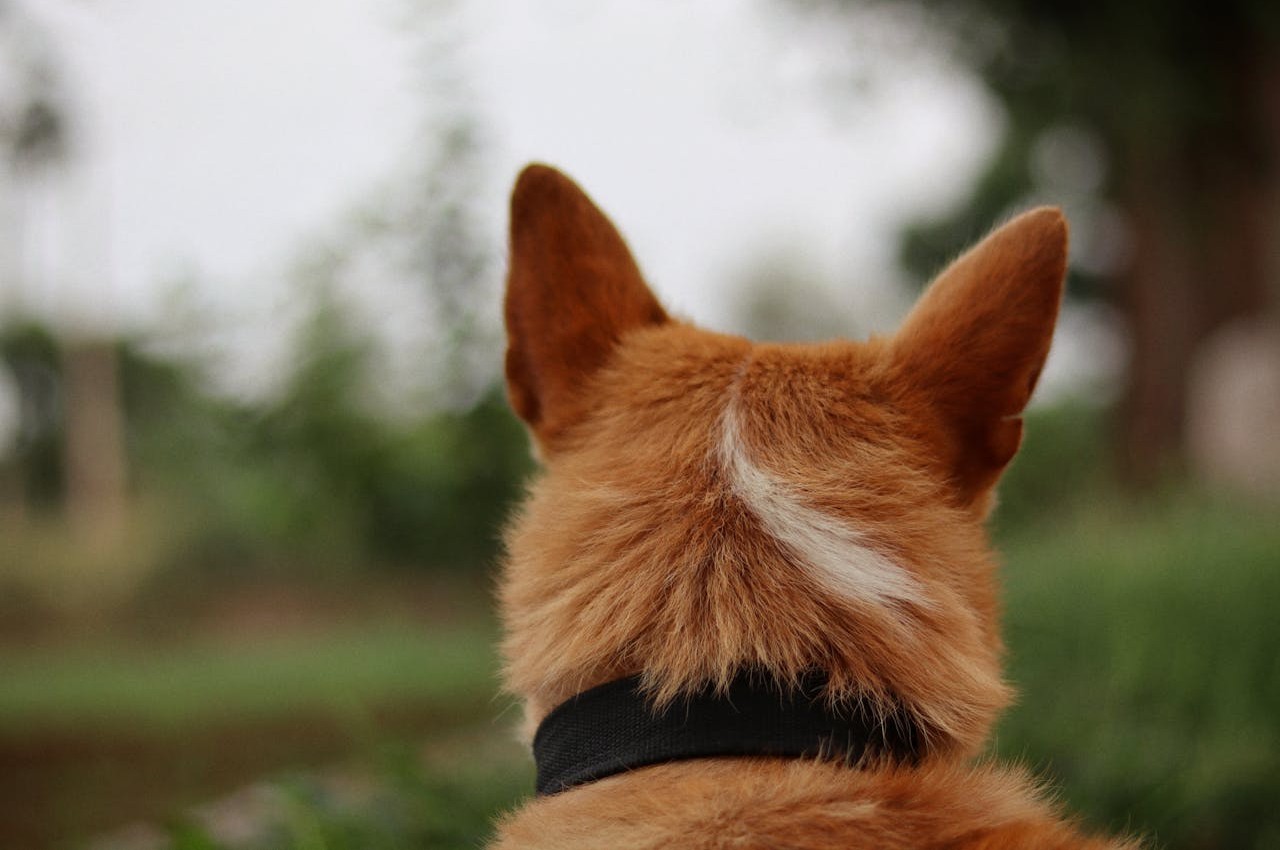
Ears shift fast as arousal rises. Pinned-back ears can signal fear or appeasement, while rigid forward ears can signal intense focus, often paired with a stiff tail and forward weight. The rest of the face usually tells the truth.
Ear position should be read with posture, mouth, and breathing. A tight face, closed mouth, or frozen body suggests the dog is at capacity, even if the ears look alert. Sudden ear flicks can also show uncertainty during handling.
The practical move is distance. Avoid reaching over the head, soften the approach, and give the dog time to settle so pressure does not keep stacking in the same moment.
Tail High And Stiff Or Tucked Tight
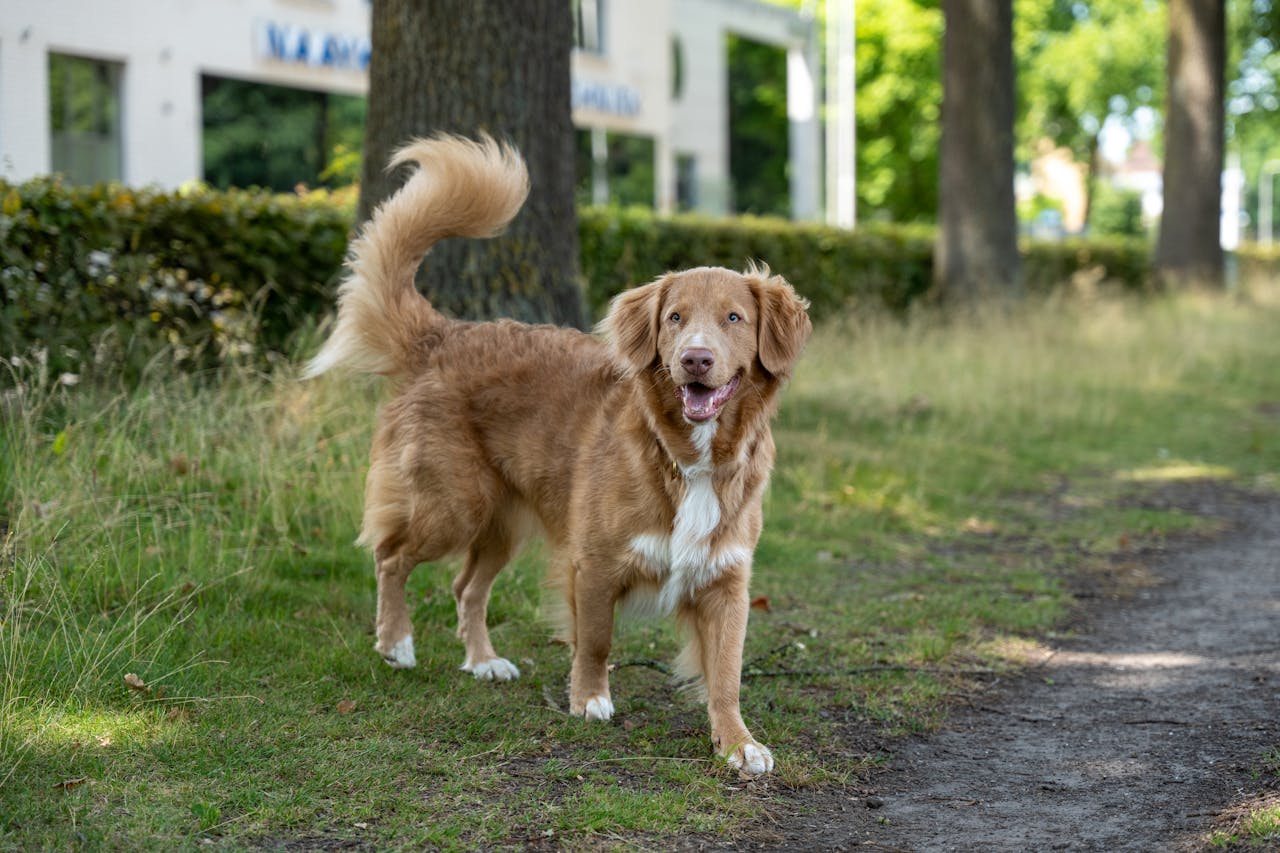
Tail wagging is not a guaranteed sign of comfort. A high, stiff tail, even with motion, can signal tension and high arousal, while a tail tucked can signal fear and a wish to avoid contact. The hips often look tight, not loose.
The tail should be read with the spine and weight shift. If the body is braced, the wag may be more like a metronome than a friendly sweep, especially around toys, food, couches, or doorways.
Lower intensity instead of pushing closer. Slow the approach, remove pressure around resources, and allow space so the tail and the face have a chance to soften. Comfort looks loose through the whole body, not just the tip.
Hackles Raised Along The Back
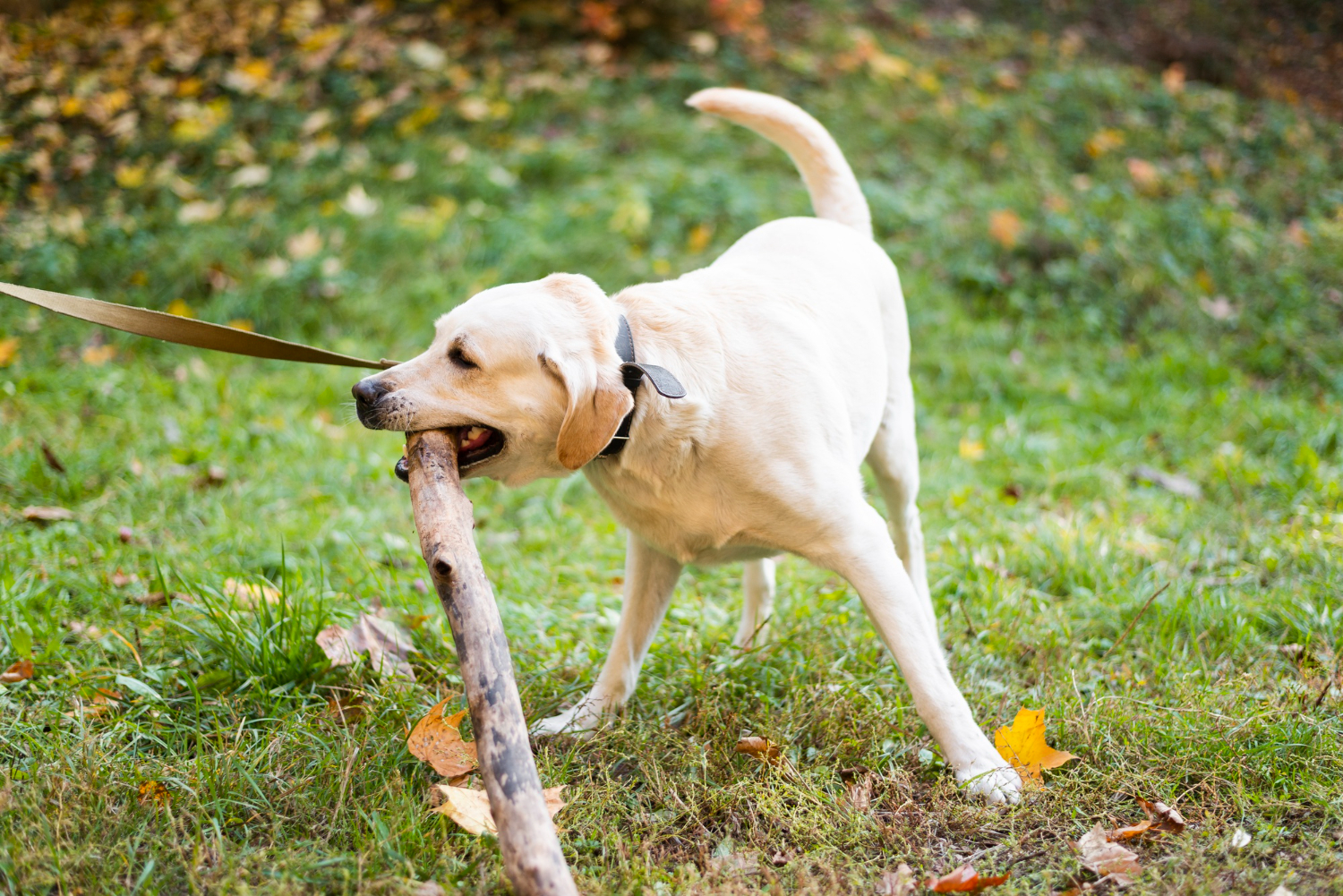
Raised hackles along the neck or back signal high arousal. A ridge of fur lifts when the nervous system spikes, and it can appear with fear, excitement, or conflict. It does not automatically mean aggression, but it does mean the body is on high alert.
Hackles matter most with other cues. If they rise with stiff posture, a hard stare, or a closed mouth, the situation is unstable and can tip quickly. If they rise during play, the dog may be over-threshold and losing the ability to settle.
Treat it like a yellow light. Reduce stimulation, add distance, and let time do its work so the body comes back down before choices get rushed.
Closed Tight Mouth After Panting
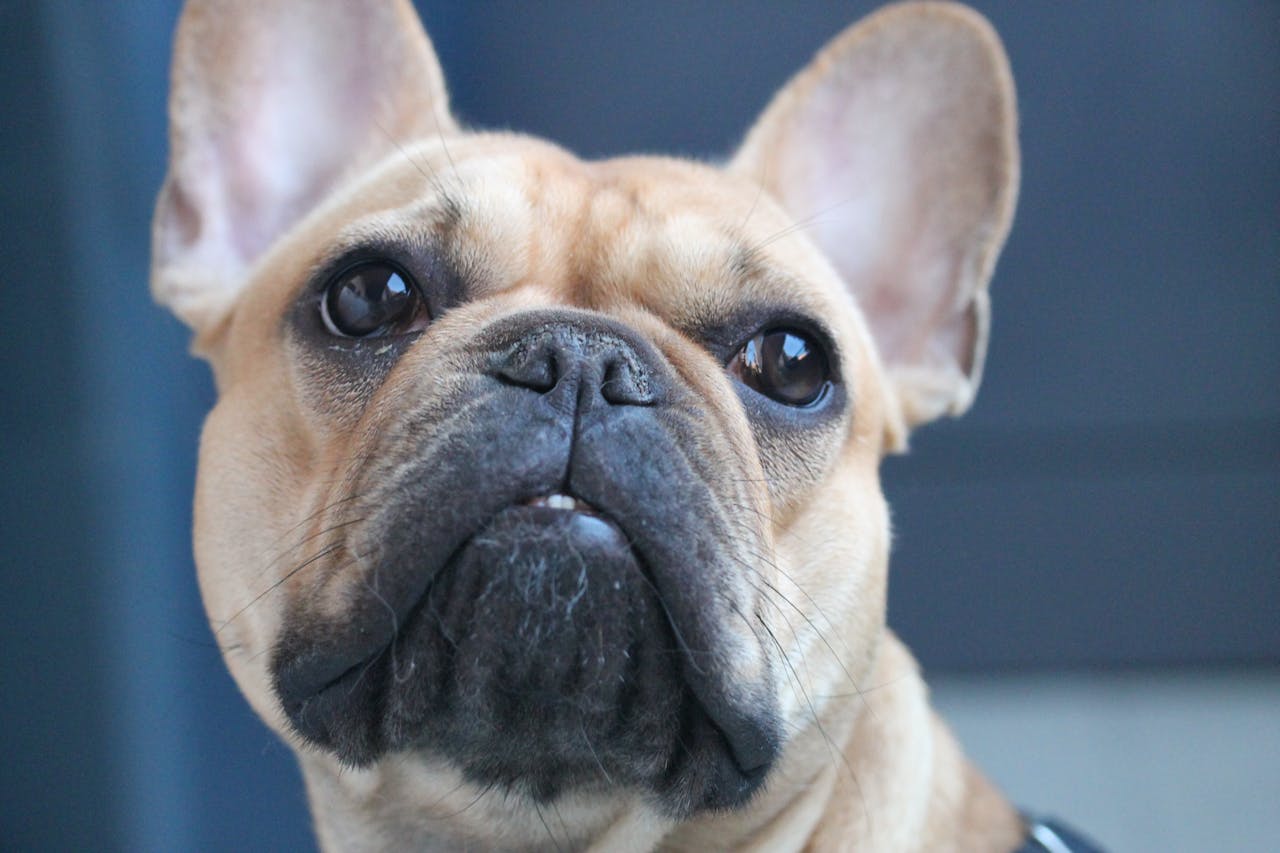
A mouth that suddenly closes after loose panting can be a major shift. Panting can be normal cooling, then it snaps shut, the jaw sets, and the face looks serious, as if the dog is bracing. Breathing may get shallow, and the eyes can look harder.
This often appears during restraint, grooming, collar grabs, or crowding in narrow spaces. People keep touching because the dog is quiet, but quiet does not equal comfort. This change often comes right before a freeze or low rumble.
Stop contact and reassess. Give space, reduce handling, and let the dog move away so the moment does not tip into a freeze, growl, or snap in a heartbeat.
Growling Or Low Rumble
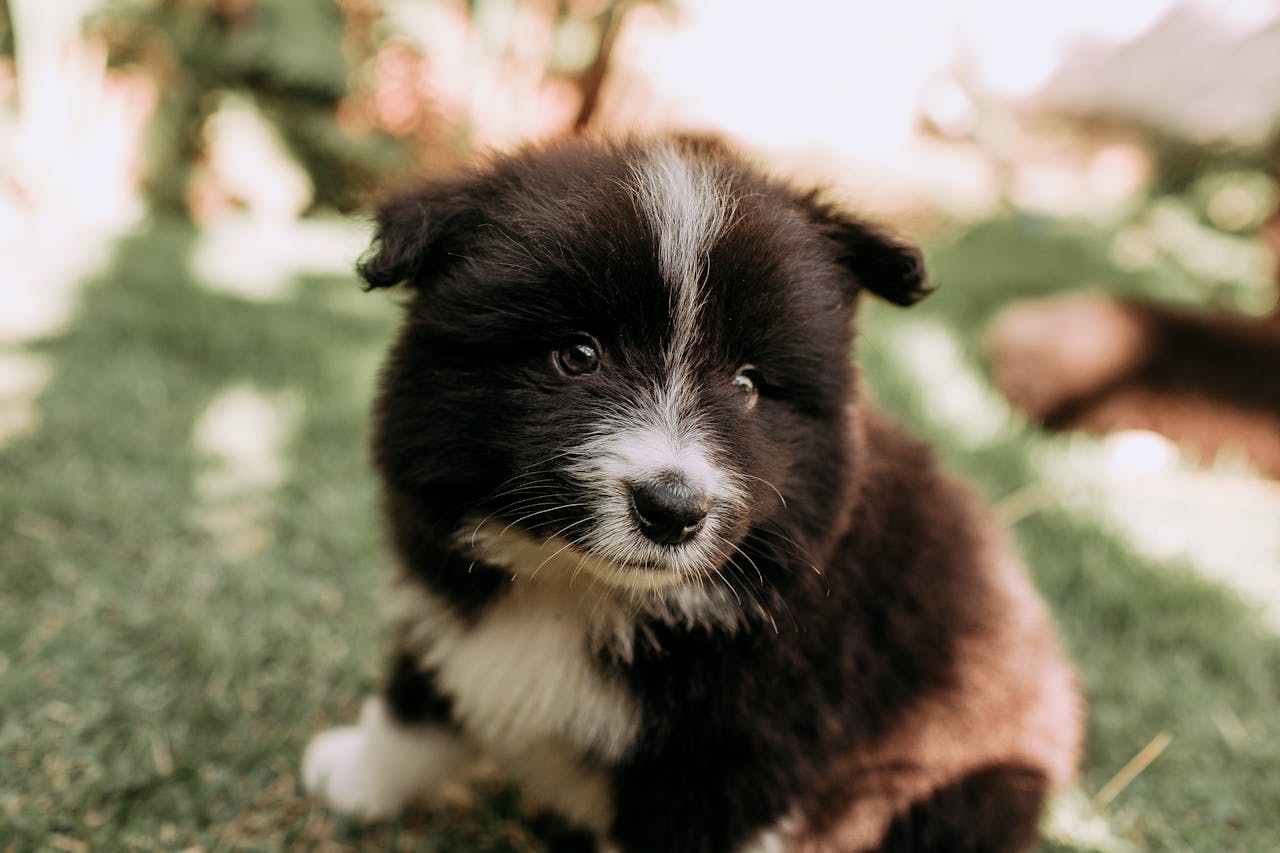
A low rumble or growl is communication, not attitude. It often means the dog wants distance, especially around food, beds, toys, or when a hand reaches into a tight space. Some growls are barely audible, but the message is clear.
Punishing growls can remove the warning while leaving the discomfort, which can make later snaps feel sudden. A better response is to pause, increase distance, and identify the trigger, then adjust the setup so the dog is not cornered.
If growling is frequent, pain or anxiety may be involved. A veterinarian and a qualified behavior professional can help build safer routines, with management that protects trust.
Lip Lift And Teeth Flash
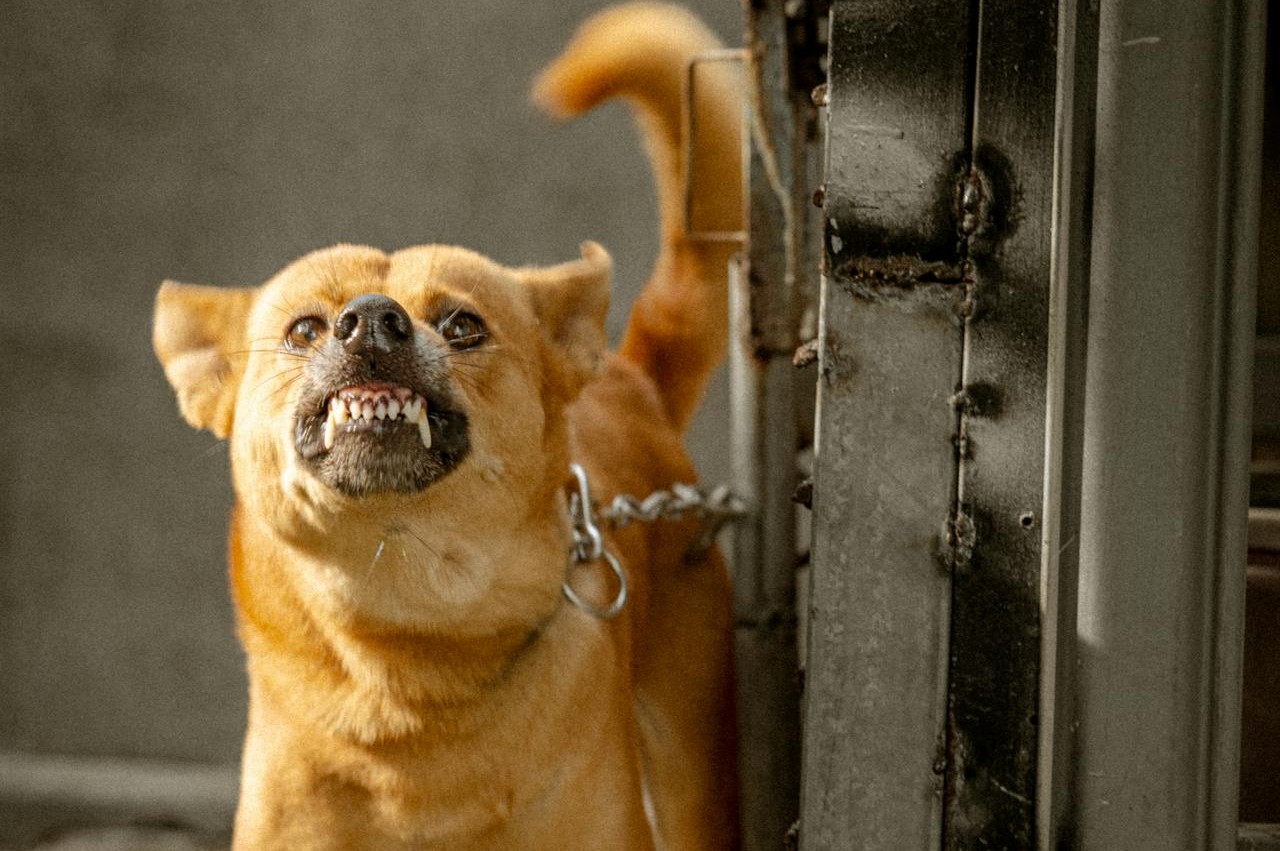
A brief lip lift, wrinkled muzzle, or quick flash of teeth is a direct boundary signal. It can happen during resource guarding, rough handling, or when the dog feels cornered and cannot leave. Sometimes it appears for a split second.
Because it can be fleeting, people ignore it and lean closer. That turns a warning into a test, and tests raise pressure. The dog is saying the line has been crossed, and the next step may arrive faster than expected.
Back off without drama. Remove hands, create space, and let the dog reset. If it repeats, change the environment and handling style so the dog does not need to escalate again now.
Paw Lift Or Displacement Behaviors
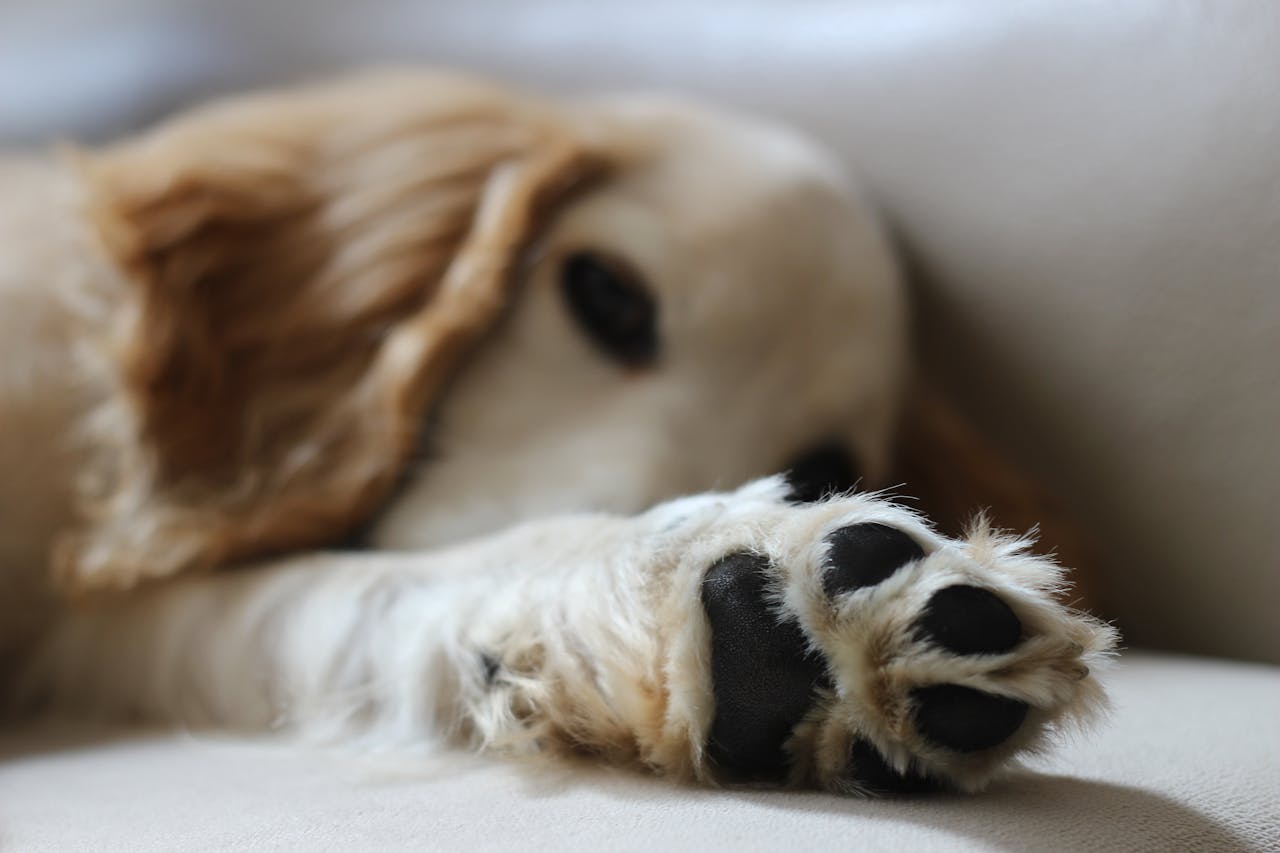
A raised front paw can signal uncertainty, especially with a tense face and a slightly lowered body. Other displacement behaviors include sudden scratching, sniffing the ground, or shaking off when nothing is wet. These are stress detours.
They often appear when a dog is trying to cope without escalating. If the stressor stays close, the dog may run out of coping options and move up the ladder into freezing or growling. Displacement can be the last quiet request.
Treat the signal as meaningful. Reduce pressure, slow the interaction, and add distance. Redirection to a mat or a chew can help the dog settle without conflict.
Blocking Or Body Leaning
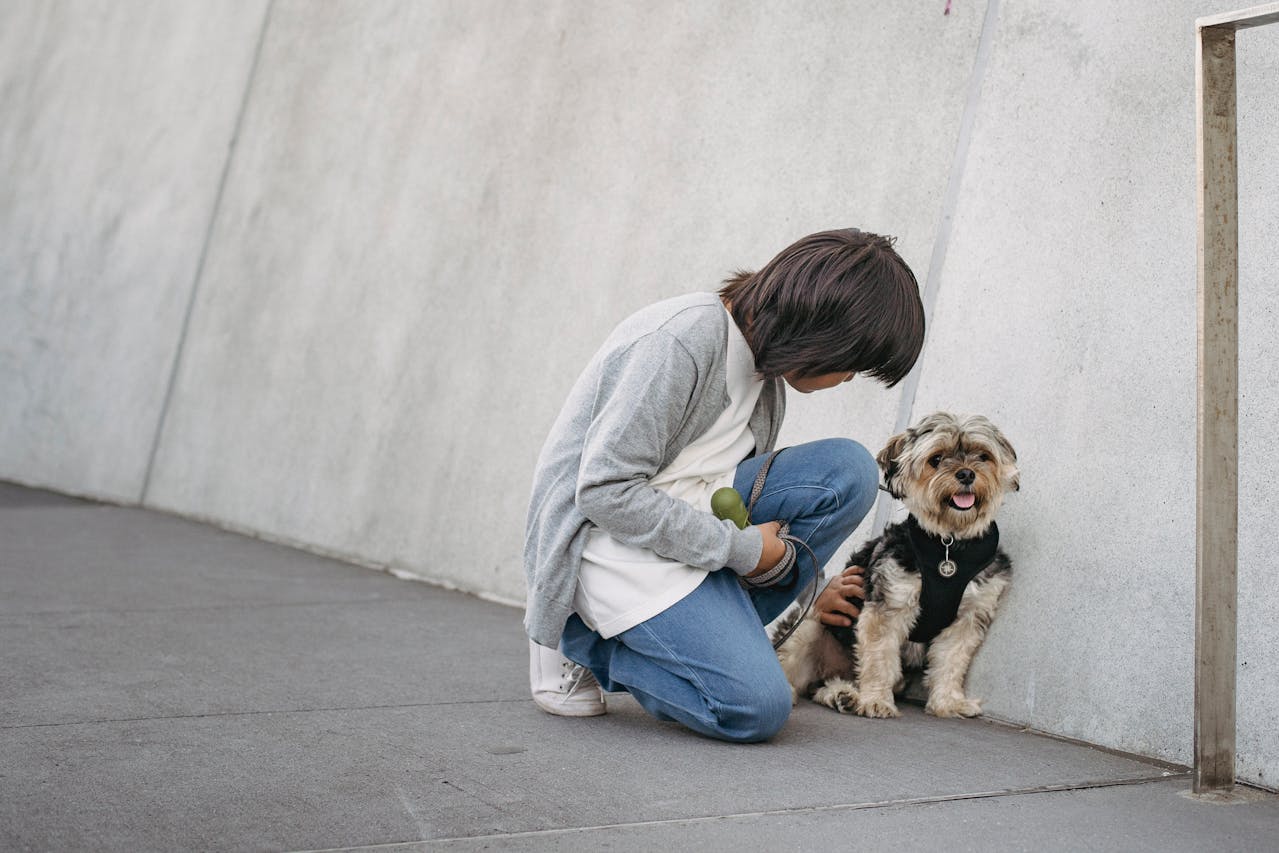
Some dogs control space with their bodies before using teeth. They may block a path, lean, shoulder-bump, or wedge between a person and an object, with a stiff posture and tight face that looks more like guarding than affection.
This often shows up around beds, couches, food bowls, or a favored person. If the block is ignored and someone keeps reaching, the dog may feel the boundary has been crossed and escalate quickly. The warning is the body, not the sound.
The safest response is calm separation. Create distance, redirect with a cue, and remove the contested item if possible, so the dog does not feel trapped and pressure can drop.
Over-Arousal And Sudden Switching
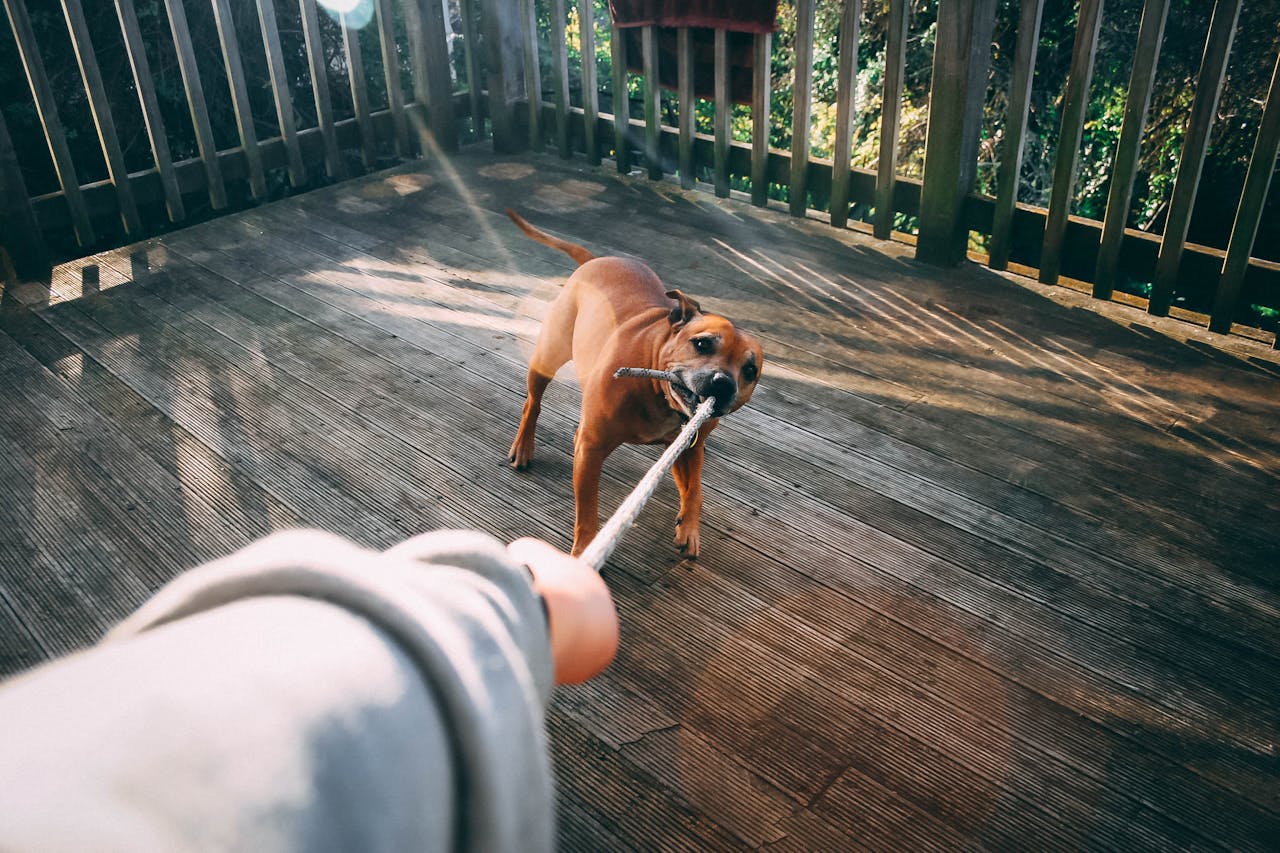
Sometimes the warning is speed. A dog gets over-aroused, movement turns choppy, and settling becomes hard. Play shifts from loose to frantic, the face tightens, and touch that was fine a minute ago becomes irritating. Collar grabs feel worse.
Over-arousal can come from rough play, long days without rest, crowded gatherings, or pain. When regulation drops, a snap can happen as a reflex, not a plan, because the dog is running on adrenaline instead of choice.
Decompression is the fix. End the interaction, lower noise, and provide a quiet space. Short breaks and more sleep often restore steadier behavior before the next greeting.