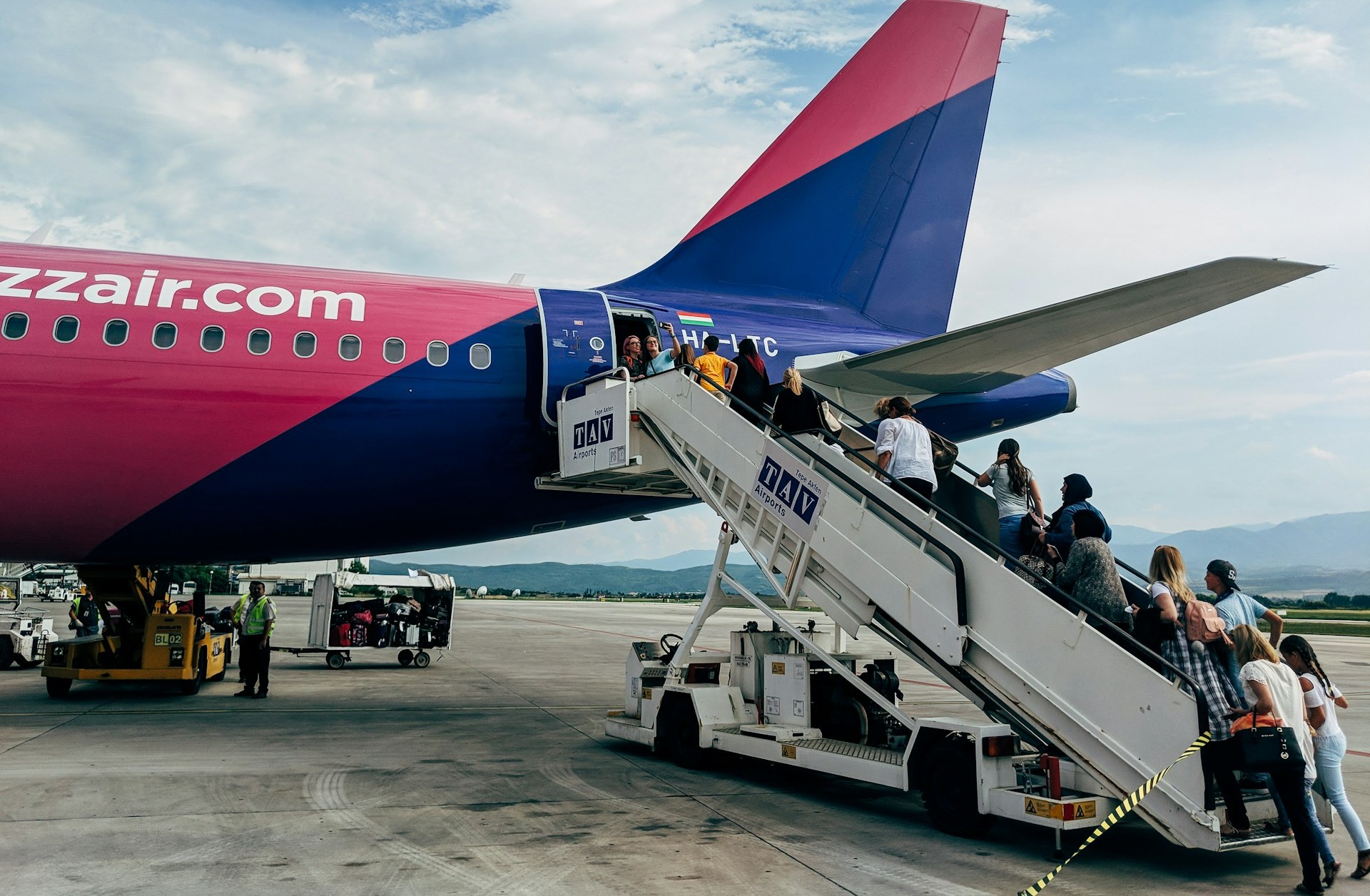
Boarding lines run on a quiet agreement: each person moves when it is their turn, bags stay close, and the lane keeps breathing.
Airports stack delays, tight connections, and crowded gates, so a small pause can echo down the jet bridge. A phone that is not ready, a bag that will not cooperate, or a body parked in the wrong place forces everyone behind to stop mid-step. Tired travelers do not need a lecture; they need momentum, clear cues, and a little room to think before the next step. When the flow stays clean, the cabin settles sooner, voices soften, and the trip starts with steadier energy for the whole plane. That is the goal.
Camping at the Gate Before the Call
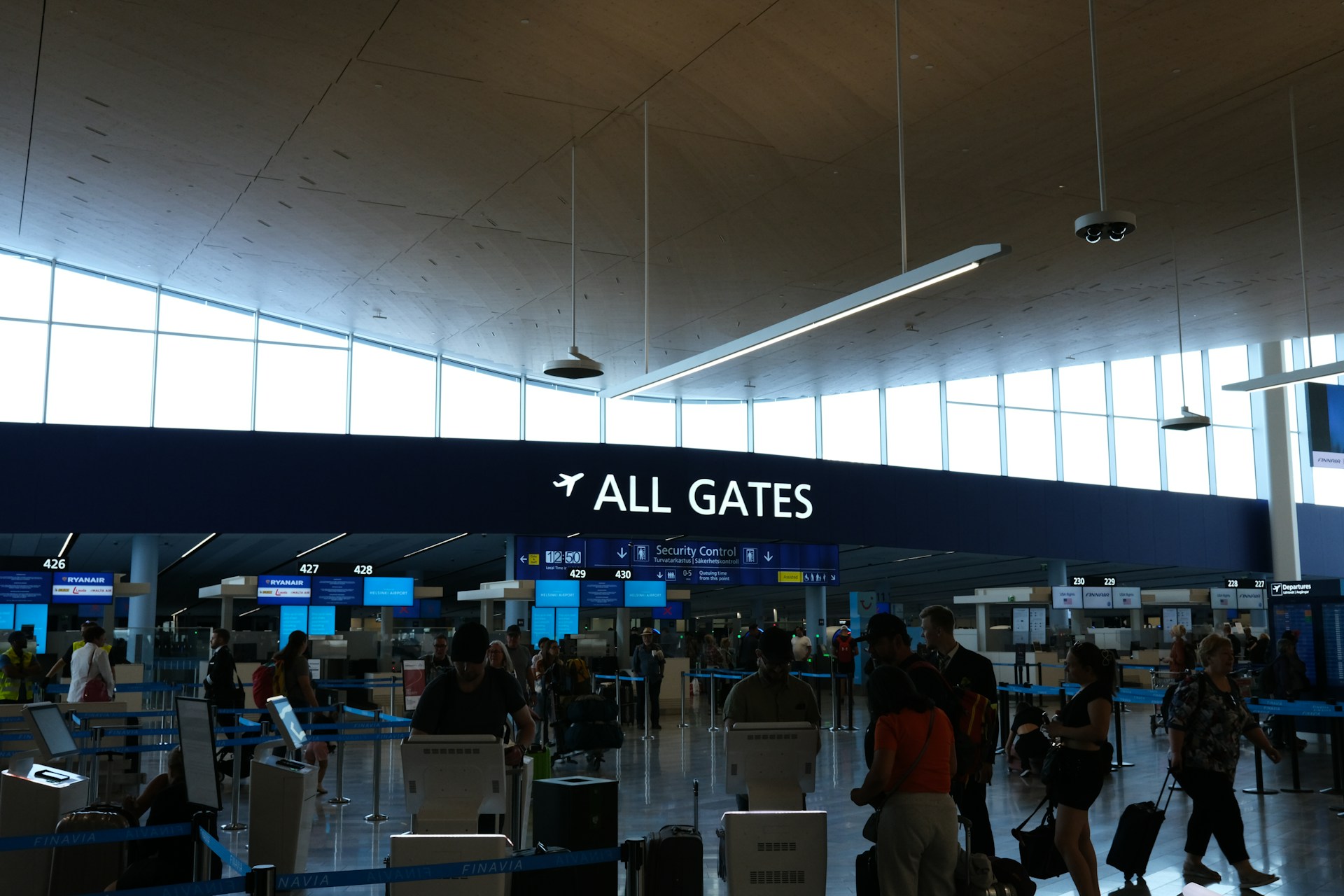
Some travelers crowd the stanchions long before their group is called, turning open floor into a soft wall. Families, late arrivals, and anyone who needs extra time end up weaving around backpacks and angled elbows just to reach the real start.
The gate area shrinks, announcements get harder to hear, and agents spend energy asking people to step back instead of scanning passes. Strangers start making eye contact to coordinate tiny detours, and the lane feels tense before it exists. It does not speed boarding; it just makes everyone stand closer, longer, with less patience left when the line finally moves. Space matters here.
Treating the Line Like a Race
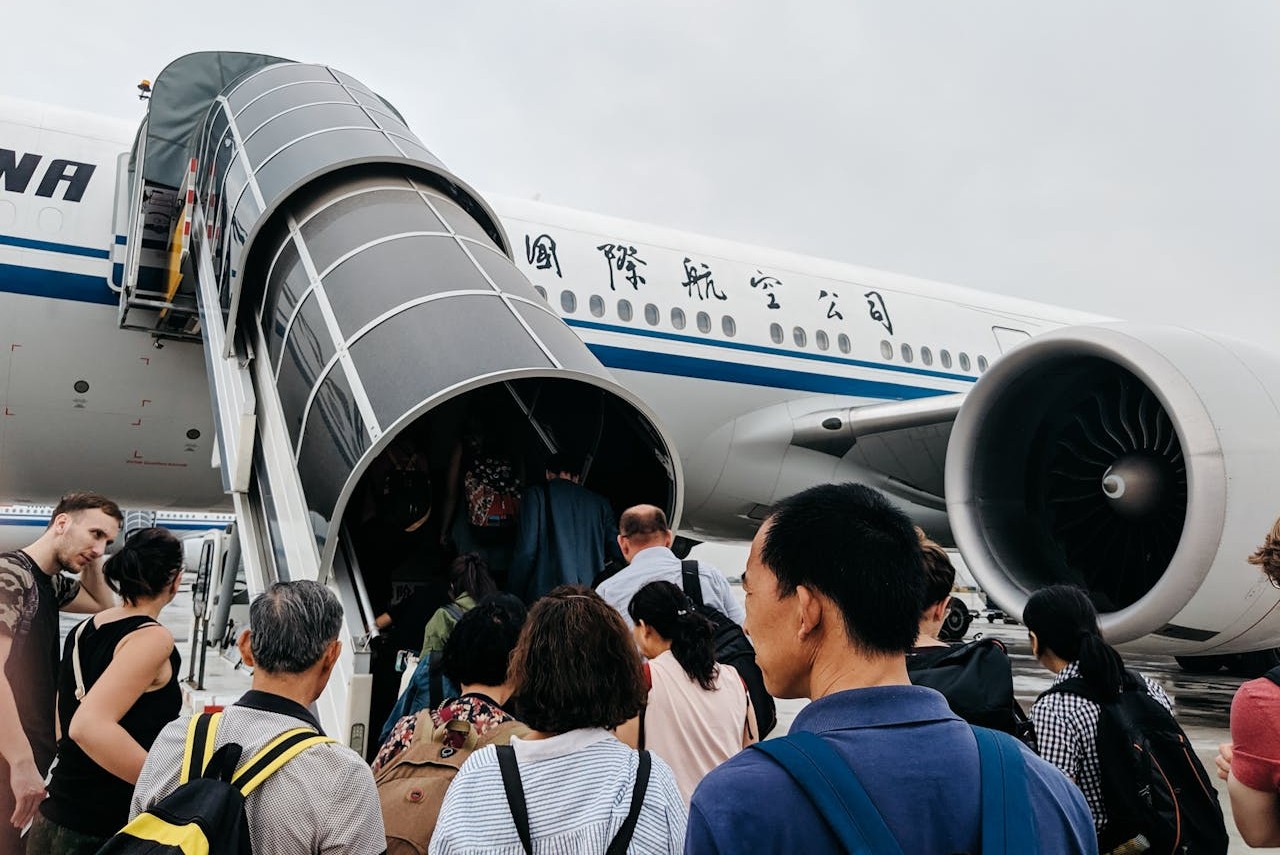
When any group is mentioned, a few passengers spring forward and slip into gaps, hoping nobody challenges it. The queue stops feeling like order and starts feeling like a moving negotiation of shoulders, bags, and half-steps.
Agents slow down to verify passes, and the line behind does the awkward shuffle: step, stop, glance at the screen, step again. People clutch straps tighter, bodies turn sideways to protect space, and the whole lane feels narrower than it is. One cut invites another, and the tension spreads because nobody can tell what is fair anymore. Waiting for the call, then moving cleanly, keeps boarding calm for everyone.
Waiting Until the Scanner to Get Ready
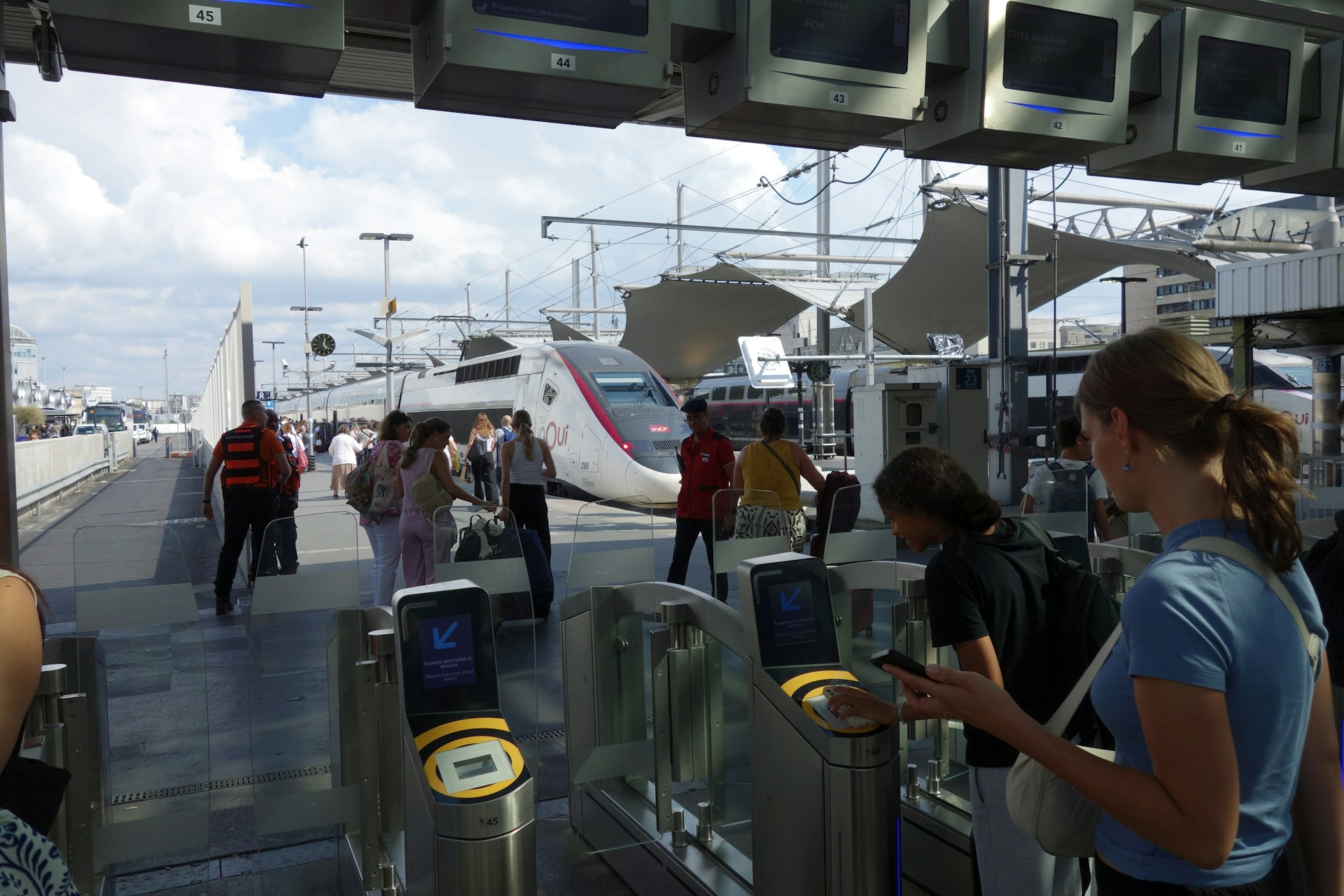
A line stalls fast when someone reaches the scanner and starts searching for the boarding pass on a locked phone. Screens dim, Wi-Fi lags, and the person keeps tapping while everyone behind compresses into a tight pack.
Agents can usually fix it, but the fix breaks rhythm: rescans, name checks, and waved-around maneuvers that confuse the order. The scanner beeps, and the pause feels louder than it is. People behind start balancing bags on ankles and trying not to bump strangers in the squeeze. Having the pass open, brightness up, and pockets cleared before stepping forward is quiet courtesy, and it keeps the lane moving on full flights.
Bringing a Carry-On That Cannot Behave
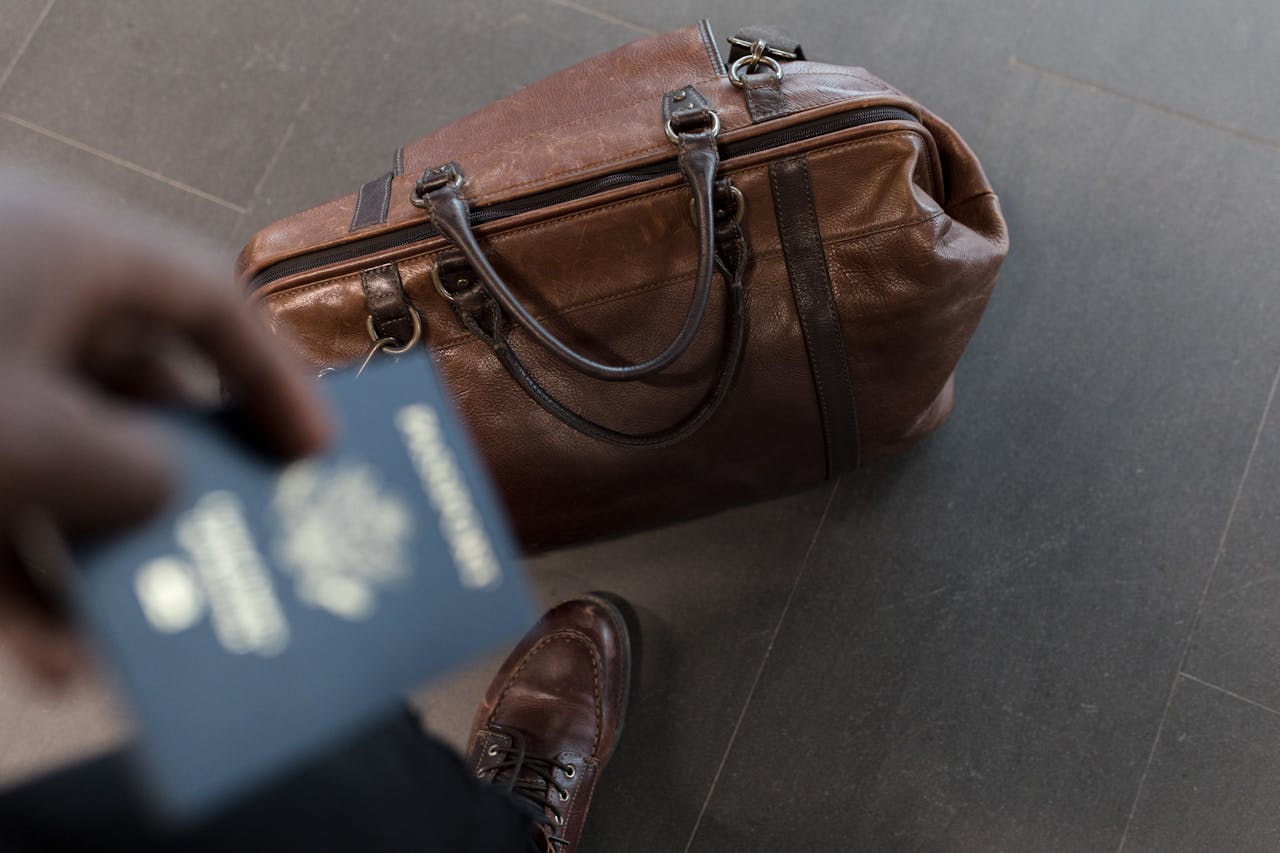
An oversized carry-on turns the walk to the plane into awkward pivots and sudden stops. The bag clips knees, catches stanchions, and forces others to pause while its owner wrestles it through tight corners. Loose straps and dangling coats make it swing wider than expected.
Inside the cabin, the same bag becomes a bigger delay: lift, rotate, reopen, try a new bin, then try again. If a gate check becomes necessary, the repacking happens in public, right where the aisle is narrowest. The line behind turns into a standstill where nobody can pass, and patience drains quietly. A right-sized bag, packed to close easily, keeps boarding moving.
Repacking While Standing in the Lane
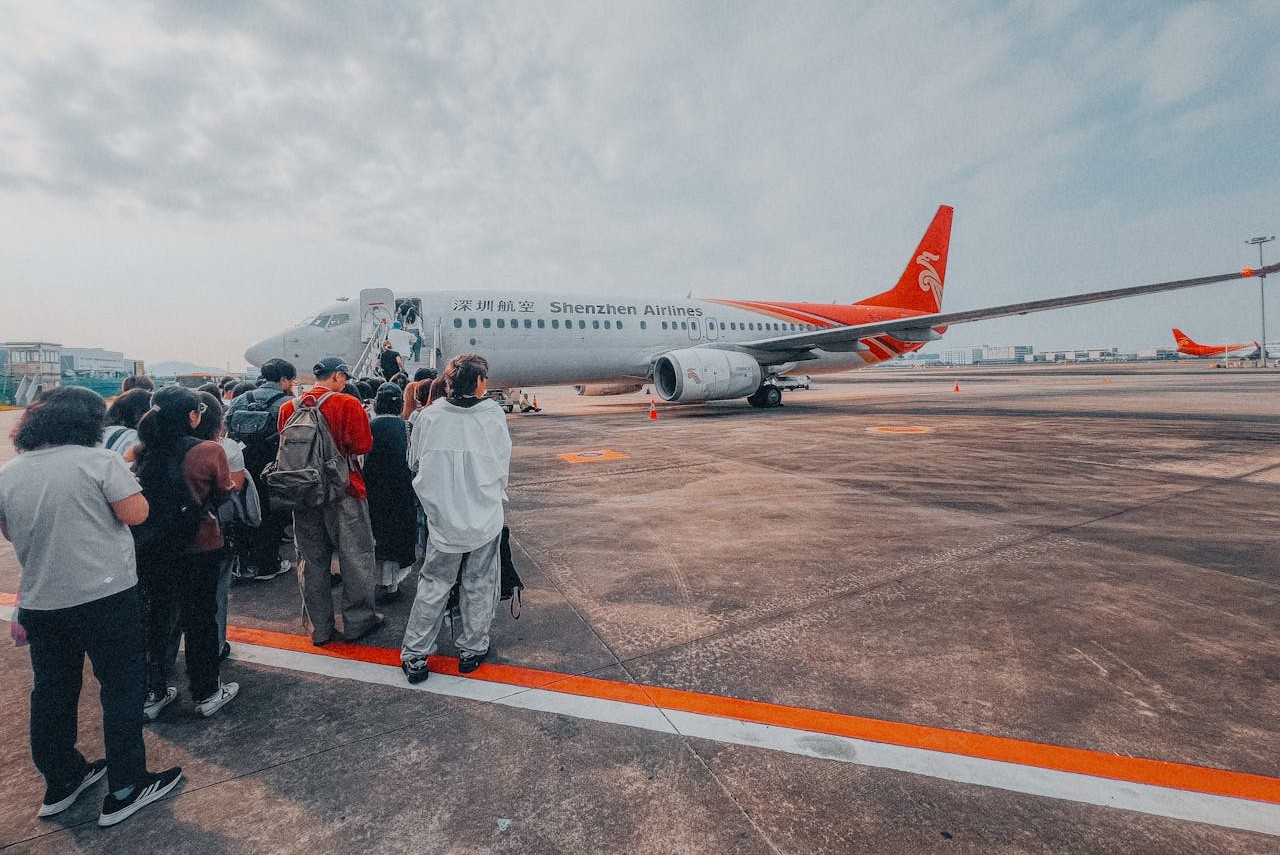
Some passengers stop in the lane to zip a jacket, move chargers, or reshuffle bags, as if the narrow corridor is a private workspace. Everyone behind has to brake, step, and brake again, and the crowd does that tense accordion squeeze.
The pause also scrambles order, because people start edging around, then retreating when the space closes. It feels like being stuck at a red light that never turns, only closer to strangers. A small task becomes a shared delay, especially for anyone balancing a child, a cane, or a heavy backpack. Stepping fully to the side, finishing, and rejoining keeps the line clear and keeps the mood steady.
Using the Aisle as a Staging Area
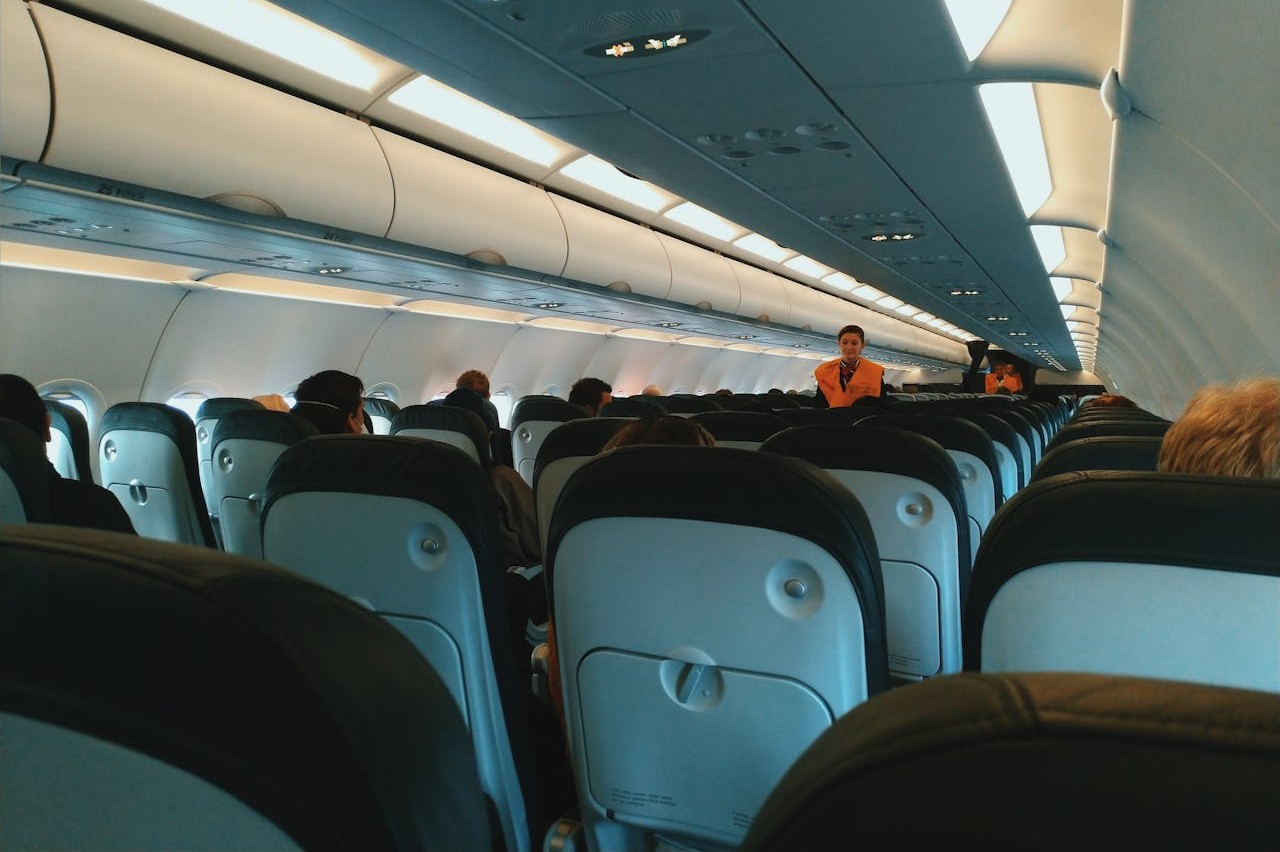
Boarding often freezes when someone reaches a row and turns the aisle into a staging area, spreading coats, snacks, and devices across seats. Bags sit sideways while items get rearranged, even though the overhead bin is inches away.
Behind them, passengers stack up between seatbacks with nowhere to step, holding luggage at odd angles and trying not to bump anyone. Crew directions get muffled, seatmates cannot slide in, and the cabin feels warmer with every stalled second. The jam lingers for several rows, long after the first bag finally clicks into place. Stow the main bag first, sit, then settle the small stuff. The aisle is a hallway.
Blocking the Aisle While Searching for the Seat
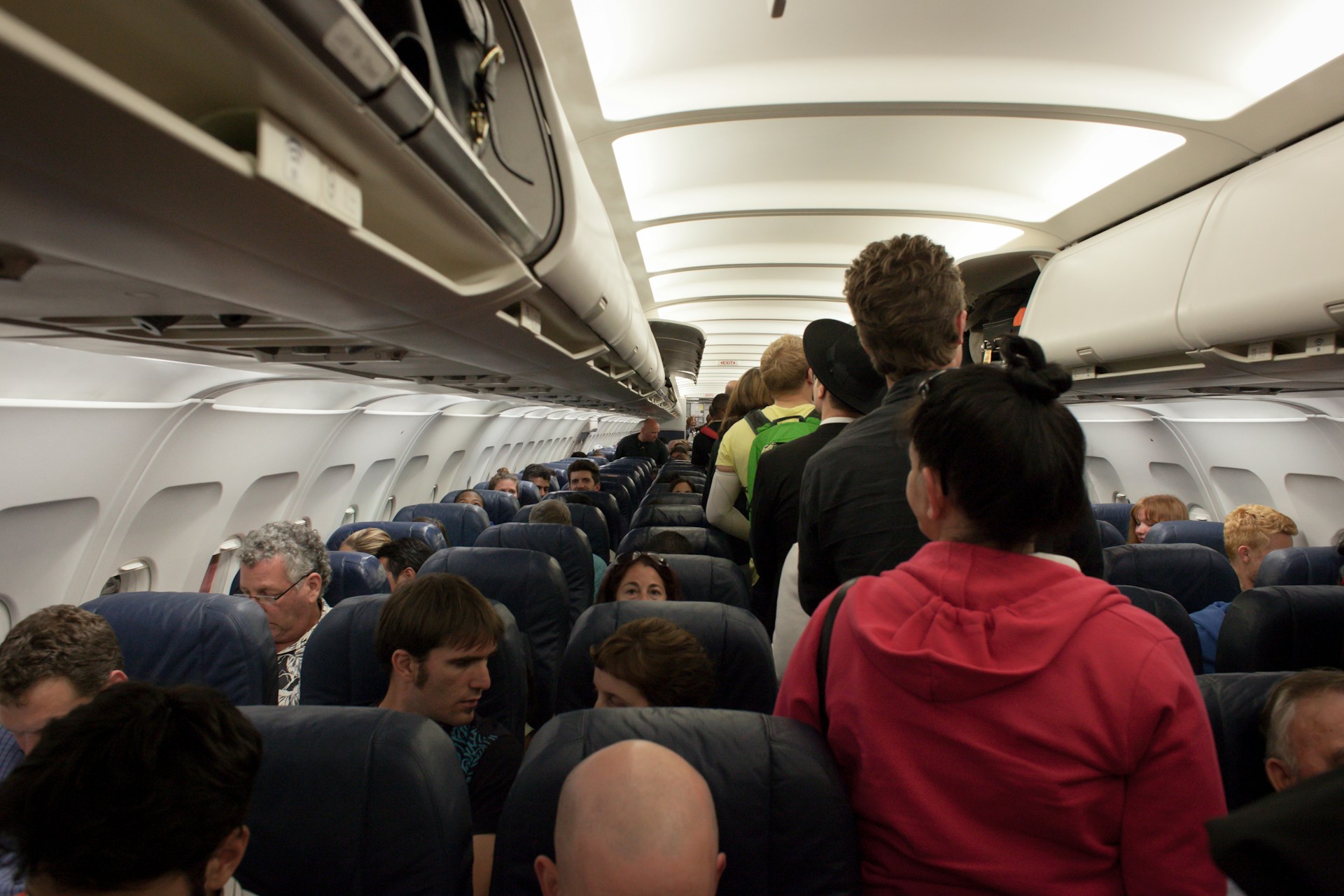
Seat confusion happens, but the line suffers when a traveler freezes in the aisle to study row numbers and reread a pass. Everyone behind stops, bags tap knees, and the space compresses into an uncomfortable stack.
Often the person is only one row off, yet the correction becomes a slow backtrack with a carry-on held high. The pause feels personal even when it is not, because nobody has room to breathe. Seated passengers twist and lift legs to make space, and nobody can pass until the right seat is found. A quick glance at row signs, or stepping into a row while asking for help, keeps traffic moving. It saves time for the whole cabin.
Starting Seat Swap Talks Mid-Boarding
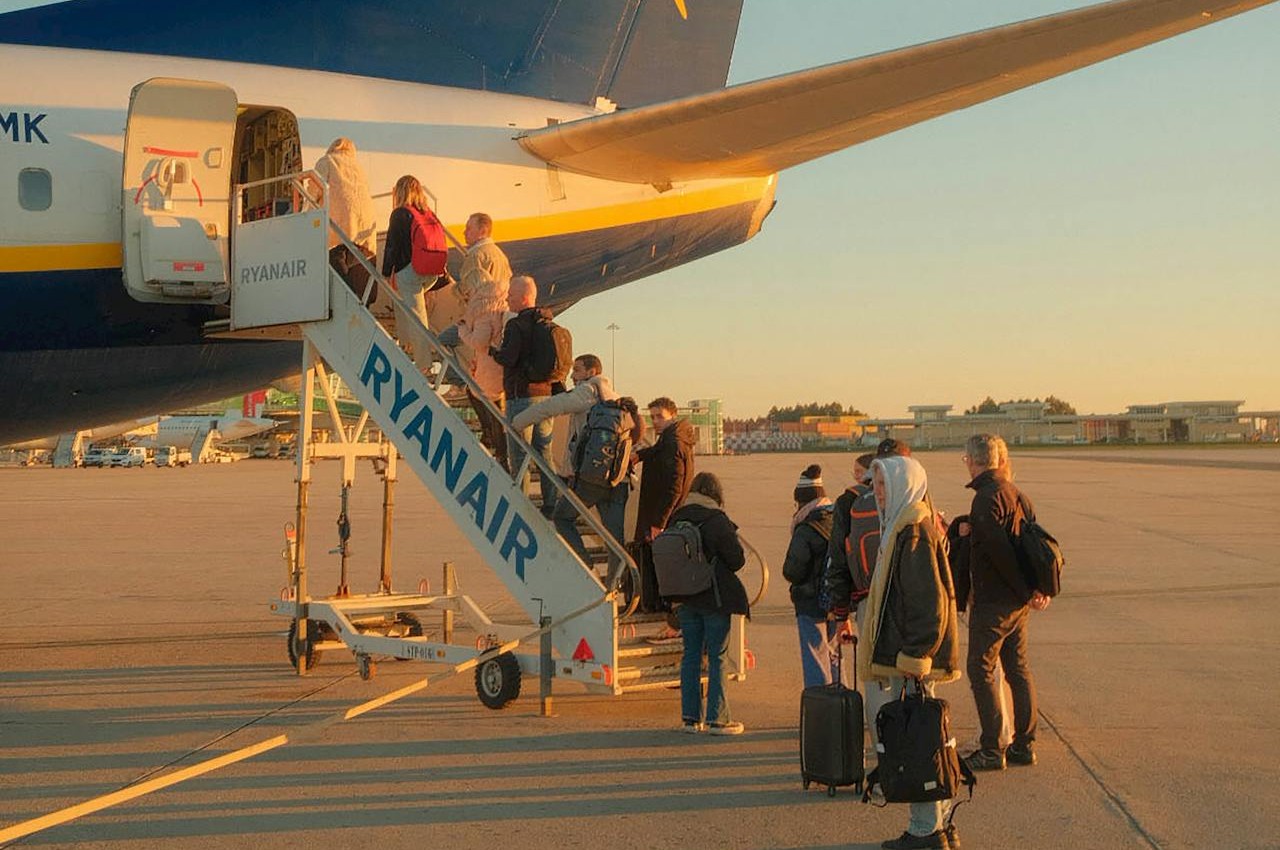
Seat swaps can be generous, but negotiating them during boarding turns the aisle into a meeting with no exits. One person stands half in the row, another blocks the lane, and the conversation loops while bags hover.
Even polite back-and-forth creates a bottleneck because nobody can pass, and the delay spreads beyond the two seats involved. Voices carry, and the people behind stand still with straps cutting into hands. Crew may still be guiding traffic, so a stalled aisle also means missed instructions and more confusion. Better timing helps: handle swaps after boarding, or step aside, decide quickly, and sit so the line can move.
Playing Audio Out Loud at the Gate
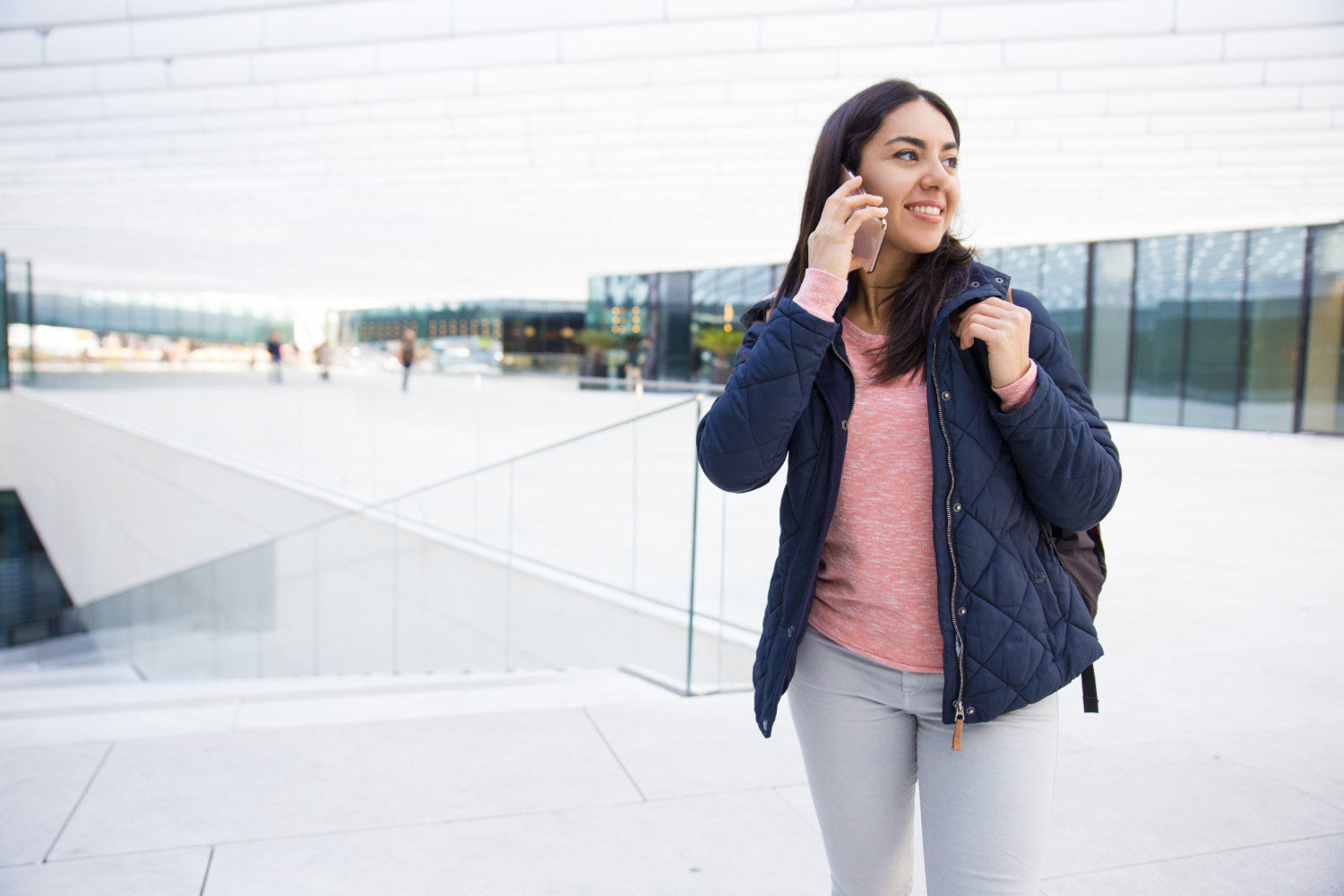
Gate areas echo, so speakerphone calls and loud videos spread farther than expected and make announcements harder to catch. Add constant chimes and notification pings, and the gate agent’s voice gets lost in the mix. When people miss a group call, they jump up late and try to merge, adding friction to an already tight space.
Noise also changes the mood. Tired travelers tighten up, agents repeat instructions, and the whole area feels more chaotic than it is. It can wake sleeping children and distract older travelers who rely on hearing the details. Headphones and muted alerts keep the gate calmer, and calmer gates board faster.
Debating Staff Instructions at the Scanner
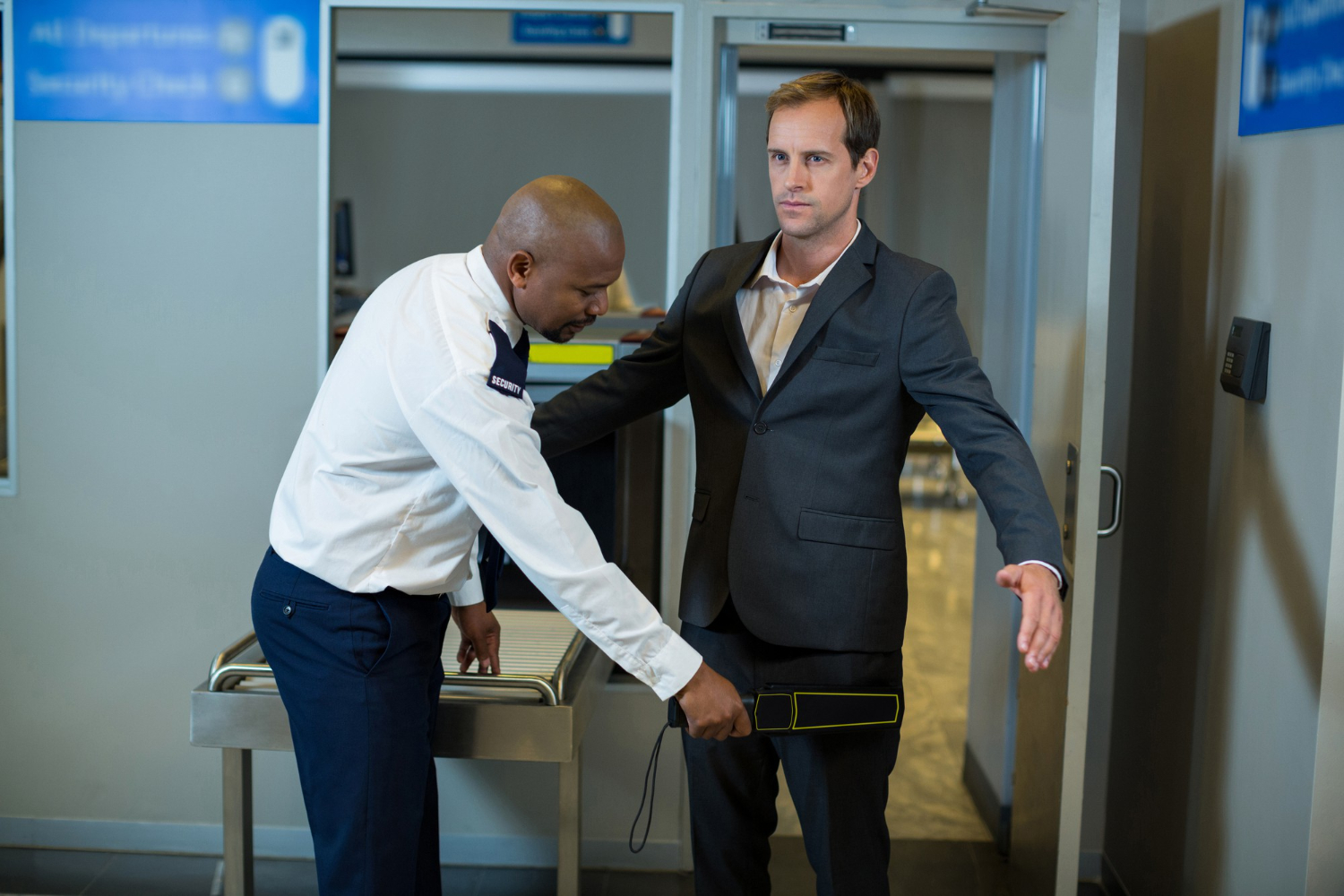
Few habits slow boarding like turning the scanner into a debate about groups, bins, or exceptions. The tight space makes every pause feel heavier than it should. Even a calm argument stops the agent from scanning, and the next passengers have nowhere to go but forward, into the bottleneck.
The delay spreads quickly: more people gather near the lane, announcements get repeated, and the line becomes a crowd. It also puts staff in the position of enforcing rules in public, which raises tension for everyone within earshot. Most issues can be handled to the side. A step back, a respectful question, and a ready pass keep the flow intact.