
By 2026, travel nostalgia started sounding a little selective. People romanticized old frictions as if inconvenience had personality: the frantic hunt for a printer, the cash scramble at a station machine, and the ritual of repacking toiletries under fluorescent lights. Yet most of those habits were not charming in real time; they were stress disguised as tradition. As airports, borders, and cities modernized, those quirks began to fade, and memory got sharper about what was actually missed: human warmth, small rituals, and discovery, not operational hassle. That distinction now frames how travel stories are told.
The Airport Printer Pilgrimage
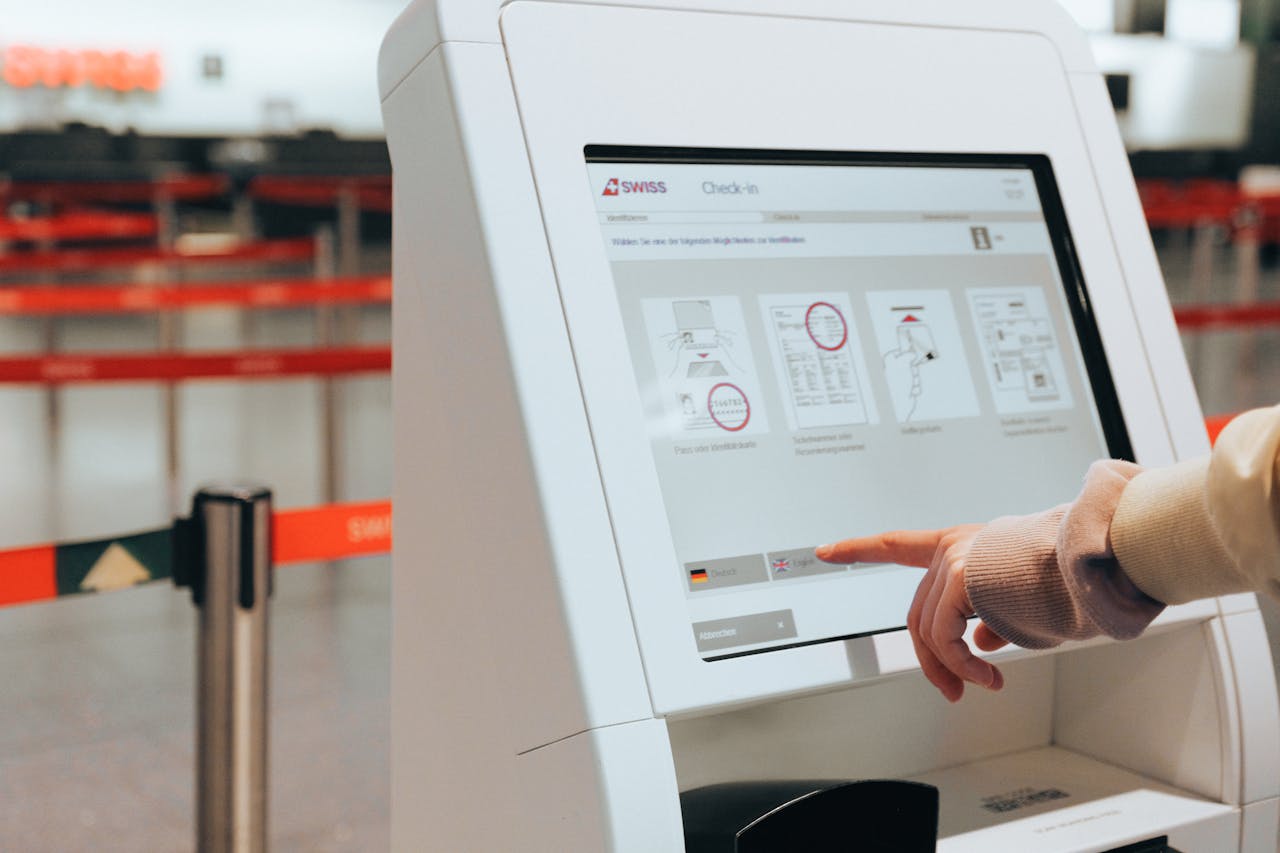
People still laugh about racing through terminals to find a kiosk that could print a boarding pass, as if that sprint belonged to a golden era. In truth, it usually meant a dead battery, a frozen app, or a long line behind one understaffed desk while boarding time shrank by the minute. Missed printouts were often treated like personal mistakes, even when the system itself was brittle.
What felt nostalgic was mostly avoidable stress. Digital passes did not remove every glitch, but they cut one predictable failure point from the trip and gave travelers back a little control before the first gate announcement even began.
The Cash-Only Transit Scramble
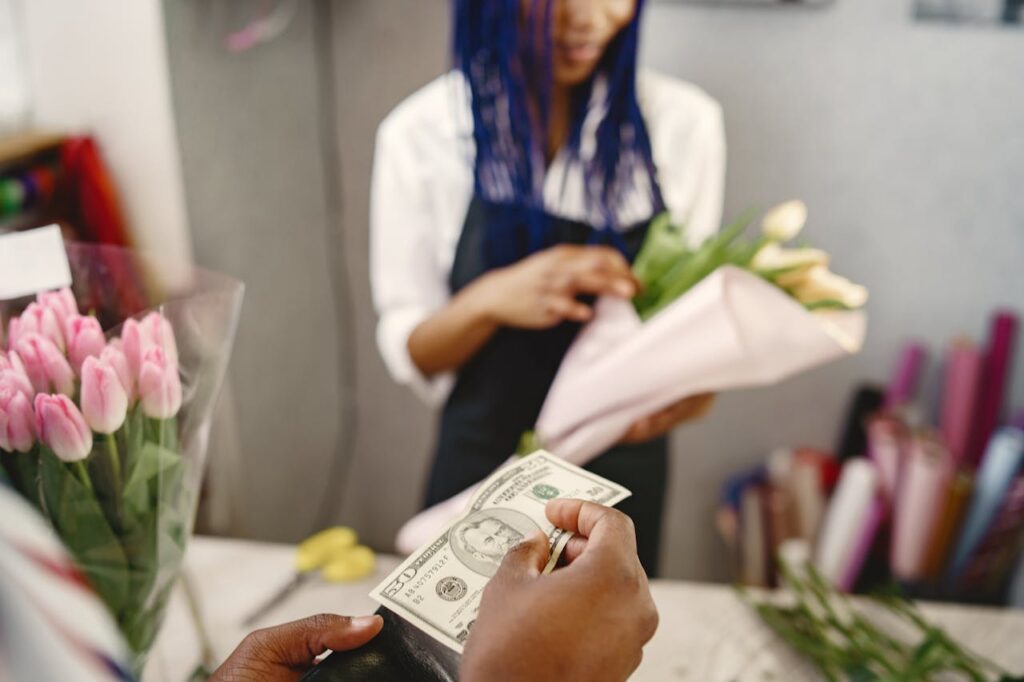
There was once a familiar panic at bus stops and metro stations: no coins, no small bills, and no machine willing to break a larger note. Cities have steadily moved away from that routine. London buses stopped accepting cash years ago, and contactless tap systems now dominate everyday movement in major networks. The shift changed pace on the street, not just payment at the door.
The old cash ritual gets recast as local color, but it often stranded people at exactly the wrong moment. Card and phone payments may feel impersonal, yet they removed a friction that regularly turned simple transfers into missed connections.
The MetroCard Swipe Lottery
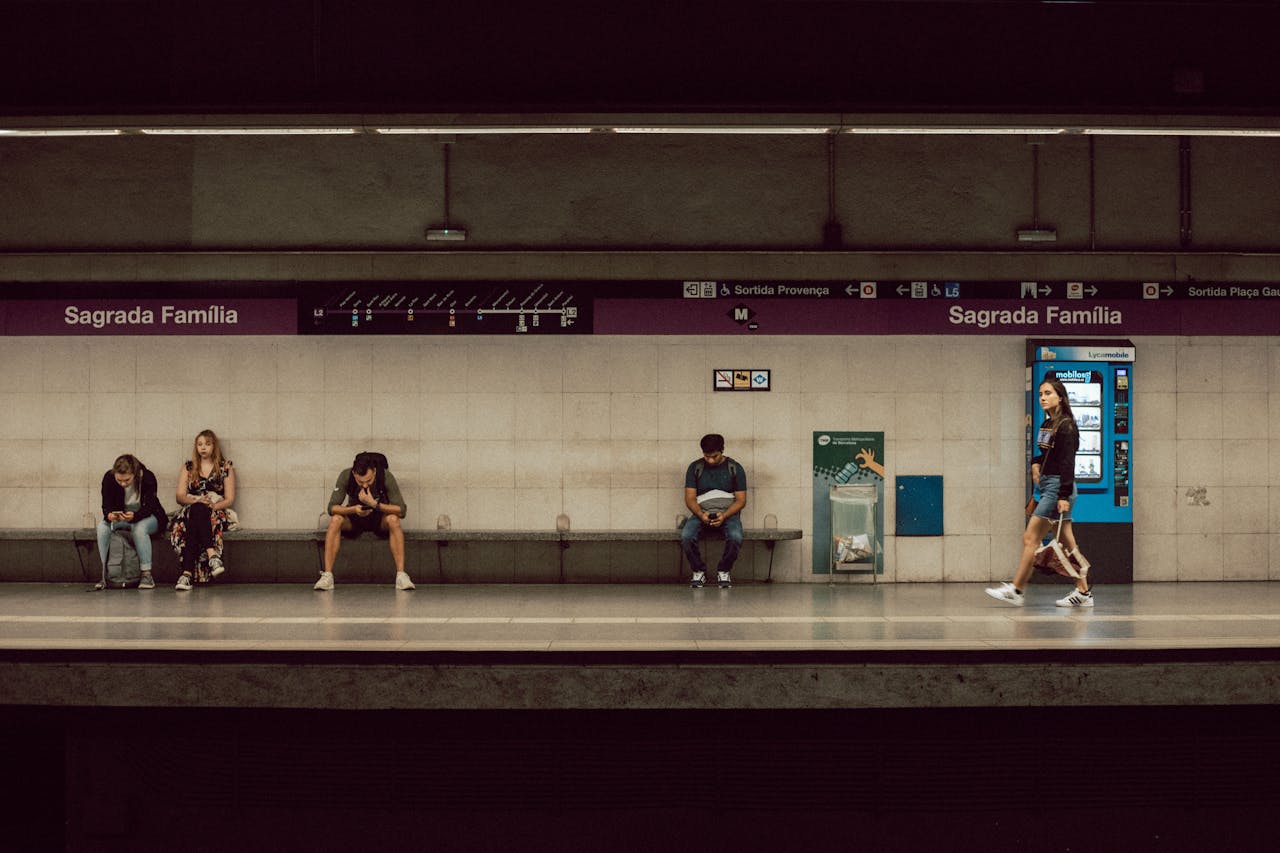
The swipe itself became folklore: too fast, too slow, wrong angle, error tone, try again. Many riders treated that muscle memory like a badge of urban fluency. But the charm wore thin when a stubborn turnstile caused a bottleneck and a late arrival. What looked iconic in hindsight often felt exhausting at rush hour, especially for newcomers carrying bags.
As of January 2026, New York no longer allows MetroCard purchase or refill, pushing the system fully toward tap-based OMNY. That shift closed a long chapter, and it also ended a daily micro-frustration that consumed time, patience, and far too much peak-hour goodwill.
The Border Desk Guessing Game
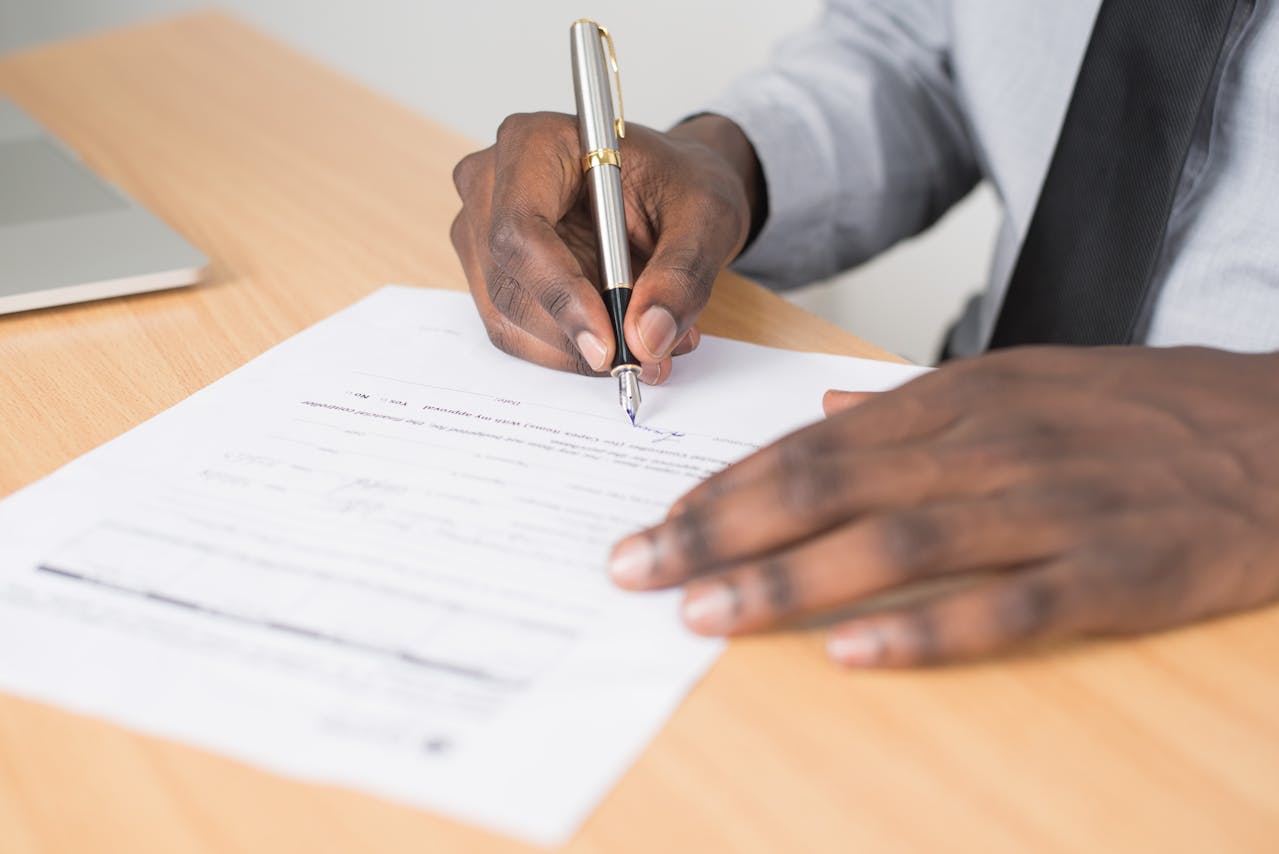
For years, many travelers could improvise border paperwork at the last minute and hope the queue moved kindly. By 2026, that looseness looked less practical as governments leaned into pre-clearance and digital screening: the U.K. rolled out ETA requirements for eligible visitors, and Europe set ETIAS to follow after the EES rollout. Border policy moved from improvisation to scheduled compliance across regions.
Some people miss the old spontaneity, but uncertainty at the border was never romantic when a missing authorization could end a trip before it began. Predictable rules, even stricter ones, reduced avoidable surprises.
The Stamp-Hunting Detour
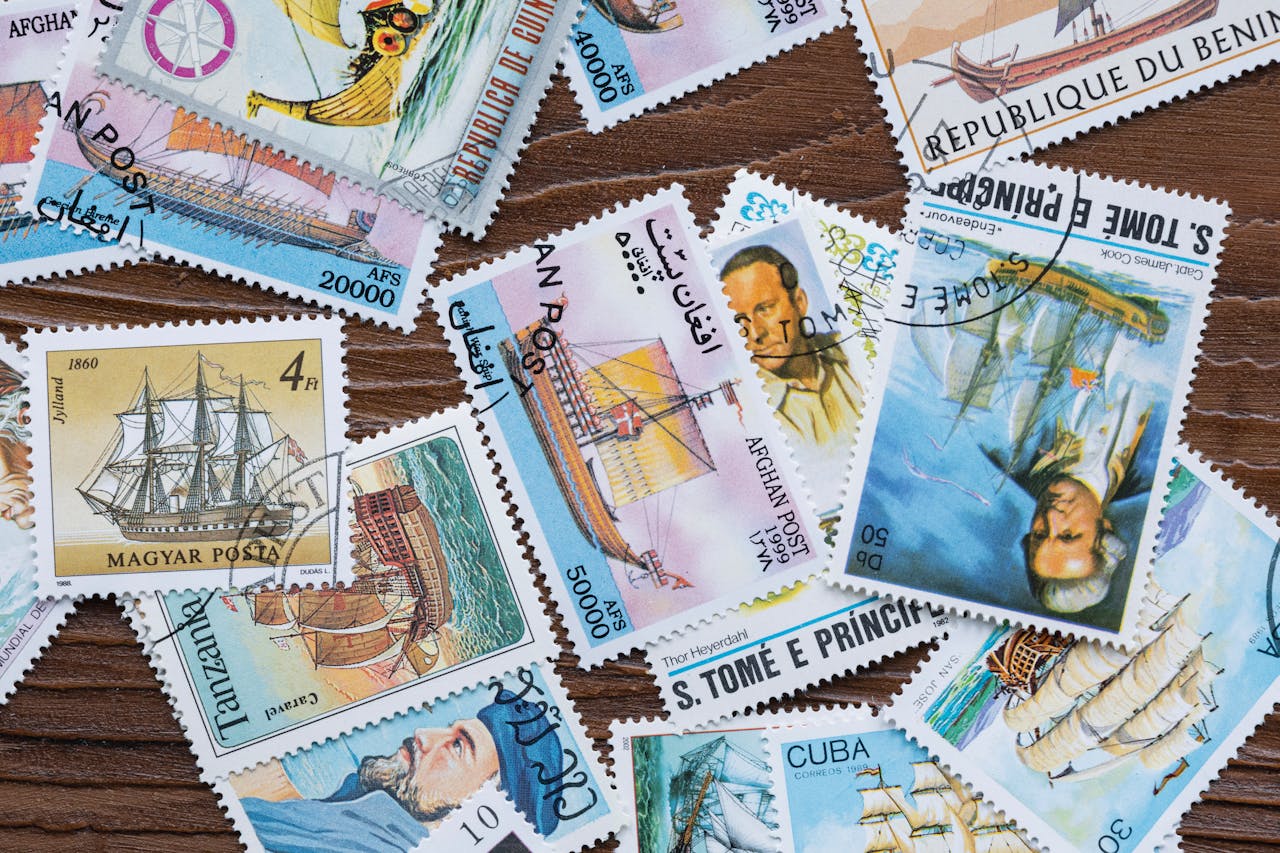
Passport stamps once carried a cinematic aura, each thump marking a crossing with visible drama. In practice, stamp chasing often meant extra waiting, extra desk checks, and extra confusion for travelers moving through busy hubs designed for faster flow. Souvenir value rarely matched the time cost in crowded terminals.
With biometric programs expanding at major checkpoints, movement increasingly happens through camera verification and automated records rather than paper markings alone. The keepsake is less tactile now, but the process is often faster, cleaner, and less prone to the human bottlenecks that once shaped arrival halls.
The Liquids Bag Ritual

Few airport habits were as universally resented as the toiletries shuffle: tiny bottles, clear pouch, laptop out, tray ballet, then the awkward repack on a crowded bench. In 2026, the rulebook remains uneven. Many airports still enforce the 100 ml standard, while some U.K. hubs with new scanners allow larger containers. One airport can feel modern, and the return flight can feel stuck in 2009.
That inconsistency is frustrating, but the old ritual was never elegant. It consumed attention, slowed security lanes, and punished small packing mistakes. Travelers called it routine because they had to, not because it worked gracefully.
The Check-In Counter Theater
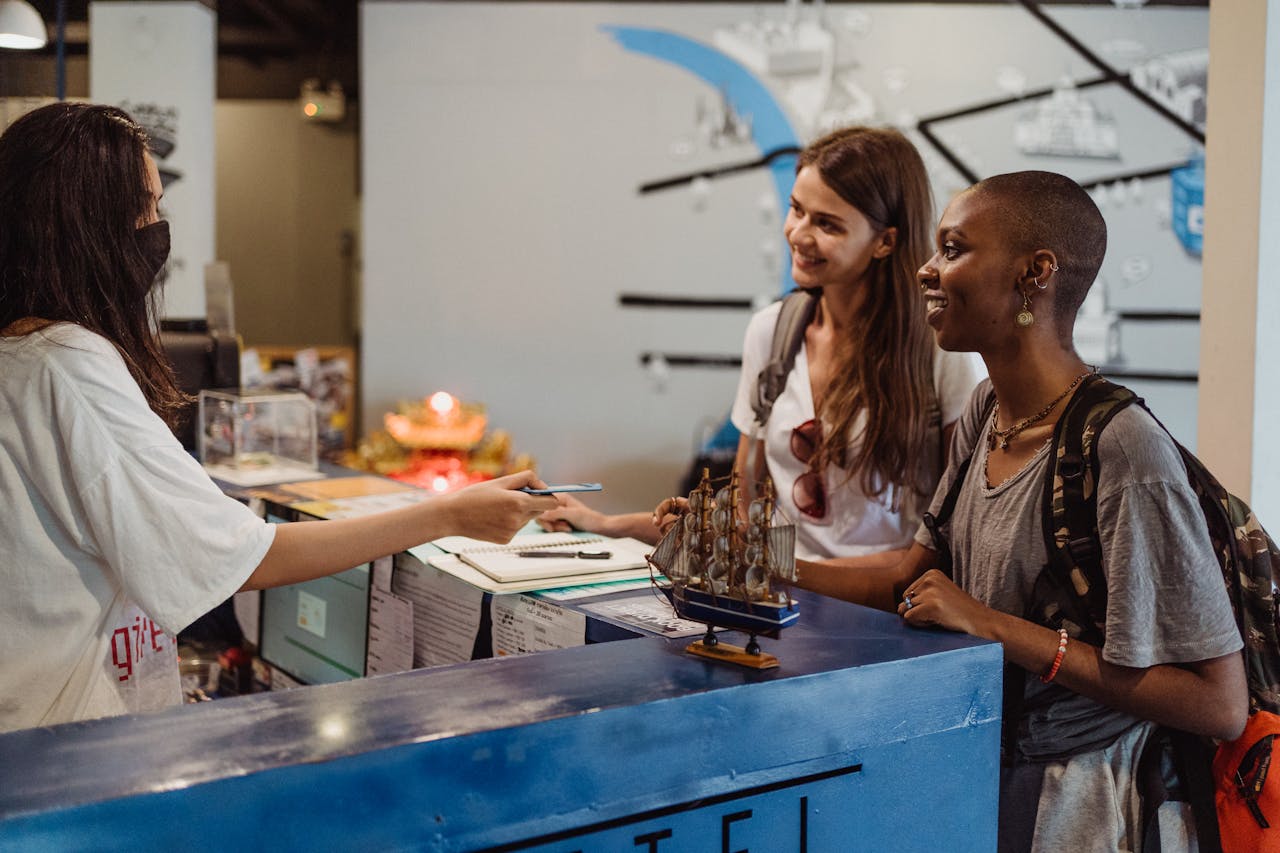
There was a time when arriving early meant joining a dense check-in line, guarding luggage carts, and watching one counter open after another in slow sequence. People now frame that as part of the trip atmosphere, a communal pre-flight scene before the gate. The line itself often became the longest part of the morning for large flights.
But the theater came with a cost: standing fatigue, preventable delays, and a fragile dependence on staffing levels. Online check-in and self-service bag drops did not erase airport stress, yet they stripped out one of its most repetitive forms and gave departure mornings a cleaner rhythm.
The Surprise Fee Treasure Hunt
Some travelers still speak fondly of booking a cheap fare and figuring out the rest later, as if that old game rewarded savvy. Usually, it rewarded endurance. Seat choice, carry-on size rules, and checked baggage costs could transform a bargain into a budgeting puzzle after checkout. The base fare looked simple while trip costs became complicated.
U.S. data show how large ancillary streams have become, with baggage fees alone in the billions annually. The nostalgia around unclear pricing misses the lived reality: uncertainty did not make travel adventurous; it made planning harder for families, students, and tight itineraries.
The Last-Minute Overtourism Gamble
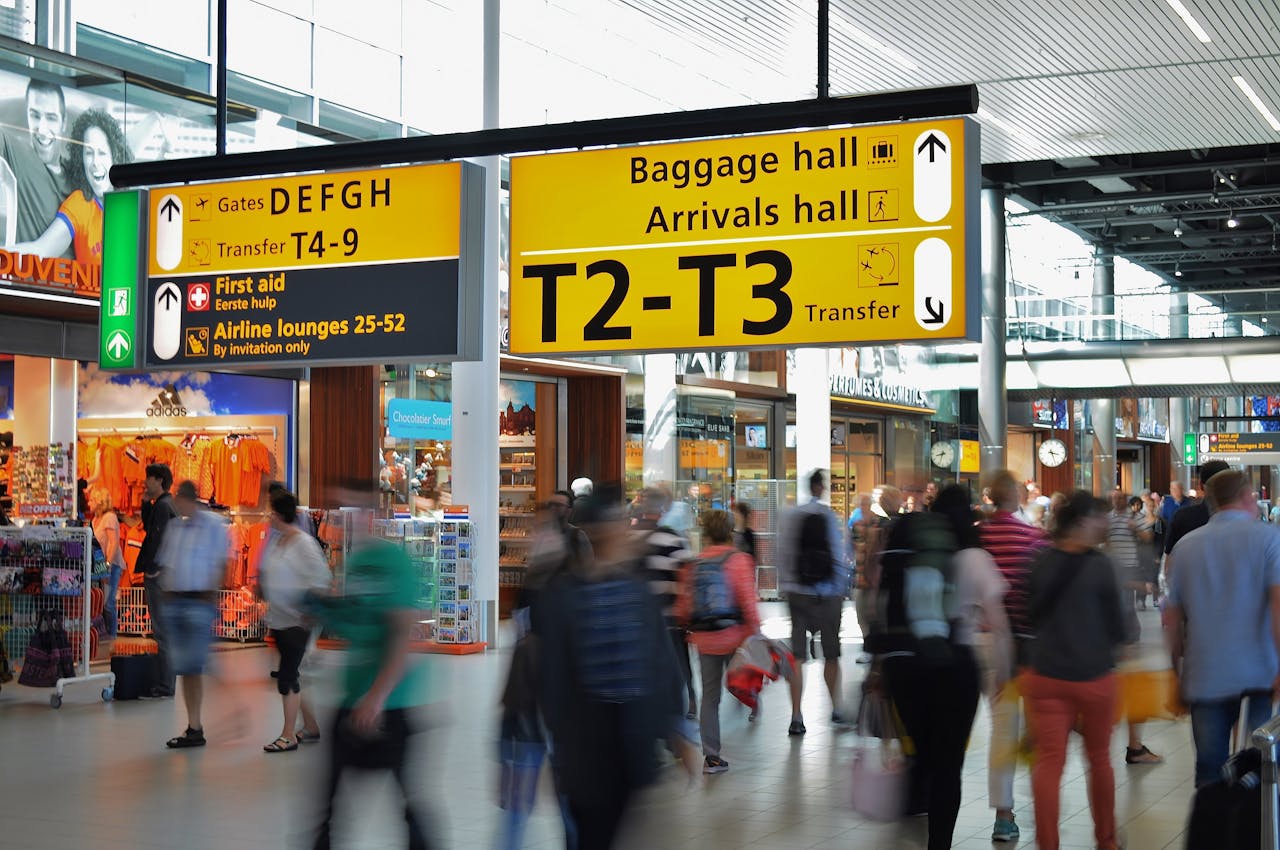
Spontaneous day trips once sounded effortless: wake up, board a train, arrive where everyone else arrived, and sort it out on foot. By 2026, high-pressure destinations have shifted toward access controls and demand management, including Venice’s scheduled access-fee windows for peak visitor periods. That policy turn reflects strain on residents.
Some mourn the loss of total spontaneity, but unmanaged crowds were not gentle on residents or travelers. Long lines, packed lanes, and local backlash turned dream days into crowded negotiations. Planning ahead feels less romantic, yet it often preserves the experience people hoped to have.
The Kiosk SIM Bargaining Marathon
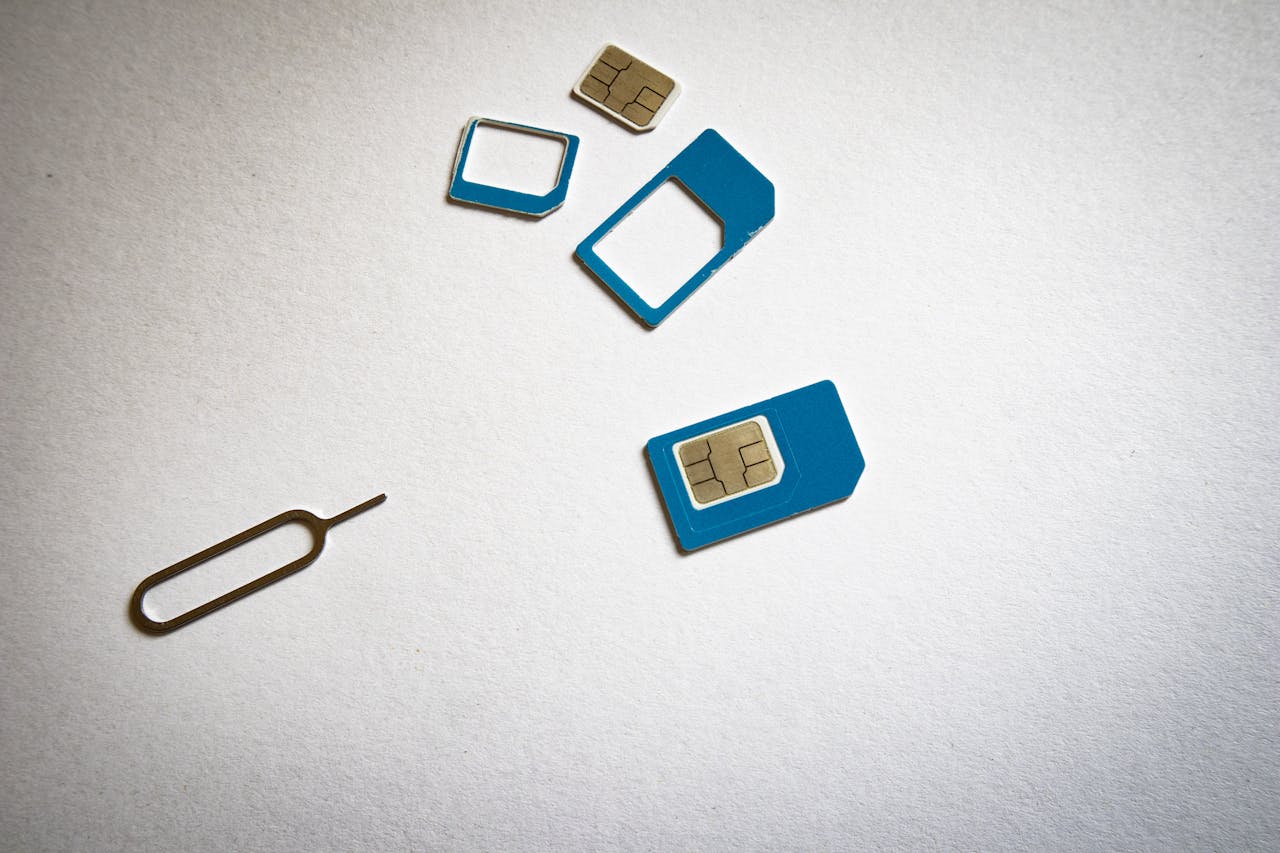
Airport arrivals used to begin with a familiar negotiation: compare SIM plans, decode tiny print, hand over documents, and wait for activation while a taxi meter or transfer clock kept ticking. Travelers remember the banter, but not always the fatigue that came with solving basic connectivity under pressure. Delays at that first counter could ripple across an evening.
With eSIM adoption and roaming options improving in many markets, the first hour in a new country is increasingly about movement, not paperwork. The old kiosk ritual had character, yet it also consumed attention at the exact moment when orientation mattered most.