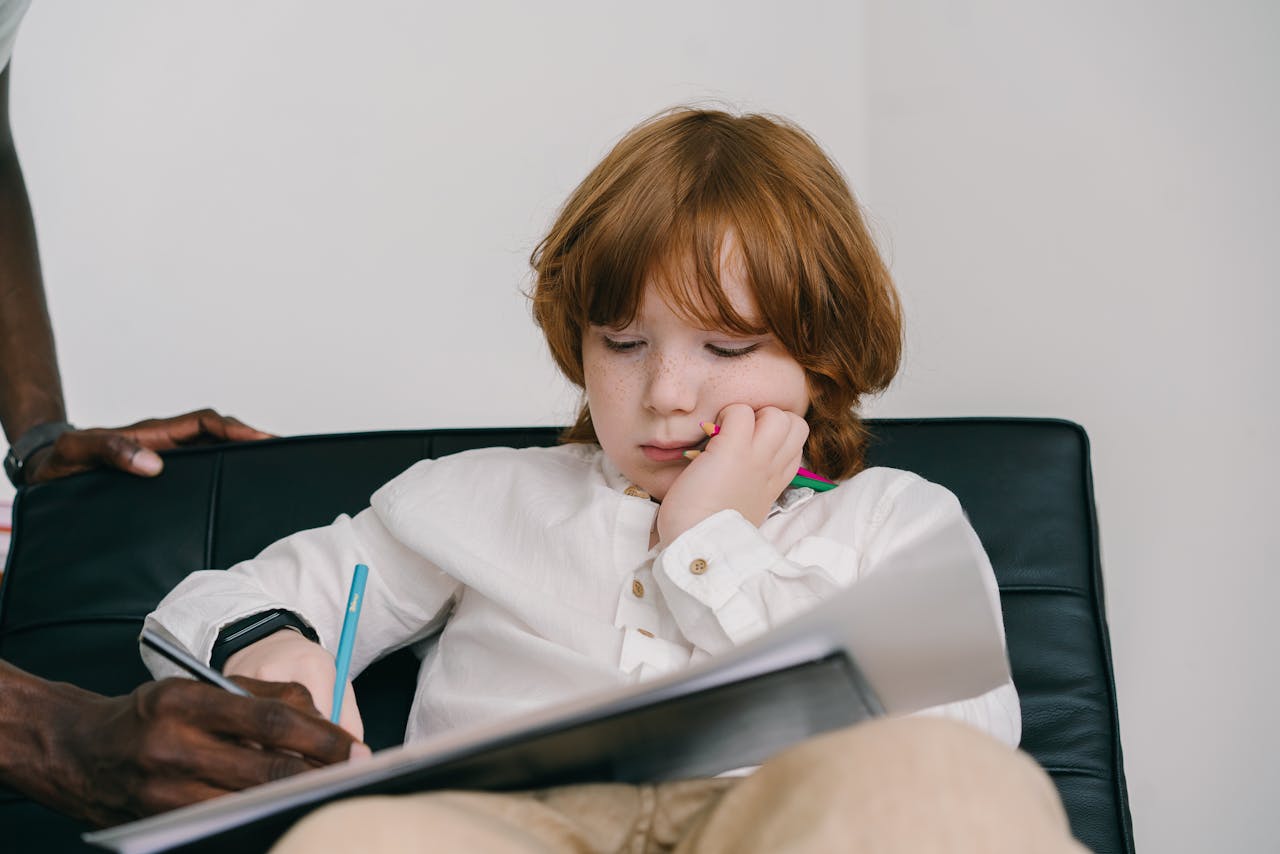
Teachers tend to spot social shifts early because classrooms are daily practice fields for cooperation, patience, and repair after mistakes. When skills slip, it rarely shows up as one big scene. It appears as small patterns that repeat: awkward entries into groups, quick frustration, and fewer moments of shared ease. These signs are not labels or diagnoses. They are signals that a child may need more coaching, more real-world practice, or a calmer routine. With steady guidance, most skills strengthen again, often faster than adults expect, and classroom life becomes lighter for everyone.
They Struggle To Join A Group Already Playing
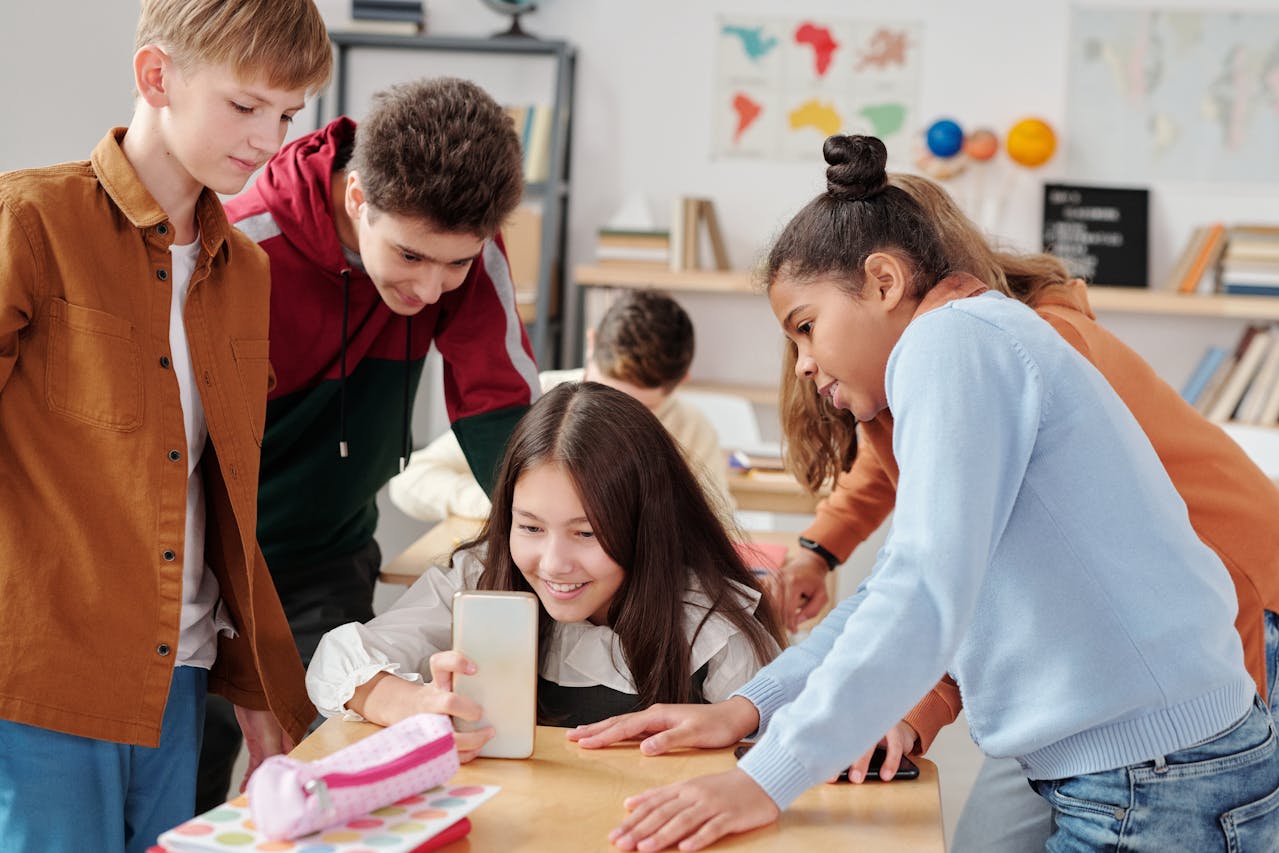
Teachers notice it at recess and center time: a child hovers, circles, and then either barges in or gives up. What’s missing is a clean entry, watching the game, asking to join, and accepting a yes or no without spiraling, so peers do not feel interrupted or cornered. When that skill weakens, play turns lonely or disruptive, and other kids start guarding their space to keep the game stable. Quick coaching helps: practice one opening line, wait for a pause, offer a small role, and keep a backup option ready, so belonging is built through timing and respect, not pressure.
Turn-Taking Breaks Down In Conversations
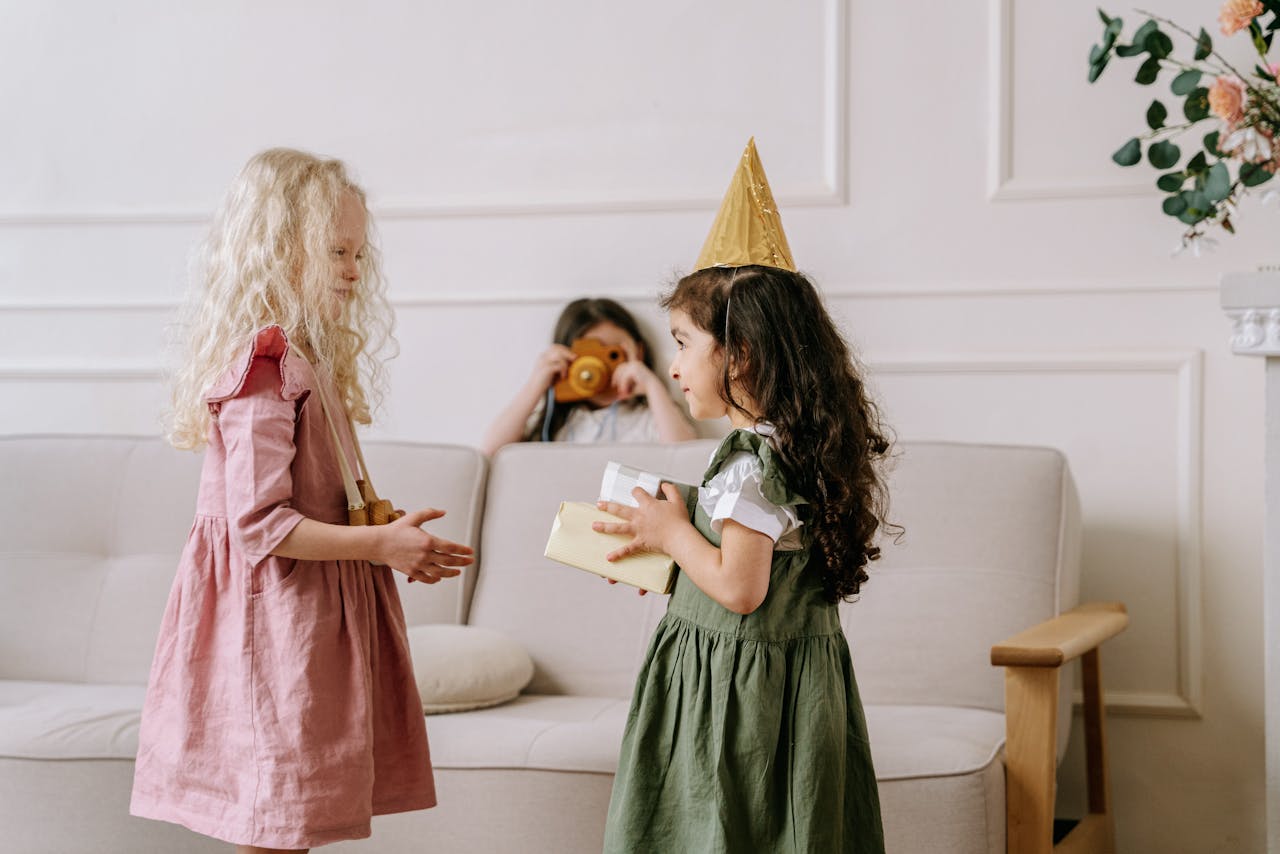
In discussions and lunch chatter, some kids interrupt, talk over others, or answer before a question is finished. It can sound like excitement, yet teachers see the result: peers stop sharing, the room gets louder, and misunderstandings multiply because no one feels fully heard. The core skill is tracking the conversational line, pausing, and letting someone else land a thought before jumping in, then responding to what was said instead of starting over. Routines rebuild it, like a two-count before speaking, a hand cue for turns, and repeating one sentence of a classmate’s point, so listening becomes visible, and respect becomes easier to feel.
Minor Conflicts Escalate Too Fast
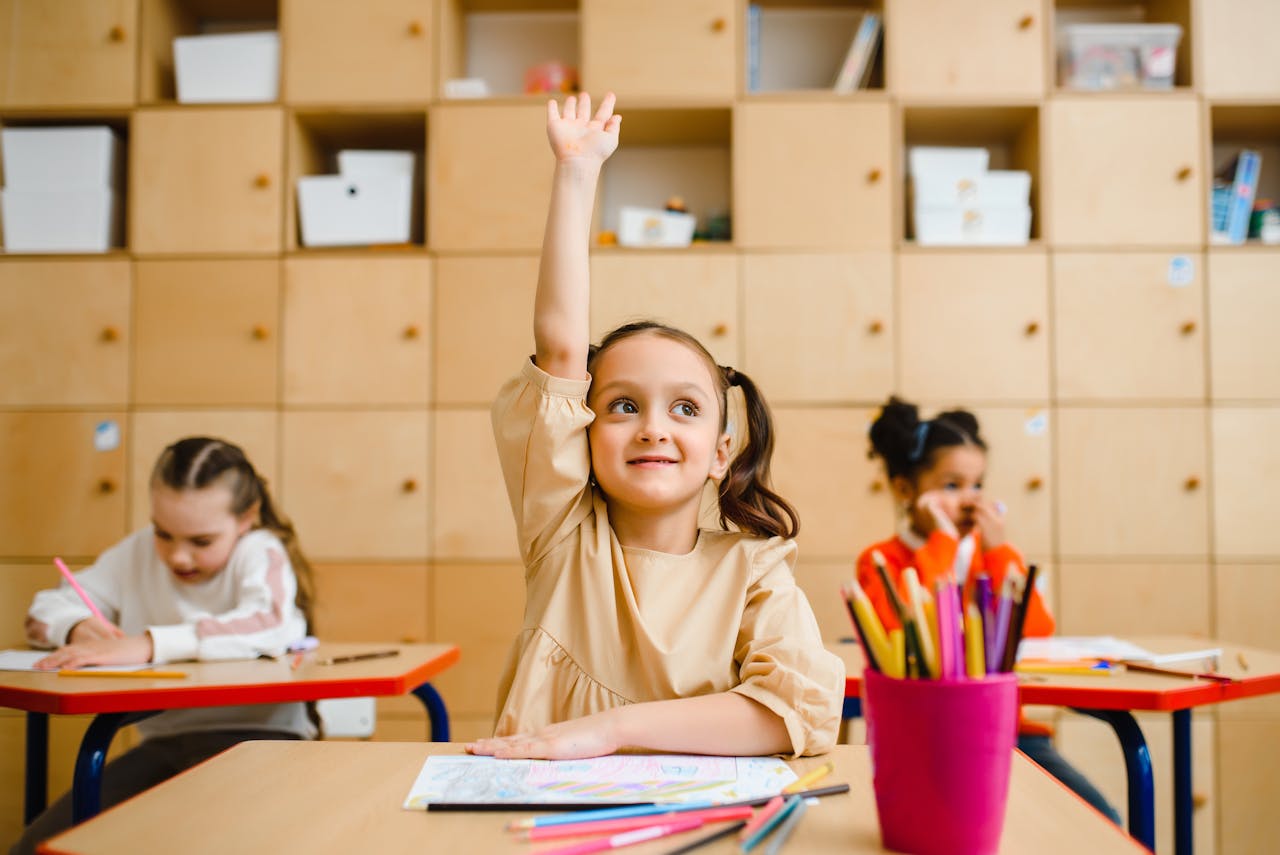
When social skills slip, tiny bumps become big moments. A seat taken, a rules dispute, or a misunderstood joke can jump straight to yelling, quitting, or sweeping claims of unfairness. Teachers notice because recovery takes longer and the class mood tilts for everyone nearby, including kids who were not involved. The missing piece is a braking step: naming the problem, asking for a redo, and using a neutral script instead of intensity. Short phrases like “Pause,” “Try again,” and “I need help,” plus a brief reset walk, help kids return with dignity and keep the issue from swallowing the day.
Apologies Sound Scripted Or Never Arrive
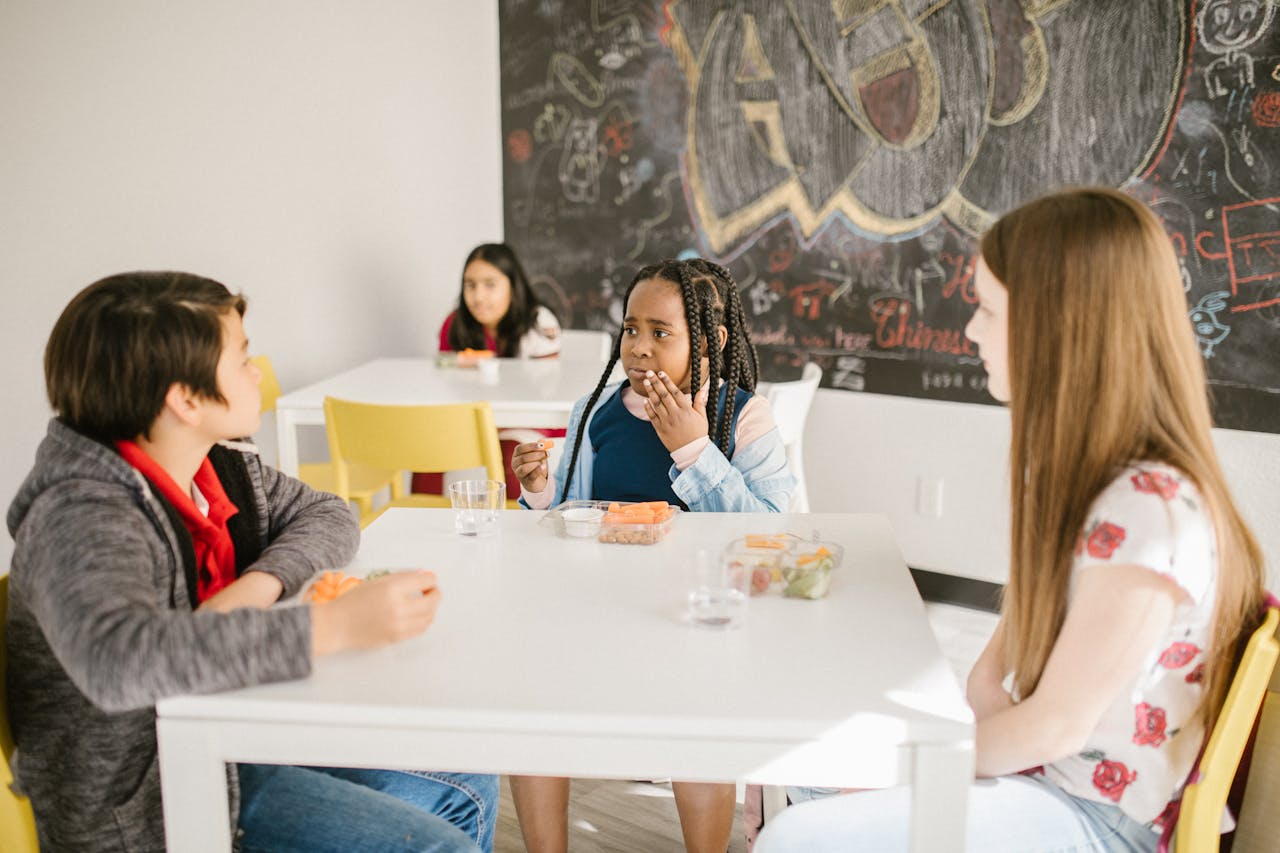
Teachers often hear quick apologies that do not match the behavior, or no repair attempt at all. Repair is a learned sequence: name what happened, name the impact, offer a concrete fix, and follow through later when emotions settle. When that structure is missing, classmates feel unseen, and small hurts stack up into distance. Teachers coach it with sentence starters, quick role-plays, and reminders to revisit the moment after a cool-down, not in the heat of it. Over time, apology becomes less about perfect words and more about steady actions that rebuild trust, like returning a borrowed item, inviting someone back into play, or changing a habit.
They Misread Tone, Jokes, Or Gentle Teasing

Classrooms run on subtle cues: friendly teasing, playful sarcasm, and quick shifts between serious and silly. When a child misreads tone, jokes are taken as insults, or teasing lands too sharp, and the room tightens. Teachers see the ripple: laughter turns cautious, and peers avoid the child to prevent another misunderstanding. This can be taught without shaming by pointing out voice changes, facial cues, and context, then practicing permission-based humor and quick check-ins like “Was that okay?” so fun stays safe. When kids learn to repair quickly, social risk feels manageable again, and group energy returns to normal.
Group Work Turns Into Power Struggles
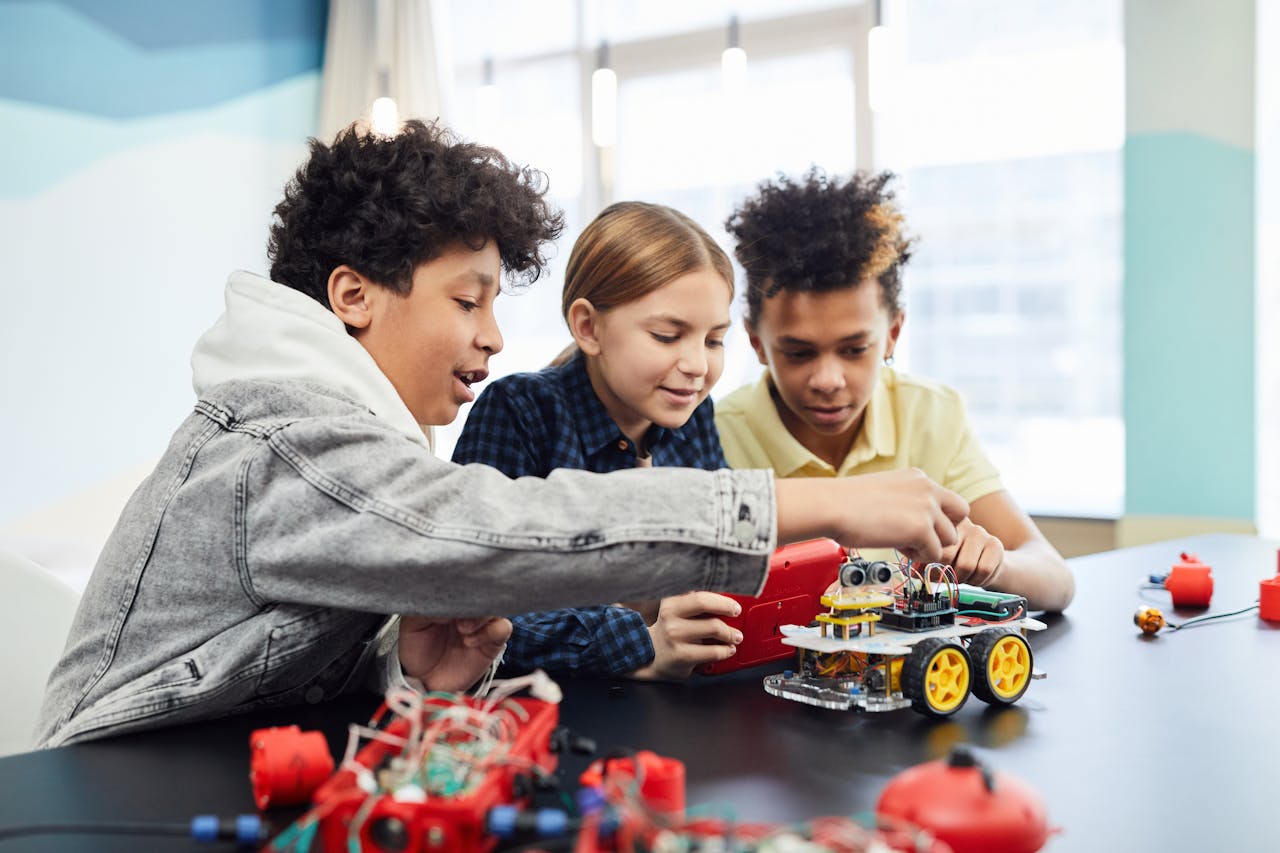
During group projects, teachers often see one child controlling every step, another checking out, and a third complaining that nobody listens. The missing skills are negotiation and role sharing: offering an idea, hearing a no, and pivoting without taking it personally. When kids cannot divide tasks, the teacher becomes the mediator, and the work stalls. Simple structures help, like assigned roles, rotating the speaker, a two-minute brainstorm, and a quick vote after two options, plus a reset phrase such as “New plan.” With repetition, teamwork becomes a set of moves kids can trust, not a contest to win, and quieter classmates gain room to contribute.
Personal Space And Body Cues Get Missed
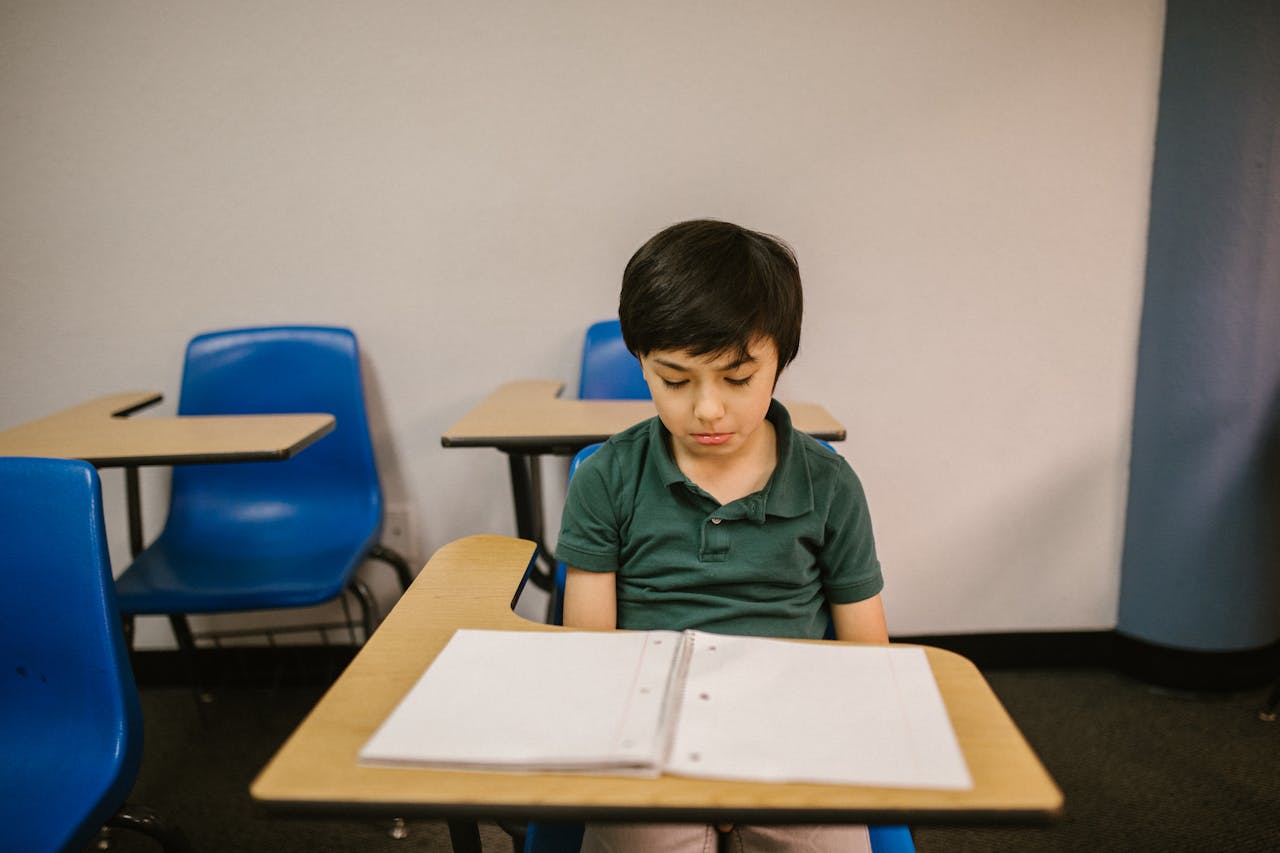
Teachers notice when a child stands too close, touches peers’ belongings, talks while turned away, or misses the body cues that signal someone wants space. It is not about forcing eye contact. It is about learning what respectful attention looks like in that room and that culture. When cues are missed, peers may read pushiness or disinterest and quietly pull back, sometimes without saying why. Gentle coaching works: an arm-length rule for space, a brief glance toward a face or forehead, and a check-in like “Is this okay?” paired with practice during line-ups and partner work, so comfort and consent become normal and friendships feel safer.
They Rely On Adults To Solve Peer Problems
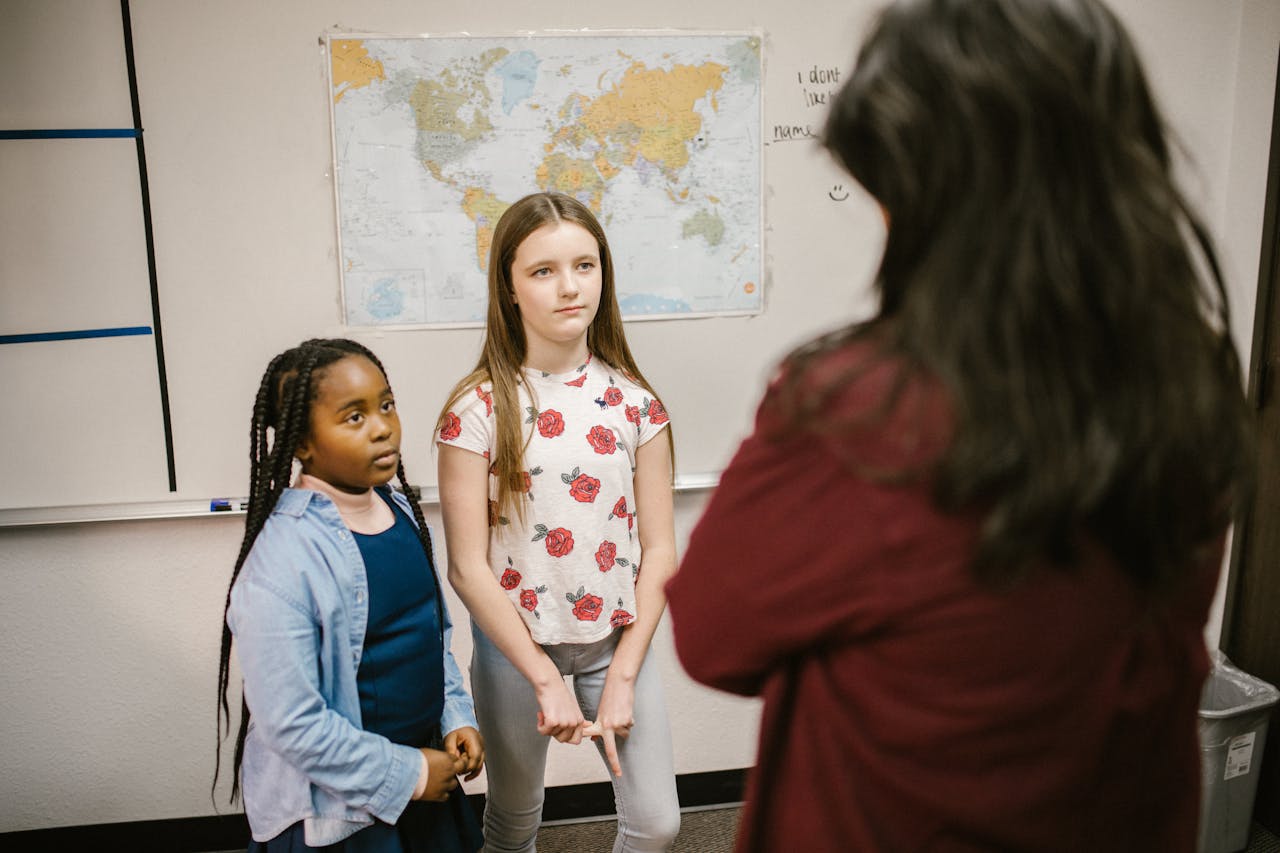
Some kids go straight to a teacher for every disagreement, even when the issue is small and could be handled with a short peer conversation. Teachers notice because it slows independence and keeps friendships fragile, with every bump routed through authority. A missing middle step is trying one respectful script before seeking adult help, then reporting back what was tried. Many classrooms teach a ladder: state the problem, offer a fair choice, and walk away if needed. Adults still support, but after the first move, so kids learn that problem-solving is possible and peers learn boundaries can be stated calmly, without turning every conflict into a public event.
Sharing And Borrowing Become Daily Flashpoints
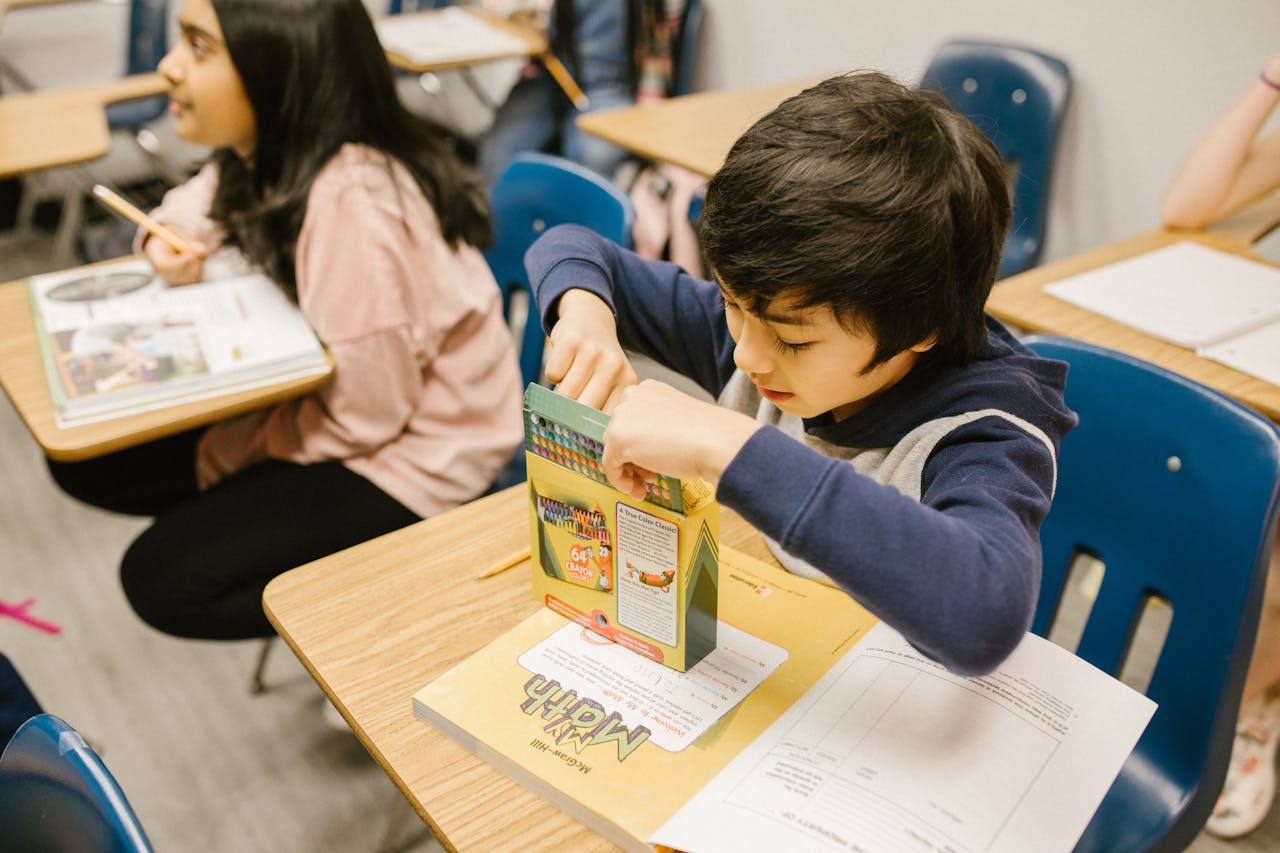
In classrooms, shared supplies are normal, so weak sharing skills show up fast. Teachers see arguments over pencils, markers, chargers, or snacks that restart day after day. When kids demand immediate access, refuse to trade, or take without asking, resentment builds and the room feels less cooperative. Teachers rebuild the skill with clear scripts: “Can I use it next?” “How long?” and “Here is when it will be returned,” plus a simple yes-or-no option without guilt. Timers, labeled bins, and defined borrowing rules make fairness predictable, and once the system is clear, kids relax and friendships stop hinging on supplies.
Play Gets Rigid And Hard To Sustain
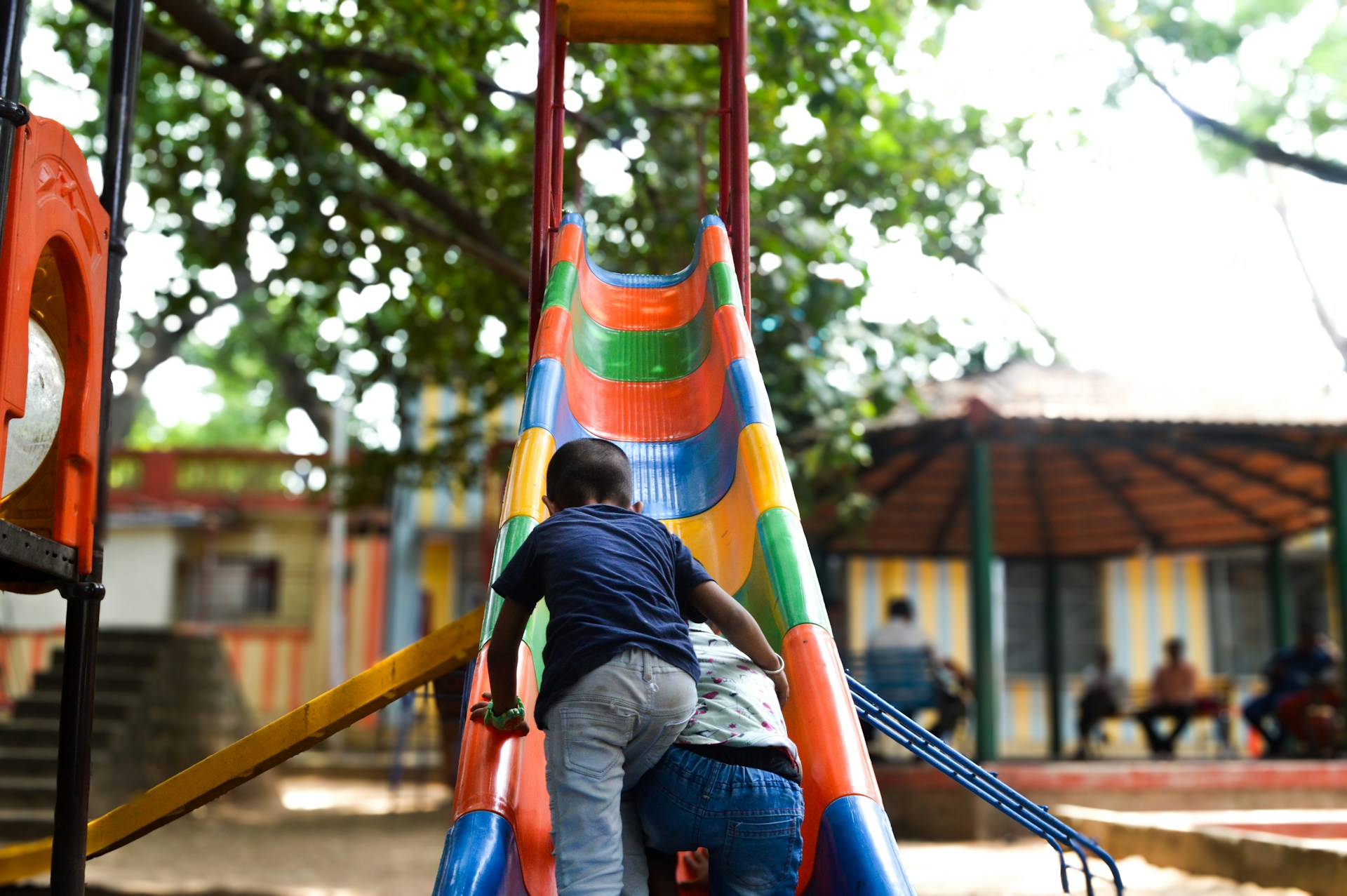
Teachers notice when play collapses because a child insists on one storyline, one set of rules, or one role every time. Flexible play is social practice: kids negotiate, build on each other’s ideas, and tolerate small changes without seeing them as threats. When rigidity rises, peers drift away, and the child feels rejected without understanding why. Adults can coach “yes, and” play by having kids add one idea, accept one idea, and rotate leadership, then praise flexibility, not winning. Board games, clubs, and cooperative challenges also build this muscle, turning play into something shared and durable, instead of a short contest that ends in quitting.
Greetings And Goodbyes Disappear
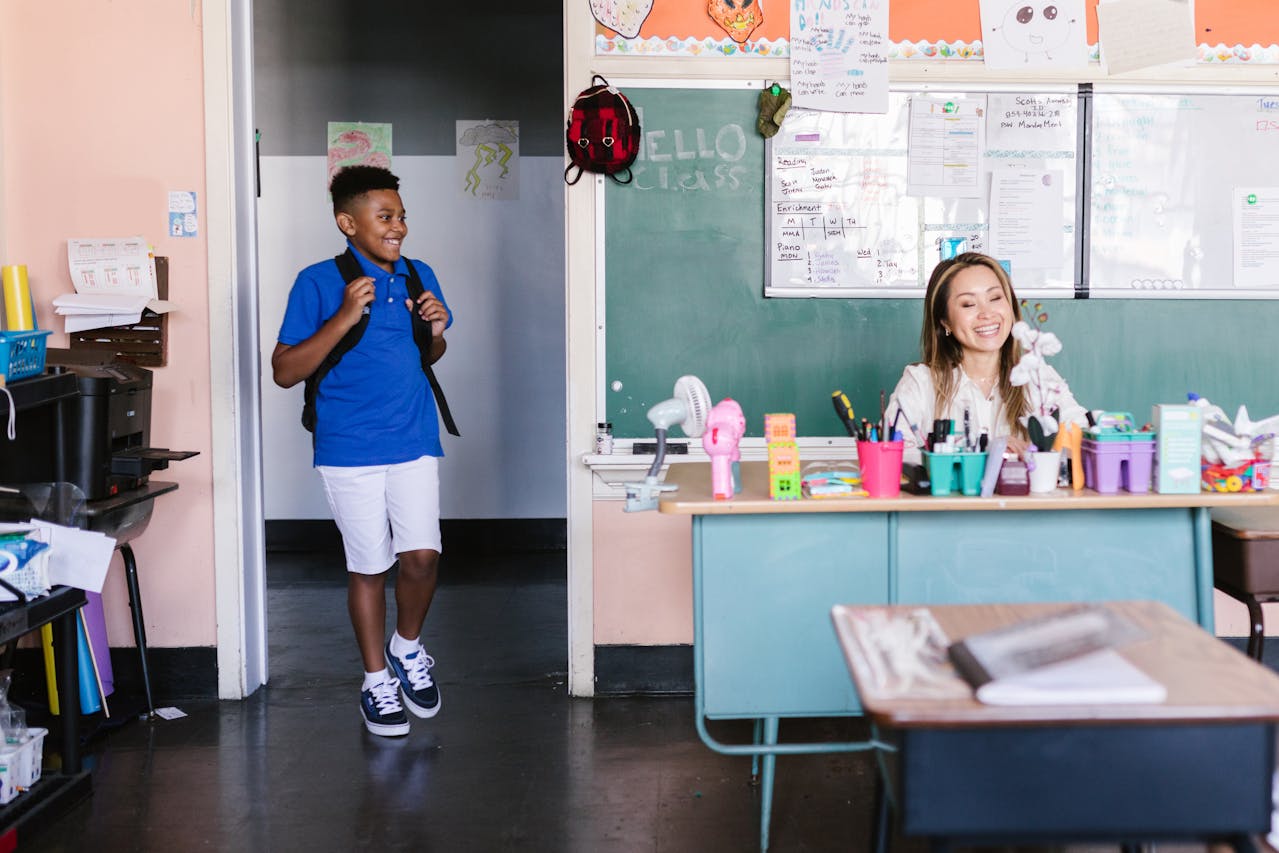
A simple hello and a clear goodbye help a classroom feel safe, yet teachers see kids who enter silently, ignore greetings, or leave without closure. These tiny rituals matter because they signal respect and belonging, especially for quieter classmates who rely on predictable cues. When greetings slip, peers assume disinterest, and relationships cool before they start. Teachers model low-pressure options: a nod, “Morning,” a fist bump, or “See you later,” then practice them daily until they become automatic. The goal is not charm. It is smoother transitions, so the day starts and ends with stability, and kids feel noticed without being put on the spot.
Listening Weakens In Stories And Peer Explanations
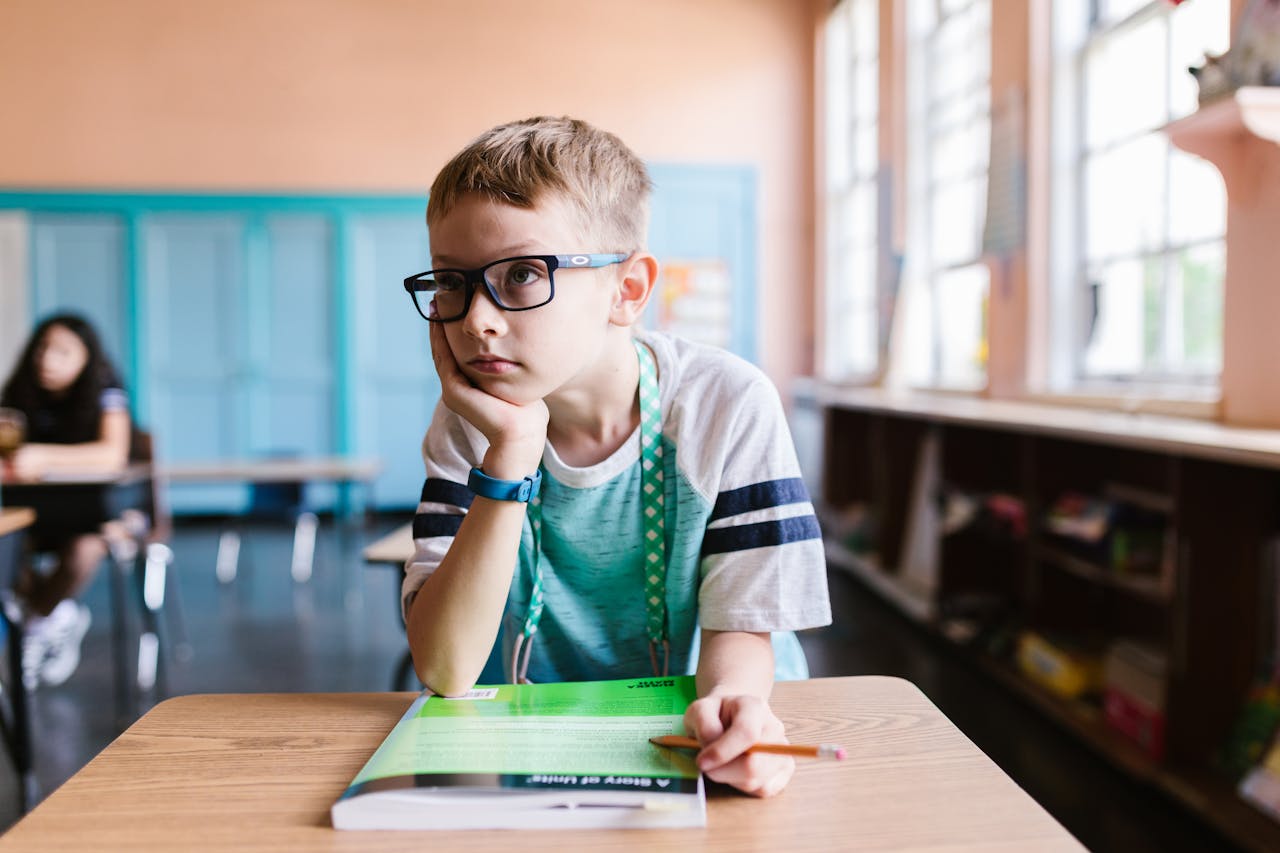
Teachers notice when kids cannot track a short story, miss a partner’s explanation, or ask questions that were just answered. Socially, this shows up as missed cues and repeated misunderstandings that frustrate peers and slow group tasks. The skill is sustained attention with a purpose: listening to respond, not waiting to talk. Small supports help, like asking for a one-sentence summary, repeating directions to a partner, or pointing to the step being worked on, plus quick checks like “What did Alex just say?” When listening improves, friendships often do too, because classmates feel heard the first time, and group work stops stalling over basic confusion.
They Avoid New Partners And Mixed Groups
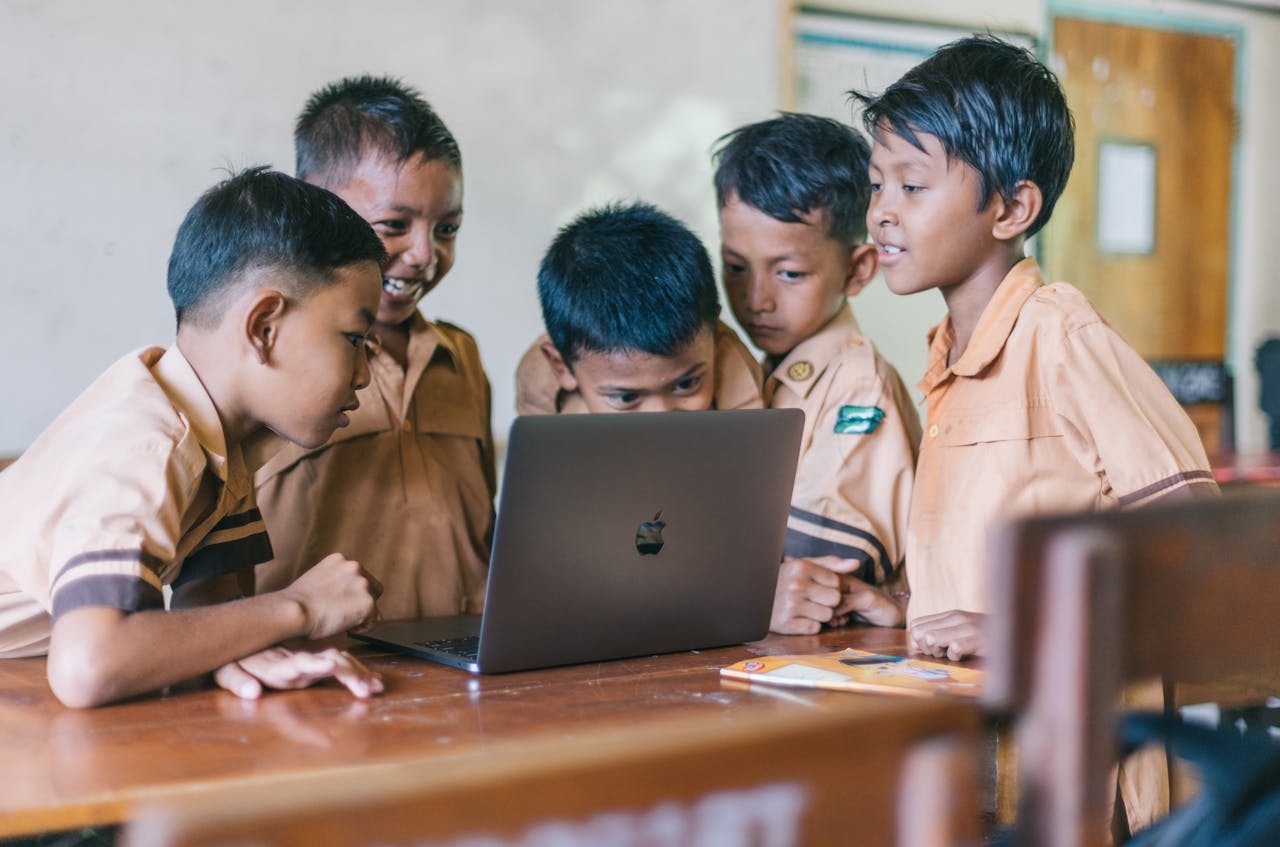
Some kids cling to one friend, resist new partners, or freeze when a new student joins the table. Teachers notice because community depends on small bridges, sharing materials, explaining routines, and making room in a game. When avoidance grows, cliques harden and practice opportunities shrink, leaving the child less confident each week. Teachers build comfort through structured mixing: short partner swaps, cooperative games, and roles like greeting helper for newcomers, with time limits that make it feel manageable. Small wins matter, like a two-minute task completed with a new peer, followed by specific praise for courage and kindness, so trying becomes normal and fear loses its grip.
Digital Habits Leak Into Face-To-Face Time
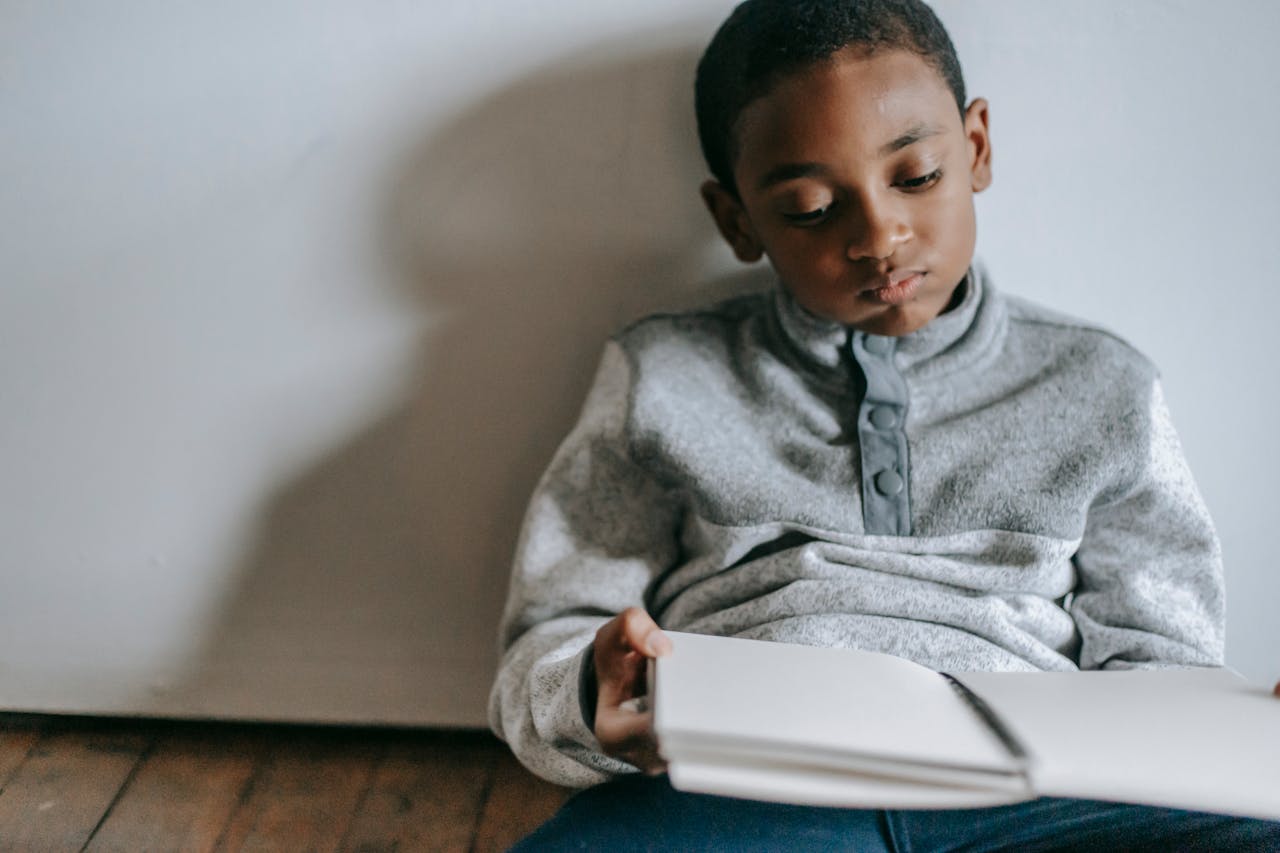
Teachers see impatience with unstructured conversation: quick boredom, constant fidgeting, and a pull toward instant entertainment. The issue is not screens alone. It is reduced tolerance for the slow parts of social life, waiting, listening, and reading subtle cues. When kids expect immediate payoff, play can end quickly, and interruptions rise as everyone tries to keep things moving. Classrooms rebuild stamina with device-free blocks, hands-on tasks, and long-form group games that reward patience, plus simple prompts such as “Ask one follow-up.” As that tolerance grows, peer time gets smoother, and kids start enjoying the quiet beats again, where friendship actually forms.