Sunlit beaches and volcanic ridgelines still sell the Canary Islands as an easy escape, but many residents now talk about a harder truth. Tourism is no longer a season; it is a constant hum that shapes rents, traffic, water, and even the rhythm of neighborhood life. Apartments become holiday lets, grocery stores turn into souvenir corners, and paychecks in service jobs rarely keep up. When crowds gather with banners insisting that people live here, the mood is not anti-visitor. It is a demand for limits, fairness, and a future that does not price locals out of their own coastline. The islands feel loved and also exhausted.
When Homes Turn Into Holiday Stock
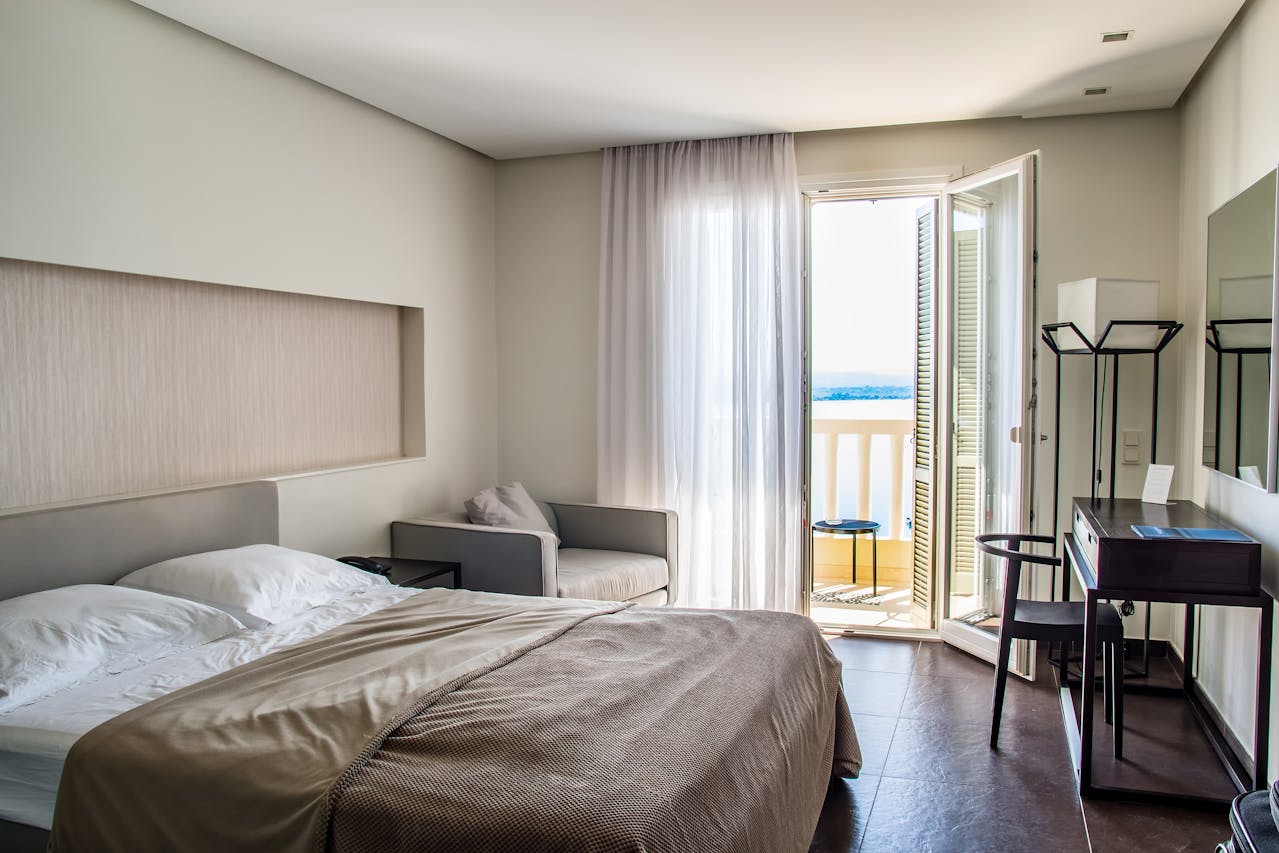
A familiar street can flip overnight when long-term rentals vanish into short-term listings, and key boxes and coded locks start appearing like street furniture outside once-quiet buildings. Suitcases roll through stairwells, after-midnight check-ins replace neighborly hellos, and the same apartment that once housed a family is priced like a nightly experience, not a place to grow old. Landlords chase tourist rates, so young adults, service workers, nurses, and teachers get pushed to distant suburbs or crowded shared flats, living dorm-style, postponing children, and renegotiating what home even means each year here.
The Paycheck Gap Keeps Widening

Tourism brings jobs, but many are seasonal, outsourced, or tied to split shifts that swallow a whole day and leave little room for family life or training. Housekeepers, kitchen crews, drivers, and guides often juggle two gigs, because tips are inconsistent and pay stays low compared with groceries, fuel, and rent on islands that import so much and face constant demand. When full flights and sold-out resorts still mean precarious contracts, injuries, and burnout, resentment grows around the sense that locals power the machine while the largest gains drift to investors and headquarters far away and still call it success.
Water Limits Make Growth Feel Reckless
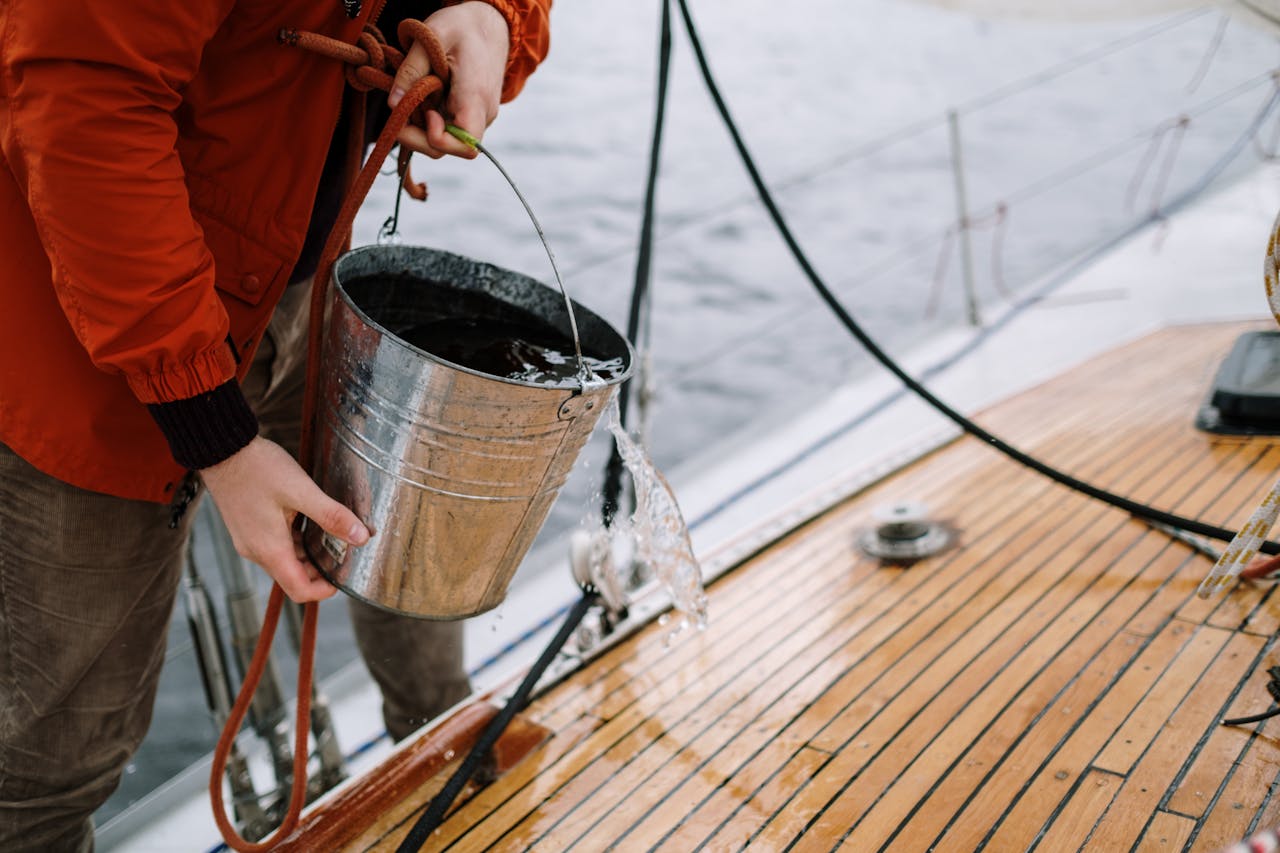
Fresh water has always been precious in an Atlantic archipelago with limited rainfall, so every extra shower, pool, and irrigated lawn carries weight beyond the postcard, especially with year-round occupancy. Desalination plants and groundwater pumping keep taps running for residents, farms, and hotel laundries, but both come with energy costs, brine discharge, and aging pipes that leak before water even reaches a neighborhood. When restrictions, tanker deliveries, or sudden price spikes appear, locals ask why growth is treated as automatic, even though water is a hard boundary that the islands cannot negotiate forever.
Infrastructure Buckles Under Permanent Peak
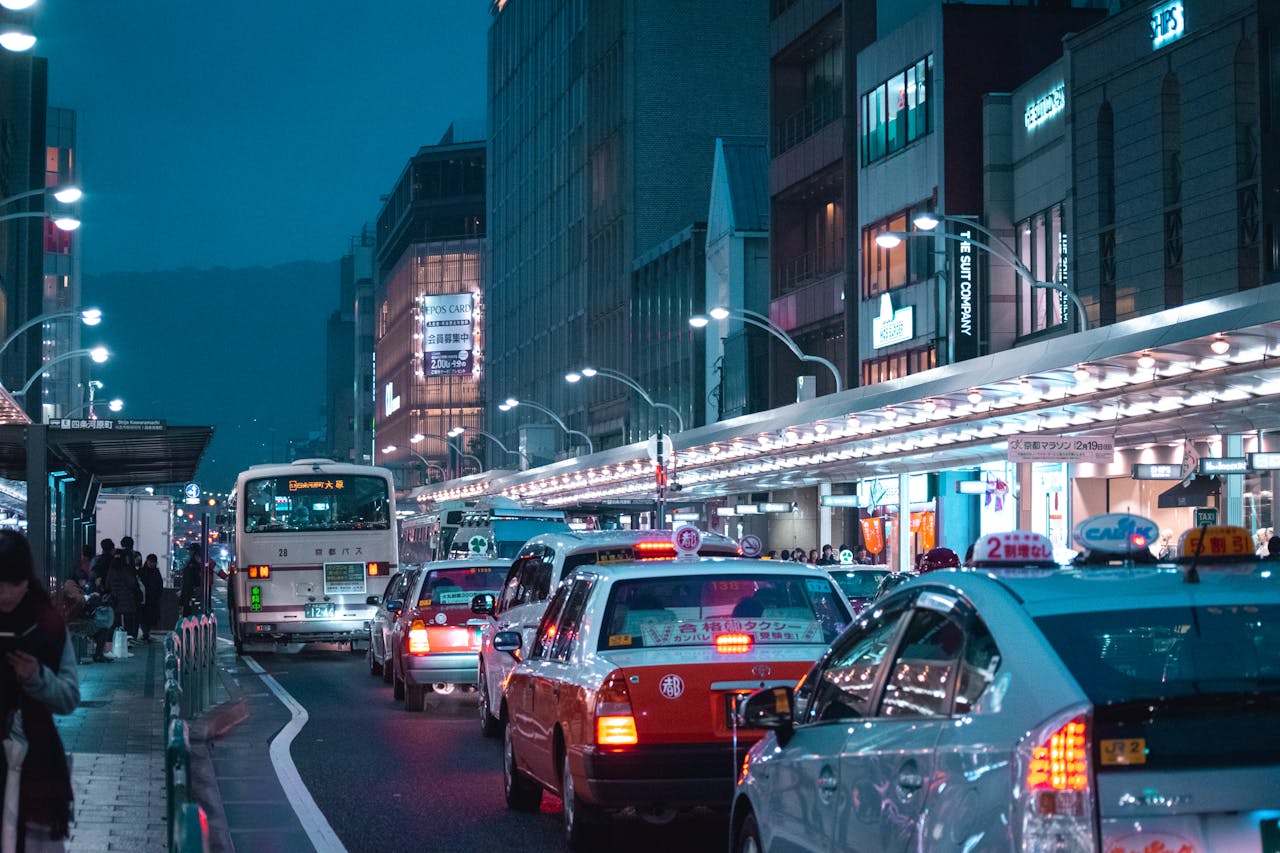
The islands’ roads, sewage lines, clinics, and waste systems were designed for smaller populations and a clearer off-season, not a calendar that stays busy all year. Rental cars, tour buses, and airport traffic clog ring roads, ferries, and resort corridors, while emergency rooms, garbage collection, and public transit absorb the same crowds without matching staffing or investment. When these basic systems feel stretched, even small disruptions, a flight delay, a storm warning, a festival weekend, can tip into gridlock and long waits, and residents feel their daily needs sliding down the priority list again and again.
Fragile Landscapes Take the Hit First
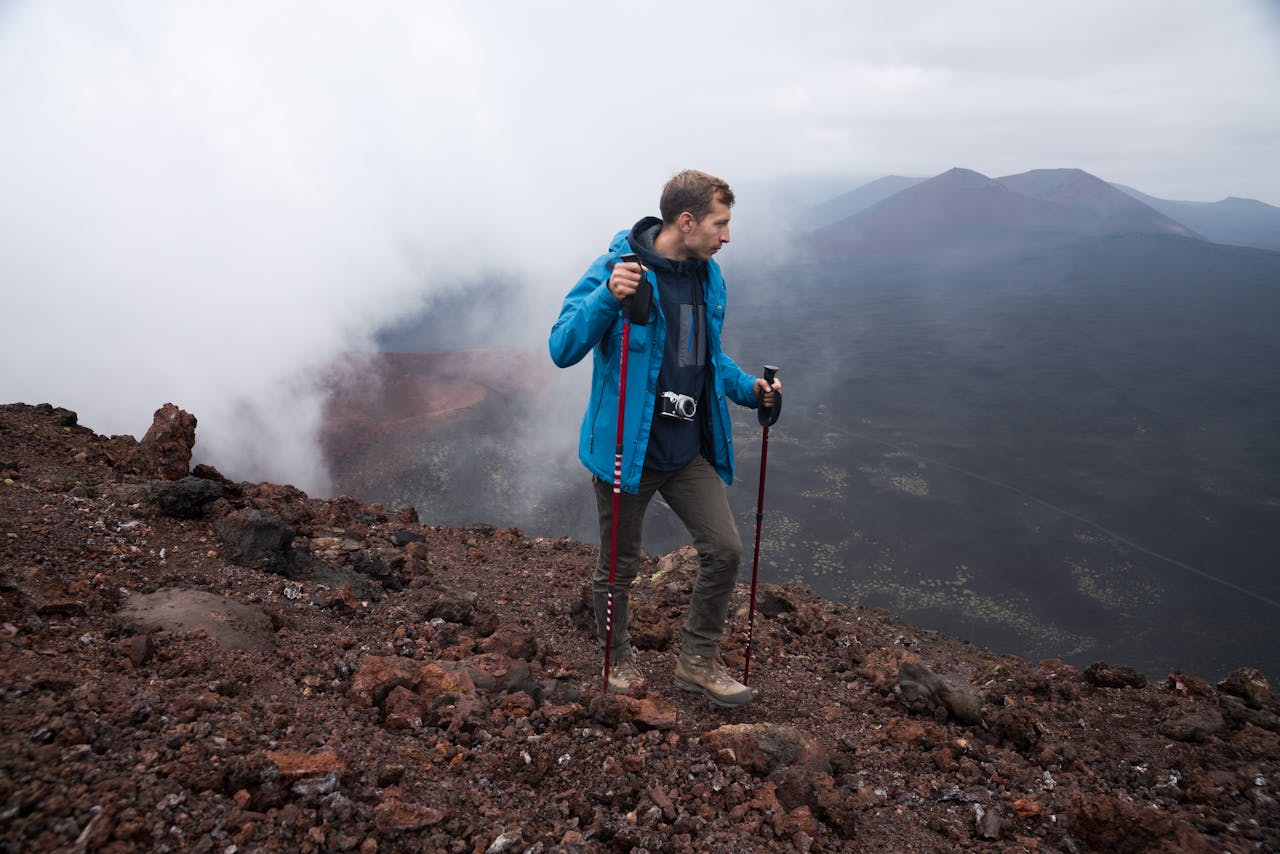
Nature is the product, which makes its wear-and-tear feel personal, because the same cliffs, lava fields, and tide pools are also weekend places for locals and protected habitats. Footpaths widen into scars on volcanic slopes, dunes get trampled, and popular coves collect sunscreen sheen, plastic, and noise that disrupts birds, lizards, and marine life that depend on calm. Even with rules, crowds can arrive at once faster than rangers, signage, and cleanup crews can manage, so residents watch beloved landscapes turned into backdrops and then repaired on public money, with each season erasing a little more wildness.
Neighborhood Identity Gets Repriced

Mass tourism changes what a town is for, and the change often arrives quietly, one storefront at a time and one noise complaint at night. Cafés that once served steady locals rebrand for quick turnover, family groceries get replaced by luggage-friendly snacks, and streets fill with a global menu of burgers, magnets, and cheap beachwear, all labeled in English first. The shift seems harmless until festivals feel staged for cameras, accents get treated as entertainment, and residents sense their culture being consumed as a theme while everyday life, the small rituals that make a place itself, gets priced out at home.
Property Speculation Turns Land Into a Bet
Tourism does not just fill hotels; it reshapes property markets and the power balance between locals and outside money. Second homes, investment flats, and resort-style projects compete with residents, and prices jump when the islands get marketed as a climate-soft lifestyle asset for remote work, retirement, or short stays. Cash buyers can move faster than local salaries, and major developments can crowd coastlines, so debates about limiting non-resident purchases or luxury builds are less about exclusion and more about survival, a way to keep neighborhoods from becoming empty shells or permanent construction zones.
Public Space Stops Feeling Public
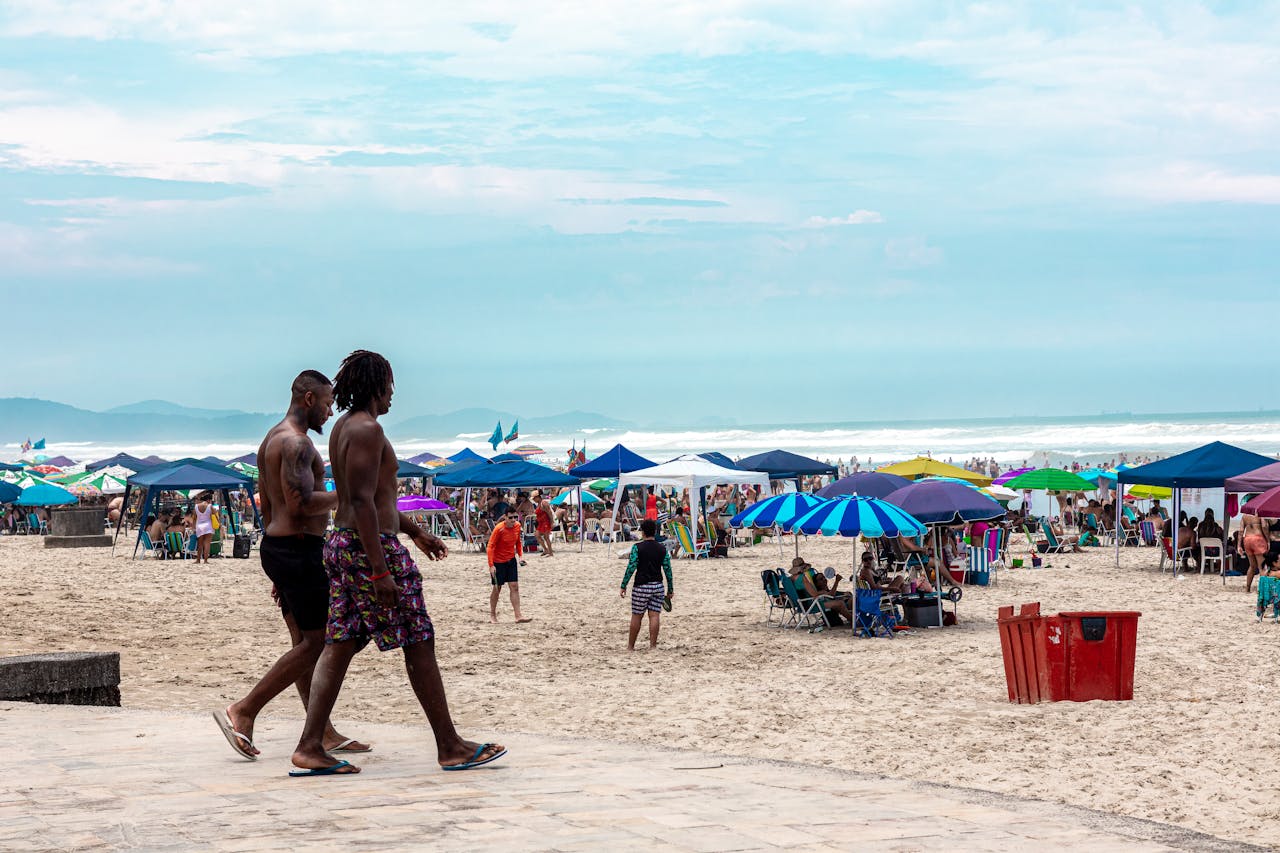
Overcrowding is not just an inconvenience; it changes how people move through their own routines, and it can make a small island feel suddenly smaller. Parking disappears near beaches, hiking trailheads fill before sunrise, and residents start timing errands around cruise timetables, airport peaks, bus convoys, and restaurant queues that spill onto sidewalks. When public space feels booked out by strangers, irritation turns into grief, because everyday freedoms, a quick swim after work, a quiet walk, a family picnic, begin to require strategy, reservations, or a long drive to somewhere less famous for now, at least.
Record Tourism, Stagnant Well-Being
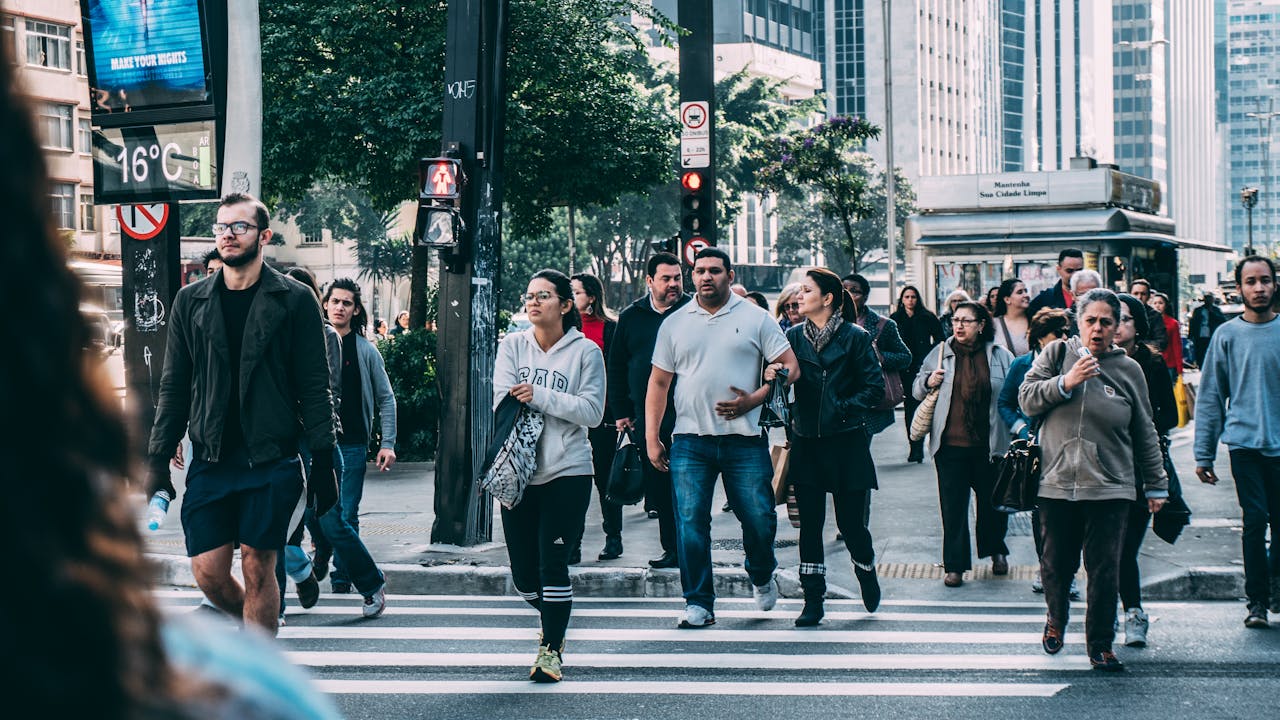
What stings is the mismatch between headlines and kitchen-table reality, especially when numbers celebrate growth as if it equals well-being. Visitor totals and spending can hit records while supermarkets, utilities, and childcare get more expensive, and many residents still face unemployment, underemployment, or wages that do not meet island living costs. That gap feeds suspicion that the model extracts value instead of building resilience, leaving locals with crowded streets, strained services, and jobs that feel endless, yet little confidence that prosperity is being shared beyond a narrow slice of owners.
People Want Policy, Not Promises
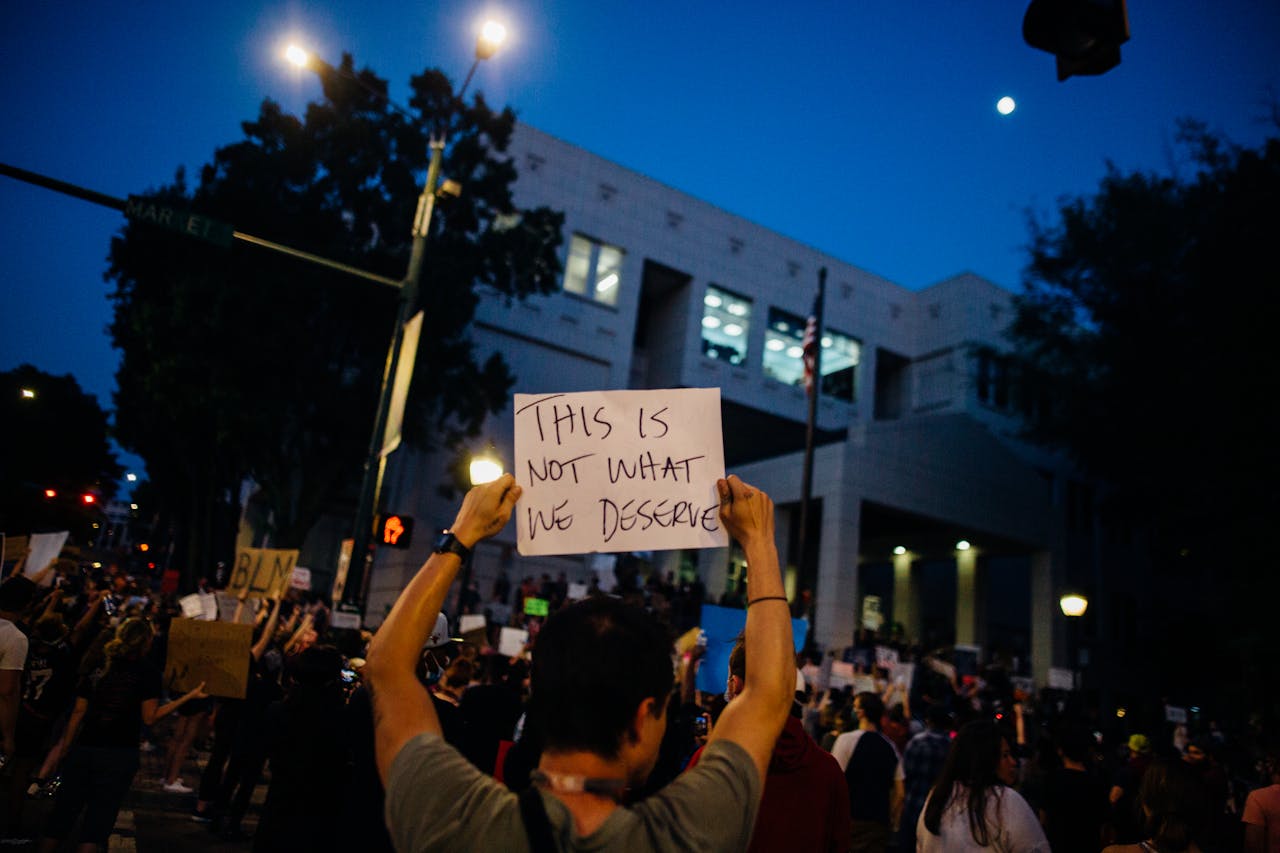
Pushback grows when residents feel ignored by leaders who celebrate arrivals while pressures keep rising, so slogans like Canaries have a limit spread fast. Demands for caps, a hotel-bed moratorium, tighter short-term rental rules, or eco-taxes are attempts to reset who the islands are managed for and to fund the repairs that constant tourism demands, from trails and beaches to water systems. Protests also carry a moral argument: if an economy depends on a place, it must protect the people who keep that place running, from cleaners and farmers to nurses, teachers, and taxi drivers, not treat them as collateral damage.