Boomer-era childhood carried a particular kind of texture: screen doors slamming, AM radio chatter, and toys that doubled as small lessons in patience. Homes ran on knobs, dials, and levers, and kids learned to make entertainment out of whatever fit in a pocket, a shoebox, or a kitchen drawer. Afternoons stretched longer without constant schedules, and neighborhood friendships formed around front stoops, bike racks, and backyards. The best memories came with a sound, a smell, or a tiny ritual repeated after school. Thirteen everyday objects quietly shaped that world and still spark instant recognition, even now, for many.
Rotary Dial Telephone

A rotary dial telephone made every call feel deliberate, with a finger sliding into each numbered hole, the dial swept in a slow arc to the stop, and then released to whirl back with a steady, satisfying click. One wrong digit meant hanging up and starting again, and most numbers lived in memory, not in a contact list. Long-distance talk stayed brief because rates mattered and families kept an eye on the kitchen clock. In many homes the cord stretched around corners to a favorite chair, a notepad lived by the phone table, and a busy signal or a party-line interruption could derail an entire evening plan in minutes.
Metal Ice Cube Trays
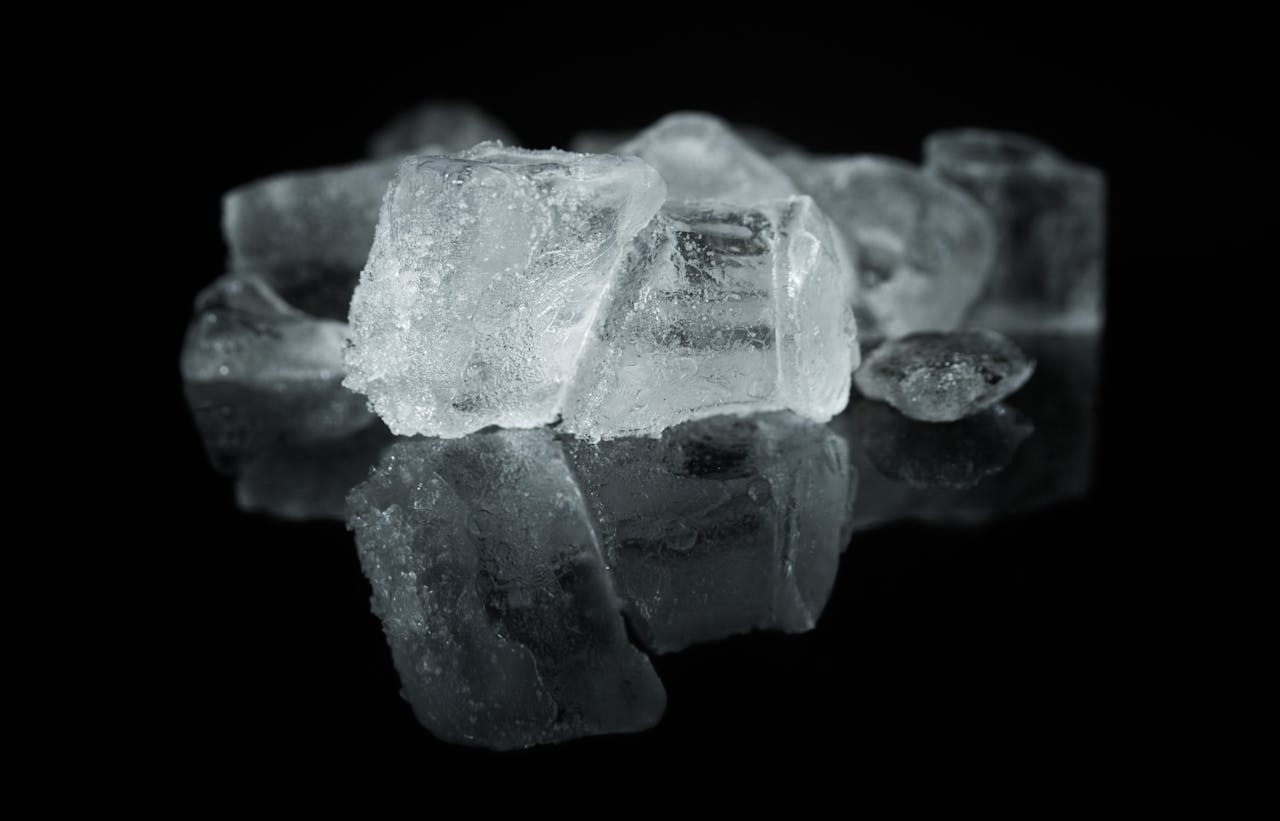
Metal ice cube trays were small feats of engineering, usually aluminum, with a hinged lever that cracked the frozen grid loose in one stubborn pull. The freezer air made the tray bite at warm fingers, and a hard yank could send cubes skittering across the linoleum like marbles, followed by a sharp, ringing clink. Refilling them meant a careful walk from sink to freezer, water sloshing to the rim, because spills turned into instant ice and a bent tray might never sit flat again beside frozen peas and foil-wrapped leftovers; in summer, those cubes cooled iced tea and lemonade, and the job went to the steadiest kid.
Hi-Fi Record Player
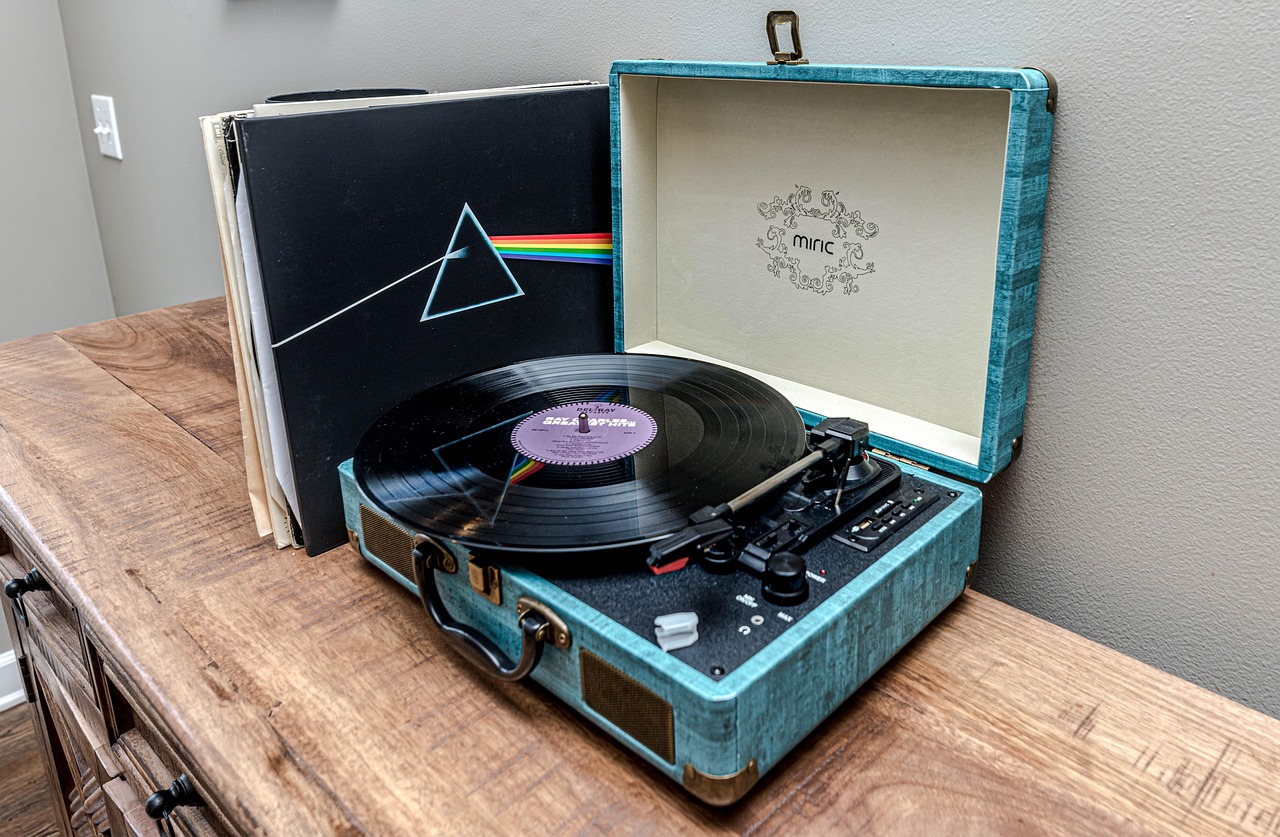
A hi-fi record player, often built into a handsome wooden console, turned music into a family event rather than background noise, with speakers that felt like furniture and a lid that opened like a stage curtain. Albums were lifted by the edges, dust brushed away, and the needle lowered with a careful hand, because scratches and fingerprints lived forever in the grooves, and a bad drop could make everyone wince. The reward was a warm, roomy sound that filled the house, plus the small ritual of flipping sides, stacking records on a changer, and studying liner notes like they were part of the song after dinner, on weekends.
S&H Green Stamps
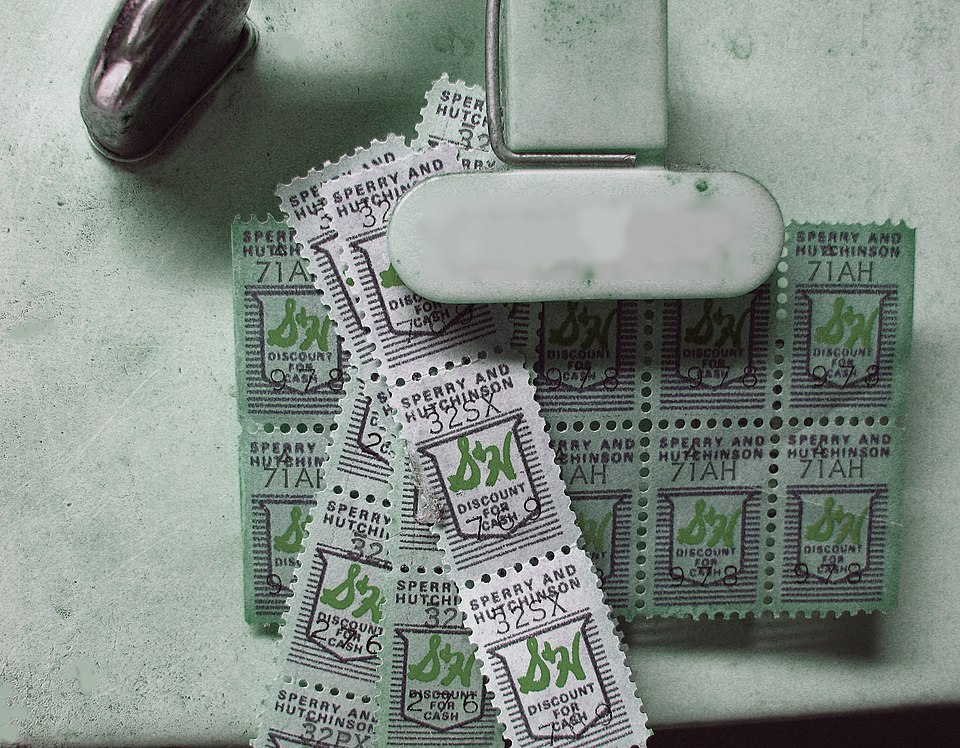
S&H Green Stamps made grocery errands feel like a slow-moving treasure hunt, with tiny slips counted out at the register based on the total and tucked into a purse like important currency. Evenings sometimes turned into paste-and-lick sessions at the kitchen table as families filled booklets one square at a time, grimacing at the glue taste while kids raced to finish a page before bedtime. When enough books stacked up, a trip to a redemption center, the original rewards program in human form, turned patience into something real, from small appliances to toys, and the prize carried the glow of effort earned over weeks.
Flash Cubes
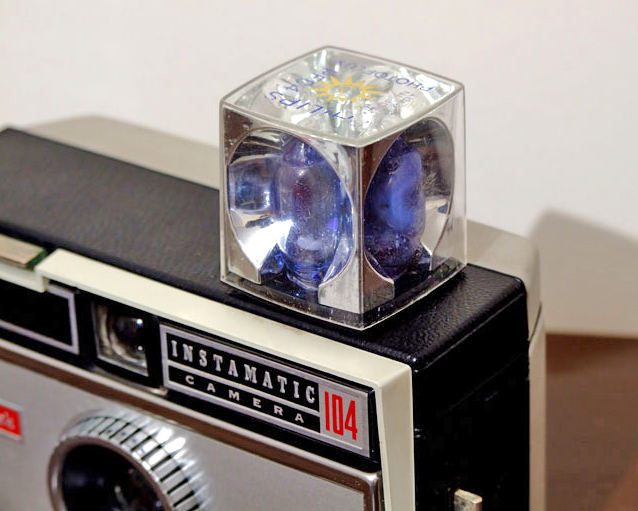
Flash cubes made photography feel precious and slightly hazardous, with four tiny bulbs perched on top of a camera like a plastic crown and a promise that the next moment would be saved. Each shot used up a single bulb with a bright pop, a quick hiss, and a faint burnt smell, then the cube had to be rotated or replaced after the fourth photo while everyone blinked away spots, and red-eye felt inevitable at birthdays. Film cost money and processing took time, so poses were rehearsed, smiles held a beat too long, and family albums ended up full of moments chosen carefully rather than captured endlessly at holiday parties.
Lawn Darts
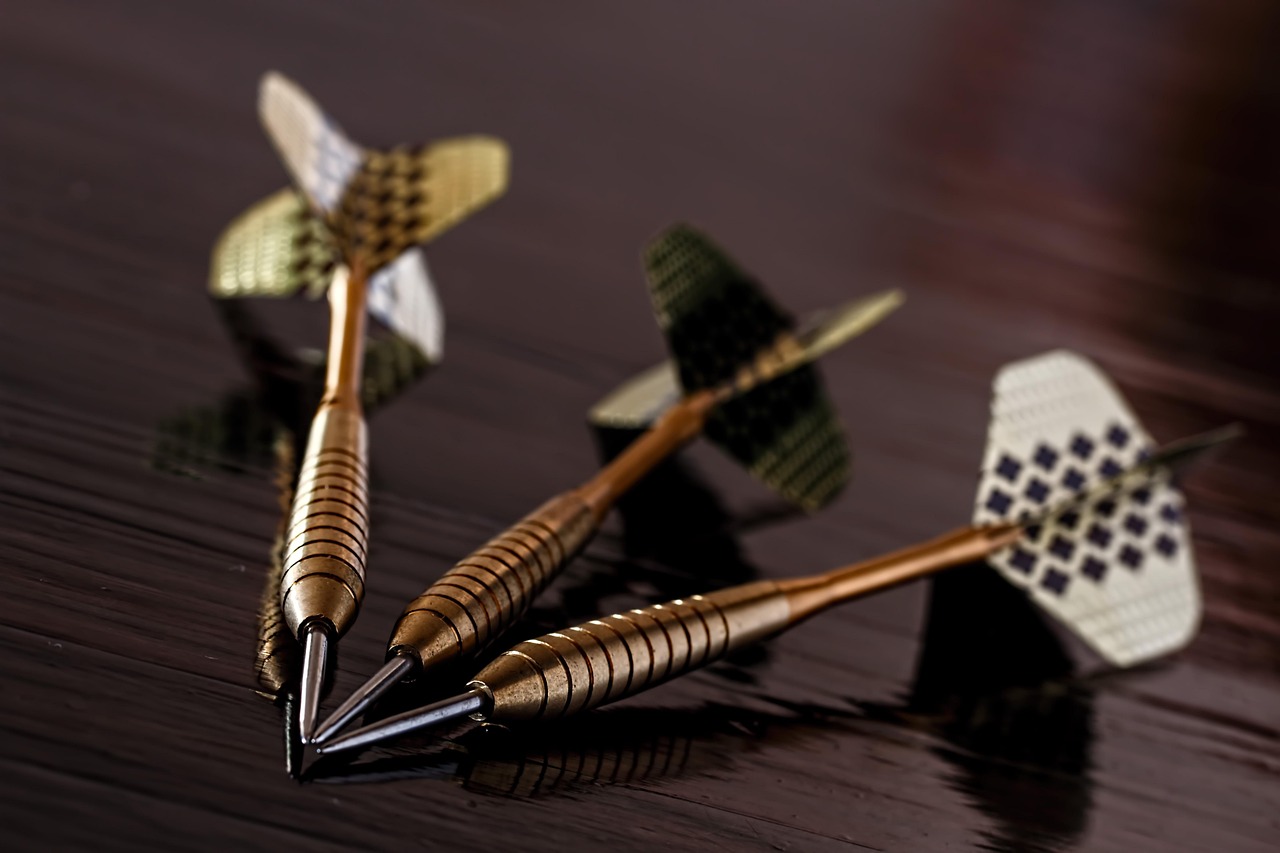
Lawn darts, often called Jarts, were heavy projectiles with plastic fins and a weighted metal tip, glinting in the sun, tossed high across a backyard toward rings set in the grass during barbecues and block parties. The game looked innocent from a picnic table until a throw landed wide, thudded into the dirt, or made everyone freeze as the dart arced back down a little too close to bare feet. After injuries and eventual bans, the memory lingered as a symbol of a freer, riskier play era, when scraped knees, shouted warnings, and dramatic near-misses became stories repeated at family gatherings for years into legend.
Slide Rules
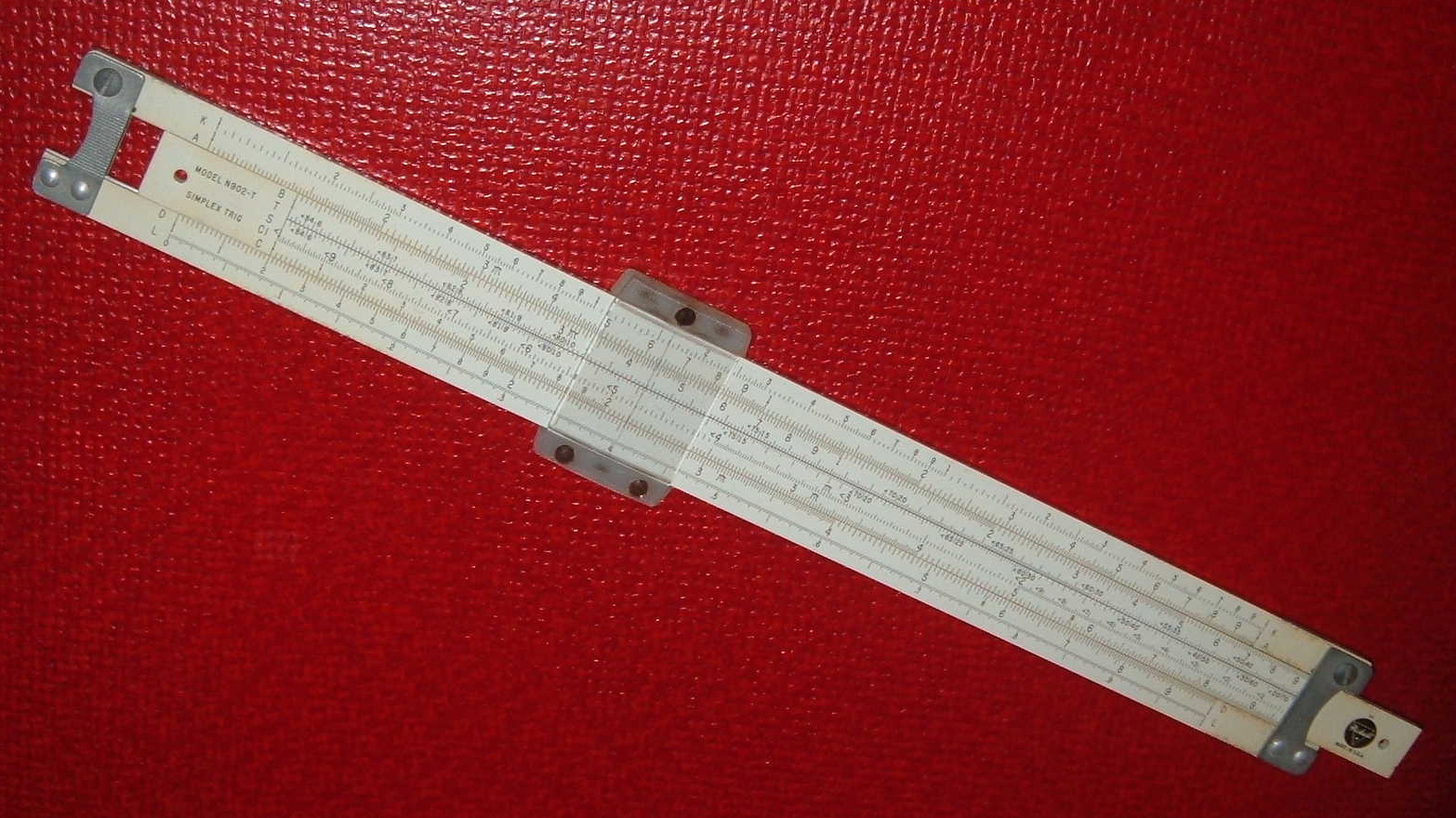
Slide rules turned math into a tactile craft, with a center strip that glided back and forth while fine printed scales delivered multiplication, division, and roots through alignment rather than buttons. Mastery took practice, and the tool often rode to school in a protective leather case like something valuable, especially for students aiming at engineering, and teachers could spot a skilled user from across the room. In an era before classroom calculators, the slide rule trained estimation and judgment, because answers came with significant digits and the responsibility to sanity-check results before turning in homework.
Transistor Radios
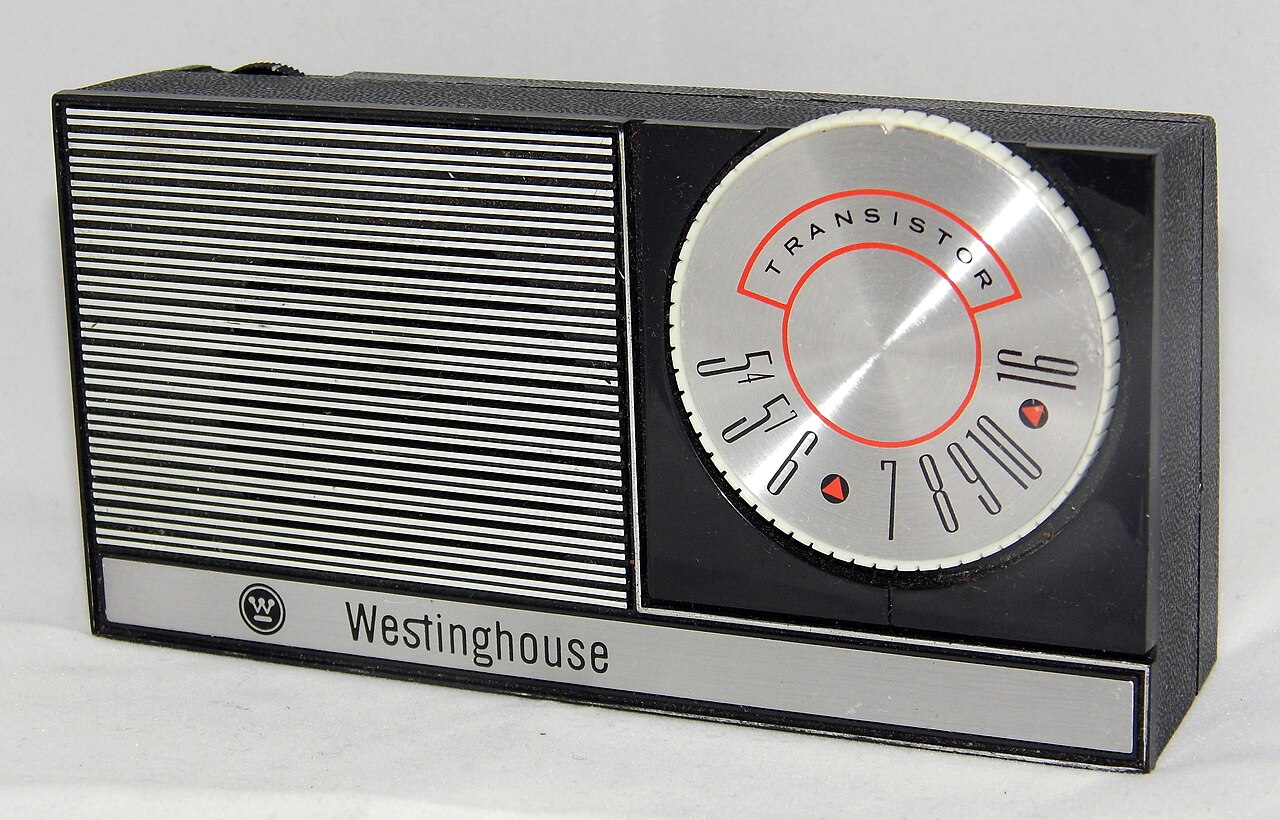
A transistor radio delivered portable freedom in a palm-sized box, powered by batteries and tuned with a careful twist of the dial that clicked past static into music. Stations drifted in and out, so kids chased reception by raising the metal antenna, turning the case like a compass, or standing in one lucky spot where the signal held steady. Through a tiny speaker or a single earphone, Top 40 hits, ballgames, and late-night DJs became a private thread to the wider world, the kind of soundtrack that followed bikes, chores, and summer nights on the porch, and sometimes under a pillow when the rest of the house slept.
Metal Lunchboxes
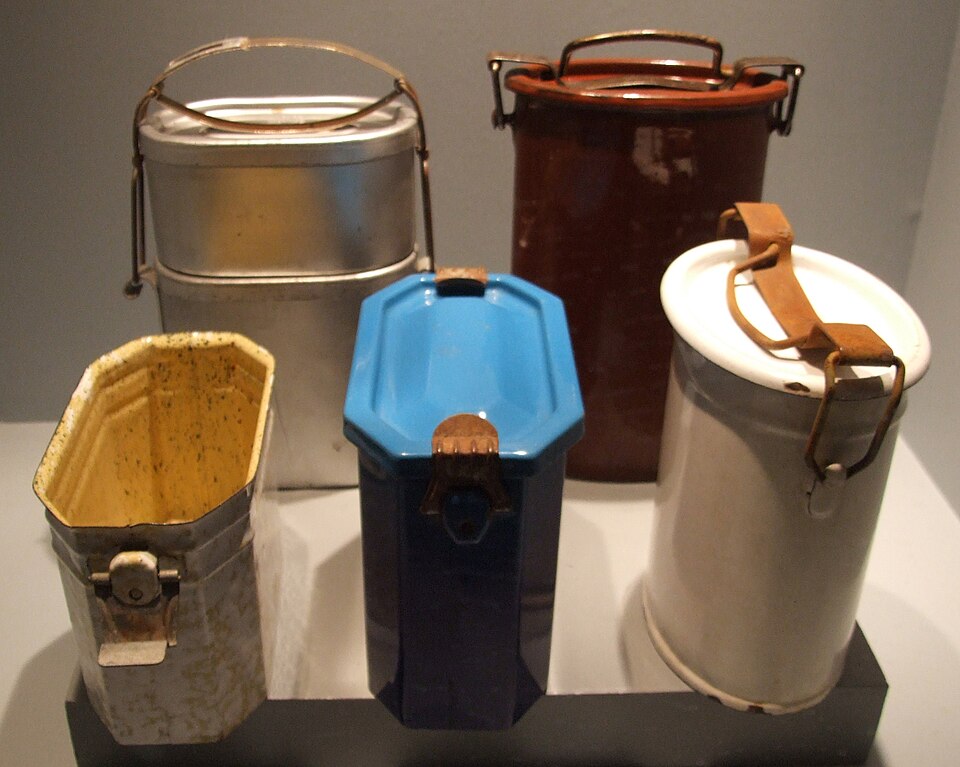
A metal lunchbox was both container and statement, covered in bright art from superheroes, TV shows, or cartoons that telegraphed a kid’s favorites before the first bell and rattled with every step down a hallway. Inside, a glass-lined thermos rode in its cradle like fragile cargo, ready for milk, soup, or something sugary, and a small paper napkin often doubled as a plate. By noon the sandwich might be squished and the banana bruised, but the box itself could survive dents, drops, and playground scuffles, sometimes even used as an improvised seat or shield, and still come home to be packed again at dawn the next day.
View-Master
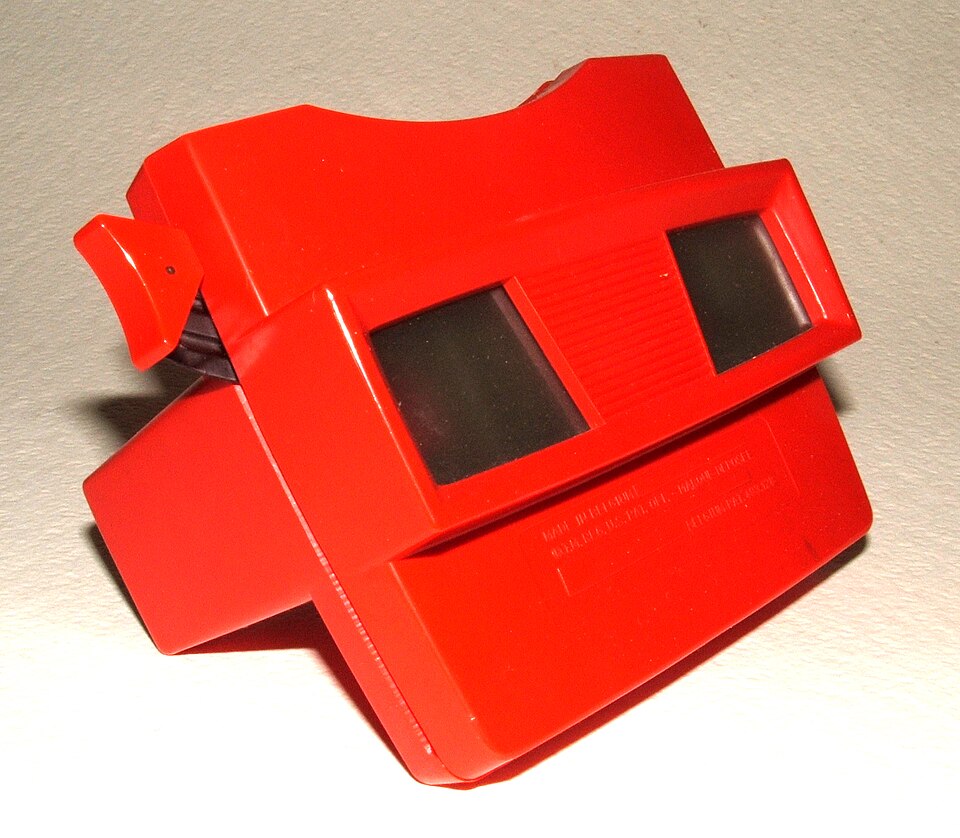
A View-Master offered pocket-sized wonder, turning a cardboard reel into crisp 3D scenes with a satisfying lever click between frames and that surprising depth that made characters seem to lean forward. Held up to a lamp or a sunny window, it could jump from national parks to fairy tales to Disney adventures, and each reel delivered a short sequence of paired images like a mini movie. Reels were traded, saved, and hunted down, and the viewer became an early kind of virtual travel, proving imagination could be sharpened by a little plastic toy and good lighting, and saved for rainy afternoons at the kitchen table.
Clackers
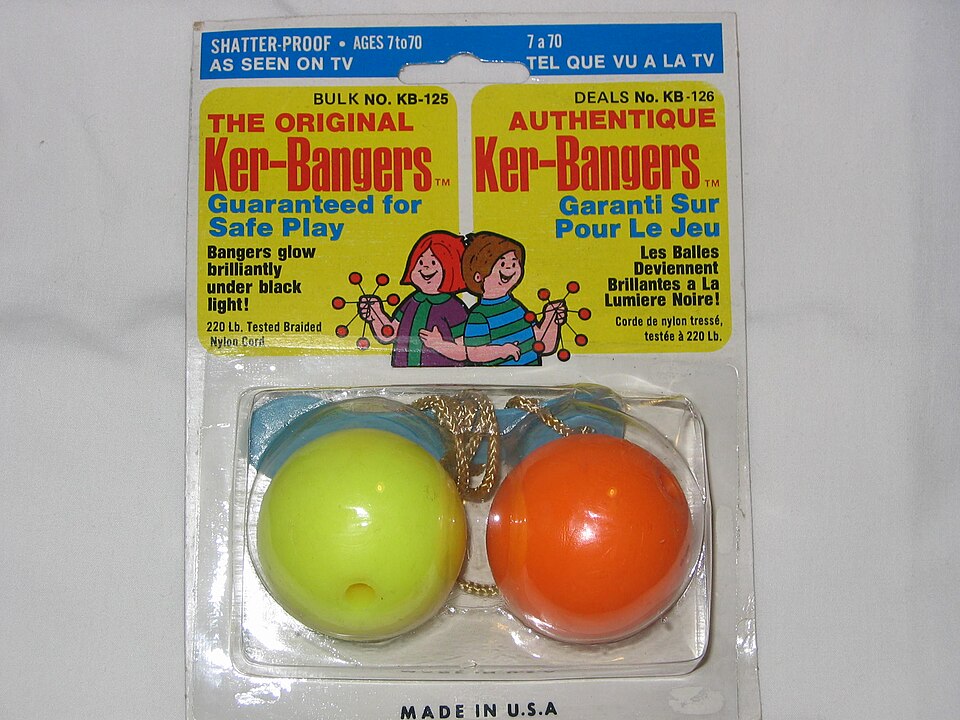
Clackers, sometimes called Ker-Bangers, were two heavy acrylic balls on a string that turned a hand into a metronome once the motion finally clicked and the tempo climbed on stoops and sidewalks after school. The trick was getting the balls to strike above and below the fist in a clean pattern, building speed until the clack became a rapid-fire rattle that echoed off hallways and made adults wince. Mastery came with bruised knuckles, pinched fingers, and the occasional shattered ball, but the sound became a neighborhood signature until bans, noise complaints, and injury stories cooled the craze almost overnight, for good.
Pedal Cars
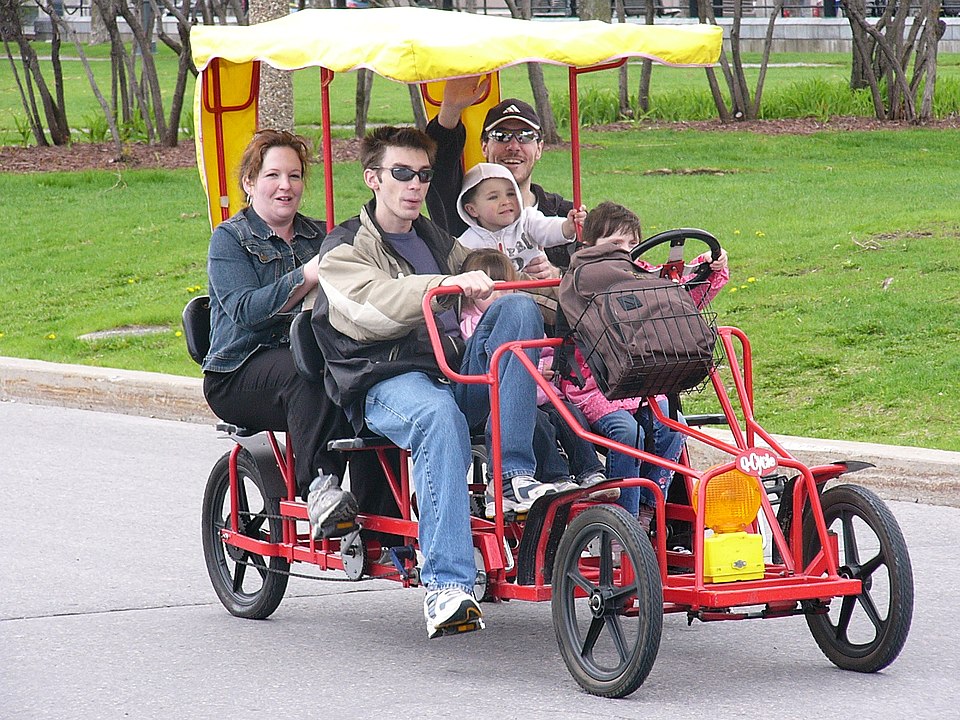
A pedal car let a kid feel grown-up at curb level, a sturdy metal mini-vehicle powered by legs and a fierce sense of ownership that started the moment hands gripped the wheel. Some had chrome details, working headlights, and paint jobs that echoed the real car in the driveway, turning sidewalks into highways and driveway aprons into tight turns. They were heavy and loud on pavement, built enough to last, and even at a slow top speed they delivered the thrill of steering, braking, and parking like an adult, with scraped shins and proud leg muscles as the receipt, plus neighborhood races and imaginary gas stops at the curb.
Pogo Sticks

A pogo stick turned the sidewalk into a proving ground, all spring and balance, with the promise of one more bounce before gravity won and the handlebars twisted sideways. Kids measured afternoons in consecutive jumps, chasing personal records while calves burned, hands clenched tight on rubber grips, and neighbors glanced over to count the rhythm, and chalk lines marked starting spots. The metal foot pegs could slip at the worst moment, sending a rider to the pavement, so scraped knees and bruised shins became badges, and the thud-thud tempo carried down the street like a dare for someone else to try at dusk, too.