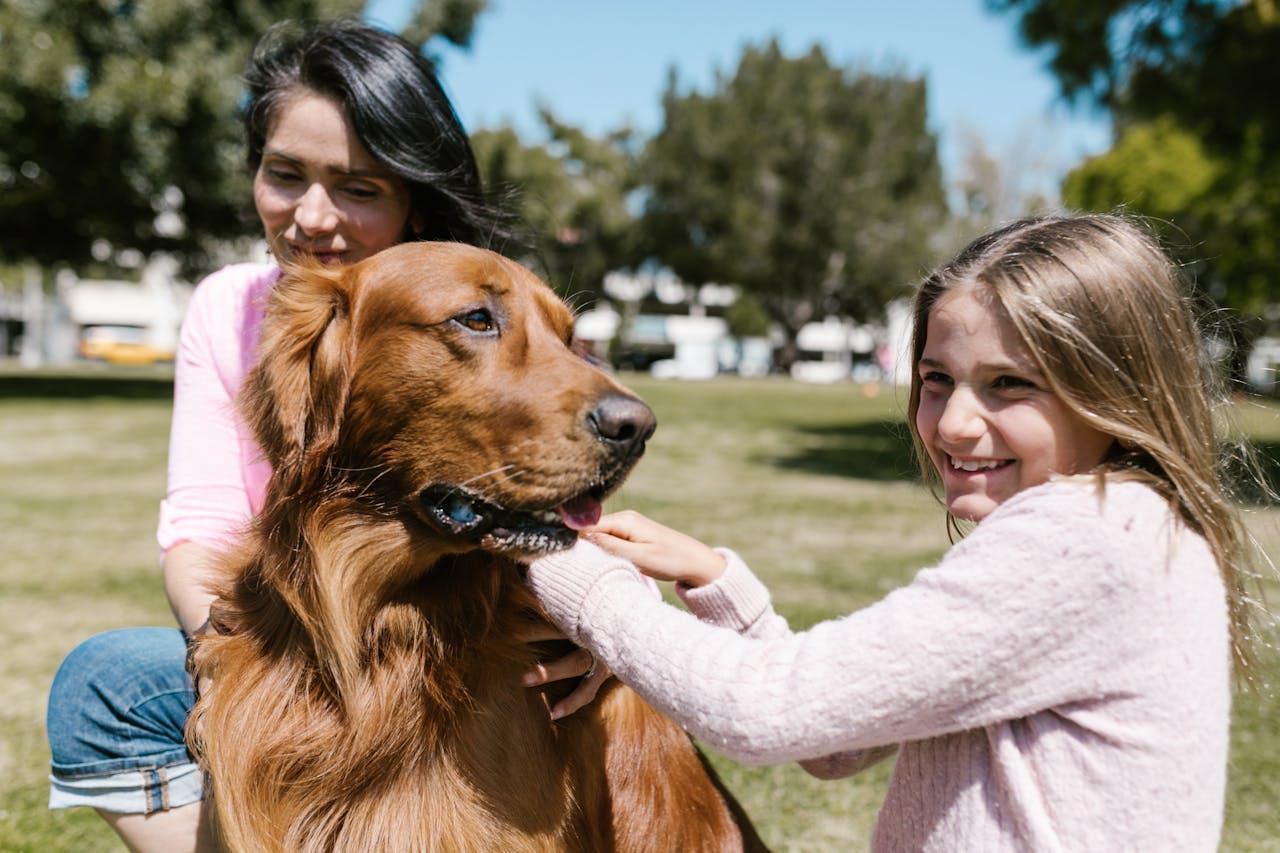
Some pets treat food bowls, chews, toys, or resting spots like valuables, and a calm home can suddenly feel tense. Resource guarding is a common instinct to protect something important, but in family spaces it can complicate meals, play, and downtime. It rarely starts loud. Early clues are posture changes, tight eyes, and small movements that signal discomfort with closeness. Spotting patterns early supports safer spacing, steadier routines, and timely help from a veterinarian or behavior professional when needed. It can show up in dogs or cats, and it often centers on food, chews, stolen items, beds, or even attention.
Sudden Stillness Near Food or a Chew
A pet may freeze over a bowl, chew, or toy the moment a person or another animal drifts closer, even in a quiet room. The body can lock in place with head low, muscles tight, ears held back or forward, tail still, and breathing shallow, while the eyes track every inch of movement and the mouth goes suddenly quiet. It may show up with an empty dish, a crumb, or a new chew, and it often intensifies when the pet is tired, hungry, startled, or dealing with soreness, because extra space begins to feel like the only way to stay safe, especially when hands hover or feet keep approaching without a pause.
Eating Faster When Someone Approaches
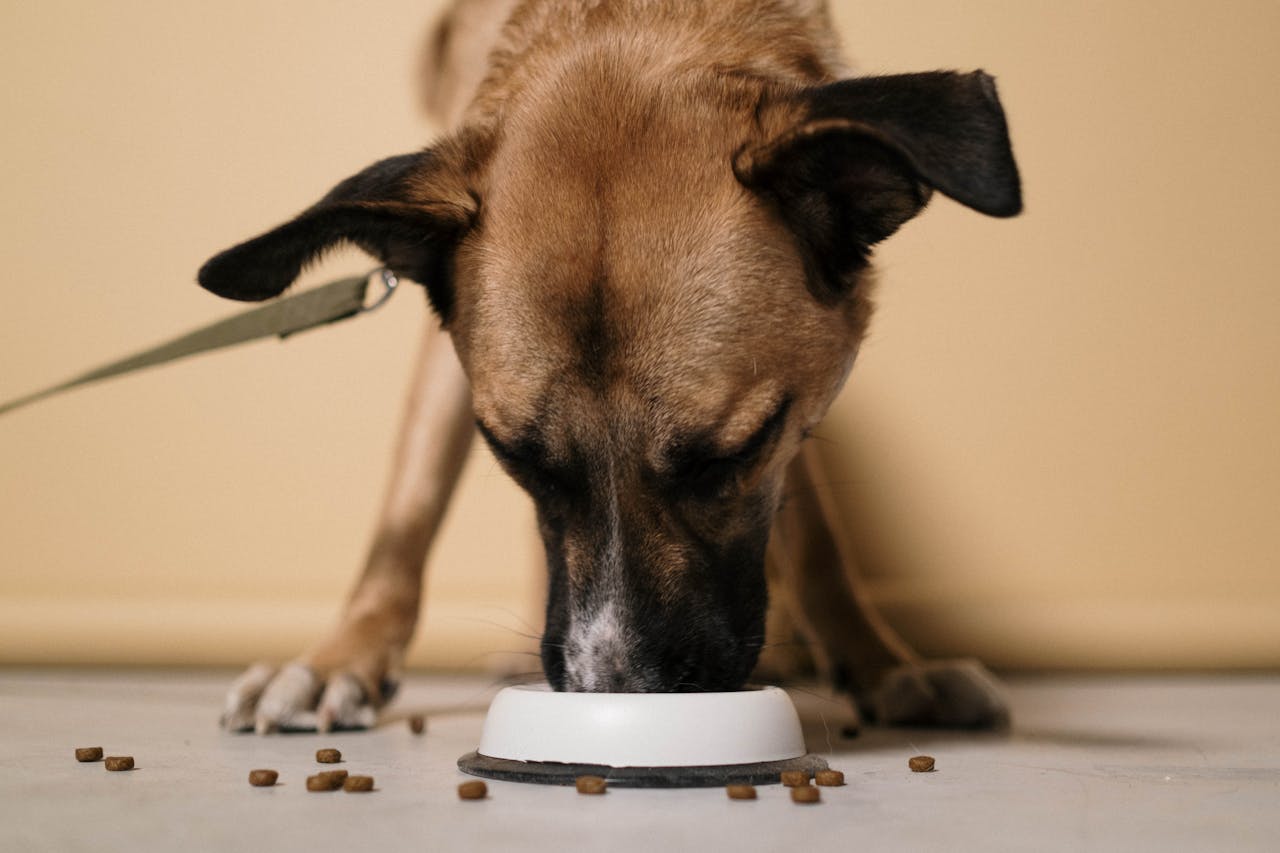
Some pets eat at a normal pace, then suddenly speed up when footsteps, voices, or another pet enters the space, as if time has been cut short. The change looks like urgency: bigger bites, less chewing, swallowing fast, a tighter stance over the bowl, and quick glances up that check distance while the body stays planted. It can show up during snacks, training treats, or dinner prep, and when it repeats in the same place it often means approach has begun to feel risky, so the pet tries to finish first, sometimes dragging the bowl or angling into a corner to eat in peace before anyone comes closer.
Hovering Over the Item With Chest or Paws
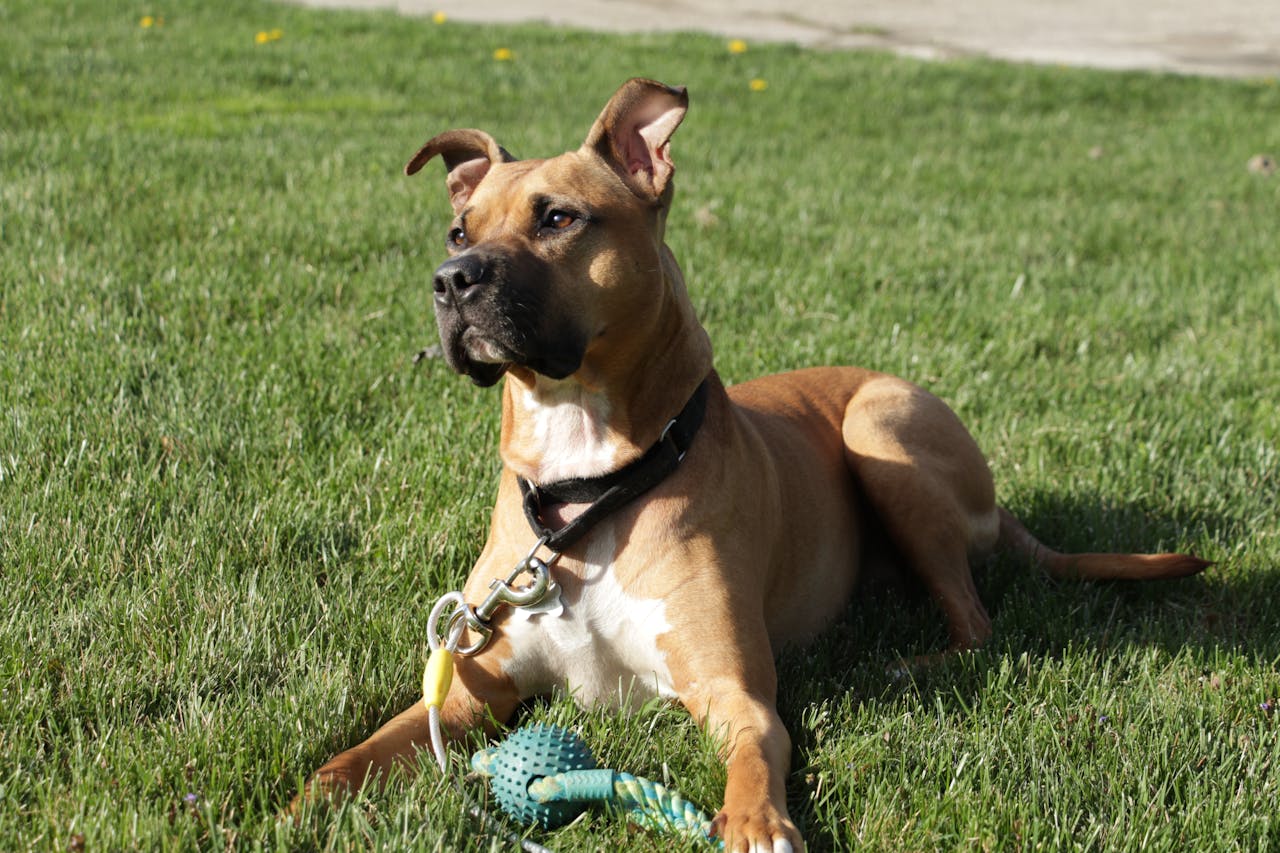
A common sign is covering a resource by standing over it, placing paws around it, or tucking it under the chest the instant movement appears nearby. The shift can be quiet, but it changes the message from enjoying to controlling, with weight shifting forward, spine stiffening, and the head dropping lower as the eyes track approach and the body subtly angles to block access. It shows up with bones, toys, food puzzles, or a favored blanket, and the posture tightens as someone gets closer, as if the pet is trying to hide the item in plain sight, keep it out of reach, and decide who gets to stay near.
Side-Eye and a Tightened Face
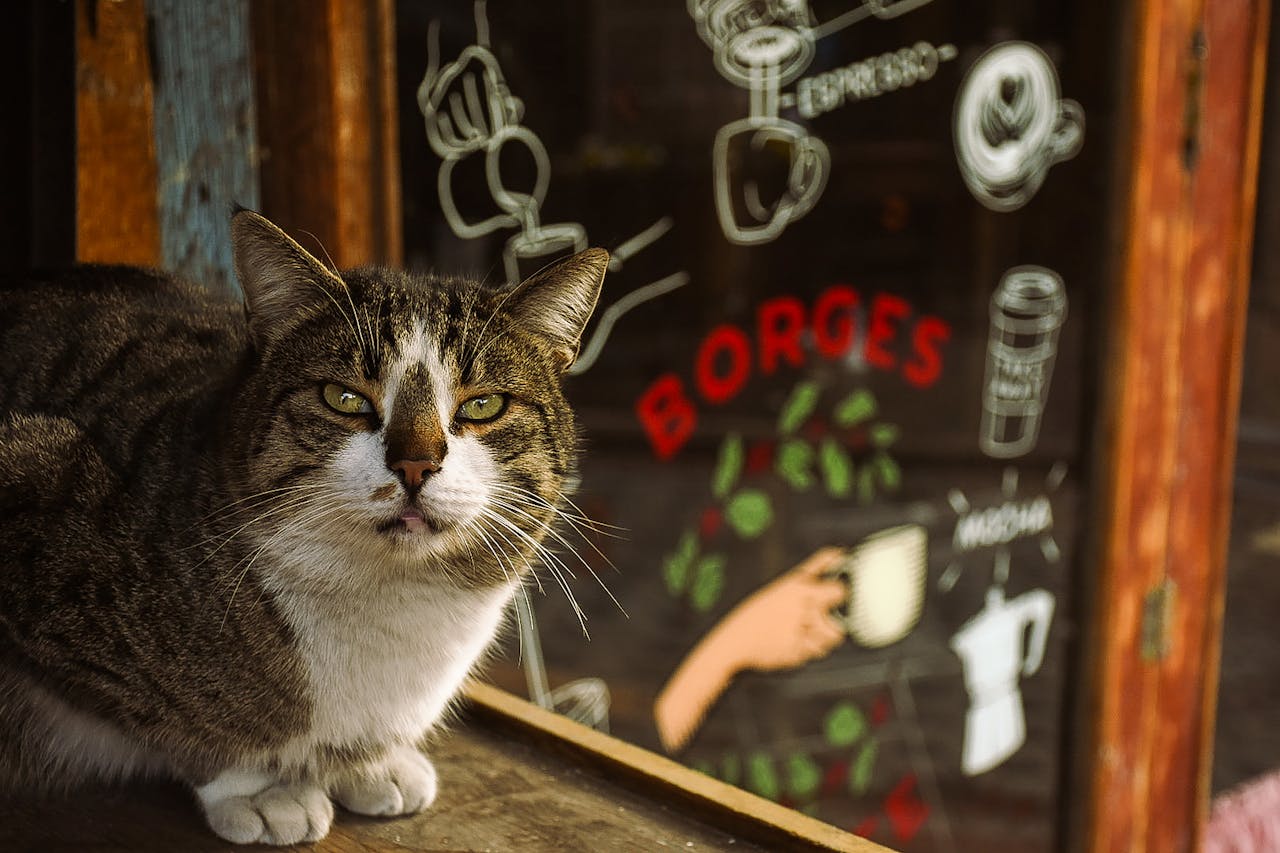
Resource guarding often shows in the eyes first: a sideways glance without a head turn, a hard stare, or a flash of white as the pet stays glued to the item and turns the body to keep it between. The face may tighten too, with a closed mouth, still whiskers, a held breath, and brief tongue flicks or a stiff jaw, while the body remains low and ready to shield what matters. It can happen around bowls, stolen socks, or a couch spot, and it is easy to miss in a busy room, but it becomes hard to ignore when the same look appears at the same distance, then fades the moment space returns, repeating like a pattern.
Low Rumble Paired With Stiff Posture
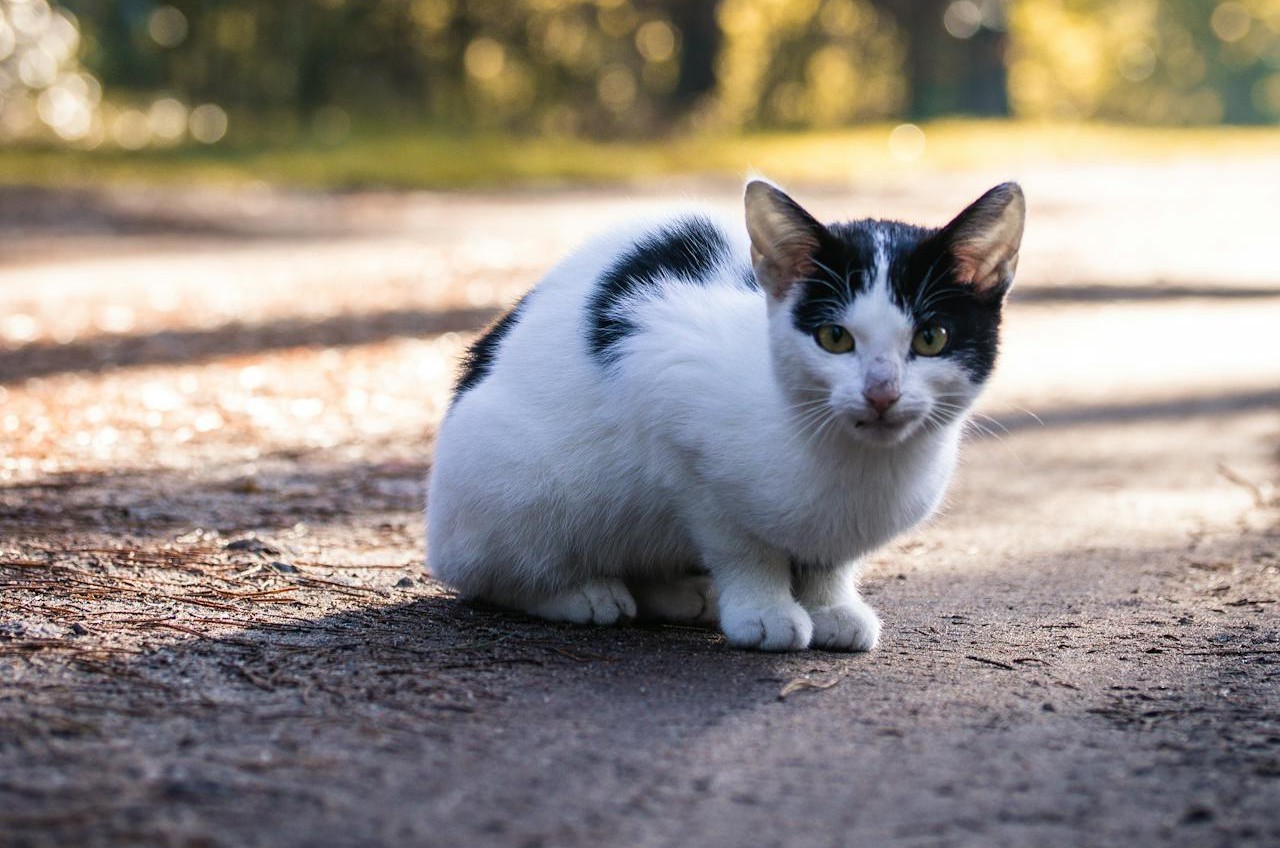
Some pets give a low rumble when someone nears an item or resting place, and the sound matches a body that has gone rigid, not playful. Legs brace, the tail may go still, the head dips toward the resource, and the pet may pause familiar responses while tracking movement with a fixed stare, as if testing whether space will be respected during a meal or on the couch. In multi-pet homes, it often appears when another animal passes too close to a bowl, toy, doorway, or bed, and the message is simple: the boundary is here, and it needs room before the pet can relax again, even for a few feet in the moment.
Lip Tension or Brief Tooth Show
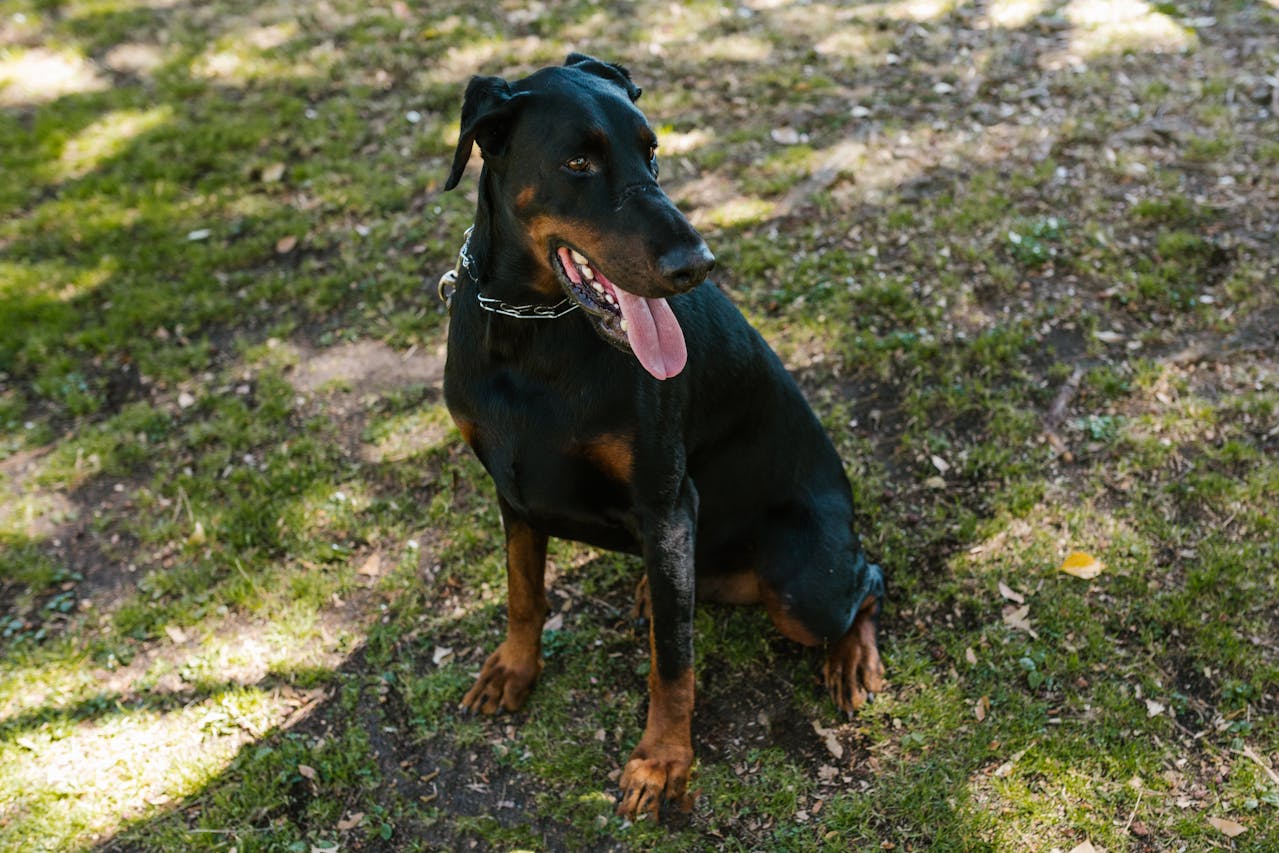
A pet may tighten the lips, wrinkle the muzzle, or briefly show teeth when closeness increases around a valued item, often without making a sound. The mouth snaps shut, the nose may crease, and the head angles over the resource, then the pet goes back to chewing, which is why families miss the warning and assume everything was fine. It tends to appear with high-value chews, food scraps, or a favored toy, and it shows up more when the pet is startled awake, crowded by furniture, or feeling unwell, because tolerance shrinks when comfort is already low and space feels harder to control in that moment.
Quick Air Snap Without Contact
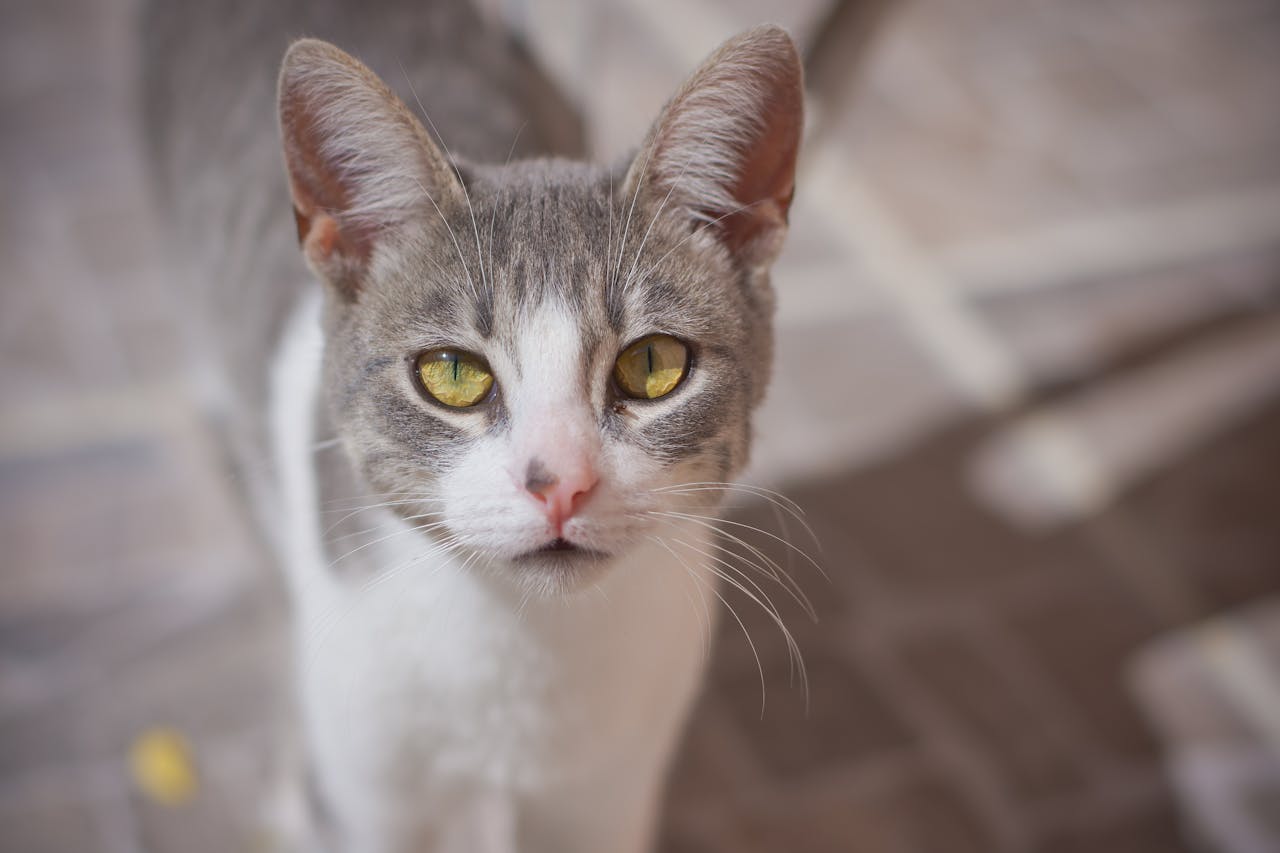
Some pets make a fast snapping motion in the air when a hand or another animal moves too close to a guarded item. It often happens without contact and can look like a reflex meant to create space, with a quick head dart, teeth clicking, the body staying low over the resource, and the eyes staying fixed on the approach. The snap is frequently preceded by freezing or side-eye, and it tends to show up when earlier signals did not slow things down, so the pet makes the boundary unmistakable, then returns to guarding posture and resumes chewing or holding the item with the same tight focus afterward.
Blocking With Body or Shoulder
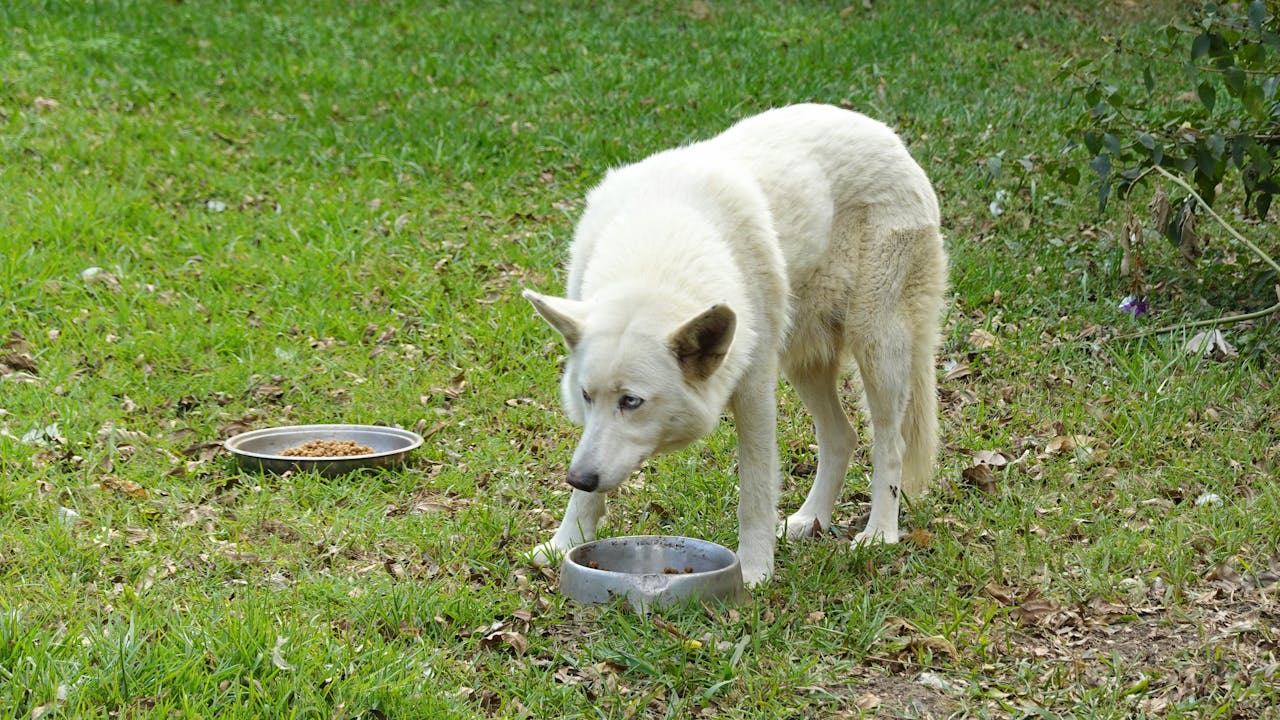
Blocking looks like stepping between a resource and someone else, leaning in, or using a shoulder to redirect another pet away before contact happens. It can show up around bowls, dropped snacks, toy piles, or even lap space, and the movement is often calm but deliberate, with a stiff body, slow steps, and eyes that keep checking distance. Because it repeats in the same pathways, it can reshape the home’s traffic patterns, with the guarding pet planting at doorways or kitchen entrances, guiding others away from the item, and relaxing only after the path is clear again, even if the resource is just a crumb or a toy.
Grabbing Items and Refusing to Release
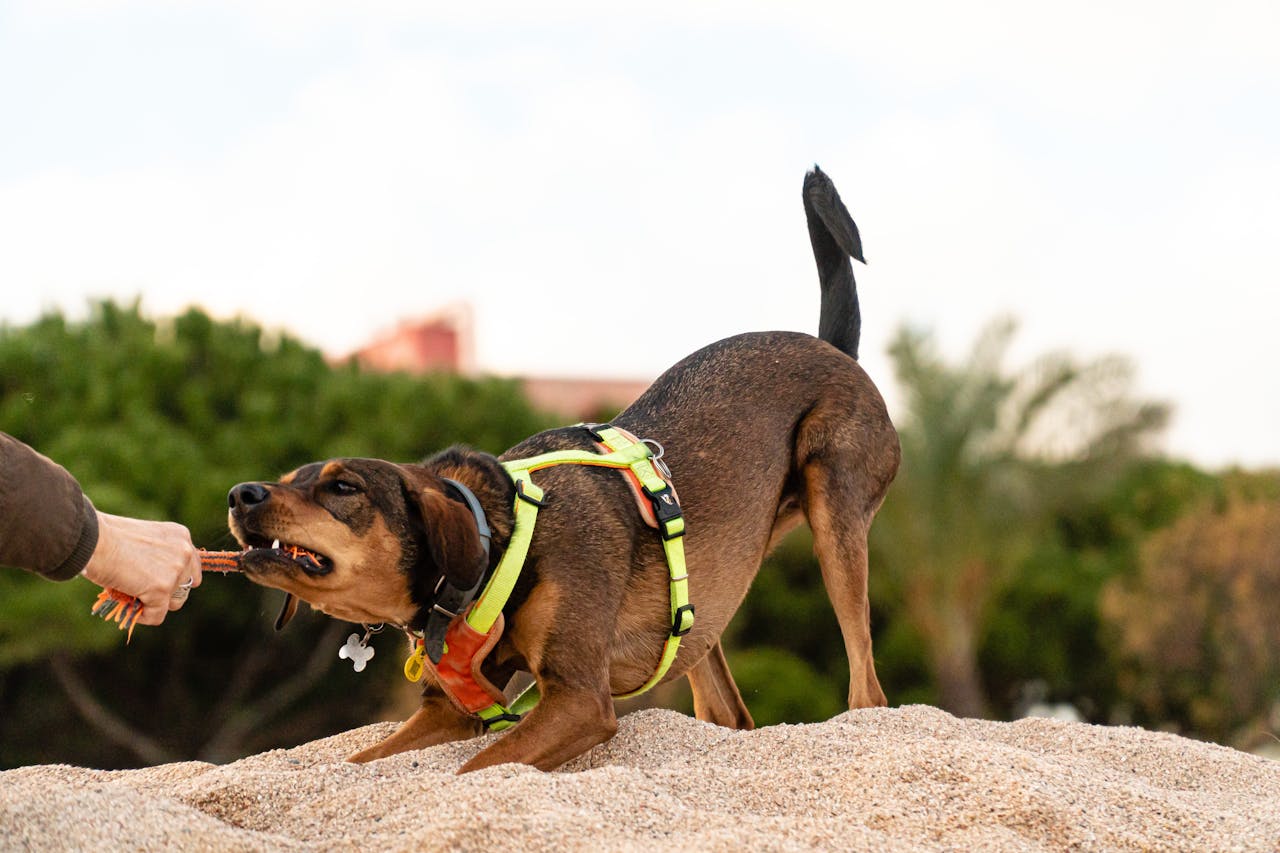
Some pets grab objects and hold on tight, especially when someone reaches in to take the item or coax a drop, and the mood changes in a blink. A sock, tissue, or kid’s toy can trigger a possessive posture: the head turns away, the jaw clamps, shoulders stiffen, paws pin the object, and the pet may circle to keep distance while tracking hands like a hawk. It often grows around forbidden objects because they reliably bring fast attention, chasing, and loud reactions, which teaches the pet that holding on is the only way to keep control, so the next grab comes with more tension and less willingness to share.
Carrying Valuables to Hidden Places
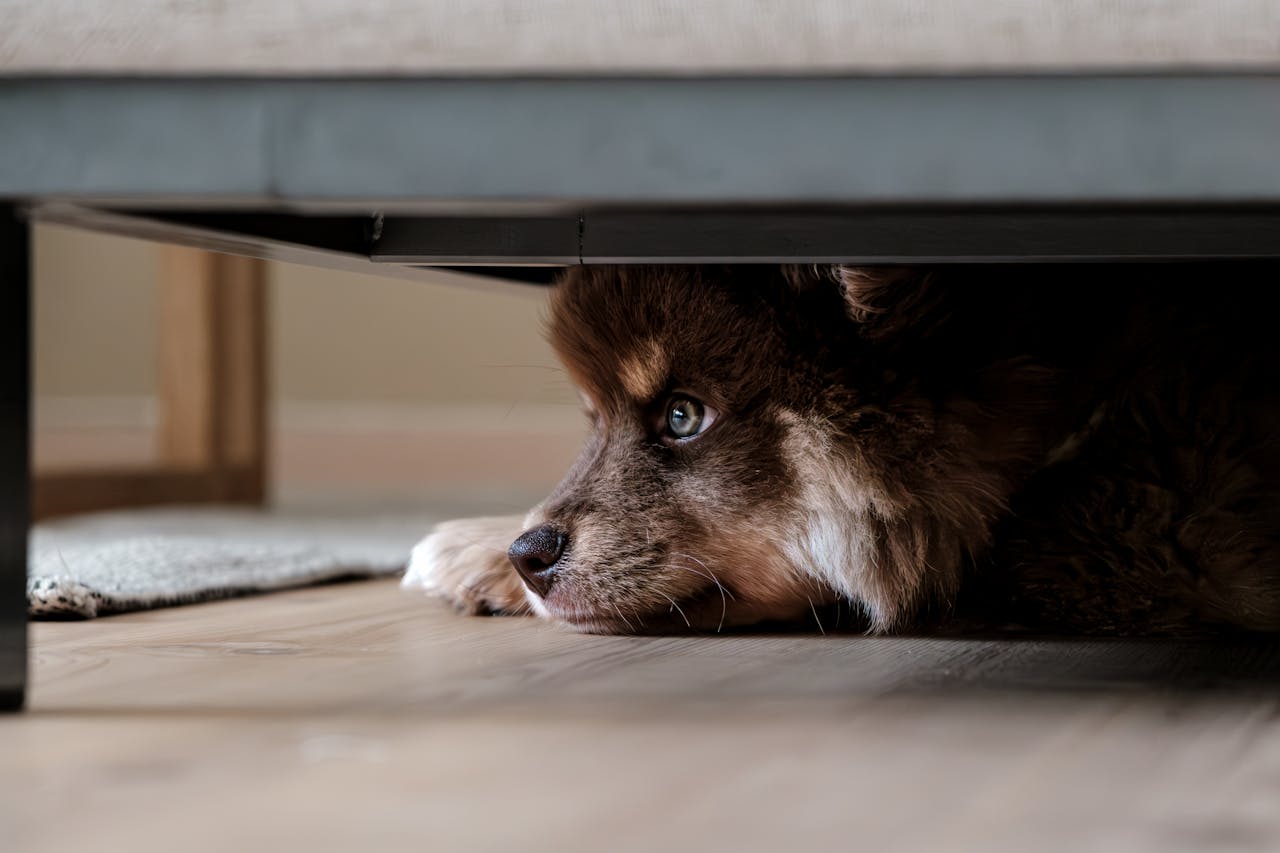
A pet may pick up chews or toys and retreat to a corner, under a table, or behind furniture as soon as people gather nearby, choosing distance over conflict. The movement is purposeful and often repeats to the same hiding spot, turning it into a private pantry where the pet can watch the room, keep a wall at the back, and control who can come close. This can happen with bones, food puzzles, or stolen household items, and if another pet approaches the hiding place, the guarding pet may stiffen, block the entrance, or freeze again, holding the item tighter until space is restored and the situation feels predictable.
Guarding Beds, Couches, or Doorways
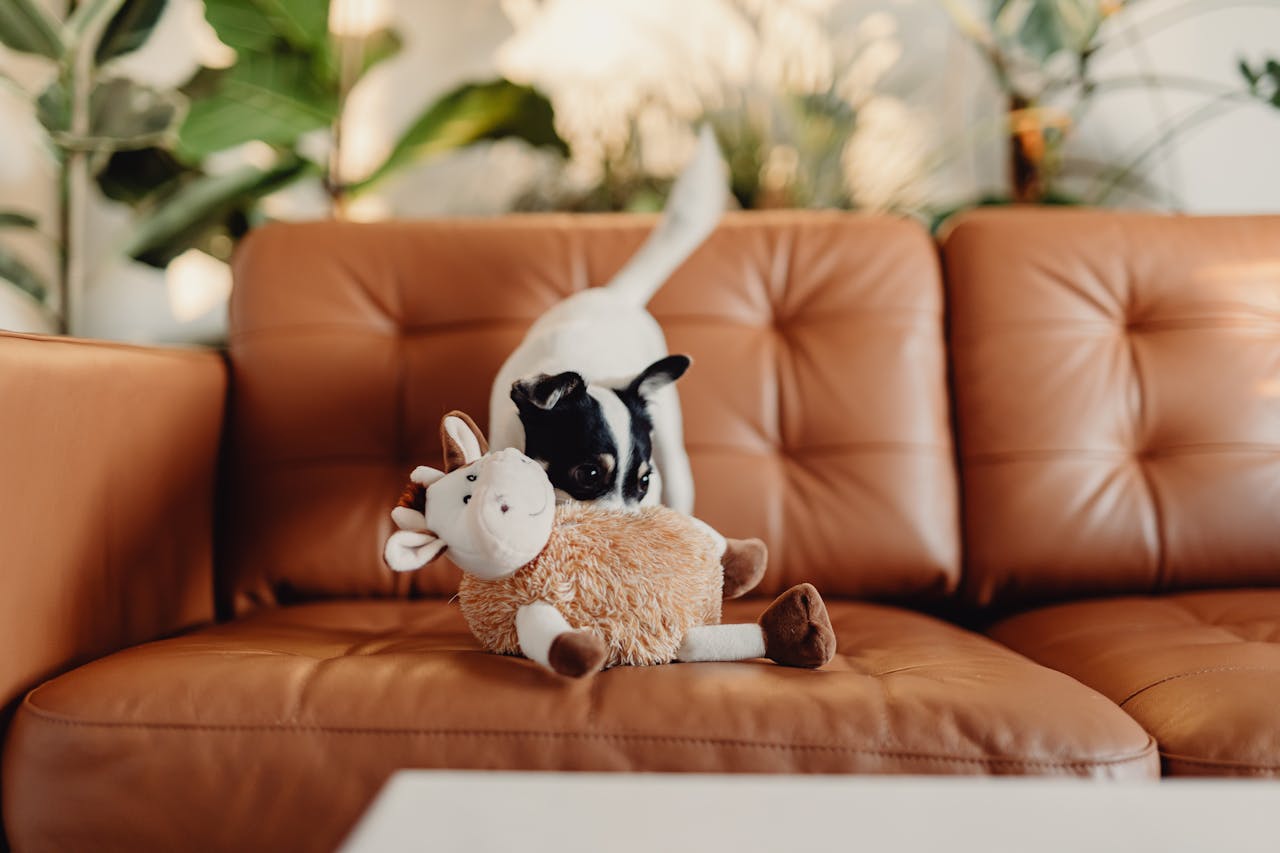
Resource guarding is not limited to food; some pets guard resting spots such as a bed, the end of a couch, or a sunny doorway near a heater where the air feels good. Early signs include stiffening when someone sits nearby, leaning into the space, placing a paw to hold position, or tracking movement with a fixed stare while staying planted and hard to shift. In family homes, it can surface around nap time or busy evenings when traffic is high, and the spot turns into a checkpoint the pet tries to control, especially in narrow hallways or at room thresholds, relaxing only when others give the area a wider berth.
Guarding the Kitchen, Counters, or Trash Area
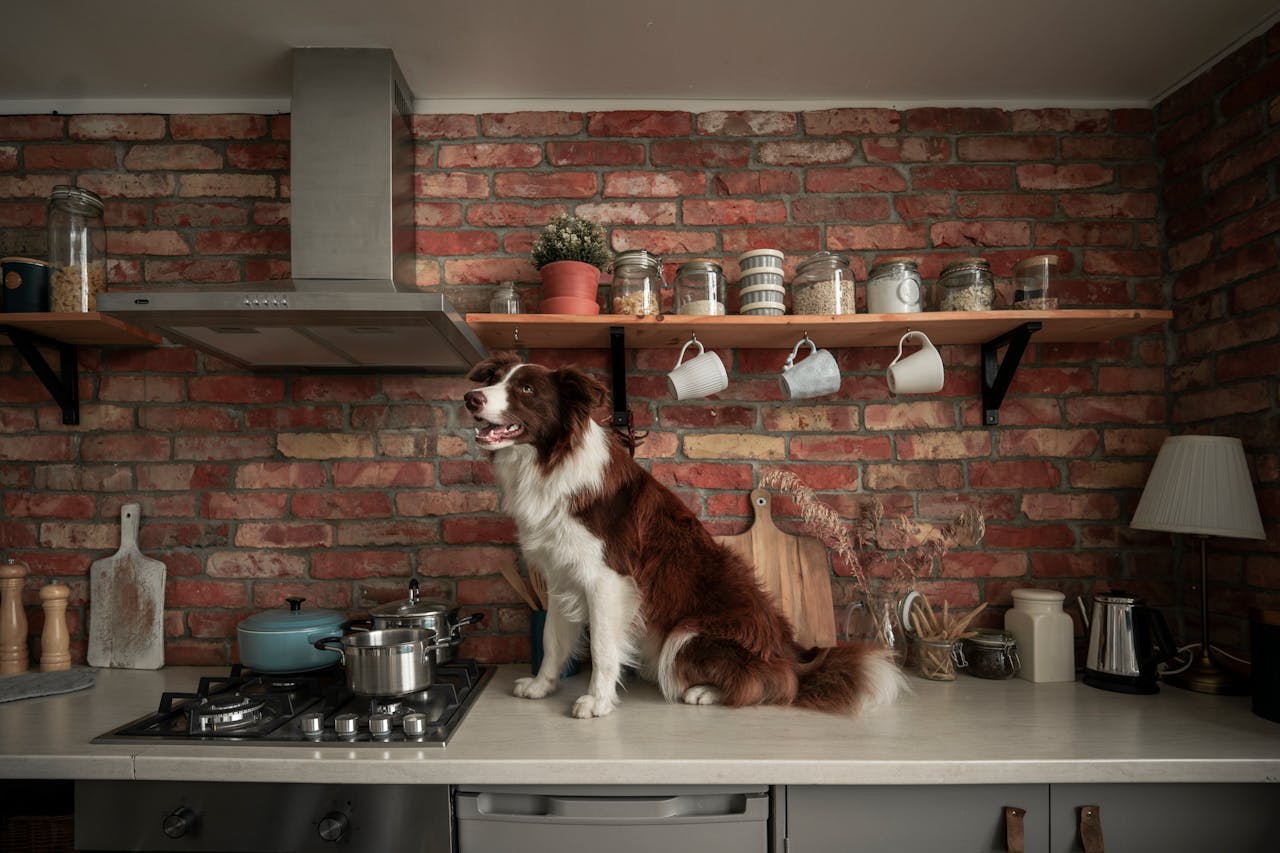
The kitchen can become a guarding zone because smells, crumbs, and daily routines create constant opportunity around food, from the trash can to the dishwasher. A pet may hover under the counter, linger near a high chair, or plant the body at the kitchen entrance, then tense when someone tries to pass, with eyes locked on hands and feet and a quick dash toward any dropped bite. It can look like begging, but the posture often signals control: blocking movement, freezing over a crumb, or claiming the floor as territory, and the pattern usually intensifies during cooking and family meals when noise and traffic make the space feel unpredictable.
Guarding Human Attention or Lap Space
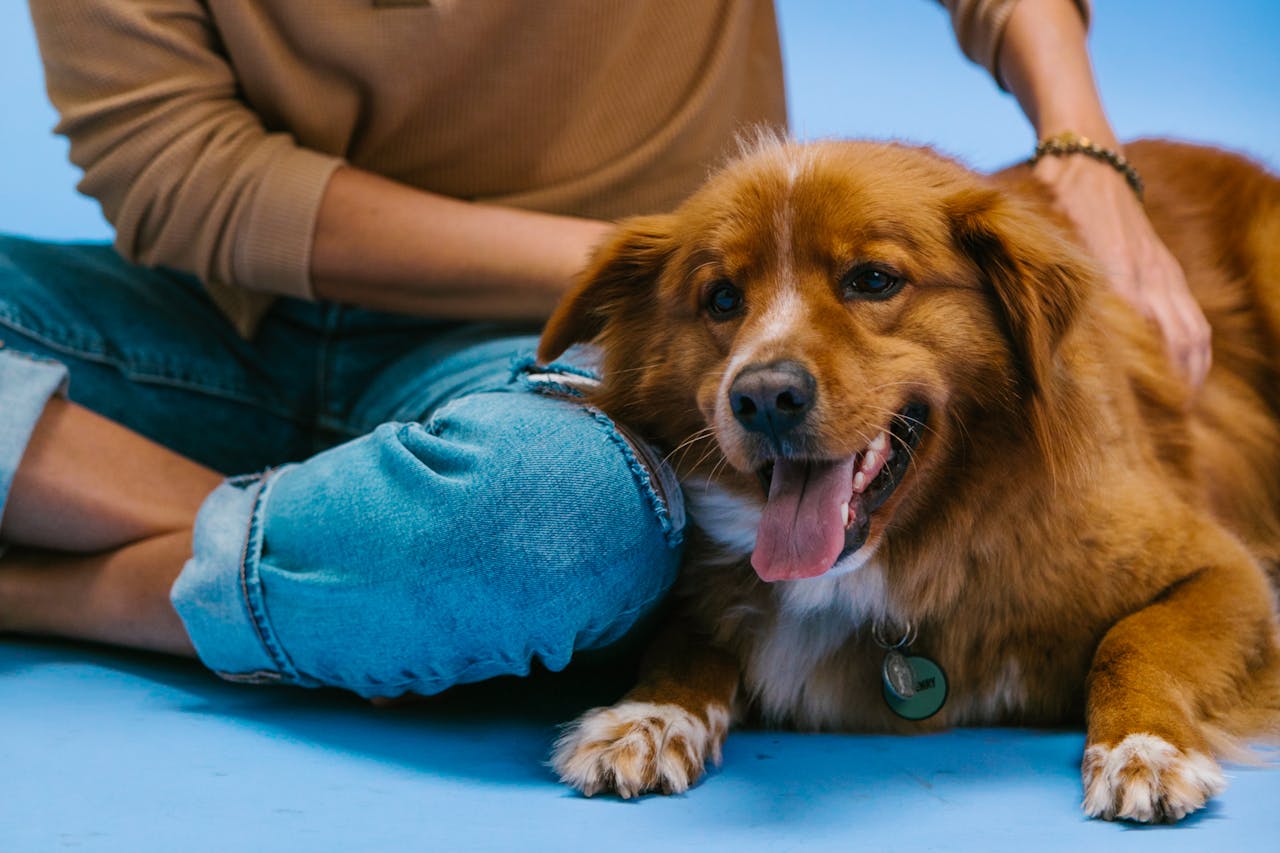
Some pets guard attention the way others guard food, especially when cuddling is a major reward in the household and the couch is prime real estate. A pet may wedge between people, climb into a lap and stiffen, paw at a hand to keep it close, or stare at another animal that approaches, then block access with the body while staying glued to the favored person. It can look affectionate at first, but the tone shifts when the face tightens and the pet stops sharing space, and it often spikes when guests arrive or routines change, because attention starts to feel limited, unpredictable, and worth controlling for comfort.
Escalation When Early Signals Are Missed
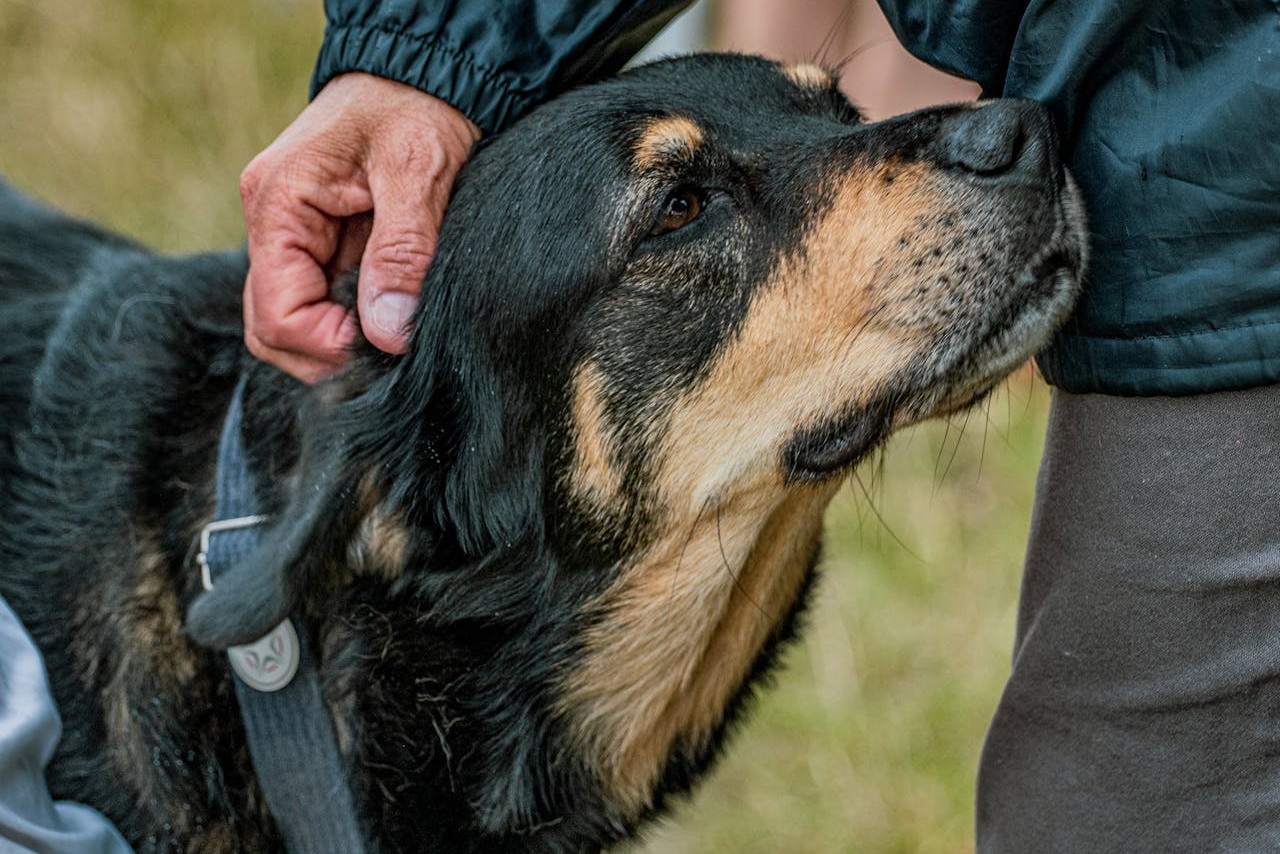
A key sign is a repeatable escalation pattern: subtle cues show up first, then stronger warnings appear when the earlier message does not create space. The sequence may start with freezing and side-eye, then move to blocking, mouth tension, and sharper signals around the same item, person, or location, often at a consistent distance and at predictable times, like meals or evening couch hours. That is why guarding can feel sudden, when it has been building in small steps across days, and a veterinary check is worth considering because pain or illness can lower tolerance, shorten the fuse, and make reactions more intense.