The 1960s filled jukeboxes with songs that sounded impossible to outlive: bright hooks, odd stories, and choruses that lingered for decades. Yet radio memory is selective, and many artists who briefly touched the top of the charts slipped from everyday recall almost as quickly as they arrived. Their signatures still surface in films, oldies sets, and family playlists, but names blur before melodies do. That contrast is what makes the era so compelling: a burst of fame, a single defining track, and a legacy carried forward by one unforgettable recording. The songs lasted, fame faded, and that tension still fascinates.
The Archies and “Sugar, Sugar”

In 1969, protest songs and social commentary were dominating pop conversation, yet “Sugar, Sugar” rode in with unapologetic sweetness and still took over the Billboard Hot 100. The track stayed on the chart for 22 weeks, proving that a simple melody could compete with heavier themes in a divided cultural moment.
The twist made it even more memorable: the Archies were fictional comic-book characters from “The Archie Show,” voiced and performed by studio musicians. That built-in novelty helped the single explode, but it also boxed the project into a concept few follow-ups could repeat with the same force. It became a timestamp.
Bruce Channel and “Hey! Baby”
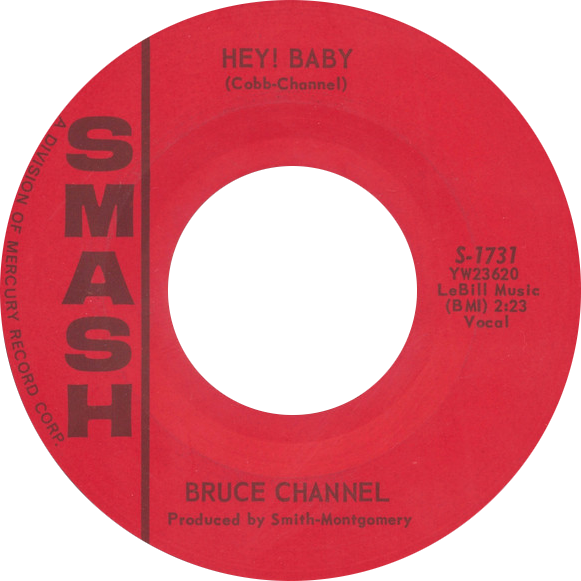
“Hey! Baby” arrived in 1961 with a playful vocal line and a harmonica hook that made the record instantly recognizable after only a few beats. It climbed to No. 1 on the Billboard Hot 100, turning Bruce Channel into a national name at a moment when teen pop was accelerating fast.
A young Delbert McClinton played harmonica on Channel’s tours, and his style even influenced early Beatles circles after he shared tips with John Lennon. Still, Channel never found a second U.S. chart peak that matched this breakthrough, leaving one buoyant single to carry an entire mainstream legacy. Its singalong simplicity kept it alive on oldies radio.
Mark Dinning and “Teen Angel”
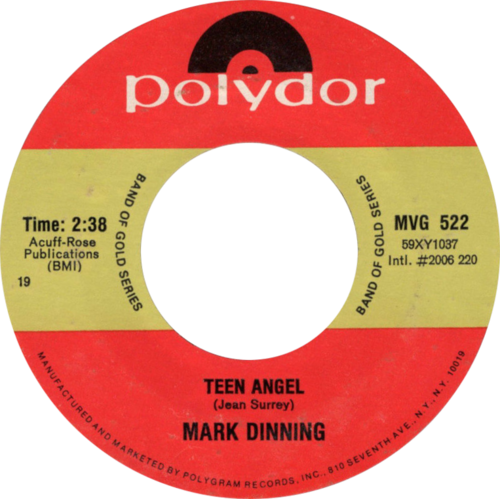
Few early-sixties songs captured teenage tragedy as directly as “Teen Angel,” which hit No. 1 in 1960 and lingered on the Billboard Hot 100 for five weeks. Mark Dinning recorded the ballad written by his sister Jean and her husband, turning a family composition into one of the era’s most discussed story songs.
His career never repeated that chart height, but the single stayed alive through nostalgia circuits and a later placement in George Lucas’s 1973 film “American Graffiti.” That second life in cinema helped preserve the track even as Dinning’s name receded from everyday conversations about the decade’s biggest voices.
Norman Greenbaum and “Spirit In The Sky”
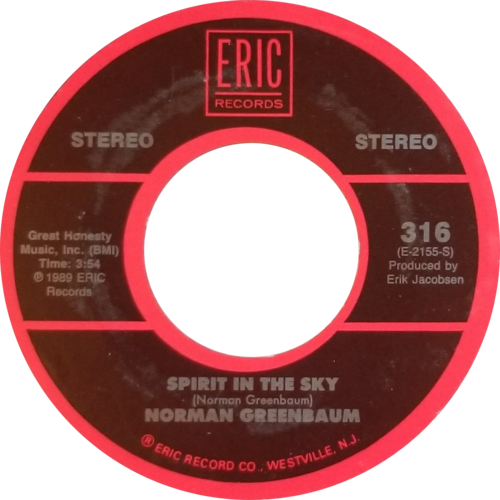
Norman Greenbaum fused gospel imagery with fuzzy electric guitar on “Spirit in the Sky,” creating a 1969 single that felt spiritual and radio-ready at the same time. It sold more than 2 million copies and became the defining hit of his career, even as later releases drew far less commercial momentum.
The song’s shelf life has been extraordinary, turning up in major films, including “Apollo 13,” and in television placements that keep renewing its audience. Greenbaum continued performing it decades later, showing how one track can become both an artist’s high-water mark and enduring public identity. The opening riff is iconic.
The Human Beinz and “Nobody But Me”
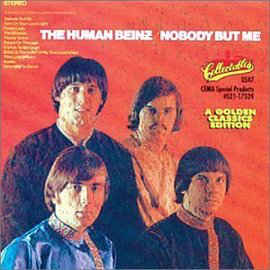
Released in 1968, “Nobody But Me” turned repetition into propulsion, hammering the word “no” so often that critics still cite it as one of pop’s most stubbornly negative hit records. The Ohio band’s garage-soul energy and dance-roll-call lyrics gave the single a chaotic charm that pushed it into the U.S. Top 40.
Music writer Dave Marsh later noted just how obsessively the record leans on negation, and that unusual structure became part of its lore. The Human Beinz kept performing, but no follow-up matched the impact of a song built on one word, one groove, and one unforgettable refusal. Its vocal attack still sounds unruly.
The Hollywood Argyles and “Alley-Oop”
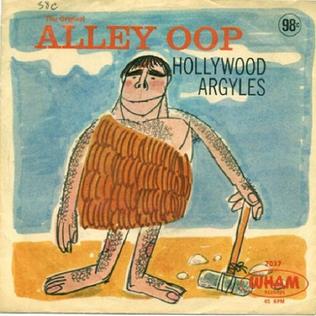
“Alley-Oop” was a novelty smash rooted in a comic-strip caveman created in 1932, then reimagined as a 1960 pop single with a chant-like hook impossible to confuse with anything else. Gary Paxton named the group after the Argyle Street studio area in Hollywood, tying the act directly to its recording geography.
Songwriter Dallas Frazier later recalled writing the tune while working at a California cotton gin and immediately sensing its potential. The record did hit big, but novelty records can be hard to outrun, and the band never produced another mainstream success with comparable reach or staying power. Few songs like it existed.
Iron Butterfly and “In-A-Gadda-Da-Vida”
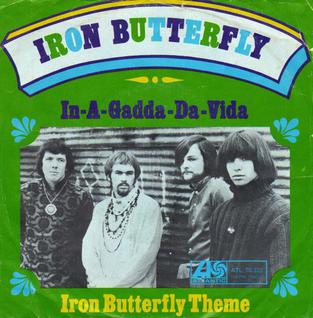
At more than 17 minutes in full form, “In-A-Gadda-Da-Vida” broke radio expectations in 1968 and helped define the heavier edge of late-sixties rock. The song’s long drum and organ passages gave listeners a mini-odyssey, while its famously garbled title added to the legend around the recording.
Doug Ingle wrote and sang the track, and although Iron Butterfly continued touring in later decades, no subsequent release came close to this commercial and cultural footprint. Ingle’s death in May 2024 renewed attention to the single, reminding audiences how one audacious record can eclipse an otherwise extensive catalog. even now.
Ernie K-Doe and “Mother-In-Law”
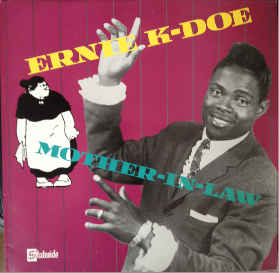
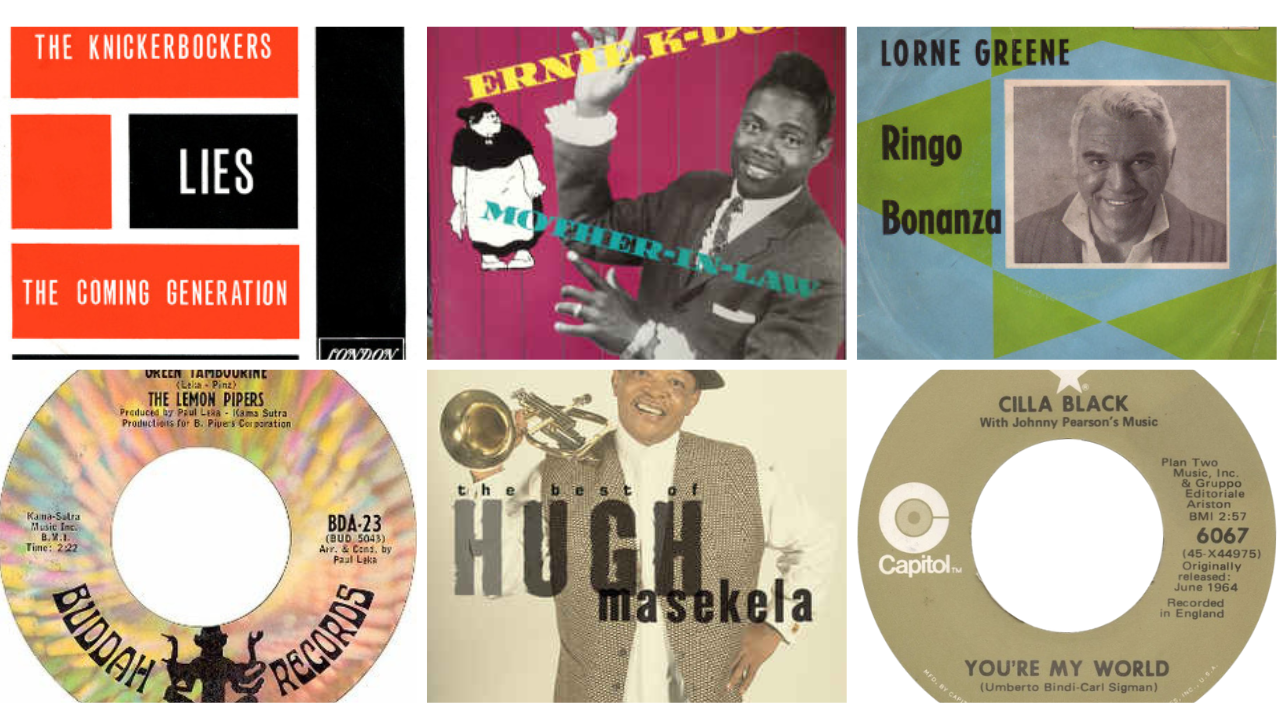
Ernie K-Doe’s “Mother-in-Law” turned domestic frustration into pure rhythm-and-blues gold in 1961, topping both the Billboard Hot 100 and the R&B chart. The song’s conversational wit, tight groove, and sharply drawn character work made it instantly relatable and built for repeat play.
K-Doe never duplicated that chart peak, but he transformed the hit into a lasting local identity by opening the Mother-in-Law Lounge in New Orleans in 1994. After his death, the venue remained a neighborhood fixture, proving the song’s cultural life extended far beyond its original radio moment. New Orleans radio never really let it go.
The Knickerbockers and “Lies”
“Lies” landed in 1965 with bright harmonies and a beat that echoed the British Invasion sound dominating U.S. radio. The Knickerbockers rode that momentum into a major hit, but their breakthrough also exposed how crowded the market had become for guitar-driven pop bands.
The track stayed alive because other artists kept returning to it; versions by Nancy Sinatra, Styx, and Linda Ronstadt helped preserve its profile across generations. Even so, the band itself remained tied to one defining moment, remembered more for a single rush of urgency than for a long chart run. Its punchy chorus still feels like pure sixties pop craft.
The Lemon Pipers and “Green Tambourine”
Psychedelia met bubblegum pop on “Green Tambourine,” the 1967 single that sent the Lemon Pipers to the top of the Billboard Hot 100. The blend was unusual enough to stand out: dreamy textures, a marching pulse, and lead singer Ivan Browne literally shaking the title instrument.
The band’s chart window proved brief, and by 1969 the group had split, leaving one major hit as its permanent calling card. Still, the song remains a useful time marker for a year when American pop experimented fearlessly, balancing childlike melodies against increasingly strange sonic palettes. Its chiming intro still signals late-sixties radio in seconds.
Hugh Masekela and “Grazing In The Grass”
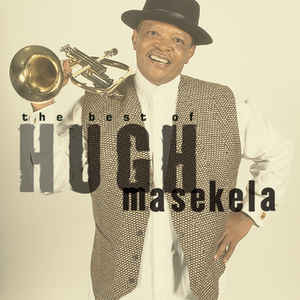
South African trumpeter Hugh Masekela scored a U.S. smash in 1968 with the instrumental “Grazing in the Grass,” a track that felt effortless but was built on disciplined jazz instincts. Its bright horn line and springy rhythm made it accessible to pop audiences without losing musical sophistication.
The melody proved so durable that the Friends of Distinction recorded a vocal version in 1969 and took that adaptation high on the charts as well. Masekela’s broader catalog is rich and historically significant, yet in American mainstream memory, this buoyant single still overshadows his deeper body of work. The groove feels weightless.
Barry McGuire and “Eve Of Destruction”
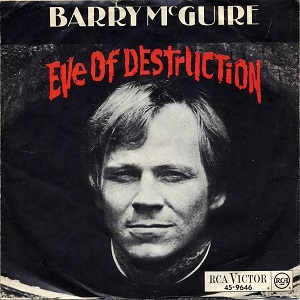
In 1965, Barry McGuire delivered “Eve of Destruction” with a raw vocal urgency that captured Cold War dread, civil unrest, and generational anxiety in one blunt protest anthem. Written by 19-year-old P.F. Sloan, the song hit No. 1 and became one of the decade’s clearest snapshots of political fear.
Its message triggered debate, radio resistance in some markets, and passionate support in others, all of which amplified its cultural footprint. McGuire recorded many songs afterward, but none rivaled the commercial shockwave of this release, which remains a reference point whenever protest music enters mainstream debate. today.
Cilla Black and “You’re My World”
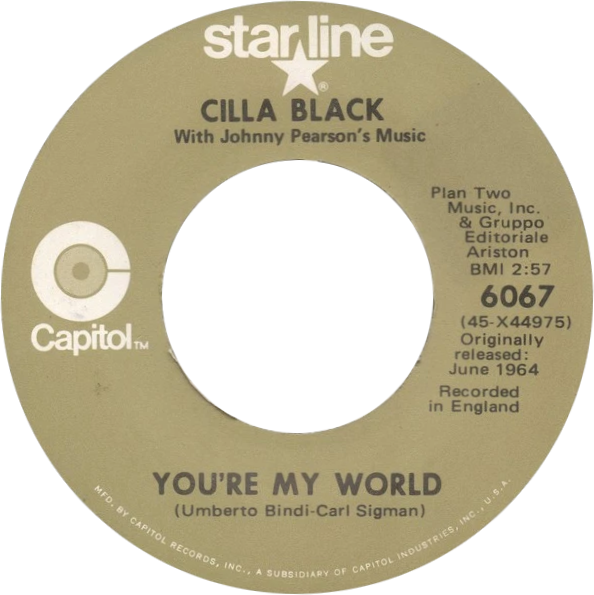
Priscilla White, known professionally as Cilla Black, moved from coat-check work to stardom and scored her lone major U.S. hit with “You’re My World.” The powerful ballad showcased a bigger dramatic voice than most British Invasion-era singles and introduced American listeners to an artist already proven in the U.K.
She had multiple No. 1 successes at home, including “Anyone Who Had a Heart,” with early support from fellow Liverpudlian John Lennon. That transatlantic split explains why she is labeled a one-hit wonder in the United States while still remembered in Britain as a sustained chart force and television personality.
Lorne Greene and “Ringo”
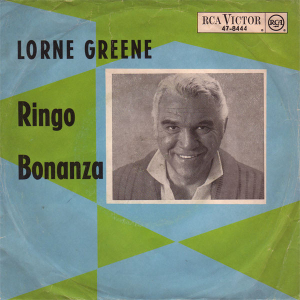
Lorne Greene, already famous as a television actor, reached No. 1 in 1964 with “Ringo,” a spoken-word western narrative more than a conventional pop performance. The single told a dramatic outlaw story with orchestral backing and leaned on Greene’s commanding voice rather than singing technique.
Its success frustrated some critics who saw it as novelty rather than musicianship, but audiences embraced the storytelling and pushed it to the top anyway. Because the formula depended so heavily on a specific cultural mood and persona, Greene never repeated that chart feat, leaving one unusual crossover triumph. It lingered on radio.