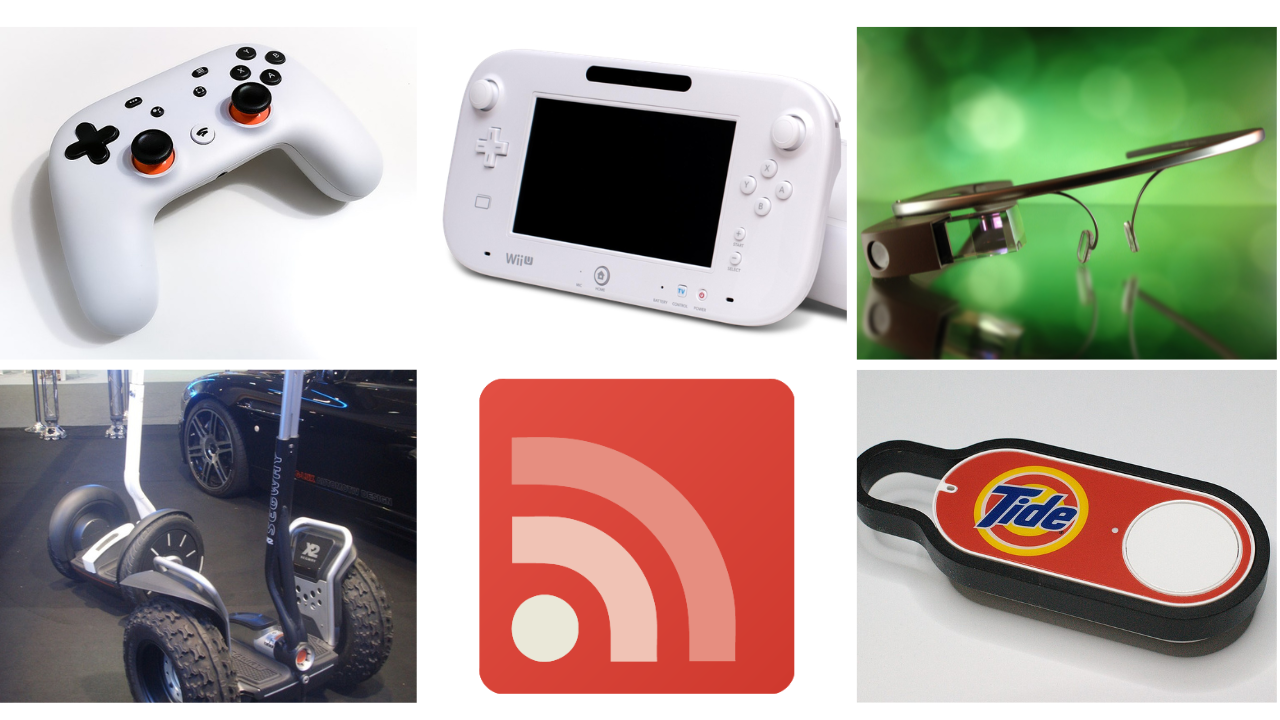
Nostalgia content travels fast because it feels familiar before it feels factual. A recreated commercial, a retro unboxing, or a shelf-restock reel can look harmless, yet one missing label can turn memory into false history. The risk is not affection for old brands; it is the way reenactments blur timelines, formulas, safety rules, and whether a product still exists. Once reposted without context, clips get shared as proof. What starts as tribute can become misinformation, especially now that major platforms and regulators are tightening rules around deceptive, synthetic, and unlabeled media. The stakes are now very real.
The iPod Touch Stockroom Comeback
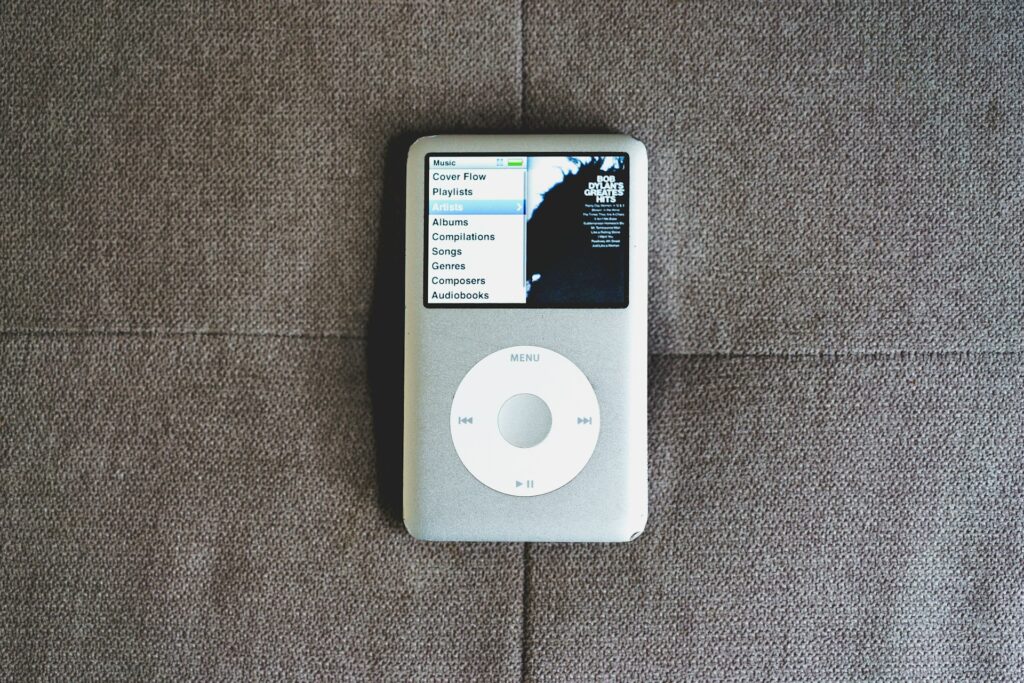
A polished reel stages a retail stockroom, peels plastic from a mint iPod touch, and frames it as a fresh 2026 release. The prop work looks convincing because the packaging is familiar, the soundtrack echoes old launch ads, and the cut avoids timestamps.
It crosses into misinformation when the caption says Apple restarted production or quietly shipped new units to stores. Apple said in May 2022 that iPod touch would be available only while supplies lasted. Reenactment becomes deception when tribute is presented as inventory news, leaving viewers to assume a discontinued line is officially back. That small edit shifts public memory.
The Google Reader Hidden Relaunch Myth

Another reenactment opens on a minimalist desk, a retro browser theme, and an RSS feed scrolling like it never left. The creator labels it as a hidden relaunch, then points followers to clone sites as if they were official channels.
The emotional trick works because Google Reader still has loyal fans who miss its calm, chronological flow. But Google announced in 2013 that Reader would be retired on July 1 due to declining use. When staged nostalgia is framed as a product return, audiences stop distinguishing between fan tools, archived interfaces, and services restored by the original company. The myth fills an old digital gap.
The Stadia Phantom Reboot Clip

A cinematic gameplay clip claims Stadia has returned with quieter servers and better latency, then flashes a fake dashboard that looks authentic at first glance. The polished overlays make the reenactment feel like a leaked beta rather than fan editing.
It becomes misinformation when creators describe access steps, post fabricated launch windows, or imply Google resumed consumer service. Google said players could use Stadia through Jan. 18, 2023, then the service shut down with refunds announced. Turning that timeline into a phantom comeback confuses buyers, collectors, and anyone tracking digital ownership history. in public.
The BlackBerry Legacy Phone Revival Skit
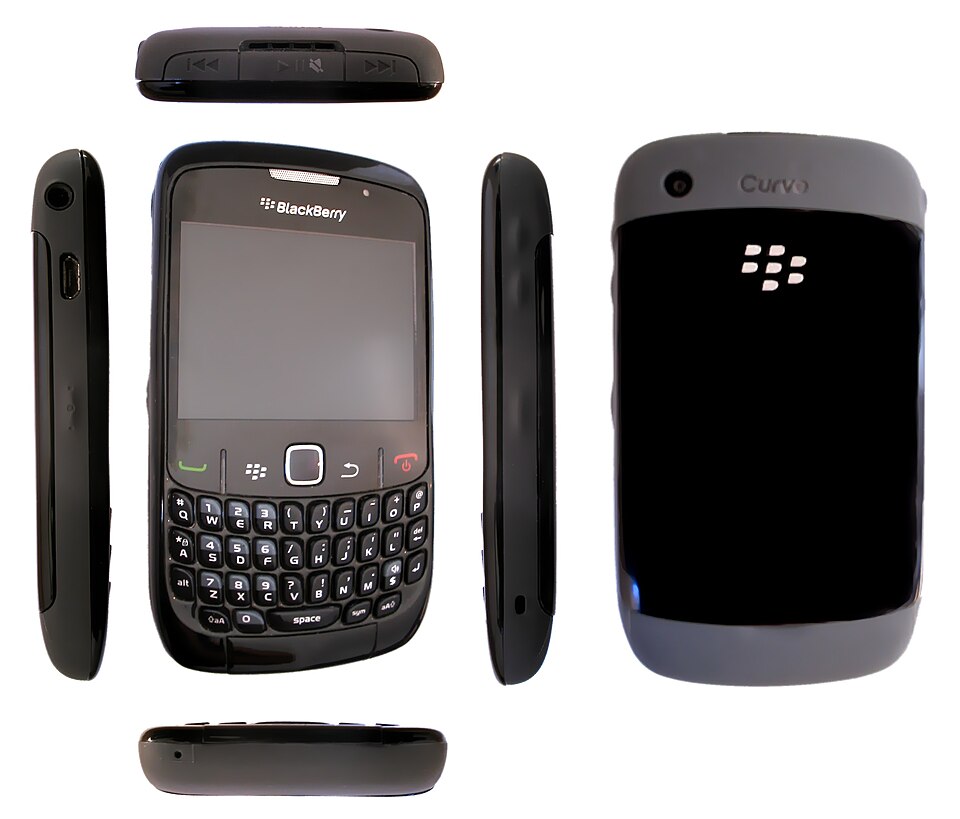
A viral office skit revives the BlackBerry keyboard fantasy: clicky keys, blinking LED, and a promise that secure messaging is back on legacy phones. The reenactment leans on workplace nostalgia, where old hardware still signals focus, privacy, and status.
The line into misinformation appears when clips present those devices as fully reliable today without explaining service realities. BlackBerry said legacy BlackBerry 7.1, BlackBerry 10, and earlier services reached end of life on Jan. 4, 2022, with core functions no longer expected to work reliably. Romantic footage is fine; false operability claims are not. That detail matters.
The Dash Button Pantry Reenactment
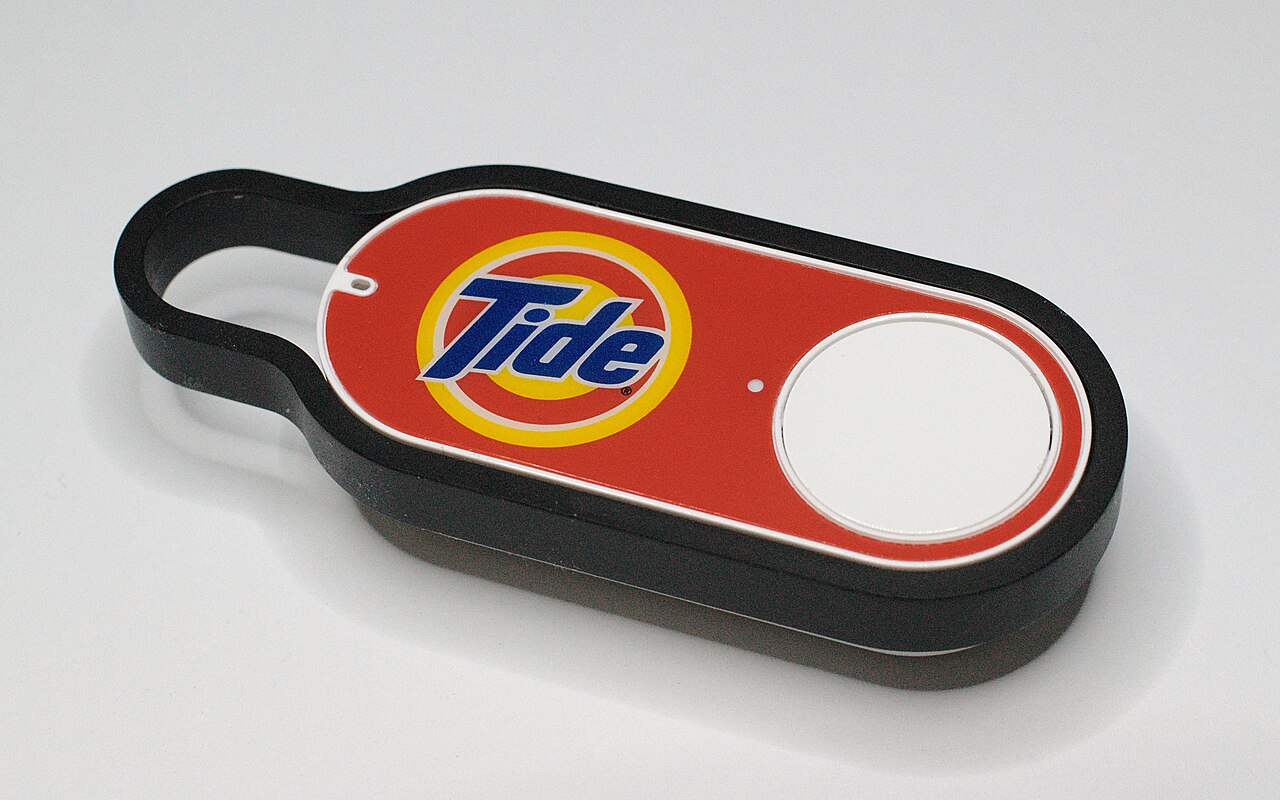
A kitchen reenactment sticks brand buttons near detergent, cereal, and paper towels, then claims one tap still triggers instant shipping. It is shot like a practical life hack, so the audience reads it as current functionality instead of a period piece.
Misinformation starts when the creator calls the setup an active Amazon program and hides the footage date. Amazon confirmed in 2019 that physical Dash Buttons were retired from sale in favor of virtual alternatives. Without that context, viewers are nudged into chasing obsolete hardware, mistaking nostalgia theater for a valid shopping workflow. That practical framing drives trust.
The Segway PT Official Return Rehearsal
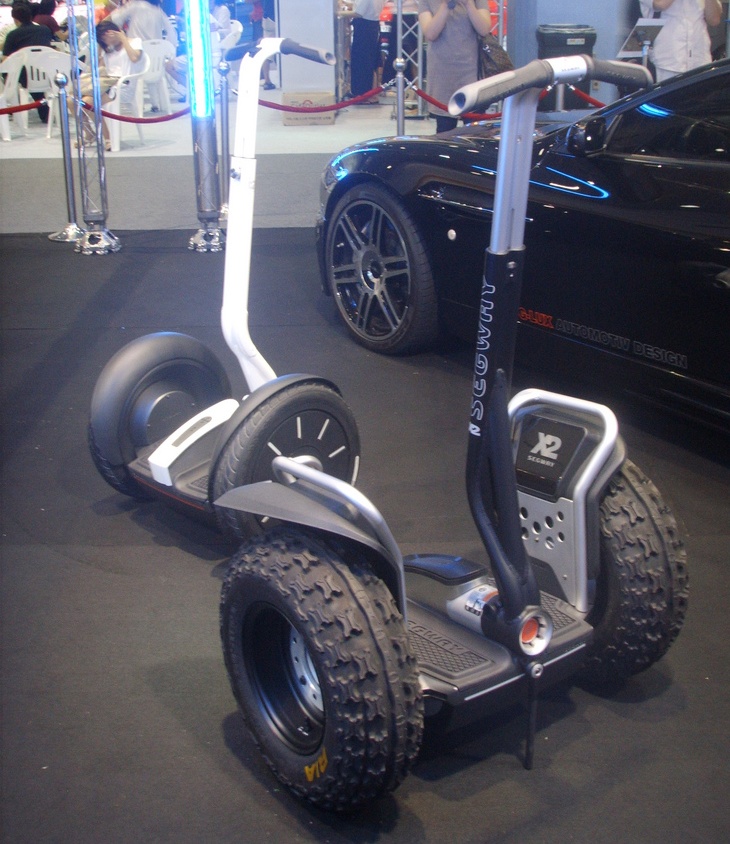
A city-street reenactment showcases a freshly wrapped Segway PT and presents it as a newly certified commuter option for 2026. The framing is deliberate: clean helmets, branded cones, and staged bystanders make the scene look like an official relaunch event.
It becomes misinformation when captions imply restarted manufacturing or broad retail availability. Reuters reported Segway said it would stop making the Segway PT starting July 15, 2020, as the company shifted focus to other units. When production history is rewritten as present supply, audiences cannot separate archival homage from market reality. That confusion lingers.
The Google Glass Consumer Return Reel
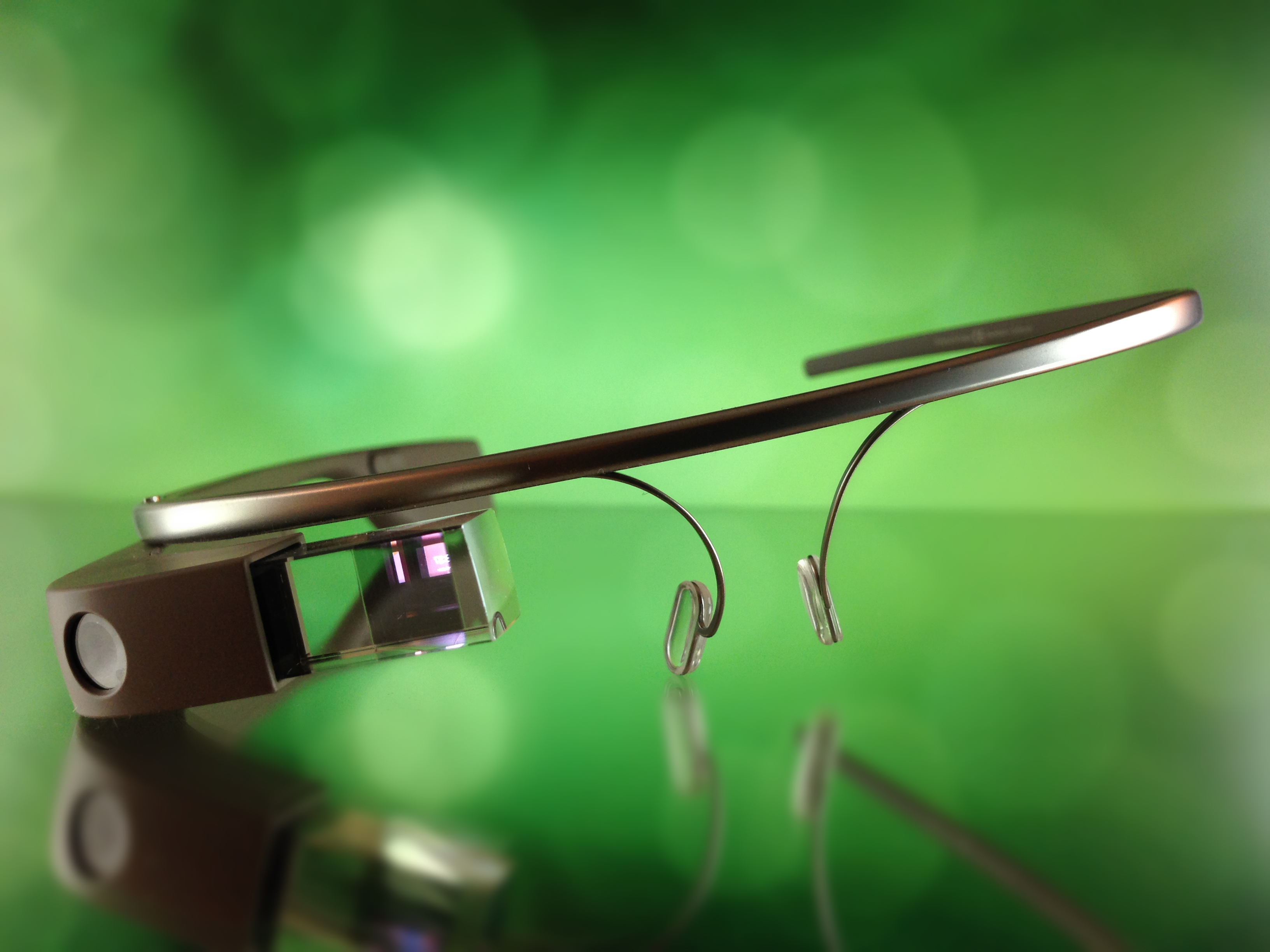
A sleek reenactment shows smart glasses in cafes, transit stations, and meetings, then labels the montage as Google Glass returning to consumer shelves. The aesthetic persuades because it borrows the optimism that once made wearable computing feel inevitable.
Misinformation begins when creators present old prototypes as current retail stock or hide that the consumer Explorer path ended. Google stopped consumer sales through the Explorer program in Jan. 2015, while enterprise efforts continued separately. Without clear disclosure, nostalgia can morph into false product news and distort how tech history is remembered. online.
The Juicero Shelf-Reboot Bit

A comedic countertop reenactment revives Juicero with polished lighting and a claim that the press is back as a premium wellness essential. Because the video plays like satire at first, many viewers miss the moment the caption switches into fake purchase guidance.
The misinformation line is crossed when creators present shutdown-era devices as current retail products and invent active support channels. Reports in 2017 noted Juicero announced it was shutting down operations and suspending sales. When parody slides into unmarked commerce cues, the audience is nudged from shared memory into confident error about what can be bought.
The Wii U and 3DS eShop Reopening Claim
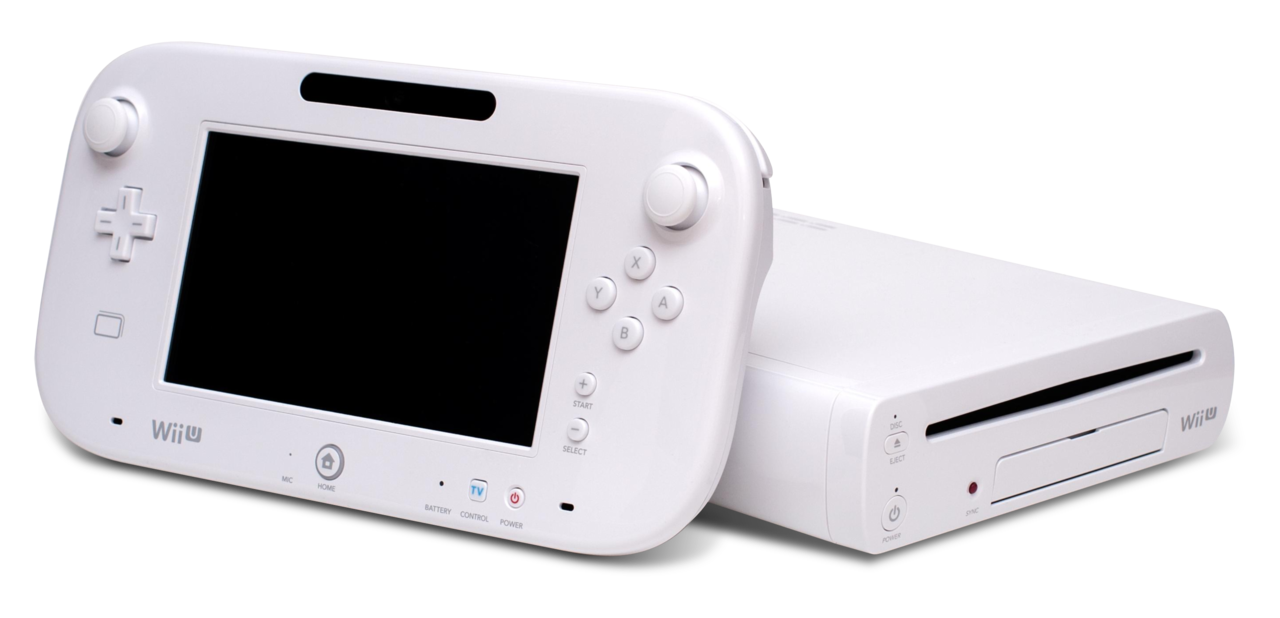
A gamer reenactment recreates a midnight download spree on Wii U and Nintendo 3DS, then claims the old eShop has quietly reopened for fresh purchases. Interface overlays and nostalgic music make the sequence feel plausible, especially to viewers who remember those storefront rituals.
It becomes misinformation when the post omits official cutoff dates and frames archived footage as current access. Nintendo states purchases for Wii U and Nintendo 3DS eShop ended March 27, 2023, with related functions ending on additional dates. Without that timeline, audiences treat a memorial-style reenactment as a live service update.