The 1960s asked kids to be patient in ways that feel almost unreal now. Entertainment arrived on schedules, news traveled at human speed, and most plans depended on whoever was near a phone. That slower pace could feel steady and communal, but it also meant fewer choices and fewer second chances.
A living room could turn into a theater, a sidewalk into a social network, and a paperback into a search engine. For many, the memories glow with color, music, and first tastes of independence. The hidden cost was how easily a missed show, a lost address, or a closed door could end the day’s adventure, with no quick reset button.
Appointment TV and One Shot at the Episode
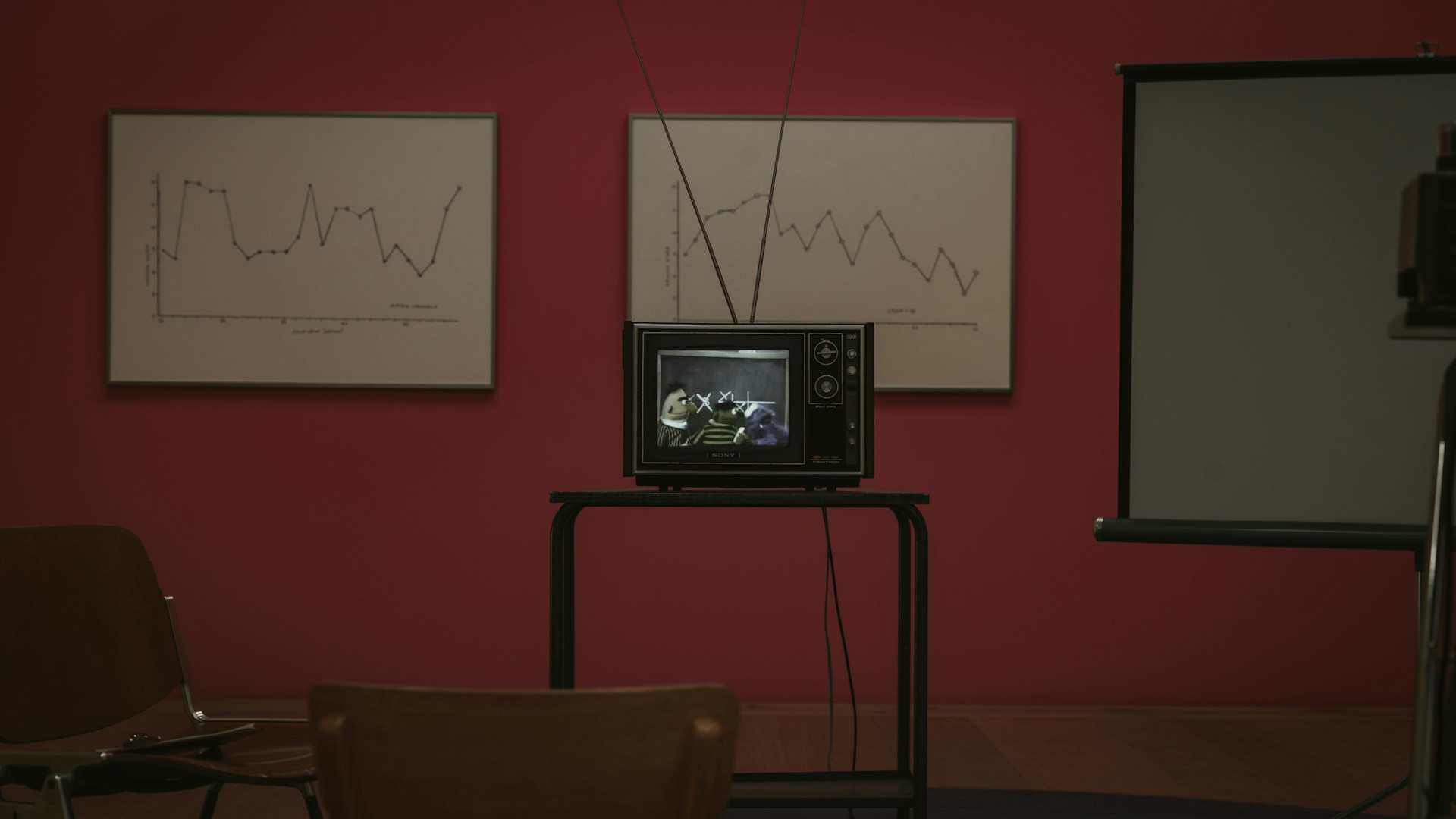
With only a few channels, television in the 1960s worked like an appointment, and the one set in the house could turn a regular weeknight into a minor holiday. When a favorite theme song began, chatter dropped, snack bowls settled, and the family watched together, accepting fuzzy reception, loud ads, and whatever time slot the network chose.
Shows like “Captain Kangaroo” felt communal because neighbors traded reactions the next morning, but the downside was unforgiving: no pause, no rewind, and no catch-up, so a late bus, a long call, or a sudden news interruption could erase the plot entirely, and that was the end of it.
Research Meant Libraries, Not Search Bars

Curiosity in the 1960s often led to a library card, a shelf of encyclopedias, or an adult who seemed to know everything after school. Kids slowly learned the logic of card catalogs, index tabs, and margin notes, and even everyday skills like baking came from cookbooks, classroom handouts, and family advice, not a video tutorial.
The downside was delay and distance: information could be outdated before it reached the shelf, access depended on limited hours and local budgets, and a simple question might take days to settle after waiting for a librarian, a mailed pamphlet, or a returned phone call from the only expert in town.
Transistor Radio Was a Pocket Lifeline
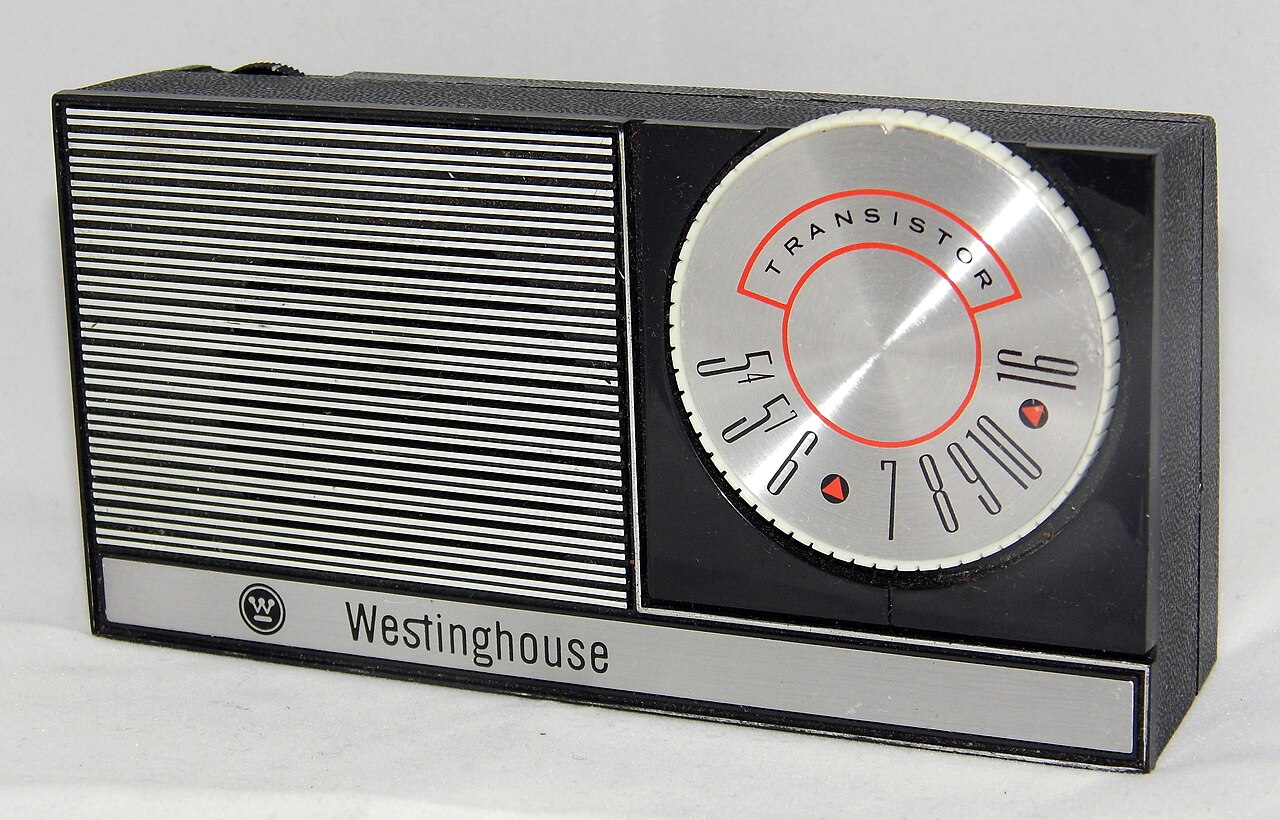
A small transistor radio could make a bedroom feel bigger than the neighborhood, carrying Top 40 countdowns, baseball games, and late-night DJs who sounded like steady company. Some listened for serialized dramas and call-in dedications, timing chores so the best segment would not be missed, then holding the antenna just right to keep the sound from wobbling, especially when batteries ran low.
The downside was how little control existed: the playlist was someone else’s decision, reception could fade without warning, and a favorite song might be swallowed by static, ads, or a weak signal at the exact moment it mattered.
Lava Lamps Made Bedrooms Feel Like Planets
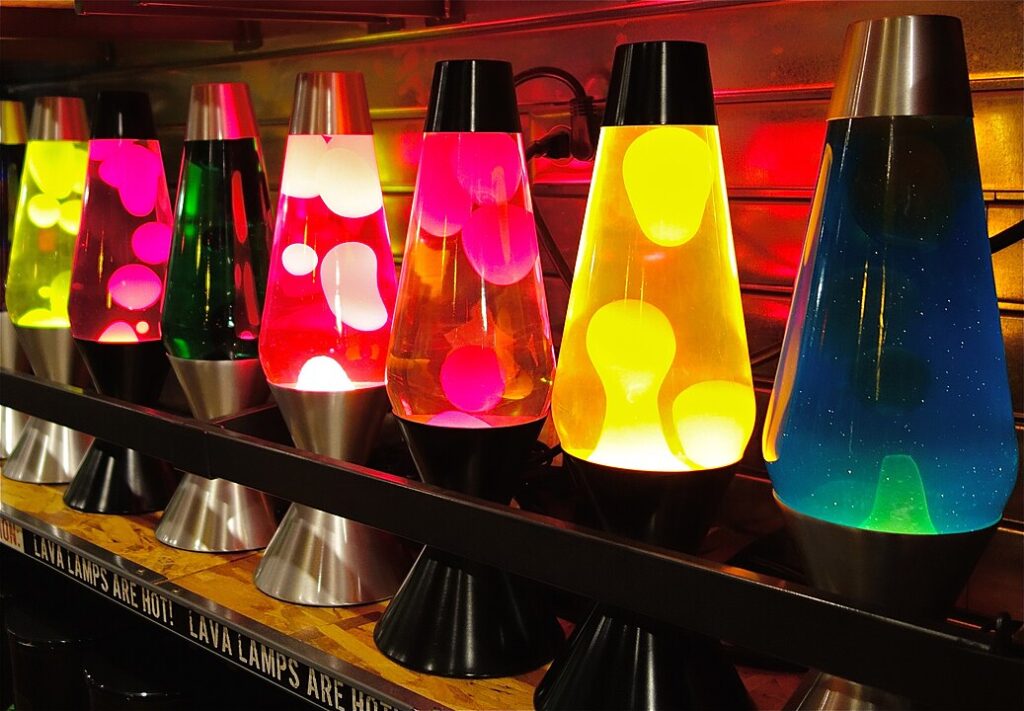
Lava lamps and psychedelic prints turned ordinary rooms into little stages for imagination, with slow blobs rising and falling like weather inside glass. Peace signs, band posters, and wild color blocks signaled a new kind of youth identity, where mood and message mattered as much as matching furniture, and a single lamp could declare a room “cool”.
The downside was practical: the lamps ran hot, needed time to warm up, and looked murky if moved too soon. Trendy décor also dated fast, leaving families with loud patterns, scuffed paint, and bargain furniture that felt tired long before the decade ended in many homes, too.
The Beatles Felt Like a Worldwide Weather Change
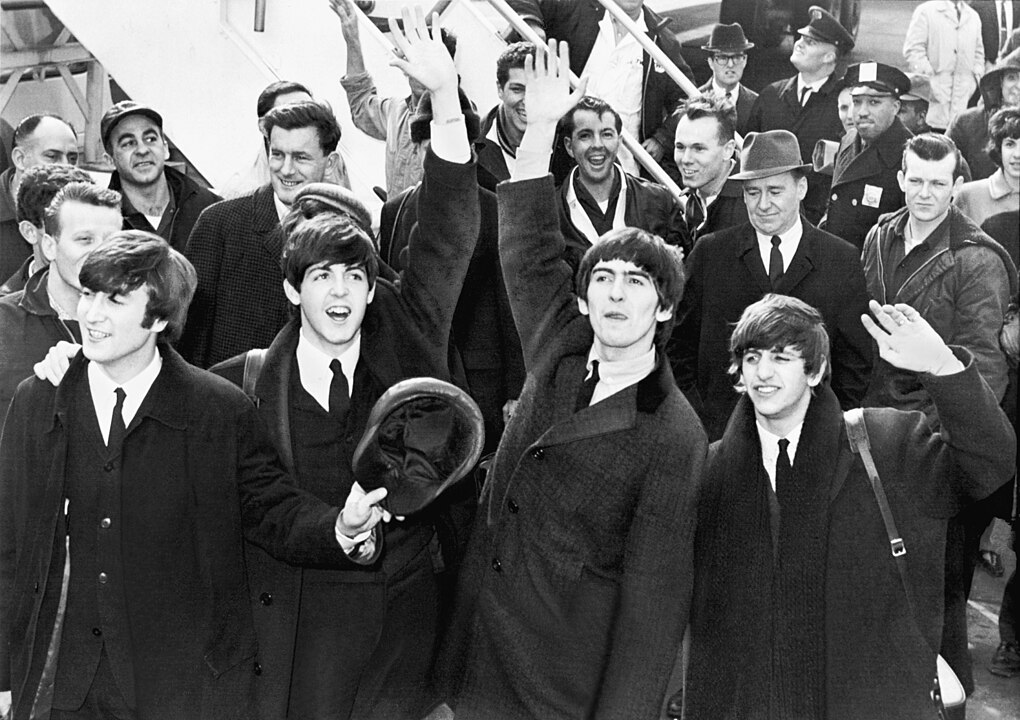
When The Beatles broke in the early 1960s, pop music stopped sounding polite and started feeling like a movement that belonged to young people. Their 1964 arrival in the United States, capped by “The Ed Sullivan Show,” turned fandom into a shared headline on radios and in record shops, and debates over the best album, haircut, or lyric could run all week.
The downside came with the volume: constant hype, ticket chaos, and a culture that could flatten every feeling into merchandise. For some families, the generation gap widened fast, turning music into an ongoing fight at home instead of a bridge between parents and kids.
The Family Car Was Freedom and Responsibility
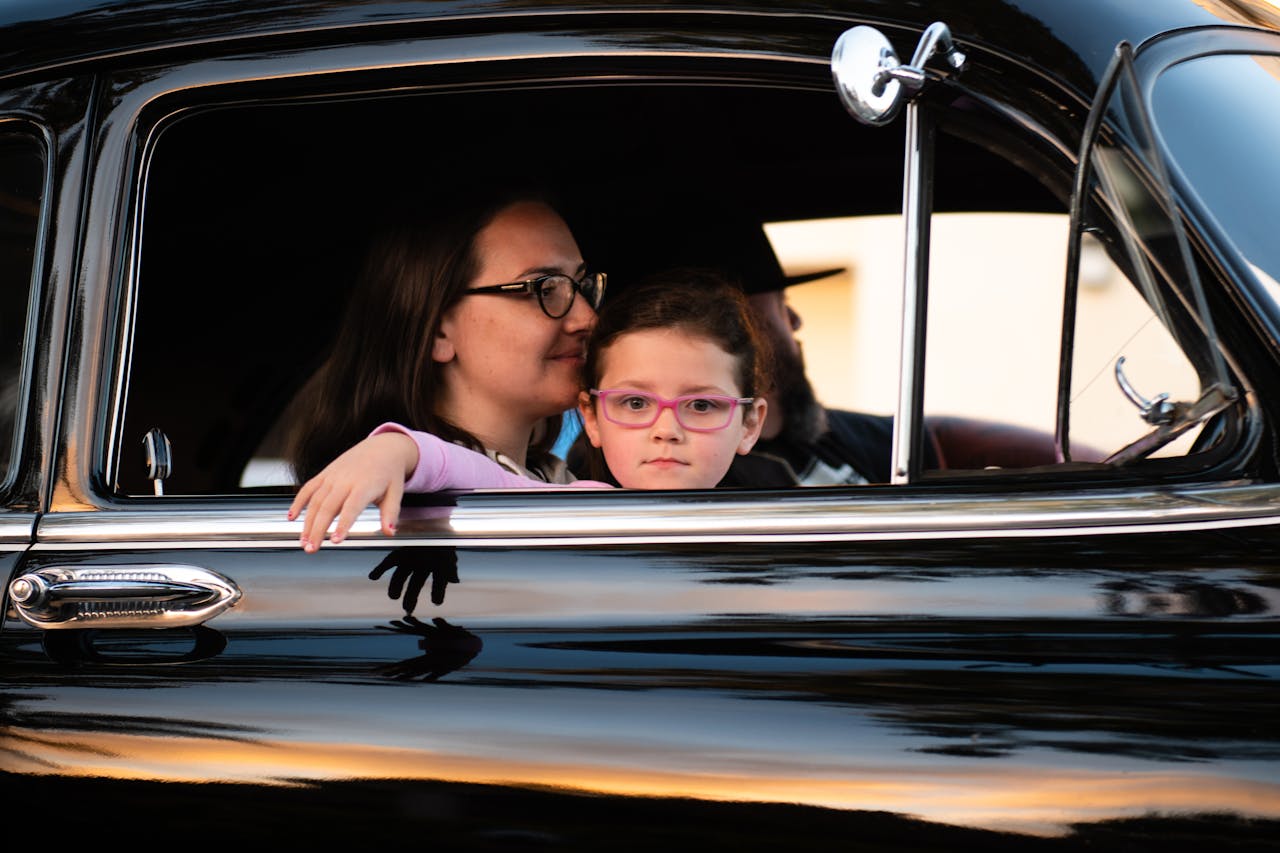
In the 1960s, the family car was freedom on four wheels, carrying kids to drive-ins, ball fields, and cross-country trips guided by paper maps and handwritten directions, with the radio fading in and out. Models like the Ford Mustang, introduced in 1964, and the Chevrolet Camaro, introduced in 1966, made everyday travel feel stylish, even when the destination was just a cousin’s house.
The downside was real: breakdowns were common, air-conditioning was not guaranteed, seat belt habits varied widely, and a single flat tire could strand a family for hours with no quick way to call for help, and tempers could rise in summer heat.
Drive-In Movies Turned Night Air Into a Theater
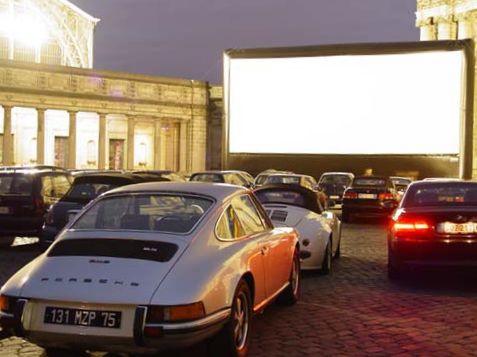
Drive-in movies made entertainment feel like an outing, not a stream, with blankets in the back seat, homemade snacks, and popcorn scents drifting across rows of cars. The screen glowed under open sky, teenagers whispered between scenes, and even the tinny crackle from a hanging speaker box became part of the atmosphere.
The downside was how easily the magic broke: rain, fogged windows, and distracting headlights could ruin the view, while bugs and long bathroom lines tested patience. Sound quality was fickle, and kids often fell asleep halfway through a double feature, then woke up cranky on the ride home for everyone.
School Dances Were Social Earthquakes
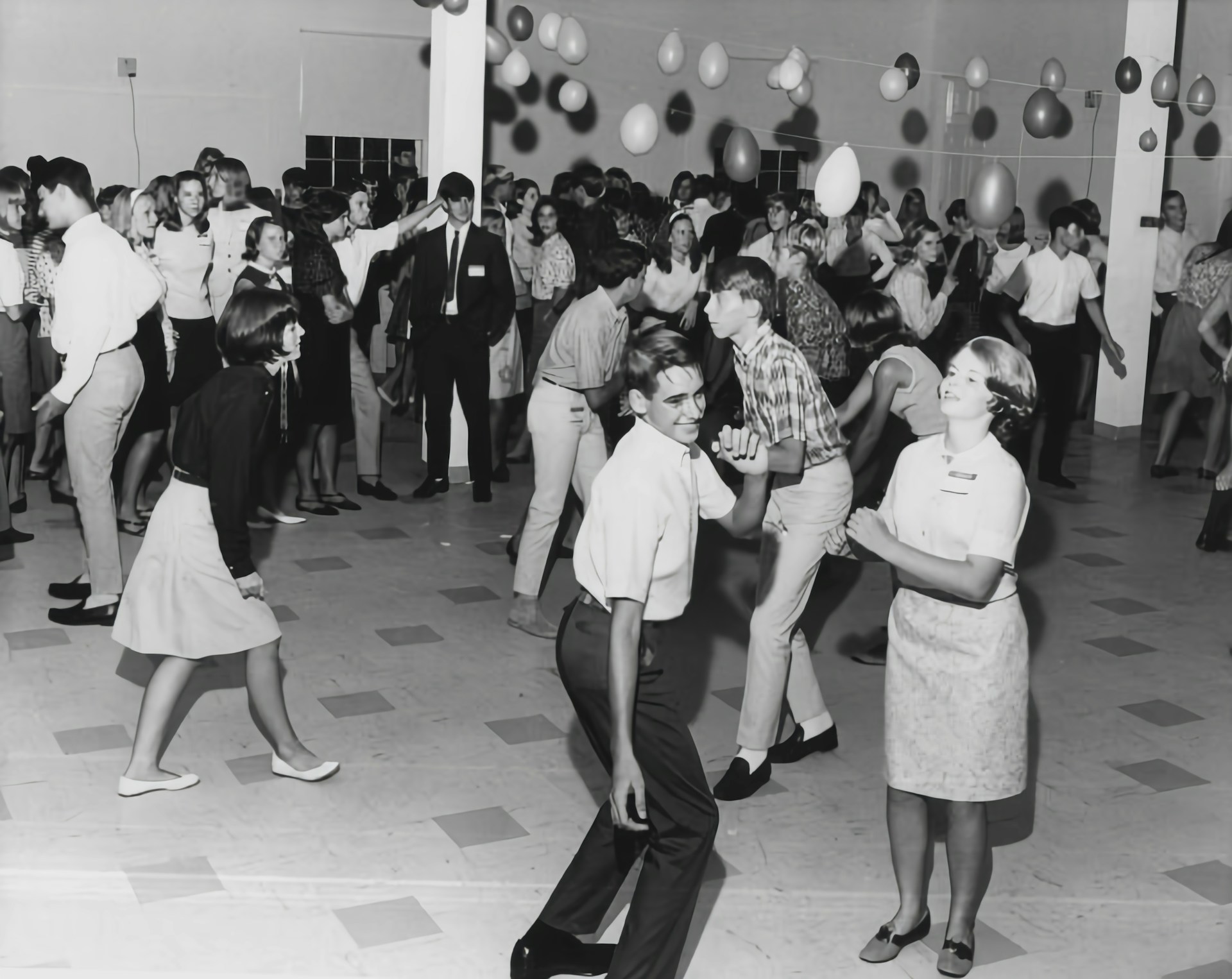
A school dance in the 1960s could feel like a turning point, with Motown hits, The Beach Boys, and a gym lit just enough to make ordinary classmates look new. Chaperones hovered, the punch bowl disappeared fast, and the loudest moment was often the walk from the wall to the floor, when a simple invitation carried real weight, and the aftermath could last for days.
The downside was the pressure baked into the ritual: popularity mattered, rejection was public, and rumors traveled faster than any apology. Rigid expectations about who led, who waited, and how close was “acceptable” could make the night sting more than it sparkled.
Civil Rights News Landed Like a Wake-Up Call
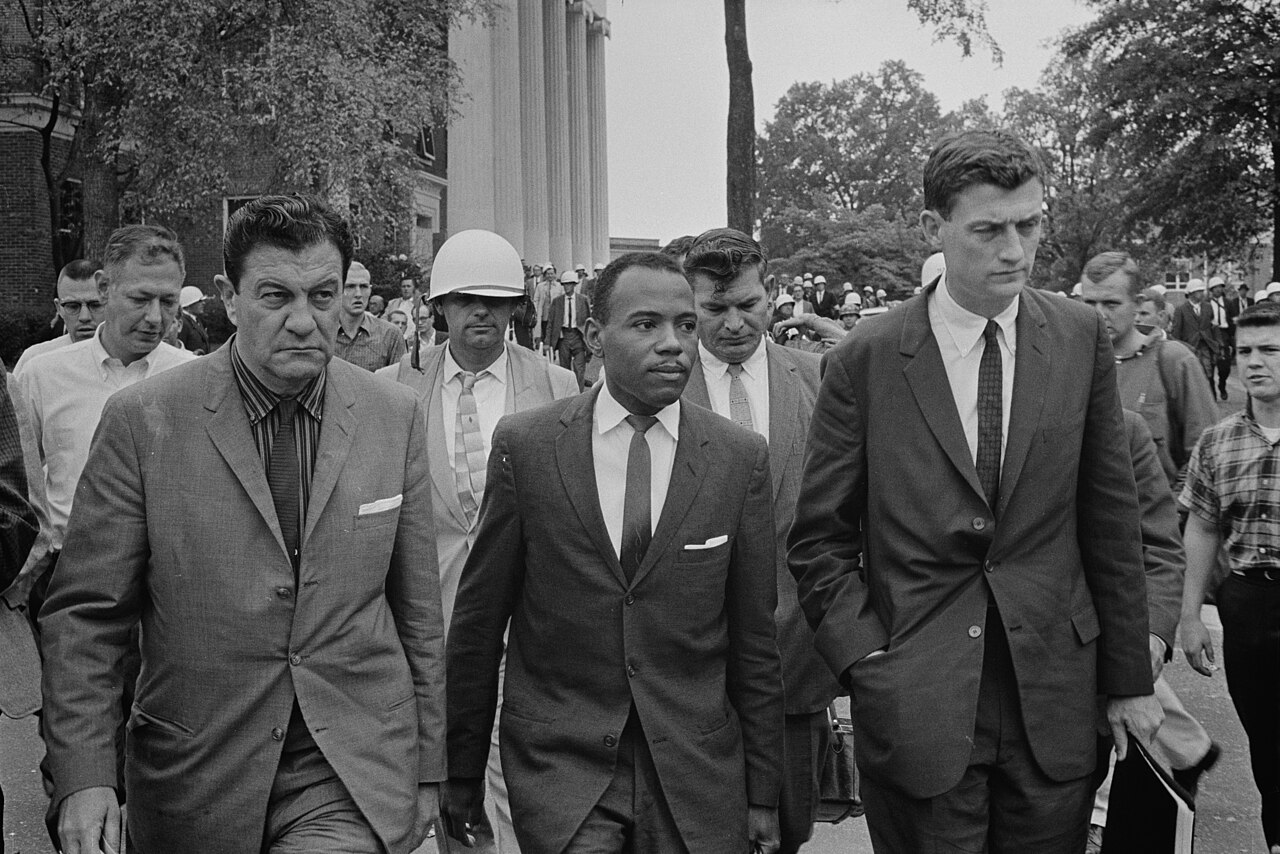
For kids watching the 1960s unfold, the Civil Rights Movement was not abstract history but breaking news, sit-ins, church speeches, and photographs that demanded attention. Events such as the 1963 March on Washington and the Selma marches in 1965 showed ordinary people insisting on dignity, even when the cost was high.
The downside was the emotional weight: headlines could be frightening, adults argued at dinner, and simplified coverage sometimes left little room for context or hope. Growing up around that tension could mature a kid quickly, but it also carried stress that did not disappear after the nightly broadcast.
Hollywood Icons Set the Style Thermostat
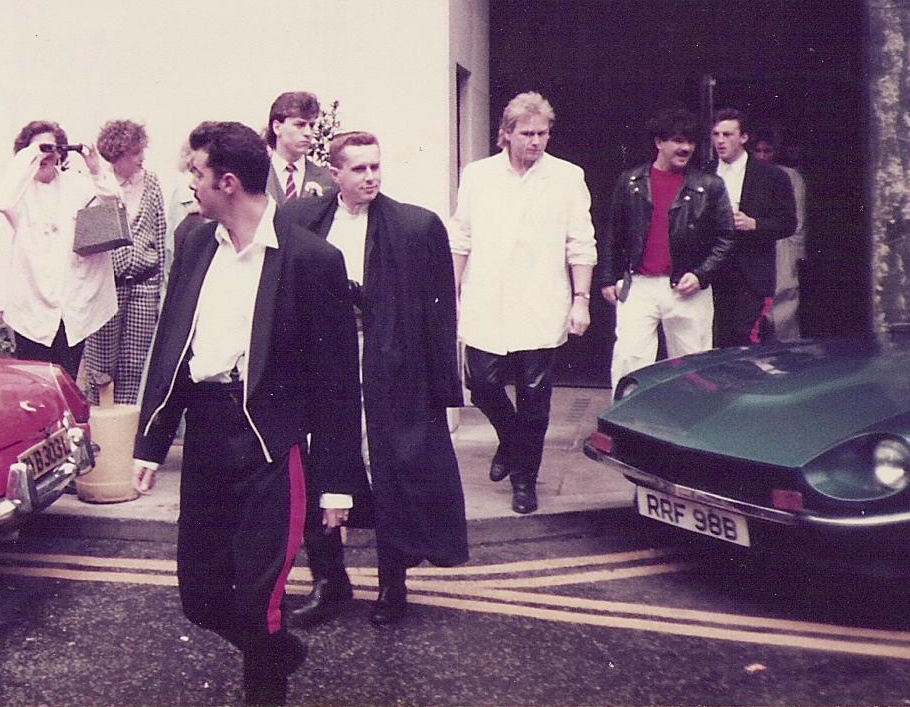
Hollywood glamour in the 1960s lived in magazine pages, movie posters, and clipped photos taped to bedroom walls, turning a star’s haircut or eyeliner into a trend. Audrey Hepburn’s elegance, Marilyn Monroe’s image, and James Dean’s lingering cool helped define what looked modern, confident, and desirable, even for kids far from any studio lot.
The downside was the shadow behind the shine: celebrity culture sold narrow ideals and rewarded perfection over personality. People compared themselves to polished photographs, and gossip turned real lives into entertainment, teaching kids that public approval mattered more than privacy.
School Taught Manners as Much as Math
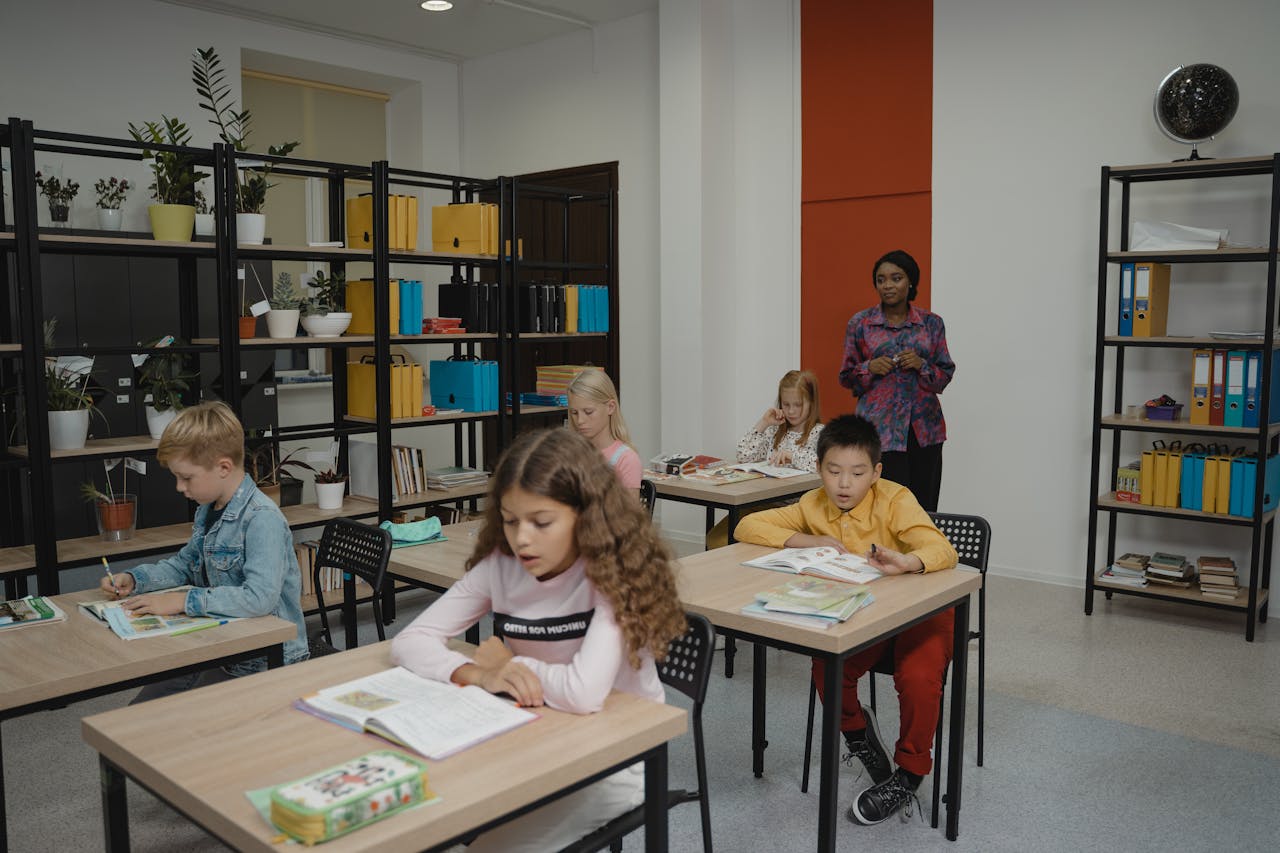
Many 1960s classrooms treated education as character training, with lessons in courtesy, responsibility, and neat handwriting and daily routines alongside reading and arithmetic. Teachers were authority figures and mentors, and recess felt like the day’s true release, a burst of freedom on asphalt and grass.
The downside was how rigid it could be: strict rules left little room for different learning styles, and embarrassment was sometimes used as motivation. Kids learned to comply, but some also learned to stay quiet about struggles, because asking for help could feel like admitting failure.
Rotary Phones Made Every Call a Small Project

Rotary dial phones turned communication into a physical act, with each number spun and released before the next could begin, a pause built into every call. Many homes shared a line, and calls happened in kitchens or hallways, with a short cord that forced pacing while others in the house heard half the story.
The downside was privacy and speed: conversations were rarely truly private, busy signals ended plans without explanation, and long-distance calls could be costly. A wrong digit meant starting over, and in a crisis, waiting for an open line or hunting for a nearby phone could add panic to an already tense moment.