Every childhood comes with a pocketful of rules, warnings, and fun facts, traded between cousins, teachers, cartoons, and well meaning neighbors as if they were permanent laws.
Some were gentle shortcuts meant to keep kids safe, while others were tidy explanations for a messy world, offered quickly because grown ups had work, dinner, and no time for debates after school.
Years later, those early lessons still echo in everyday choices and half remembered jokes, even after science, history, and plain observation show that many were never true, yet they stuck because they sounded simple at the time, to almost everyone then.
Humans Only Use 10 Percent of the Brain

Plenty of kids heard that most of the brain sits quietly idle, waiting for a secret switch to unlock genius, which made daydreaming feel productive and homework feel like untapped potential, too.
Brain scans and injury studies tell a less magical story: different networks work together for language, movement, planning, memory, and emotion, and damage to surprisingly small areas can reshape speech, personality, or balance.
The brain already burns a huge share of the body’s energy even at rest, so evolution has little reason to keep 90 percent of that tissue on standby when every calorie also has to fuel the heart and muscles.
Sugar Makes Kids Hyper

Birthday parties taught a simple equation: frosting equals chaos, and the loudest kid in the room became living proof, at least in family stories shared on the drive home, as if dessert had a motor.
Careful research has struggled to show sugar reliably causes hyperactivity, and when adults believe a snack had sugar, they often rate behavior as wilder even if the drink was sweetened without it or the dose was modest.
Big gatherings can still rev kids up, but the spark is usually excitement, late bedtimes, bright rooms, games, and sometimes caffeine in colas, plus the attention that follows, not sugar acting like rocket fuel.
Cracking Knuckles Causes Arthritis
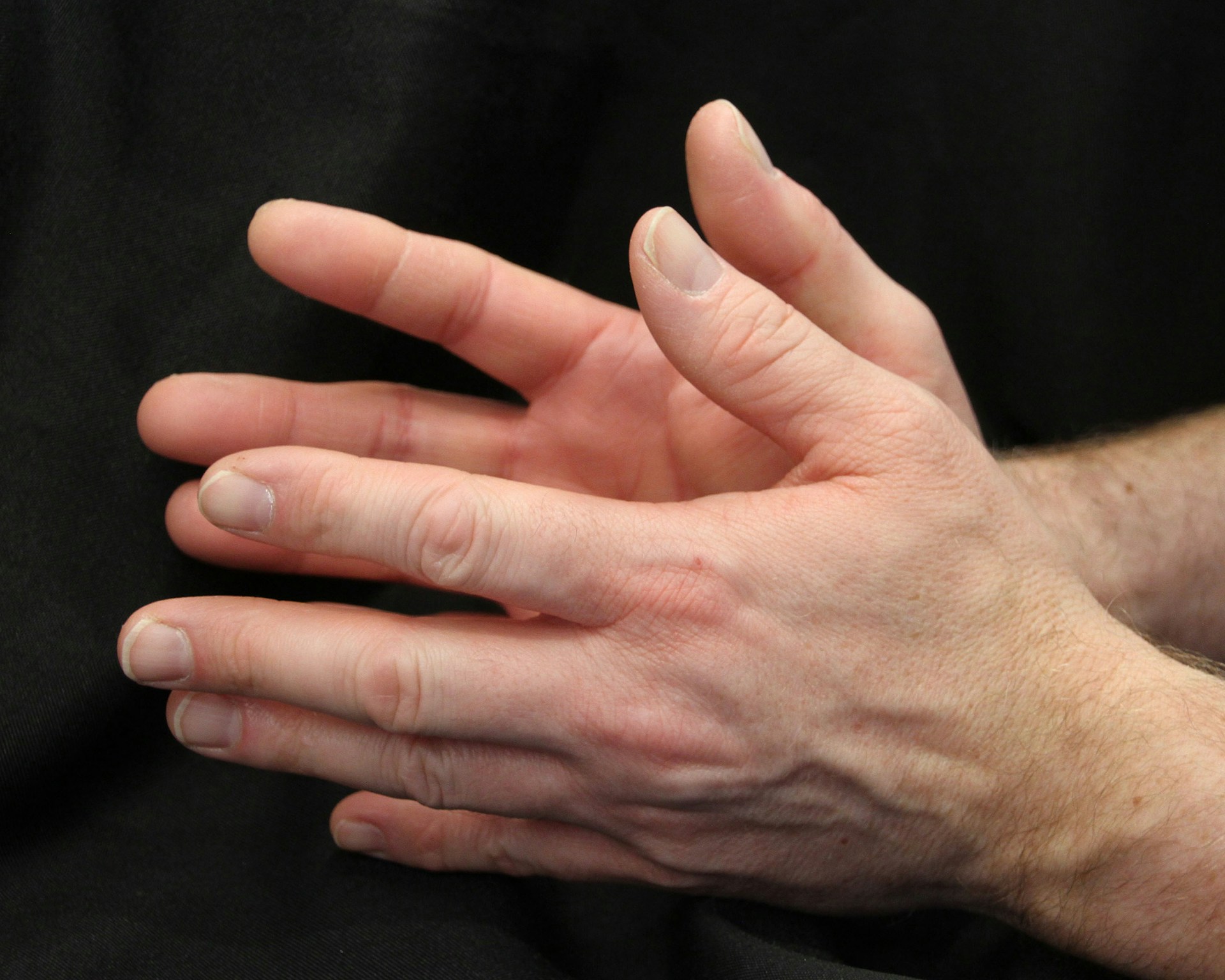
On long car rides or in quiet classrooms, a single pop from a finger joint could trigger a warning that sounded official, as if adulthood would arrive with stiff, aching hands as punishment for fidgeting.
Studies that tracked habitual knuckle crackers have not found higher rates of arthritis just from the sound, which mostly comes from pressure changes that form and collapse tiny gas bubbles in joint fluid, not bones rubbing together.
The habit can still annoy a room, and some people feel brief soreness or swelling, but the bigger risks to joints are injuries, heavy repetitive strain, and time, not a crack that lasts a second.
Swallowed Gum Stays in the Body for Seven Years

One accidental gulp of bubble gum could turn into days of quiet worry, fueled by the classic claim that it would sit inside the body for seven years, stuck to the ribs like a cartoon prank.
Gum base is not digested like bread, but the stomach and intestines are built to push stubborn material forward with steady muscle waves, and most swallowed pieces exit within a few days like corn kernels or seeds, even if the gum stays rubbery.
Clinicians mainly worry when a child swallows lots of gum or combines it with other objects, creating a blockage risk, so the real lesson was moderation and calm, not a ticking internal clock.
Bulls Hate the Color Red

Cartoons and sports clips made it seem like red fabric flips a switch in a bull, turning a calm animal into a charging force with a personal grudge, as if eyesight alone could start a fight.
Cattle are largely red green colorblind, and in bullfighting the animal reacts to the cape’s movement, the matador’s stance, and repeated provocation, not to a special rage triggered by a shade of cloth.
Red stuck as the villain because it reads as danger to humans and photographs well, too, and tradition may hide stains, but the more accurate takeaway is simple: sudden motion, stress, and pressure can push many animals to defend space.
Shaving Makes Hair Grow Back Thicker and Darker
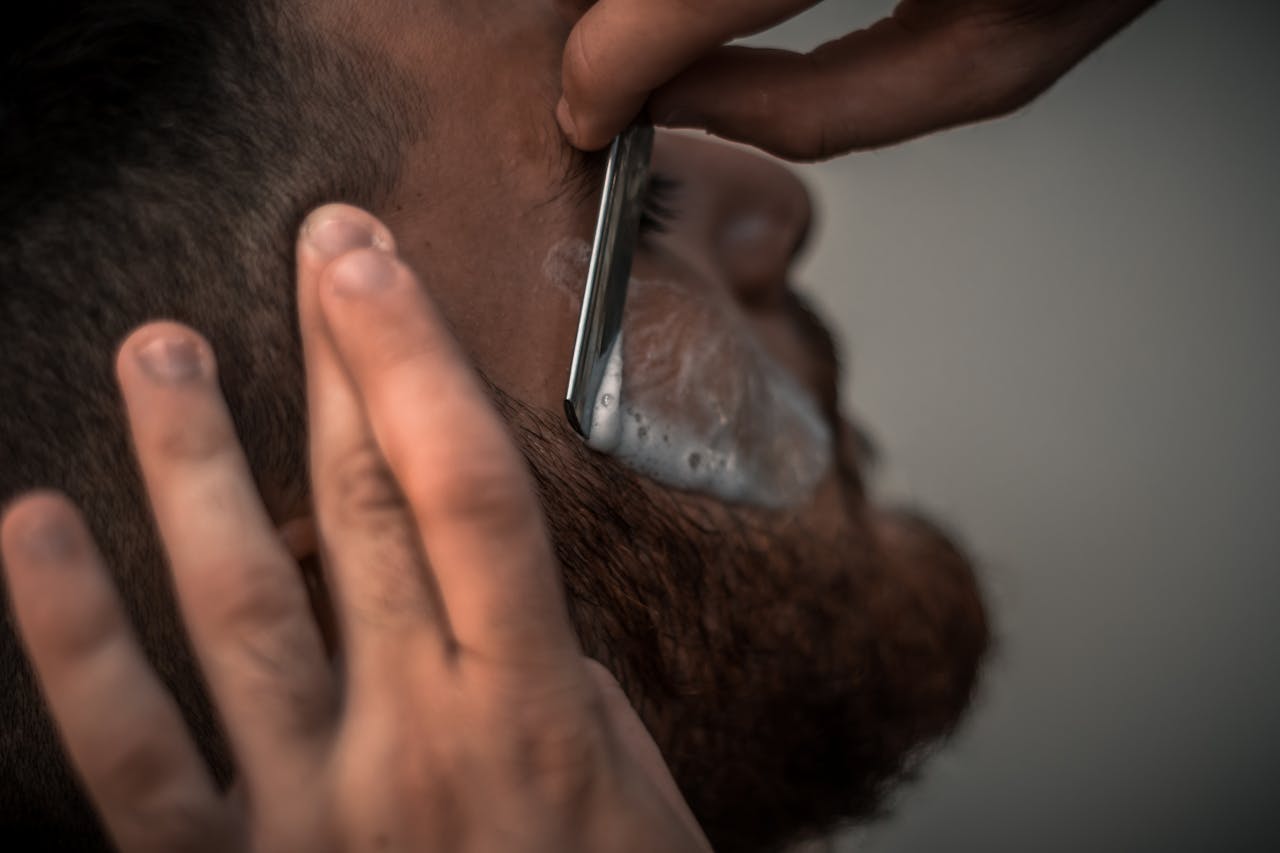
Early razor lessons often came with a scare story: shave once and hair will come back darker, thicker, and harder to control, so it was better to leave it alone and avoid starting a lifelong battle.
Hair does not change its growth rate or thickness because of shaving, but a blunt cut end can feel coarser against skin, and short stubble looks darker than tapered, sunlight softened tips that had months to wear down.
The myth survives because the before and after window is so obvious in a bathroom mirror, yet the follicle under the skin sets the real rules, shaped by hormones, genetics, and age, not by what happens at the surface.
Goldfish Have a Three-Second Memory
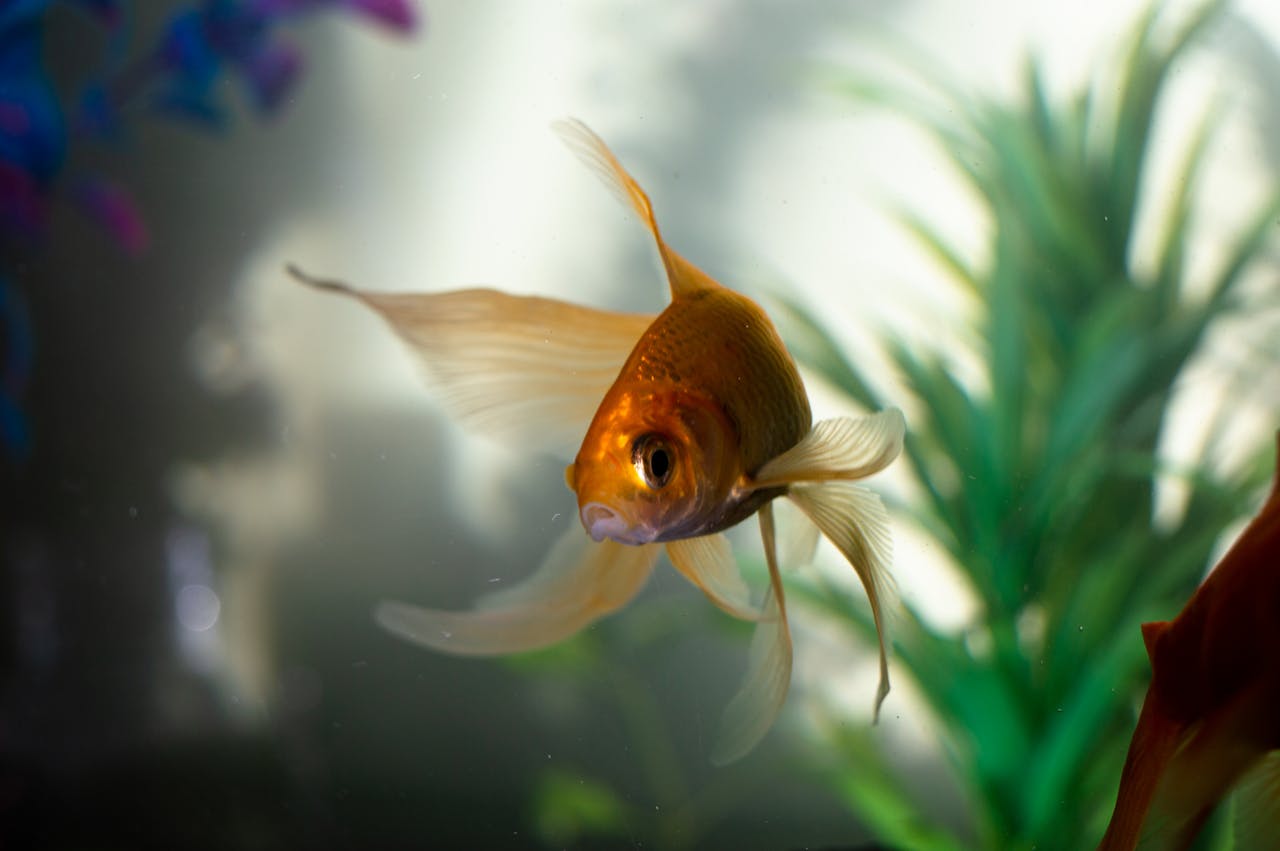
Kids repeated the three-second goldfish memory line to explain why a fish could circle a bowl all day without getting bored, and it became a quick joke about forgetful people told at dinner and in school hallways.
Experiments and everyday training show goldfish can learn routines, recognize feeding cues, distinguish shapes and colors, and remember simple tasks for weeks or longer, especially when rewards and patterns stay consistent.
That truth does not turn a fish into a genius, but it shifts the story: an animal in a tiny tank is not forgetful so much as confined, living in a cramped loop that humans chose for decoration.
Carrots Give Super Night Vision

Many kids were told carrots were basically night vision goggles, so snack time became a bargain: crunch now, see better in the dark later, and maybe stop bumping into furniture during power cuts.
Vitamin A is essential for healthy eyes because it supports the chemistry of light sensing cells, and severe deficiency can harm vision, but extra carrots do not stack into superhero sight once the body already has what it needs.
The myth got a boost during World War II, when talk about pilots and carrots helped distract from new radar advantages, and it stuck because it made vegetables sound like secret powers with a simple price.
Cold Weather Causes Colds

Winter warnings were clear: go outside with wet hair, skip a jacket, or sit near a draft and a cold would follow, as if chilly air itself carried the sniffles and could punish a kid by morning.
Colds are caused by viruses, not temperature, but colder months can still bring more illness because people crowd indoors, schools stay in session, windows stay shut, and dry air may help some viruses travel and linger.
Cold can also add stress when sleep is short and routines slip, so the folk rule was not totally random, it just blamed the weather instead of germs, crowded rooms, and habits that change with the season for weeks.
Lightning Never Strikes Twice

Storm advice sometimes carried a strange comfort: lightning does not hit the same place twice, so one strike meant safety, at least for that spot, and fear could be folded away like a wet umbrella.
Nature does not work that way, and tall objects are frequent targets because they offer an easier path for electrical charge to meet the ground, which is why towers and skyscrapers can be struck many times in a single year.
The useful lesson is practical rather than poetic: when thunder is nearby, open fields, lone trees, metal fences, and exposed ridgelines stay risky until the storm has clearly moved on and the sky has gone quiet.
The Great Wall Is Visible From Space

School trivia made the Great Wall sound like a line so bold it could be seen from space with the naked eye, a human signature written across the planet that proved people could outscale nature.
Astronauts have explained that the wall is hard to pick out without cameras and ideal light because it is narrow, follows natural earth tones, and blends into surrounding terrain, while coastlines, deserts, and city lights stand out far more.
The wonder is not in its visibility from orbit but in its scale on the ground: centuries of labor, shifting borders, and communities shaped by the idea of building a frontier, one stone at a time.
Blood Is Blue in the Veins
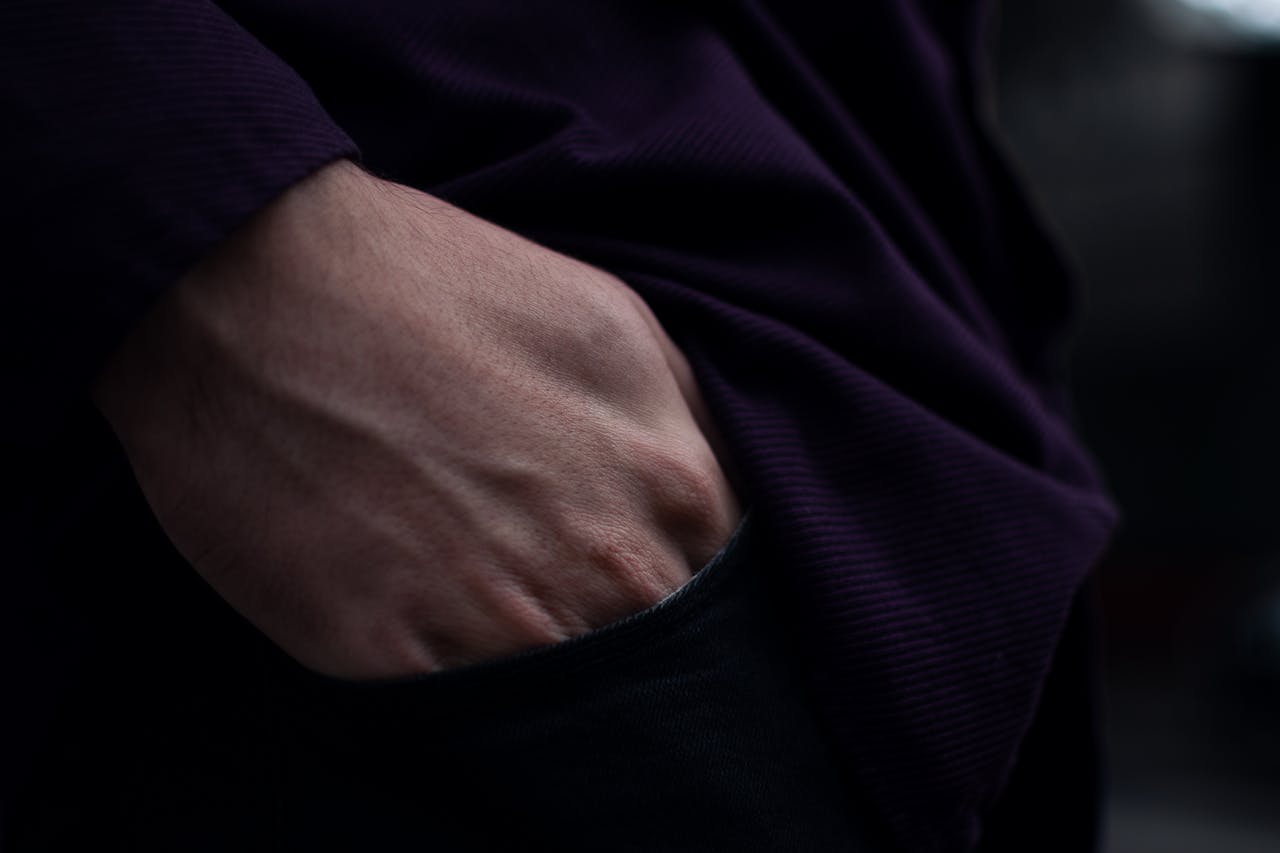
Someone always claimed blood was blue inside the body and only turned red when it met air, a neat fact passed around at recess that made scraped knees feel like a science demonstration on the way home.
In reality, human blood is red because of hemoglobin, and it shifts from bright red when oxygen rich to a deeper maroon when oxygen is lower, but it is never truly blue, even in deep veins.
Veins can look blue or green through skin because of how light is absorbed and scattered in tissue and because surface blood vessels sit under layers that filter color, so the myth was born from a glance and repeated often as certainty.
Bananas Grow on Trees
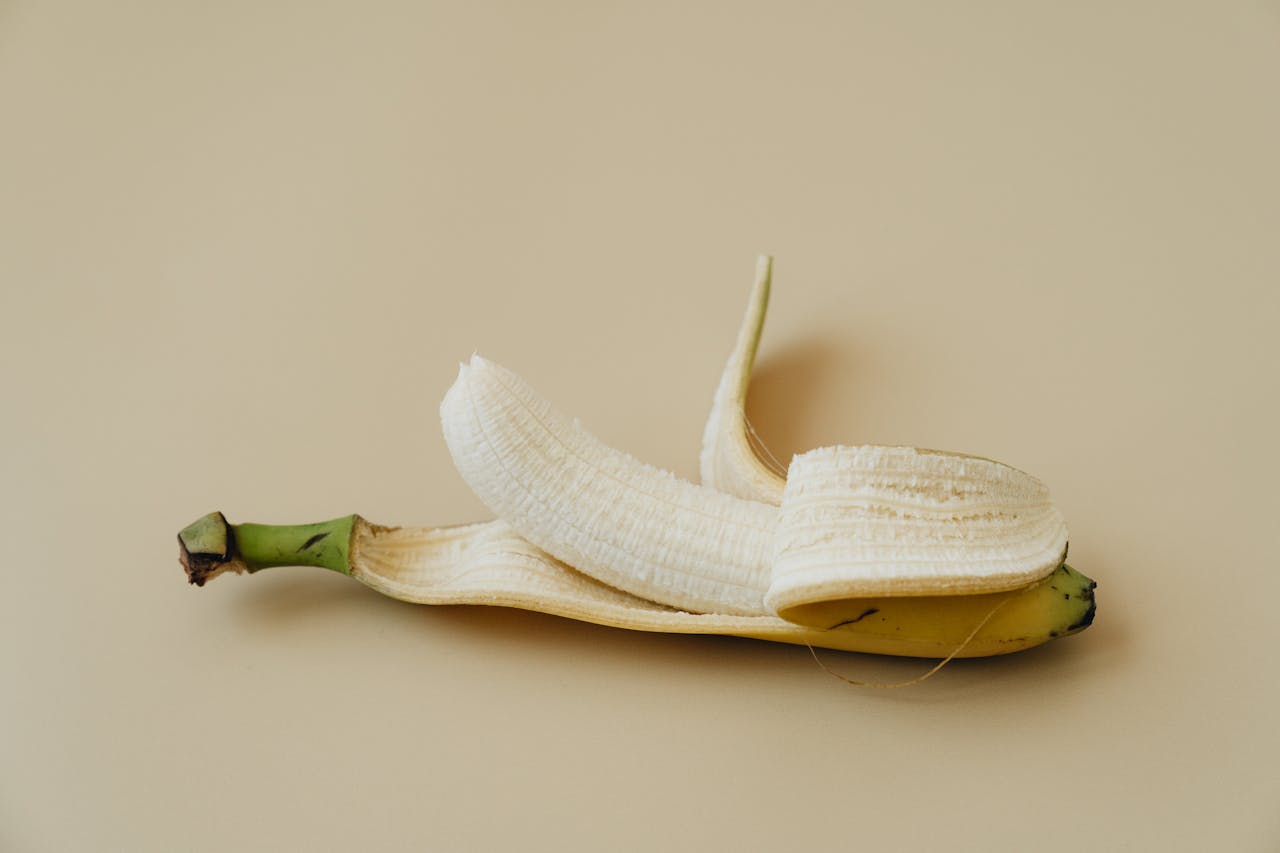
Bananas seemed like proof that some trees were just better than others, and the plant in pictures looked close enough to a palm to settle the question for most kids staring at a lunchbox sticker.
Botanically, the banana plant is a large herb, not a woody tree, and its trunk is a pseudostem made of tightly layered leaf bases that can grow quickly, fruit once, and then die back while new shoots rise from the same underground stem.
It is a small detail, but it changes how people see farms and gardens: familiar foods come from living systems with odd rules, and the labels learned early are often just convenient shortcuts passed along.