Nature often hides its real power in plain sight. In many species, females carry the tools that matter most: larger bodies, stronger chemistry, sharper instincts, and fierce protection of young. The difference is not drama; it is biology doing math.
Males may look flashier or louder, but the stakes often sit with females, who must hunt, defend, and survive long enough to raise the next generation. That pressure can make their bites, stings, and decisions more serious, and it can shape whole ecosystems around their choices. When danger feels sudden, it is often a female doing her job. The pattern repeats across habitats.
Black Widow Spider
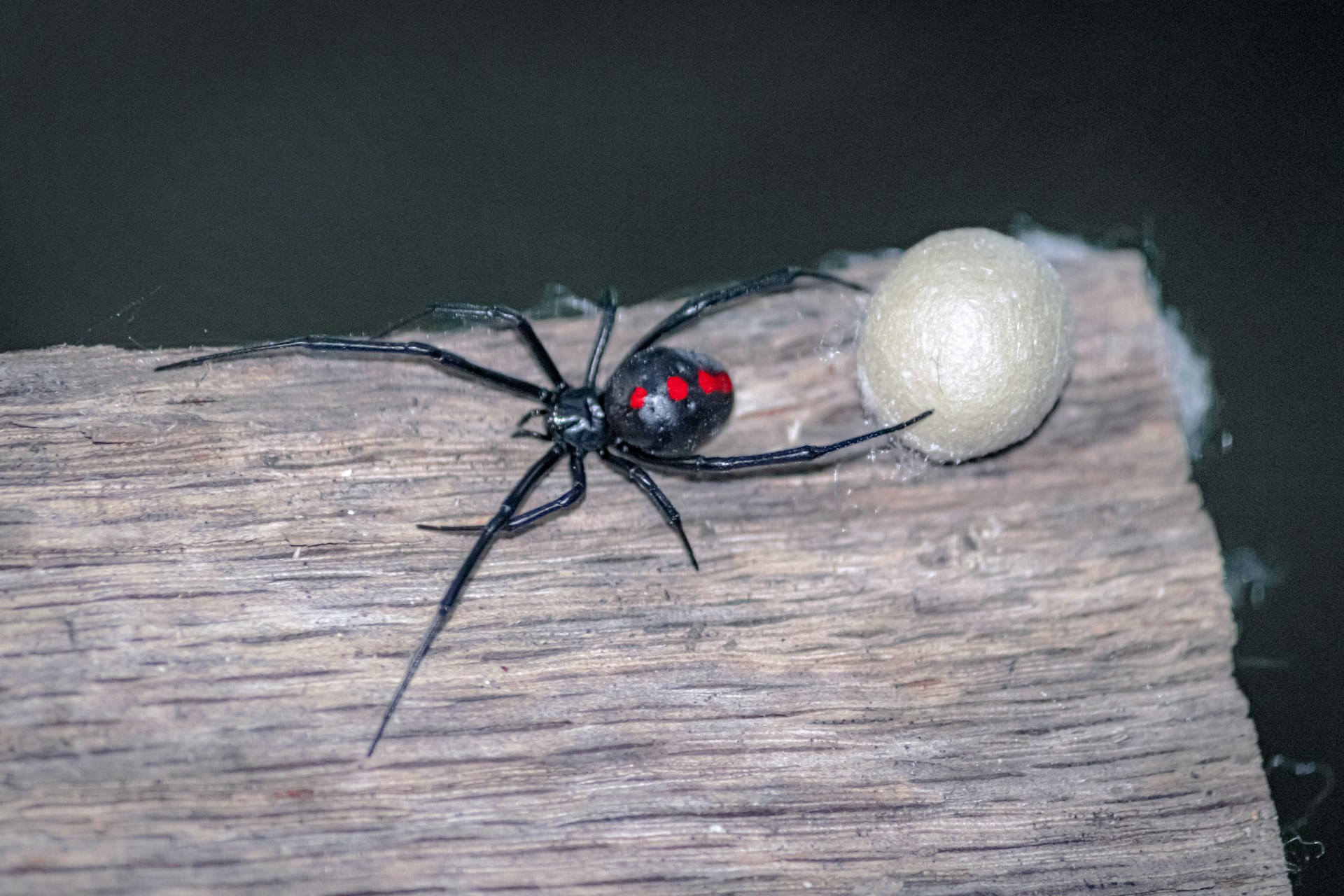
Female black widows earn their reputation because the female is larger, glossy, and built to deliver a medically significant neurotoxic venom, while the male is small, timid, and more suited to wandering between webs than fighting.
Bites are uncommon, yet a female guarding her web or egg sac may defend herself if a hand reaches into a shed corner, patio chair, or woodpile where she is tucked away, and the venom can trigger intense muscle tightness and other nerve-driven symptoms. Even the species’ famous mating story underlines the imbalance: the female sets the terms, and the male is the disposable one by design, not drama.
Praying Mantis
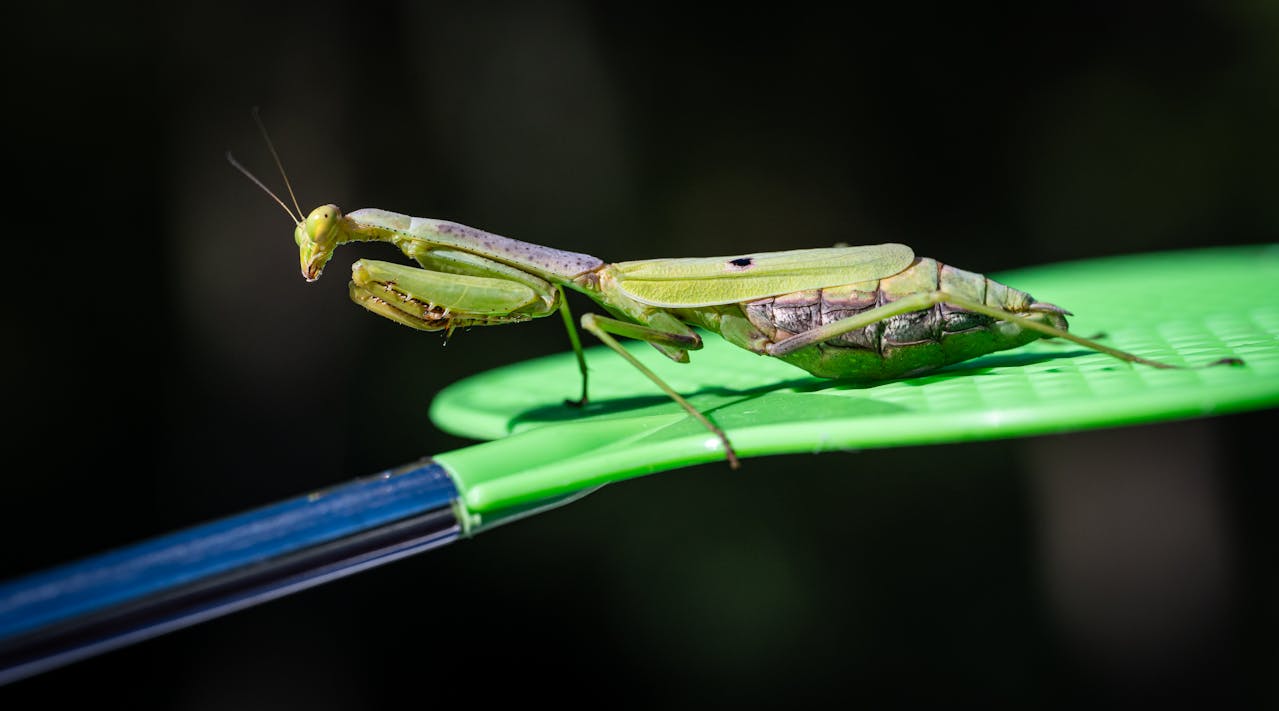
Female praying mantises are usually larger and heavier than males, with forelegs built like spring-loaded clamps, a swiveling head that tracks movement, and camouflage that lets them wait in plain sight until the strike lands.
During breeding, some females eat their mates, a behavior linked to nutrition and timing rather than malice, and the male often approaches with cautious, stop-and-go steps because the female’s hunger and reflexes can overlap. Afterward, the female’s energy funnels into foam-like egg cases, and her appetite keeps her hunting boldly, sometimes taking prey nearly her own size while males mostly drift and vanish.
Spotted Hyena
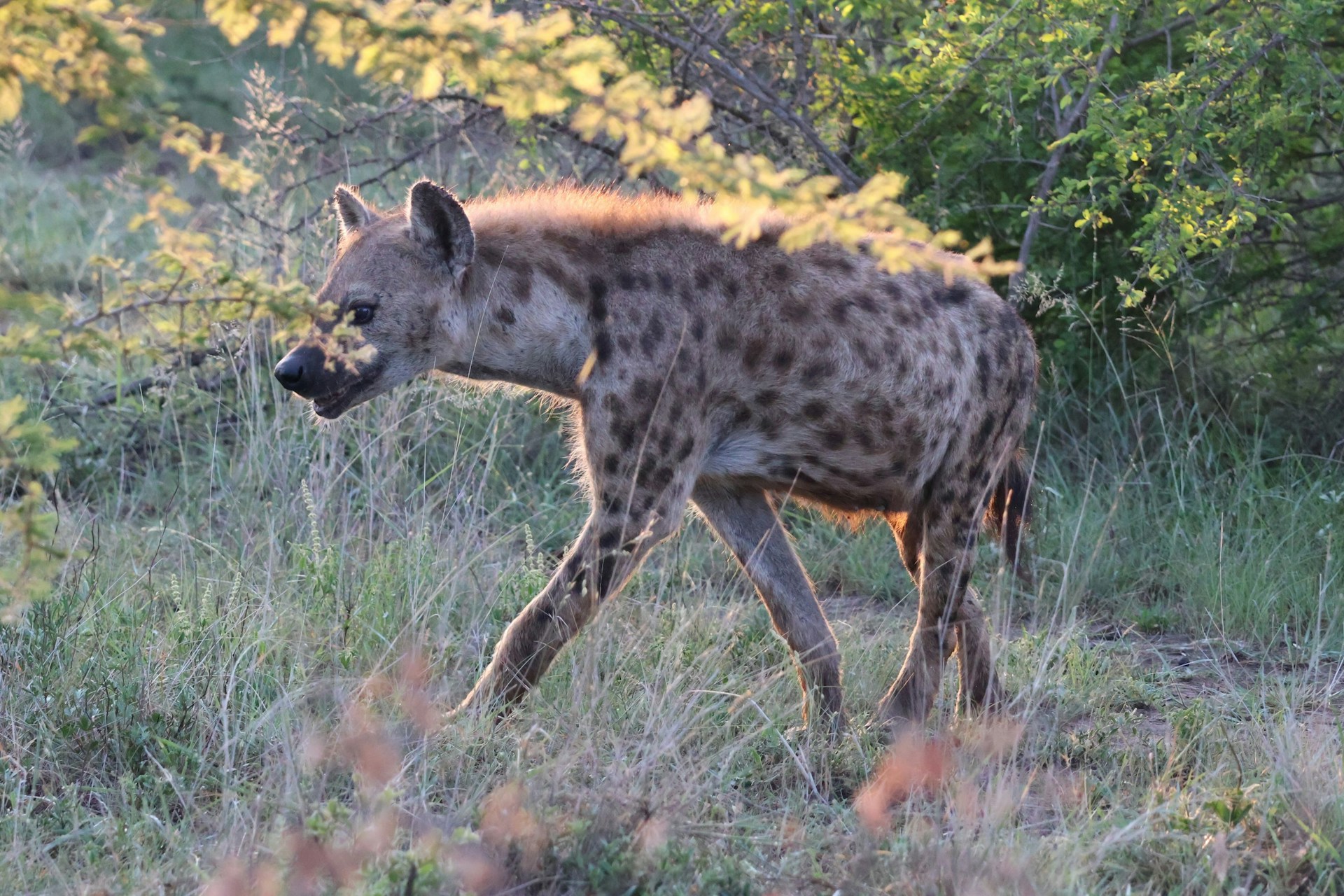
In spotted hyenas, females write the social rules: they are larger than males, dominate the clan, and pass rank through mothers, while higher exposure to androgens helps shape the bold, competitive edge that keeps them on top.
That power shows up in who eats first, who holds territory, and who leads hunts, den disputes, and confrontations, with females often driving clashes through nerve, coordination, and a bite built to crush through tough food. Males learn to read female rank early, because in a matriarch-led society the safest choice is often to yield quickly and avoid turning a warning into a full challenge for everyone.
Lion
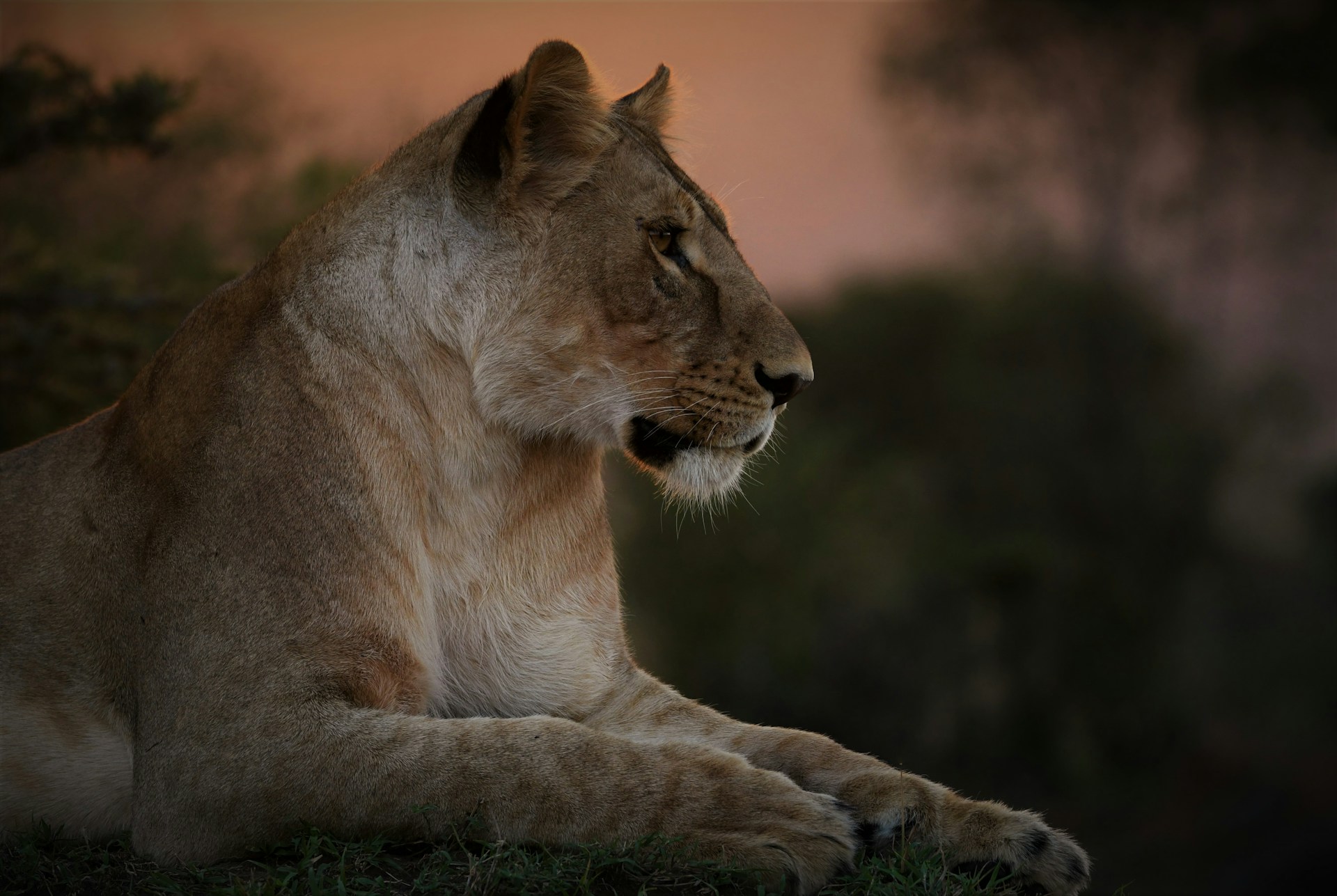
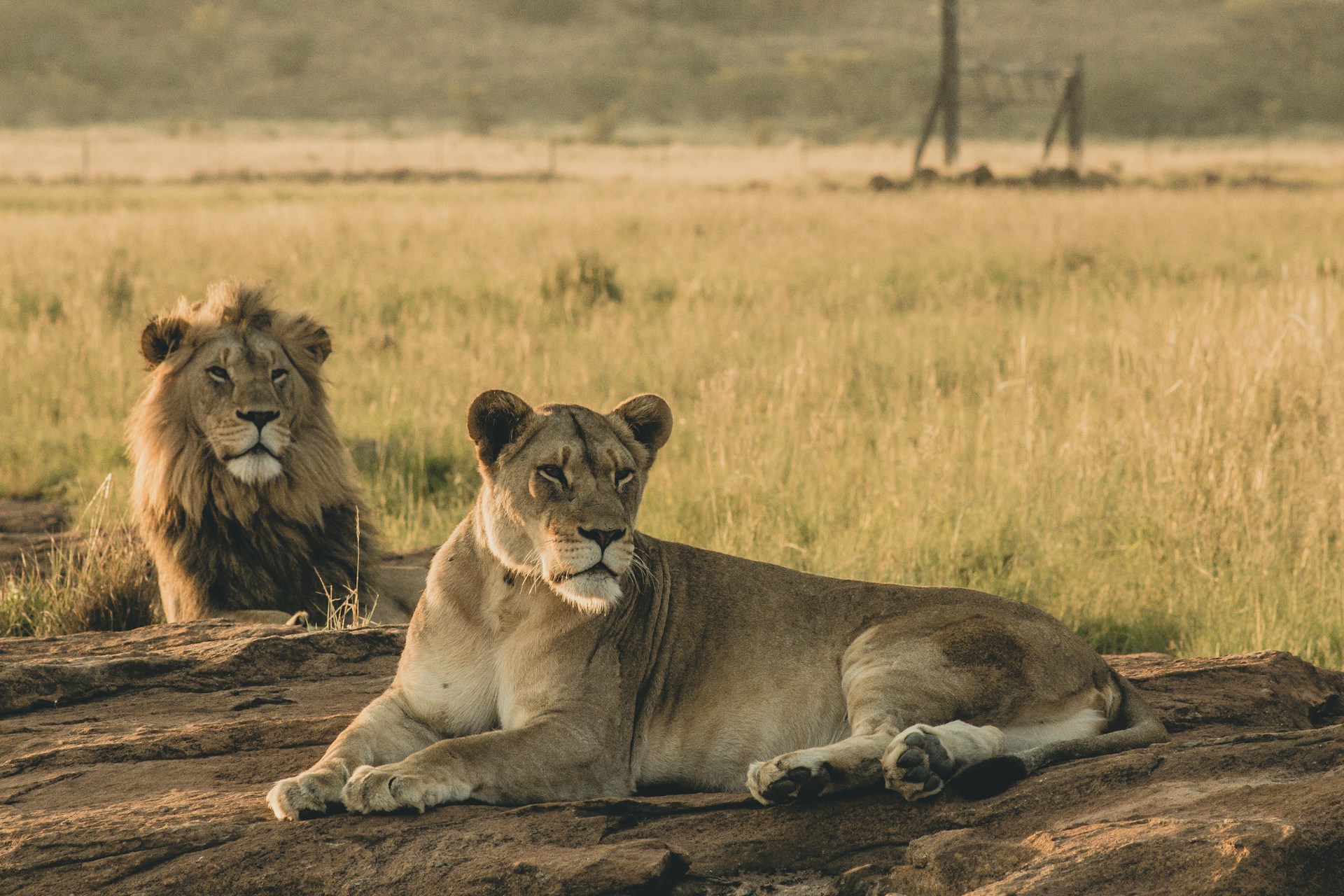
A lion’s mane draws eyes, but lionesses supply the danger that keeps a pride fed, since females do most hunts and coordinate like quiet teammates, flanking through tall grass at dawn or dusk to cut off every escape line.
They also guard the pride’s core, reacting first when hyenas crowd the kill or rival lions drift in, because cub survival is their daily calculation, and they teach young lions how to stalk by example. A male may finish a high-stakes dispute, yet the lioness sets the everyday tempo of pressure, from patient tracking to the final burst that decides the meal and keeps everyone alive through lean weeks.
Green Anaconda
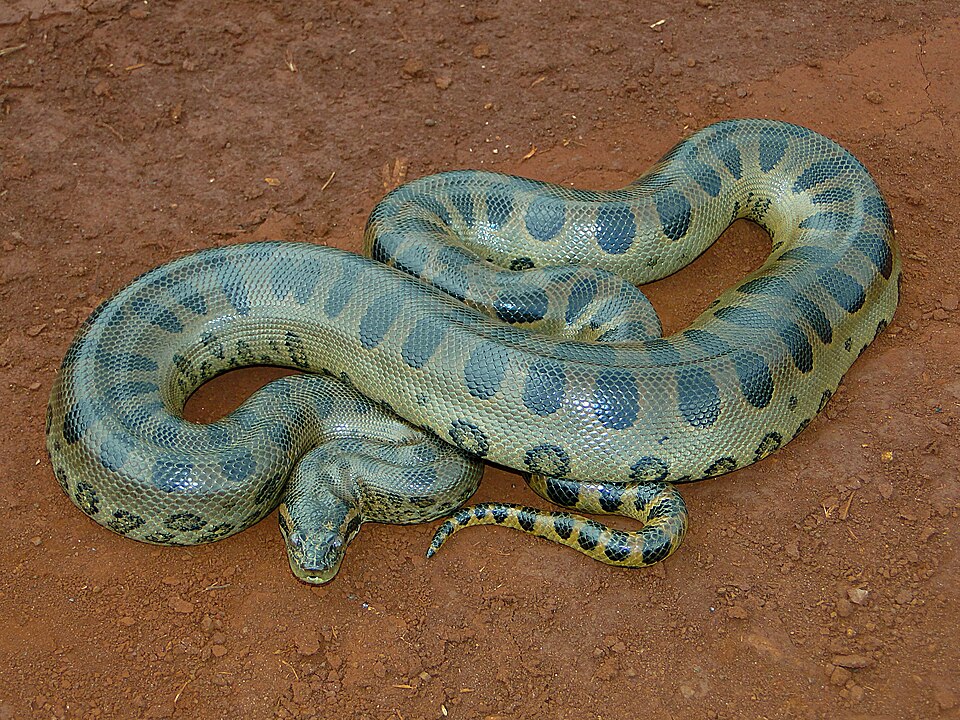
With green anacondas, size tells the story, because females can grow far larger than males, turning rivers and flooded forests into a zone where one body can control a long stretch of shoreline and slip through water almost unnoticed for hours.
A big female waits with eyes and nostrils high at the surface, in murky channels, then grabs and constricts prey with patient force, while slimmer males spend more time roaming and courting than feeding. Breeding seasons can draw several males to one female, which says plenty about the balance of power: the female is the bigger appetite, the bigger presence, and the bigger risk.
Great White Shark
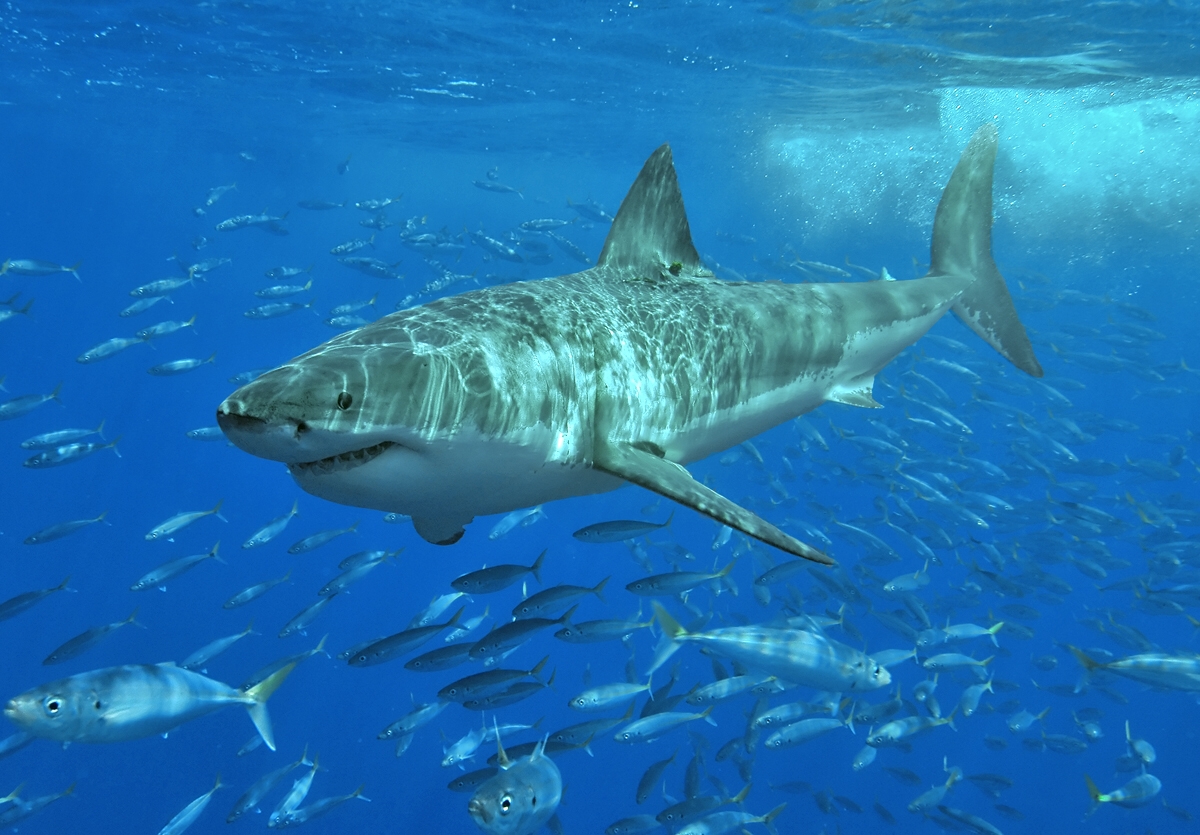
In great white sharks, females tend to grow larger than males and mature later, and that extra mass means more muscle, more momentum, a wider bite, and more authority when hunting powerful prey along busy coastlines.
The biggest individuals recorded are often females, and the energy demands of reproduction can steer them toward richer feeding grounds where seals and large fish offer a better payoff. Males may roam and compete, but the female’s size turns the same surge and snap into a heavier event, with more reach and force behind it, which is why her presence can reshape a local food web over long stretches of water.
African Elephant
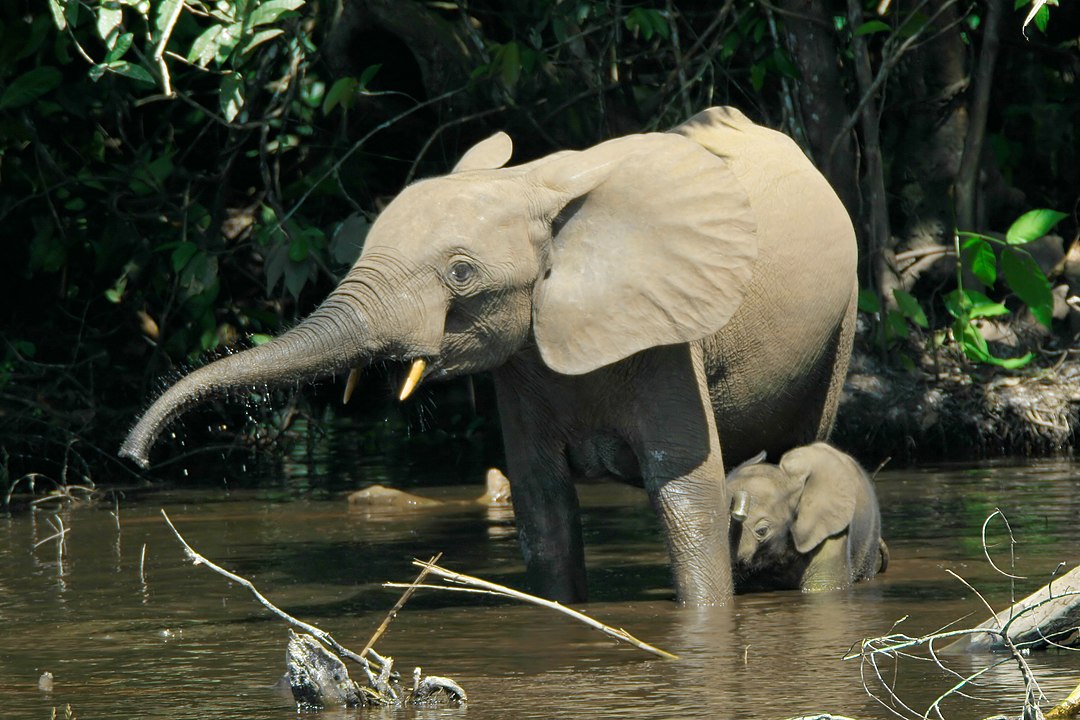
Elephant danger is often maternal, because female elephants live in family groups led by a matriarch whose decades of memory guide the herd to water, shade, and safer routes, while many males eventually drift into looser bachelor lives.
When trouble appears, cows coordinate fast, forming a wall of bodies and tusks while calves are tucked behind, and low rumbles and trunk touches help them stay organized under stress as one unit, too. Bulls can be imposing, yet the most urgent charges and the longest standoffs usually come from females protecting their own, without hesitation, and deciding when the herd finally moves on.
Honey Bee
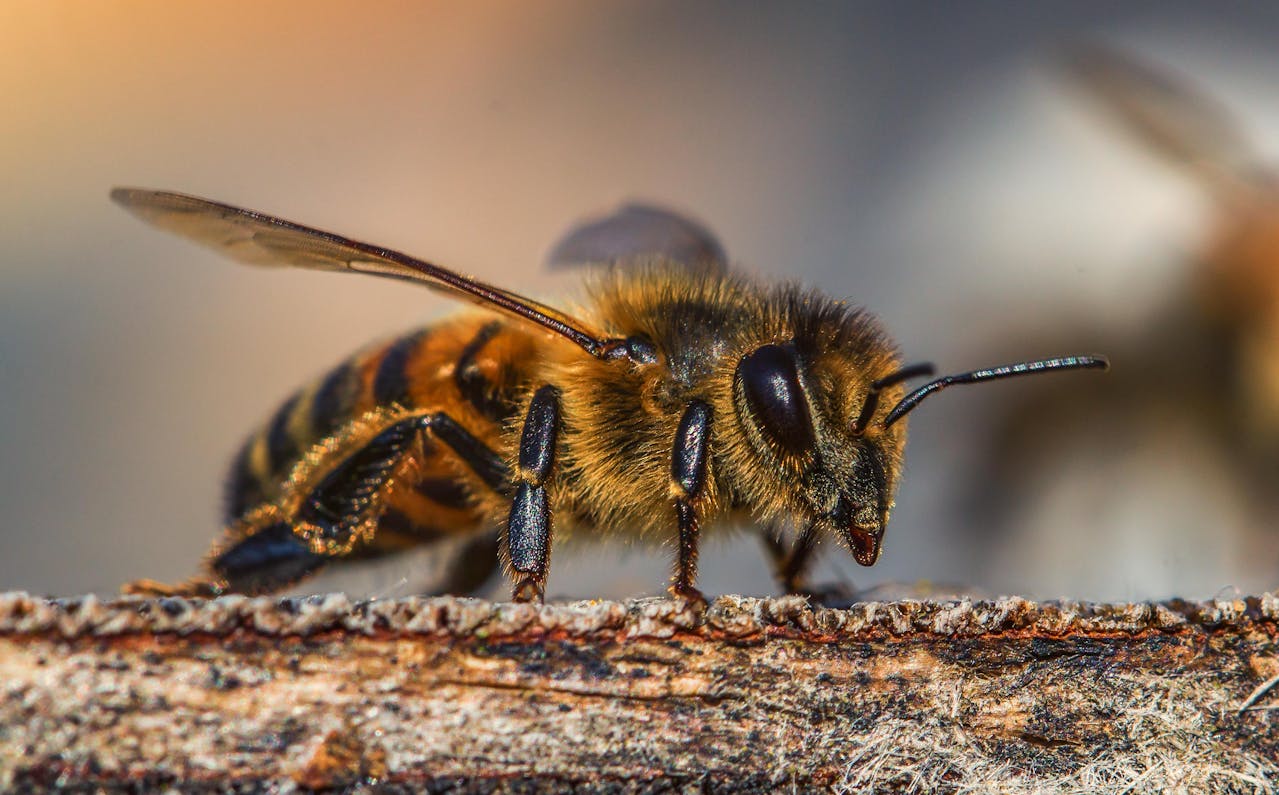
In a honey bee colony, the defenders are female by design: worker bees are all female, and the stinger is a tool built for guarding brood and food stores, not for display or dominance.
Male drones lack stingers and focus on mating flights, so the risk around a hive comes from females acting as a coordinated unit that reads scent, vibration, and alarm pheromones, then swarms toward the source with remarkable speed, almost instantly. The queen is protected rather than deployed, which leaves workers and guards at the entrance to decide how far to escalate, especially when nectar is scarce or hot weather keeps the hive edgy.
Mosquito
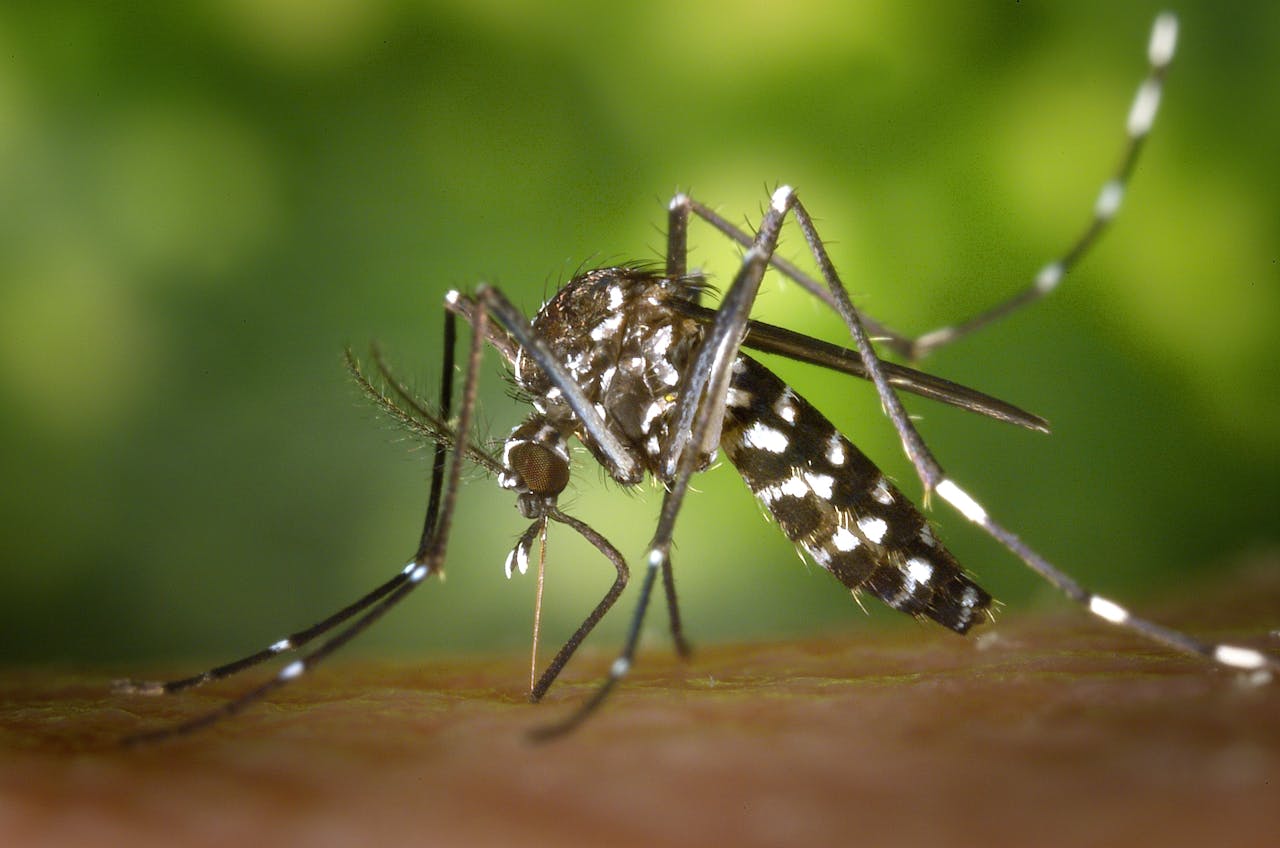
A mosquito’s bite is a female job, because only females need protein from blood to develop eggs, while males stick to nectar and plant sugars and rarely bother animals at all.
Females track CO2, warmth, and skin scent with uncanny precision, then feed and return to lay eggs in standing water, a routine that can also spread pathogens and cause serious illness across many regions. The male is mostly harmless background noise, but the female’s biology links wetlands, gutters, and neighborhoods to clinics in the same chain, repeating whenever warm nights and puddles overlap, especially after rain or irrigation keeps water around.