
A home inspection looks objective on paper, but the work is full of judgment calls and tight boundaries. An inspector is hired to report observable conditions, not to referee a deal, predict the future, or comment on taste. That gap between what is noticed and what can be written is where most anxiety lives, especially when decisions move fast.
Over time, inspectors learn to read patterns: tiny shortcuts that hint at bigger habits, and small clues that suggest where money will be spent next. These are the hard truths they often share verbally, not because they are secretive, but because good reporting has rules.
Small Neglect Becomes A Pattern
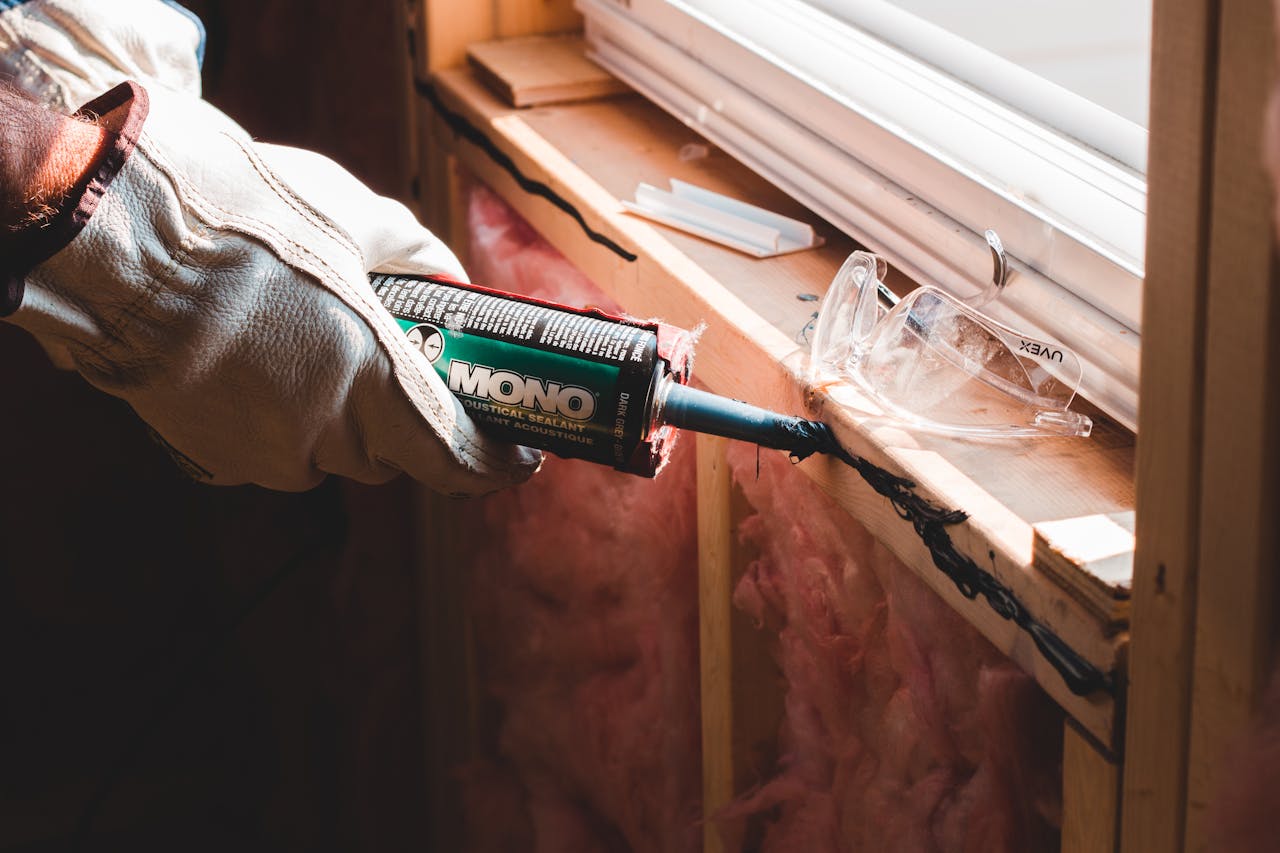
Neglect Shows Up In The Small Stuff: loose doorknobs, missing caulk, dirty filters, and a stuck window. None of it is dramatic, yet together it signals a home that has been run on minimum effort. Even the yard can tell the story when gutters overflow, downspouts dump water at the foundation, and paint peels early.
Inspectors can list each defect, but they cannot write the obvious conclusion about habits and priorities. What often gets said out loud is simpler: a house reflects a routine. When that routine is absent, hidden systems are usually neglected too, and the first year becomes a parade of quietly expensive surprises.
DIY Shortcuts Leave Predictable Clues
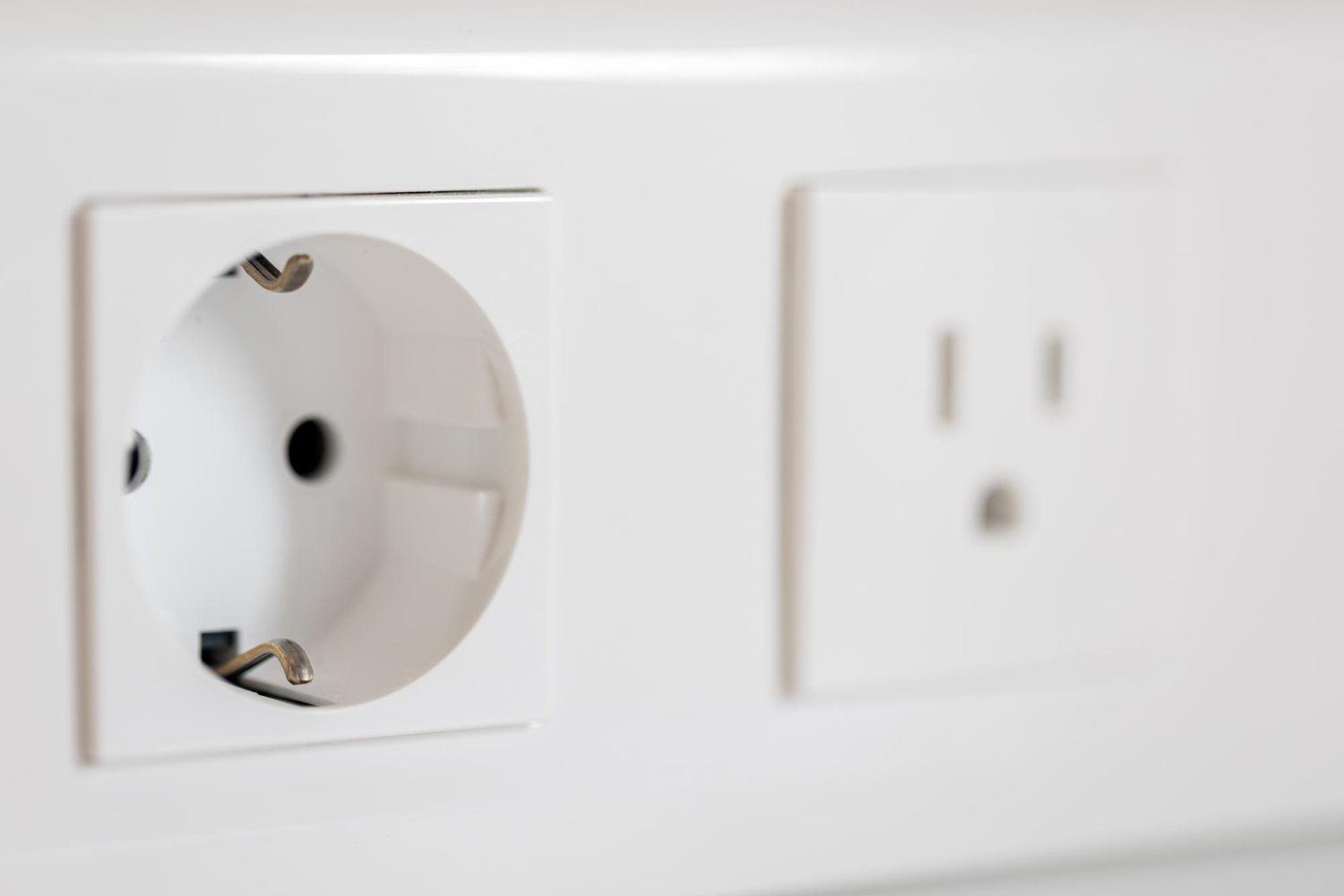
DIY projects can be perfectly fine, but inspectors notice the tells: uneven tile, missing GFCI protection, loose railings, and wiring that looks improvised. The report can describe defects, yet it cannot grade the homeowner’s skill or guess what is hidden behind finished walls.
What usually gets said in conversation is about risk management. Unpermitted work can complicate insurance claims and future sales, even when it functions. Rules vary, so inspectors avoid legal promises and stick to observations. Many will urge checking permits and having a licensed trade confirm anything that touches structure, gas, or electrical systems.
The Report Cannot Make The Decision

Many clients want a simple verdict, but an inspection is not a pass-fail exam. Inspectors can explain safety concerns, budget priorities, and likely maintenance, yet they cannot tell anyone to buy or not buy a home.
In writing, value judgments can be mistaken for legal advice or a guarantee. Inspectors are also not the deal team, so they avoid language that reads like strategy. What often gets shared out loud is more practical: the home can be workable if the buyer is prepared for the timeline, the contractors, and the cash flow. When expectations match reality, negotiations stay calmer and early repairs feel planned.
What Cannot Be Seen Cannot Be Promised
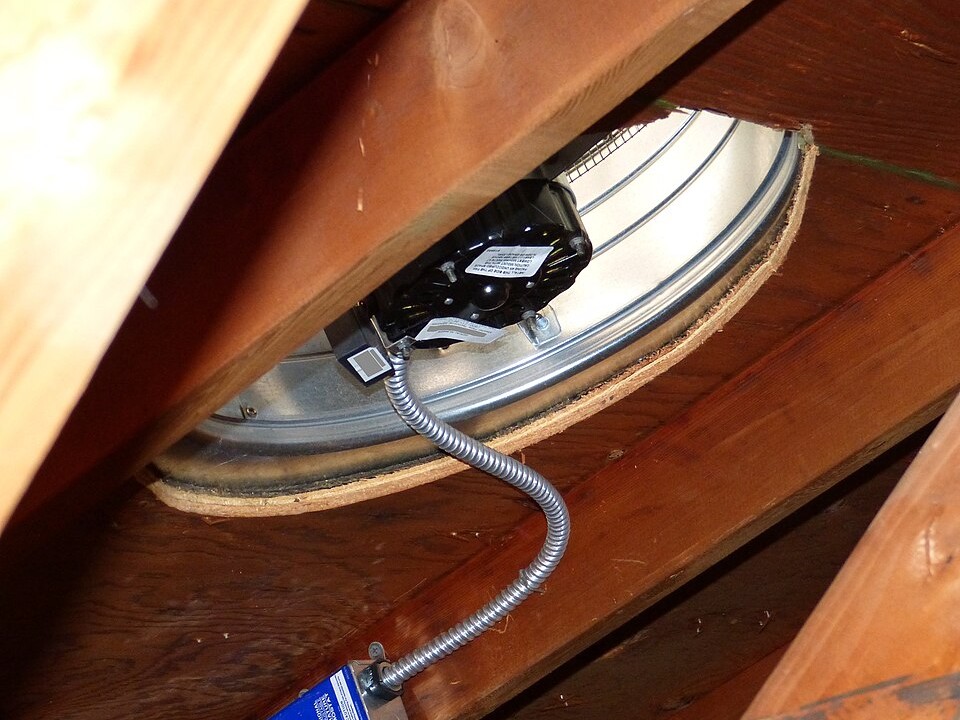
An inspector’s main limitation is access. If an attic hatch is blocked, a crawl space is unsafe, or a room is packed to the ceiling, the inspector cannot see what is there, and the report must say so. Locked panels and stored boxes around a furnace create the same blind spots.
That line can read like paperwork, but it is a warning. Leaks, pests, and wiring splices often hide where no one wants to look, and most inspections are noninvasive by design. Inspectors do not move heavy belongings or take apart finishes. Verbally they may stress the risk, while the report stays factual: what was not visible, and what follow-up makes sense.
Moisture Clues Rarely Come With Labels
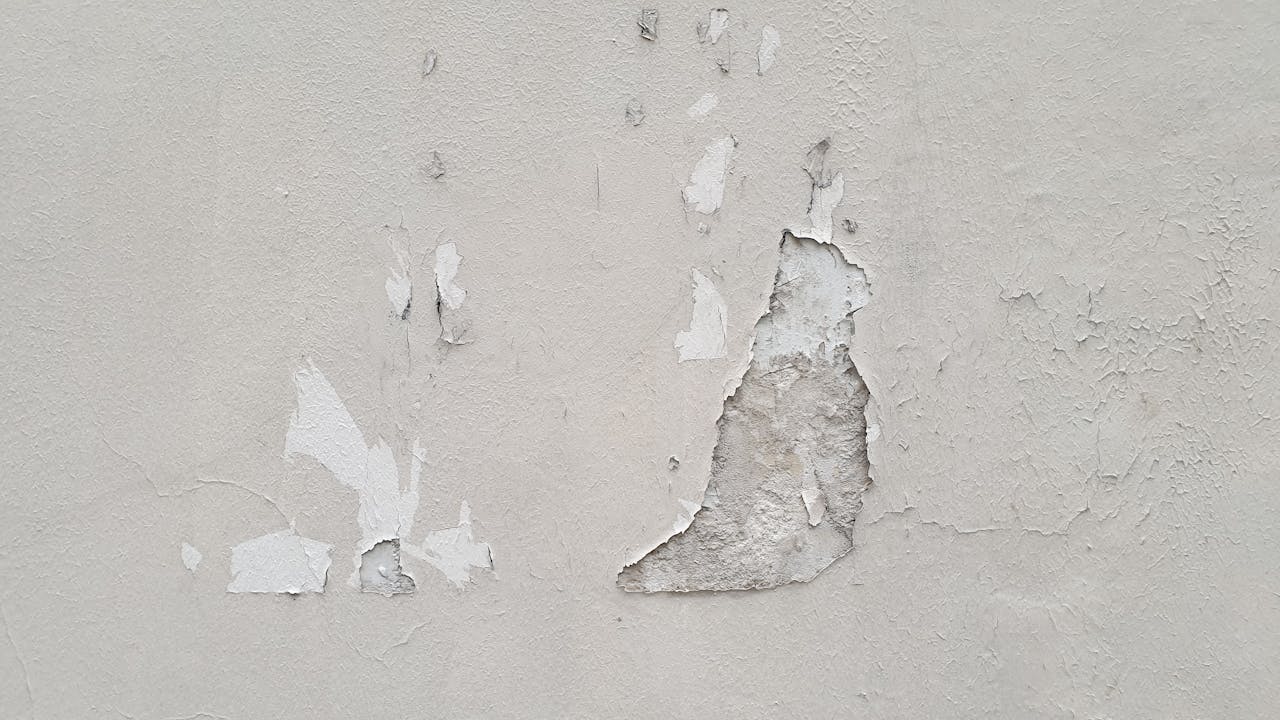
A musty smell, bubbled paint, or rusted fasteners in a basement can set off alarms for an inspector. They can document staining, take moisture readings, and note ventilation problems, but they cannot identify mold or its source with certainty.
That can frustrate buyers who want a definitive label. Inspectors often explain verbally that moisture behaves like a repeat customer: it returns to the easiest path. Weather, recent cleaning, and a dehumidifier can change what shows up on inspection day. In the report, the safest approach is precise language and a recommendation for a qualified specialist when the clues keep adding up.
Drainage Problems Start Outside The Walls

Drainage is one of the overlooked stories around a home. Inspectors watch for soil sloping toward the foundation, short downspouts, clogged gutters, and hard surfaces that funnel water into low spots. They also check where sump pumps and downspouts discharge.
They can describe these conditions, but they cannot promise whether a basement will flood in the next storm. What they often say aloud is that water is predictable: it follows gravity, and it finds weaknesses. A modest grading fix can prevent years of dampness and odors, while ignoring it can shorten the life of framing, finishes, and stored belongings in one season.
Roof Life Is A Guess, Not A Guarantee

Roofs create a common misunderstanding. Inspectors can note missing shingles, soft spots, flashing defects, and signs of patchwork, but they cannot guarantee how many years remain. Access limits matter too: steep pitch, height, and weather can reduce the view to edges and penetrations.
Sun exposure, ventilation, hail history, and installation quality can make the same material fail early or last longer than expected. Inspectors may share a rough guess verbally, yet written reports stay anchored to condition on inspection day. The hard truth is that a roof can look acceptable and still be one severe storm away from a major bill.
Electrical Red Flags Can Hide In Plain Sight
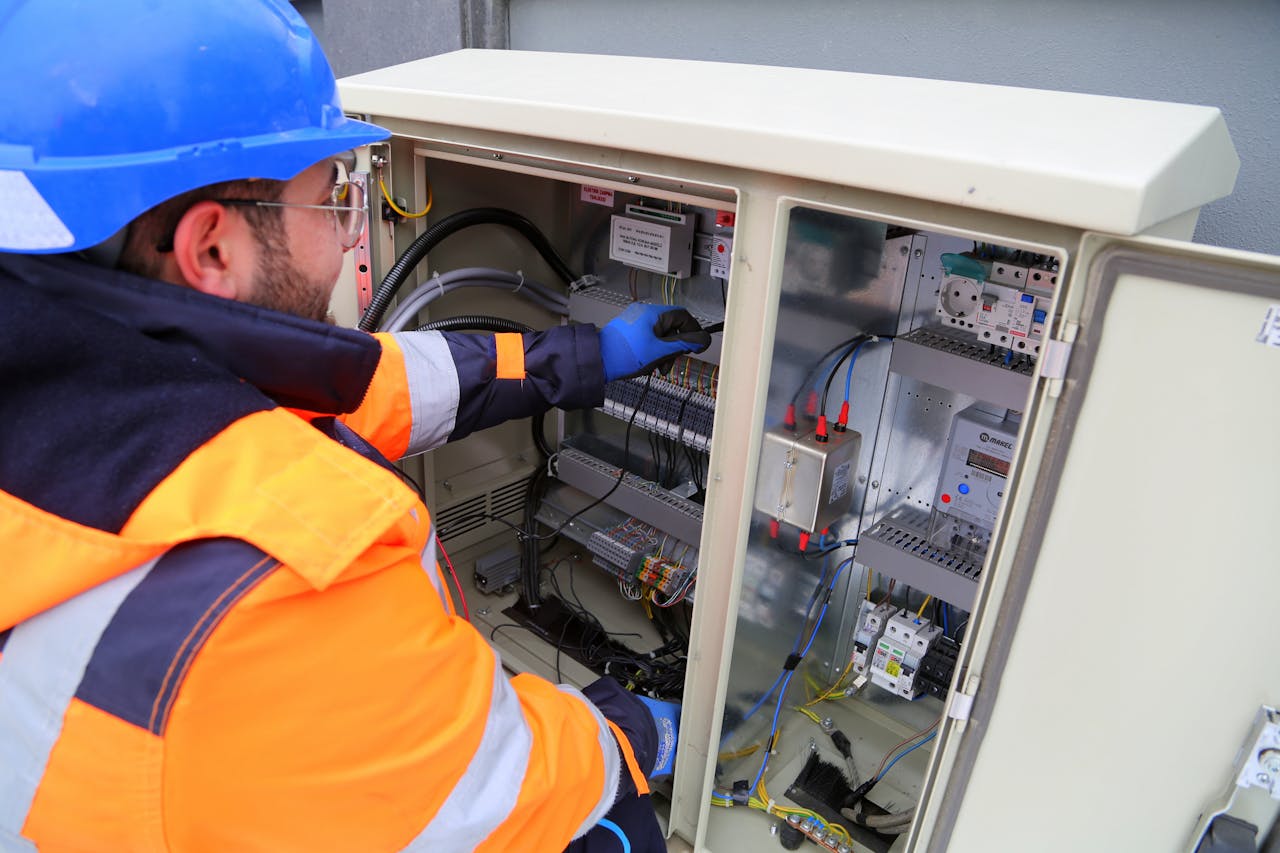
Electrical issues are often about what cannot be seen. Inspectors can open a service panel and note corrosion, heat discoloration, double-tapped wires, missing knockouts, and lack of GFCI or AFCI protection where expected.
But they cannot see every splice inside walls, confirm the quality of past repairs, or predict how new loads will stress the system. They avoid declaring code compliance, because codes change and enforcement belongs to local authorities. What gets said out loud is simple: a neat panel is not proof that everything downstream is sound, so priority items deserve a licensed electrician’s review when concerns show up.
Plumbing Risk Often Lives Underground

Plumbing looks straightforward until it is not. Inspectors can identify visible supply and drain materials, check water pressure, and watch fixtures and shutoffs for leaks. Yet big parts of the system are buried in walls, under slabs, or underground.
That is why the report can sound cautious about sewer lines and aging piping. A camera scope is often a separate service, and without it, an inspector cannot rule out root intrusion or sagging sections. Inspectors often say drains behave well until the day they do not. In writing, they stick to evidence and recommend further evaluation when age, materials, or symptoms raise concern.
HVAC Testing Is Only A Snapshot
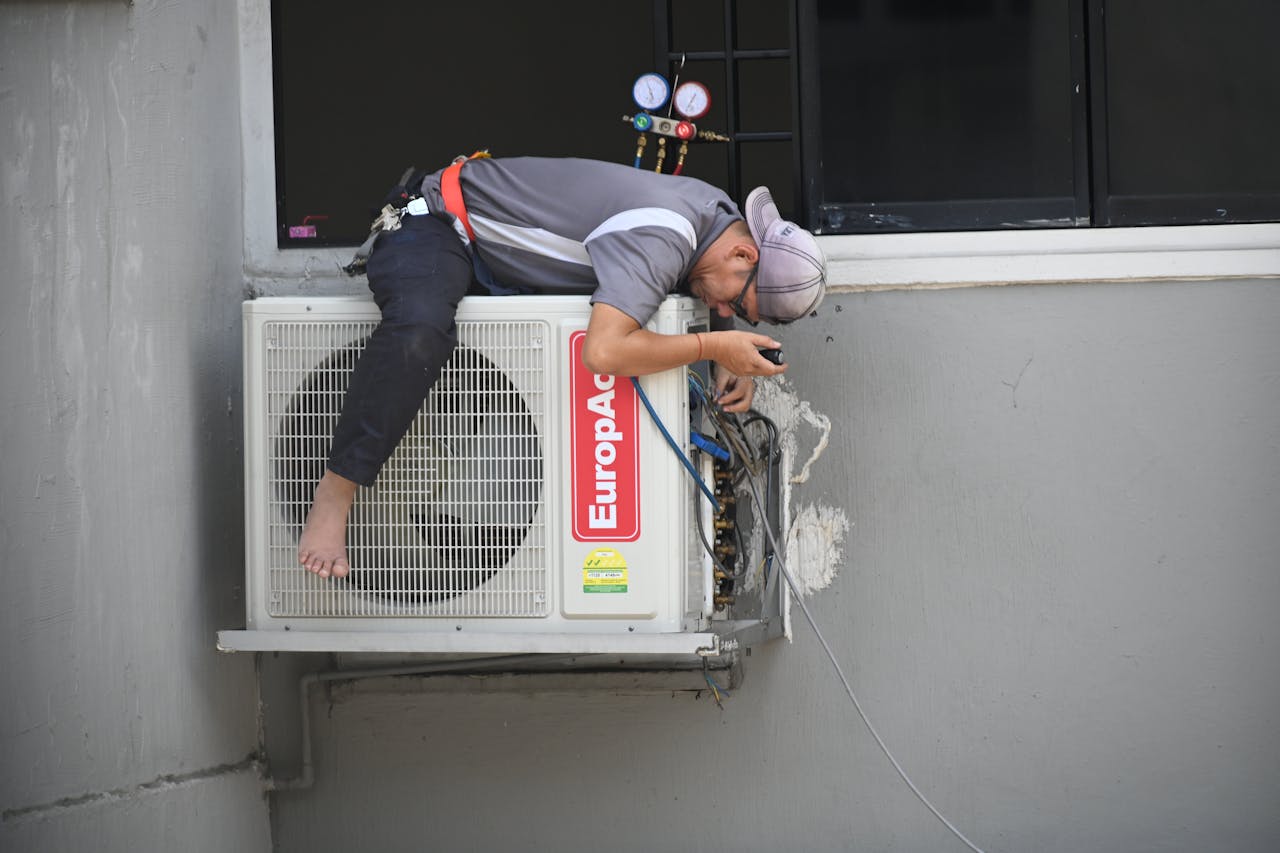
Heating and cooling systems invite false certainty. Inspectors can run equipment, measure temperature split, and note rust, improper venting, or loud operation. Still, a short test cannot recreate the stress of a July heat wave or a January cold snap.
That is why reports avoid predicting remaining life. Maintenance history, duct condition, refrigerant leaks, and simple luck shape what happens next. Inspectors often say a system can fail soon after inspection, and that is not a contradiction. In writing, they describe condition, list visible defects, and recommend service by a qualified technician before closing, if possible.
Cosmetic Updates Are Not Proof Of Repair
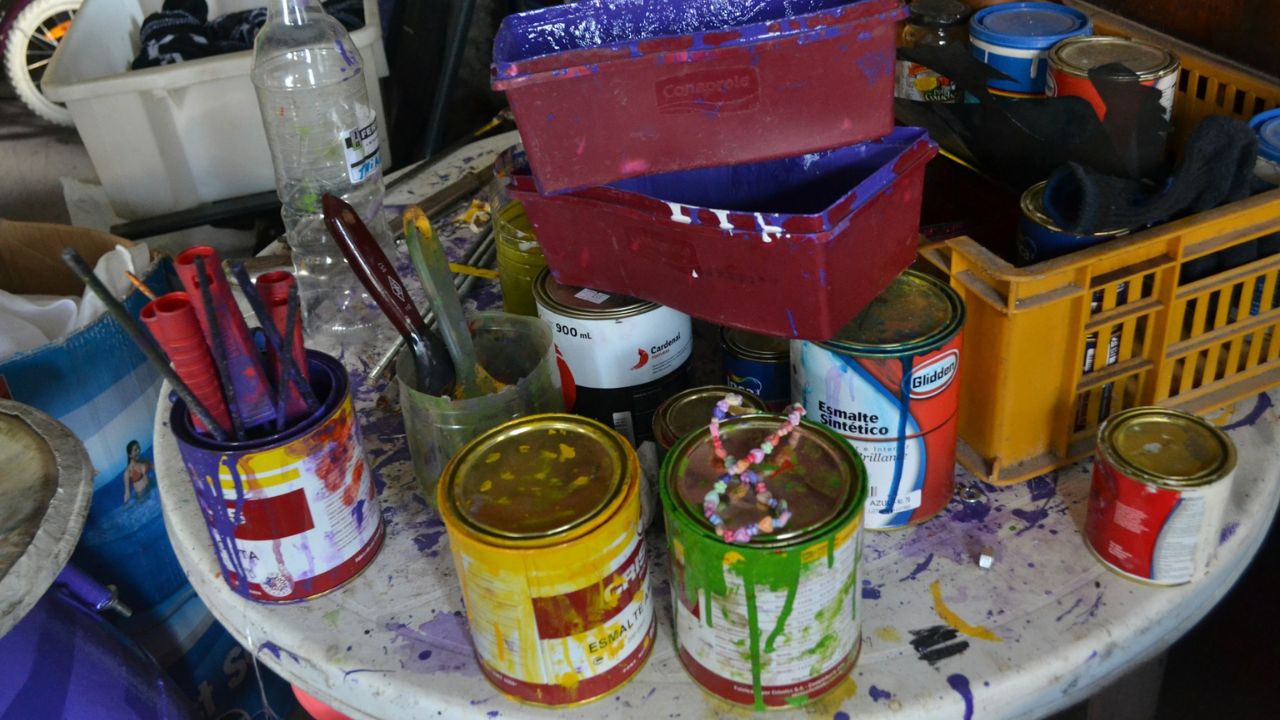
Fresh paint and new floors can make a house look calm, even when the story is messy. Inspectors notice when outlets are painted over, trim hides gaps, or a basement wall has a new coat but old efflorescence lines. Rushed details show up: missing caulk at tubs and sloppy patch plates.
They can document the clues, but they cannot accuse anyone of hiding defects. Intent is not observable, and a report has to stay inside facts. What inspectors often say in conversation is that cosmetic work should be treated as neutral, not as proof of improvement. Permits, invoices, and a clear scope of work matter more than a before-and-after photo.


