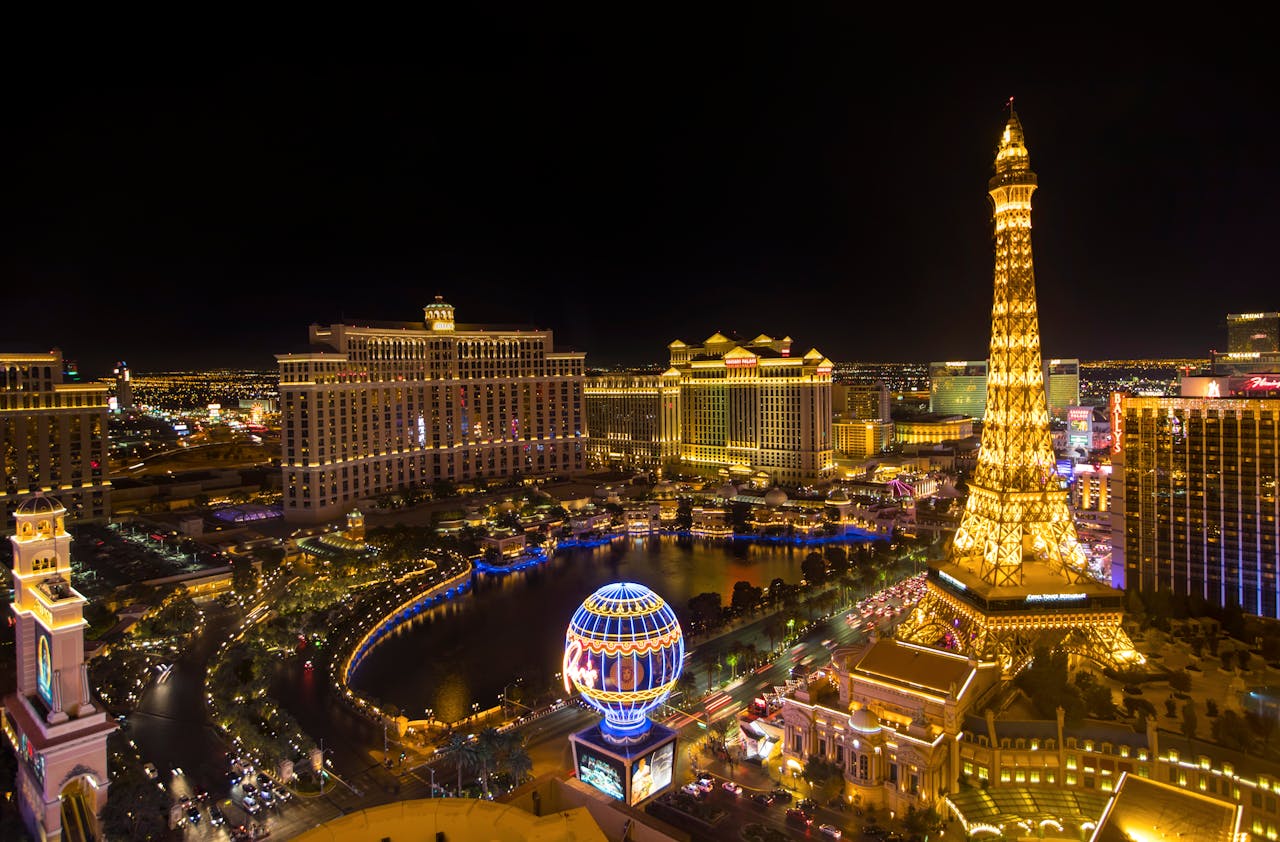
Las Vegas still glows at night, but the numbers now tell a quieter story. Through 2025, the city shifted from post-pandemic momentum to a broad slowdown in domestic travel demand. Visitor traffic, hotel performance, and air passenger counts cooled together, while many American households became more price-sensitive about discretionary trips. The change is less dramatic than a collapse, yet more serious than a blip: a destination built on volume now faces a trust problem around value. The Strip remains iconic, but the bargain-era promise has thinned, and travelers are responding with restraint. That shift shapes 2026.
Visitor Totals Tell A Clear Story

Las Vegas closed 2025 with about 38.5 million visitors, down 7.5% from 2024, according to the LVCVA’s year-end summary. December alone came in at 3,091,500 visitors, a 9.2% year-over-year drop, which underscored how soft demand looked by year end.
Hotel occupancy also eased to 80.3% for the year, while room nights and airport passenger volume moved lower in parallel. When visitation, flights, and hotel efficiency all retreat together, operators read it as a demand reset, not seasonal noise. For a destination engineered around volume, that is the signal that changes planning, pricing, and staffing decisions for months ahead.
Sticker Shock Starts Before Check-In
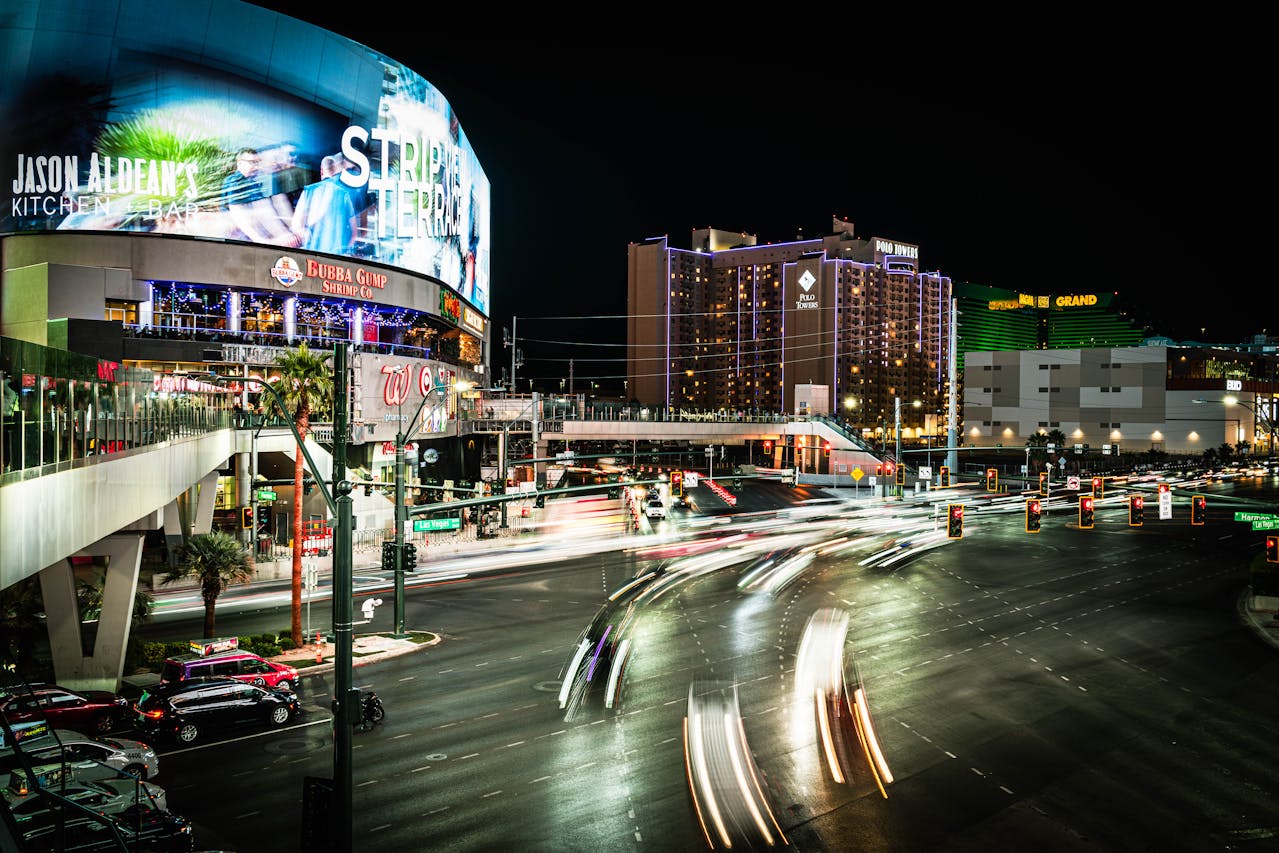
The price conversation starts before the first show ticket is bought. On-Strip resort fees commonly run from the mid-$40s to the high-$50s per night, and free self-parking remains rare enough to be marketed as a perk. Even when base rates look manageable, mandatory add-ons quickly rewrite the total.
That pressure is visible in the market response. Multiple properties rolled out summer promotions that waived resort fees or dropped parking charges, a clear sign that operators believe price friction is costing them bookings. The issue is no longer whether Las Vegas is premium; it is whether the premium feels justified now.
The Old Value Narrative Has Faded
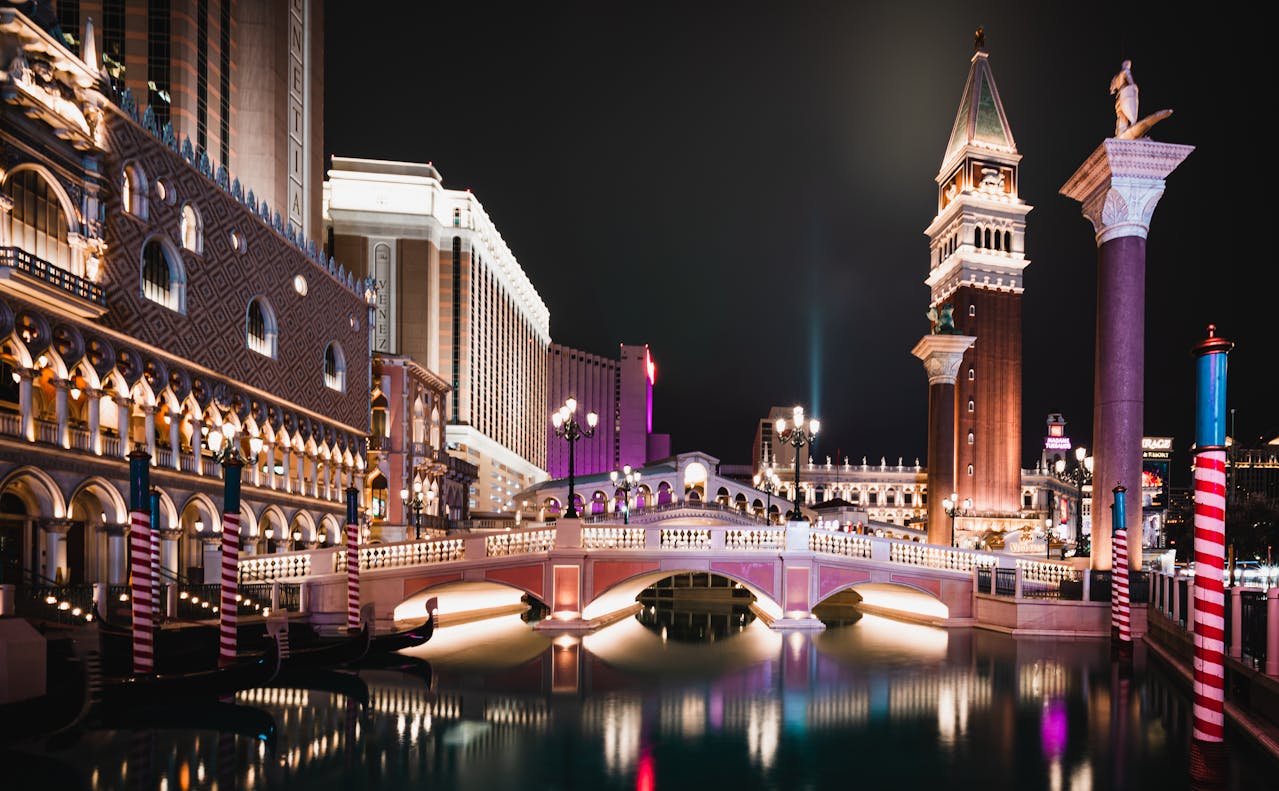
Even with some room rates coming down, affordability sentiment has not recovered. LVCVA data shows 2025 average daily rate at $183.52, down 5% from 2024, yet the broader trip still feels costly once dining, drinks, entertainment, rideshare, and fees are bundled into one weekend budget.
That gap between posted price and lived price is where perception shifted. Las Vegas was once sold as high energy at accessible cost, then upgrades happened faster than wage comfort for many households. When travelers describe a city as less affordable, they are usually reacting to the full bill, not hotel numbers. That psychology drives hesitation.
Economy-Wide Anxiety Is Changing Trip Math
The slowdown is not only about one city. AP reporting cites Tourism Economics cutting its 2025 U.S. international-arrival outlook from expected growth to a 9.4% decline, a sharp reversal that tracks broader caution in travel spending. In that climate, discretionary trips are first to be shortened, delayed, or downgraded.
Las Vegas is more exposed than most places because it depends on optional spending categories all at once: flights, hotels, dining, nightlife, and entertainment. When households feel uncertain about jobs, inflation, or debt, the destination does not disappear from wish lists, but it often moves from now to later.
International Softness Is Deepening The Dip
International weakness has added a second drag. AP reported that June 2025 visitation was down 11% year over year, with international travel down 13%, while Canadian carriers into Las Vegas posted steep drops in passenger counts. Those declines matter because overseas and cross-border travelers often anchor shoulder-season demand.
Airport data also points the same direction: Harry Reid International closed 2025 with enplaned and deplaned passenger volume down about 5.9% from 2024. When domestic caution and international pullback happen together, recovery takes longer because neither segment is strong enough to carry the other.
Resorts And Casinos Feel The Weeknight Squeeze
The softness shows up most clearly in the mix, not just the headline total. LVCVA figures show weekend occupancy in 2025 still ran high at 88.8%, while midweek occupancy sat lower at 76.6%, a pattern that suggests event-driven peaks are holding better than routine leisure flow. Weeknights carry the heavier pressure.
Casinos are not collapsing, but the margin for error is thinner. Strip gaming revenue for 2025 was roughly flat year over year, even as room nights and RevPAR fell, which means non-gaming components are working harder for each dollar captured. That is a tougher operating environment than the post-pandemic surge years.
Promotions Signal A Market In Correction
The response from the destination has shifted from celebration to calibration. LVCVA and resort operators pushed value messaging harder in 2025, including the “Welcome to Fabulous” campaign and a citywide sale in Sept. aimed at widening price access. Discount bundles became more visible than before.
At property level, waived fees and parking offers signaled the same approach: reduce surprises, simplify totals, and make quick trips easier to justify. When a market known for premium experiences starts emphasizing transparency and entry-level value, leaders are trying to rebuild booking confidence, not only fill short-term gaps.
2026 Could Help, But Price Trust Must Return

There is a realistic path forward, but it depends on discipline. A UNLV forecast cited by Travel Weekly projects about 40.1 million visitors in 2026, up one million from 2025, suggesting momentum can return if economic pressure eases and event demand holds. The city has recovered from shocks before.
The harder part is not attracting one big weekend; it is restoring everyday confidence among domestic travelers who now compare every add-on before booking. If pricing feels clearer and value feels honest, recovery can accelerate. If totals keep feeling unpredictable, many Americans may keep choosing shorter, cheaper alternatives.