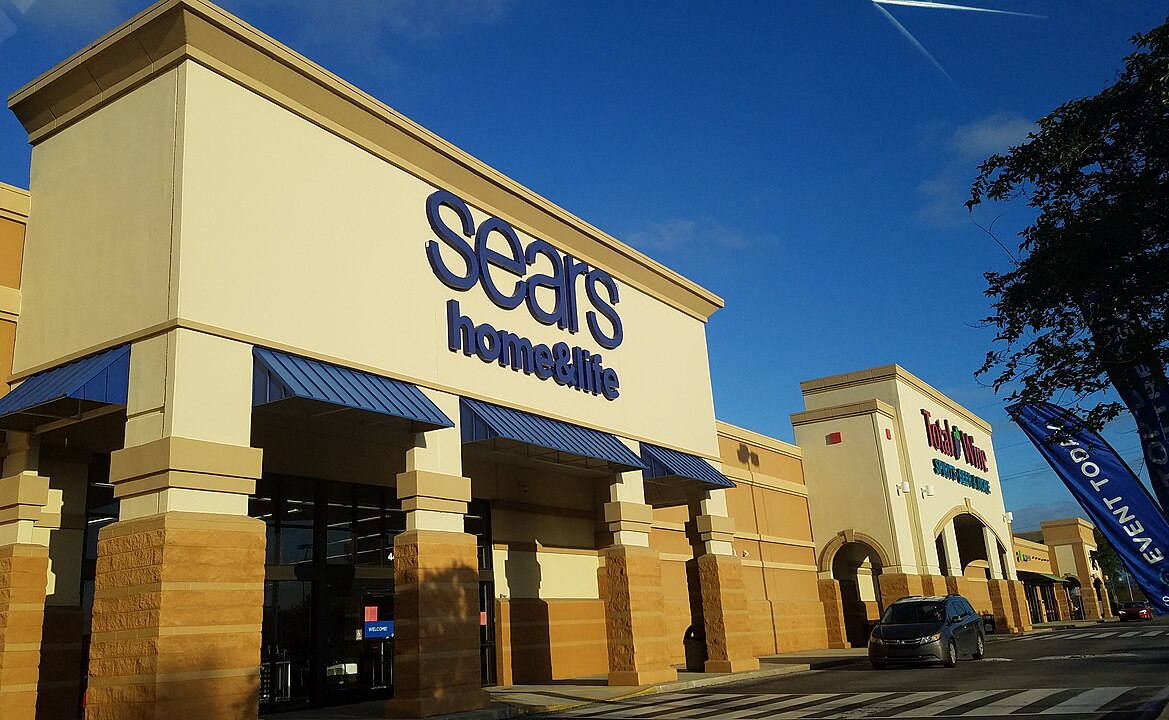
Before shopping fit in a pocket, Sears made it fit in a mailbox. In the late 1800s, when distance, weather, and thin local inventories shaped what a household could buy, the catalog arrived like a portable department store in paper form. Pages were studied at kitchen tables, passed between neighbors, and marked with blunt pencils as people compared prices and imagined upgrades. Over time, the “Big Book” grew to well over 1,000 pages and sold more than 100,000 items, making browsing feel both endless and oddly intimate. Order forms and item numbers turned desire into a system, and the wait for a crate became part of the story. It turned choice into a shared ritual, equal parts practicality and daydream.
Everything Store in Paper Form

Sears stacked categories the way a modern marketplace stacks tabs: coats beside cookstoves, bolts beside baby shoes, and tools beside parlor lamps, all bound into one buy-anything universe. Over its long run, the “Big Book” grew to well over 1,000 pages and sold more than 100,000 items, so browsing became a winter-night ritual of dog-eared corners, penciled totals, and arguments over what counted as a need. The range mattered because it made local scarcity feel optional, let families compare grades and prices in plain view, and brought the language of choice to places where one shopkeeper used to decide what arrived each season.
Shopping Without a City

The catalog’s real trick was geography. A farm miles from the nearest decent store could order the same wares as Chicago, then collect them at a post office, depot, or doorstep as rail lines and rural mail delivery expanded. That shift mattered because purchases could be timed to harvest money, weather, and repairs instead of muddy roads or thin local stock, and it quietly rewired what felt normal to own, replace, or repair. Once distance stopped being a deal-breaker, even small upgrades, like better stove parts, winter boots, or school clothes, became part of ordinary planning, not a rare town trip with a price and a part number.
Search Results Before Search
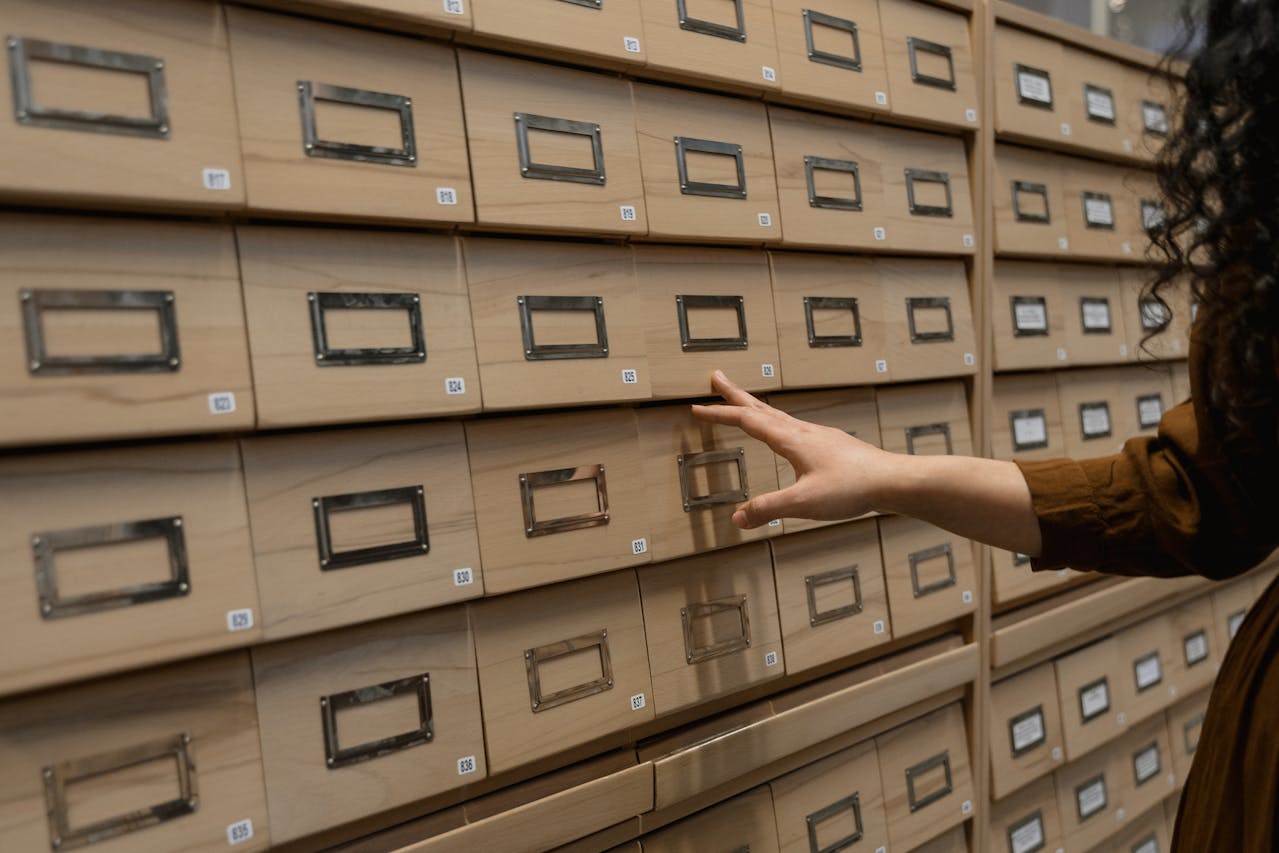
Indexes, bold headers, and item numbers acted like Victorian search, letting shoppers jump straight to corsets, carriage hardware, cookware, or pocket watches without wandering aisles or depending on a clerk’s mood. Illustrations did the work of product photos, while tight copy called out materials, measurements, and options, and sometimes even offered small diagrams, so comparisons could happen side by side on the same spread. People flipped, circled, and returned to favorite listings until they felt certain, then copied item numbers onto order sheets, a paper version of clicking save for later and choosing the final bundle alone.
Transparent Pricing, No Haggling

In many local stores, price could be a conversation shaped by credit, familiarity, and leverage, and the number sometimes changed depending on who was standing at the counter. Sears printed prices in ink and let the page do the negotiating, which made comparison blunt and oddly freeing for households tired of guessing what was fair, or how much “store loyalty” was costing them. A customer could point to a listing and ask why a similar plow, stove part, or bolt of cloth cost more in town, then mail-order instead, and the fixed numbers helped families plan letting purchases sit half-decided until payday, tax time, or the next harvest.
Nationwide Logistics as a Superpower
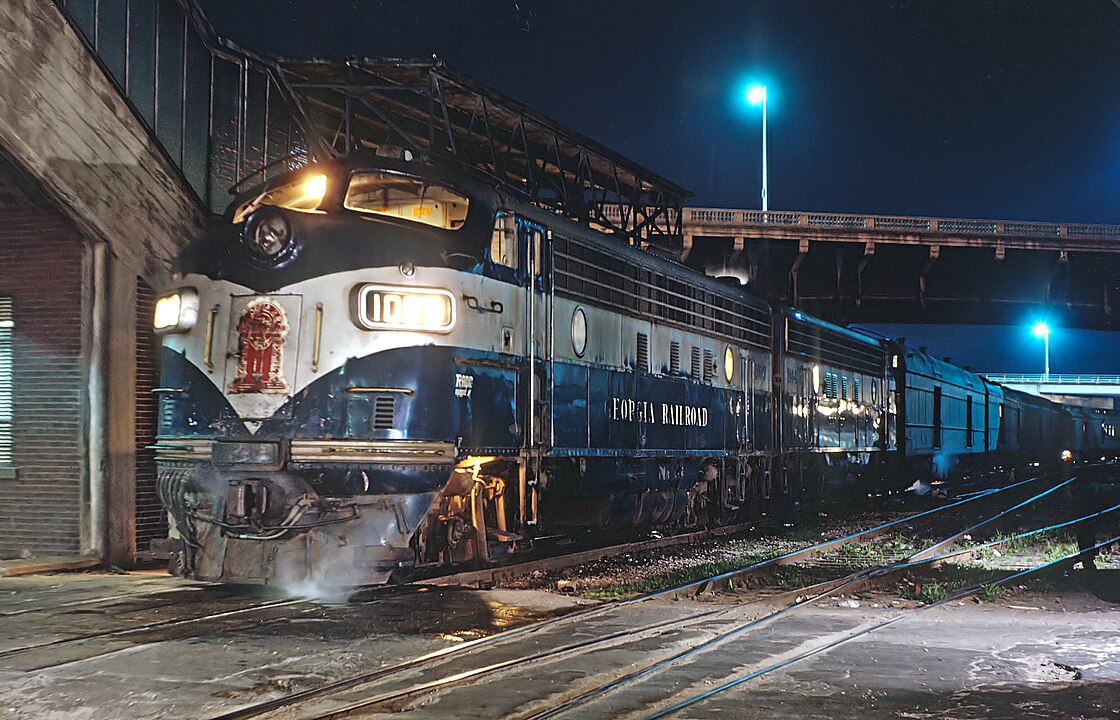
A catalog is only as good as the warehouse behind it, and Sears treated fulfillment as the main product, not an afterthought. Orders were pulled from deep inventory, packed into crates or parcels, labeled clearly, and routed into rail and mail networks that could reach remote stops where local stores stocked only basics, making the supply chain feel almost like a public utility. Depots and post offices became pickup counters, and neighbors traded delivery lore: which carrier was careful, how long a trunk usually took, what to do when a crate arrived cracked, and how to write a claim letter that actually got attention in winter.
Private Labels and Built-In Recommendations
Sears did not only resell goods; it shaped demand through house brands and confident guidance that worked like modern badges and best-value nudges. Copy steered shoppers toward sturdier boot leather for winter chores, heavier stove plates for even heat, and better-grade fabric that would survive hard washing, all without needing a clerk to upsell in person. The voice was practical and slightly bossy, and that mattered because it replaced local opinion with repeatable judgment, teaching readers to trust a standardized recommendation even when the nearest “expert” was a thousand miles away and the only feedback loop was experience.
Remote Ordering, Remote Customer Service
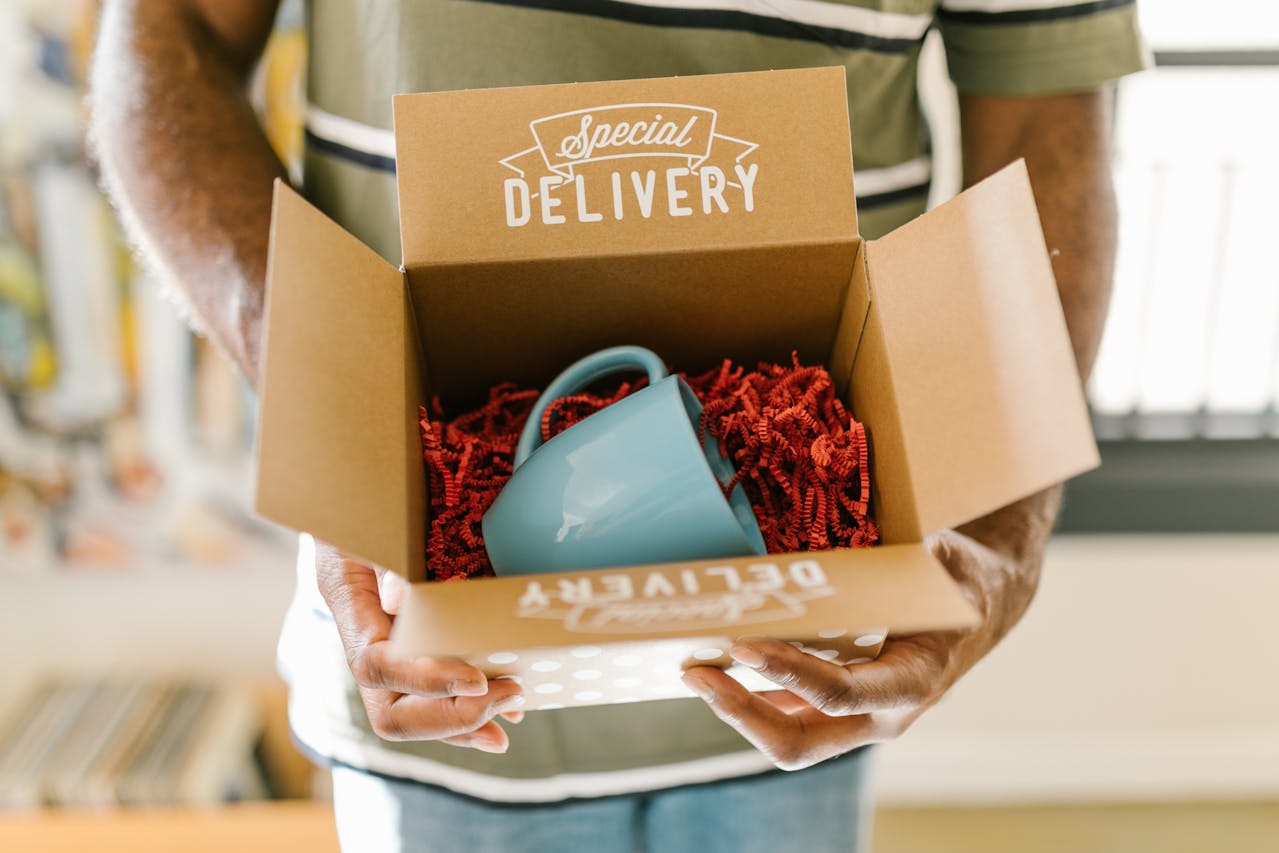
Ordering meant forms, totals, and mailed payment, but the process was standardized enough to feel routine after the first try. Customers wrote in with questions, missing parts, or complaints and still expected a reply, shifting trust from a familiar shopkeeper to a system that ran on records, receipts, and the promise of fairness, even when weeks passed between letters. That long-distance relationship is the same bet e-commerce makes: the experience has to work when no one is nearby to explain a size, confirm a fit, translate a guarantee, chase a delayed shipment, or smooth over a mistake without making the customer feel foolish.
Reassurance as a Return Policy

Buying unseen carried real risk, so Sears leaned hard on specificity and reassurance, using plain language instead of sales fog. Listings reduced uncertainty with details about materials, dimensions, and use cases, from how a coat was lined to how a tool held an edge, so the buyer could imagine ownership before money left the house. If goods disappointed, the company had to respond because bad news traveled by letter and word of mouth, and reputation was currency, so that safety net lowered fear enough for people to order again, recommend it to neighbors, and treat mail-order as a normal habit rather than a gamble for most weeks.
Big-Ticket Dreams, Delivered by Rail
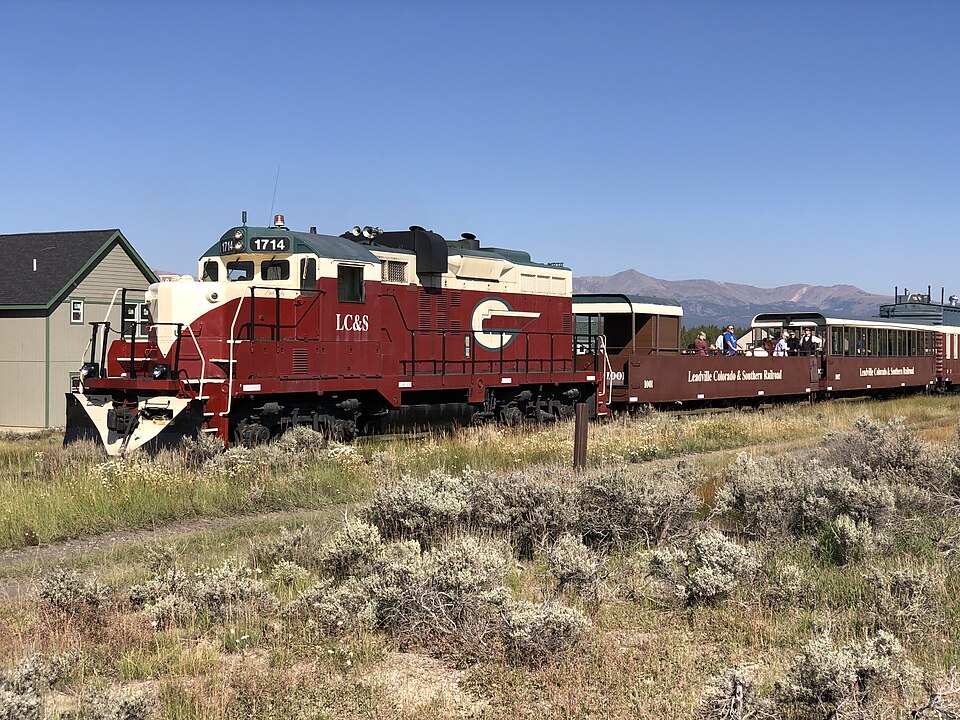
Sears scaled up from everyday goods to purchases that reshaped lives, including whole houses. In 1908, the company issued its first specialty home catalog, “Book of Modern Homes and Building Plans,” offering dozens of styles sold through mail order at set prices. Lumber, trim, and hardware shipped by rail, and numbered parts helped local builders assemble a full home with less waste and fewer surprises, with millwork and fasteners arriving together instead of being hunted piece by piece, making the biggest purchase feel legible: choose a model, follow instructions, and watch crates turn into walls with neighbors showing up to help.
Mass Personalization Before the Word Existed
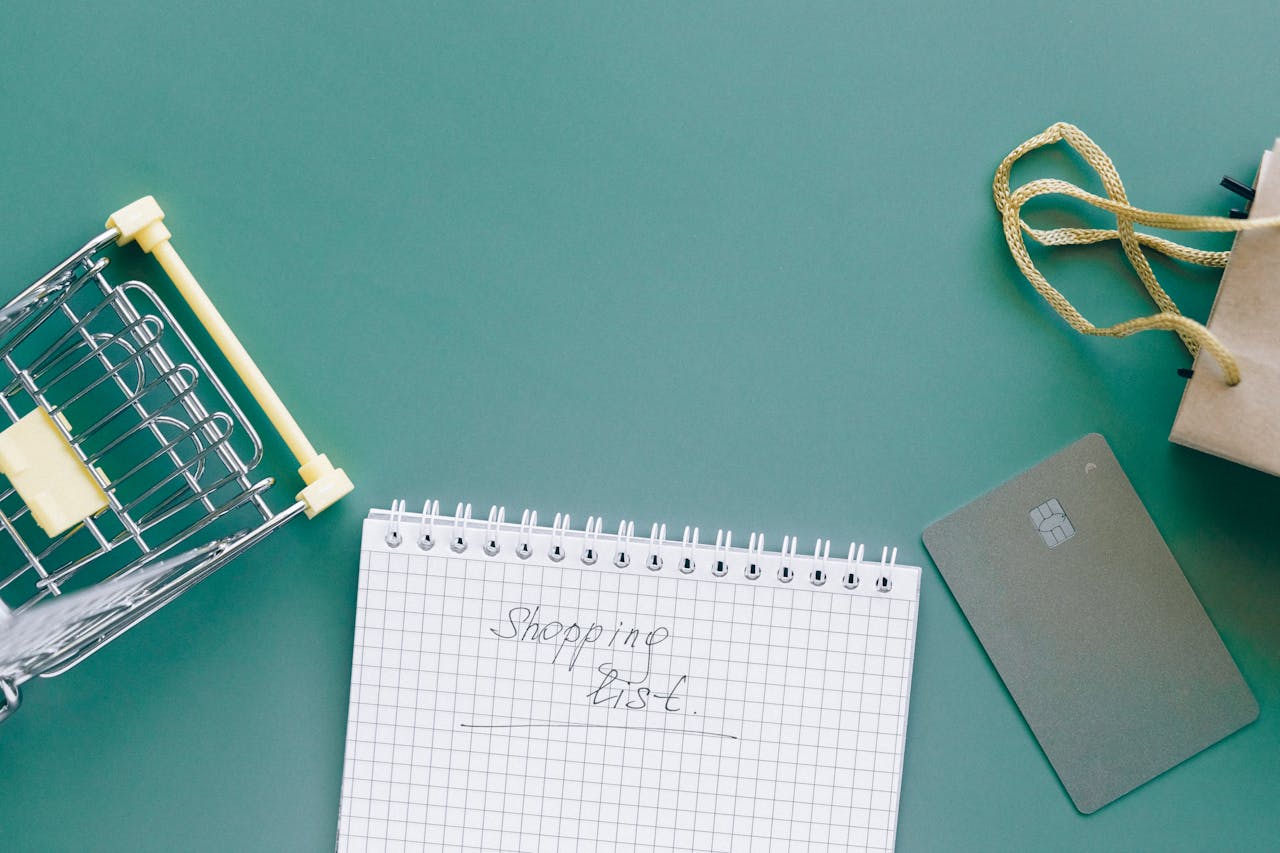
Even when products were standardized, the experience felt personal because an order could be built like a household snapshot. Families mixed sizes, colors, patterns, and add-ons to match taste and budget, from a rug and lamp shade to schoolbooks, work shirts, hinges, and a new washtub, all traveling in one carefully tallied request that reflected real life. Kids grew, tools broke, a wedding gift was needed, and the same pages held those shifting priorities in pencil marks and folded corners, so preference became a record of the household, much like modern accounts that keep measurements and saved picks close at hand year to year.
Seasonal Drops and the Wish Book Effect

Modern retail runs on releases, and Sears did too, refreshing attention with specialty and seasonal catalogs that made shoppers feel a new season had officially started. The Christmas-focused Sears Wish Book began in 1933, arriving with toys, gifts, and cozy scenes that turned commerce into family theater and gave kids a sanctioned way to dream out loud. Each edition sparked negotiation at the table, mixing hope with arithmetic, and the ritual of circling, ranking, and then crossing out taught restraint as well as desire, making anticipation part of the product, a paper cousin of today’s wish lists that still live on in memory.
A Shared Marketplace for a Changing Country

The catalog quietly standardized taste by showing the same chairs, dresses, tools, and kitchen gear to millions, making styles portable across regions and classes. For rural families and new wage earners, it offered access without the social friction of a big-city store, where manners and money could be policed at the door and clerks could decide who deserved attention. That democratizing pull is the deeper Amazon parallel: one marketplace where distance matters less, selection speaks louder than status, and ordinary people learn to shop by comparison, not permission, with the same pages in everyone’s hands from Maine to Montana.