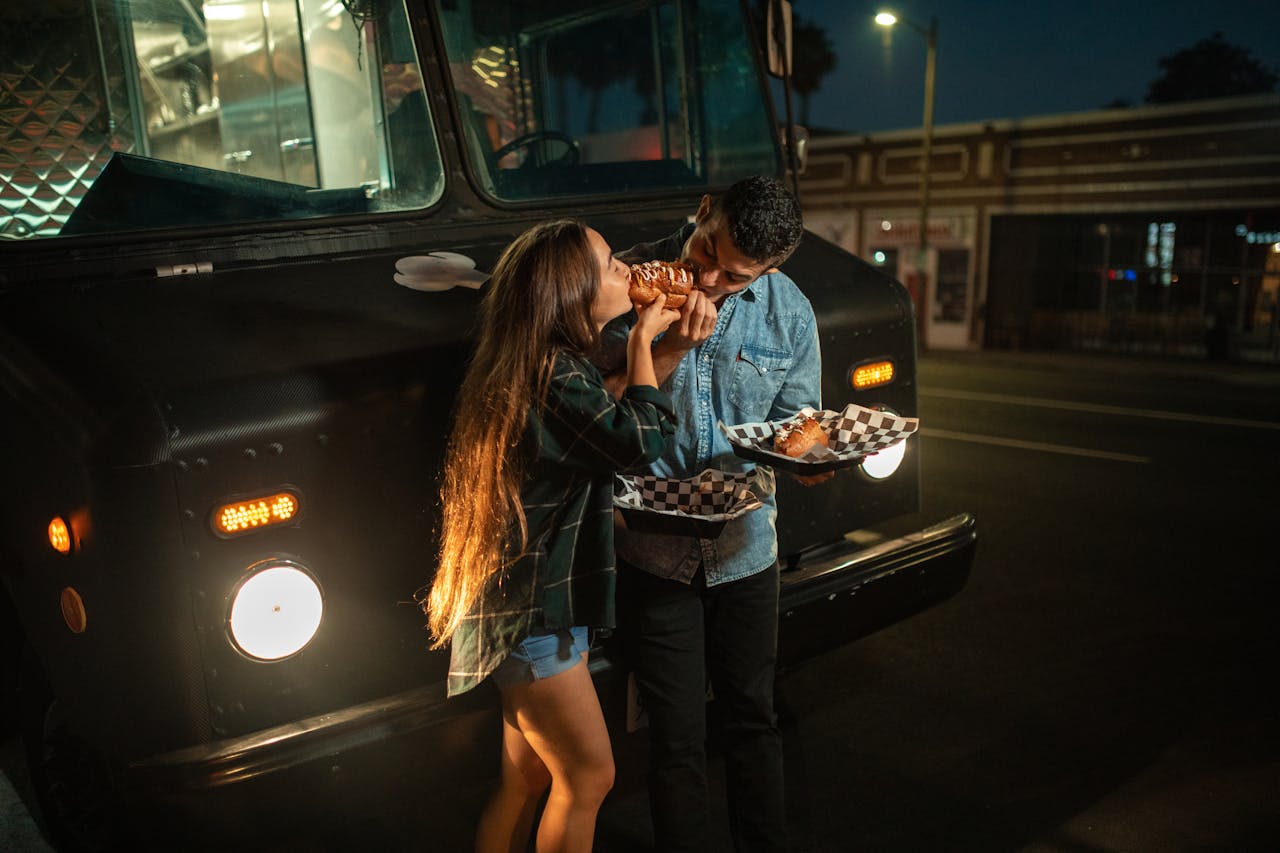
Cities after dark can feel like a second heartbeat, all neon edges and music leaking into side streets. Locals know the rhythm, but they also know the small frictions that turn a fun night into a stressful one: lines that spill into traffic, cash-only bars with surprise fees, rideshare dead zones, and sidewalks where pickpockets work in teams. The smartest advice is rarely dramatic. It is practical, specific, and rooted in how each neighborhood actually runs on a Friday. These warnings are the kind shared quietly over pre-dinner texts and group chats, meant to keep plans smooth, budgets intact, and friends together.
Treat The First Hour As A Logistics Check
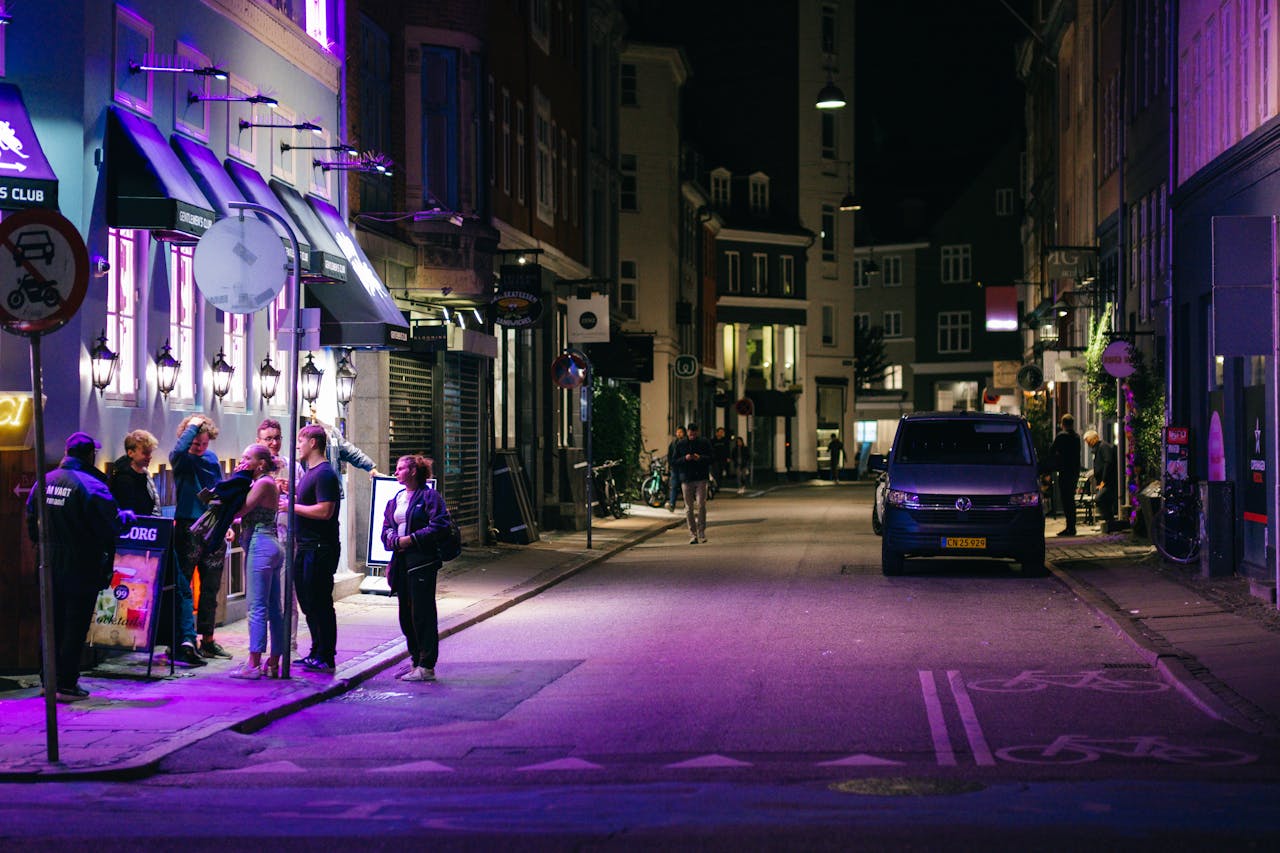
Early in the night, locals do a quiet scan before settling in: where the exits are, which street feels best for pickups, and how loud the room will get. That first drink often costs the least, too, before cover charges rise or a “special event” fee appears at the door. A low-stakes starting bar near transit keeps the group flexible, and it limits the temptation to overcommit to one crowded block. If the vibe is tense, the line is chaotic, or the staff looks overwhelmed, locals shift plans fast rather than forcing the night to work. This reset protects energy and budgets, and it keeps decisions from being made in a hurry.
Ask About Fees Before Anyone Gets In Line
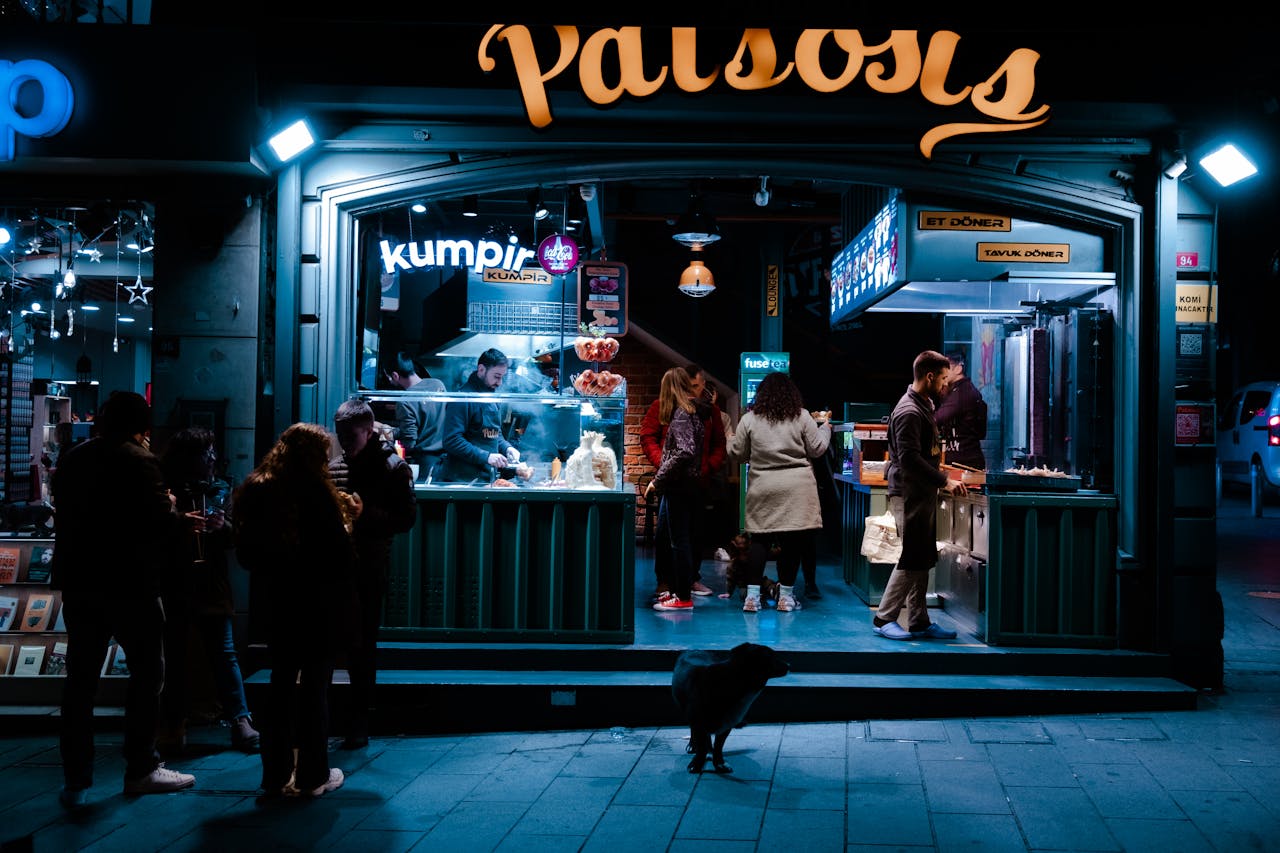
Nightlife hotspots often hide costs in plain sight: a cover that changes by the hour, an added “venue fee,” or a minimum spend tied to a table. Locals listen for specific language at the door, then confirm it with staff, not other guests, before committing to the wait. Some places post one price online but enforce another for holiday weekends, guest DJs, or private parties, so a quick screenshot of the listing helps settle confusion. A check on whether cards are accepted, gratuity is included, and re-entry is allowed prevents an awkward surprise when the night is already rolling. Clear terms up front keep the mood light.
Know The Pickup Zones, Not Just The Address
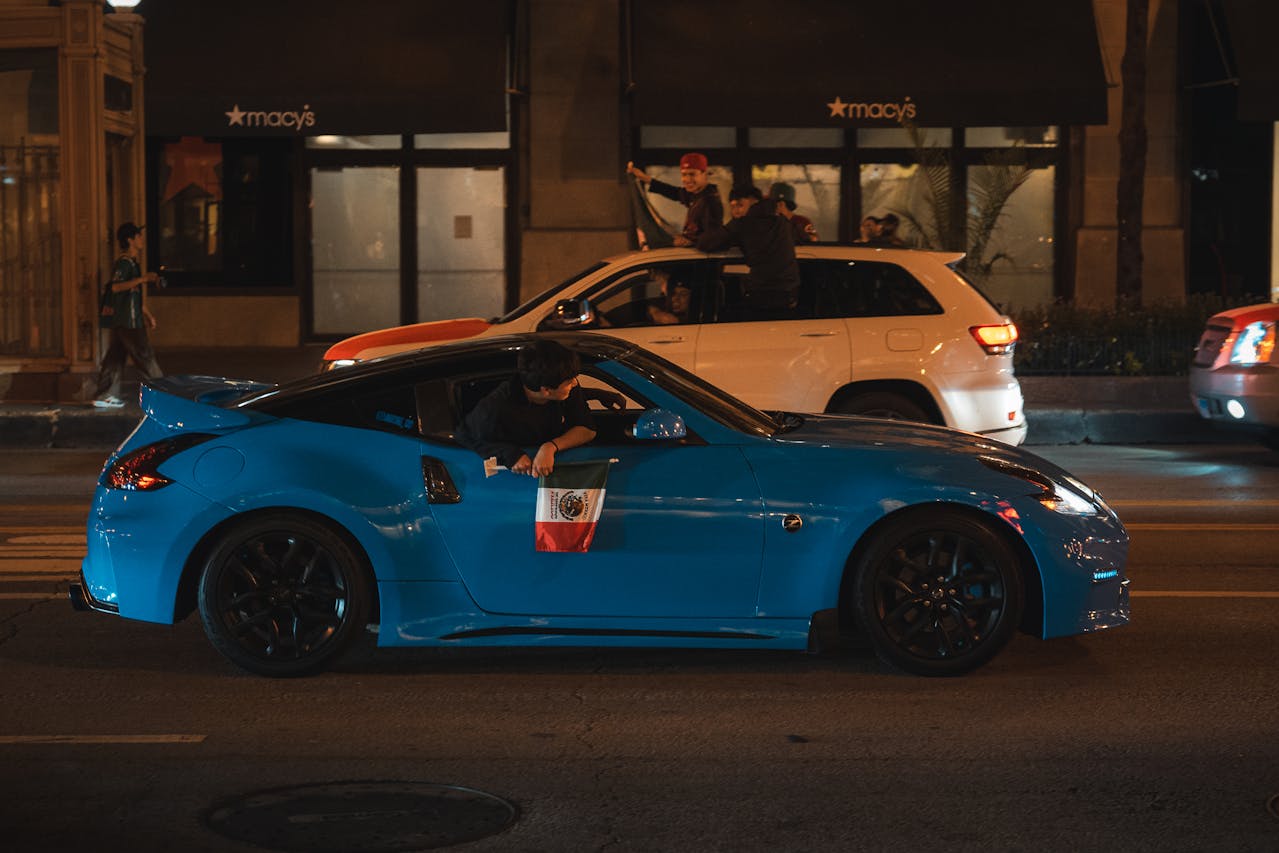
In dense nightlife corridors, the hardest part is often leaving. Rideshare apps may show a pin on the busiest corner, while locals walk one block to a calmer side street where drivers can actually stop. Some districts create official pickup zones that shift on weekends, and drivers will cancel if a rider is standing outside the boundary. Locals also watch the surge curve, then time the exit for a lull, or they split into two cars to avoid a single long wait. Saving a nearby landmark, like a hotel entrance or a well-lit plaza, cuts down on cancellations and late-night wandering. A small habit keeps groups together.
Avoid Random ATMs And Watch For Cash-Only Traps
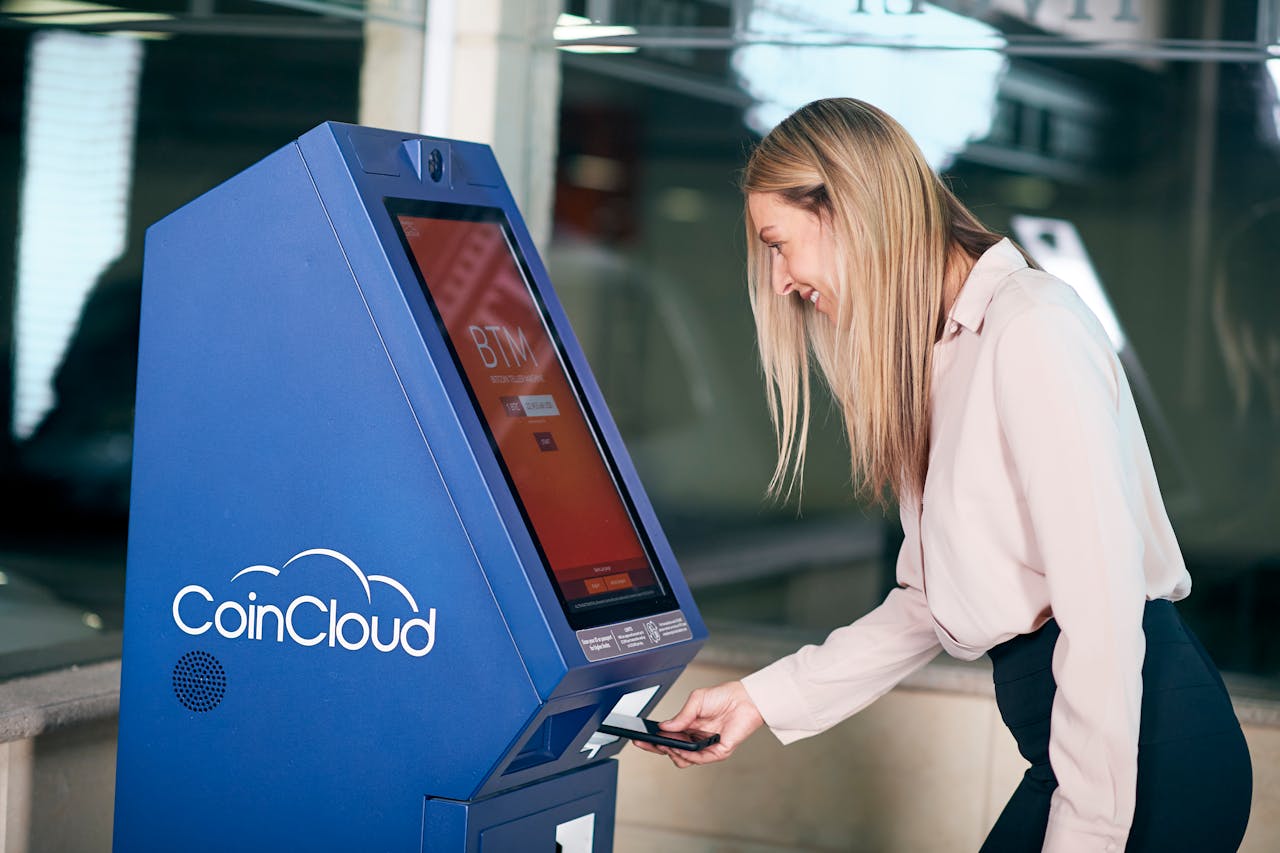
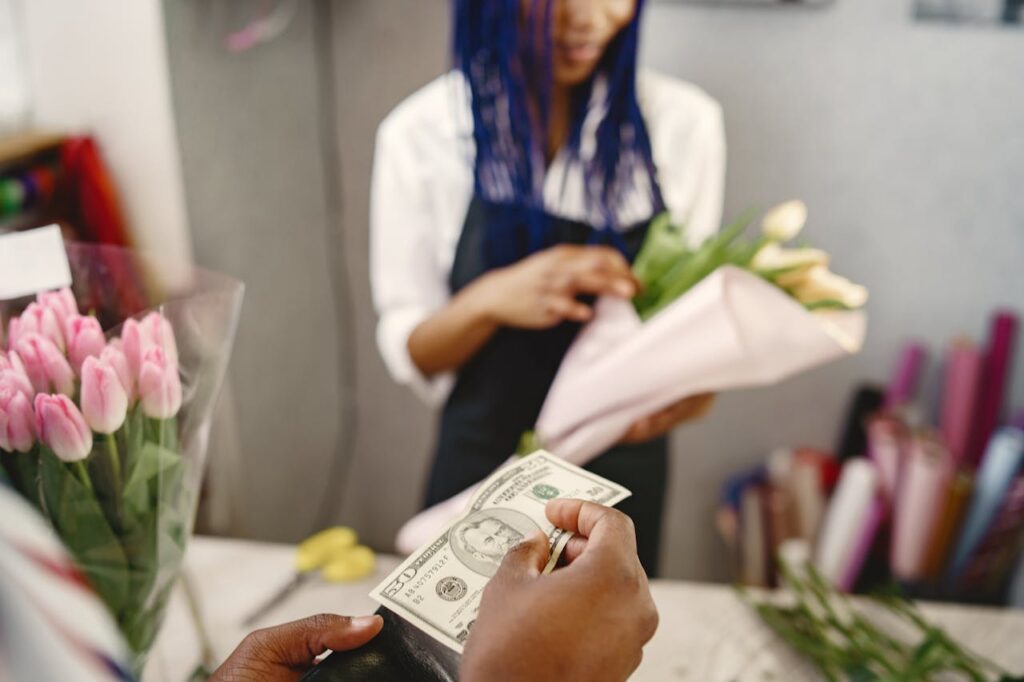
Locals expect at least one cash-only bar in every popular strip, but they avoid relying on the nearest glowing ATM. Machines set inside convenience stores or temporary kiosks can carry steep fees, and tampered card slots are a real risk in high-traffic areas. The safer move is arriving with a modest amount of cash and using a bank-branded ATM earlier in the evening, when lighting is better and decisions are clearer. When a venue insists on cash for entry, locals ask for the exact amount and keep a photo of the posted price, just in case. That habit keeps the night focused on fun, not on freezing a card at 1 a.m. later.
Be Skeptical Of Street Promoters With Vague Promises
Outside hot clubs, friendly promoters may offer skip-the-line access, “VIP lists,” or discounted tickets that sound official but are hard to verify. Locals treat any deal that requires a quick cash transfer as a red flag, especially when the venue name is missing from the message thread. Real entry lists usually come with a confirmation email, a QR code, or a name in the venue’s system, not a handwritten note on a phone. If wristbands are used, locals check that the band matches staff-issued colors and is applied by the door team, not in the street. When access is legitimate, staff at check-in can confirm it fast.
Keep Drinks In Sight And Skip Unsealed Freebies

In crowded rooms, the bar moves fast and attention drifts. Locals keep drinks in hand or on the table within sight, and they pass on open cups offered by strangers, even when the gesture seems harmless. They watch the pour, too, because misheard orders and accidental doubles happen when music is loud and lighting is low. Water is another pressure point, since some venues charge heavily after midnight or run out of cups. Ordering a sealed bottle when possible, or confirming the price of water before paying, helps the group stay steady and clearheaded. These small habits cut confusion and keep the night feeling in control.
Assume Phones Will Die At The Worst Moment

Locals plan as if at least one phone will hit low battery right when a pickup is needed. Crowded hotspots drain power fast, and constant camera use does the rest. Reception can also get weird in entertainment districts with tall buildings, basements, and packed networks, so texts arrive late or maps lag behind. A slim power bank, a shared note with the evening’s addresses, and one meeting point near transit prevent a scattered group and frantic calls. When a phone does die, a memorized cross street and a saved contact number keep the night from turning into a search mission. Locals treat backup power like keys always.
Wear Bags That Close And Keep Wallets Simple
Pickpocketing in nightlife zones is usually quiet, fast, and teamwork-based, not dramatic. Locals avoid open tote bags and back pockets, and they keep cards and ID in a slim wallet that stays zipped. Phones disappear most often during a squeeze at the bar or a shoulder bump on a busy sidewalk, especially when hands are full. Many locals leave passports and extra cards at home, carry one payment method, and set up a phone lock screen with an emergency contact. Keeping one hand on a strap while moving, and never setting a phone on a bathroom counter, prevents the most common losses. The goal is fewer temptations at once.
Do Not Let One Busy Block Hide The Quiet Edges
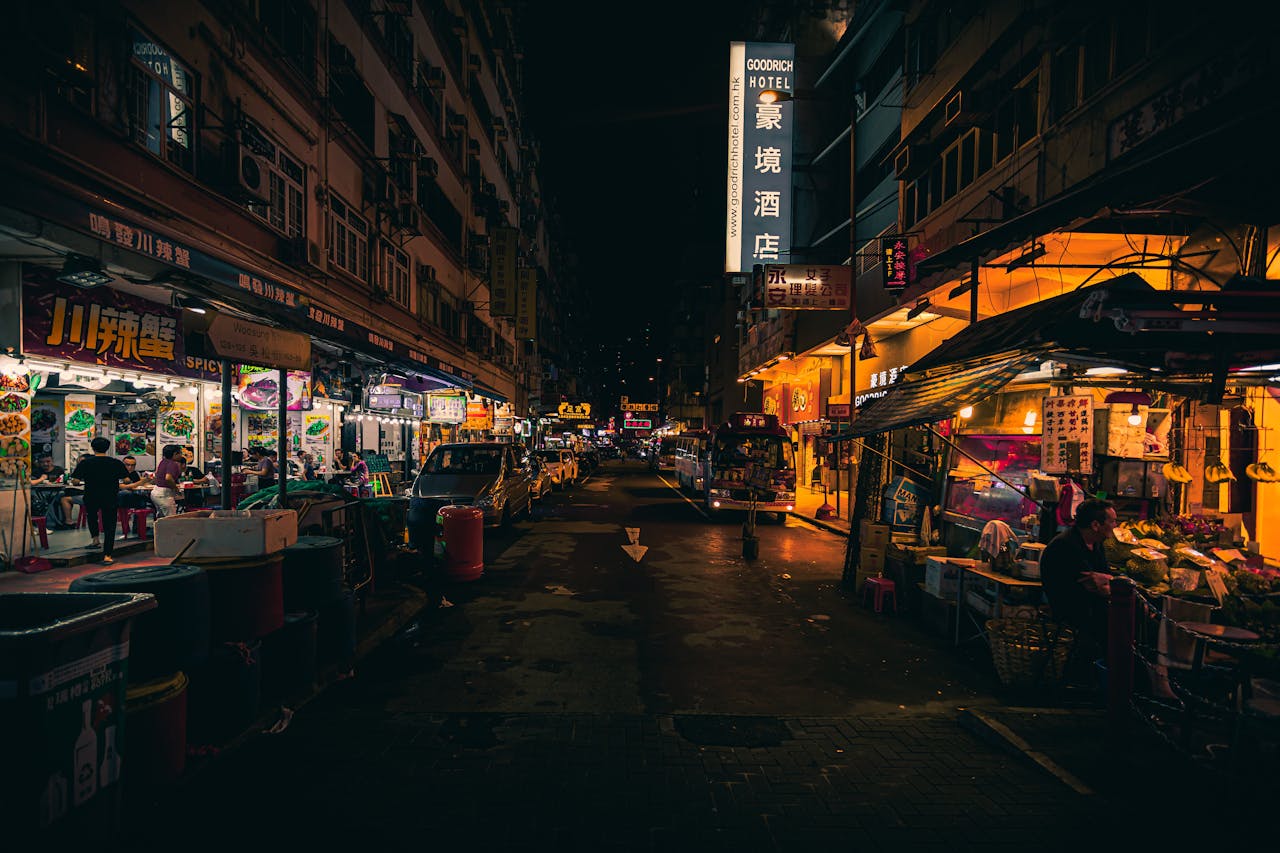
Hotspot neighborhoods can change character in a single block. The main strip may be bright and crowded, while side streets turn sparse, poorly lit, and hard to navigate after bars close. Locals pick routes that stay on commercial streets, even if the walk is longer, and they avoid shortcuts through alleys or empty lots. They also note which late-night businesses stay open, since a staffed diner or hotel lobby offers a place to regroup. Choosing an exit plan before closing time, rather than after the lights come up, keeps the group from drifting into the wrong pocket of the neighborhood. Familiar routes beat clever ones.
Parking Is Where Nights Quietly Go Wrong
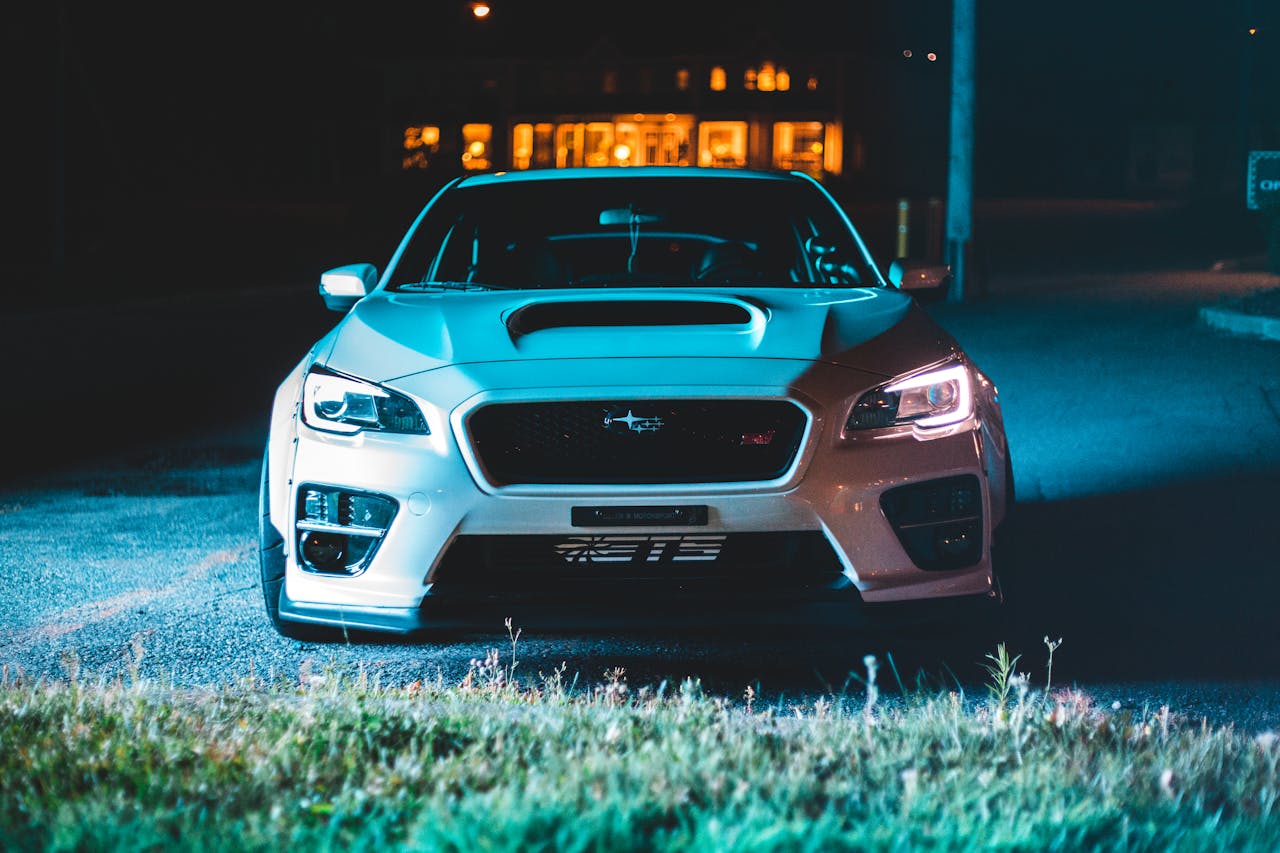
Popular nightlife zones turn parking into a game of misread signs. Locals watch for temporary restrictions, event tow zones, and meters that stop taking payment after a certain hour but still enforce time limits. Unlicensed attendants may wave cars into lots that are not actually open, then vanish when it is time to leave. Many locals prefer a reputable garage slightly farther away, or they split a rideshare early, to avoid the last-mile chaos. A quick photo of the posted rules, the lot name, and the nearest street sign can save a long argument and an expensive ride home. Parking peace is underrated at 2 a.m. Always.
Late-Night Food Comes With Its Own Rules
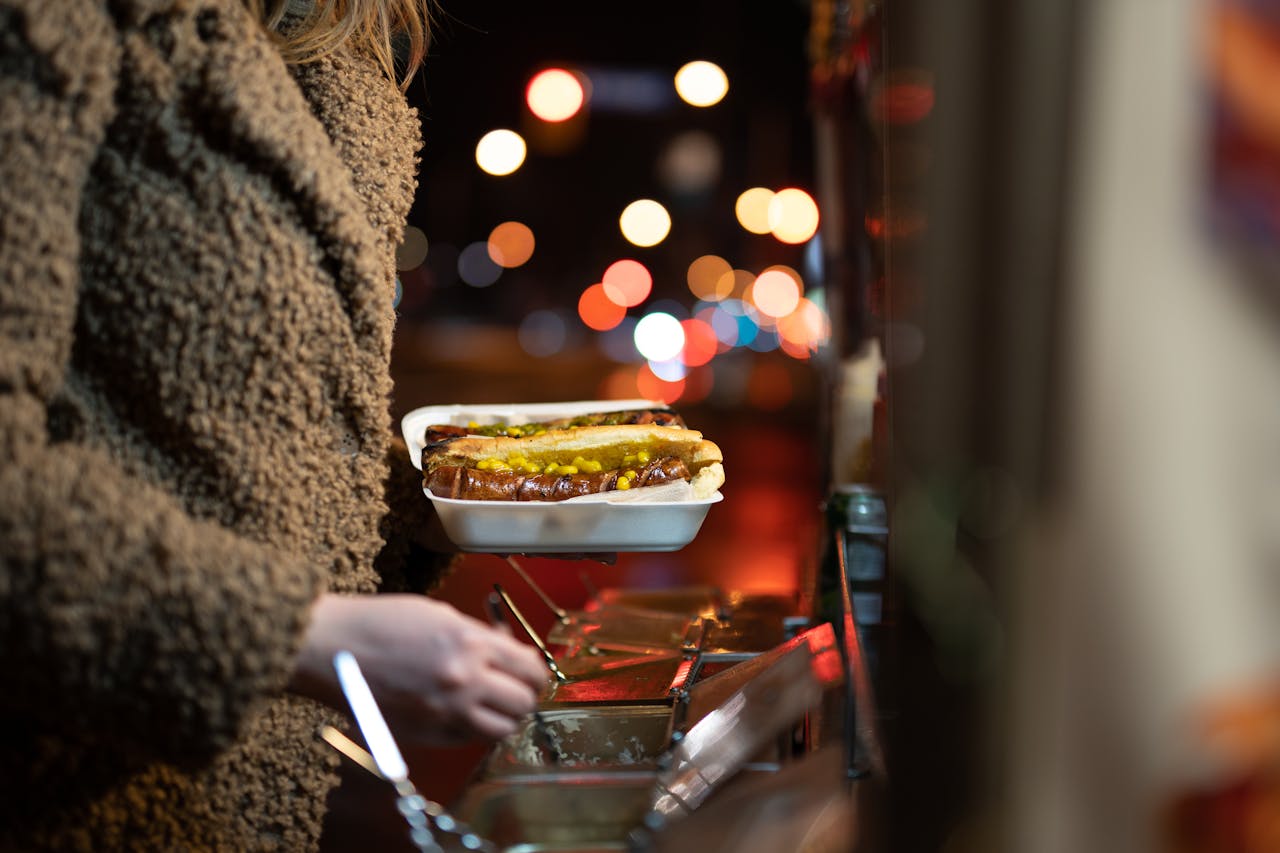
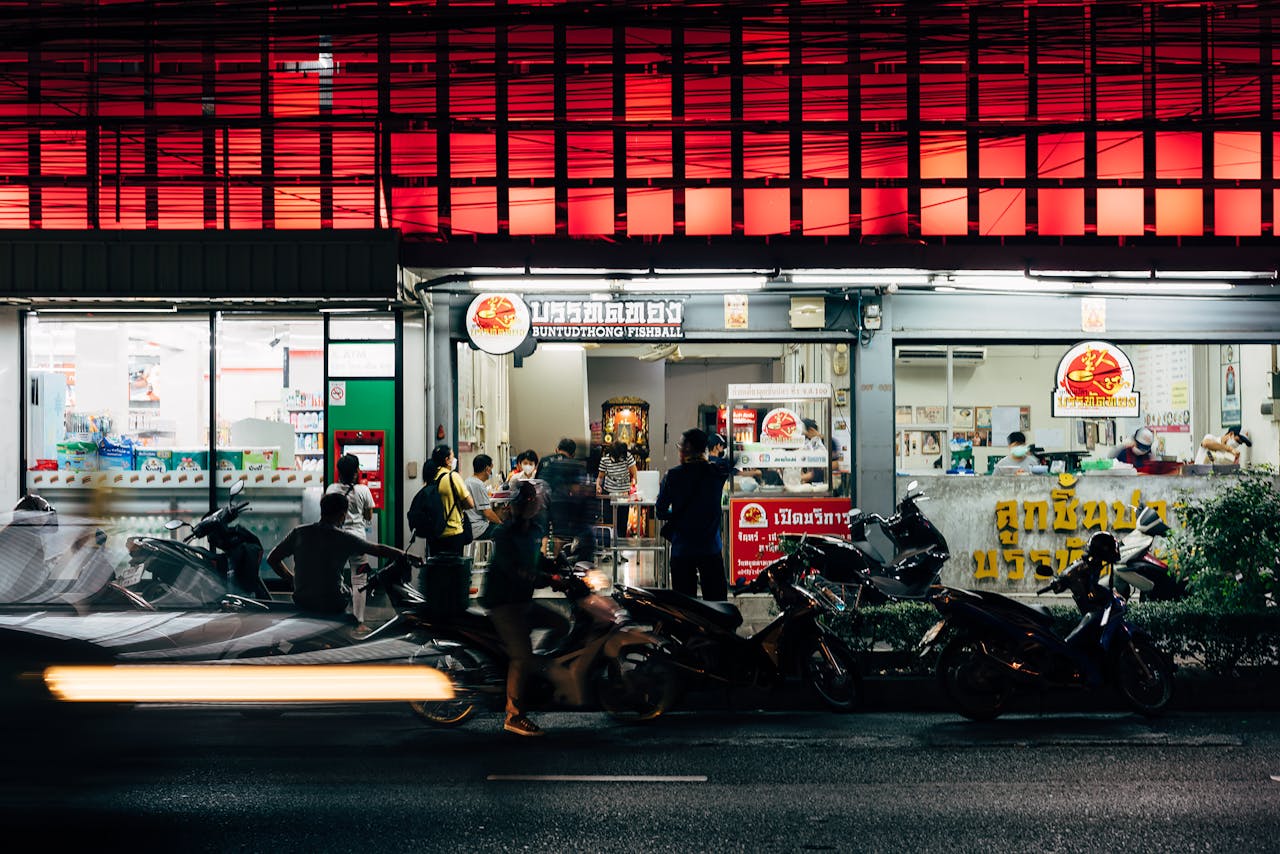
After midnight, food lines can stretch longer than club lines, and that is when impatience gets expensive. Locals look for menus with posted prices, since some pop-up stands quote one number, then charge another once the order is moving. Payment screens may default to high tip percentages, so locals pause before tapping, and they ask for a receipt if the total looks off. They also check closing times, because kitchens may shut down early even when a sign says “open late.” Choosing busy, well-reviewed spots, and skipping anything that feels improvised or unclear, keeps the post-show meal comforting. Patience pays here.
Respect The Block, Even When The Night Is Loud
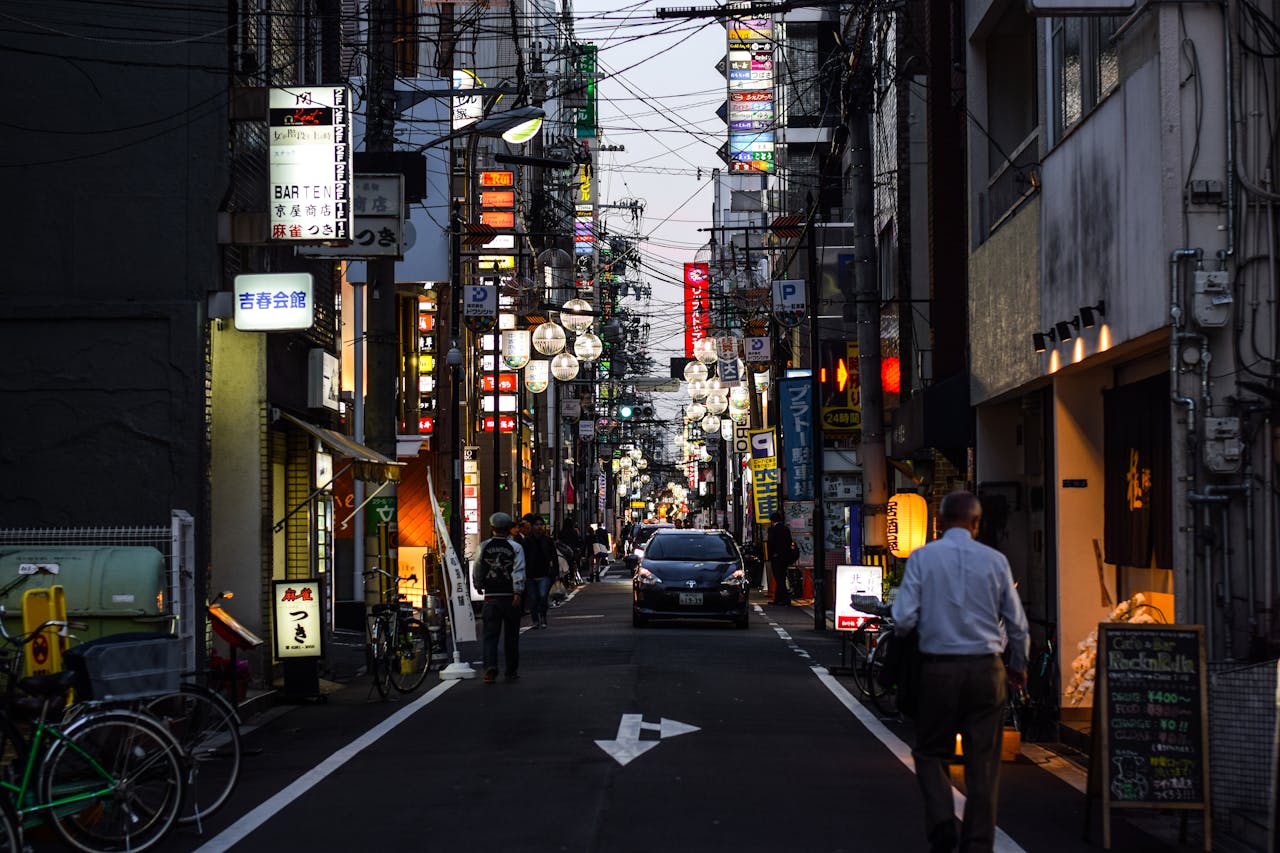
Locals know that nightlife districts still have residents, hotel guests, and shift workers trying to sleep nearby. The fastest way for a hotspot to feel tense is a crowd spilling into doorways, arguing with staff, or shouting on a quiet side street. Many cities enforce noise rules more strictly after midnight, and patrols focus on the same corners every weekend. Locals finish drinks inside, toss trash properly, and avoid lingering under bedroom windows while waiting for a car. Groups that keep voices down and move with purpose tend to avoid unwanted attention and keep the night ending on a calm note. Courtesy travels well.
Plan For The Moment Everything Closes At Once
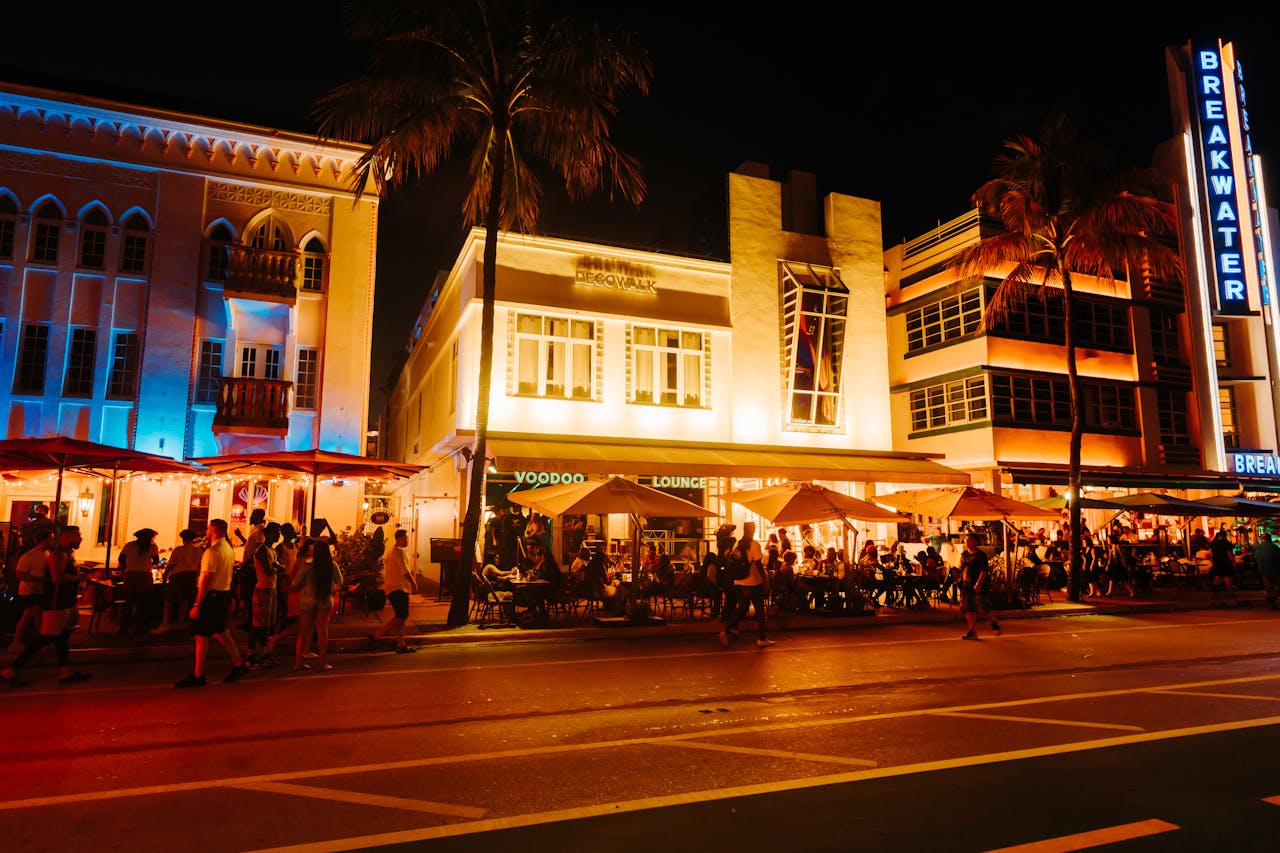
The most chaotic minute in any nightlife hub is closing time, when lights flip on, music stops, and every group heads for the same curb. Locals treat last call as a signal to settle tabs early, use the restroom, and confirm the way home before the crowd surges. They choose a meeting point outside, too, because friends can get separated in the rush and staff may push people off the sidewalk. Public transit may run less often late, and some stations close entrances during big events. Leaving 10 minutes ahead of the crush can feel uncool, but it is often the difference between an easy exit and an hour of waiting. Outside.