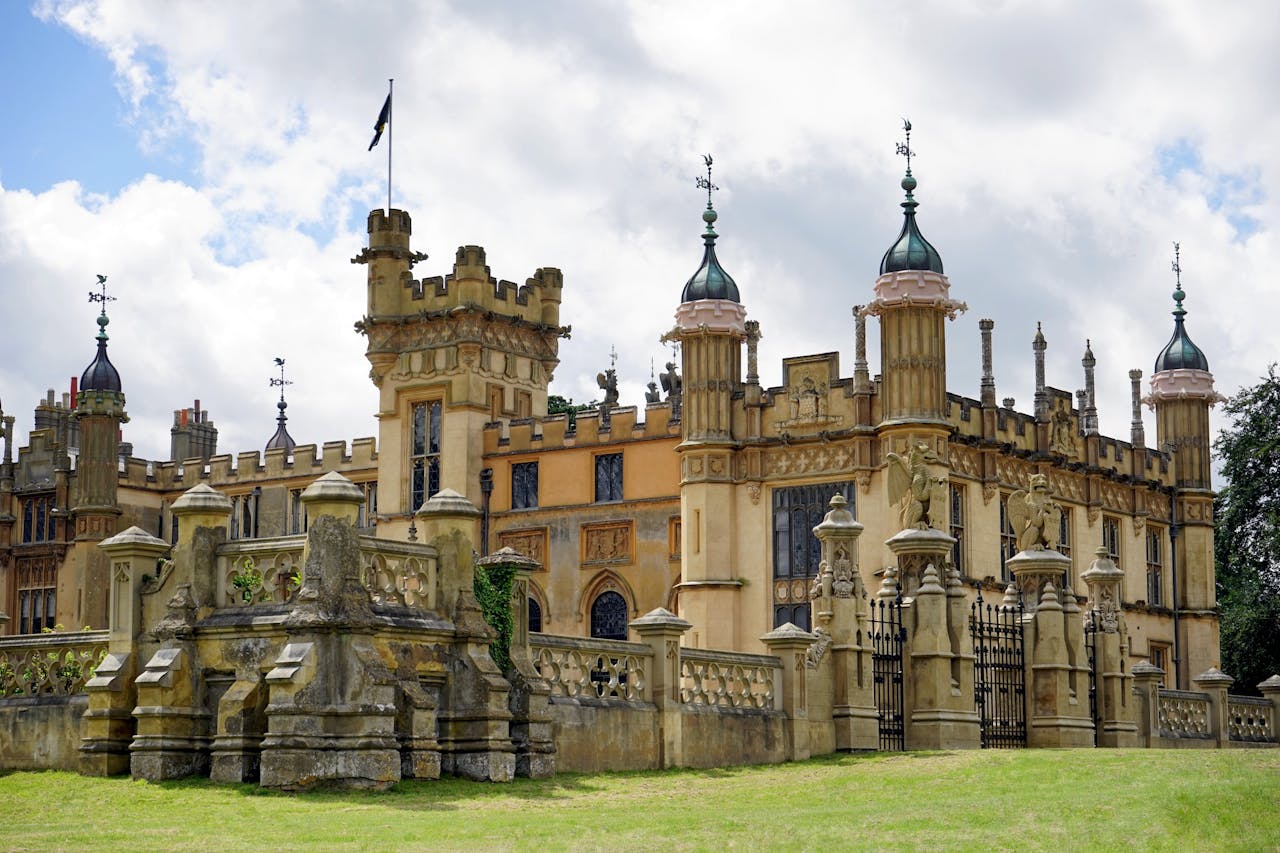
A carriage rolls past a stone gate, candles flicker in a manor window, and a real landscape inherits a fictional glow. Period dramas make places feel intimate and timeless, but that intimacy can harden into pressure when crowds arrive with scenes in mind. Photo queues form where neighbors once lingered, and small rules get tested by big enthusiasm, especially indoors. Shops pivot toward themed souvenirs, streets clog at peak hours, and the quiet social fabric that made the setting believable begins to strain. What looks like romance on screen can translate into noise, wear, and complicated trade-offs on the ground.
A Single Screenshot Becomes a Stampede
A lavish ballroom scene can turn an ordinary courtyard into a magnet almost overnight, especially when a single clip goes viral and every caption repeats the same location tag. Visitors arrive chasing the identical angle, cluster at one doorway, and then overflow into side streets, café tables, and front steps, slowing locals who are simply trying to commute, shop, or drop kids at school. The place stops being a lived-in setting and starts acting like a backdrop, where patience, privacy, and basic access become scarce on weekdays, and the charm on screen becomes an argument on the ground between strangers and neighbors.
Historic Interiors Take the Hit First
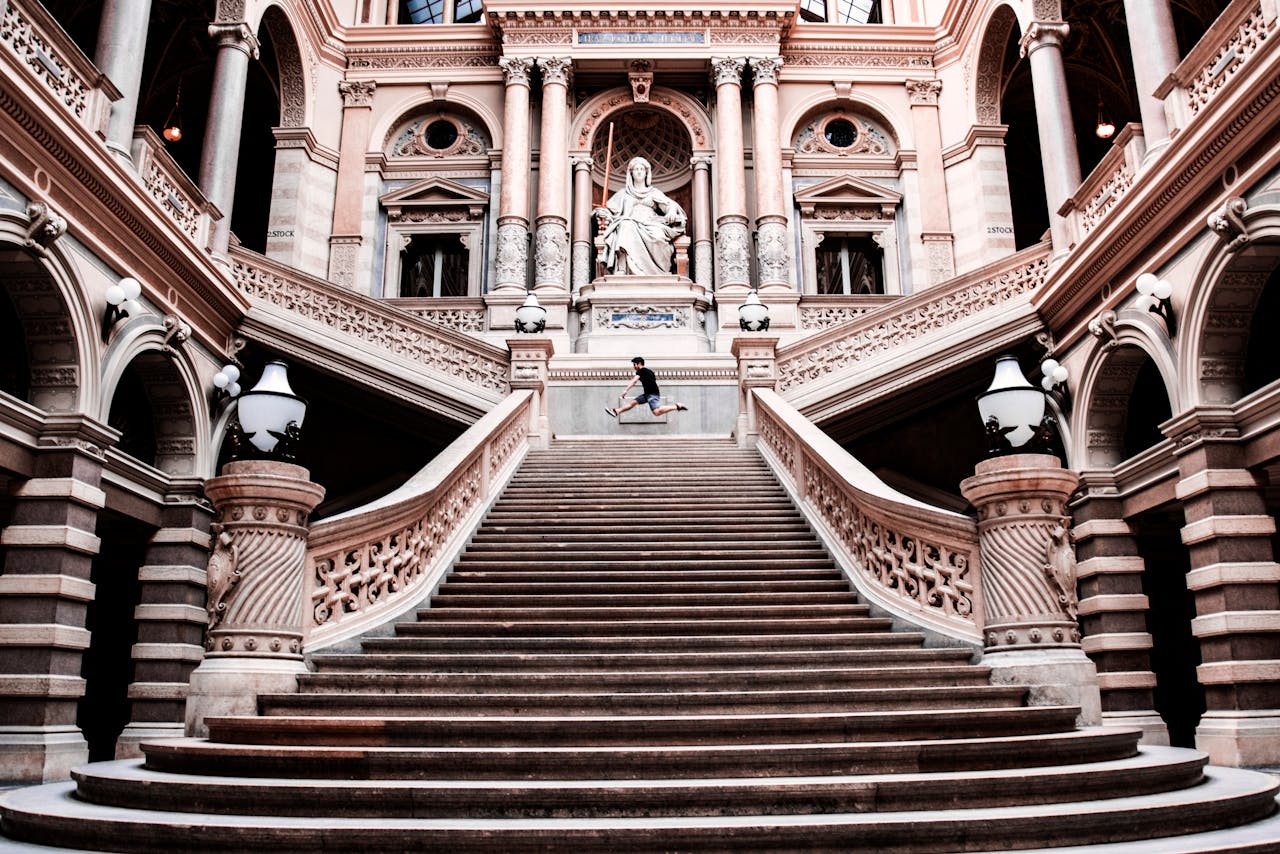
Old floors, stair treads, and hand-carved banisters were built for careful footsteps and occasional tours, not the constant rhythm of crowds chasing a scene, especially through narrow corridors and steep staircases. Repeated brushing, leaning, and flash-lit photos speed up wear that conservators spend years trying to slow, while body heat and humidity shift delicate rooms, and oils from hands darken wood and stone. Even with rules, staff end up policing behavior all day, closures become more frequent, and the building’s history shrinks into a quick photo stop instead of a fragile archive worth protecting for generations.
Small Town Services Get Overrun
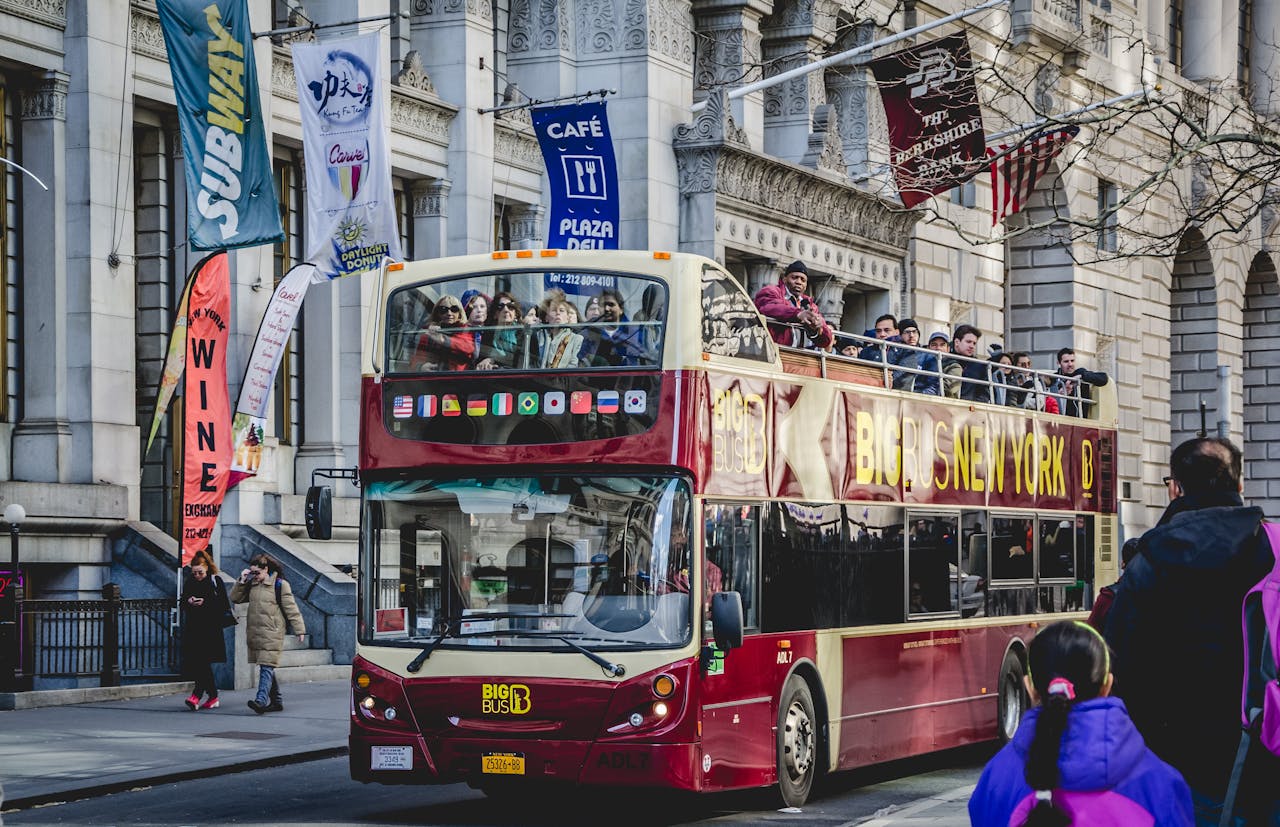
A small town with one bus stop, one café, and a handful of rooms cannot scale overnight when a period drama turns its main street into a pilgrimage and tour buses start arriving back-to-back. Parking spills into delivery lanes, trash bins fill before noon, and restrooms become an emergency, while local staff juggle long lines, short tempers, and the same questions asked every five minutes. Ambulances and school pickups get delayed, neighbors hear the same themed guide speech from dawn to dusk, and the calm that made the place feel authentic frays into a constant, low-grade grind that lasts for months, not just a weekend.
Seasonal Surges Hit at the Worst Moments
Period dramas romanticize spring blossoms and winter snows, so fans time visits to match the mood and re-create the same seasonal scenes, often arriving in clusters on the first clear day. That timing can collide with harvests, school routes, or narrow weather windows when roads, ferries, and trails are least forgiving, and a surge during storms or short daylight hours can overwhelm local response plans. When crowds spike on a few perfect weekends, the stress concentrates into soil compaction, eroded paths, and strained hospitality, leaving the landscape to absorb the costs long after the season passes and budgets reset.
Private Homes Become Public Stages
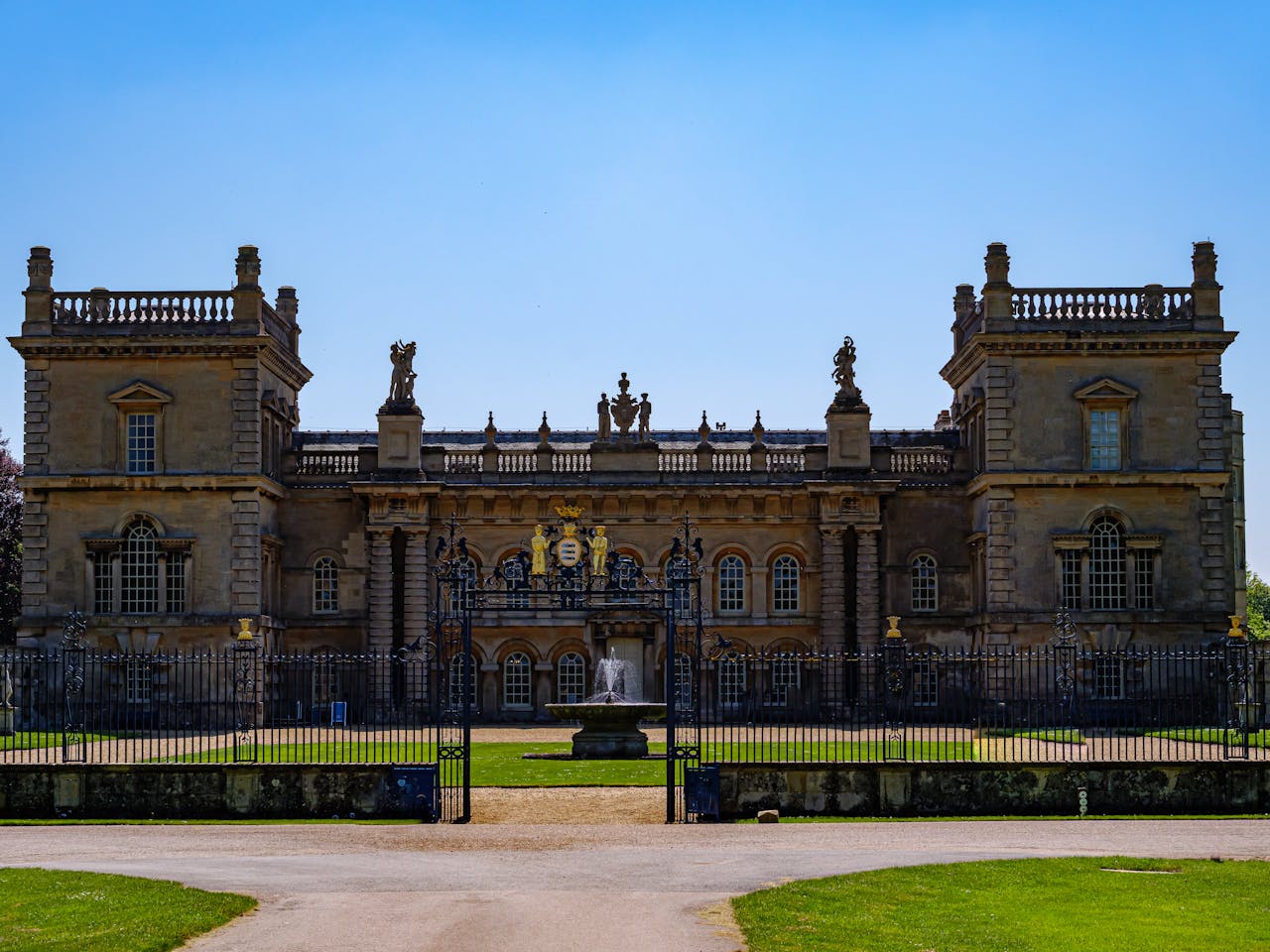
Some of the most memorable locations are still private estates, working farms, or family homes with real routines and real boundaries, not purpose-built attractions. Sudden attention brings strangers at gates, nonstop requests for access, and drones hovering for a better view, while cars idle on narrow drives, livestock get spooked, and neighbors become unwilling ushers. Owners may feel pushed to commercialize simply to manage demand, yet every ticket sold also raises insurance costs and chips away at privacy, until the place becomes a workplace built around strangers’ expectations rather than family life and rest.
Sacred Sites Get Treated Like Props
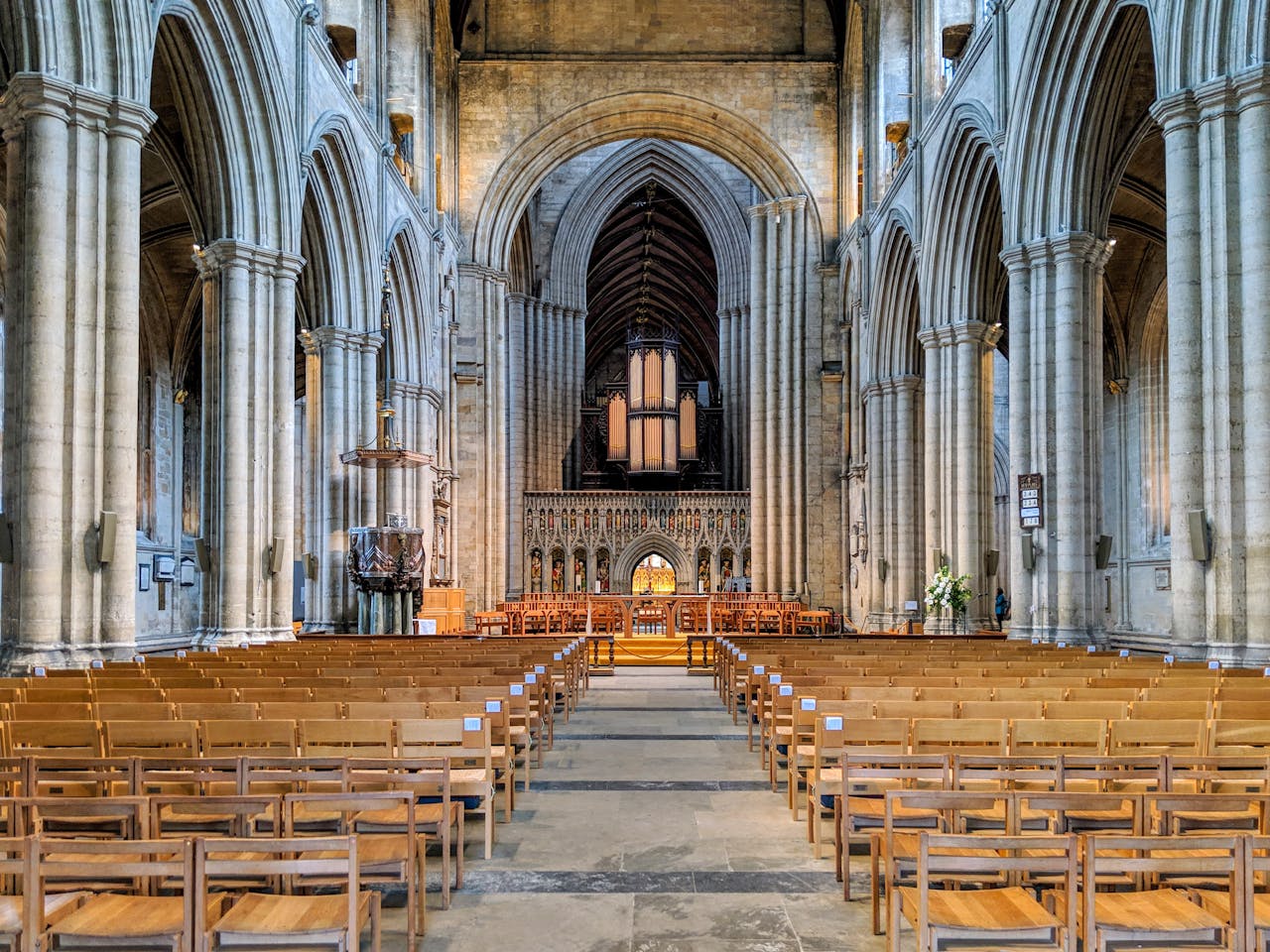
A chapel, temple, or cemetery might be filmed for atmosphere, then visited for spectacle once fans learn the name and map the exact doorway from a still frame. Quiet customs get replaced by selfie lines, and dress codes begin to feel negotiable to outsiders chasing a scene, while worshippers weave through noise, tripods, and staged reenactments beside memorial stones; footsteps echo, and silence becomes rare. Even respectful visitors can dilute meaning when volume turns devotion into a photo opportunity and a living ritual into scenery, forcing caretakers to choose between open doors, clear boundaries, and reverence.
Local Culture Gets Flattened Into Costume

Set-jetting often rewards a simplified version of place: corsets, carriages, and a market renamed to sound old-world and easily searchable, even if that label never existed locally. Businesses follow what sells, so menus, signage, and tours tilt toward the show’s imagery, while crafts, dialects, and histories that never appeared on screen slip to the margins, replaced by costume rentals and staged tea services. Over time, the culture risks being edited to fit someone else’s script, and locals get treated as supporting characters in a performance that prizes vibe over truth and convenience over depth for everyone.
Prices Rise on the Strength of Fiction

Once a location is branded romantic or aristocratic, prices often rise with the reputation, even if local wages do not and nothing about the infrastructure has improved, and landlords reset the baseline with little warning. Short stays, themed packages, and premium tours crowd out everyday services, while housing shifts toward quick profits and seasonal demand; cafés move to reservation-only, and parking becomes pay-to-enter. What began as admiration for a landscape turns into a quiet tax on residents, who watch rents, groceries, and even simple transport costs climb as community spaces get repackaged as experiences.
Wildlife and Gardens Face Unseen Stress
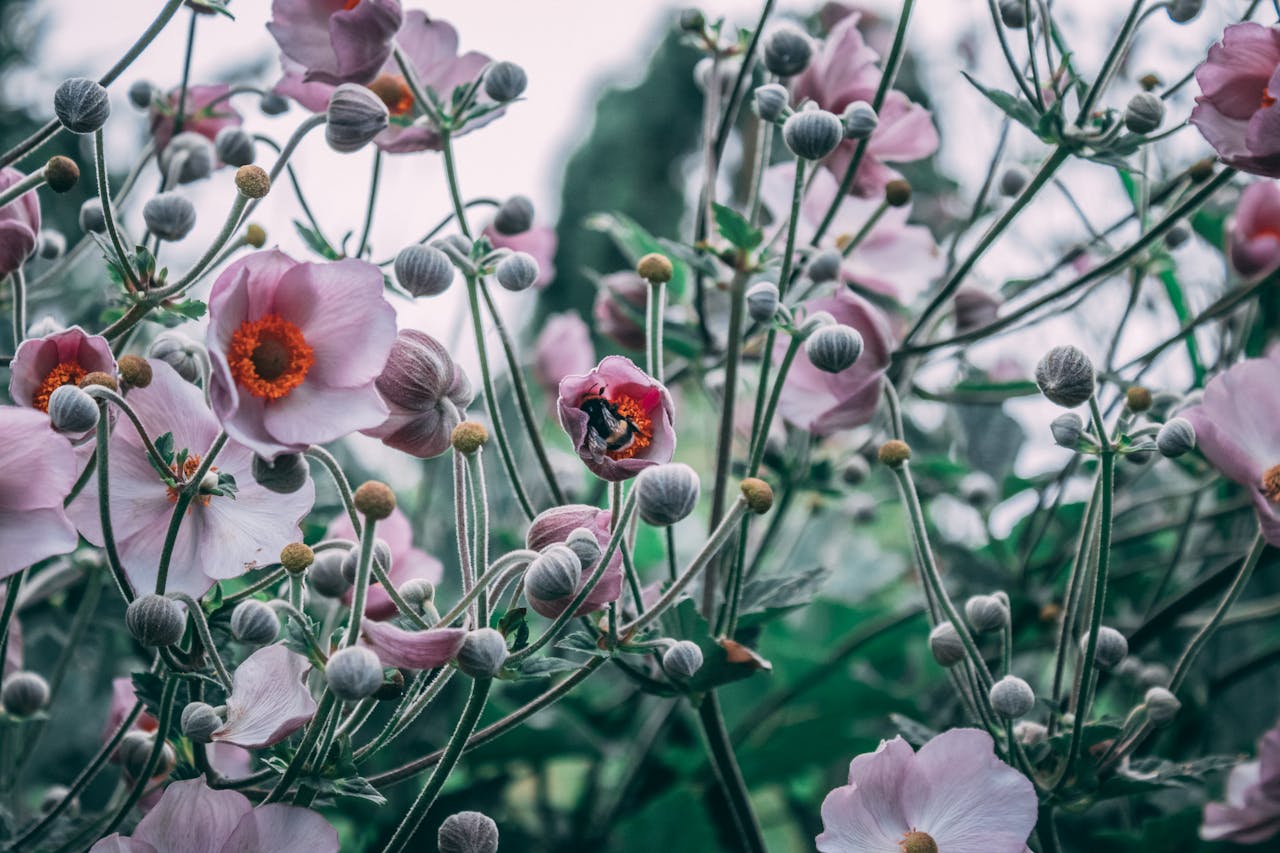
Fans searching for the clearing or cliff-edge view often step off trails without noticing what gets crushed underfoot, because the camera frame rarely shows the fragile edge of the path, and it only takes a few afternoons to tip it. Nests, dunes, and delicate plantings do not recover on the timeline of social media, and repeated shortcuts become permanent scars, while litter, noise, and drone buzz push animals away from familiar ground. Rangers and gardeners can rope lines and post signs, yet constant footfall still compacts soil, spreads invasive seeds on shoes, and changes the very scenery that made the shot feel wild.
Filming Myths Rewrite Local History

Dramas blend centuries, invent rituals, and polish conflicts for effect, then those choices get repeated as fact in captions, until invented details start sounding official. Tours lean into tidy narratives because they move fast, and nuanced history becomes harder to sell when visitors arrive with a plot already memorized, expecting characters instead of communities and asking staff to confirm the fiction. The place gets taught back to itself through that lens, and real stories, accents, and messy timelines fade into trivia unless local historians are centered, funded, and given room to complicate the tale with care.
Crowd Control Changes the Feel of Place

To keep sites safe, managers add timed tickets, barriers, and one-way routes that funnel movement, reduce crowding, and prevent sudden surges at narrow doors. Those tools work, but they turn wandering into logistics and spontaneity into scheduling, as wristbands, queues, and security checks replace the slow pleasure of discovery and staff spend more time scanning codes than answering questions. The experience becomes a managed flow instead of an encounter, and the location’s original character gets filtered through rules that exist only because popularity got too loud to handle, even when everyone means well in practice.
The Exit Door Stays Busy After the Hype
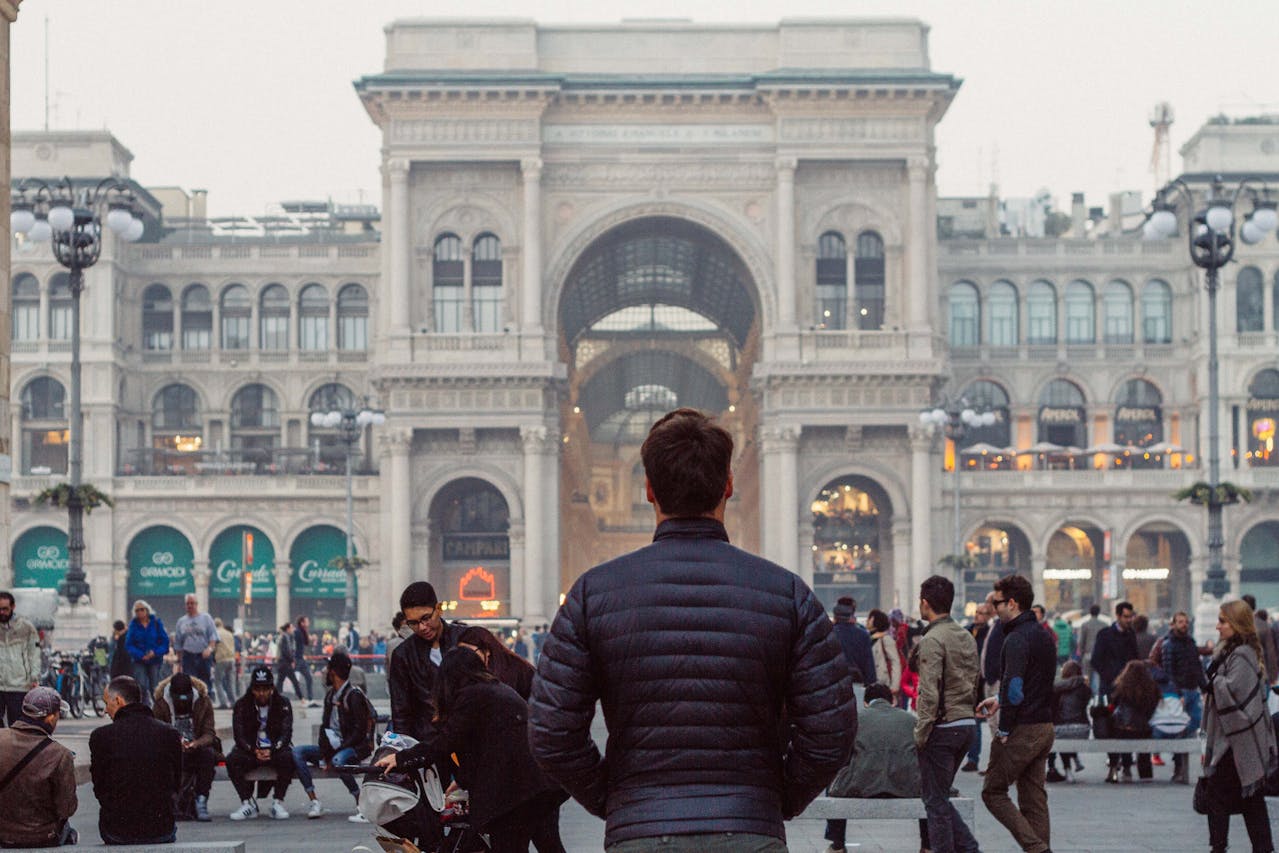
Trends move fast, but wear, resentment, and maintenance bills linger long after headlines shift to a new romance and tour operators rebrand the same bus route. Once a destination is labeled a screen location, it can be hard to reset behavior, expectations, and the constant hunt for perfect angles; visitors still arrive looking for the scene, and staff still manage the fallout. Recovery can take years of repairs, fundraising, and community patience, plus smart limits and storytelling that centers the place itself, so local life is not permanently redesigned around fiction and residents can recognize home again, quietly.