For those born into the baby boomer era, childhood unfolded in a world of ticking dials, clacking keys, and slow, deliberate routines. Technology felt more like furniture than magic, and every device demanded patience, coordination, and a bit of imagination. Entertainment arrived through static filled screens, spinning records, and parking lots turned into open air theaters under wide night skies. Even simple errands, from buying candy to bringing in glass milk bottles, shaped memories that still feel surprisingly close today.
Rotary Telephones

Rotary telephones turned every call into a small workout, with fingers looping around the dial and waiting for it to spin back after each number. Wrong digits meant starting over, so phone numbers lived firmly in memory instead of contact lists. Long distance calls carried real weight because every minute cost money, trimming conversations to what truly mattered and leaving many boomers with sharp recall of hushed late night chats held on tangled cords in darkened hallways as quiet houses seemed to lean in and listen. Even now, the sound of a slow rotating dial or the feel of a heavy handset against a cheek can pull those nights back in an instant. Remember it!
Black and White TV Sets
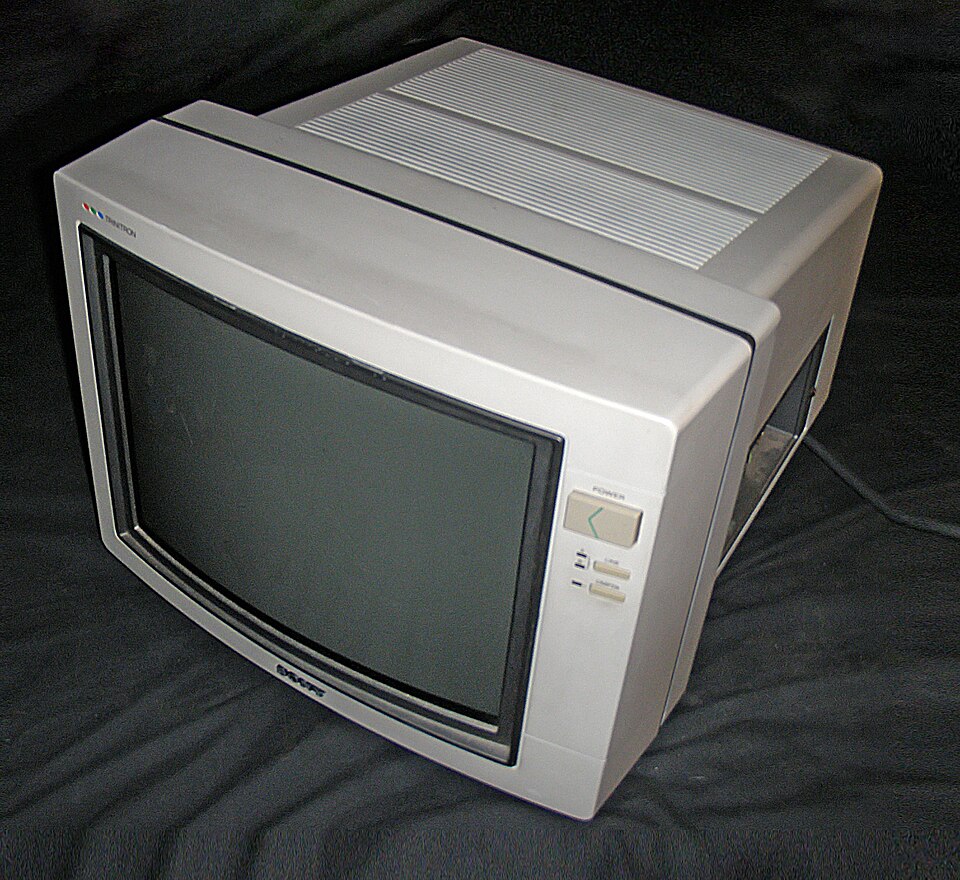
Black and white television sets turned living rooms into small theaters where families crowded around glowing screens that hummed and flickered. Rabbit ear antennas demanded constant adjustment, with one unlucky person standing just so while the picture finally settled into a fuzzy but watchable image. Programming ended with the national anthem and test patterns that signaled bedtime, and early color broadcasts felt unreal, especially when classmates bragged about houses that saw game shows in bright shades first. Commercial breaks meant crossing the room to twist a chunky dial. Kids compared favorite shows at school, sure their living room had the best picture.
Record Players and Vinyl Singles
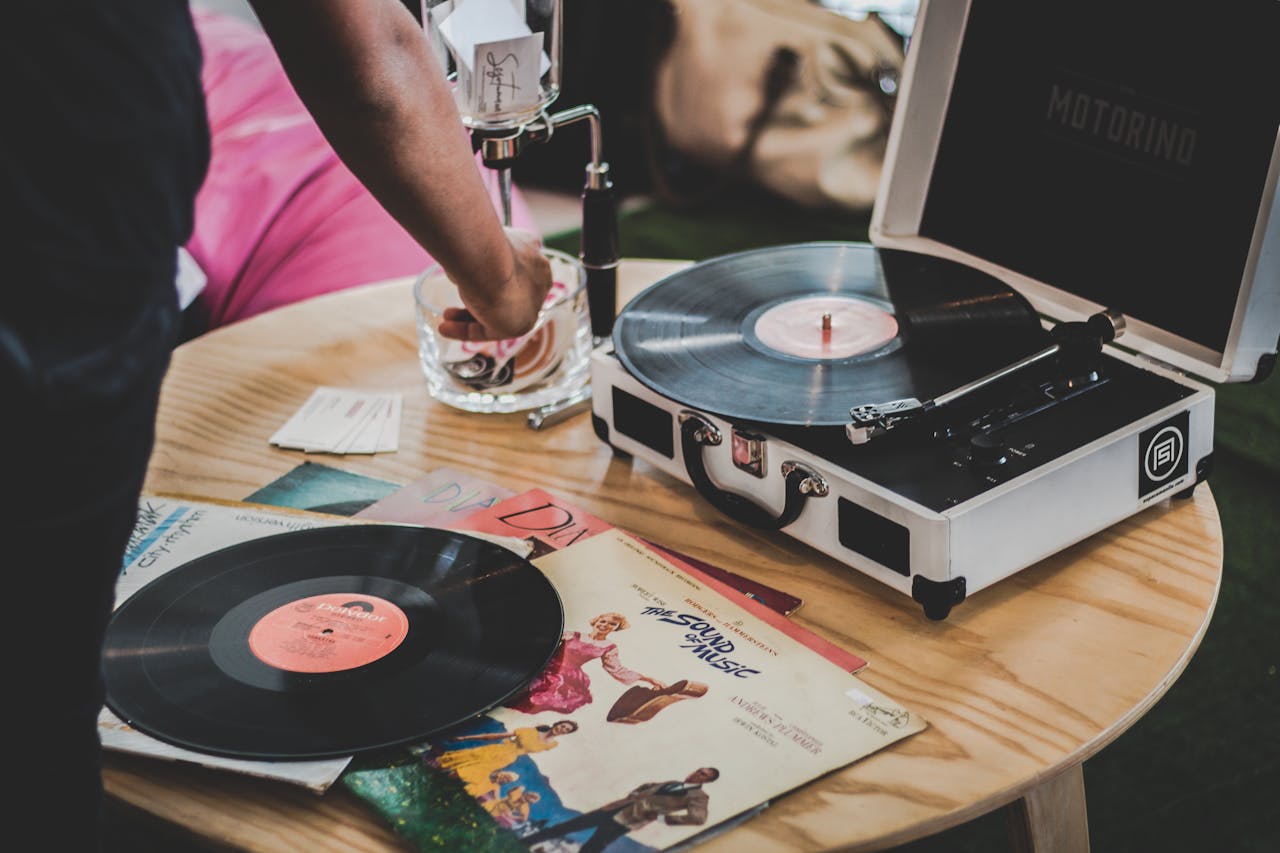
Record players and stacks of vinyl singles turned bedrooms and basements into private concert halls filled with warm crackling sound. Lowering the needle onto a favorite record felt ceremonial, and each side carried its own mood, making every choice deliberate instead of random. Scratches could trap the same lyric in an endless loop until someone nudged the arm, and saving allowance for a new album taught patience. Liner notes and artwork were studied as the music played, turning singers into familiar companions. Many boomers still picture label colors and record shop counters, and remember the thrill of walking home with a bag holding one prized disc. Stayed on
Drive In Movie Theaters
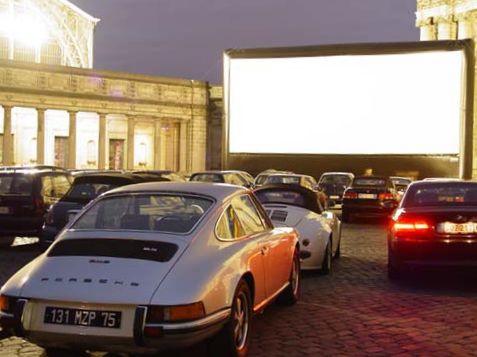
Drive in movie theaters turned open lots and fields into glowing gathering spots where cars lined up under wide summer skies. Families settled in with blankets, lawn chairs, and kids in pajamas, listening through window speakers or car radios while fireflies drifted past the screen. Fogged glass, mosquito battles, and the sprint to the concession stand became part of the fun, and double features stretched late enough that younger children often fell asleep before the final credits rolled over distant treetops. The countdown clock before intermission, with dancing treats and jaunty music, still sits in many minds, along with tires on gravel as cars left the lot.
Manual Typewriters
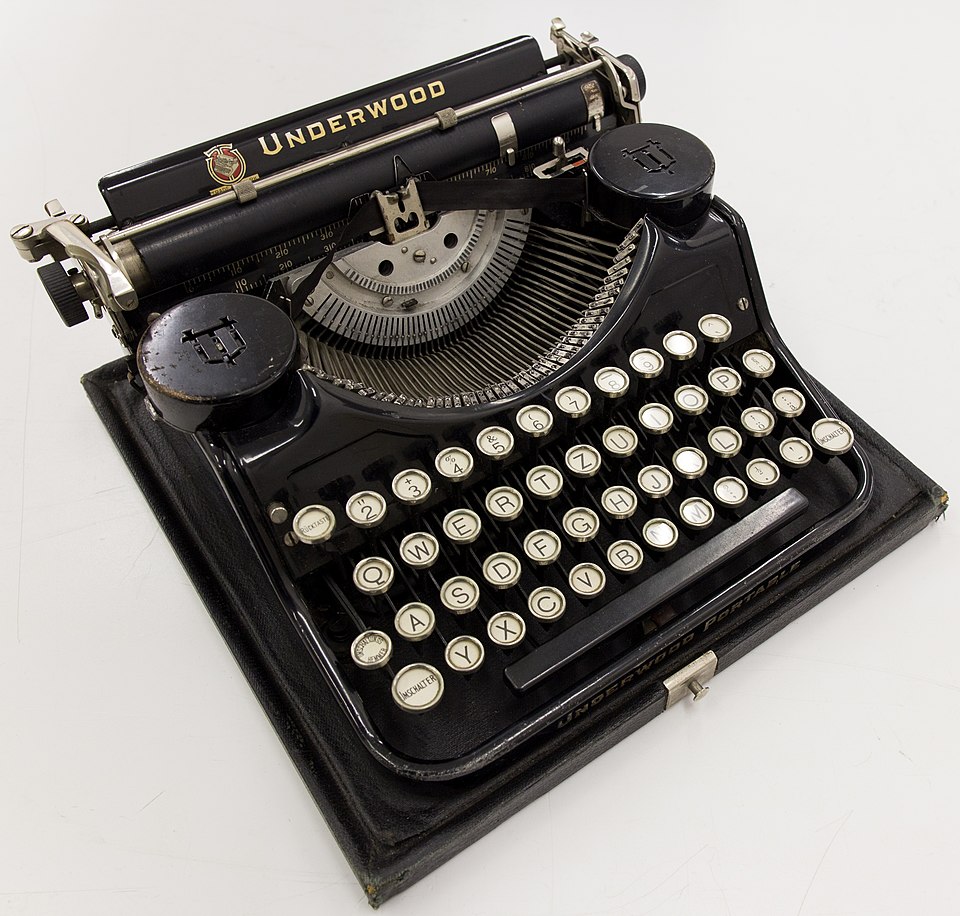
Manual typewriters filled classrooms and offices with a steady chorus of clacks, dings, and carriage slides that signaled serious work. Each keystroke launched a metal arm toward an inked ribbon, leaving letters stamped on paper and reminding writers that every mistake cost time. White correction fluid, erasers, and ripped pages were regular companions. Reaching the margin brought a small bell and a swift shove of the carriage. Ribbons stained fingers, and typing lessons turned awkward hands into practical skills. Many remember long evenings finishing homework or first stories, feeling pride and frustration as pages piled and the rhythm of the keys settled. more
Slide Projectors
Slide projectors turned living room walls into temporary screens where vacations and holidays appeared one bright frame at a time. Someone loaded the carousel, and backward slides or upside down landmarks drew groans and laughter as the image snapped into place with a soft mechanical clunk. Darkened rooms and the hum of the fan created a sleepy mood while relatives politely stayed awake through endless beaches, mountains, and group poses. The sound of each click still echoes when old boxes of slides appear. Children learned the order of each trip and waited for favorite frames, whether that meant a crooked tent or a surprise animal. Those evenings remain vivid.
Encyclopedias on the Bookshelf
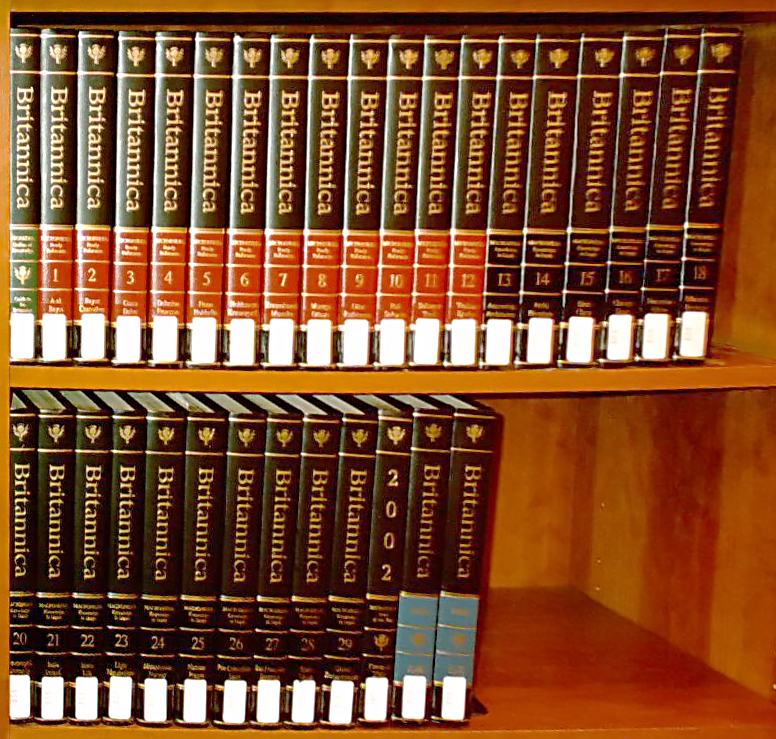
Encyclopedia sets lined living room shelves like quiet monuments to curiosity, their matching spines suggesting that every answer waited inside. Families often bought them from traveling salespeople who promised academic success, and school reports meant hauling heavy volumes to a table and flipping through delicate pages. Notes were copied by hand, and side topics pulled wandering minds into long detours. Annual updates tried to keep pace with world events, but even when facts grew dated, the books still felt solid and reassuring. Many boomers remember the smell of the paper and the weight of a single volume, lamplight turning homework into something calm. warm
Penny Candy Jars
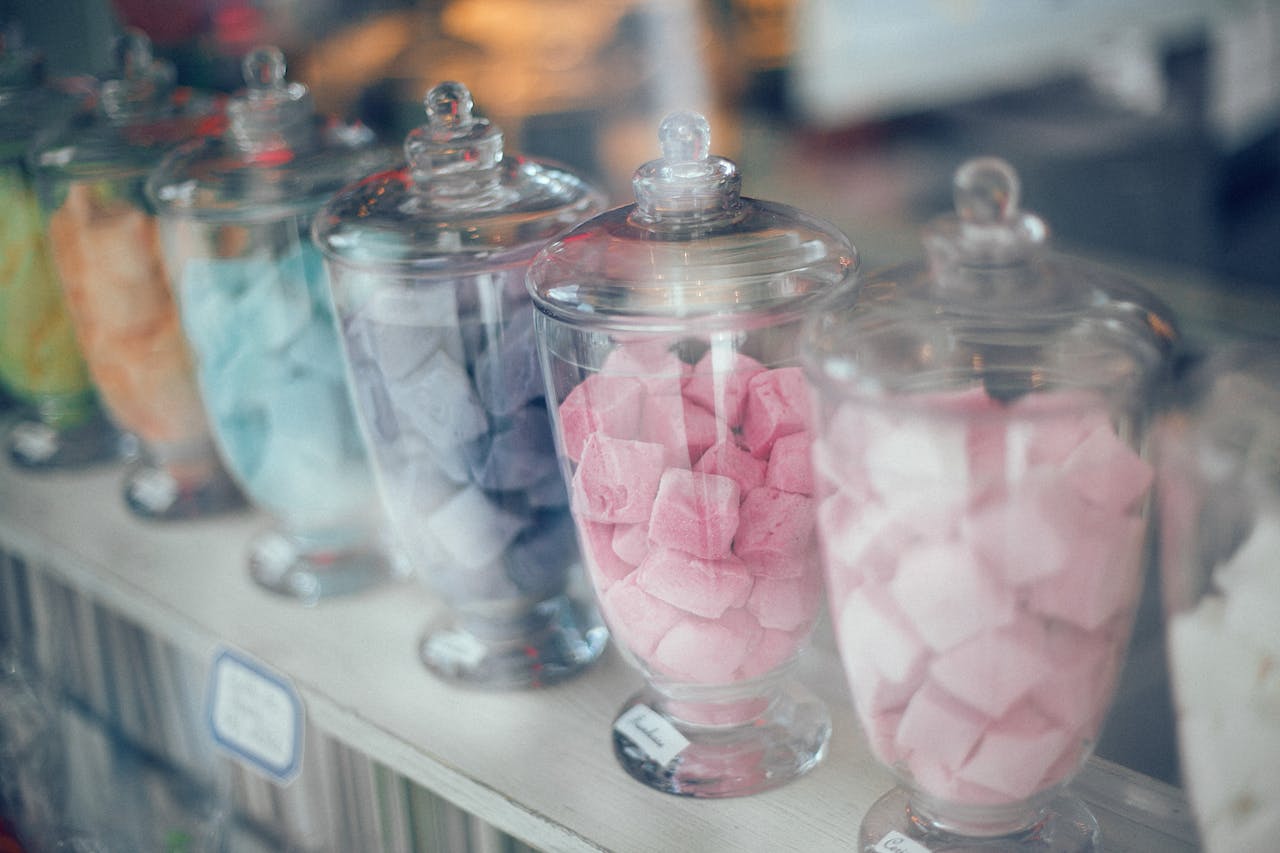
Penny candy jars lined corner store counters, their bright wrappers pressed against glass like tiny treasures waiting for small hands. Children arrived with nickels and dimes and slowly chose favorites while clerks scooped sweets into crinkly paper bags that seemed impossibly full. A single quarter could stretch into an afternoon of trading and chewing. Brands came and went, but the memory of standing on tiptoe, counting pieces one by one, still makes many boomers feel that those treats have never been matched. The slow choices at the counter, the ring of the bell, and the walk home with a paper bag now feel like small lessons in freedom and joy that stayed. far
Milk Delivered in Glass Bottles
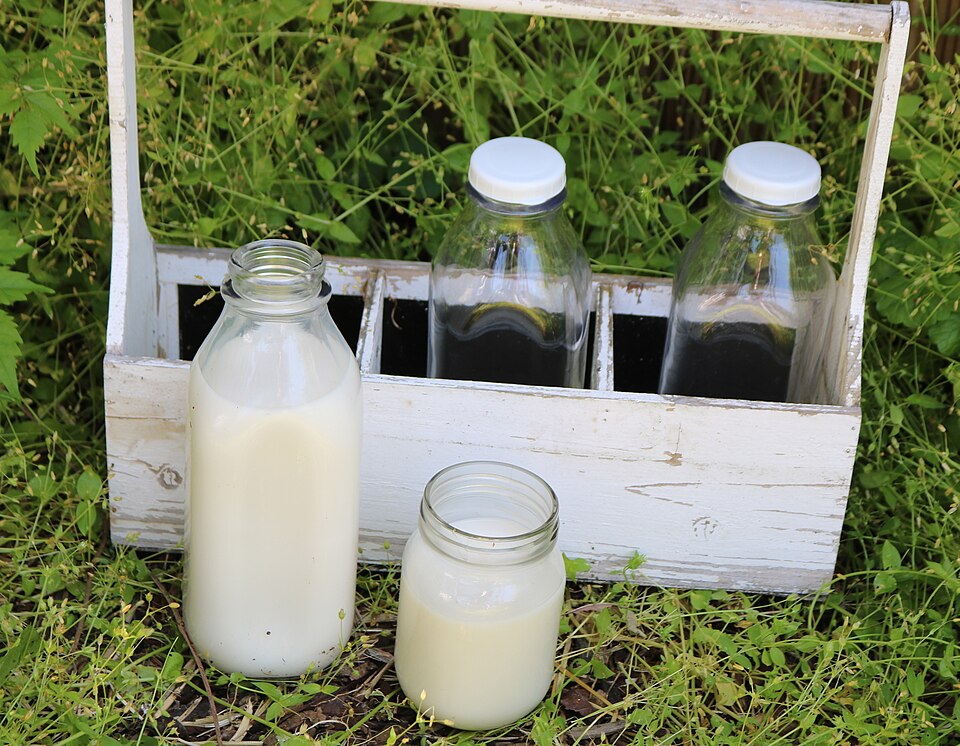
Milk delivered in glass bottles turned front steps into small morning stages, with clinking crates and quiet footsteps arriving before sunrise. Drivers left cold bottles in metal or wooden boxes, and cream collected in a thick layer at the top that had to be shaken back into the milk before breakfast. Children often raced to bring them inside before cats or weather interfered. Empties were rinsed and set out again, an early, ordinary lesson in reuse and shared responsibility. Many remember the chill of the glass in sleepy hands, the soft pop of each cap, and kitchen smells meeting cold air. The habit was steady and reminded families their home was one stop. home