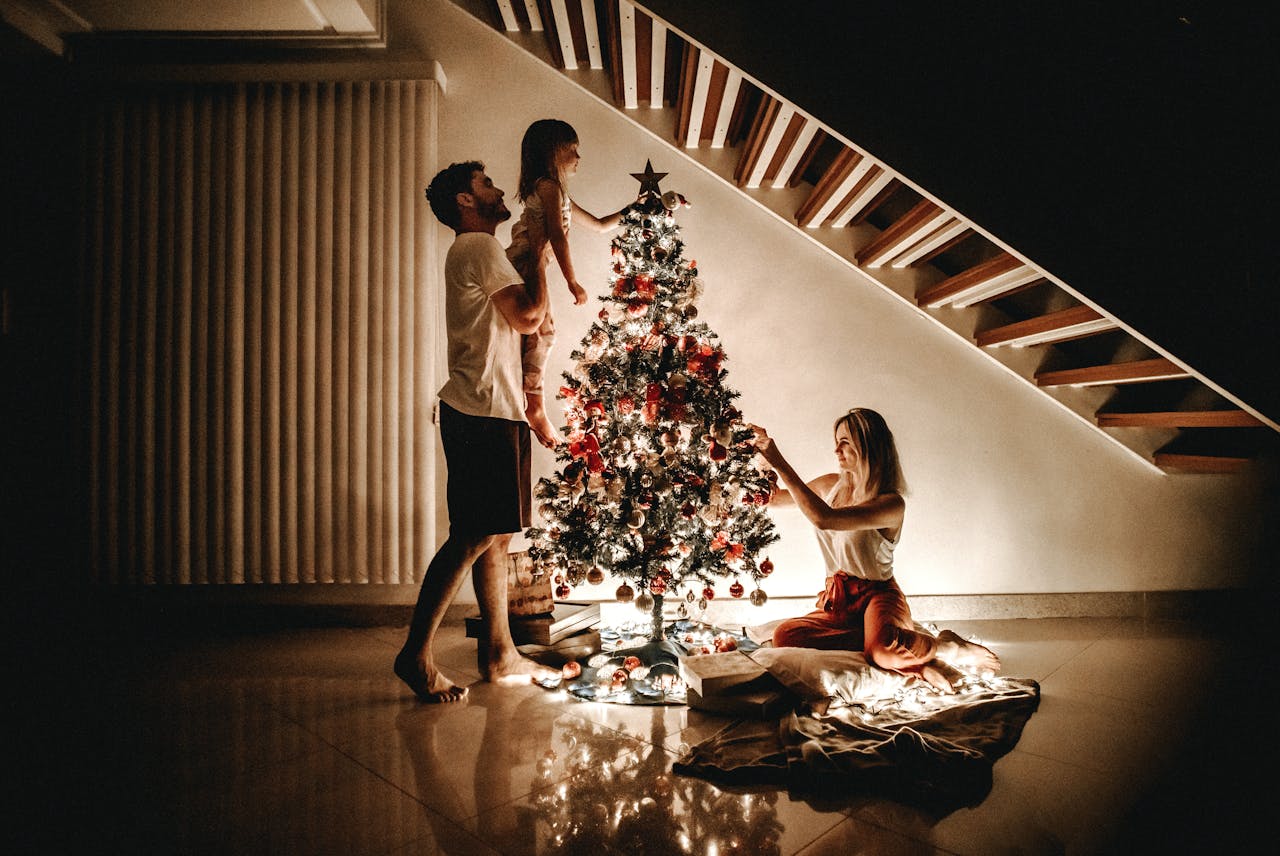
December arrives with familiar cues: evergreen scent, candlelight, songs drifting from doorways, and a calendar that suddenly feels cramped. Many of these comforts seem inseparable from Christmas, as if they have always belonged to Dec. 25. The story is richer. Long before Christian Christmas spread, communities marked midwinter with greenery, fire, sweets, and noise because the dark season demanded proof of life. Over centuries, those customs were reshaped and stitched into one holiday season. What remains is a patchwork of older festivals inside a newer story, still offering warmth and the promise that light returns. It still works.
Evergreen Boughs Indoors

Before Christmas decor had a name, people carried evergreens indoors because winter made everything else look temporary. Across Europe, midwinter festivals treated greenery as luck and endurance, and later churches folded holly, ivy, and pine into December worship and home life. What began as a modest, hopeful gesture became a whole-house signal, branches over doorframes, sprigs in jars, resin on fingertips, and that clean sharp scent that lingers on coats. Even in cities with no snow, the green says the season can be lived through, not just waited out, when daylight feels stingy, and then, quietly, released in March, at last.
Christmas Trees
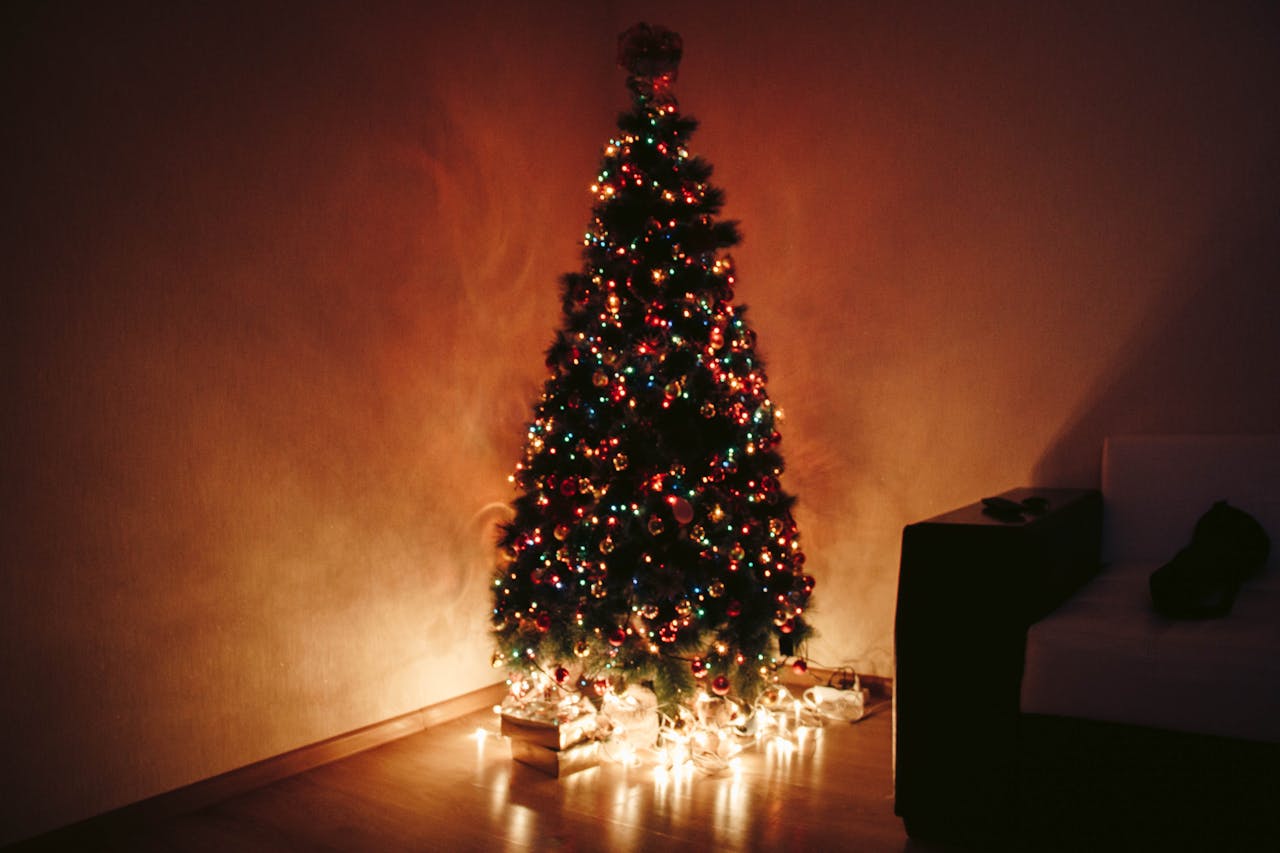
The Christmas tree feels inevitable now, yet its rise was gradual and regional before it went global. In German-speaking Europe, evergreens moved from doorstep greenery to indoor focal points, and medieval Dec. 24 paradise plays used a decorated tree to represent Eden, hung with apples and wafers. By the 1800s, royal influence, illustrated papers, and cheaper ornaments helped the habit travel, until one lit tree could anchor a room, set the scent of pine in the curtains, give children a job placing fragile baubles, and turn an ordinary corner into a winter stage night after night. Electric lights later made the glow safer.
Wreaths On The Door
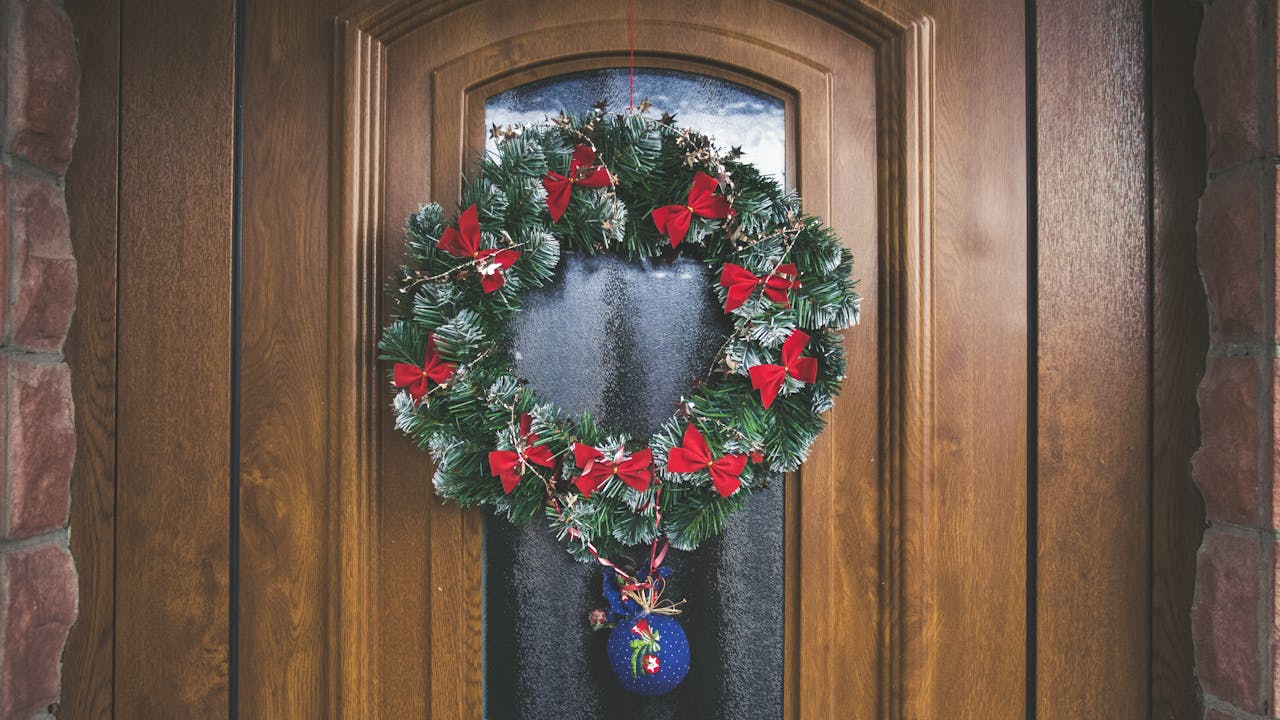
Wreaths did not start as front-door cheer. In the ancient Mediterranean, they marked status, victory, devotion, and mourning, worn as crowns or carried in processions, often woven from laurel, olive, or pine. Evergreen circles later picked up Christian symbolism about continuity and life, which made them an easy December fit in churches and homes. Today the shape is doing quiet work, turning a bare entry into a promise of warmth, whether it is tied with a ribbon, dotted with berries, or paired with Advent candles on a table. It looks simple, but it is an old language, translated for a porch light and winter visitors at dusk.
The Yule Log
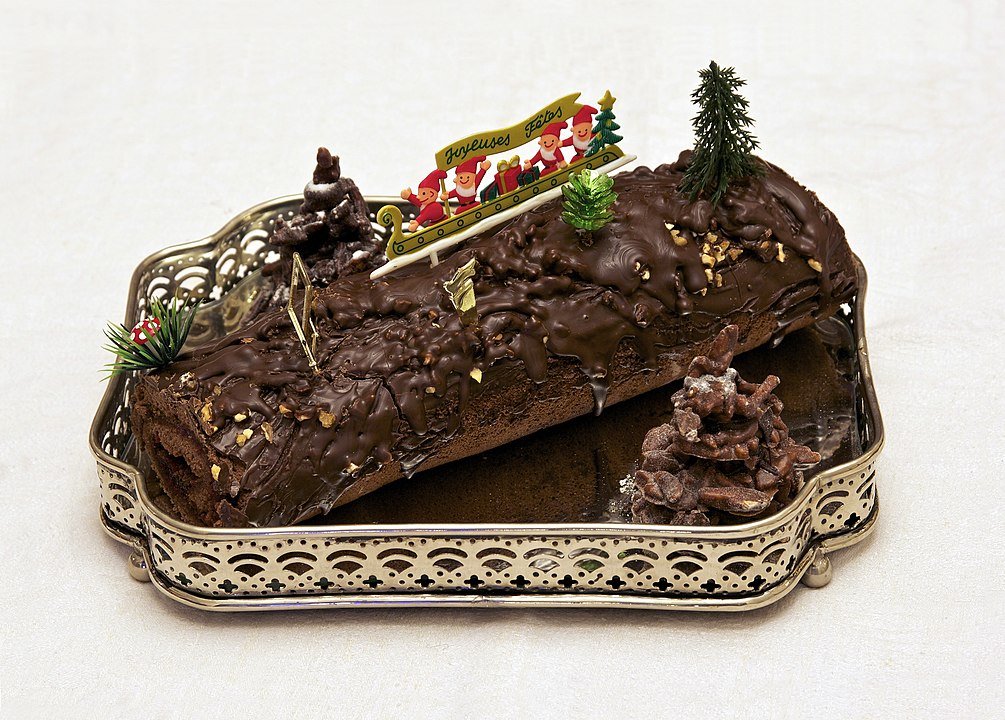
Long before a log became a dessert shape, a hefty piece of wood in the hearth was a midwinter statement: warmth was scarce, and the fire was communal. Across parts of Europe, households saved a special log for the season, sometimes lighting it with embers from the previous year and letting it burn through the longest night. Some towns kept public bonfires, with songs and cider, turning heat into a gathering point, not just a need. Even as fireplaces faded, the image stayed, surviving as sayings, saved ashes, and the French buche de Noel cake, sliced into spirals that still whisper the point: light can be made, then shared.
Carol Singing And Wassailing
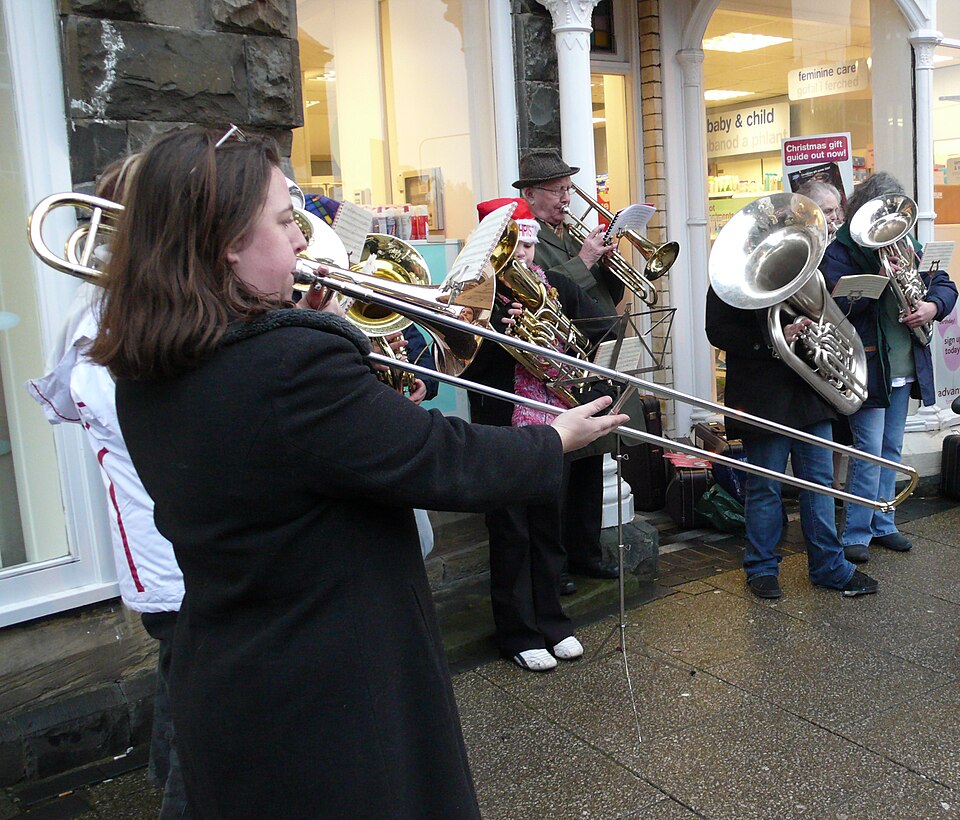
Caroling feels church-centered now, but its street-level habits look like older winter customs dressed in new lyrics. Medieval groups moved house to house with songs, blessings, and requests for food or drink, and wassailing mixed music with cider toasts meant to protect orchards and reward generosity. Later, Victorian carol collections and public concerts helped standardize the tunes, but the core remained the same: neighbors showing up in the cold, offering sound as a gift. It is why even a shaky chorus can feel sincere, especially when the night is quiet and the porch light is kind, and the sidewalks are slick. All the same.
Gift Giving

Christmas presents are often explained through the Nativity story, yet midwinter gift exchange existed long before Dec. 25 had a fixed meaning. In ancient Rome, Saturnalia prized feasting, candlelight, jokes, and small gifts, and later European winter festivals kept the idea that generosity belongs in the darkest season, sometimes tied to St. Nicholas Day or New Year’s. Christian Christmas absorbed the practice and, over time, merchants and catalogs scaled it up, but the emotional logic stayed simple: a token gift says someone was remembered, even when work is heavy, daylight is thin, and homes need an excuse to feel generous.
Kissing Under The Mistletoe

Mistletoe was treated as special long before it became holiday decor, prized for staying green when branches go bare and for growing in surprising places. European folklore linked it to protection and fertility, and later writers and illustrators threaded it through winter scenes, with a sprig tied to a beam, berries catching candlelight, helping the plant migrate from doorway charm to social cue. The kiss-under-it rule took off in Britain and then America in the 1700s and 1800s, closer to a fashionable dare than an ancient rite, which is why it still changes with the room: playful, sweet, awkward, or simply declined without drama.
Stockings By The Fireplace

Stockings are staged like they belong to the architecture, yet the story behind them points to Saint Nicholas rather than Christmas itself. Folklore tells of secret coins left for a struggling family, landing in shoes or stockings drying by the hearth, an image that stuck because it felt intimate and almost believable. Later the custom merged with Christmas Eve gift-giving, and in some places the stocking simply replaced a shoe by the door, turning a plain household item into a nightly ritual of anticipation, where small surprises, an orange, a note, or a single chocolate, can carry more feeling than anything wrapped in shiny paper.
Advent Calendars
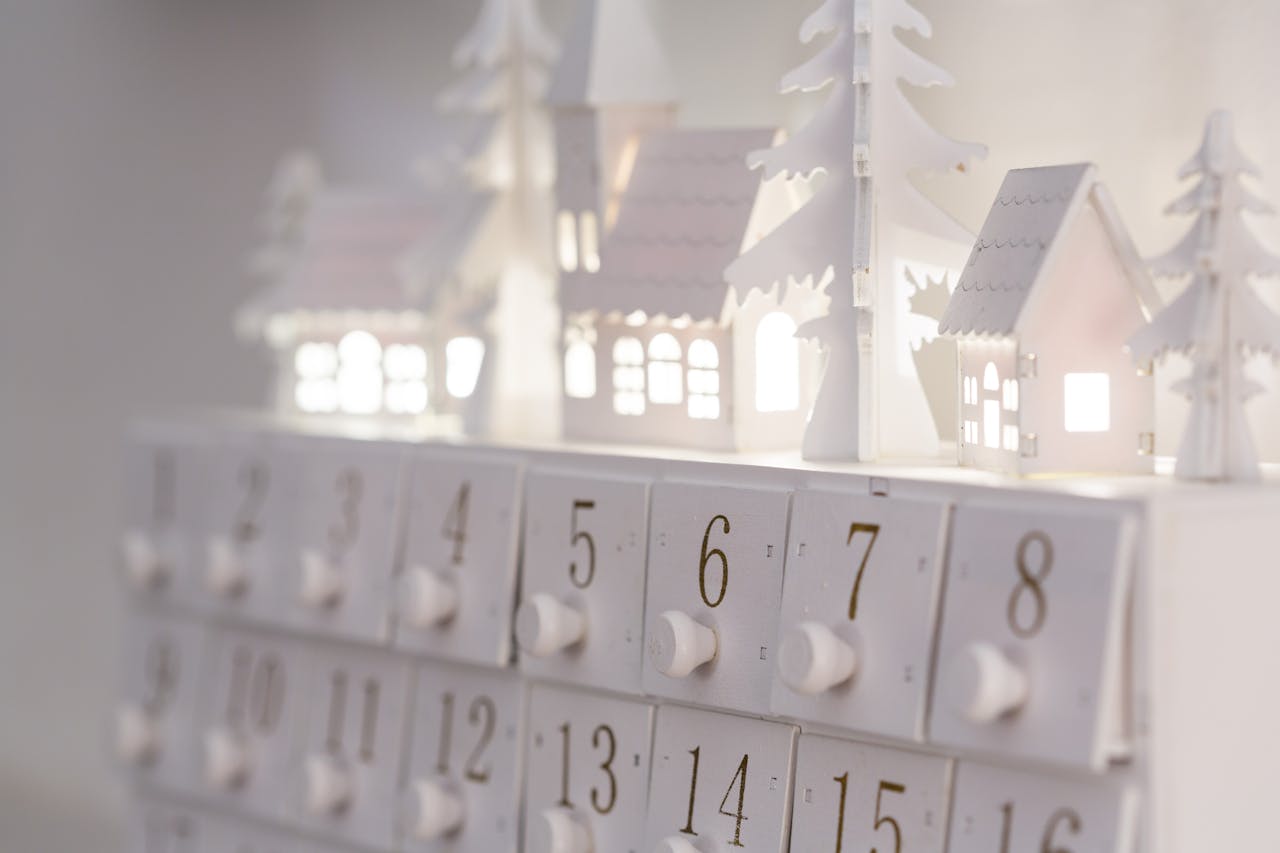
Counting down to Christmas feels timeless, but Advent calendars are relatively modern, with roots in 19th-century German Protestant homes and classrooms. Early versions used chalk marks on doors, candles, or daily tokens to track Advent, the season of waiting, before printed calendars with little windows, and later illustrations and poems, made the habit portable and repeatable. What began as a child-friendly rhythm became a ritual for everyone, now filled with chocolate, tea bags, tiny notes, or even skin care samples, proving that patience can be practiced one small surprise at a time when December feels loud. For decades.
Electric Christmas Lights

Twinkling lights feel old, but they started as a late-1800s novelty, more demonstration than tradition. In 1882, Edward H. Johnson, who worked with Thomas Edison, wired a Christmas tree with electric bulbs in New York, showing off a safer alternative to candles and a new kind of indoor glow. As home wiring spread and prices dropped, lights escaped the parlor and climbed outdoors, outlining windows and porches, with timers and later LEDs making the ritual easy to repeat, then turning storefronts and town squares into bright winter scenes that made evening walks feel less heavy night after night through the longest week or two.