Across centuries, powerful institutions have decided when an artwork is too dangerous, too offensive, or too revealing to remain visible. Sometimes that judgment ends in quiet storage, sometimes in bonfires or legal battles that leave nothing but a title in a catalogue. These missing or restricted works expose the pressure points of their time, from religious authority to national myths and digital rules. Each absence is a kind of presence, a reminder that control over images is never separate from control over memory.
Franz Marc’s Lost Tower Of Blue Horses
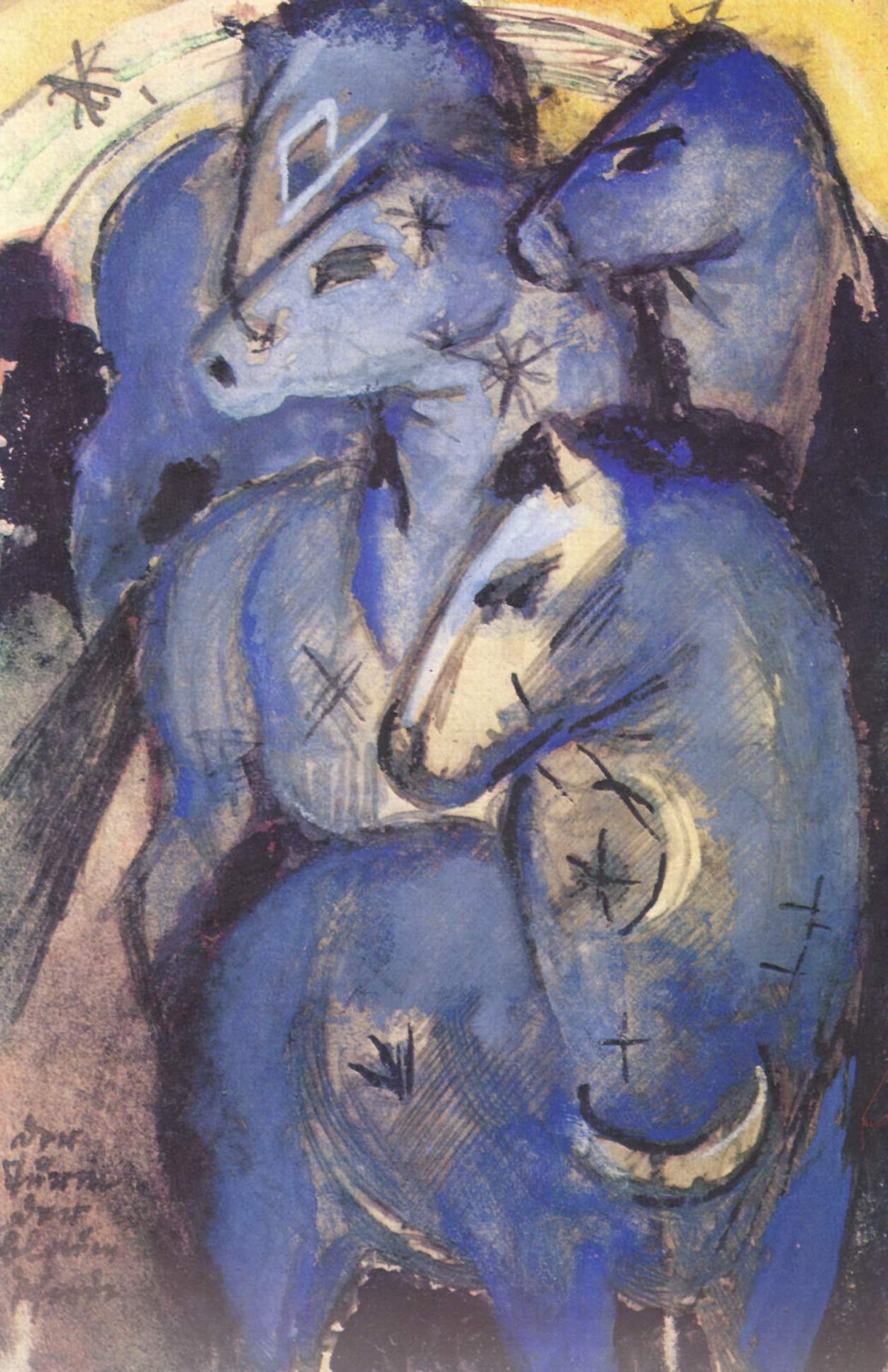
Franz Marc painted Tower of Blue Horses as a blazing vision of stacked blue animals that seemed to gallop out of a dream. Celebrated in prewar Berlin, it was later seized by the Nazi regime as so called degenerate art and pulled from the national collection. During the chaos of the war the canvas vanished, leaving only grainy photographs and scattered eyewitness claims. Archivists still list it as missing, a reminder that a single quiet decision can erase a cornerstone of modern art from public view. Today its absence shapes its meaning, turning a lost canvas into a symbol of how state power can still wound culture after it falls.
Otto Freundlich’s Erased New Man
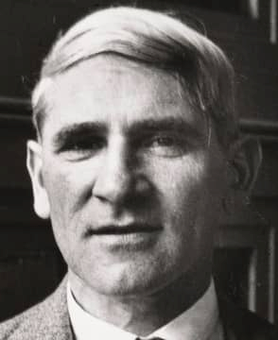
Otto Freundlich sculpted Large Head, often called The New Man, as an abstract face emerging from rough plaster, a calm answer to a fractured century. It was chosen for the cover of the 1937 Nazi show of so called degenerate art, displayed as proof of everything allegedly diseased in modern culture. The Jewish artist was later killed in a camp, and the sculpture almost certainly vanished with so much seized work. Today a single photograph stands in its place, proof that a state can mock, confiscate, and finally erase both a maker and a vision. Its loss hangs over modern sculpture, a quiet gap where a decisive work should stand.
Richard Prince And The Closed Door Around Spiritual America
Richard Prince’s work Spiritual America is built around a studio photograph of actor Brooke Shields at age ten, posed nude and heavily styled for an earlier commercial shoot. When Tate Modern planned to show the piece in 2009, London police warned that exhibiting it could breach child protection laws, no matter its status as commentary on fame and exploitation. The museum closed the room and withdrew the image from the catalogue. Today access is tightly controlled, and major institutions avoid open display, fully aware that any showing cannot be separated from real questions of consent and harm.
Andres Serrano’s Piss Christ And The Culture War
Andres Serrano’s photograph often known as Piss Christ shows a small plastic crucifix glowing inside a jar of the artist’s urine, lit like a devotional object. First exhibited in the late nineteen eighties, it became a lightning rod in the United States, with senators denouncing it and funding agencies dragged into angry hearings. Copies have been smashed by protesters in galleries, and some venues refuse to hang it at all. Where museums do show the work, it usually appears under close watch, a sign that arguments over blasphemy, taste, and public money still shape what can safely be seen today.
Goya’s Withdrawn Los Caprichos
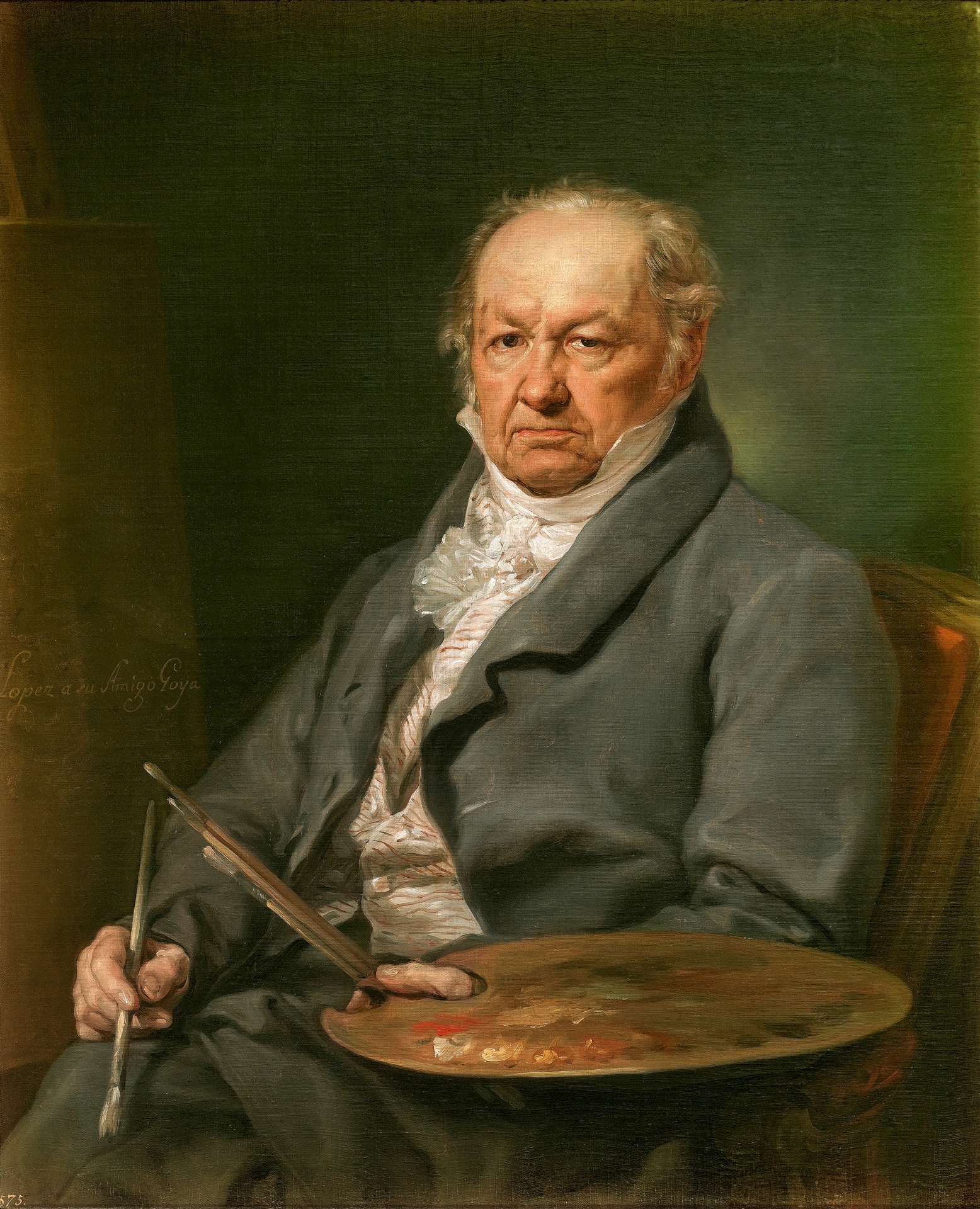
Francisco Goya’s print series Los Caprichos skewered superstition, clerical hypocrisy, and aristocratic vanity in late eighteenth century Spain with acid humor and dreamlike monsters. Released in 1799, the portfolio was withdrawn from sale after only a short time, likely because Goya feared the Inquisition would read particular figures as punishable satire. He quietly traded the remaining plates and prints to the crown in exchange for protection and favor. Today complete sets are rarely on view; they sit in guarded print rooms where access is supervised, their once public bite dulled by caution and institutional restraint.
Ai Weiwei’s Vanished Wall Of Backpacks
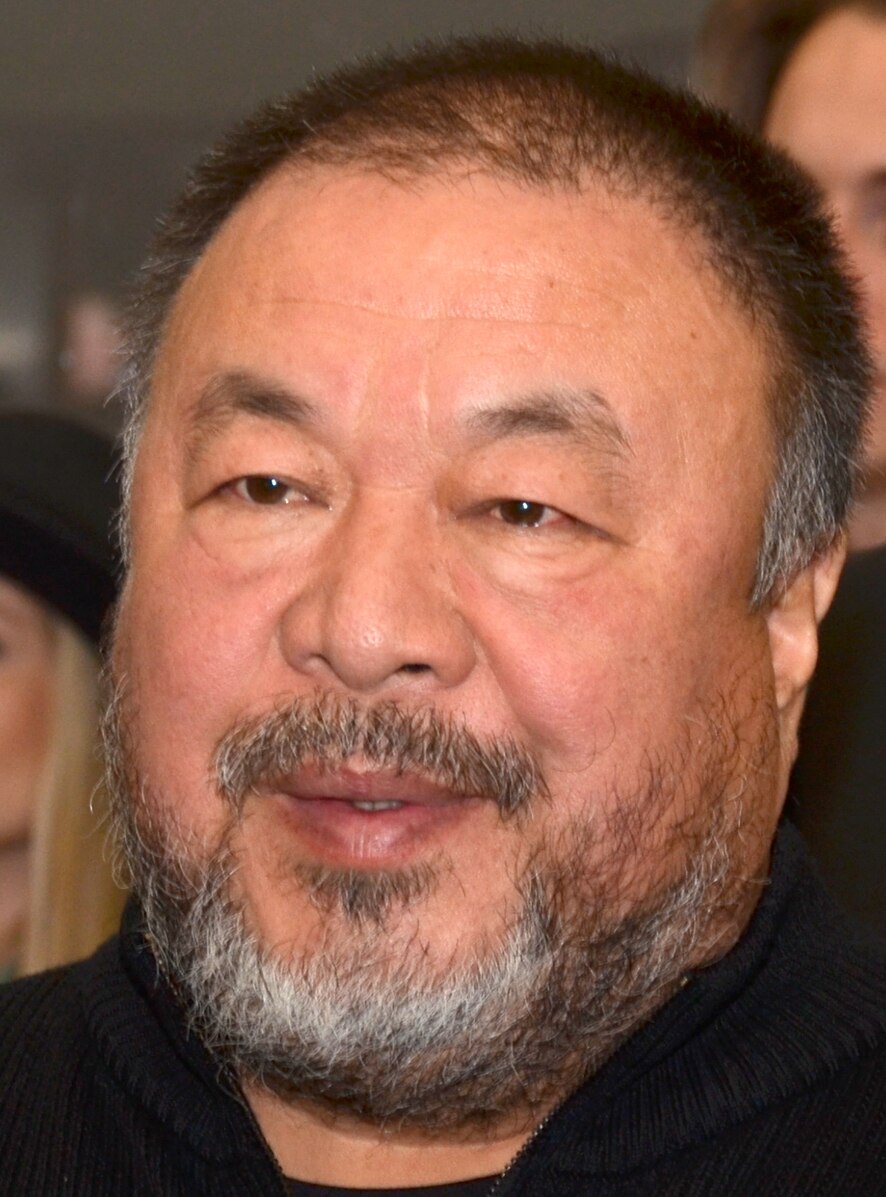
In 2009 Ai Weiwei covered the facade of Munich’s Haus der Kunst with nine thousand colored school backpacks arranged to spell out a sentence from a mother whose child died in the Sichuan earthquake. The vast installation, titled Remembering, turned the museum into a temporary memorial and a pointed accusation about shoddy school construction and state secrecy. Chinese authorities had already harassed the artist for investigating the death toll, and the work lived under that pressure. Once the show closed the backpacks were removed, and the exact configuration will never be rebuilt outside photographs and film. The memorial survives, but only in documentation and recollection.
Warhol’s Mao Portraits Edited Out In China
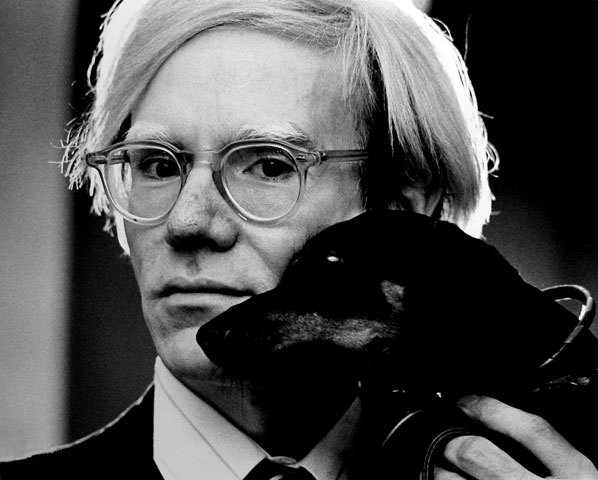
Andy Warhol’s bright portraits of Mao Zedong treat a revolutionary leader as a repeatable pop icon, smearing cosmetic color over an official image. When a major Warhol retrospective toured Asia in the early twenty tens, Chinese cultural officials ordered that the Mao canvases stay in storage for the mainland stops. Visitors in Shanghai and Beijing saw an edited version of his career, with a central thread quietly removed. The paintings circulate in Western museums and markets, but within China their absence speaks volumes about which images still seem too sensitive to show. That silence is deliberate.
A Hidden Image Of Muhammad At The V And A
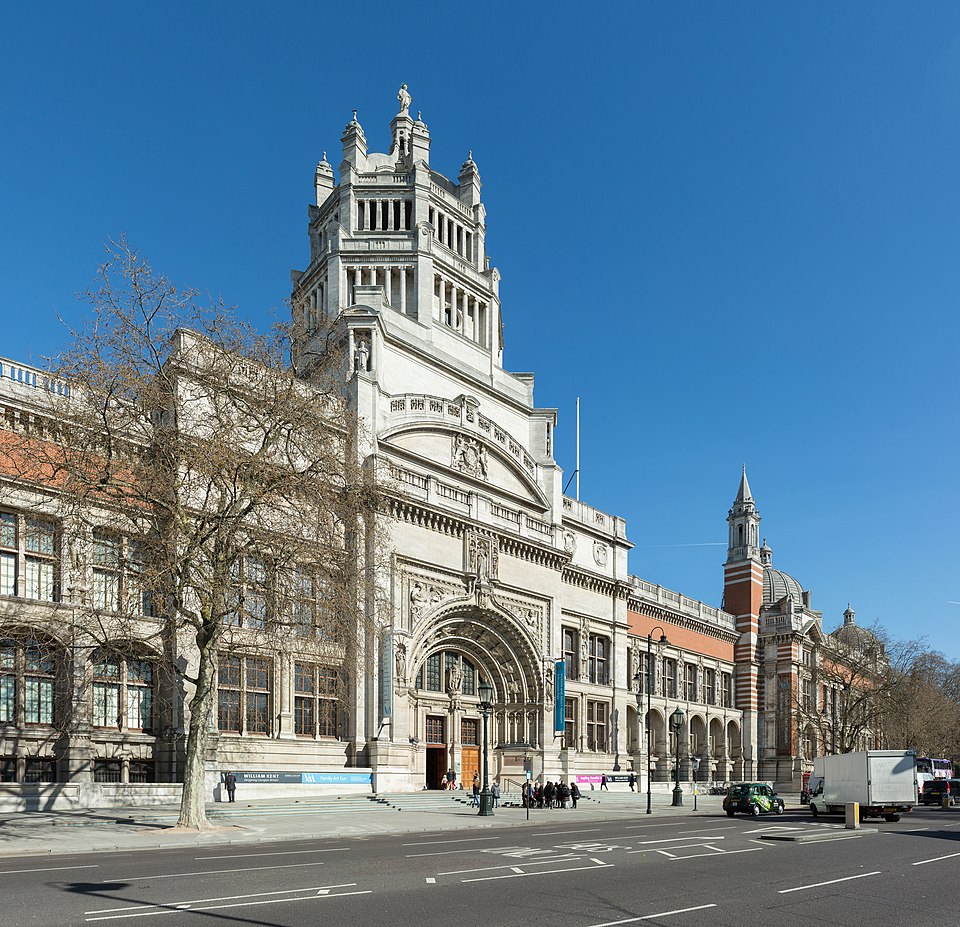
The Victoria and Albert Museum in London holds a rare devotional image that includes the Prophet Muhammad, part of a wider collection of Islamic art that reflects varied historic practices. After violent attacks linked to cartoons of the prophet in the mid twenty tens, the museum quietly removed the image from its online database and restricted access. It still exists in storage, but most visitors will never know it is there. The choice is framed as security planning, yet it also shows how even research institutions can move toward silence when risk and principle collide. The piece now speaks most loudly through its absence.
Courbet’s Origin Of The World Versus Algorithms
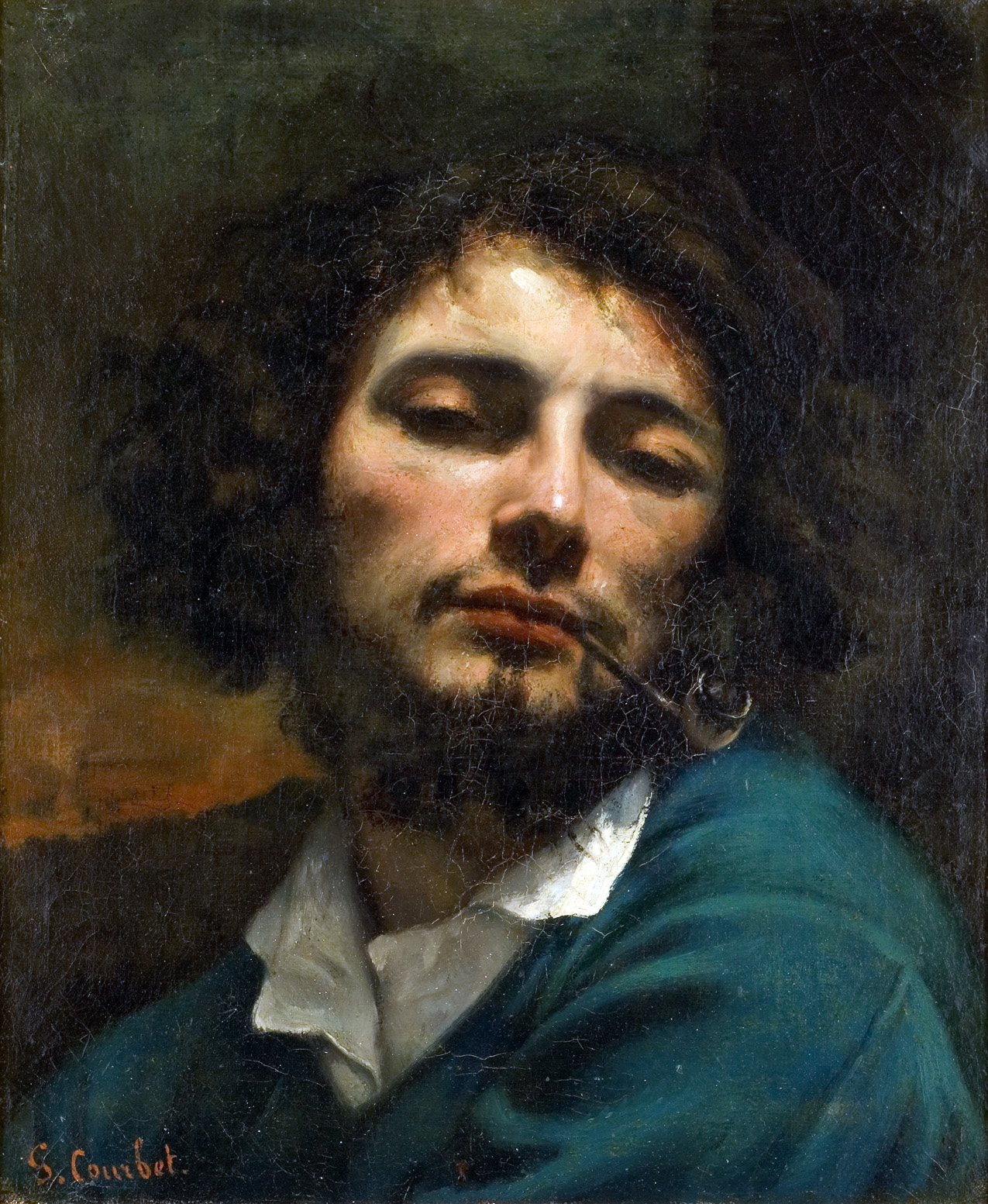
Gustave Courbet’s nineteenth century painting The Origin of the World is a frank close view of a woman’s genitals, painted with clinical realism and no symbolic cover. Long kept in private hands, it entered a Paris museum only in the late twentieth century, where it now hangs behind a simple doorway. In the digital realm the story changes: social media platforms have removed reproductions and even suspended accounts that share it, treating the work as banned nudity. The result is a split life, accessible on a wall yet frequently filtered out of view by automated rules. That gap between gallery and feed quietly reshapes its audience.
Forbidden Colors In Palestinian Art

In the nineteen eighties Israeli military orders in the occupied territories banned displays of the Palestinian flag and, by extension, works of art that combined its four colors in a clearly political way. Paintings, murals, and textiles using red, green, black, and white together could be seized as symbols of resistance. Artists responded with careful codes, hiding the palette in fruit, landscapes, or abstract forms. Many original works were destroyed or confiscated, surviving only in photos and accounts. In this case what is banned is not a single image but an entire visual language tied to identity.