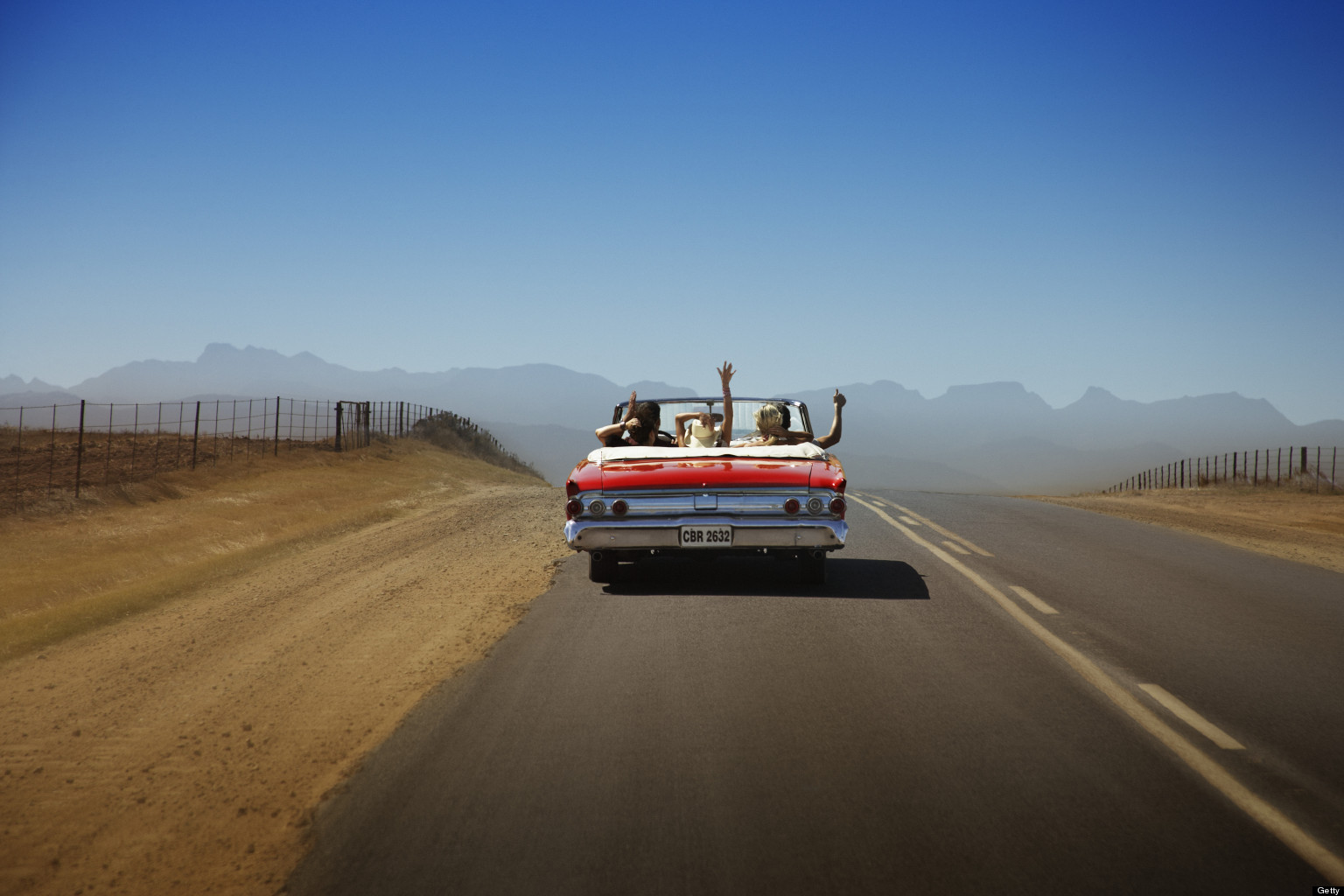
Long before tablets rode in seat pockets and playlists came from apps, families filled the long miles with games powered by attention and talk. Back seats became small stages where siblings competed, teamed up, and tested each other’s patience, while parents kept one ear on the road and one on the rules. The view outside was never just scenery; it was the playing field, the clue board, and the surprise twist. These games trained curiosity in empty stretches, steadiness in traffic, and humor when the route felt endless. Even a quiet passenger could take the lead with the right observation or a perfectly timed answer, and the best rounds became part of the trip’s memory.
I Spy With My Little Eye
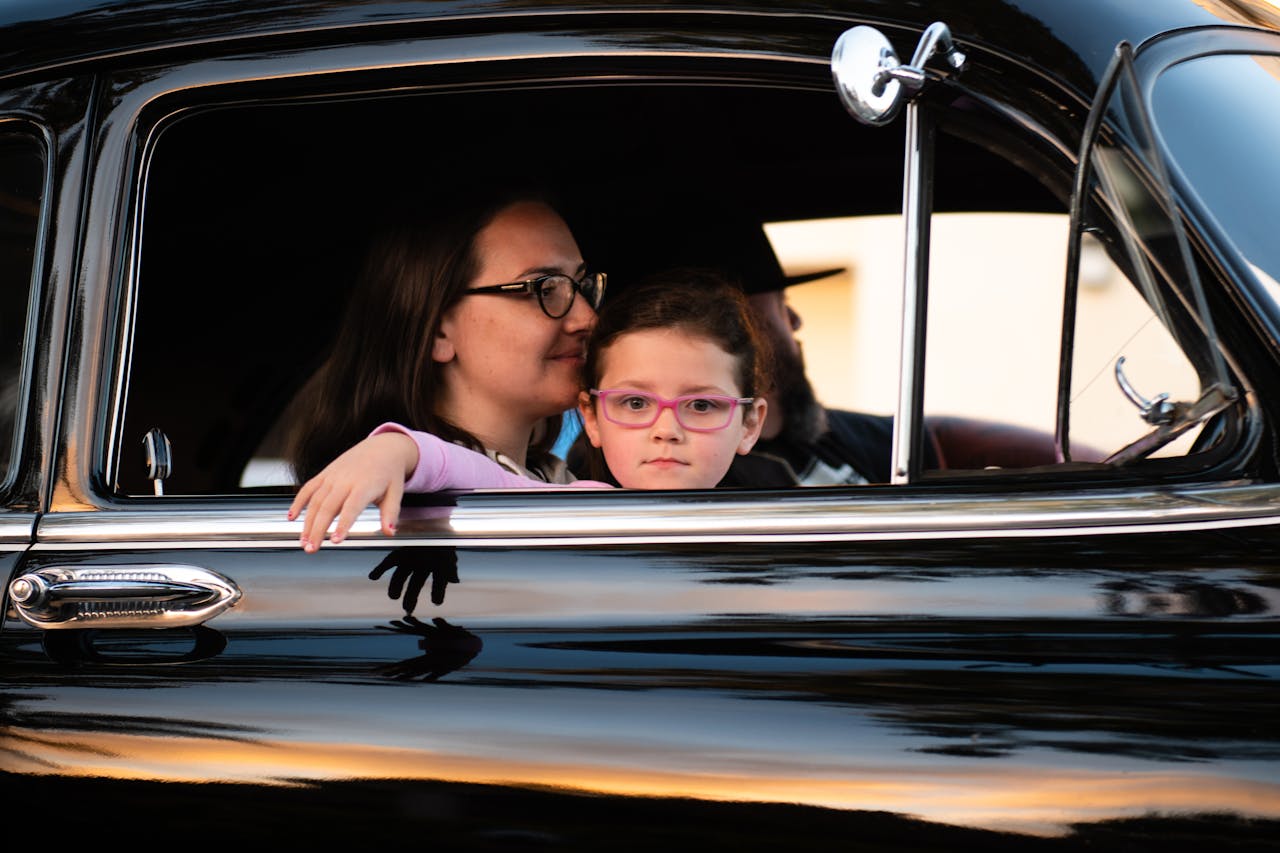
One player quietly chose an object in view and offered a clue, often a color, while everyone else hunted through windshields and side windows like detectives on a deadline. Guesses had to land fast because the target could disappear behind a semi, slide past a guardrail, or get swallowed by distance, and that ticking clock kept the whole car awake. Mailboxes, grain silos, diner signs, and odd yard art became fair game, and the round usually went to the person who noticed the small stuff, like a neon arrow, a crooked flag, a lone balloon, a tiny animal silhouette on a fence, a painted chair on a porch, or a name on a shed.
License Plate Bingo
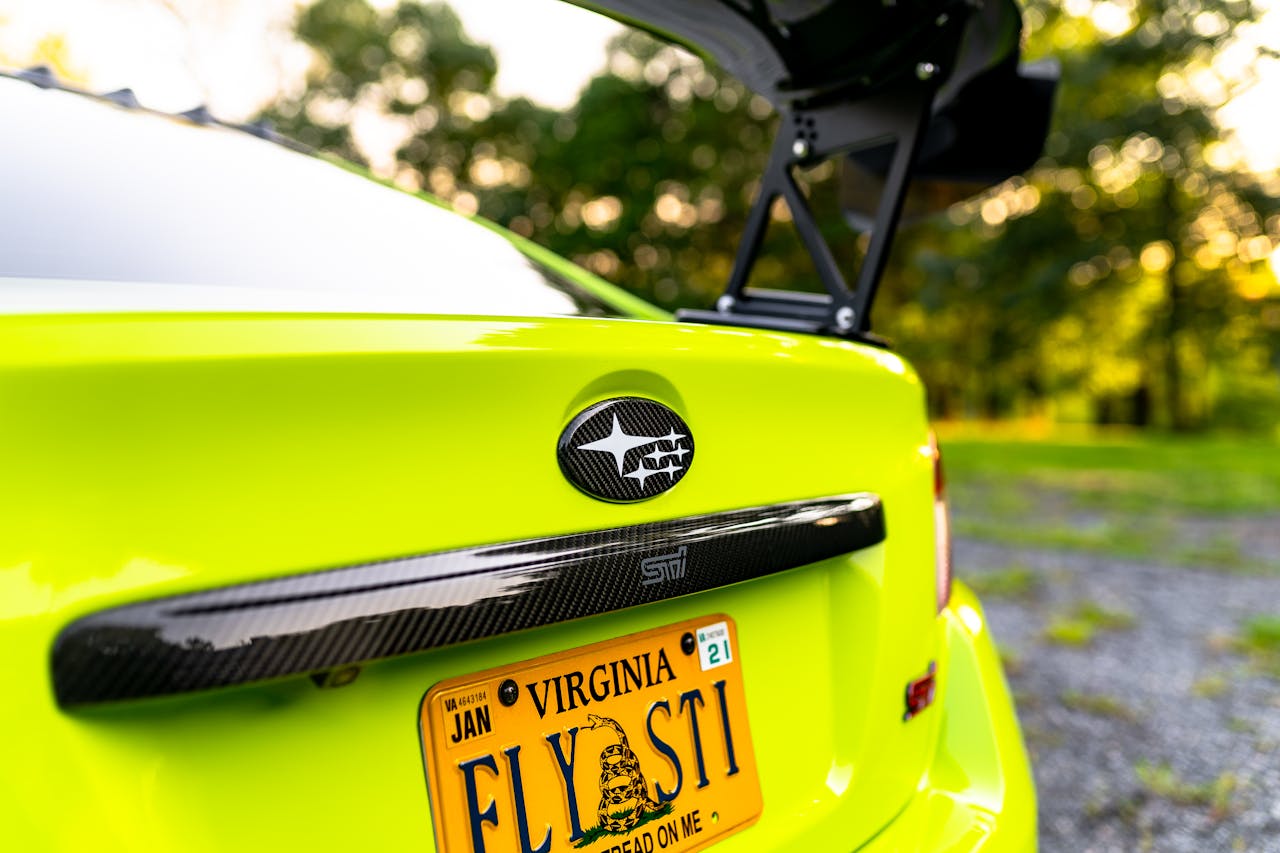
Bingo cards were printed, clipped to a folder, or sketched on scrap paper, then filled with states, provinces, letters, or quirky plate patterns that only showed up once in a while. Players watched traffic like birders, cheering for faraway designs, tracking unfamiliar slogans, counting a rental car as a lucky break, and arguing over whether a mud splatter still left enough digits to count. The slow burn taught geography without sounding like homework, and one surprising plate, spotted at a stoplight or in the next lane, could flip the lead and restart the whole car’s energy, especially near big interchanges and rest areas.
Twenty Questions
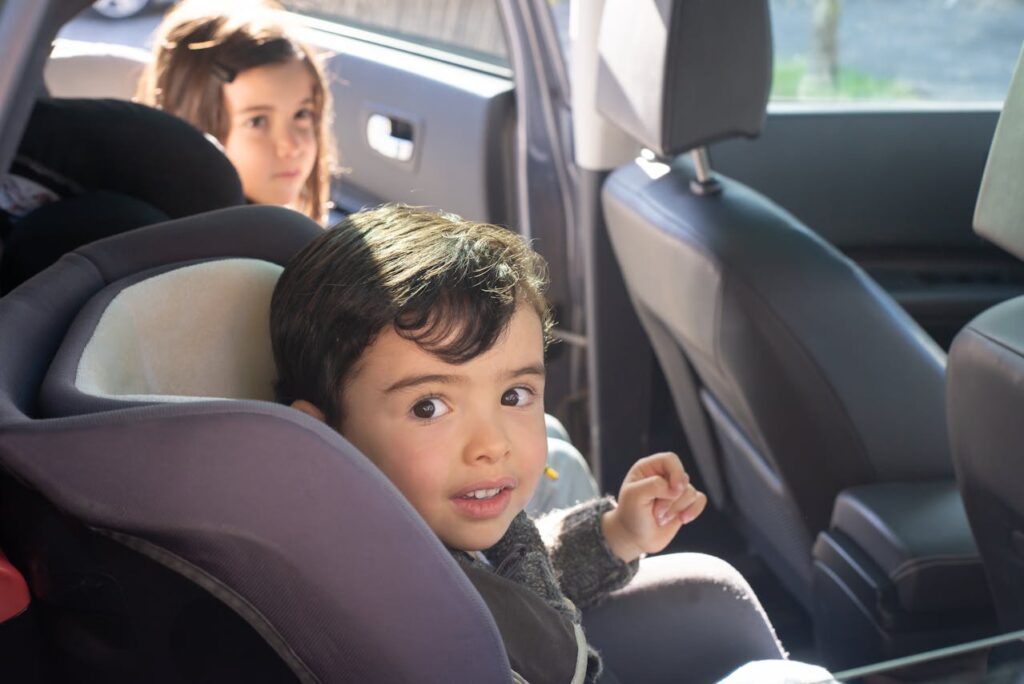
One person picked a secret answer, anything from a movie to a landmark to an animal, and the rest of the car got 20 yes or no questions to pin it down. Good rounds felt like strategy, with early questions carving out big categories and later ones narrowing the space until the guess became inevitable, almost satisfying in its logic. It stayed calm enough for tired afternoons, yet sharp enough to spark debates over wording, because a single qualifier could change everything, and those tiny arguments kept minds busy when scenery turned repetitive, foggy, or rainy, and the map still showed hours to go, even after snacks ran out.
The Alphabet Sign Game

This game turned billboards, exit markers, and fast food logos into a rolling puzzle, as players searched for A through Z in order using only what appeared along the road. Busy towns helped, empty highways slowed progress, and families invented house rules, like banning license plates, refusing stylized letters, or requiring that the letter be part of a real word instead of a logo flourish. The landscape started to feel responsive, and even a plain gas station sign or a fading motel marquee could earn cheers when it finally delivered a stubborn Q or Z, right before the next turn or toll booth, with everyone leaning forward at once.
The Story Chain

A story chain began with one sentence, then each passenger added a new line, building a plot that borrowed names from passing towns and twists from whatever the weather was doing. Someone always tried to make the hero ridiculous, someone tried to fix the logic, and the back seat learned the art of a good callback, especially after a rest stop reset the energy and snacks reappeared. By the end of the trip, the tale often became family folklore, repeated at dinners long after the highway was forgotten, with everyone insisting their line was the turning point and the funnier version was the true one, no appeal allowed.
Name That Tune
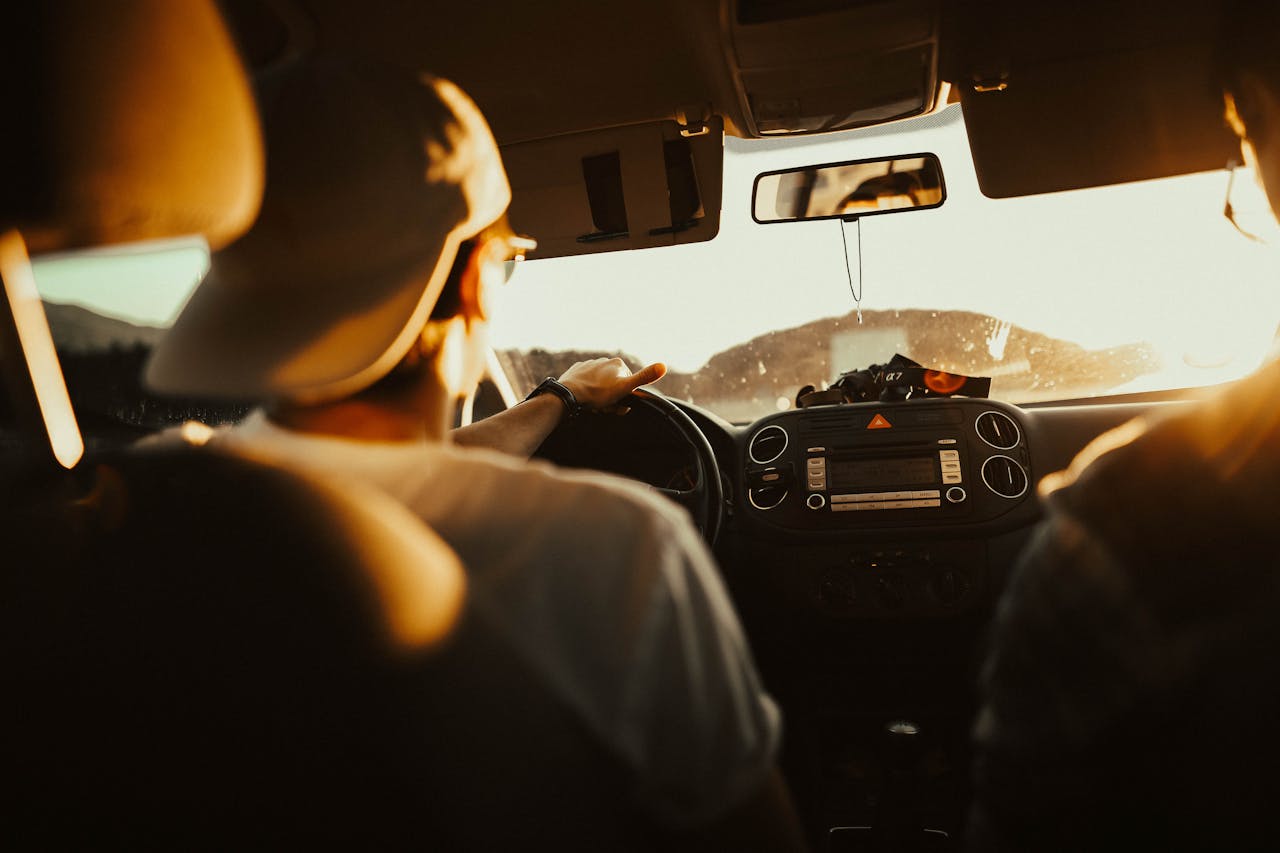
When radio stations faded in and out, families turned the noise into a game, calling the title or artist as soon as an intro, drum fill, or chorus came through clearly enough. Points went to speed, bonus points went to naming the decade or the movie soundtrack, and the arguments were half the fun, especially when two siblings swore the same riff belonged to different bands. Over time, the game stitched trips to soundtracks, so a random song years later could summon a specific exit sign, a bag of chips, and the glow of late afternoon on the dashboard, like a memory with perfect audio and a familiar laugh from the back seat.
Either Or Questions

Either or questions thrived when the road felt endless, because one silly choice could trigger 10 minutes of debate without anyone needing a single prop. Questions ranged from dessert versus pizza to mountains versus beaches, and answers revealed personality, bargaining skills, and the occasional surprising fear or preference, all delivered with courtroom seriousness. It worked because it sounded playful, yet it kept the car connected, turning quiet stretches into real conversation, with parents learning new sides of kids and kids learning how adults decide when no option is perfect and time is ticking, and the next exit is far.
The Picnic Memory Game

The picnic memory game started with a simple line, On this picnic, I am bringing, and each person repeated the growing list in order before adding a new item. Players slipped in oddly specific choices to trip the next person, corrected pronunciation with mock seriousness, and demanded rematches after one mistake wiped the whole chain, which made the pressure part of the fun. The rhythm helped everyone join in, and the challenge sharpened memory while keeping hands free, voices light, and attention anchored during the long middle miles, when the same trees and billboards seemed to repeat, mile after mile, without a screen.
Road Trip Trivia

Trivia turned the cabin into a friendly quiz show, with questions pulled from school facts, family history, pop culture, or the very map unfolding across the dashboard. Rules stayed flexible, so hints, partial credit, and storytelling were welcome, and a wrong answer often led to a better conversation than the correct one, because it sparked a memory or an opinion. It made learning feel casual, and it gave every age a chance to shine, from kids naming capitals to grandparents recalling old movie lines and the first road they ever drove, complete with the gas price, the weather, and the old car they trusted, all from memory.
Count the Landmarks

Counting games were invented to match the region, like red barns in farm country, wind turbines on the plains, bridges over rivers, or water towers near small towns. Families kept score on fingers, sticky notes, or a notebook passed around, and they added point systems to keep it competitive, such as double points for a rare sighting or a bonus for a matching pair. The tally pulled attention back to the windows, so the landscape stopped being background and started feeling like part of the game, with every curve offering a chance to catch up, and every town sign acting like a scoreboard for bragging rights, even for the driver.