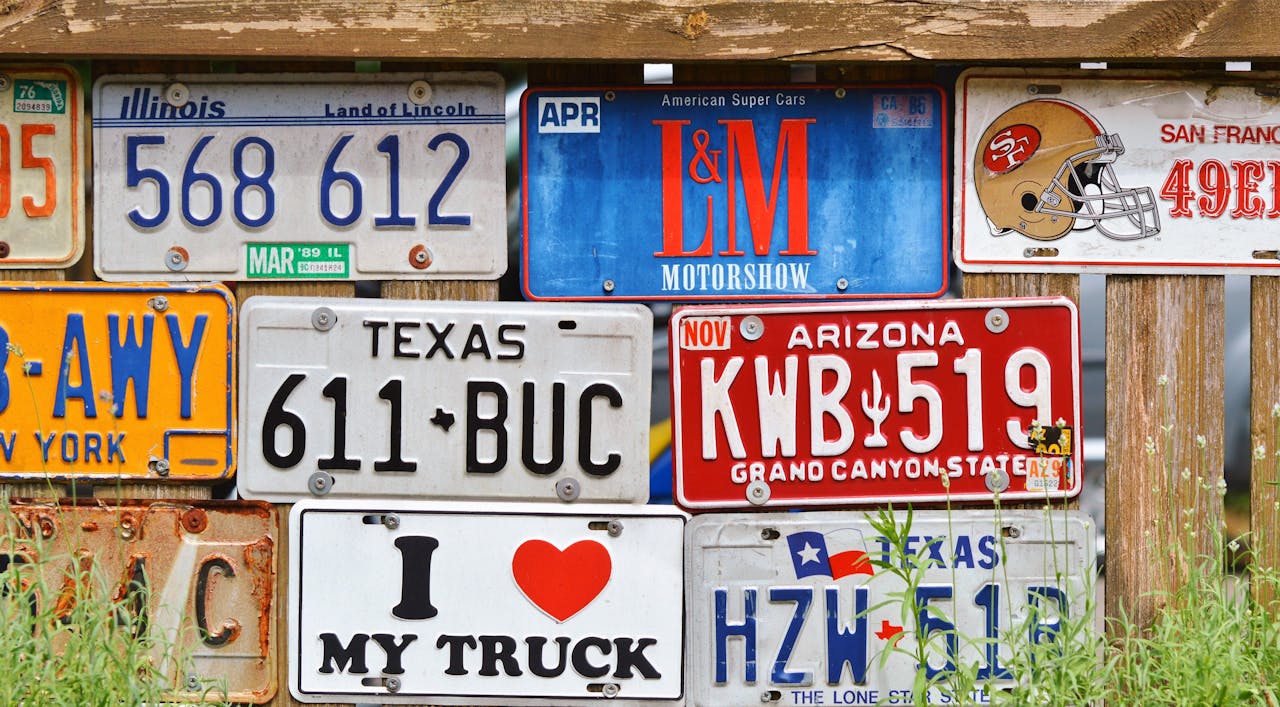
A license plate is small, but it travels like a public diary, repeating a state’s chosen story at toll booths, stoplights, and border crossings. Some slogans sell scenery, others sell character, and a few sell both at once, compressing history and pride into a handful of words. Because plates are seen in motion, the message has to land fast: frontier grit, sunshine ease, civic legacy, or a promise of welcome. Over time, the phrase stops feeling like marketing and starts sounding like identity, especially for residents who see it every day in traffic. Taken together, these slogans read like a quick tour of American self-image, where geography, work, and culture all fight for the headline.
Alaska: The Last Frontier
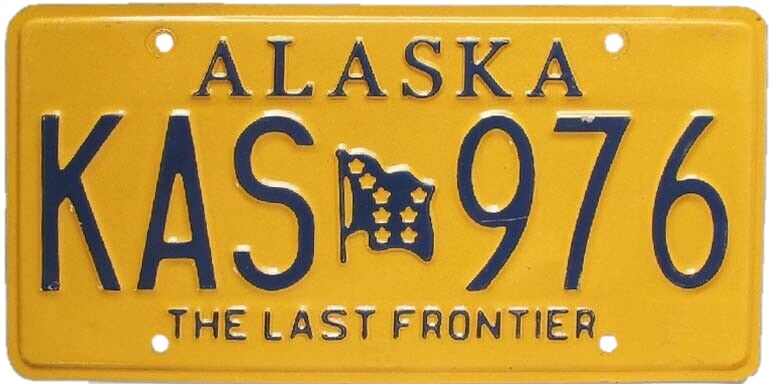
Alaska’s plate calls it The Last Frontier, a line that turns distance, cold, and silence into a kind of pride rather than a warning sign. It suggests a life paced by ferry schedules, bush flights, and long gaps between services, where a glove box holds maps, a headlamp, snacks, a wool cap, and a paper atlas, and where locals treat readiness as ordinary courtesy, not drama. The slogan also sets expectations for anyone passing through: the scenery is enormous, the roads can be lonely, and a simple drive may include gravel pullouts, sudden fog, and moose at the shoulder, with daylight changing fast and help far away.
Arizona: Grand Canyon State

Arizona stakes its identity on Grand Canyon State, tying the whole map to one natural wonder that feels bigger than politics, bigger than cities, and older than memory. The phrase sells scale and stark beauty, but it also hints at variety: saguaros and heat in the low desert, then pines, snow, and cool nights up high, often within a single day’s drive from Phoenix to Flagstaff and onward to high plateaus and rim roads. That tension between harsh and grand is the point, and the slogan asks to measure the place in light, layers of rock, and long views that refuse to fit in a photo or a quick explanation at a gas stop.
Florida: Sunshine State
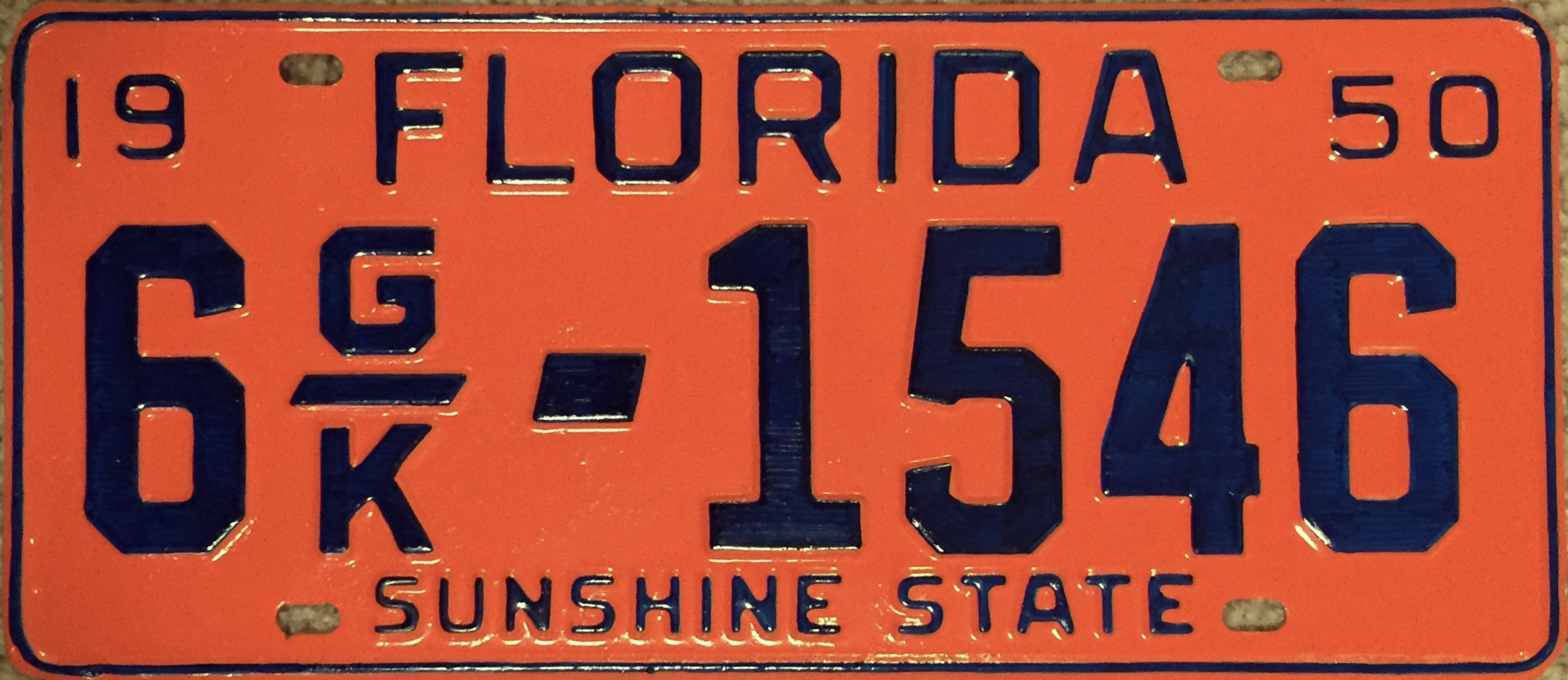
Florida keeps Sunshine State on its plate, a promise of brightness that reads like a personality trait as much as a weather report. It frames the state as a place for resets and easy rituals, from beach mornings and spring training afternoons to late dinners under palms, even when humidity, thunderstorms, and hurricane seasons complicate the postcard and the planning. The slogan sticks because it captures a daily pull toward water and sky, plus the belief that leisure can be ordinary, whether the backdrop is a Gulf pier, an orange grove, a mangrove road, a motel, or a night drive past neon.
Hawaii: Aloha State
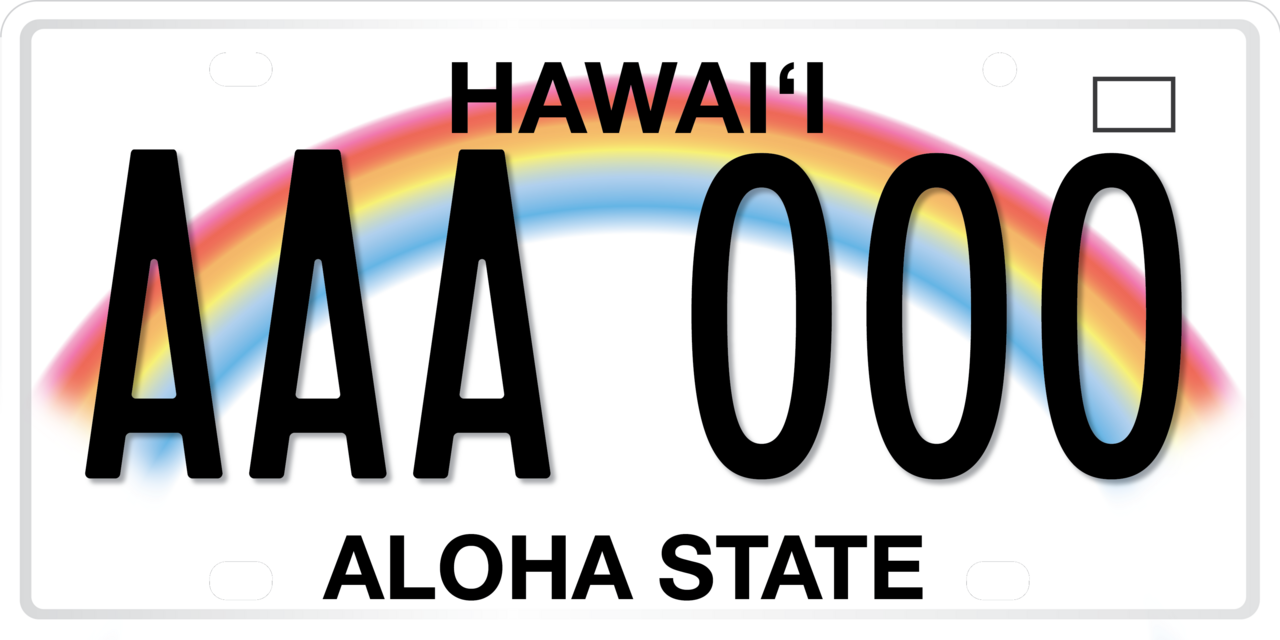
Hawaii’s Aloha State turns a license plate into a social cue, using a word that carries greeting, affection, and responsibility all at once. The slogan points to a culture where community is close, reputations travel fast, and small choices signal care for people and place, so courtesy is not performative, it is practical, from beaches to grocery lines and school pickup lanes on weekday afternoons. Seen on the road, the phrase feels less like marketing and more like a reminder that warmth has rules: patience in traffic, respect for land and ocean, and attention to the people sharing them, including visitors, elders, and kids.
Idaho: Famous Potatoes
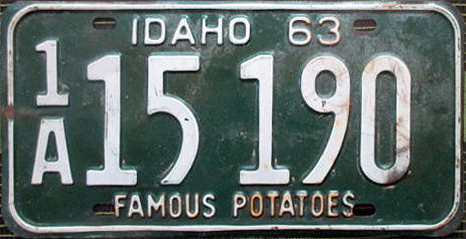
Idaho leans into Famous Potatoes, turning a familiar crop into a confident calling card that refuses to apologize for being specific. The slogan nods to volcanic soil, irrigation, and harvest seasons that shape jobs, diners, and county fairs, while also showing a dry sense of humor: outsiders joke, Idaho claims it, prints it, and keeps driving through wide-open valleys and along river roads. It fits a state where agriculture still feels personal, from trucks stacked with spuds to fry stands with long lines, and from cellar storage to processing plants, making the message simple: pride can be grown, hauled, and served hot.
Illinois: Land of Lincoln
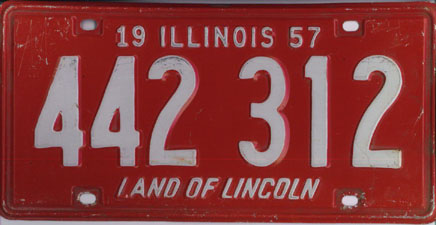
Illinois chooses Land of Lincoln, anchoring a complex state to one enduring figure and the civic story that trails behind him like a long shadow. The slogan links prairie towns and Chicago neighborhoods to an identity built on history, public service, and big ambition, with Springfield sites, courthouse squares, and campaign lore keeping the narrative close to the ground. Even as the state changes through migration and industry, the phrase keeps pointing back to a moral center Illinois still wants to claim, and to a seriousness about public life that lives in museums, classrooms, and debates at dinner tables every week.
Louisiana: Sportsman’s Paradise
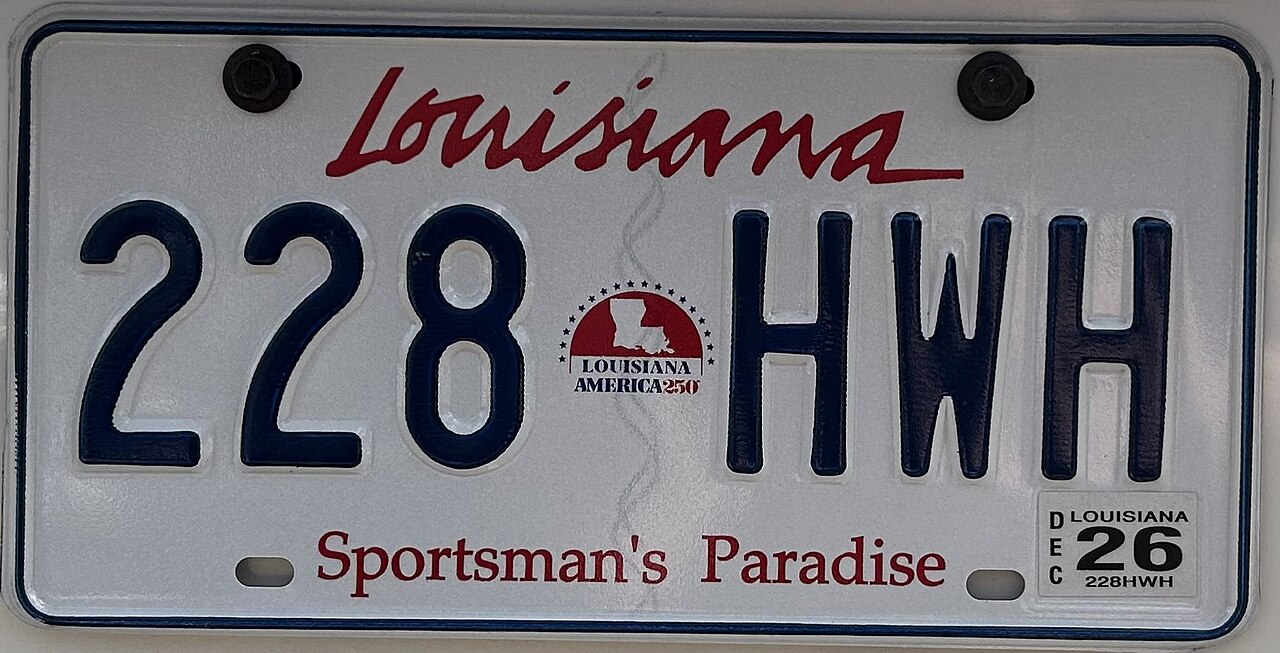
Louisiana’s Sportsman’s Paradise reads like an invitation, built for bayous, backwaters, and weekends that start before sunrise with thermoses, tackle boxes, and headlights on wet roads. It celebrates hunting and fishing, but also the culture around them: boat ramps, ice chests, porch talk, and meals that end in gumbo or crawfish, where stories get told as carefully as recipes and everyone has a spot at the pot. The slogan hints at something deeper, because water is not background scenery in Louisiana; it shapes music, language, family routines, and the constant attention paid to tides and storms, from levees to shrimp docks.
New Jersey: Garden State
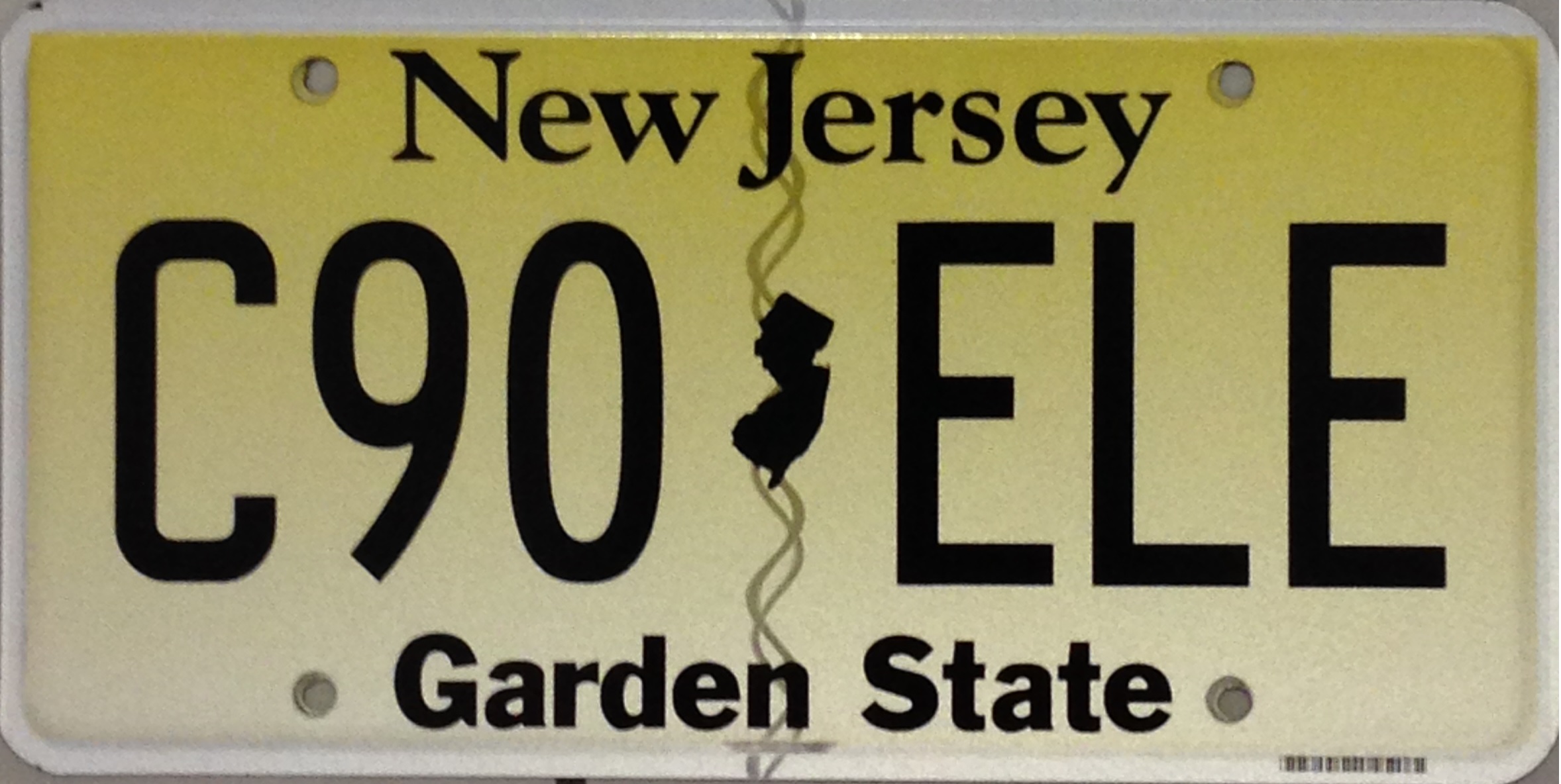
New Jersey’s Garden State works like a calm rebuttal to the turnpike stereotype, insisting the state is not only exits and industry but also soil, wetlands, and seasonality. It spotlights farms, nurseries, and coastal edges, plus the pride that comes from tomatoes, blueberries, and sweet corn sold from roadside stands, often a short drive from dense towns, commuter rail, and ports that never fully sleep. Repeating the phrase on every plate turns it into a habit of self-definition, a reminder that soft landscapes survive right beside hard infrastructure, and that local identity can be both gritty and green in the same mile.
Tennessee: The Volunteer State
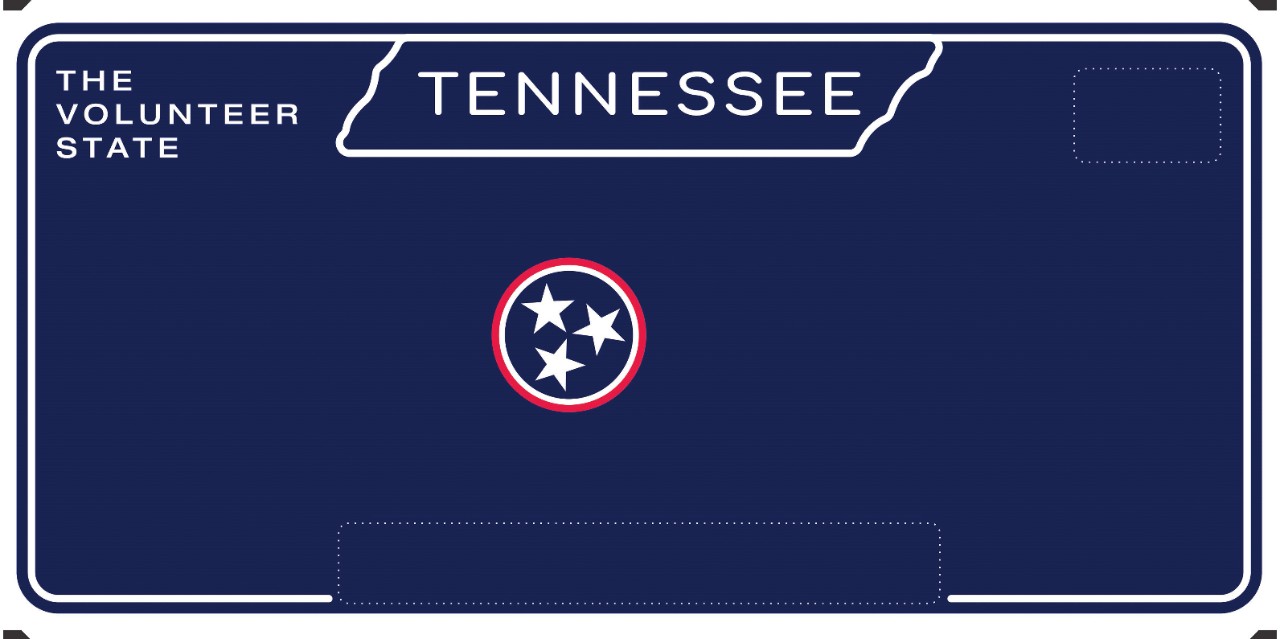
Tennessee keeps The Volunteer State on its plate, leaning on a reputation for showing up when help is needed and doing the work without fanfare or a spotlight. The slogan fits a place where civic life still runs through schools, churches, service clubs, and neighbors who trade time instead of titles, from flood cleanups to festival setups, food drives, and weekday carpools that double as support systems. It matches the state’s cultural rhythm too, where music and mountains sit beside grit and generosity, making the words feel like a promise made in advance and quietly kept, year after year, in small acts that add up.
Vermont: Green Mountain State
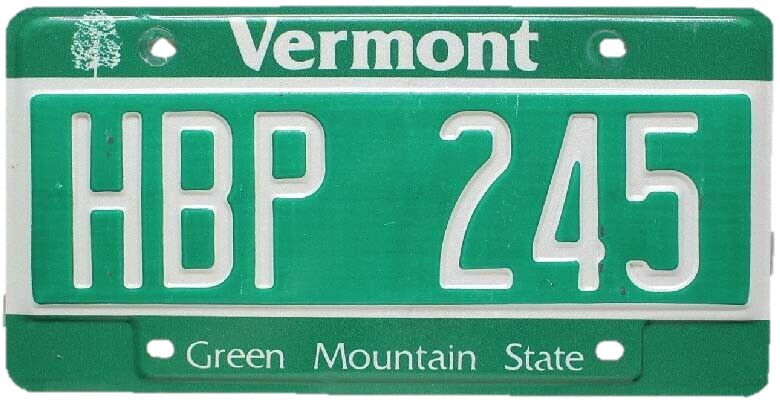
Vermont’s Green Mountain State is landscape first, but it also reads as a philosophy about how life should feel: measured, rooted, and a little stubborn. It suggests village greens, covered bridges, sugar shacks, and a calendar set by foliage reports, mud season, and snow tires, with local craft, small farms, co-ops, and general stores treated as everyday infrastructure year-round, not nostalgia or costume. The slogan makes restraint sound aspirational, as if beauty comes from keeping things close to home and doing them well, and even the state’s deep greens, quiet towns, stone walls, and winter whites seem to agree.