Some wildlife feels almost designed to invite contact: a slow manatee rolling at the surface, a seal pup blinking on a beach, a sea turtle gliding past a snorkel mask. In the United States, those moments come with a hard rule. Federal protection for vulnerable species treats touching, feeding, crowding, or chasing as illegal take or harassment, even when the animal drifts closer first. Enforcement can be swift, and the penalties can be steep. The point is simple: one careless interaction can change behavior, spread disease, or ruin a nest for a season. It is meant to keep wild lives wild, and keep humans out of the story.
Manatees
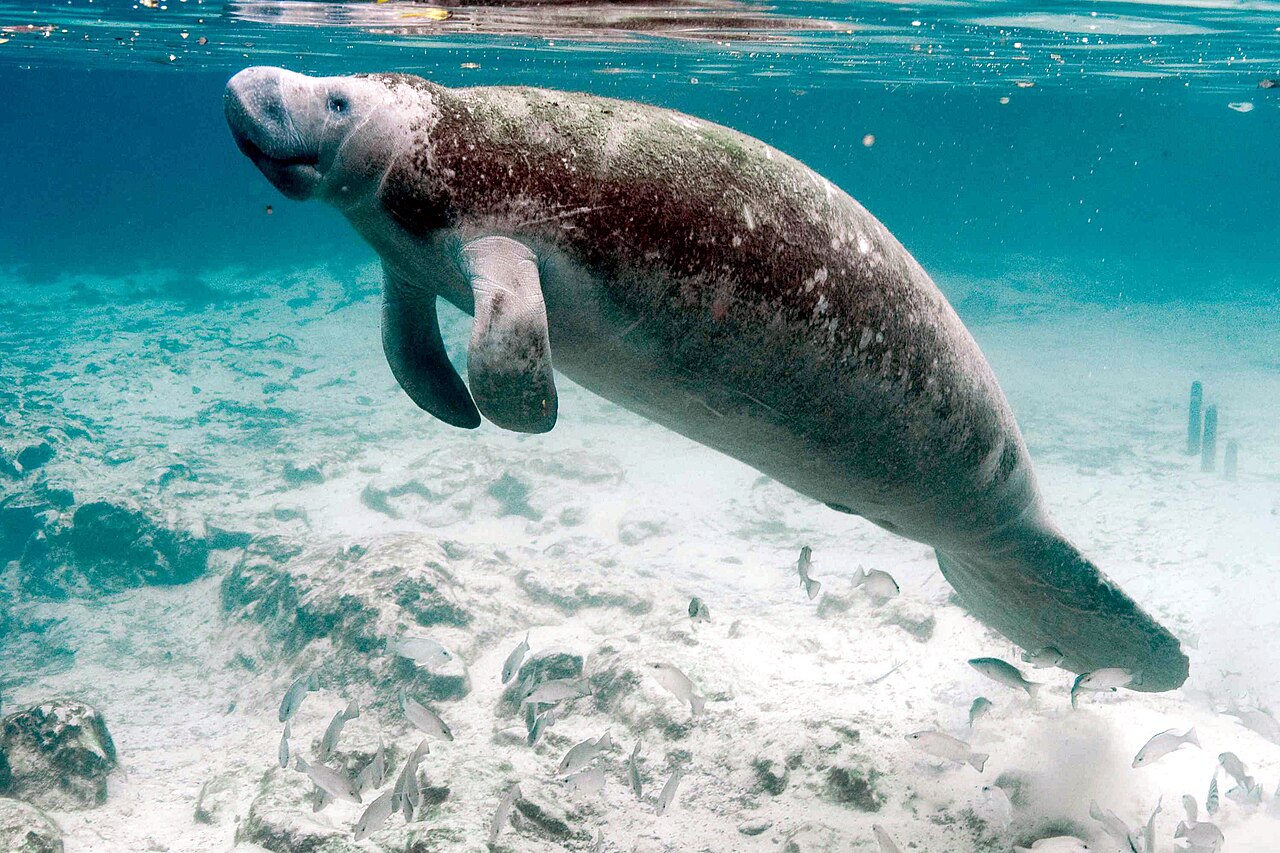
Manatees float through warm springs, canals, and coastal shallows with a calm that tempts people to reach out, especially at winter refuges where they gather in clear water. Under the Marine Mammal Protection Act and the Endangered Species Act, plus Florida’s Manatee Sanctuary Act, touching, riding, feeding, or blocking a manatee’s path can be treated as harassment even if the animal drifts closer first. What reads as affection can spike stress, separate calves, and nudge manatees into boat lanes, so enforcement focuses on one simple behavior: observe quietly from a respectful distance and let them pass each time.
Dolphins
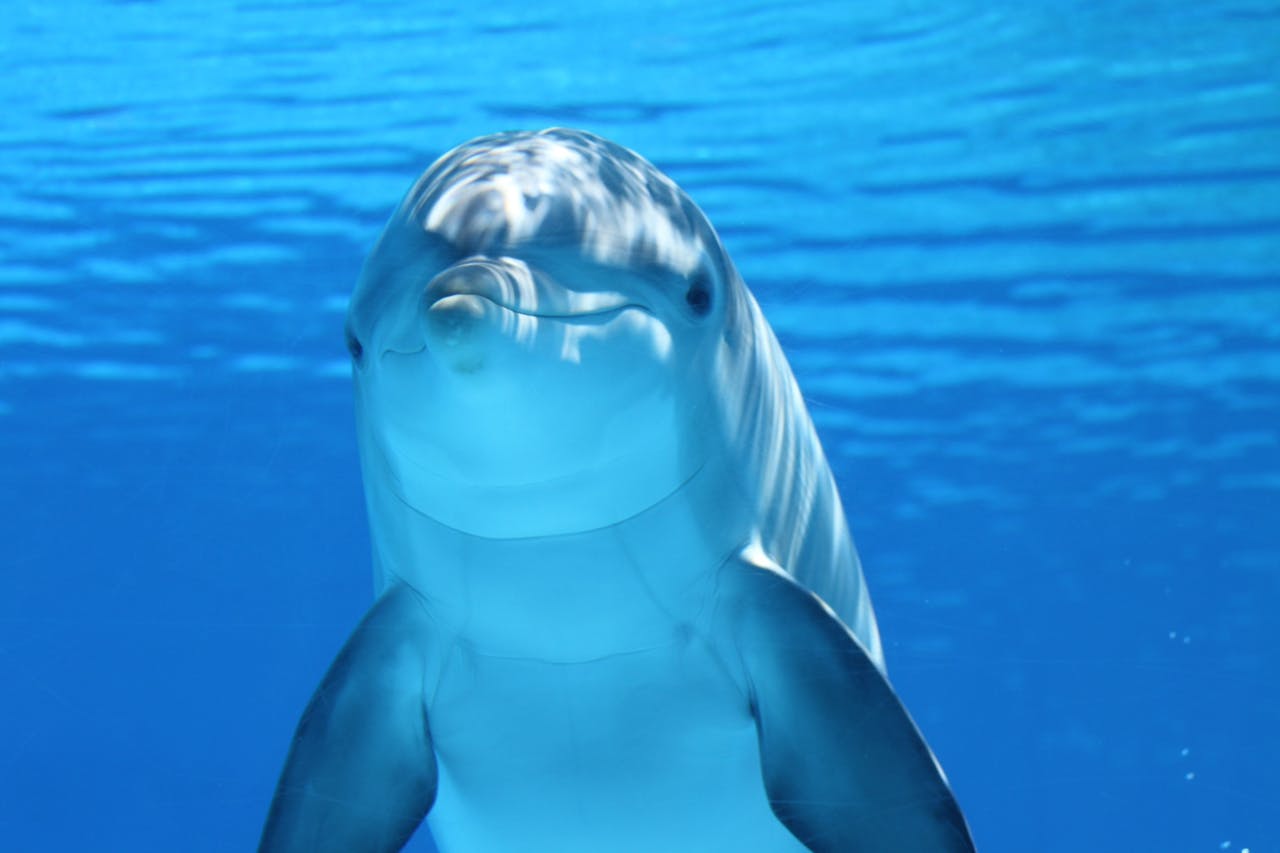
Dolphins have trained generations of visitors to expect a grin and an easy friendship, but federal law treats them as strictly hands-off wildlife. The Marine Mammal Protection Act bans the take of marine mammals, and harassment can include swimming at dolphins, reaching out from a boat, feeding them, or circling close enough to change their travel or breathing rhythm, even when the pod approaches first. NOAA guidance sets a 50-yard buffer because contact and close pursuit can teach dolphins to beg at marinas, where hooks, lines, and propellers do real harm, and where a photo can turn into evidence in court later on.
Whales
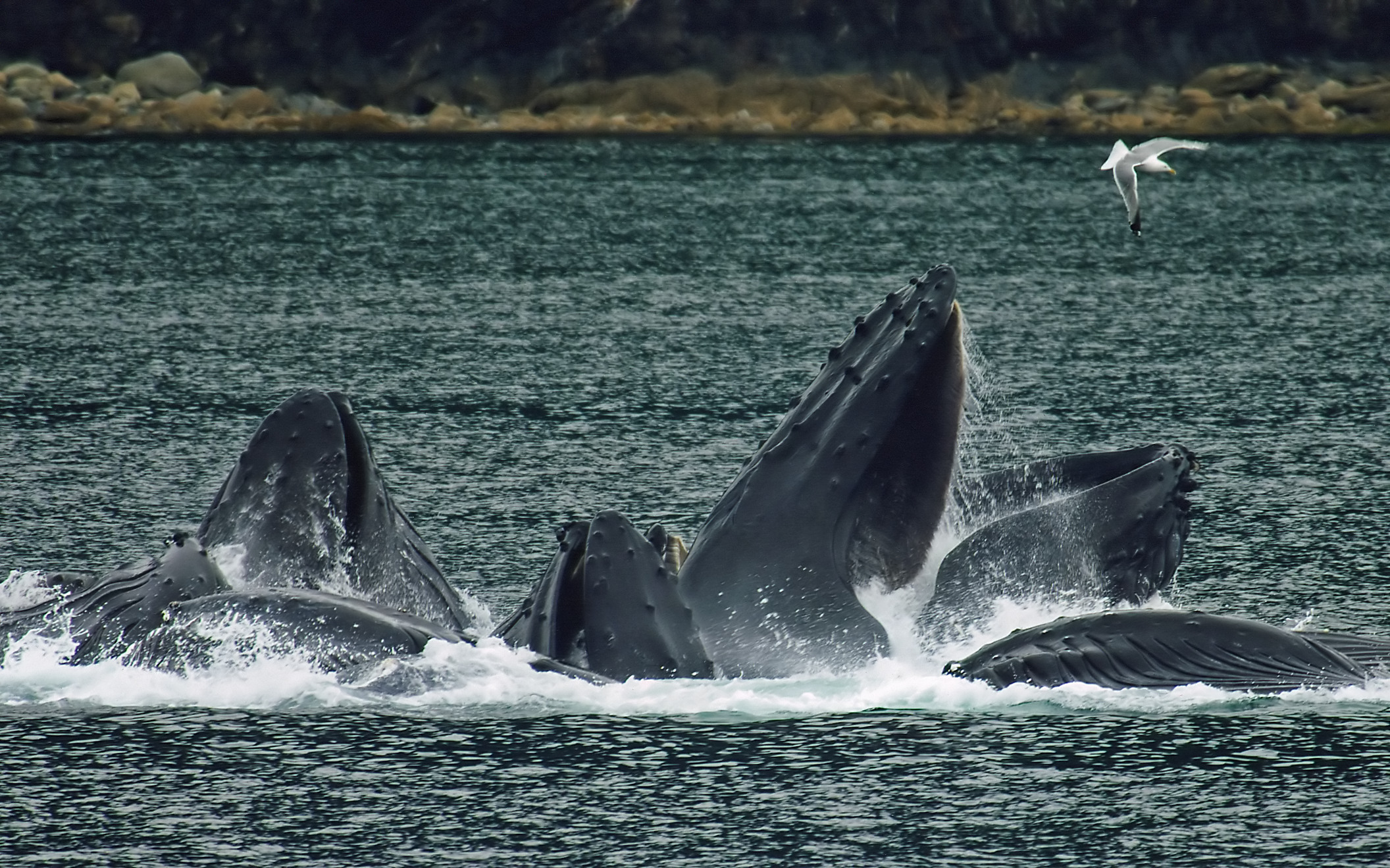
Whale watching sells wonder, yet the boundary is literal, because large whales are protected under the Marine Mammal Protection Act and species-specific rules can stack on top in certain waters. NOAA’s national guidance calls for at least 100 yards of space, with bigger requirements for some whales, and boats that crowd, chase, or cut across a whale’s path can be cited for harassment even without a touch. If a whale surfaces nearby, operators slow and let it pass rather than matching course, since close approaches raise collision risk, disrupt feeding or nursing, and can turn a lucky sighting into an expensive mistake.
Porpoises
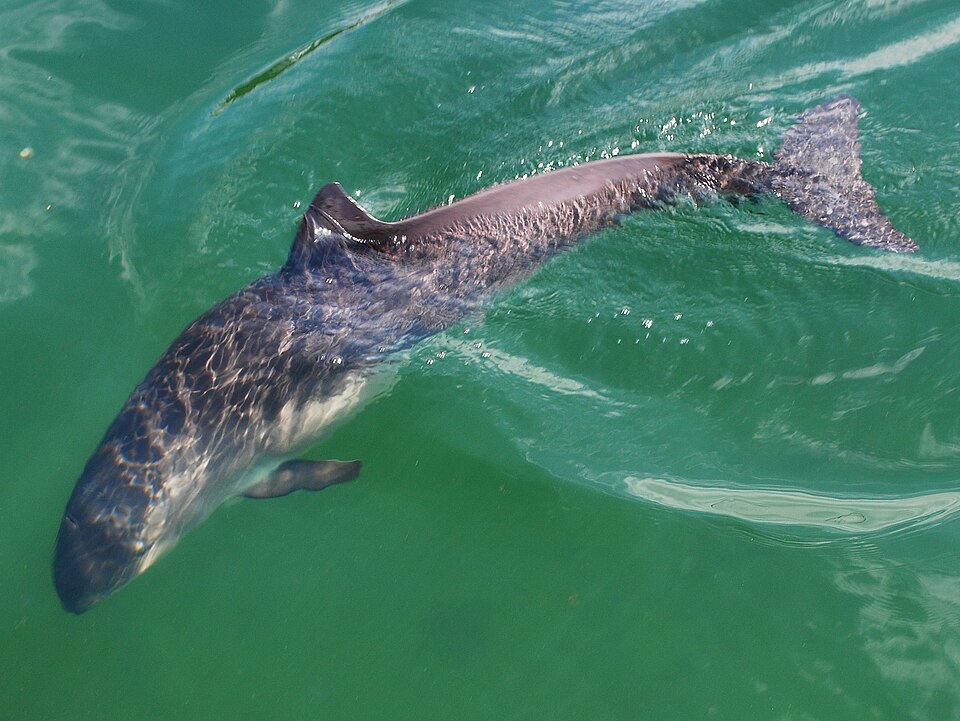
Porpoises do not perform like dolphins, which is exactly why many encounters happen by surprise, close to shore or alongside small boats, kayaks, and paddleboards that think they are just passing through. Legally, they sit under the same Marine Mammal Protection Act umbrella: harassment includes approaching too closely, separating animals, or altering normal travel, and NOAA guidance recommends a 50-yard stand-off. Because porpoises are sensitive to noise and pressure waves, sudden acceleration, tight circles, and repeated near-misses can count as take, meaning impact matters more than intention, even on a photo stop.
Seals
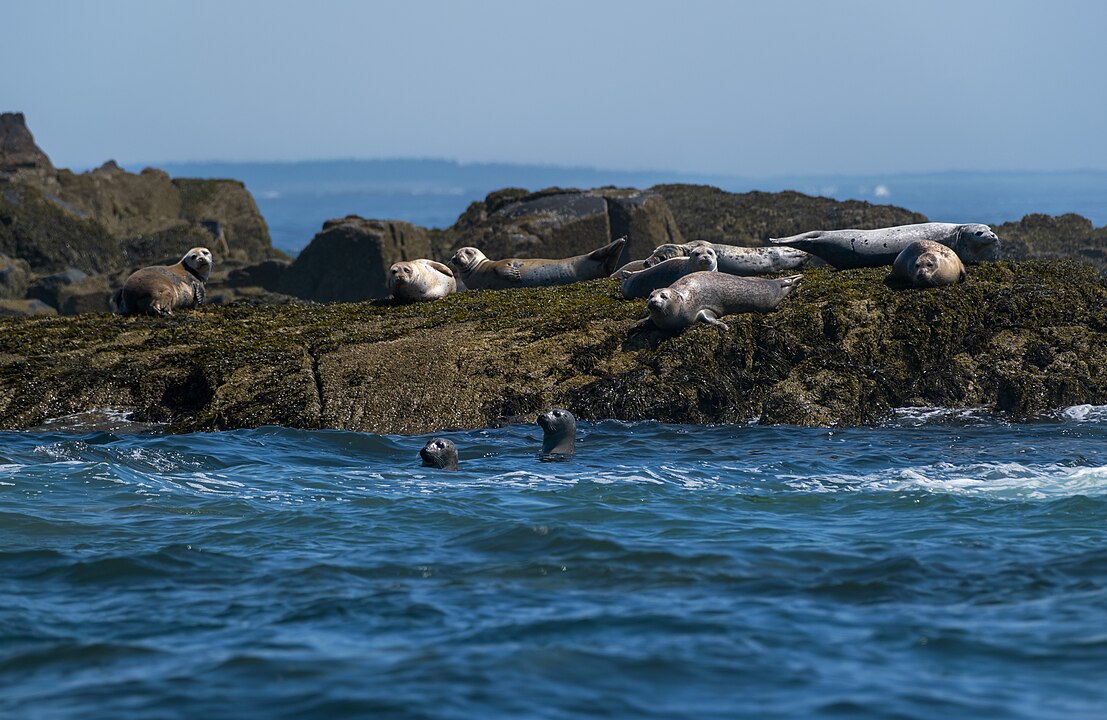
Seals nap in plain view, turning a quiet shoreline into a magnet for curious crowds, especially when a tired animal is mistaken for one that needs help. Under the Marine Mammal Protection Act, disturbing a resting seal can be prosecuted as harassment, and NOAA guidance calls for staying at least 50 yards back so seals do not bolt into surf, abandon haul-outs, or waste energy needed for long swims. Touching a pup, crowding a colony, or pressuring an animal toward the waves can split mothers and pups, which is why rangers use cones and tape: the legal move is space, silence, and no staged photos for everyone nearby.
Sea Lions
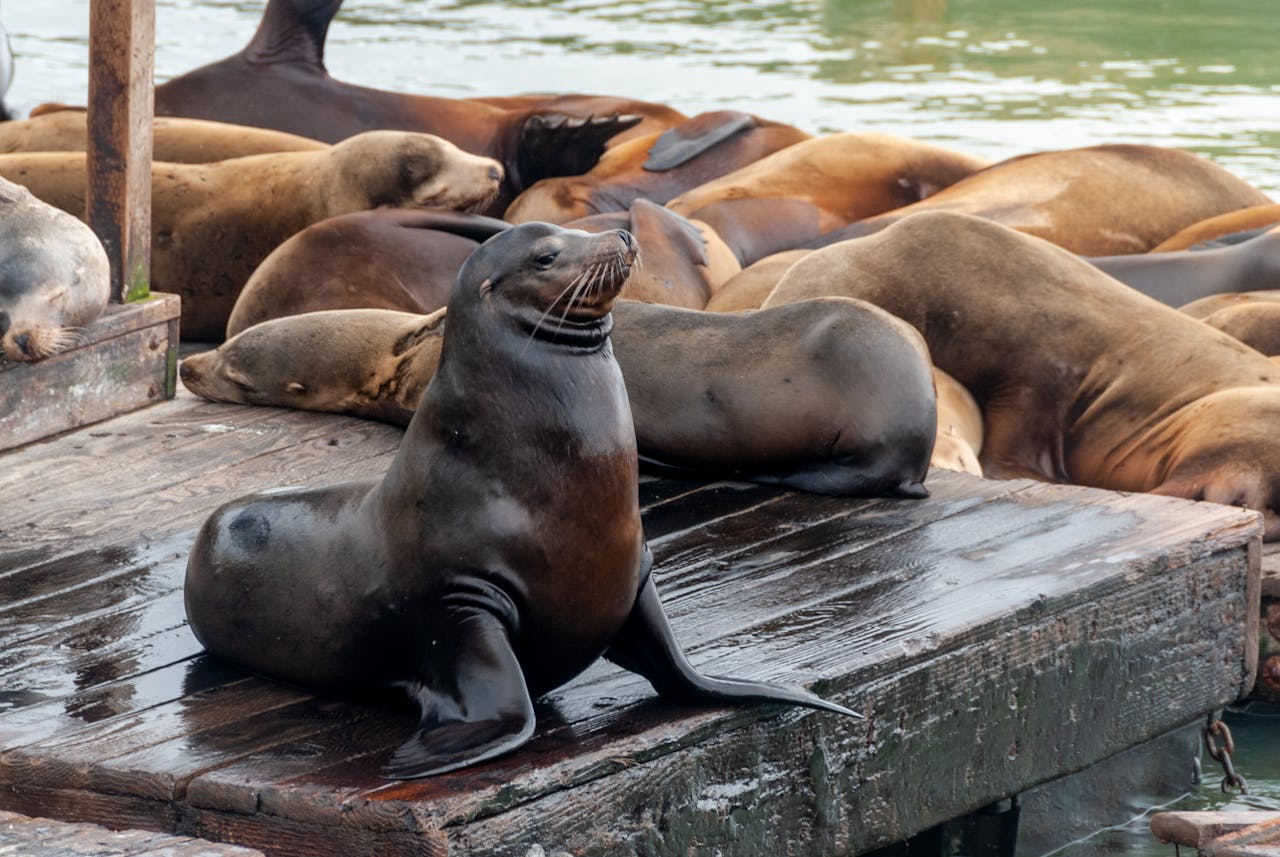
Sea lions are bold, quick, and perfectly comfortable climbing onto docks and boats, which can make interaction feel mutual when it is not. The Marine Mammal Protection Act still draws the line: feeding, touching, or edging close enough to change behavior counts as harassment, and NOAA guidance sets a 50-yard buffer in most viewing situations. Harbors with habituated sea lions become enforcement hot spots because food-conditioning leads to bites, conflicts, and animals that cannot stay wild; near pups and haul-out sites, crowding can trigger stampedes and injuries, and the paper trail often starts with one close photo.
Sea Otters
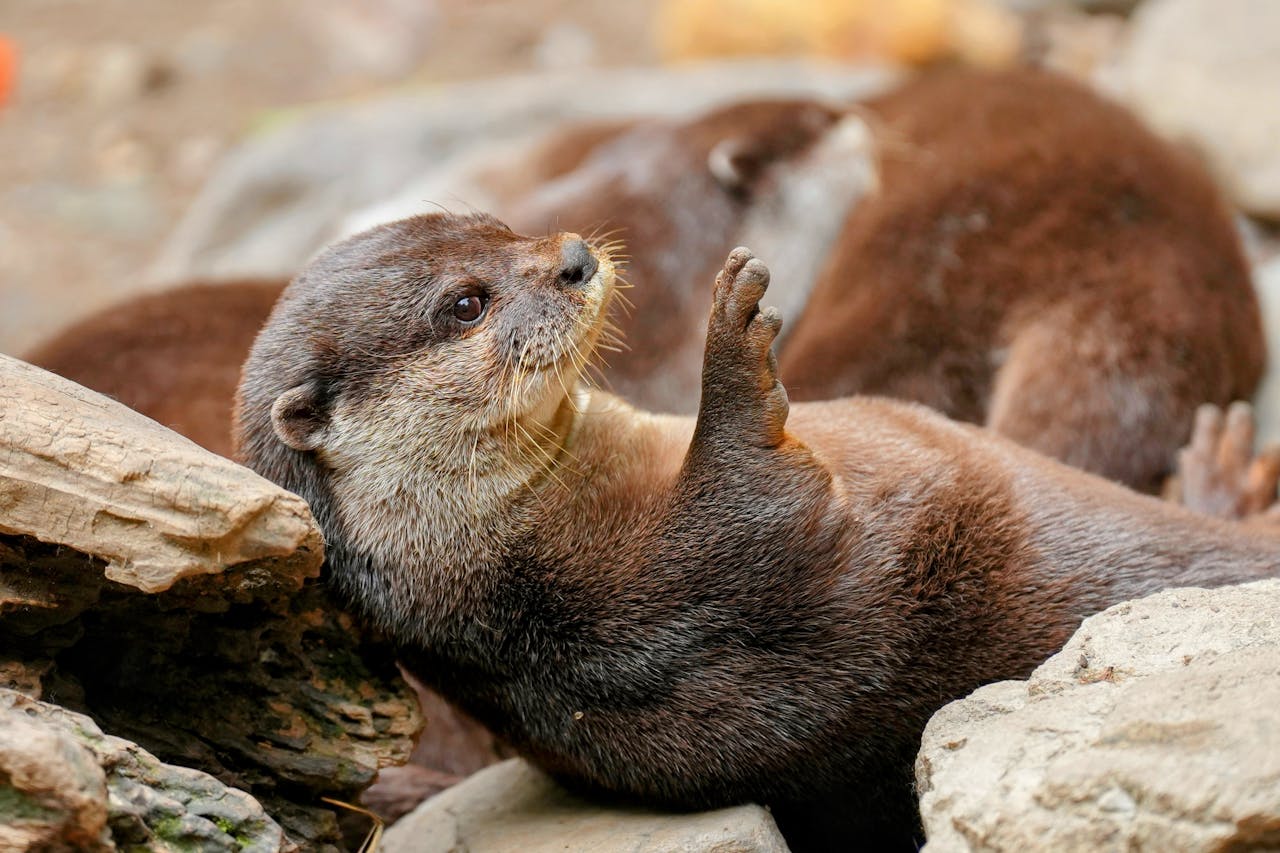
Sea otters look like plush toys, but they are protected like a public trust, and the rules do not soften for kayaks, photographers, or curious beachgoers. Under the Marine Mammal Protection Act, touching, chasing, or pressuring an otter to dive repeatedly can be treated as harassment, and NOAA guidance calls for 50 yards because a fleeing otter burns energy it cannot easily replace. Along the Pacific coast, otters shape kelp forests by keeping sea urchins in check, and pups often rest on a mother’s chest, so crowding a raft does more than spoil a moment; it can pull an entire pocket of coastline out of balance quickly.
Hawaiian Monk Seals
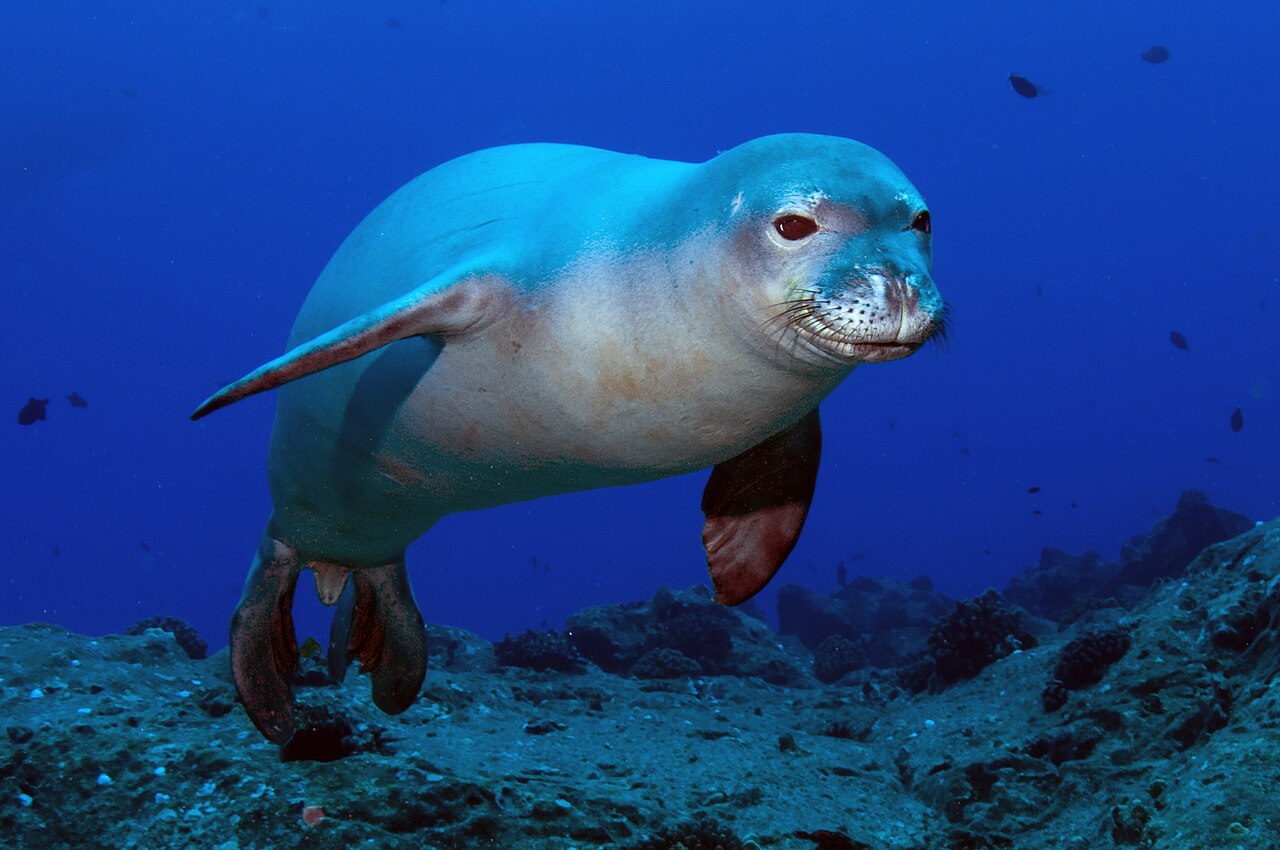
Hawaiian monk seals can haul out on open sand like a dozing neighbor, yet they are one of the rarest marine mammals in US waters, and a resting seal is not an invitation. The Endangered Species Act and the Marine Mammal Protection Act make it illegal to touch, feed, approach, or harass them, so beach closures and roped buffers are meant to keep people from changing a seal’s behavior in the name of a photo. NOAA recommends wide space, often 50 yards and more around mothers with pups, because disturbance steals critical rest, teaches risky comfort with crowds, and can draw dogs, drones, and curious hands into the problem.
Sea Turtles
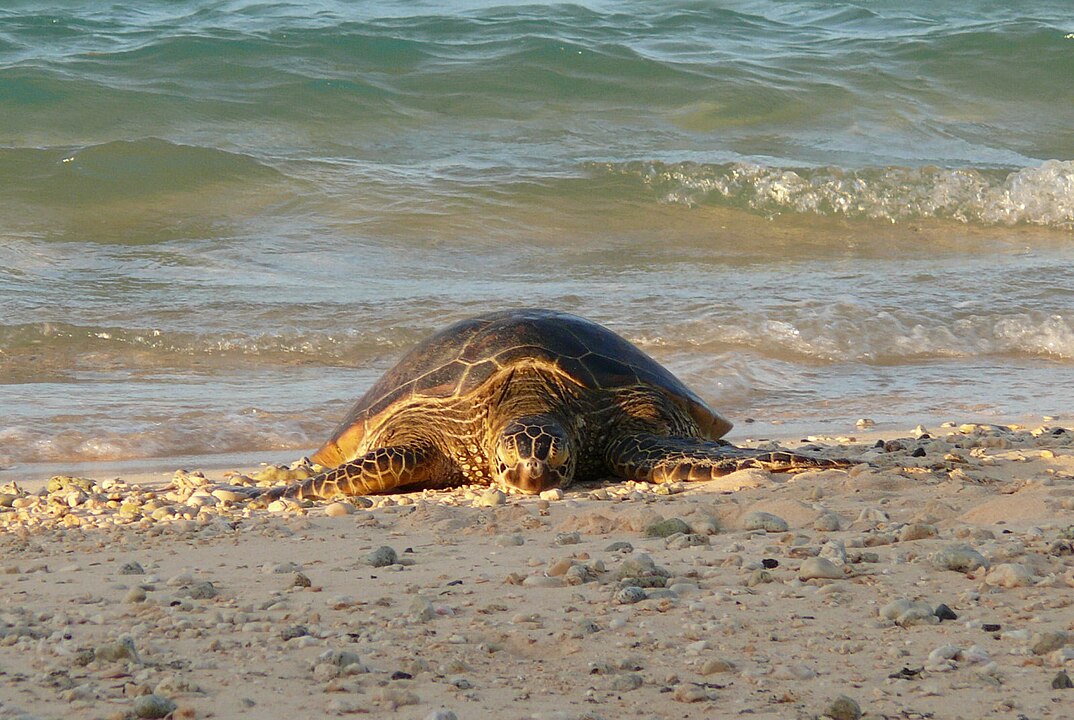
Sea turtles move with an ancient calm, and that calm is easy to misread as consent when one glides past a mask or rests on warm sand. In US waters, all sea turtle species are listed under the Endangered Species Act, making it illegal to harass, harm, possess, or otherwise take turtles, eggs, or hatchlings, and NOAA guidance sets a 50-yard minimum viewing distance. Even a light touch can remove protective slime or introduce bacteria, and crowding on nesting beaches adds footprints and light that can derail a crawl, so the safest memory is made at distance, with no flash, no chasing, and hands kept completely off, always.
Bald Eagles
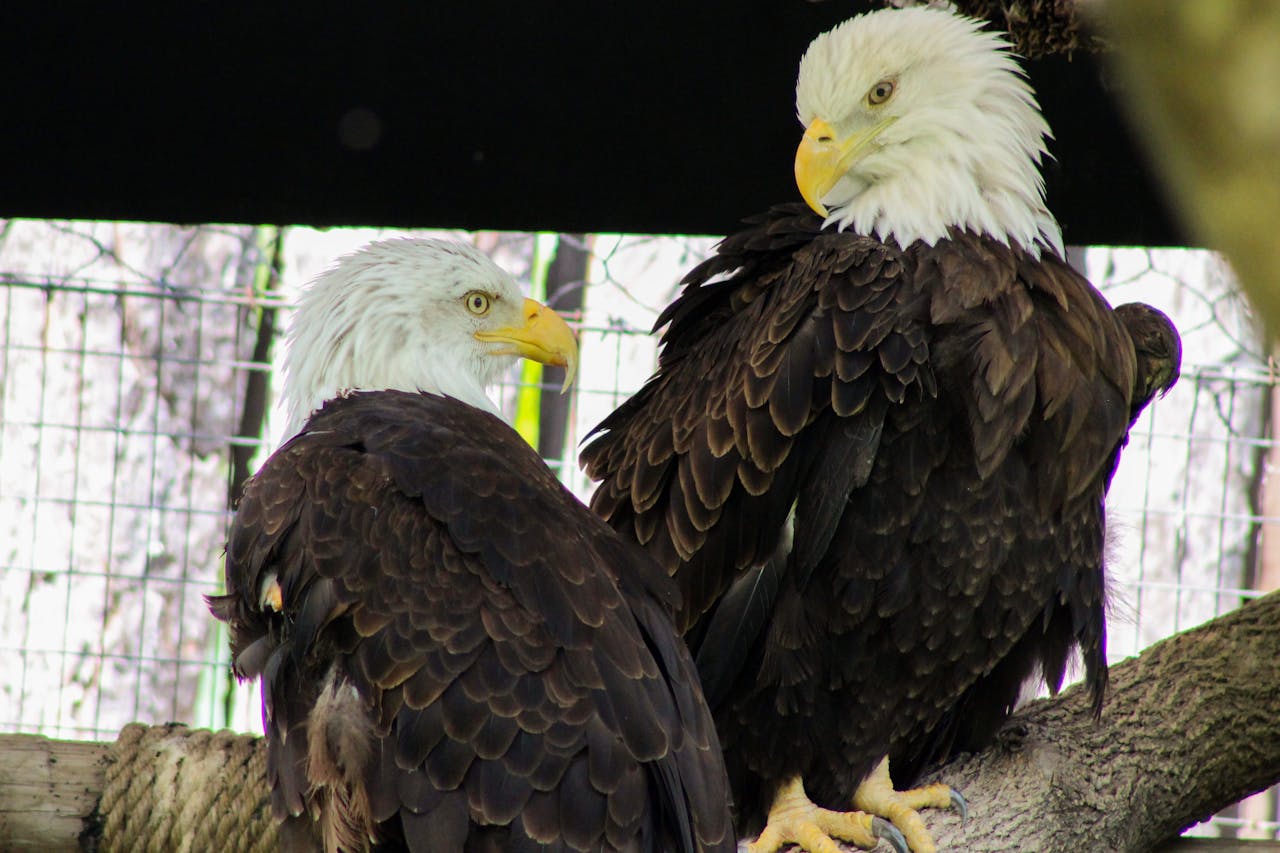
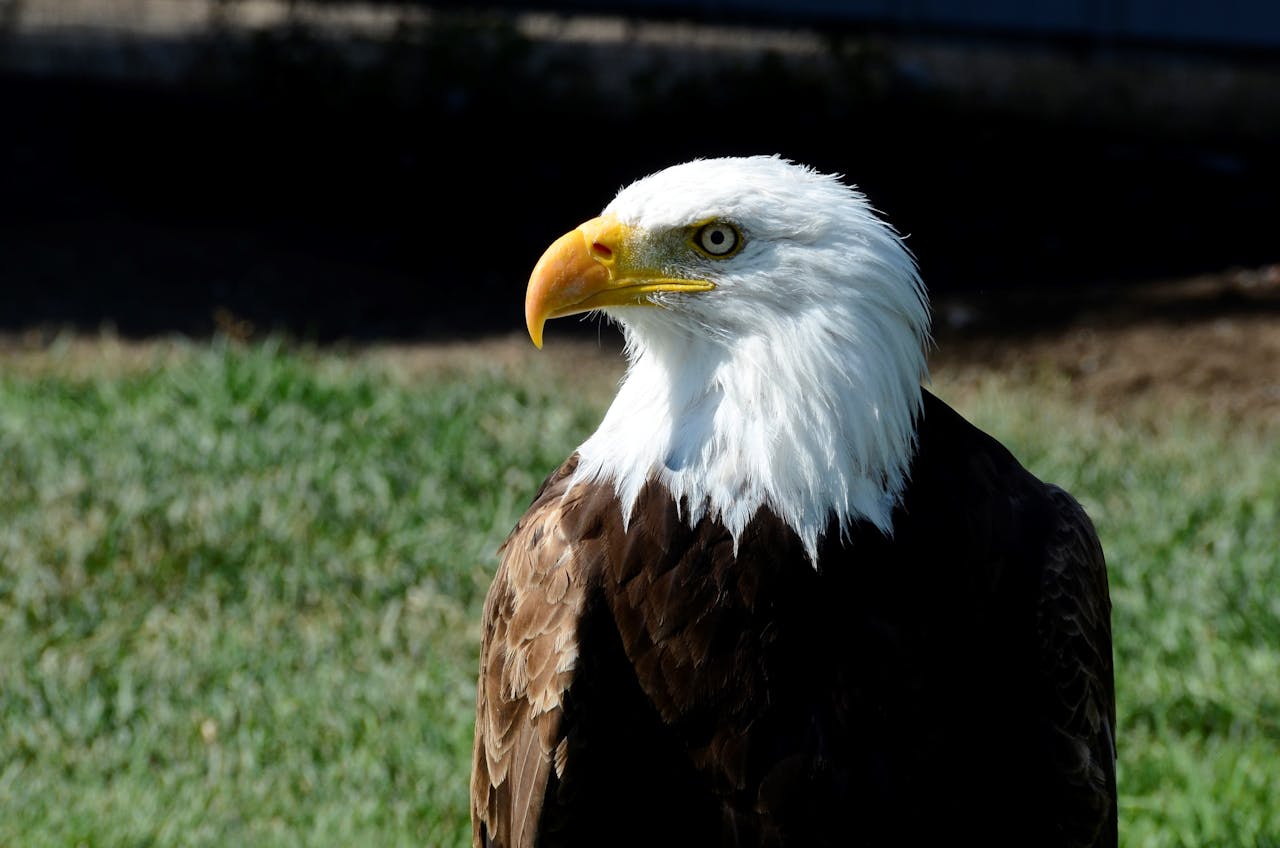
A bald eagle perched above a river can feel like public property, but federal law treats eagles as untouchable, down to the last feather. The Bald and Golden Eagle Protection Act makes it illegal to take, possess, sell, or transport eagles, their parts, nests, or eggs, and that includes feathers found on trails, shed during molting, or removed from a shoreline. Repeatedly flushing an eagle from a nest, climbing close for a dramatic shot, or disturbing nest trees can trigger enforcement; first-offense penalties can reach $100,000 for individuals, $200,000 for organizations, and one year in prison under federal law.
Golden Eagles
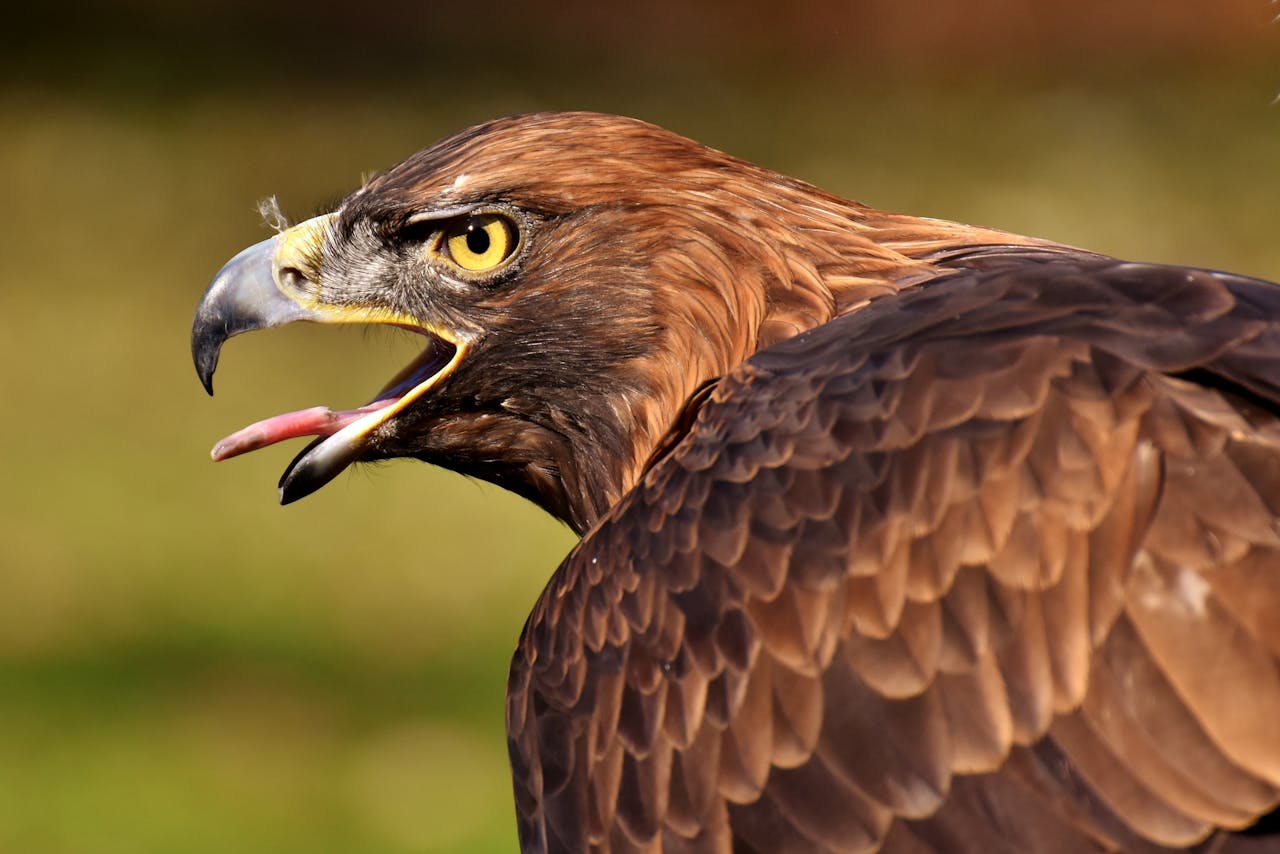
Golden eagles live far from crowds, in open country where a single nest can cling to a cliff for decades, but distance does not weaken the rules. The same Bald and Golden Eagle Protection Act applies, so handling a feather, keeping a talon, or disturbing a nest site can bring federal charges, and repeated disruption can ripple through breeding success because these birds hunt huge territories and return to the same ledges. For a first offense, the statute allows fines up to $100,000 and up to one year in prison, which is why the safest approach is binoculars, long lenses, and leaving every trace exactly where it lies.
Florida Panthers
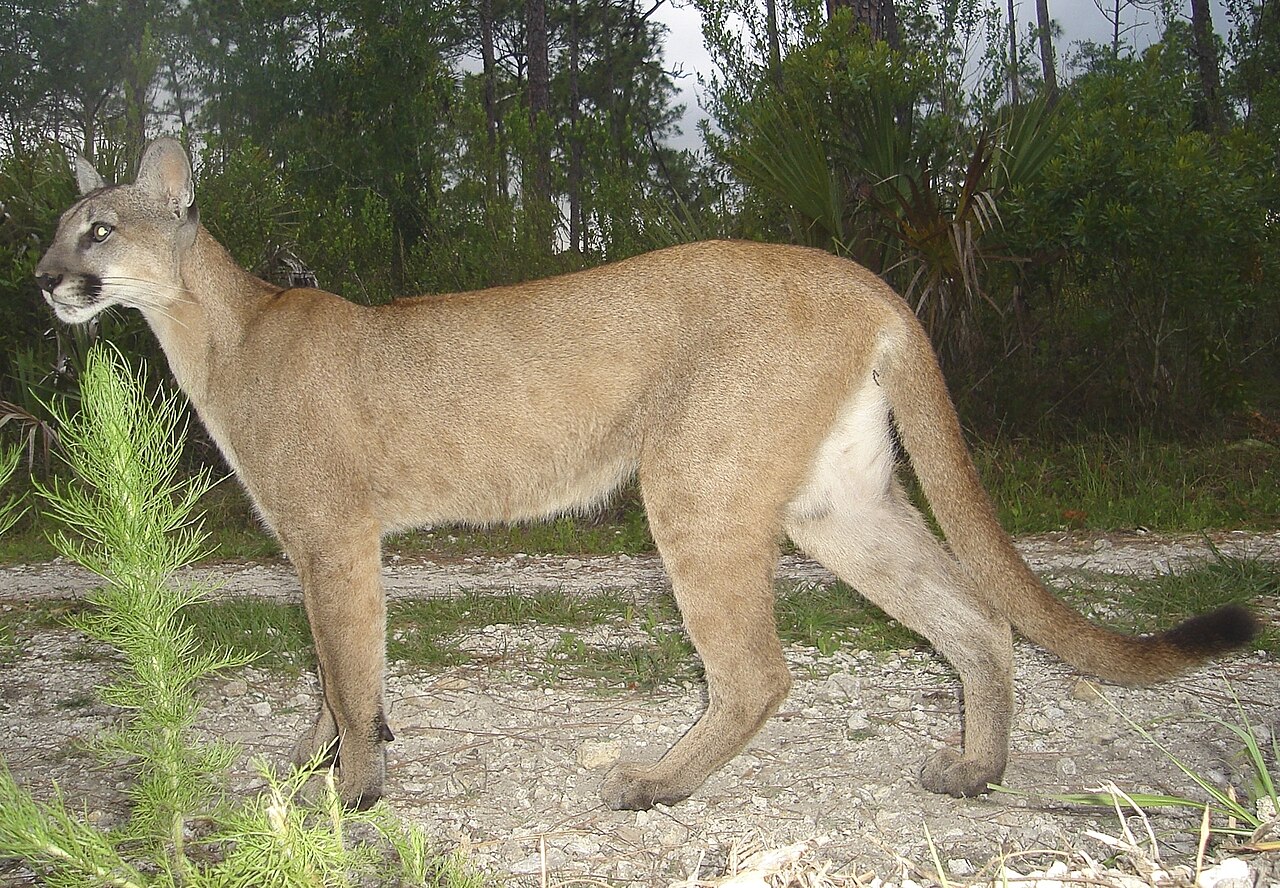
The Florida panther is not a roadside mascot; it is a federally endangered animal with a small, monitored population that survives in south Florida palmetto and cypress country by staying wary. The Endangered Species Act makes it illegal to take, harm, or harass a panther, and the federal definition of take is broad enough to include pursuit that changes behavior, while Florida law adds its own protection. That means no tracking prints for a closer look, no baiting for photos, and no pushing into cover near a den or kill site, because the best help for a rare predator is distance, silence, and letting it remain unseen.