Most kitchens treat package dates like tiny gavel strikes: once the day passes, dinner is guilty and tossed. Food pros see something messier and more human, where labels are hints rather than hard rules. In the U.S., “Best By,” “Sell-By,” and “Use By” often track quality, not safety, and they are not federally standardized. That gap fuels waste with households discarding about three billion pounds of food worth around $7 billion each year, and 88% of Americans admitting they sometimes toss items near or past the date. Clarity starts with storage, temperature, and context, plus a look at how food actually changes over time.
Best By Is Not a Safety Alarm
“Best if Used By/Before” is mainly about peak flavor and texture, not a moment when food suddenly turns dangerous. Manufacturers pick it to protect the eating experience, and quality can fade slowly rather than collapse overnight. After that date, crackers may go stale or salsa may taste flatter, yet the product can still be acceptable if it has been stored correctly. Food safety specialists lean on basics: intact packaging, clean utensils, steady refrigeration for perishables, and obvious spoilage signs. When handling or storage has been questionable, caution wins, even if the date sits in the future. Safety first.
Sell-By Dates Are for Stores, Not Homes
“Sell-By” is an inventory tool, a note to retailers about display time and stock rotation, not a safety deadline for families. After purchase, what matters is the cold chain and the clock that starts when packaging is opened: how long meat, dairy, or deli items sit above fridge temp, whether the refrigerator stays at 40°F (4°C) or below, and whether clean utensils touched the food. Food pros keep sensitive items deeper in the fridge, not in the warm door, and rely on storage-time guidance for each product instead of a store-facing date, which cuts waste and avoids risky guesswork when life gets hectic at home fast.
There Is No Single U.S. Date Label System
Many shoppers assume a national rulebook forces the same date wording across brands, but the U.S. has no single, universally applied system for most foods. Agencies have pushed for clearer language, yet plenty of terms still appear, which is why packages rotate through “Best By,” “Use By,” “Sell-By,” and phrasing that reads like a mandate even when it is not. Food pros treat the label as one clue, then lean on the fundamentals: steady cold storage, clean handling, sealed packaging, realistic time limits after opening, plus a marker on leftovers and a quick fridge thermometer that often do more than any stamp in practice.
Food Does Not Flip at Midnight
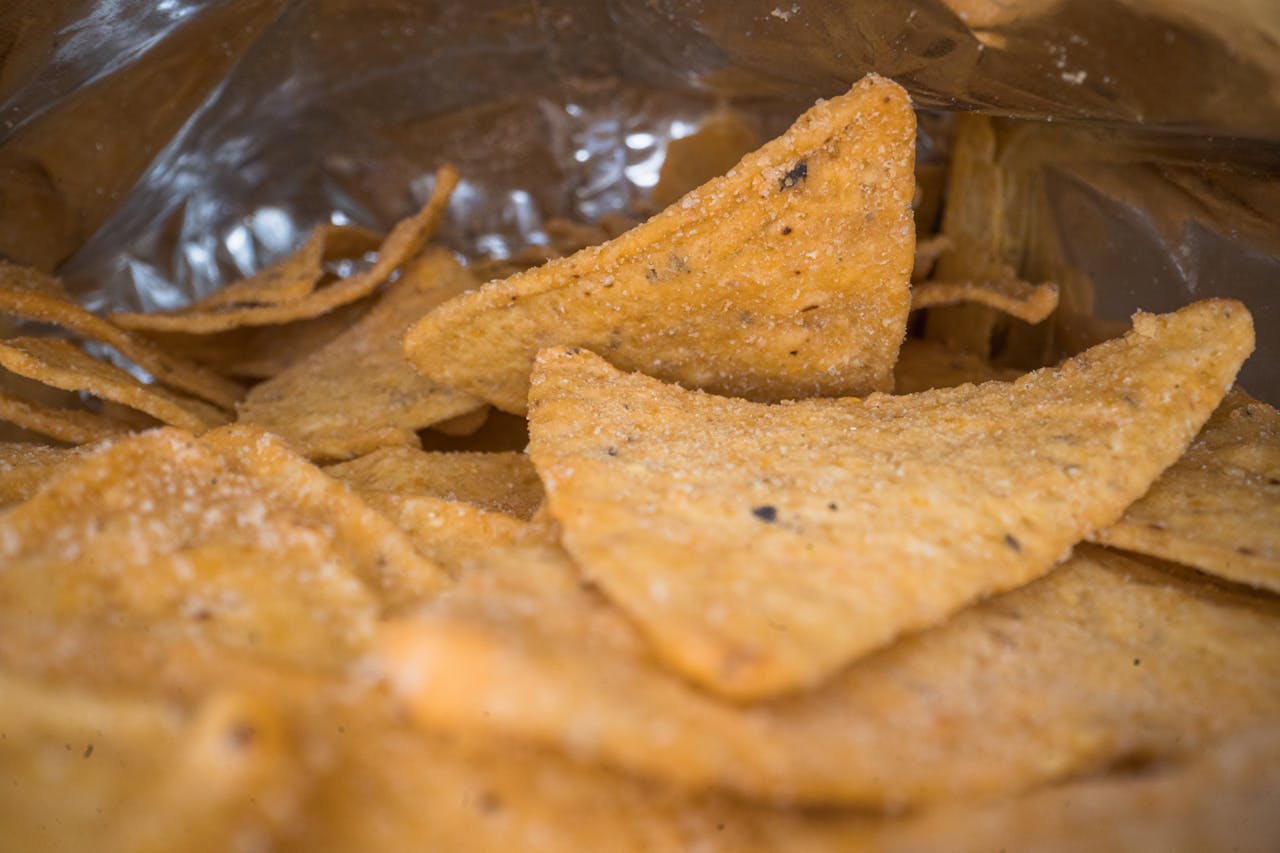
Food does not usually go from safe to unsafe the second a calendar page turns, yet date labels can make it feel that way. Many products stay acceptable past the printed date if they were handled well, while the same item can spoil early if it sat warm in a car, lingered on a counter, or lived in a too-warm fridge. Food safety specialists focus on storage conditions and visible changes in odor, texture, or appearance, and they get extra conservative with foods that spoil quickly, such as cooked leftovers, cut fruit, deli meats, and dairy, discarding anything with an uncertain history even if the label looks reassuring.
Fridge Temperature Beats the Printed Date
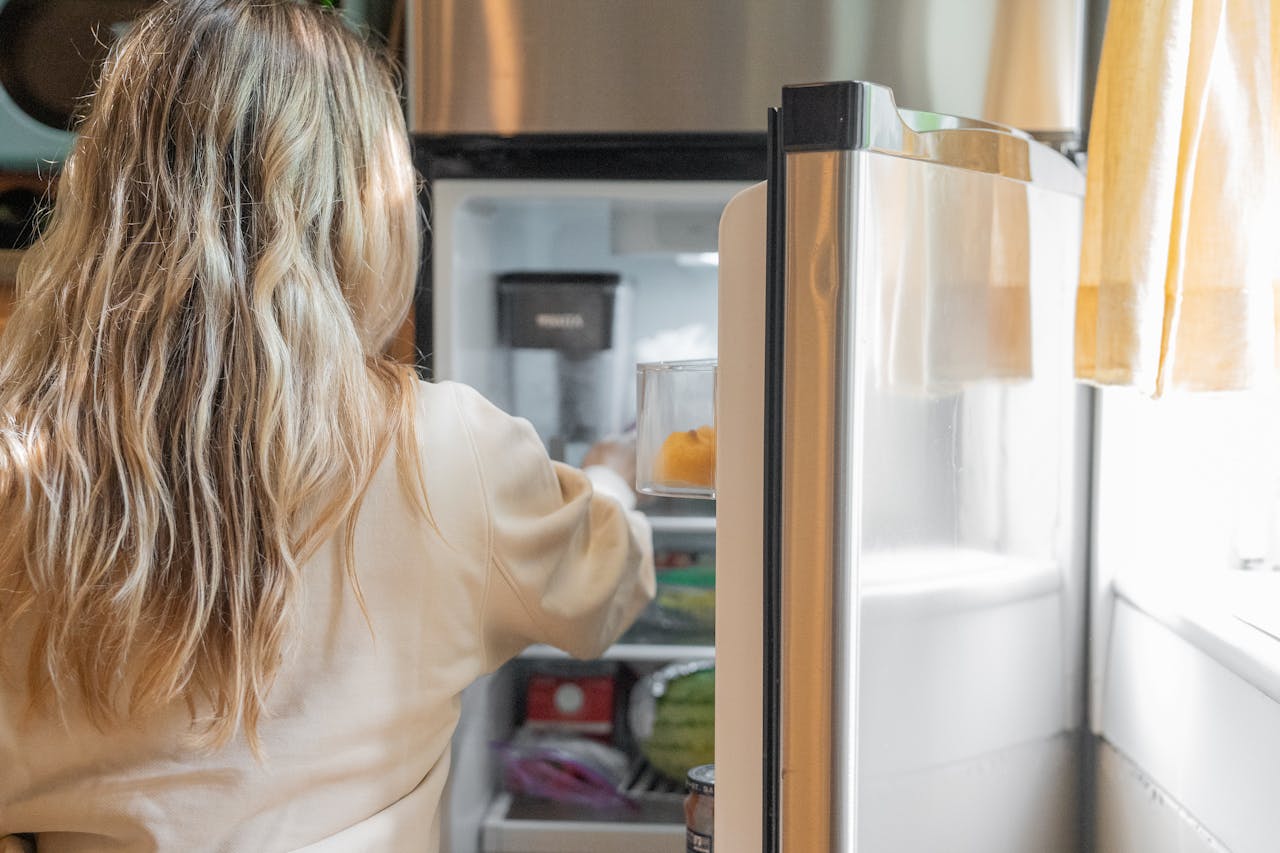
A date stamp cannot protect food that is stored too warm, which is why pros obsess over refrigerator temperature. Most safety guidance assumes a fridge runs at 40°F (4°C) or below and that perishables are not left out for long, yet many home fridges drift higher without anyone noticing. When cold storage is inconsistent, milk sours early, leftovers turn faster, and even before-date packages can become a gamble; pros keep dairy toward the back, avoid overstuffing vents, cool hot foods promptly, and build small habits, like closing the door quickly, that add up during busy weeks and summer heat in a crowded kitchen.
A Good Smell Is Not a Safety Guarantee
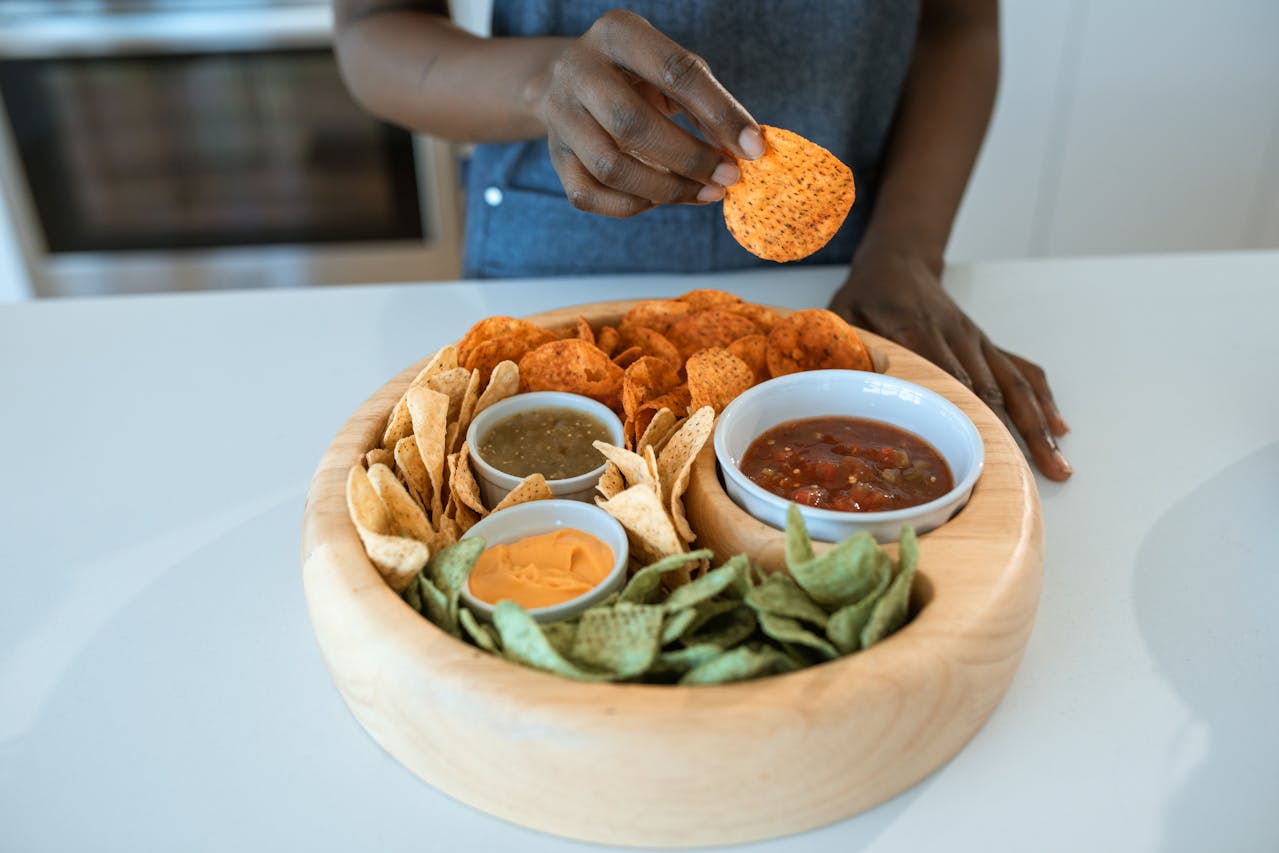
Smell is useful for catching obvious spoilage, but it is not a lab test, and some harmful bacteria do not announce themselves with a strong odor. That is why food pros treat smell as one clue alongside time and temperature rules, especially for high-risk foods like cooked leftovers, seafood, and ready-to-eat meats, and they check reputable storage charts when memory gets fuzzy. Clear off-odors, slime, mold, or a bulging package are red flags, yet an item that seems normal still deserves a reality check based on how long it has been stored and how consistently it stayed cold since some risks are invisible and quiet.
Egg Carton Dates Rarely Mean Danger
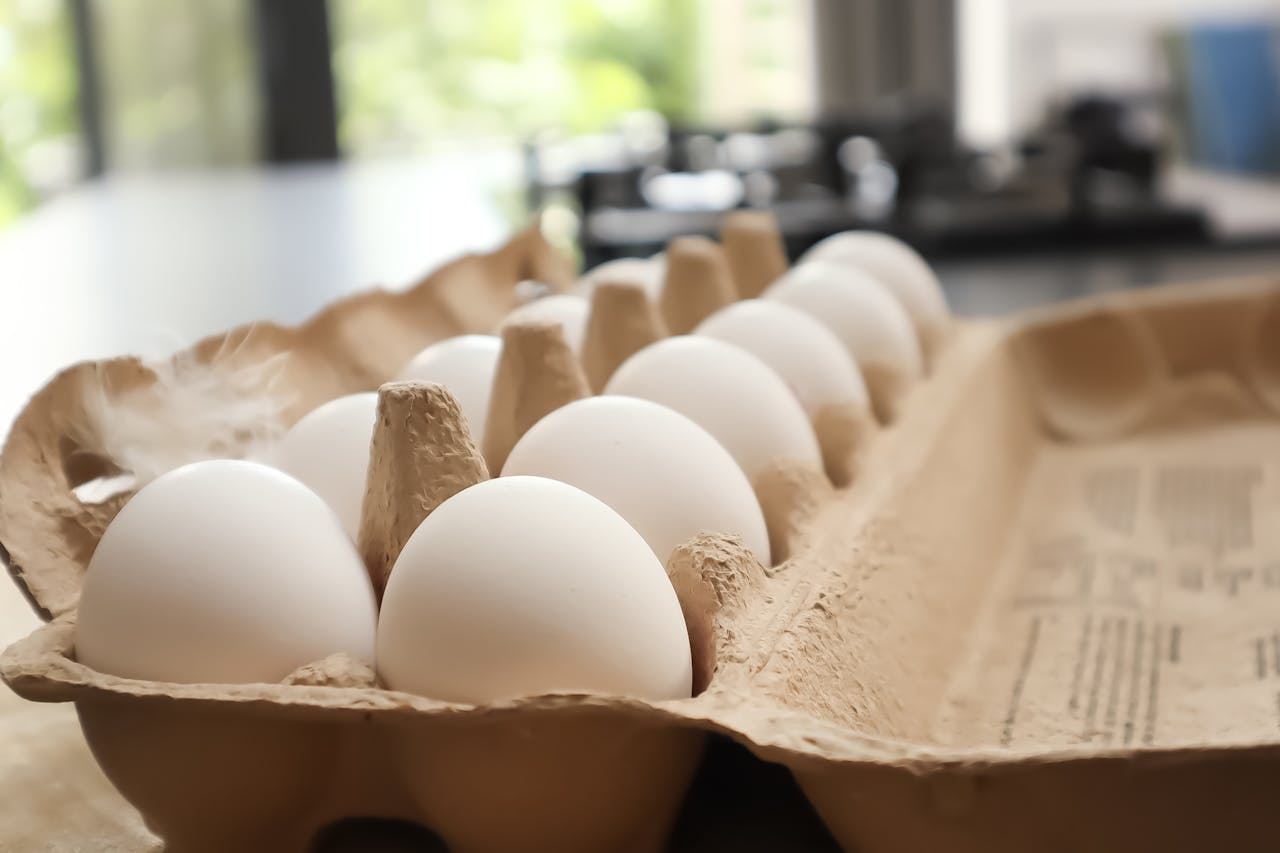
Egg cartons often carry a quality date, not a hard safety deadline, which surprises people who grew up treating it like an ultimatum. Kept consistently refrigerated, eggs can remain usable for weeks beyond that print date, while warm storage or repeated temperature swings shorten that window quickly. Food pros use the float test as a freshness clue, since an older egg develops a larger air cell and tends to rise, but they still lean on basics: clean shells, separate storage from strong odors, and thorough cooking when freshness is uncertain, rather than letting a stamp decide breakfast, because caution is simple and cheap.
Milk Often Lasts Past the Date When Stored Well

Milk is famous for being tossed on schedule, yet food pros know the printed date is not a stopwatch, and cold storage can buy extra days, especially for unopened cartons. When milk stays consistently refrigerated, it often still remains fine beyond the label, while cartons kept in the door spoil faster because that spot warms with every opening and closing. Sour smell, curdling, and a sharp change in taste are clearer signals than the calendar, and a simple habit of parking milk deeper inside the fridge, away from the light and the door draft, reduces both waste and unpleasant surprises during busy weeks at home, too.
Freezing Helps, But Quality Still Changes

Freezing can hold food in a safe state far longer than a refrigerator can, but it does not preserve taste and texture forever. Over time, ice crystals damage cell walls, fats pick up off flavors, and freezer burn dries surfaces, so berries go mushy, bread stales, and a steak may be safe yet disappointing months later. Food pros freeze early while quality is high, press air from bags, label containers with date and contents, and track leftovers, using freezer storage guidance instead of assuming a deep freeze erases every timeline printed on a package, keeping meals enjoyable and cutting waste on tight schedules, too.
Dry Pantry Foods Can Still Go Bad
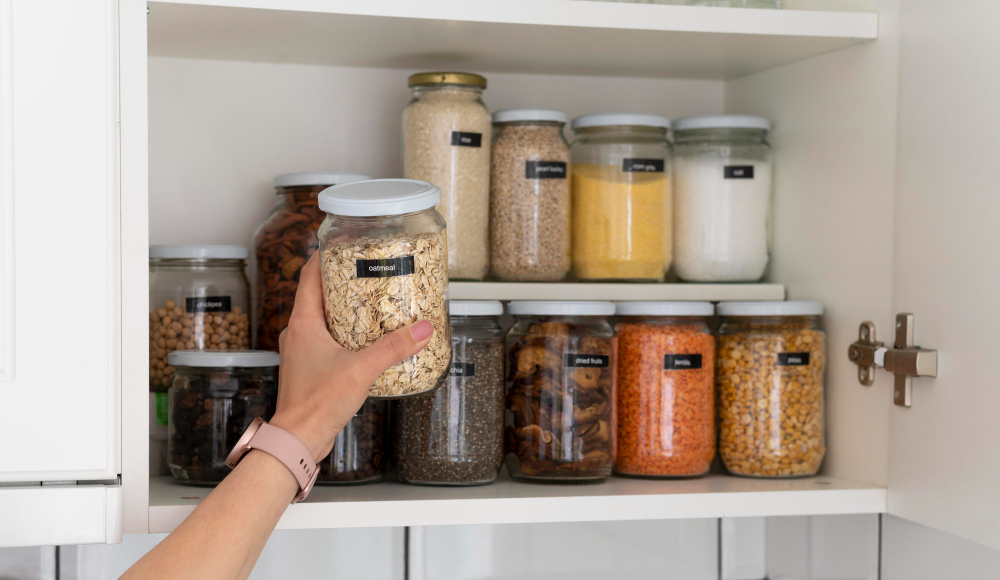
Dry does not mean immortal. Pantry staples like flour, rice, cereal, and nuts can lose quality, absorb odors, or turn rancid as oils oxidize over time, even when no moisture is visible. Spices fade, whole grains taste stale, and pantry pests can contaminate food quietly, especially in warm cabinets or opened bags that sit for months. Food pros often store dry goods in sealed containers, keep them cool and dark, and watch for off smells, clumping, or tiny webbing; some even freeze flour briefly after buying it, treating the date as a quality guide rather than a guarantee, protecting both taste and budget all year, too.